.png?width=1200&quality=80)
Som Tum Jinda
Isan · Nai Mueang, Ubon Ratchathani
Restaurant in Ubon Ratchathani, Thailand
 Book with Pearl
The Read
Mortar-and-Pestle Isan Precision
Price
฿฿
Chef
Jinda
Dress
Casual
Why go
Som Tum Jinda is Ubon Ratchathani's only Michelin Bib Gourmand recipient (2024 and 2025) and the city's reference point for somtum. Chef-owner Jinda has been refining this single dish category since 1974. Walk-ins are easy, pricing is mid-range, and the fish maw salad and crispy catfish somtum are the standout orders. Come for lunch.
About Som Tum Jinda
Should You Book Som Tum Jinda?
Getting a table at Som Tum Jinda is easy — walk-ins are the norm at this downtown Ubon Ratchathani institution, and the booking reality here is refreshingly uncomplicated for a two-time Michelin Bib Gourmand recipient. The harder question is whether it belongs on your itinerary at all. The answer is yes, particularly if you are eating your way through Isan cuisine seriously, or if you want a concrete data point on what makes the region's cooking distinct from the Thai food you already know.
The Venue
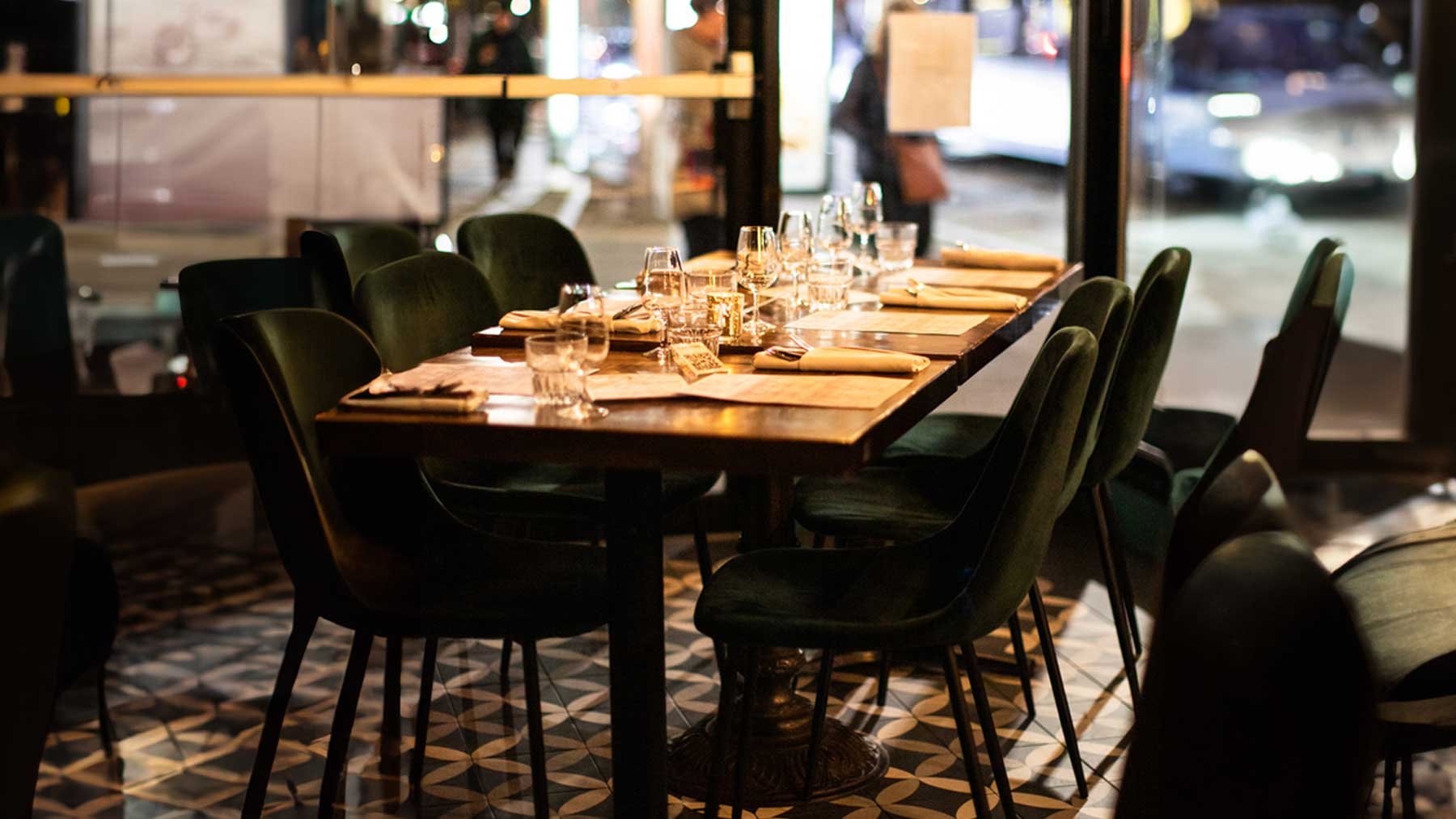
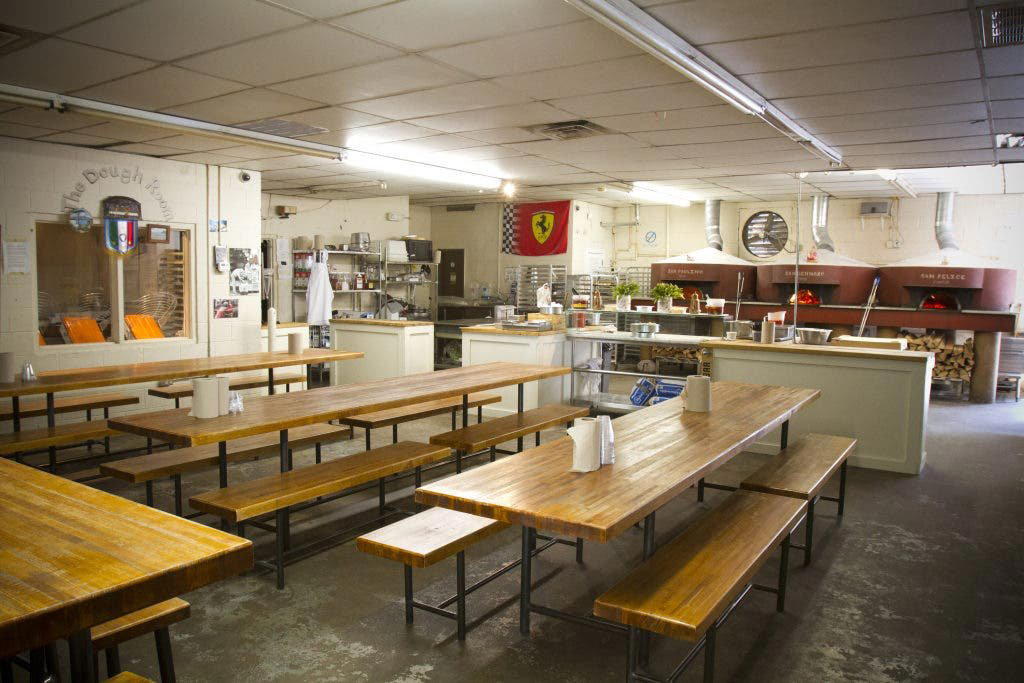
Som Tum Jinda sits on Phichitrangsan Road in central Ubon Ratchathani, a mid-range street address in a city that does not trade heavily in restaurant theatrics. The physical setup is functional rather than atmospheric: expect open-air or semi-open seating typical of a well-established Thai lunch spot, with tables arranged for practical throughput rather than intimate dining. The spatial experience here is communal and casual. If you are coming from a design-conscious restaurant background and hoping for a considered interior, recalibrate expectations. The room is clean, unpretentious, and geared entirely toward getting good food to the table fast. That is not a criticism — it is the point. The space signals exactly what this is: a working specialist restaurant that has been operating since 1974, built around a craft rather than a concept.
The Food Case
Chef-owner Jinda has been making somtum since 1974, starting at a university canteen before relocating downtown. The focus is narrow and deliberate: this is a somtum specialist, not a general Isan restaurant. The Michelin Bib Gourmand (2024 and 2025) recognises the kitchen's consistency, and among somtum specialists in the northeast, that two-year consecutive recognition carries real weight. The Isan-style spicy fish maw with bamboo shoot salad is documented as achieving a clean balance of herbs, with Tiliacora juice adding an aromatic intensity that marks it out from Bangkok-style preparations. The signature somtum with crispy catfish delivers strong tang. Heat is adjustable, the kitchen will calibrate spice level to order, which matters for non-Thai guests who want to eat authentically without being overwhelmed. At the ฿฿ price point, you are spending mid-range for Ubon Ratchathani, which translates to very affordable by any international standard. A full meal for two with drinks should remain well within budget expectations for the region.
Lunch vs. Dinner: How the Experience Shifts
Som Tum Jinda follows a pattern common to Isan specialist restaurants of this type: the daytime visit tends to be the stronger choice. Lunch here aligns with the kitchen's natural rhythm, somtum dishes are built for midday eating, the ingredients are at peak freshness, and the energy of the room matches the food's brightness and acidity. If you are visiting in the afternoon, you get the food at its most alive and the room at its most authentic. An evening visit is not a lesser experience, but the operational DNA of a place like this, fast, high-turnover, specialist, sits more naturally in daylight hours. For explorers who are building a day around Ubon Ratchathani's food scene, the practical recommendation is to position Som Tum Jinda as your midday anchor and save evening slots for somewhere like View Mun or Chomjan, which may offer a different register for dinner.
Who Should Book
Som Tum Jinda is the right choice if you are a food-focused traveller who wants to eat Isan cuisine at a level that has been externally validated. The Bib Gourmand designation means Michelin's inspectors found exceptional food at a moderate price, that is the precise brief this restaurant fulfils. It is also the right choice if somtum specifically is what you are after: the menu depth on that dish alone justifies a dedicated visit. It is less suited to travellers who prioritise ambiance, long tasting-menu formats, or wine pairing. For that kind of evening in the northeast, you would be better positioned looking at what Sorn in Bangkok or PRU in Phuket offer in terms of format, though neither replicates the regional specificity of what Jinda is doing in Ubon. Among Isan specialists across Thailand's northeast, useful comparisons include Jum Khao in Nakhon Ratchasima and Kai Yang Rabeab in Khon Kaen, both of which serve the broader region's cooking with their own specialisations. Som Tum Jinda's edge is its singular focus and its five decades of refinement on one dish category.
Booking and Logistics
No reservation is typically required. The restaurant is on Phichitrangsan Road in Mueang Ubon Ratchathani District, accessible from the city centre. Given the walk-in model, timing your arrival matters more than advance booking: aim for the lunch window to hit the kitchen at its finest and avoid peak crowd periods by arriving slightly before or after the main rush. For wider context on eating and staying in the city, see our full Ubon Ratchathani restaurants guide, our hotels guide, and our bars guide. If you are building a regional food itinerary across the northeast, our Ubon Ratchathani experiences guide covers the broader picture.
Pearl Picks Nearby
- Krua Samchai, Isan, ฿฿
- View Mun, Ubon Ratchathani
- Guay Jub Ubon, Street Food, ฿
- Chomjan, Thai, Ubon Ratchathani
- Agave, Vietnamese, Ubon Ratchathani
- AKKEE in Pak Kret, Thai specialist
- Aeeen in Chiang Mai, Northern Thai
- Jum Khao in Nakhon Ratchasima, Isan
- Kai Yang Rabeab in Khon Kaen, Isan
- Ubon Ratchathani wineries guide
Planning details
- Location
- 63/1 Phichitrangsan Rd, Mueang Ubon Ratchathani District, Ubon Ratchathani 34000, Thailand
- Phone
- +66 45 255 223
The take
The Take
The Vibe
Som Tum Jinda reads like a classic Isan institution: a street-level kitchen rooted in mortar-and-pestle technique and flavors that speak directly to the region. The restaurant’s consecutive Bib Gourmand mentions underline a reputation for dependable, regionally true cooking rather than trend-chasing presentation. You encounter fermented pla ra, bright herbs and unapologetic heat, all delivered in a setting that’s anchored to the neighborhood and its rhythms. The overall feel is grounded and authentic — a place where the food’s provenance and method are the main attraction, and where regulars and curious visitors converge for reliably robust Isan cooking.
Best For
Som Tum Jinda is best for people seeking an authentic, value-forward Isan experience—groups of friends, families comfortable with bold flavors, and visitors who want a local benchmark rather than a tourist-tilted version of Thai food. The Bib Gourmand nod signals good cooking at a moderate price, which makes the spot an easy choice for lunch or dinner when you want generous, shareable plates and lively neighborhood energy. It’s well suited to communal ordering and to anyone prioritizing regional authenticity over formal dining formality.
Ordering Tips
Order with the table in mind and embrace sharing: the somtum with crispy catfish is a signature and a strong entry point to the menu, while the Isan-style spicy fish maw with bamboo shoot salad showcases fermented, textural flavors unique to the region. Expect assertive heat and fermented notes—ask about spice levels if you prefer milder preparations. Favor a mix of salads and grilled or fried accompaniments so you can balance punchy, sour somtum flavors with richer, crunchy dishes for contrast.
Venue details
Ambiance
Straightforward and lively atmosphere with functional lighting, practical décor suited to fast lunches and relaxed dinners focused on shared plates.
Tags
Vibe
Best For
Experience
Sourcing
At the Table
- Dress Code
- Casual
- Noise Level
- Lively
- Service Style
- Casual
- Meal Pacing
- Standard
- Capacity
- Medium
Signature Dishes
- somtum with crispy catfish
- Isan-style spicy fish maw with bamboo shoot salad
Know before you go
Know Before You Go
- Getting there
- 63/1 Phichitrangsan Rd, Mueang Ubon Ratchathani District, Ubon Ratchathani 34000, Thailand
Planning details
Location
63/1 Phichitrangsan Rd, Mueang Ubon Ratchathani District, Ubon Ratchathani 34000, Thailand · Directions
Recognition and awards
Also consider
Also Consider
- Indochine, Vietnamese, ฿฿
- Mok, Thai, ฿฿
- Guay Jub Ubon, Street Food, ฿
- Krua Samchai, Isan, ฿฿
- Pak Mor Robot, Small eats, ฿
Restaurant context
Among ฿฿ options in Ubon Ratchathani, Som Tum Jinda is the clearest choice for anyone whose priority is Isan cuisine with external validation behind it. Krua Samchai is the most direct peer, also Isan, also mid-range, but lacks Michelin recognition. If you are deciding between the two for a single Isan meal in the city, Som Tum Jinda's two consecutive Bib Gourmand awards make it the higher-confidence pick. Krua Samchai may suit travellers who want a broader Isan menu rather than a somtum-focused one.
Mok and Indochine operate at the same ฿฿ price tier but cover different cuisines, Thai and Vietnamese respectively. Neither competes directly with Som Tum Jinda's specialist positioning. If your group includes people who want to eat outside Isan cuisine, splitting meals across these venues makes sense; but for a focused Isan lunch, neither is a substitute.
For budget eating, Guay Jub Ubon and Pak Mor Robot both operate at ฿ and offer accessible street food and small-plate options. They are good supplementary stops for a full-day food itinerary but should not be treated as like-for-like alternatives to Som Tum Jinda's level of cooking. If budget is the primary constraint, these are sound options; if quality is the driver, Som Tum Jinda at ฿฿ is the better spend.
Explore Ubon Ratchathani
Around this place
Discover more on Pearl
Unlock the full Som Tum Jinda guide in Pearl, including awards, comparisons, FAQs, planning details, and nearby places.
Compare Som Tum Jinda
| Venue | Price | Awards |
|---|---|---|
| Som Tum Jinda | ฿฿ | 2026 Bib Gourmand2025 Michelin Bib Gourmand2024 Michelin Bib Gourmand |
| Indochine | ฿฿ | 2026 Michelin Plate2025 OAD Casual in North America Ranked · #7262025 Michelin Bib Gourmand2024 OAD Casual in North America Ranked · #7452024 Michelin Bib Gourmand2023 OAD Casual in North America Recommended |
| Mok | ฿฿ | 2026 Bib Gourmand2025 OAD Top Restaurants in Japan Ranked · #5822025 Michelin Bib Gourmand2024 Michelin Bib Gourmand |
| Guay Jub Ubon | ฿ | 2026 Michelin Plate2025 Michelin Plate2024 Michelin Plate |
| Krua Samchai | ฿฿ | 2026 Michelin Plate2025 Michelin Plate2024 Michelin Plate |
| Pak Mor Robot | ฿ | 2026 Michelin Plate2025 Michelin Plate2024 Michelin Plate |

.png?width=1200&quality=80)

What to weigh when choosing between Som Tum Jinda and alternatives.
FAQ
Frequently Asked Questions
What should a first-timer know about Som Tum Jinda?
No reservation is needed — walk in and order. Chef-owner Jinda has been making somtum since 1974, earning Michelin Bib Gourmand recognition in both 2024 and 2025. The menu is narrow and Isan-focused, so come specifically for somtum rather than a broad Thai spread. The price range is ฿฿, meaning this is accessible rather than a splurge.
Is the tasting menu worth it at Som Tum Jinda?
Som Tum Jinda does not operate a tasting menu format — this is a specialist somtum restaurant, not a multi-course concept. Order a selection of dishes from the menu rather than expecting a structured progression. At ฿฿ pricing, the cost of ordering widely is low.
What should I order at Som Tum Jinda?
The somtum with crispy catfish is the signature and the reason to come. The Isan-style spicy fish maw with bamboo shoot salad is also documented as a standout, with Tiliacora juice providing the distinctive aroma. Spice level is adjustable to order, so first-timers who are cautious about heat can ask for mild without compromising the dish.
What are alternatives to Som Tum Jinda in Ubon Ratchathani?
Guay Jub Ubon and Krua Samchai cover broader Isan and northeastern Thai territory if you want variety beyond somtum. Mok and Pak Mor Robot are worth considering for different regional preparations. Indochine shifts the register entirely toward cross-border cuisine. None carry the specific somtum focus or Michelin Bib Gourmand validation that Som Tum Jinda holds.
Can Som Tum Jinda accommodate groups?
Walk-in access makes Som Tum Jinda practical for groups without advance planning. At ฿฿ pricing, ordering multiple dishes across a table is affordable. The format suits groups who want to share dishes and compare spice levels rather than groups needing a formal private-dining arrangement.
Is Som Tum Jinda good for a special occasion?
If the occasion is a food-focused meal rather than a formal celebration, yes. Two consecutive years of Michelin Bib Gourmand recognition gives it genuine credibility as a destination meal in Ubon Ratchathani. For a celebratory dinner that calls for a formal setting or wine service, this is not the format — but for marking a trip with a genuinely validated local meal, it delivers.