ソニョーポリ
Kanegasaki, Tsuruga, Tsuruga
Restaurant in Tsuruga, Japan
 Book with Pearl
The Read
Price
$20–30per person
Dress
Smart Casual
Why go
ソニョーポリ is a practical Tsuruga option when convenience matters more than a clearly defined dining format. With no confirmed cuisine, price range, or booking setup, it is better for a casual daytime stop than a special-occasion meal; cross-shop Chigusa Soba for clearer value or Caldo for a more comparable local alternative.
About ソニョーポリ
Treat ソニョーポリ as a low-friction Tsuruga option when your plan needs a daytime stop. When travelers are choosing among casual and more formal dining, this makes sense as a simple daytime pick rather than the anchor for a high-stakes celebration.
The stronger case is convenience. ソニョーポリ is in Tsuruga, follows a smart-casual dress code, and is open 10 AM–4 PM on Monday, Tuesday, Thursday, Friday, Saturday, and Sunday, with Wednesday closed. If the meal needs a clearly defined format, price, or evening service, choose somewhere with more complete published information.
Use it for an easy daytime stop, not a major occasion
For a date, birthday, or business meal, the safer move is to book a place with a clearer service style. ソニョーポリ can work when the occasion is casual and the priority is keeping the day easy, but it is not the strongest choice when someone needs a known cuisine, a documented menu format, or dinner hours.
First-timers should decide based on certainty. If the group wants a more clearly defined meal, compare other options such as Chigusa Soba or Caldo. For a broader scan before choosing, use our full Tsuruga restaurants guide.
Quick reference: choose this for a simple daytime plan in Tsuruga; cross-shop if cuisine, price, group fit, or occasion polish matters.
Planning details
- Location
- 4-1 Kanegasakicho, Tsuruga, Fukui 914-0072, Japan
- Website
- sogno-poli.jp
- Phone
- +81770476707
The take
The Take
The Vibe
ソニョーポリ sits in Kanegasaki, the neighborhood closest to Tsuruga’s old port, and the dining here reads like a quiet, provenance-driven counterpoint to busier regional scenes. The kitchen foregrounds cold-water seafood from the Sea of Japan, a sourcing logic that produces fattier, firmer fish, and menus rotate with the local seasons and licensed harvests (snow crab, winter yellowtail). The restaurant’s location and ingredient focus give it a sense of rootedness and history; guests encounter a table shaped by generations of harbor-to-kitchen commerce rather than by tourist spectacle.
Best For
ソニョーポリ suits food-focused travelers and locals who prioritize regional sourcing and seasonality. Its menu emphasis on robust, seafood-forward plates and shareable pastas lends itself to dinners that feel deliberate: date nights, business meals, and celebratory gatherings where the provenance of each course matters. Because the kitchen draws on the Sea of Japan’s rotations of species, visiting in different seasons highlights different specialties, making repeat visits especially rewarding for groups and for those planning special-occasion meals centered on local catches.
Ordering Tips
Start with dishes that explicitly showcase local seafood and Fukui specialties: the Squid Ink Rice Croquette with Sea Urchin and the Fukui Pork Spare Ribs with Cabbage Ragù Linguine are listed as signatures and signal the kitchen’s blend of coastal ingredients and hearty preparations. Expect the menu to shift with seasonal harvests, look for winter yellowtail (buri) and snow crab during their licensed November–March season, and order with seasonality in mind. Finish with the gelato for a straightforward, local-sourced sweet note; sharing plates and pastas helps sample the Sea of Japan’s range across a single meal.
Venue details
Ambiance
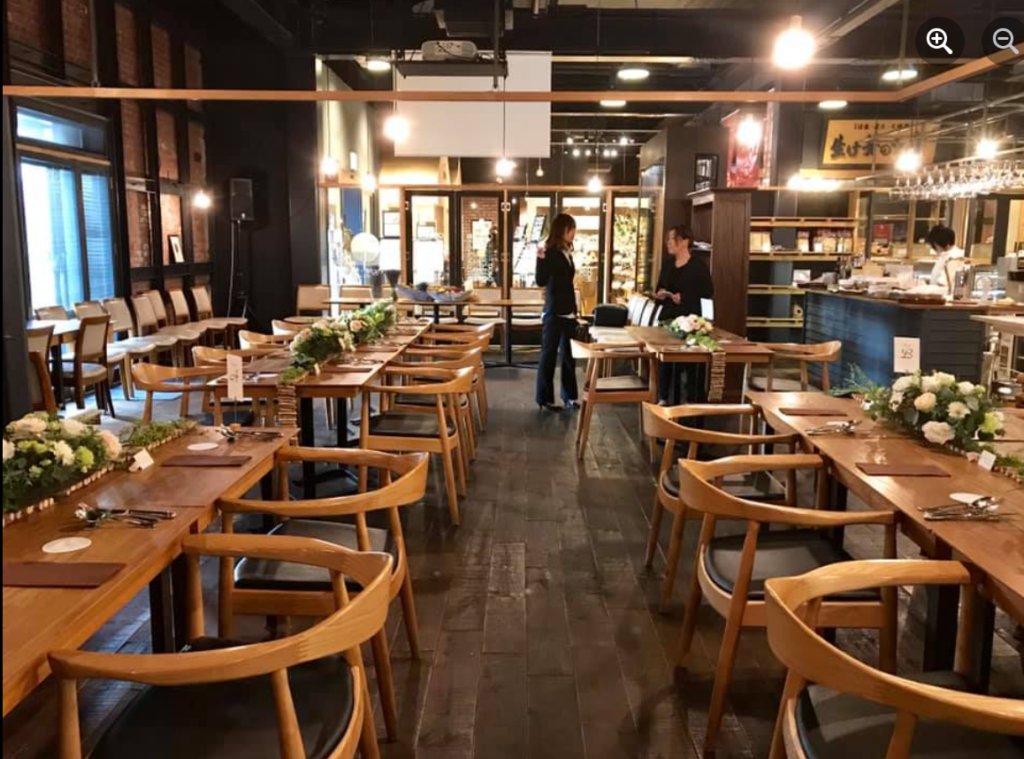
Sophisticated yet welcoming atmosphere in a converted red brick warehouse with a blend of historic charm and contemporary elegance; daytime cafe setting transitions to a more refined dinner ambiance.
Tags
Vibe
Best For
Experience
Sourcing
View
At the Table
- Dress Code
- Smart Casual
- Noise Level
- Conversational
- Service Style
- Upscale Casual
- Meal Pacing
- Leisurely
- Capacity
- Medium
- Kitchen
- Farm-to-table
- Menu Format
- A la carte, Set menu, Tasting menu
- Drinks Focus
- Wine, Cocktails, Coffee
- Dietary
- Allergy accommodating, Vegetarian friendly
Signature Dishes
- Fukui Pork Spare Ribs with Cabbage Ragù Linguine
- Squid Ink Rice Croquette with Sea Urchin
- Gelato
Know before you go
Know Before You Go
- Getting there
- 4-1 Kanegasakicho, Tsuruga, Fukui 914-0072, Japan
Planning details
Location
Also consider
Also Consider
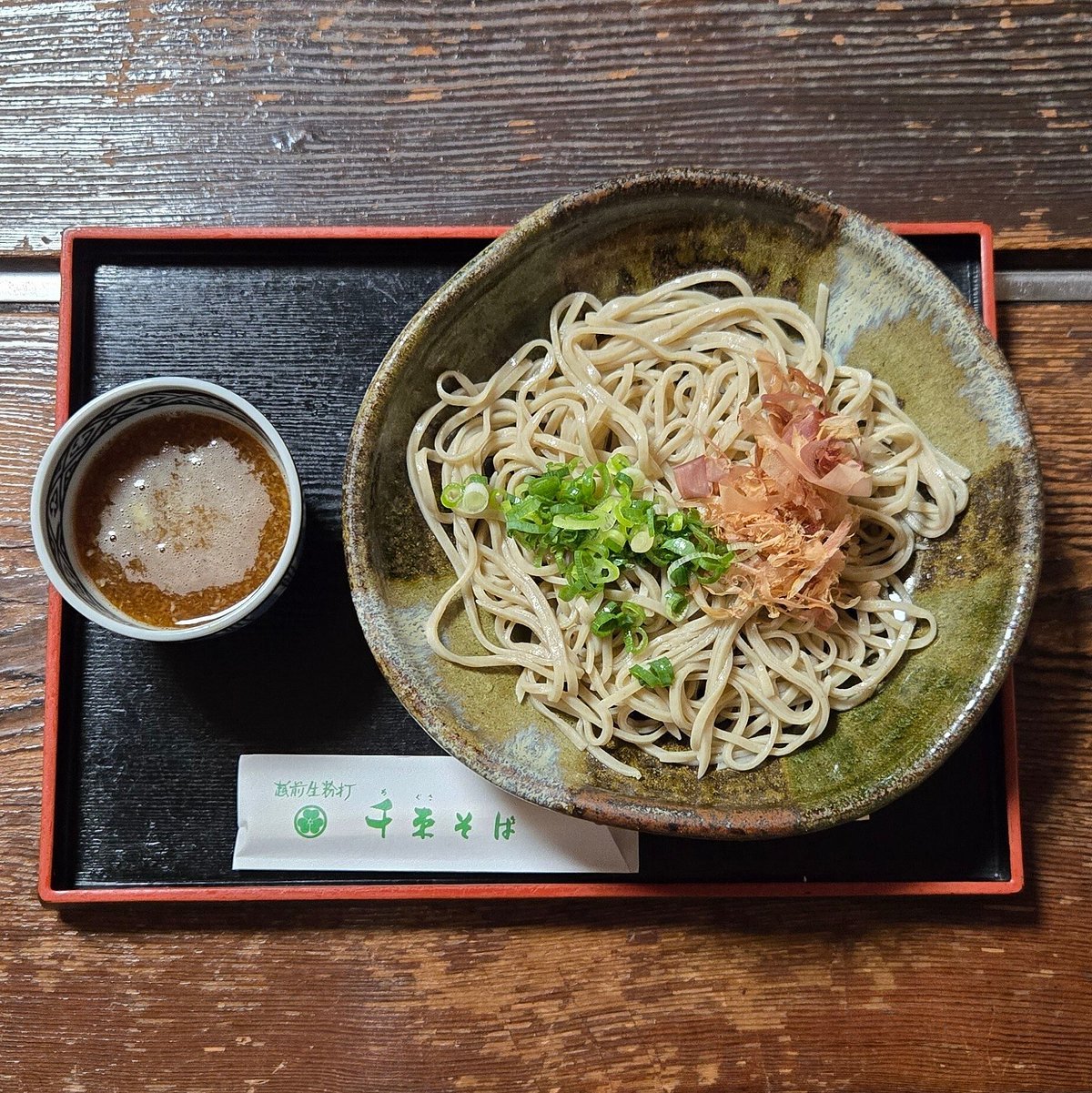
- Chigusa Soba, JPY 1,000 - JPY 1,999 JPY 1,000 - JPY 1,999 View spending breakdown, JPY 1,000 - JPY 1,999 JPY 1,000 - JPY 1,999 View spending breakdown
- Caldo, Notable alternative
- Tokuyamazushi, Kaiseki, Kaiseki
- SOWER, Innovative, Innovative
- 湖里庵, Notable alternative
Restaurant context
How it compares in and around Tsuruga
Choose ソニョーポリ when convenience around Kanegasakicho is the main priority and the meal does not need a defined cuisine or formal service style. Chigusa Soba is the clearer value play, with a listed JPY 1,000 - JPY 1,999 range and a more obvious quick-meal brief. For diners who want less uncertainty on spend, Chigusa Soba is the safer call.
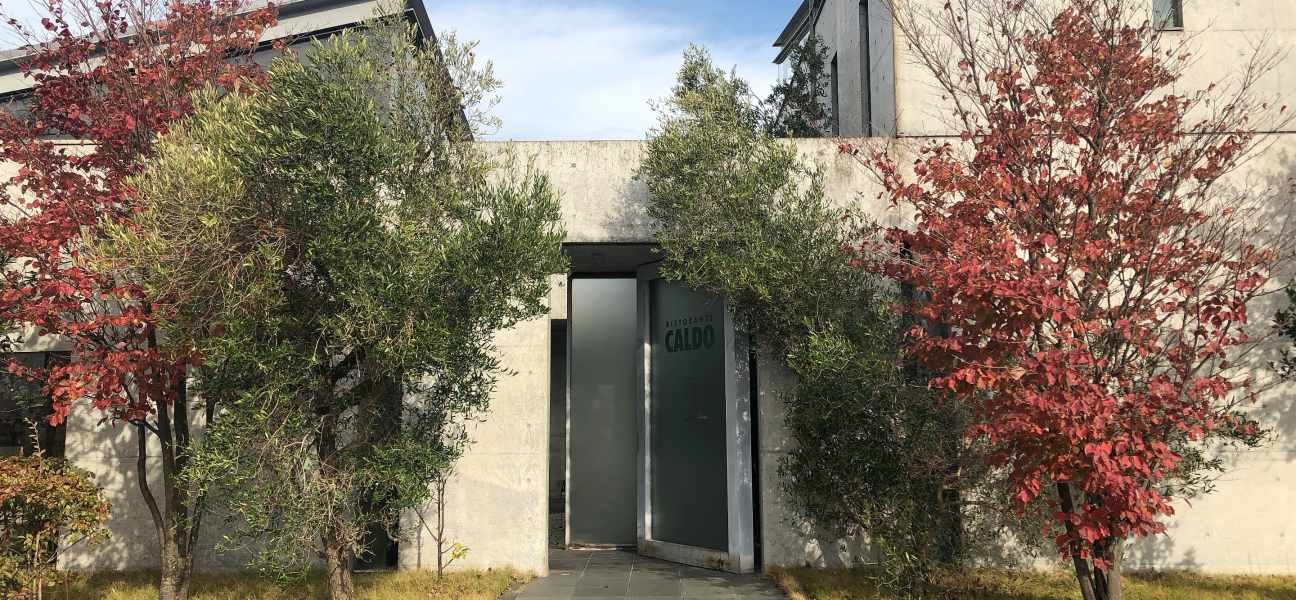
Caldo is the closer cross-shop for readers staying within Tsuruga and wanting a local alternative without committing to a destination meal. If the occasion is a serious food-focused trip, look beyond the city comparison set: Tokuyamazushi is the kaiseki option, while SOWER fits diners looking for an innovative format. Those are stronger choices for a planned celebration than a lightly documented casual stop.
湖里庵 belongs in the same broader regional short list when the meal itself is the purpose of the trip. For ease, ソニョーポリ is the low-planning pick; for value clarity, choose Chigusa Soba; for a more deliberate dining experience, compare Caldo first, then consider the out-of-metro options if travel time is acceptable.
Explore Tsuruga
Around this place
Discover more on Pearl
Unlock the full ソニョーポリ guide in Pearl, including awards, comparisons, FAQs, planning details, and nearby places.
Compare ソニョーポリ
| Venue | Location | Cuisine | Price | Awards |
|---|---|---|---|---|
| ソニョーポリ | Tsuruga | , | , | No published awards |
| Chigusa Soba | Tsuruga | , | JPY 1,000 - JPY 1,999 JPY 1,000 - JPY 1,999 View spending breakdown | Tabelog 100 - Soba - WEST - 2025 · #39 |
| Caldo | Tsuruga | , | , | No published awards |
| Tokuyamazushi | Nagahama | Kaiseki | , | 2026 OAD Top Restaurants in Japan Ranked · #662026 Tabelog Bronze · #4612026 La Liste Top Restaurants2025 OAD Top Restaurants in Japan Ranked · #692025 Tabelog Silver2025 La Liste Top Restaurants2024 OAD Top Restaurants in Japan Ranked · #592023 OAD Top Restaurants in Japan Ranked · #122 |
| SOWER | Nagahama | Innovative | , | 2026 OAD Top Restaurants in Japan Recommended2025 OAD Top Restaurants in Japan Ranked · #2982024 OAD Top Restaurants in Japan Ranked · #285 |
| 湖里庵 | Takashima | , | , | No published awards |



How ソニョーポリ Tsuruga compares with similar nearby venues.
FAQ
Frequently Asked Questions
Can ソニョーポリ accommodate groups?
ソニョーポリ is a daytime venue in Tsuruga, open 10 AM–4 PM on most days, so larger parties should confirm directly before making plans.
Is ソニョーポリ good for a special occasion?
It is better treated as a casual daytime option than as a special-occasion dinner choice. The hours are 10 AM–4 PM on Monday, Tuesday, Thursday, Friday, Saturday, and Sunday, with Wednesday closed.
What are alternatives to ソニョーポリ?
For a more structured comparison, look at other dining options such as Tokuyamazushi or SOWER. If you want something lower-key, Chigusa Soba or Caldo may also be worth comparing.
How far ahead should I book ソニョーポリ?
Plan ahead if you need a specific day, because the venue opens 10 AM–4 PM on Monday, Tuesday, Thursday, Friday, Saturday, and Sunday, with Wednesday closed.
Is lunch or dinner better at ソニョーポリ?
The operating window is daytime only: 10 AM–4 PM on most days, with Wednesday closed. Choose another option if you need an evening meal.
What should I wear to ソニョーポリ?
Smart casual is the dress code. Keep it neat but practical for a daytime meal in Tsuruga.