Chin Sik
Tsuen Wan
Restaurant in Tsuen Wan, Hong Kong
 Book with Pearl
The Read
Price
$10–20per person
Dress
Casual
Why go
Chin Sik is a low-commitment Tsuen Wan option for flexible diners, not a destination booking. Go if convenience matters more than chef, awards, or menu certainty; compare nearby choices first if the meal needs a clearer cuisine, price tier, or occasion fit.
About Chin Sik
In Tsuen Wan, Chin Sik is best treated as a casual, practical option with late operating hours rather than a venue to choose for a specific cuisine, chef, award, price point, or format. It is in Tsuen Wan, has a casual dress code, and is open late daily. That makes it useful for flexible planning, while also meaning expectations should stay grounded.
A flexible Tsuen Wan option, not the anchor of the night
Chin Sik makes the most sense for people already planning to be in Tsuen Wan and looking for a low-fuss stop. Details such as cuisine category, menu format, chef, awards, seat count, or price range are not available, so it's best used for convenience and timing rather than reputation signals.
The most concrete planning detail is the schedule: Monday through Saturday, Chin Sik is listed as open from 11 AM to 1:30 AM, and on Sunday from 11:30 AM to 1:30 AM. With a casual dress code and late closing time, it can fit into a loose Tsuen Wan plan, especially when the group does not want to build the day around a more formal booking.
Who should choose it
Choose Chin Sik if the priority is a casual Tsuen Wan stop with long hours and minimal ceremony. Skip it if you need specific details on cuisine, pricing, dishes, seating, reservations, or a defined dining format before deciding. For a more structured meal, compare it with other Tsuen Wan dining options or consider another nearby option such as Tai Tsai (Tsuen Wan), depending on your plan.
Planning details
- Location
- Tsuen Wan, Hong Kong
- Phone
- +85224922831
The take
The Take
The Vibe
Chin Sik reads like a neighbourhood institution: unpretentious, ingredient-led Cantonese cooking aimed at locals rather than showy hospitality theatre. The kitchen prioritizes same-day produce, steady suppliers, freshness and consistency. The result is a relaxed, classic feel: food that comforts regulars and rewards repeat visits. The tone is quietly confident rather than performative: you arrive for straightforward flavours, familiar preparations and the kind of dependable honesty that only long-serving neighbourhood spots cultivate.
Best For
Chin Sik is best suited to people seeking authentic, unfussy Cantonese cooking in a neighbourhood setting. It works for casual meetups with friends, errands-turned-dinners for locals, or anyone making a deliberate detour from busier central districts to find everyday quality. The focus on neighbourhood regulars and same-day ingredients means it’s less about spectacle and more about dependable plates: a place to eat well without ceremony. Visitors who value straightforward, ingredient-first Cantonese food and an unvarnished dining experience will find Chin Sik especially rewarding.
Ordering Tips
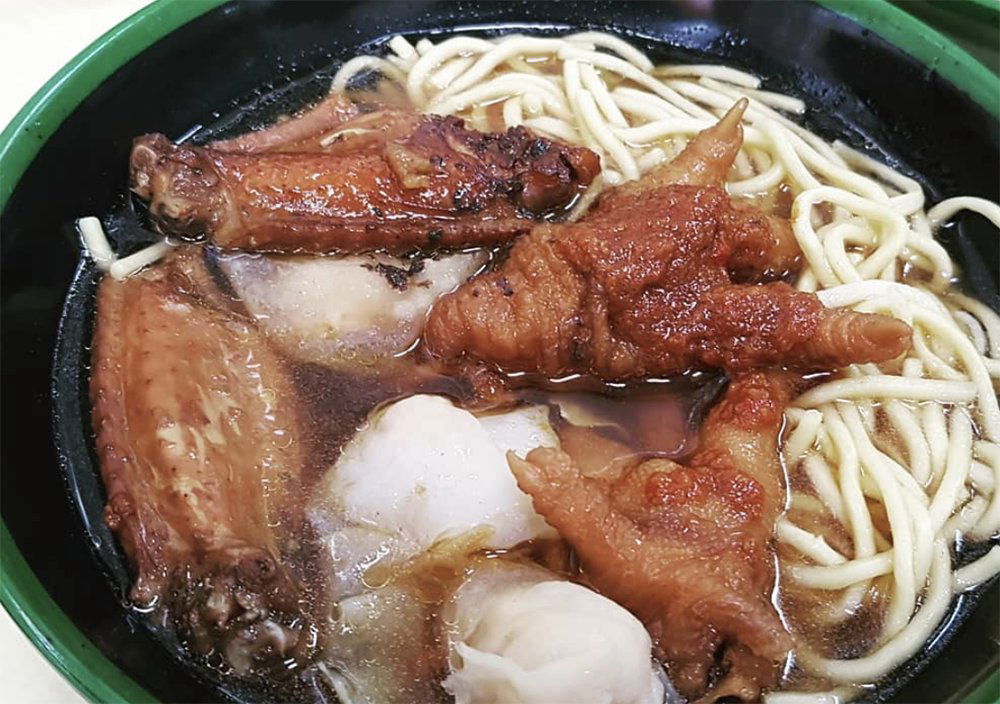
Lean into the shop’s specialties: Cart Noodles with Pig Intestines and Cart Noodles with Pig Skin are signature plates and a direct expression of the neighbourhood style. Expect simple, ingredient-forward execution that highlights freshness rather than adornment. Given the restaurant’s reliance on same-day produce and consistent suppliers, order the house specialities and let the quality of the components guide you. Come prepared to enjoy honest Cantonese flavours that reflect repeatable standards rather than one-off culinary theatrics.
Venue details
Ambiance
Long narrow space with a few tables inside and outside, offering a casual street food atmosphere.
Tags
Vibe
Best For
At the Table
- Dress Code
- Casual
- Noise Level
- Conversational
- Service Style
- Casual
- Meal Pacing
- Quick Bite
- Capacity
- Intimate
- Kitchen
- Traditional
- Menu Format
- A la carte
- Outdoor Seating
- Yes
Signature Dishes
- Cart Noodles with Pig Intestines
- Cart Noodles with Pig Skin
Know before you go
Know Before You Go
- Getting there
- Tsuen Wan, Hong Kong
Planning details
Location
Tsuen Wan, Hong Kong · Directions
Also consider
Also Consider
- Tai Tsai (Tsuen Wan), Taiwanese, $$
- Rú, Notable alternative
- Testina, Notable alternative
- Rte Twisk, Notable alternative
- Greater China Club, Cantonese, Cantonese
Restaurant context
How Chin Sik compares in Tsuen Wan
For a clearer cuisine and price signal, Tai Tsai (Tsuen Wan) is the safer pick: Taiwanese and $$ gives diners more to work with before committing. Chin Sik is easier to treat as a flexible casual fallback, but Tai Tsai is the cleaner choice when value for money needs to be judged before arrival.
If the meal needs Cantonese positioning, Greater China Club is the more defined comparison point. Choose it when ambiance and a more formal sense of occasion matter. Chin Sik is better for a lower-pressure Tsuen Wan stop where the group is not asking for a polished room or known specialty.
Rú, Testina, and Rte Twisk are harder to judge from the available public positioning here, so use them as cross-shopping names rather than direct substitutes. The practical verdict: pick Chin Sik for ease, Tai Tsai for a clearer $$ Taiwanese choice, and Greater China Club when the occasion calls for Cantonese structure.
Explore Tsuen Wan
Around this place
Discover more on Pearl
Unlock the full Chin Sik guide in Pearl, including awards, comparisons, FAQs, planning details, and nearby places.
Compare Chin Sik
| Venue | Location | Cuisine | Price | Awards |
|---|---|---|---|---|
| Chin Sik | Tsuen Wan | , | , | No published awards |
| Tai Tsai (Tsuen Wan) | Hong Kong | Taiwanese | $$ | Michelin Guide Hong Kong & Macau 20262025 Michelin Plate2024 Michelin Plate |
| Rú | Hong Kong | , | , | No published awards |
| Testina | Hong Kong | , | , | No published awards |
| Rte Twisk | Hong Kong | , | , | No published awards |
| Greater China Club | Hong Kong | Cantonese | , | 2026 OAD Top Restaurants in Asia Recommended2025 OAD Top Restaurants in Asia Ranked · #3992024 OAD Top Restaurants in Asia Ranked · #364 |

.png?width=1200&quality=80)

How Chin Sik Tsuen Wan compares with similar nearby venues.
FAQ
Frequently Asked Questions
What should a first-timer know about Chin Sik?
Treat Chin Sik as a practical Tsuen Wan stop with a casual dress code and late hours. It is open until 1:30 AM daily, with opening listed at 11 AM Monday through Saturday and 11:30 AM on Sunday.
Is Chin Sik good for solo dining?
It may suit solo diners who want a casual Tsuen Wan stop with long hours. The late closing time makes it easier to fit into a flexible schedule.