
Gather
Fore Street, Totnes
Restaurant in Totnes, United Kingdom
 Book with Pearl
The Read
Dress
Smart Casual
Why go
Gather is a strong Totnes choice for a date, birthday, or quieter special-occasion meal, especially if seasonal cooking matters more than a fixed signature dish. The Good Food Guide 2025 recognition gives it a useful quality signal; compare Circa Totnes for clearer ££ Modern British positioning or Canteen for a more casual plan.
About Gather
For a Totnes meal where the priority is a more considered restaurant choice rather than a casual fallback, Gather is worth shortlisting. Its Good Food Guide 2025 recognition, listed as GFG Good, makes it a useful candidate when the meal itself is the focus.
The useful way to think about it is occasion fit. Gather suits diners who want a planned lunch or dinner in Totnes, especially because its opening times are limited and should be checked before making plans.
Choose Gather for a planned Totnes meal
Specific dishes and menu details are best checked directly with the restaurant, so the safest approach is not to plan around a named signature. Treat Gather as a restaurant to consider for the overall meal rather than for a particular dish, and check the venue's own channels for the latest menu information.
If the group wants to compare other dining options, Canteen is another name to consider. Circa Totnes is also a relevant cross-shop. Gather is the one to keep on the shortlist when Good Food Guide recognition and a planned Totnes meal are the main priorities.
Plan around the short service windows
Planning should be treated as intentional. Gather is closed on Monday and Sunday. Dinner runs Tuesday to Saturday from 6–8 PM, and lunch runs Wednesday to Saturday from 12–2 PM. Those short windows make it better suited to a planned meal than a last-minute flexible option.
Dress expectations are smart casual. That gives diners a simple steer: polished enough for a proper meal, without needing formalwear.
Plan around the same practical constraint: the short service windows. If timing flexibility is the priority, it is worth comparing other options before committing.
Where it sits in a Totnes food plan
Gather sits best in a Totnes plan when you want a Good Food Guide-recognised restaurant with defined lunch and dinner hours. For other styles of meal, compare it with Canteen, Circa Totnes, Roam, The Church House Inn, or The Riverford Field Kitchen depending on the kind of outing you are planning.
Planning details
- Location
- 50 Fore St, Totnes TQ9 5RP, United Kingdom
- Website
- gathertotnes.com
- Phone
- +44 1803 866666
The take
The Take
The Vibe
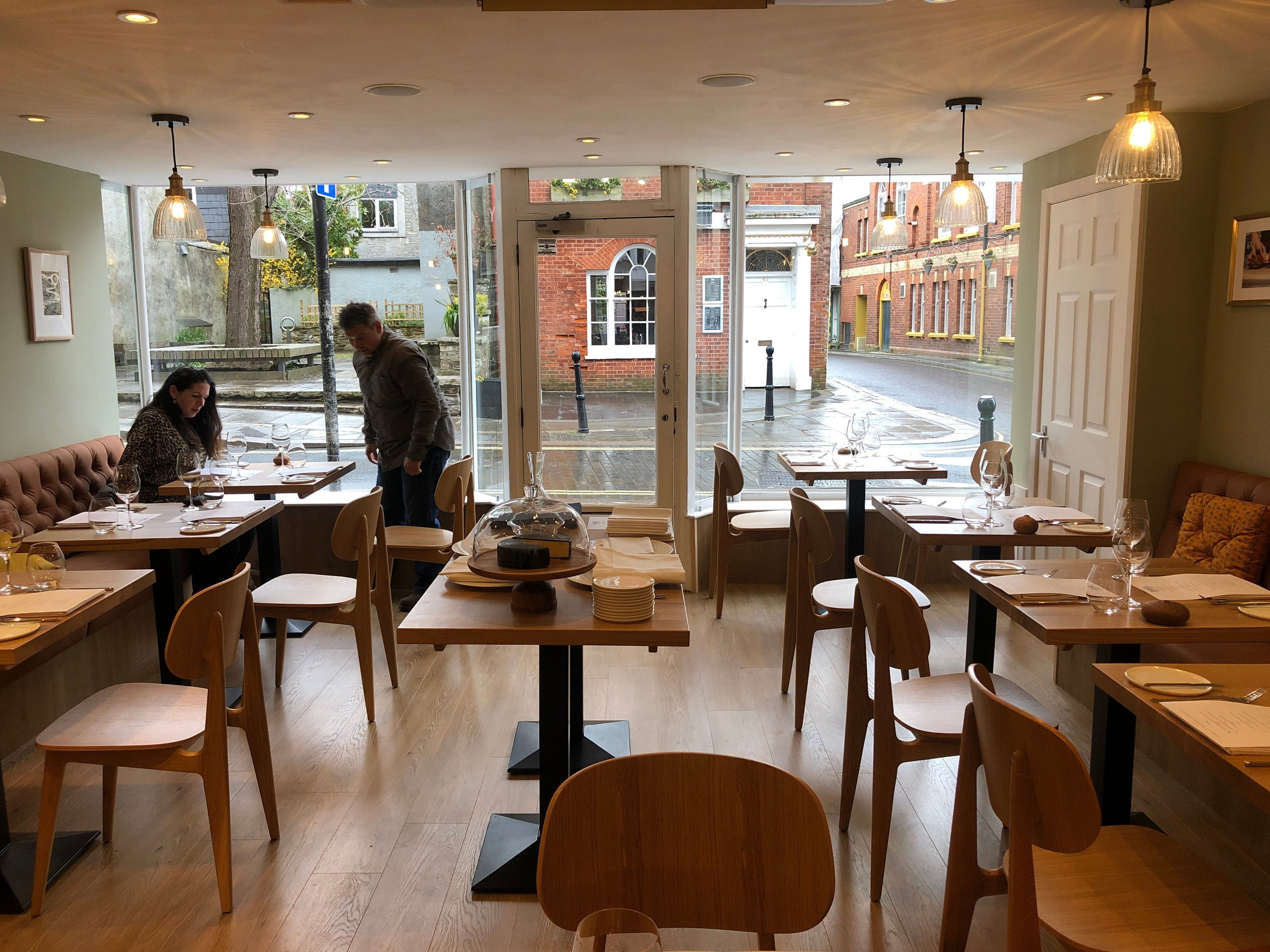
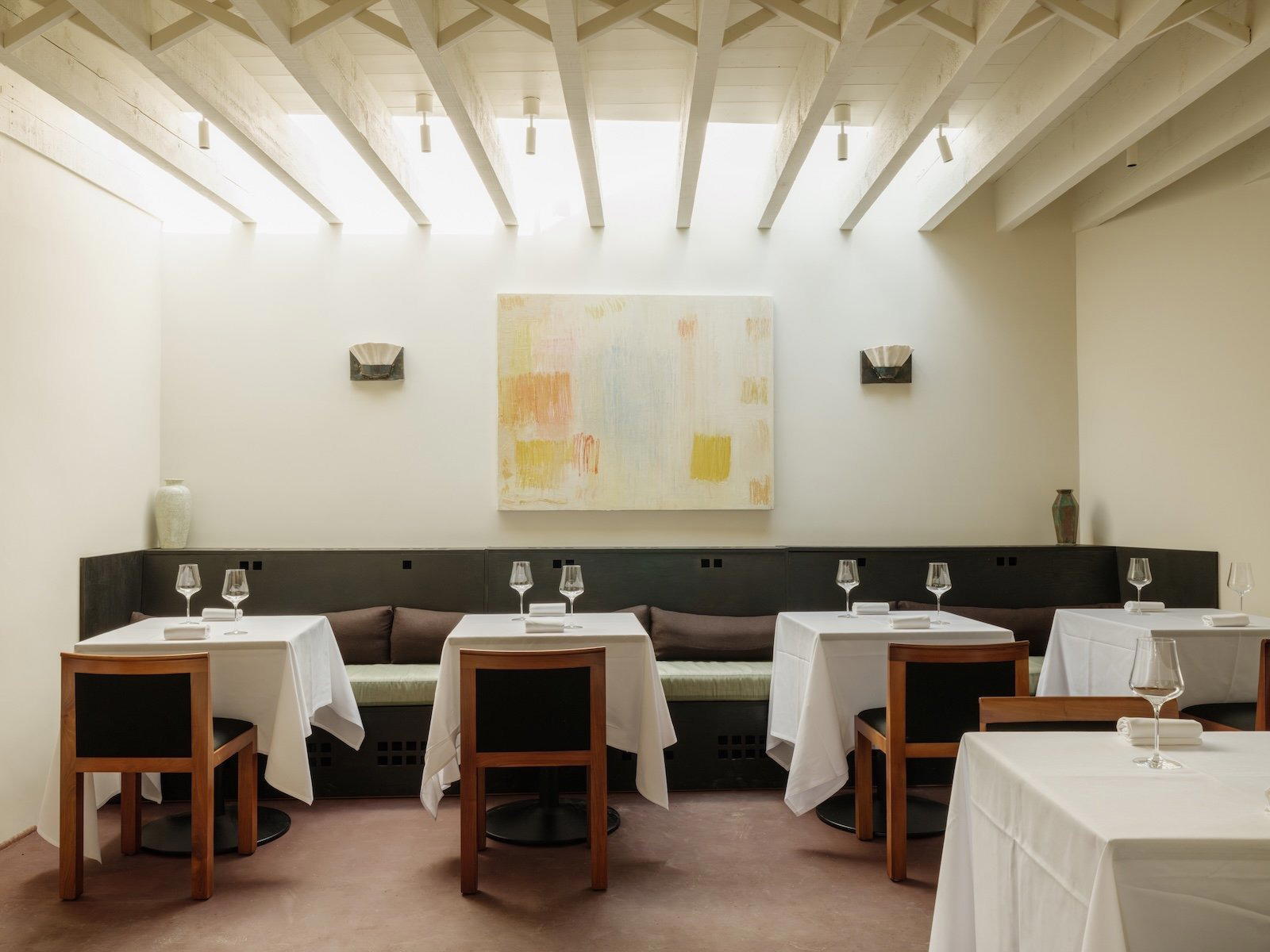
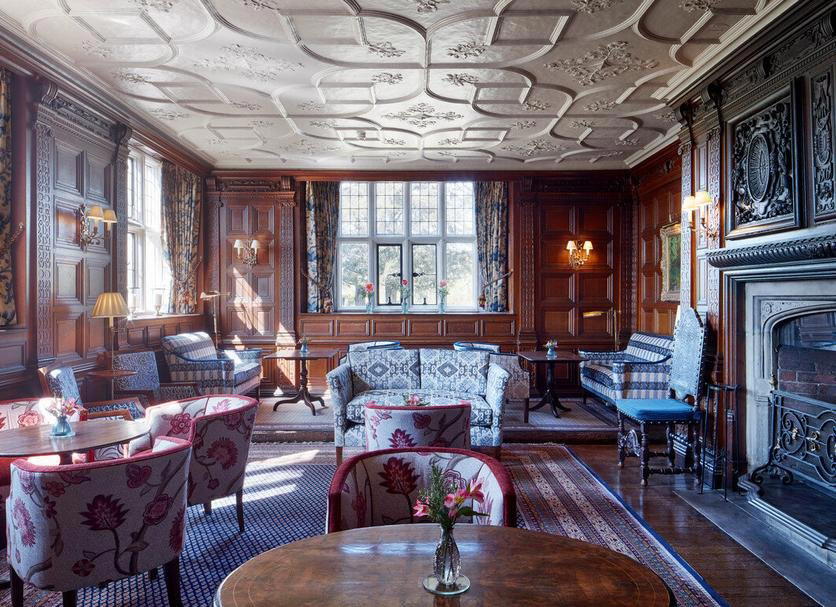
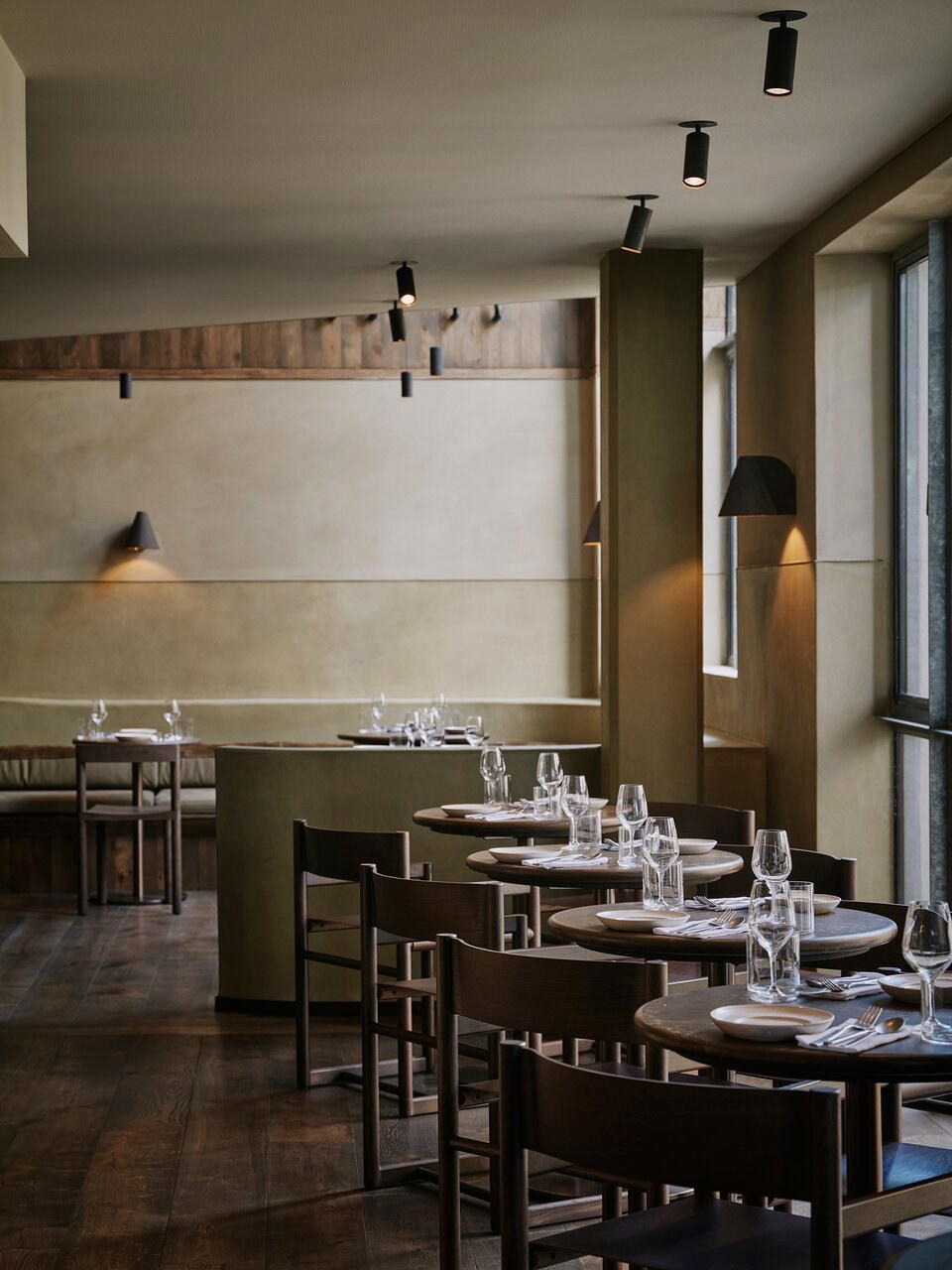
Gather presents a restrained, purposefully modest dining room that keeps the spotlight on the food. Pale timber, clean light and a low-key aesthetic create an atmosphere that favors close attention to the plate rather than decorative flourish. The sightline into the kitchen via a hatch reinforces this approach: the cooking is confident enough to be visible. Classical technique applied to Devon foraging—béarnaise on a tartlet or hedgerow tortellini—gives the room a quietly sophisticated air where craft and provenance drive the experience.
Best For
Gather is best enjoyed as an evening destination for diners who prize technique and seasonality. The kitchen’s tasting-format service (‘tasters’) and a vegetable-only tasting option make it well suited to date nights and special-occasion dinners where the menu itself is the focus. Mushroom season in particular shifts foraged fungi from garnish to centrepiece, so those seeking an ingredient-led, thoughtful meal will find the restaurant most rewarding at dinner when the tasting format is offered.
Ordering Tips
If you want the clearest expression of Gather’s approach, opt for the tasting format—listed as 'tasters'—which showcases the kitchen’s work and seasonal foraging. Note that there is a dedicated vegetable tasting, an uncommon option outside major cities, so vegetable-forward diners can enjoy a full progression. Pay attention to seasonal features (mushroom season is highlighted) and take advantage of the open hatch sightline to appreciate the technical execution on dishes that marry classical technique with locally foraged ingredients.
Venue details
Ambiance
Light wood interior with a warm, voluble welcome and relaxed, friendly atmosphere.
Tags
Vibe
Best For
Experience
Sourcing
Accessibility
At the Table
- Dress Code
- Smart Casual
- Noise Level
- Quiet
- Service Style
- Upscale Casual
- Meal Pacing
- Leisurely
- Capacity
- Intimate
- Kitchen
- Farm-to-table
- Menu Format
- Tasting menu, Small plates
- Wine Program
- Curated
- Dietary
- Vegetarian friendly
Know before you go
Know Before You Go
- Getting there
- 50 Fore St, Totnes TQ9 5RP, United Kingdom
Planning details
Location
Recognition and awards
Also consider
Also Consider
- Canteen, Notable alternative
- Circa Totnes, Modern British, ££
- The Church House Inn, Notable alternative
- The Riverford Field Kitchen, Notable alternative
- Roam, Notable alternative
Restaurant context
How Gather compares in Totnes
Choose Gather when the meal needs to feel more considered than a casual town-centre dinner. Circa Totnes is the clearer value read because its Modern British ££ positioning is listed, so it is the easier pick when budget certainty matters. Gather is the better call for a date or celebration where national guide recognition carries weight.
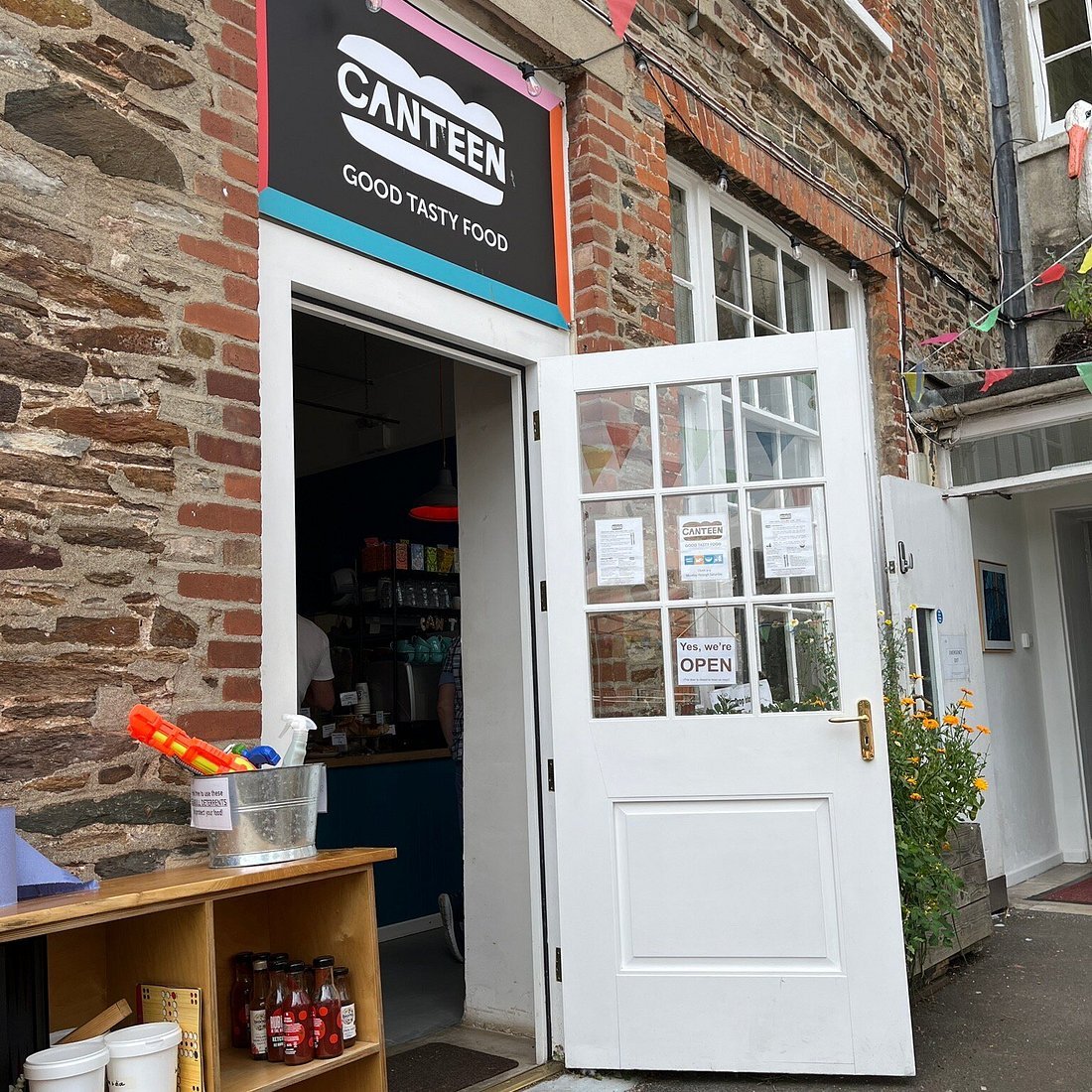
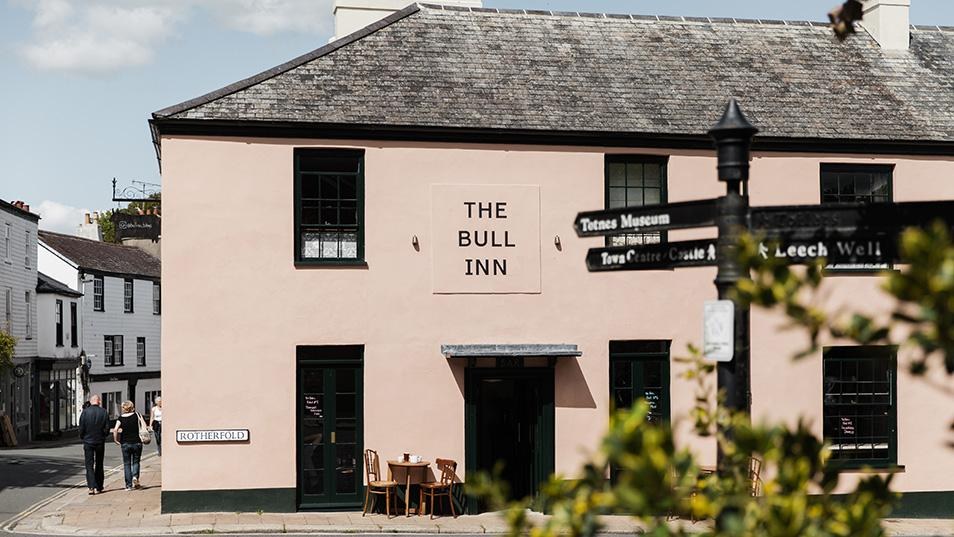
Canteen is the safer alternative for a looser meal, especially if the group wants something less formal and easier to fit around the day. The Church House Inn and The Riverford Field Kitchen sit better as out-of-town alternatives when the setting is part of the decision, not just the food.
If Gather is not available, cross-shop Roam for another nearby option, then Circa Totnes for the clearest Modern British comparison. For ambience, Gather is the pick when the evening should stay focused and intimate; Canteen is the more relaxed fallback.
Explore Totnes
Around this place
Discover more on Pearl
Unlock the full Gather guide in Pearl, including awards, comparisons, FAQs, planning details, and nearby places.
Compare Gather
| Venue | Location | Cuisine | Awards | Price |
|---|---|---|---|---|
| Gather | Totnes | , | The Good Food Guide 2025 | , |
| Canteen | Totnes | Michelin Guide Great Britain & Ireland 20262026 Michelin Plate2025 National Restaurant Awards Top 100 · #272025 Michelin Plate | , | , |
| Circa Totnes | Totnes | Modern British | Michelin Guide Great Britain & Ireland 20262025 Michelin Plate2024 Michelin Plate | ££ |
| The Church House Inn | Harberton | No published awards | , | , |
| The Riverford Field Kitchen | Buckfastleigh | No published awards | , | , |
| Roam | Stoke Gabriel | No published awards | , | , |

.png?width=1200&quality=80)

How Gather Totnes compares with similar nearby venues.
FAQ
Frequently Asked Questions
Does Gather handle dietary restrictions?
Dietary-restriction details are best confirmed directly with Gather before visiting, especially because service runs in short lunch and dinner windows.
Is Gather good for a special occasion?
It can be a strong fit if the occasion is about choosing a recognised Totnes restaurant for a planned meal. Gather is listed in The Good Food Guide 2025 as GFG Good, and its short service windows make advance planning sensible. For a different kind of celebration, The Church House Inn is another option to consider.
What should I wear to Gather?
Wear smart casual clothing. That is the dress code for Gather, so neat, relaxed clothing should fit the brief.
Is Gather good for solo dining?
It can work for solo dining if the timing suits you. Lunch runs Wednesday to Saturday from 12–2 PM, and dinner runs Tuesday to Saturday from 6–8 PM, so plan around those short windows. Roam is another option to compare if you want a different style of outing.
What are alternatives to Gather?
Canteen and Circa Totnes are two alternatives to check. Roam, The Church House Inn, and The Riverford Field Kitchen are also relevant comparisons depending on the kind of meal you want.
Is lunch or dinner better at Gather?
Choose based on timing. Lunch runs Wednesday to Saturday from 12–2 PM, while dinner runs Tuesday to Saturday from 6–8 PM. Gather is closed on Monday and Sunday.
What should I order at Gather?
Specific dishes are best checked directly with the restaurant, so do not plan around a named order from this guide. Check Gather's official channels for current menu details, or ask the restaurant what is available for your lunch or dinner sitting.