
Kappo Sato
Japanese · Davisville Village, Toronto
Restaurant in Toronto, Canada
 Book with Pearl
The Read
Chef-Led Kappo Counter
Price
$300–500per person
Chef
Takeshi Sato
Dress
Smart Casual
Why go
Kappo Sato earned its 2023 Michelin star with a chef-driven kappo tasting format that is unlike anything else at the $$$$ tier in Toronto. Chef Takeshi Sato works a live counter with Japan-sourced ingredients, soulful dashi broths, and no fixed menu. Book hard in advance and arrive ready to hand control to the kitchen.
About Kappo Sato
Toronto's Hardest Reservation in Japanese Dining, And What You're Paying For
At the $$$$ price point, Kappo Sato on Mt Pleasant Road is one of the most demanding asks in Toronto dining: a counter-only tasting format driven entirely by Chef Takeshi Sato, with ingredient costs high enough that much of the produce arrives by air from Japan. Before you commit, you should know exactly what you're walking into: and whether it's the right call over the other $$$$ Japanese options in the city.
Since earning its Michelin star in 2024, Kappo Sato has become significantly harder to book. That recognition didn't change what the restaurant is, but it did change how quickly seats disappear. If you haven't been before, plan your booking strategy first and read the rest of this later.
The Space: A Counter, an Open Kitchen, and Constant Motion
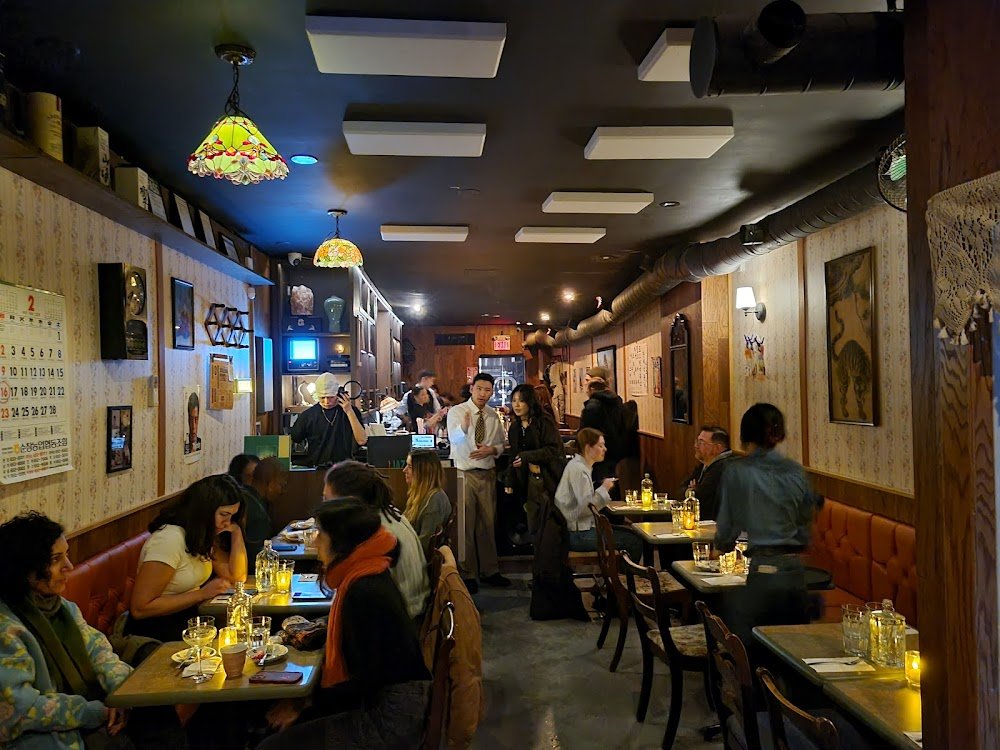
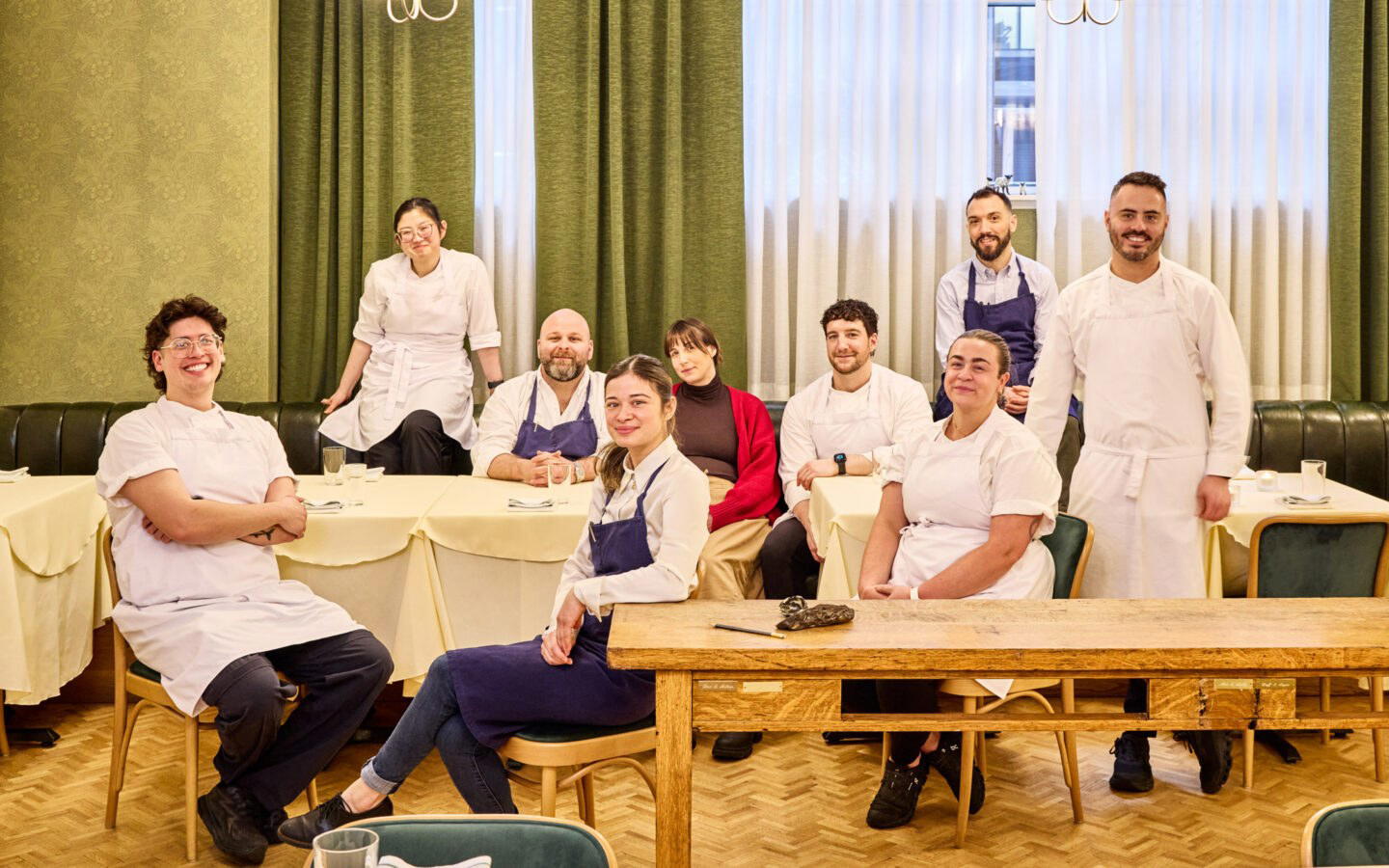
Kappo Sato is not a quiet room. The counter runs the length of the open kitchen, which means you are seated directly in front of the action from the moment you arrive. A young team moves fast, multiple courses are in preparation simultaneously, and the energy is closer to a professional kitchen at full speed than to the meditative stillness of a sushi omakase. If you are coming expecting hushed reverence or the austere pacing of kaiseki, recalibrate. This is a livelier, more kinetic experience, and that is part of the point.
Chef Sato moves through the kitchen with clear authority. The format is kappo, which in Japanese culinary tradition means a chef-driven tasting where the menu shifts based on what Sato is working, not a fixed progression you can preview in advance. That spontaneity is the format's strength, but it also means first-timers need to arrive with an open posture. You are not ordering. You are being cooked for.
What You're Actually Eating
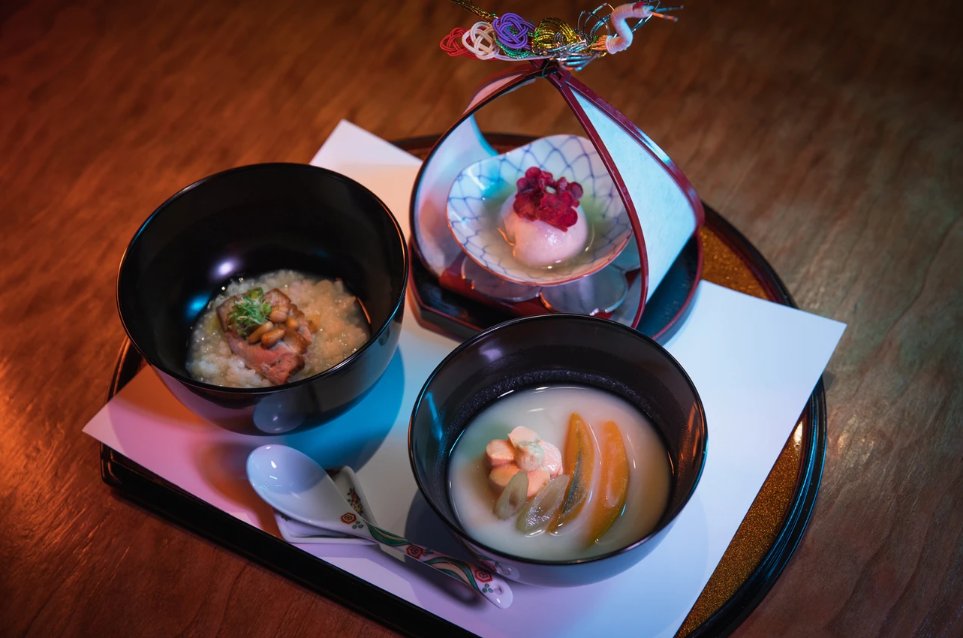
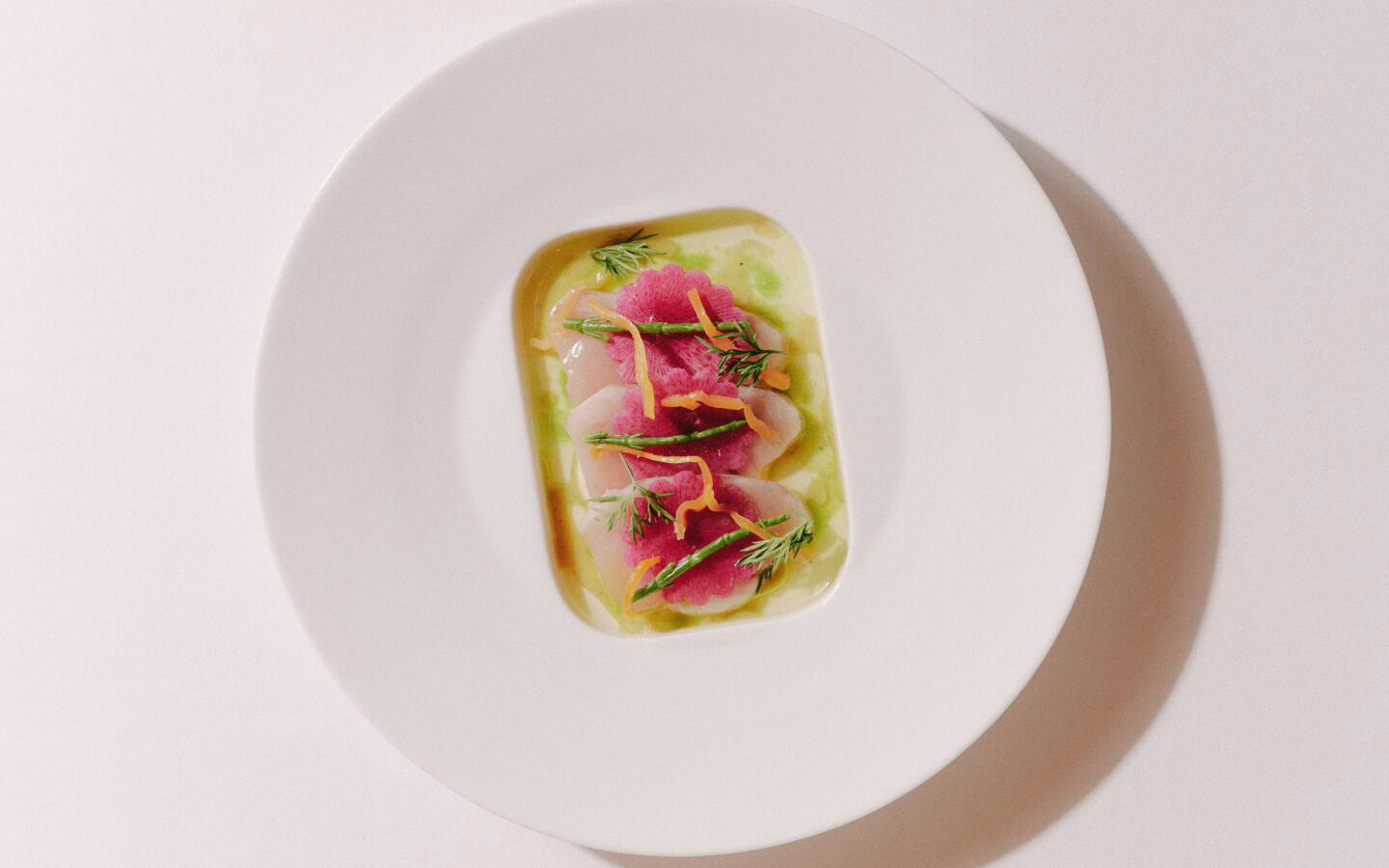
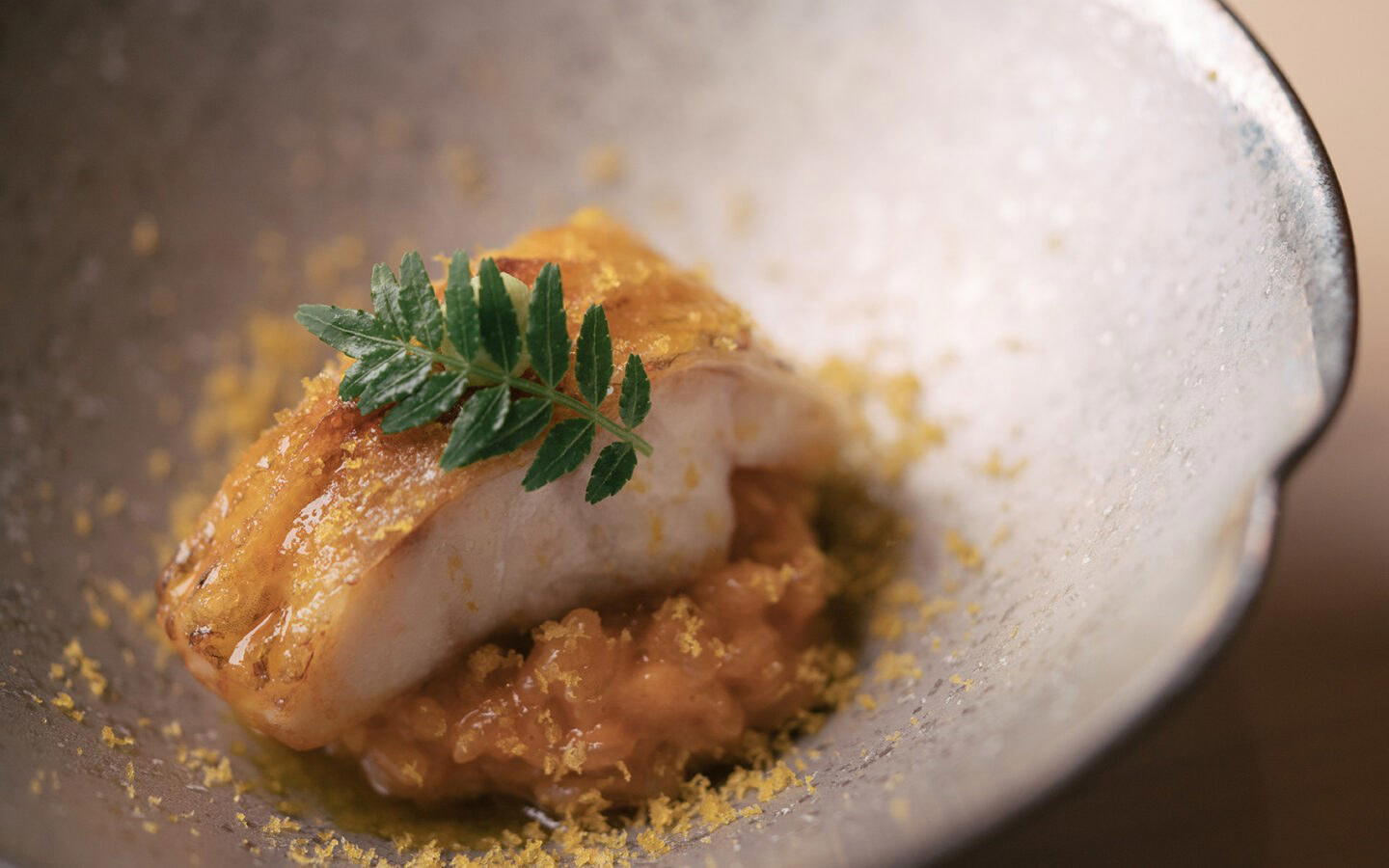
The sourcing is a meaningful part of what justifies the price. Most ingredients are flown in from Japan, which puts the raw material cost in a different category from most Toronto tasting menus. The kitchen's throughline is dashi, soulful, carefully made broths that reappear across courses in different forms. Expect technical precision in preparations like tempura fried mackerel with shiso, and moments of direct luxury like seared toro nigiri with Japanese green onions. The cooking moves between registers: some courses are clever and composed, others are simpler expressions of high-quality ingredients handled well. The common thread is Sato's knife work and an obvious fluency with Japanese technique.
This is not fusion. It is not Japanese food translated for a Canadian audience. The reference points are Japanese throughout, which makes it a useful comparison point if you have eaten at kappo counters in Tokyo. For context, venues like Myojaku in Tokyo or Azabu Kadowaki in Tokyo operate in a similar register, Kappo Sato is genuinely competitive in that company, which is not something most Canadian restaurants can claim.
The Drinks Program
The format, a counter tasting with Japanese ingredients as its anchor, is naturally suited to sake and Japanese whisky pairings. What is worth noting for first-timers is that the drinks pairing is likely an integral part of the total spend at the $$$$ tier, and walking in without a pairing is a common way to undercut the experience. Japanese sake pairings, when matched well to dashi-forward cooking, do specific work that wine pairings don't always replicate. Ask about pairing options when you book, and treat the drinks as part of the decision, not an afterthought. For a broader view of Toronto's drinks scene, our full Toronto bars guide covers the city's leading options separately.
How It Compares to Other Toronto $$$$ Japanese Options
Shoushin is the most direct comparison: another Michelin-recognised Japanese counter in Toronto, more focused on sushi, with a quieter room and a more predictable experience for first-timers. If you want to know what you're getting before you arrive, Shoushin is the lower-variance choice. Kappo Sato rewards guests who are comfortable handing control to the kitchen. JaBistro and Yukashi are both worthwhile Japanese options at a lower price point, but neither is in the same technical tier for a special occasion.
Beyond Japanese, Alo is Toronto's other Michelin-starred benchmark and the go-to for guests who want French-influenced tasting-menu precision rather than Japanese sourcing. The experiences are genuinely different and the choice between them is about format preference more than quality, both are at the top of the city's tasting-menu tier.
Know Before You Go
- Address: 575 Mt Pleasant Rd, Toronto, ON M4S 2M5
- Price range: $$$$ (tasting menu format; budget accordingly for drinks pairing)
- Awards: Michelin 1 Star (2024)
- Booking difficulty: Hard, seats are limited to the counter and demand increased significantly after the 2024 Michelin star. Book as far ahead as possible.
- Format: Chef-driven kappo tasting; no à la carte. The menu is not fixed in advance.
- Seating: Counter along the open kitchen only.
- Dietary restrictions: Contact the restaurant directly before booking. Kappo format with Japan-sourced ingredients can be difficult to adapt for significant dietary restrictions.
- Dress code: Smart casual at minimum given the $$$$ price point and Michelin status; formal attire is not required but underdressing will feel out of place.
- Groups: Counter seating limits group-dining flexibility.
The Verdict
Book Kappo Sato if you want the most technically committed Japanese tasting experience currently available in Toronto. The 2024 Michelin star is a calibration point, not marketing, the cooking earns it. The format suits guests who are comfortable with a kitchen-led experience in an active, high-energy room. It is not the right first move if you want a calm, predictable evening or a menu you can preview. For that, Shoushin or the sushi counter at JaBistro will serve you better. But if you are choosing Kappo Sato, commit fully: book early, add the drinks pairing, and treat the spontaneity of the kappo format as the feature it is.
For more Toronto dining options at all price points, see our full Toronto restaurants guide. If you're planning a broader trip, our Toronto hotels guide and Toronto experiences guide cover the rest. Elsewhere in Canada, Kissa Tanto in Vancouver and Tanière³ in Quebec City operate at a comparable ambition level for tasting-menu diners planning broader itineraries.
FAQ: Kappo Sato Toronto
- Is Kappo Sato worth the price? Yes, with a clear condition: you need to be comfortable with a chef-led, no-choice tasting format. The Michelin star (2024) and the Japan-sourced ingredients at this price point put it ahead of most Toronto tasting menus on technical grounds. If you want à la carte control, it is not the right venue regardless of quality.
- Is the tasting menu worth it at Kappo Sato? It is, provided you add the drinks pairing and arrive with the right expectations. The kappo format means the menu is driven by what Sato is working with that evening, guests who engage with that spontaneity get more out of the experience than those who would prefer a fixed, previewable progression.
- What should I wear to Kappo Sato? Smart casual is appropriate. Given the $$$$ price and Michelin recognition, this is not a jeans-and-sneakers room, but a full suit is not expected. Err toward smart over casual if in doubt.
- Does Kappo Sato handle dietary restrictions? Contact the restaurant directly and well in advance. The kappo format with Japan-imported ingredients makes significant dietary adaptations difficult, and the kitchen should know before your booking is confirmed, not on the night.
- Can Kappo Sato accommodate groups? The counter format limits group flexibility. Small groups of two to four will fit the counter naturally; larger groups should confirm with the restaurant whether the seating configuration can accommodate them before booking.
- What should a first-timer know about Kappo Sato? Three things: book far in advance (Michelin star demand is real), go in without expectations about a fixed menu (kappo is spontaneous by design), and treat the drinks pairing as part of the experience rather than optional. The counter is active and the room is energetic, this is not a quiet night out, and that is a feature, not a flaw.
Planning details
- Hours
- Monday: Closed · Tuesday: Closed
- Location
- 575 Mt Pleasant Rd, Toronto, ON M4S 2M5, Canada
- Reservations
- Book on Tock
- Website
- kapposato.com
- Phone
- +1 416-488-6868
The take
The Take
The Vibe
Kappo Sato presents a focused, contemporary energy that centers movement and ingredient mastery. The kappo counter functions as a working stage: a young team and Chef Takeshi Sato navigate multiple courses at pace while the open kitchen runs the length of the counter, keeping every gesture visible. The dining room trades the hushed ceremony of kaiseki for a more immediate, reactive rhythm where provenance and knife work drive the experience. It feels intimate in scale yet animated in motion, a modern, chef-forward environment where the theatre of cooking is integral to the meal.
Best For
Kappo Sato is best experienced in the evening as a chef-focused dinner destination. It offers multicourse service at a $$$$ price point alongside kaiseki and omakase peers. The counter setting and visible kitchen make it well suited to guests who enjoy watching technique up close: couples and small groups who appreciate refined seafood, artful plating, and provenance-based menus will find the format especially rewarding.
Ordering Tips
Because Kappo Sato operates in a kappo tradition, cooking reactively to what arrives each morning, lean into the kitchen’s choices and seasonal offerings. The menu privileges ingredient provenance, with much flown in from Japan, so ask the chef or server about the day’s highlights. Signature items such as the seafood pot-cooked rice, tempura, and a sashimi platter are emblematic of the kitchen’s strengths; pairing a tasting of those standouts with whatever the chef is featuring that day gives a clear sense of the restaurant’s approach.
Venue details
Ambiance
Serene and cozy open kitchen counter atmosphere with meticulous preparation visible to guests, creating an intimate dining experience.
Tags
Vibe
Best For
Experience
At the Table
- Dress Code
- Smart Casual
- Noise Level
- Quiet
- Service Style
- Upscale Casual
- Meal Pacing
- Extended Experience
- Capacity
- Intimate
- Kitchen
- Modern
- Menu Format
- Omakase, Counter dining, Tasting menu
- Drinks Focus
- Sake
- Private Dining
- Available
Signature Dishes
- seafood pot-cooked rice
- tempura
- sashimi platter
Know before you go
Know Before You Go
- Getting there
- 575 Mt Pleasant Rd, Toronto, ON M4S 2M5, Canada
Planning details
Hours
- Monday
- Closed
- Tuesday
- Closed
- Wednesday
- 5:30–11:30 PM
- Thursday
- 5:30–11:30 PM
- Friday
- 5:30–11:30 PM
- Saturday
- 5:30–11:30 PM
- Sunday
- Closed
Location
575 Mt Pleasant Rd, Toronto, ON M4S 2M5, Canada · Directions
Recognition and awards
Also consider
Also Consider
- Alo: Contemporary, $$$$
- Sushi Masaki Saito: Sushi, Japanese, $$$$
- Enigma Yorkville: New Canadian, Contemporary, $$$$
- Shoushin: Japanese, $$$$
- Edulis: Canadian, Mediterranean Cuisine, $$$$
Restaurant context
At Toronto's $$$$ tasting-menu tier, Kappo Sato's closest competitor is Shoushin. Both hold Michelin recognition and operate in the Japanese fine-dining space, but the experiences diverge clearly. Shoushin is a sushi-forward counter with a more predictable progression: the right call if you want to know broadly what's coming and prefer a calmer, more meditative room. Kappo Sato is higher-variance and more energetic; the kitchen-led kappo format means no fixed menu and a pace set entirely by Chef Sato. First-timers who want control should go to Shoushin first. Return visitors who want the more spontaneous, technically demanding experience should make Kappo Sato the next booking.
Alo is the other benchmark: Toronto's most prominent French-influenced tasting menu, also Michelin-starred, with a more formal structure and a wine program that is central to the experience. If your priority is a classic fine-dining progression with strong front-of-house polish, Alo is the stronger choice. If Japanese sourcing, knife technique, and dashi-driven cooking are what you're after, Kappo Sato is clearly differentiated. Enigma Yorkville and Edulis both operate at $$$$ with tasting formats, but neither competes directly on Japanese technique: they are the right answer for guests seeking New Canadian or Mediterranean-influenced cooking rather than a Japan-sourced counter experience.
Sushi Masaki Saito is the premium outlier in this comparison set: widely considered the most expensive sushi counter in Canada, with a price point that exceeds Kappo Sato and a format built entirely around sushi precision rather than kappo's broader cooking range. If pure sushi technique and provenance are your measure, Masaki Saito is the ceiling. If you want a wider range of Japanese cooking, broths, tempura, nigiri, cooked courses, Kappo Sato covers more ground per sitting and arguably offers more variety for the spend.
Around this place
Discover more on Pearl
Unlock the full Kappo Sato guide in Pearl, including awards, comparisons, FAQs, planning details, and nearby places.
Compare Kappo Sato
| Venue | Cuisine | Awards | Booking Difficulty |
|---|---|---|---|
| Kappo Sato | Japanese | Michelin Guide Toronto & Region 20262025 Michelin 1 Star2024 Michelin 1 Star | Hard |
| Alo | Contemporary | 2026 Canada's 100 Best Restaurants · #72026 OAD Top Restaurants in North America Ranked · #24Star Wine Lists 20262026 La Liste Top RestaurantsMichelin Guide Toronto & Region 20262025 Canada's 100 Best Restaurants · #32025 Michelin 1 Star2025 La Liste Top Restaurants2025 The Best Chef One Knife | Unknown |
| Sushi Masaki Saito | Sushi, Japanese | 2026 Canada's 100 Best Restaurants · #522026 OAD Top Restaurants in North America Ranked · #722026 La Liste Top RestaurantsMichelin Guide Toronto & Region 20262025 Canada's 100 Best Restaurants · #162025 OAD Top Restaurants in North America Ranked · #602025 Michelin 1 Star2025 The Best Chef Two Knives2025 Michelin 2 Stars | Unknown |
| Enigma Yorkville | New Canadian, Contemporary | 2026 Canada's 100 Best Restaurants · #82Star Wine Lists 20262026 OAD Top Restaurants in North America RecommendedMichelin Guide Toronto & Region 20262025 Michelin 1 Star2024 Michelin 1 Star2023 OAD Top Restaurants in North America Recommended | Unknown |
| Shoushin | Japanese | 2026 OAD Top Restaurants in North America RecommendedMichelin Guide Toronto & Region 20262025 Canada's 100 Best Restaurants · #622025 OAD Top Restaurants in North America Ranked · #4292025 Michelin 1 Star2024 OAD Top Restaurants in North America Ranked · #5542024 Michelin 1 Star2023 OAD Top Restaurants in North America Recommended | Unknown |
| Edulis | Canadian, Mediterranean Cuisine | 2026 Canada's 100 Best Restaurants · #52026 North America's 50 Best Restaurants · #252026 OAD Top Restaurants in North America Ranked · #89Star Wine Lists 20262026 La Liste Top RestaurantsMichelin Guide Toronto & Region 20262025 Canada's 100 Best Restaurants · #42025 OAD Top Restaurants in North America Ranked · #792025 Michelin 1 Star | Unknown |









Key differences to consider before you reserve.
FAQ
Frequently Asked Questions
Is the tasting menu worth it at Kappo Sato?
Yes, if a chef-led tasting format suits you. The 2024 Michelin star validates the technical commitment, and the sourcing, most ingredients flown in from Japan, accounts for a meaningful portion of the price. If you want to choose your own dishes or prefer a quieter, more structured experience, Shoushin is a closer fit.
What should I wear to Kappo Sato?
Kappo Sato is a $$$$ Michelin-starred counter in Toronto's Mt Pleasant corridor. The room is high-energy rather than formal, so you do not need to overdress: but this is not a jeans-and-sneakers dinner.
Is Kappo Sato worth the price?
At $$$$ with a 2024 Michelin star, Kappo Sato is priced at the top of Toronto's Japanese dining category: and it earns it on sourcing and technique. The ingredients are largely flown in from Japan, and Chef Sato's execution is the draw, not the room or the ambience. If you are comparing against Shoushin, the difference is format: Kappo Sato is freewheeling and chef-driven; Shoushin is more sushi-focused and composed.
Can Kappo Sato accommodate groups?
The seating is counter-only, running along the open kitchen, which limits group size. Large parties are not a natural fit for this format. For groups of four or more looking for a $$$$ Toronto experience with more flexibility, Alo or Enigma Yorkville offer private dining options that counter seating cannot.
What should a first-timer know about Kappo Sato?
This is a counter-only, chef-driven tasting: you eat what Chef Sato is cooking, at the pace he sets. The kitchen is open and in constant motion, which makes the experience engaging but not relaxed. Most ingredients are sourced from Japan, and the 2024 Michelin star signals the level of precision involved. Come with time, appetite, and an open menu.