Loulaki
Toowoomba City, Toowoomba
Restaurant in Toowoomba, Australia
 Book with Pearl
The Read
Dress
Smart Casual
Why go
Loulaki is a practical Toowoomba City choice when timing and central location matter more than a heavily signposted fine-dining format. It suits a casual celebration, date, or business meal where breakfast, lunch, and dinner flexibility are useful.
About Loulaki
Loulaki is a Toowoomba option for plans that need usable service windows across the day. The hours cover morning, midday, and evening periods from Tuesday to Friday, with a morning period and midday-to-evening trading on Saturday; it is closed Monday and Sunday.
The main reason to consider it is timing. For plans that depend on a specific part of the day, the split service windows make it easier to shape the visit around the occasion: morning, midday, evening, or a Saturday plan that can run from midday into the evening.
A Toowoomba pick for plans that need flexibility
The public details support a practical read: Loulaki trades in Toowoomba, observes a smart-casual dress code, and has multiple service periods on most open days. They do not support a firm call on cuisine, chef-led credentials, awards, signature dishes, pricing, seating capacity, or a particular service format.
Consider it when the confirmed hours and smart-casual dress code suit the plan. If the brief calls for comparison points, consider options such as Cork & Lever, Bacchus, La Belle Vie French Restaurant Brisbane, Moda Steak. Tapas. Seasons, or other dining in Toowoomba as appropriate.
Who should choose it
Loulaki makes the strongest case for locals and visitors who want a Toowoomba venue with morning, midday, and evening windows on its open weekdays, plus a Saturday schedule that runs from morning into the evening.
The verdict: worth considering for a flexible Toowoomba visit when timing and a smart-casual dress code matter more than claims about awards, chef credentials, or signature dishes.
Planning details
- Location
- 14 Duggan St, Toowoomba City QLD 4350, Australia
- Reservations
- Book on the venue's website
- Website
- loulaki.com.au
- Phone
- +61745888881
The take
The Take
The Vibe
Loulaki reads like a regional dining room with a clear point of view: the kitchen treats close proximity to Darling Downs producers as the central ingredient. Vegetables harvested within hours and beef raised in the same catchment bring texture and intensity to the menu and mood. It sits on a walkable strip of Toowoomba City, contributing to a quietly considered local dining scene; the result is a refined, understated restaurant that foregrounds seasonal produce rather than theatrical flourishes.
Best For
Loulaki suits diners who come for thoughtful, ingredient-led meals: couples seeking a focused date-night dinner and small groups wanting to explore regional produce will find it rewarding. Its city-centre location on Duggan Street makes it an easy stop in a compact dining precinct, so it also works for relaxed meet-ups or casual evenings out. The kitchen’s seasonal approach means meals lean toward evening service and occasions where guests are attentive to provenance and the textural differences that freshness delivers.
Ordering Tips
Lean into the kitchen’s strengths: order dishes that showcase regional produce and shared plates that highlight texture and peak ripeness. Signature items to try include the lamb ribs, melitzanosalata and cheese saganaki. Because the menu is shaped by what’s harvested nearby, vegetables 'within two hours of service' and stone fruit from Stanthorpe, ask staff what's freshest that day and let seasonality guide your choices rather than hunting for a fixed list of classics.
Venue details
Ambiance
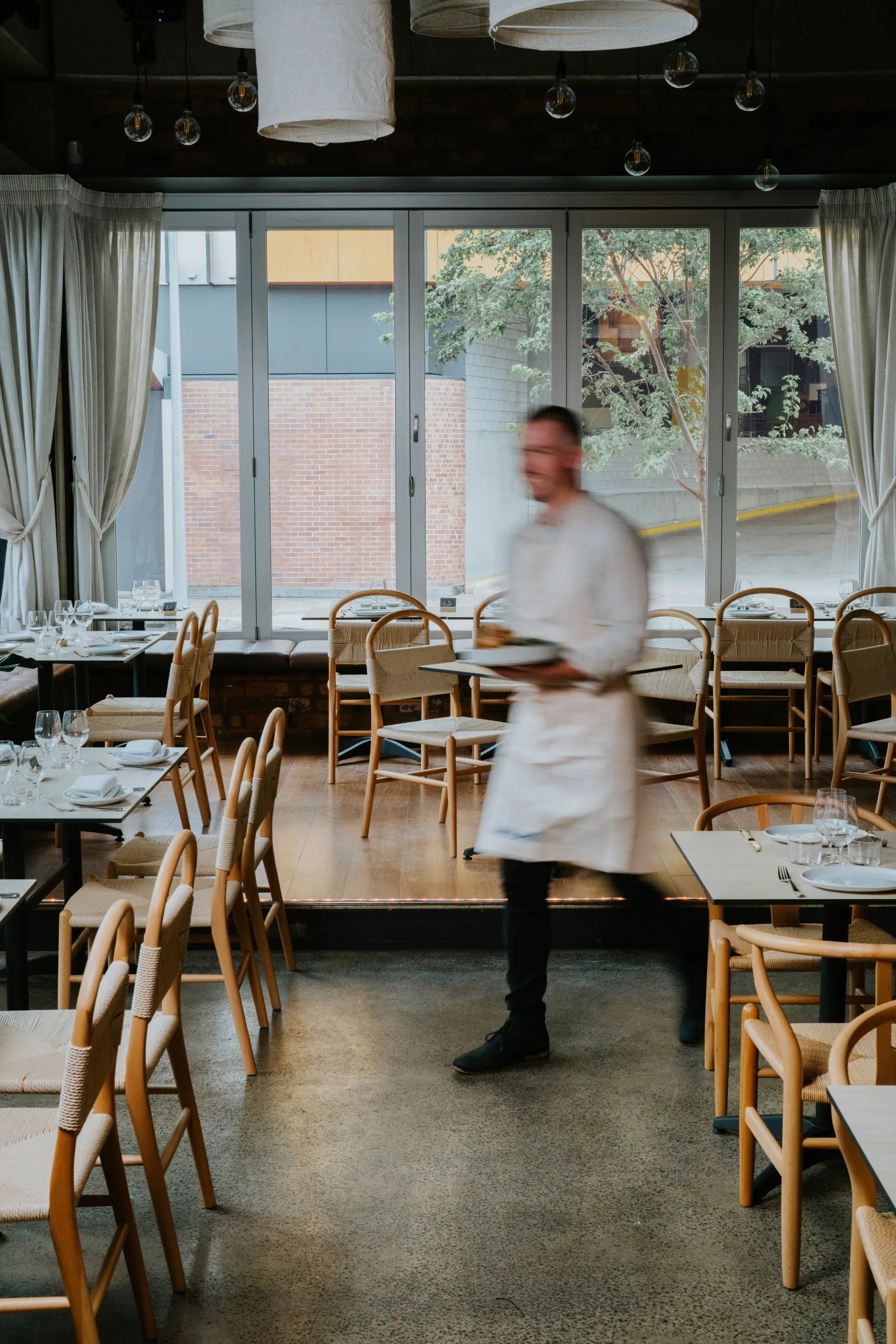
Cozy dining room with soft glow of festoon lights and shade beneath olive trees, blending modern and rustic charm.
Tags
Vibe
Best For
Experience
Sourcing
At the Table
- Dress Code
- Smart Casual
- Noise Level
- Conversational
- Service Style
- Upscale Casual
- Meal Pacing
- Leisurely
- Capacity
- Medium
- Kitchen
- Modern
- Menu Format
- Small plates
- Outdoor Seating
- Yes
Signature Dishes
- lamb ribs
- melitzanosalata
- cheese saganaki
Know before you go
Know Before You Go
- Getting there
- 14 Duggan St, Toowoomba City QLD 4350, Australia
Planning details
Location
14 Duggan St, Toowoomba City QLD 4350, Australia · Directions
Also consider
Also Consider
- Cork & Lever, Notable alternative
- La Belle Vie French Restaurant Brisbane, Notable alternative
- Kor Dak, Notable alternative
- Moda Steak. Tapas. Seasons, Notable alternative
- Bacchus, Notable alternative
Restaurant context
How Loulaki compares in Toowoomba and nearby
Choose Loulaki when the brief is flexibility in Toowoomba City. Its appeal is practical: central location and usable service windows across the day. Cork & Lever is the stronger cross-shop when the meal needs a clearer occasion feel in Toowoomba, especially for diners who want the venue choice to carry more of the night.
Against out-of-metro options, Loulaki is the easier local decision. La Belle Vie French Restaurant Brisbane and Bacchus make more sense for a planned Brisbane dining trip than a simple Toowoomba booking. Moda Steak. Tapas. Seasons is a better fit when steak, tapas, and a broader city-night format are the priority.
If the group is cuisine-led, Kor Dak gives a more specific direction than Loulaki from the name and positioning alone. If the group is schedule-led, Loulaki is the safer first look in Toowoomba because it solves the timing problem without requiring an out-of-metro plan.
Explore Toowoomba
Around this place
Discover more on Pearl
Unlock the full Loulaki guide in Pearl, including awards, comparisons, FAQs, planning details, and nearby places.
Compare Loulaki
| Venue | Location | Awards |
|---|---|---|
| Loulaki | Toowoomba | No published awards |
| Cork & Lever | Toowoomba | No published awards |
| La Belle Vie French Restaurant Brisbane | Brisbane | No published awards |
| Kor Dak | Brisbane | No published awards |
| Moda Steak. Tapas. Seasons | Brisbane | No published awards |
| Bacchus | Brisbane | 2026 Michelin Plate2025 Wine Spectator Best of Award of Excellence2025 Michelin Plate2024 Michelin Plate |
.png?width=1200&quality=80)

How Loulaki Toowoomba compares with similar nearby venues.
FAQ
Frequently Asked Questions
What are alternatives to Loulaki in Toowoomba?
For Toowoomba dining, compare Loulaki with other local venues. For broader reference points, Bacchus, La Belle Vie French Restaurant Brisbane, Kor Dak, Cork & Lever, and Moda Steak. Tapas. Seasons may also be useful comparisons.
Is Loulaki good for a special occasion?
It may suit a special occasion when the priority is a Toowoomba venue with confirmed smart-casual dress and flexible service windows. If you need a more formal or clearly defined occasion venue, compare it with options such as Bacchus, La Belle Vie French Restaurant Brisbane, Cork & Lever, or Moda Steak. Tapas. Seasons.
Is midday or evening better at Loulaki?
Loulaki has a midday period Tuesday to Friday from 12–2:30 PM, and Saturday from 12–9 PM. Its evening period runs Tuesday to Friday from 5–9 PM, with Saturday continuing from midday to 9 PM. Choose based on the time that best fits your plan.