
TEN-MASA
Japanese · Meguro, Tokyo
Restaurant in Tokyo, Japan
 Book with Pearl
The Read
Tempura-Kaiseki Fusion
Price
¥¥¥
Dress
Smart Casual
Why go
TEN-MASA in Kamimeguro holds a Michelin star for a format you will not find replicated elsewhere in Tokyo: Ten-Masa Kaiseki, which integrates tempura served one piece at a time into a traditional kaiseki progression. At ¥¥¥ rather than the ¥¥¥¥ tier of most comparable starred rooms, it is one of the sharper value cases in serious Tokyo dining. Book well in advance — the room is small and stays full.
About TEN-MASA
TEN-MASA: Should You Book?
Seats at TEN-MASA are finite, the menu is built around a single chef's interpretation of two traditions, and a Michelin star means the room stays full. If you are considering this restaurant, book before you have time to second-guess it — tables do not sit empty for long in Kamimeguro.
What TEN-MASA Actually Is
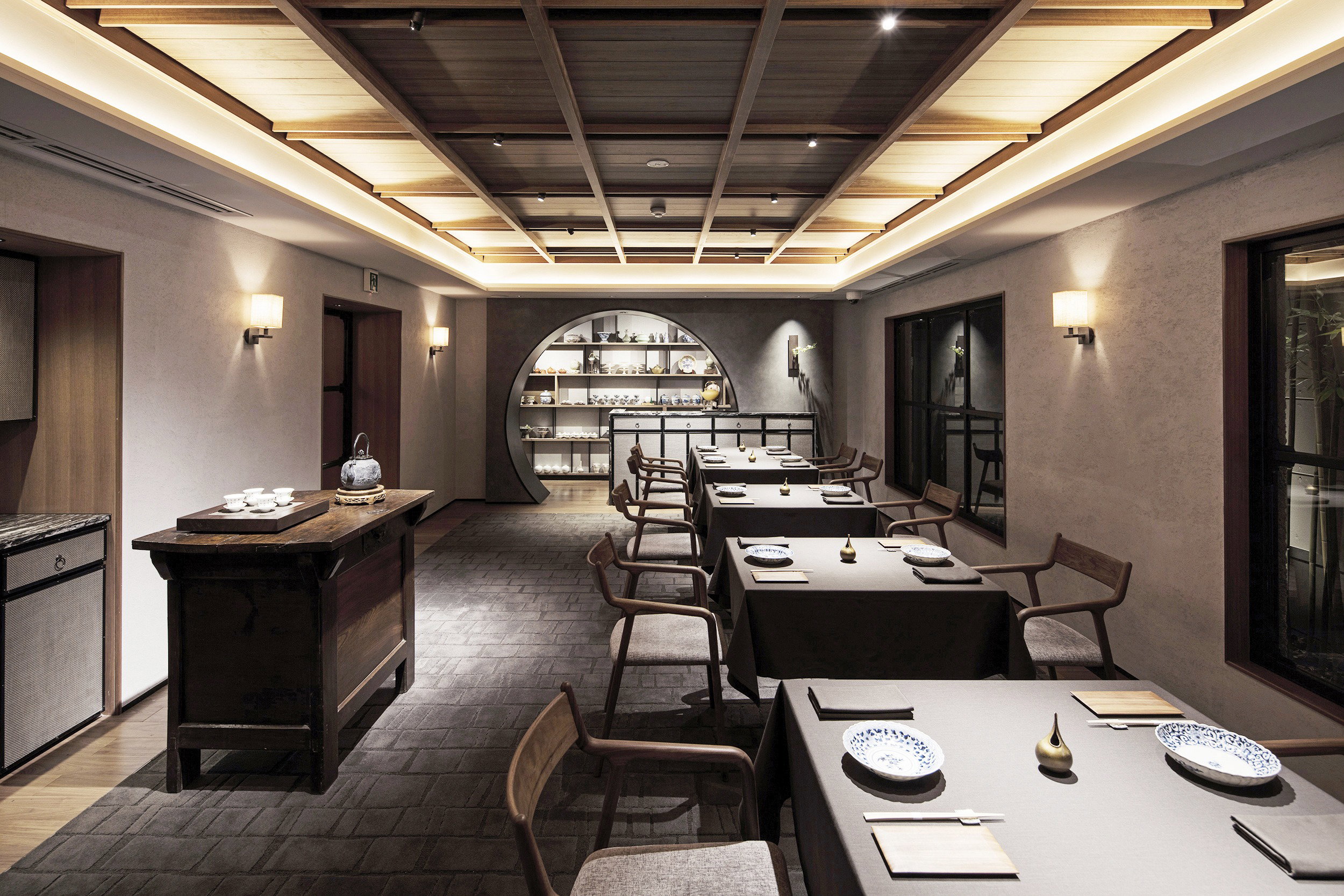
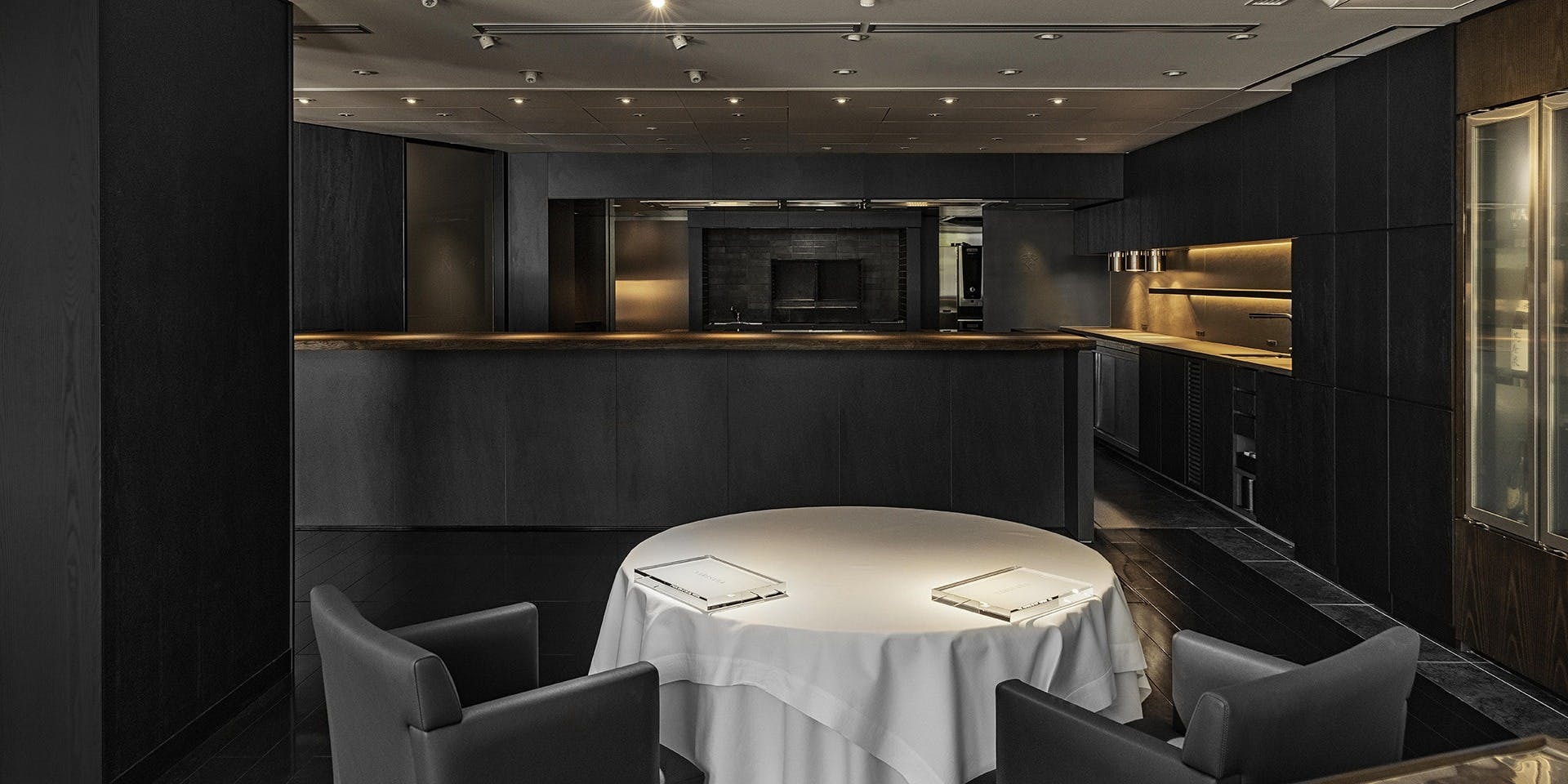
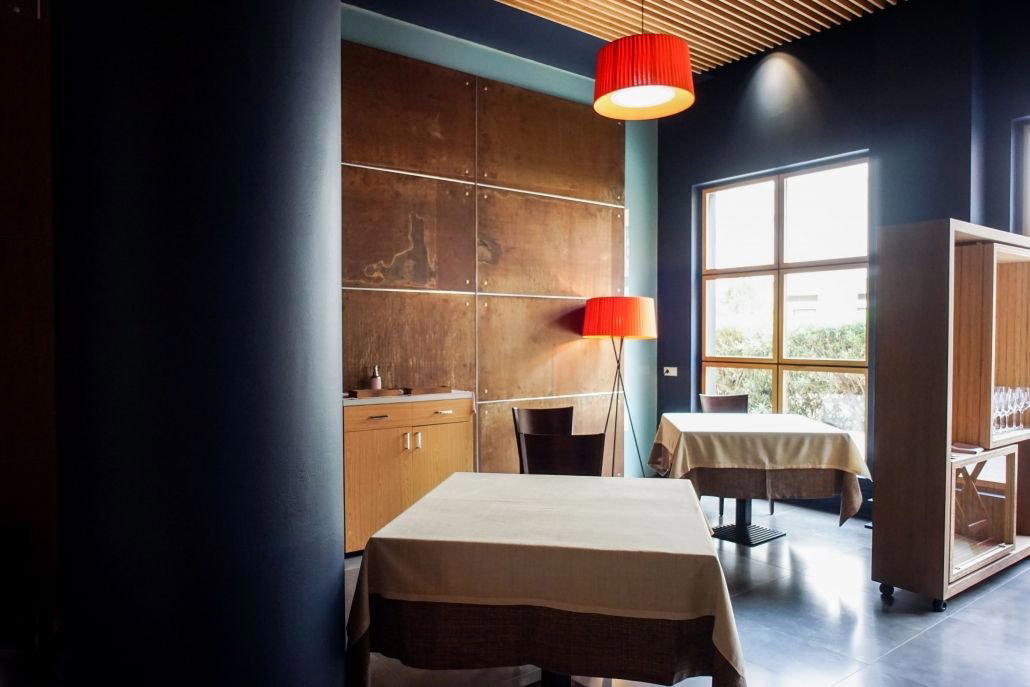
TEN-MASA sits in the basement of a small building in Kamimeguro, a neighbourhood that rewards the kind of diner willing to walk past the obvious Nakameguro canal-side options and look for something quieter and more considered. The restaurant does not trade on a flashy address. What it offers instead is a format the chef calls Ten-Masa Kaiseki: a menu that begins in kaiseki territory, with appetisers, soup, and sashimi, and then moves into tempura served one piece at a time. The sequencing matters — this is not a tempura restaurant with a few extra courses bolted on, nor a kaiseki menu with a fried interlude. The two traditions are genuinely integrated, and the haiku the chef writes by hand on each menu are the kind of detail that signals you are in a room where someone cares about the total experience, not just what arrives on the plate.
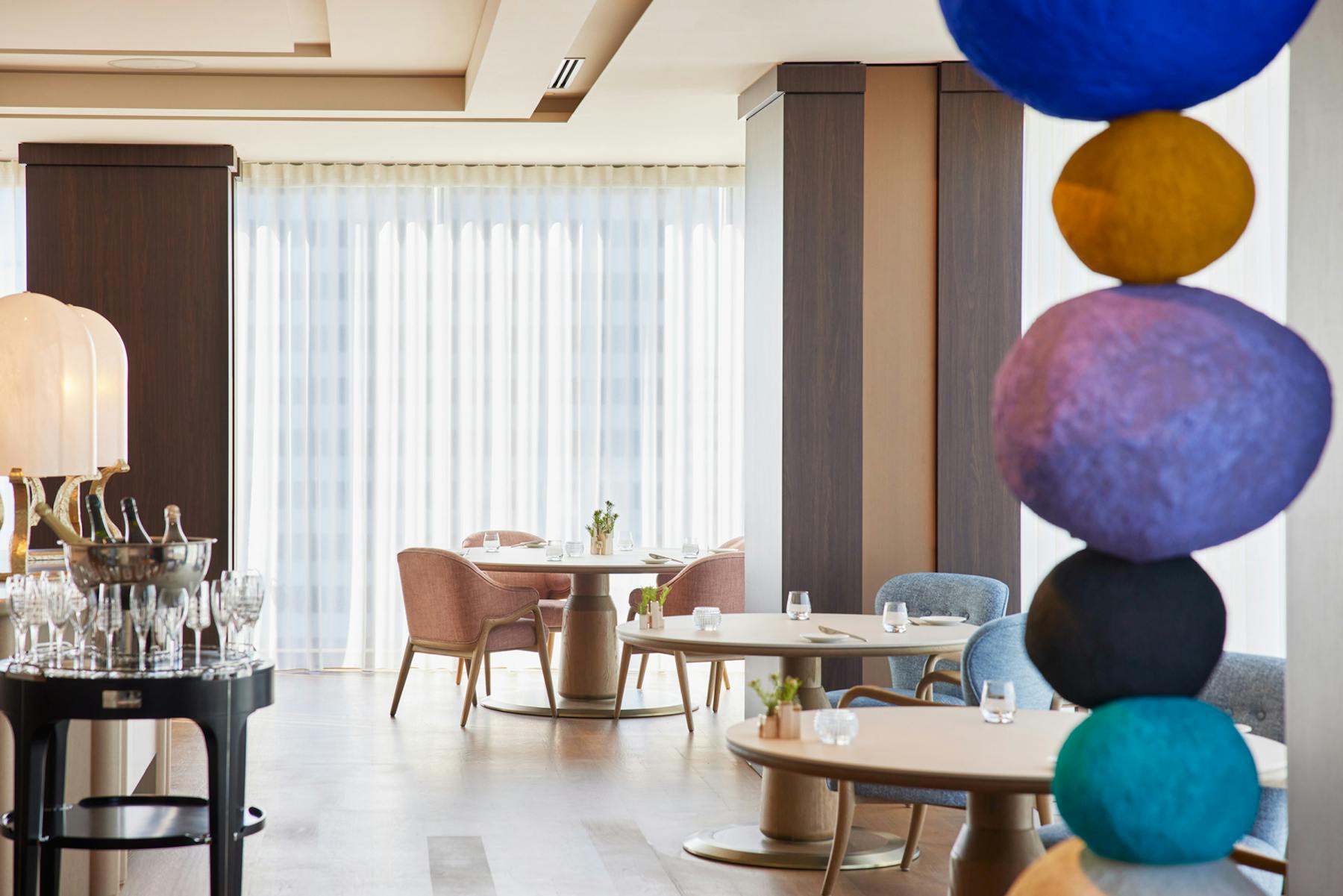
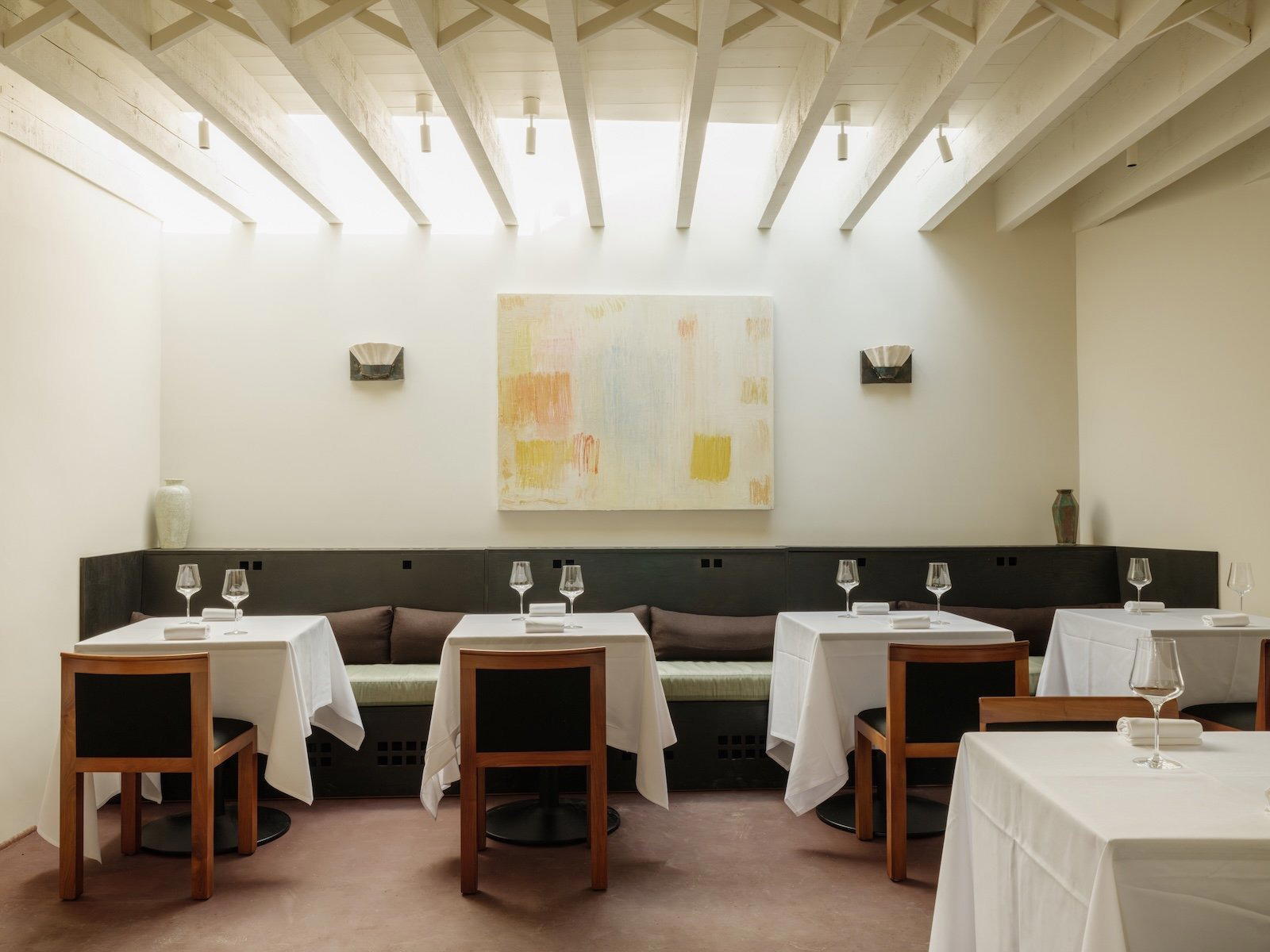
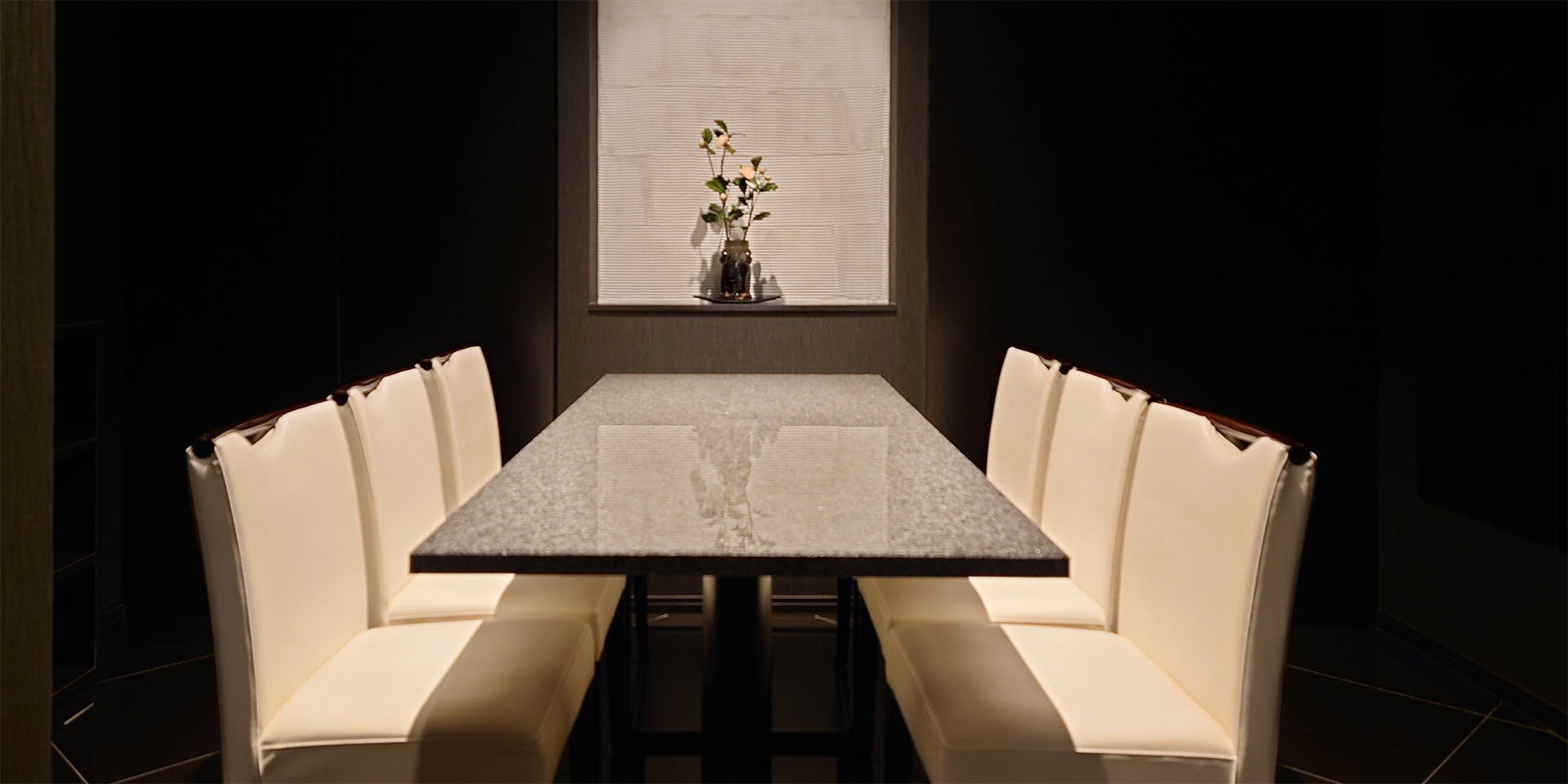
The atmosphere in the basement room is composed rather than celebratory. Expect a quiet, focused environment where conversation happens in a lower register than at a larger Tokyo dining room. For a solo diner or a couple who want to eat without competing with a loud room, this is a significant advantage over many of the city's Michelin-starred options.
Lunch vs Dinner at TEN-MASA
The lunch versus dinner question is worth thinking through before you book. Many Tokyo kaiseki and tempura specialists offer a condensed lunch format at a meaningfully lower price point, which can be the smartest entry point for first-time visitors who want to assess a kitchen before committing to a full evening spend. At TEN-MASA, the ¥¥¥ price range (moderate-to-high by Tokyo Michelin standards, but below the ¥¥¥¥ ceiling of competitors like RyuGin) suggests that an evening booking here is already more accessible than a dinner at many comparable rooms. If a lunch format is available, it is likely the better value-per-impression option for explorers who want the full Ten-Masa Kaiseki concept without a long evening commitment. Dinner, by contrast, is the right choice if you want the complete sequencing of the menu at its intended pace, with more time to engage with each tempura piece as it is prepared and served. The single-piece-at-a-time tempura format is leading appreciated when you are not watching a clock.
For context within Tokyo's broader Michelin dining map, TEN-MASA sits in a different register from the kaiseki institutions in Kagurazaka or Azabu. Kagurazaka Ishikawa and Azabu Kadowaki both operate at a higher price tier and offer more conventional kaiseki progressions. Ginza Fukuju and Jingumae Higuchi offer useful comparisons at similar price points. TEN-MASA's distinction is the tempura integration, if that hybrid format does not interest you, there are cleaner kaiseki options elsewhere. But if you want something that does not replicate what every other Michelin room in Tokyo is doing, this is the restaurant to book.
How It Compares
Against the full field of serious Tokyo dining, TEN-MASA sits in a practical middle ground. It costs less than the ¥¥¥¥ tier restaurants on our list, holds a Michelin star, and offers a format you will not find replicated in the city's other starred rooms. For a deeper look at what else is available across Japan, our guides to Gion Sasaki in Kyoto, HAJIME in Osaka, and akordu in Nara are worth reading alongside this one if you are planning a broader Japan itinerary. Within Tokyo, Myojaku is another option worth comparing if your interest is Japanese cuisine with a distinctive point of view.
Practical Details
Reservations: Hard to secure, a Michelin star in a small room in a residential neighbourhood means demand outpaces availability. Book as far in advance as your schedule allows, and treat cancellations as the exception rather than something to plan around. Dress: No formal dress code is confirmed in available data, but the room and format suggest smart-casual at minimum, dress as you would for any Michelin-starred Japanese restaurant. Budget: ¥¥¥ price range, positioning this below the ¥¥¥¥ tier of comparable Tokyo starred restaurants. Location: Kamimeguro, Meguro City, Tokyo, basement level. Allow time to find the building. Getting there: Nakameguro Station is the closest major access point; the restaurant is a short walk from there.
Explore More of Tokyo and Japan
If you are building a broader Tokyo dining list, our full Tokyo restaurants guide covers the full range of options across cuisines and price points. For accommodation context, the Tokyo hotels guide and Tokyo bars guide are useful companions. If you want to extend the trip, Goh in Fukuoka, 1000 in Yokohama, 6 in Okinawa, and Isshisoden Nakamura in Kyoto represent strong options across Japan's regions. Our Kashiwaya Osaka Senriyama listing is also worth a look for Osaka-based kaiseki at a serious level. For a full picture of Tokyo beyond restaurants, browse the Tokyo experiences guide and Tokyo wineries guide.
Planning details
- Location
- Japan, 〒153-0051 Tokyo, Meguro City, Kamimeguro, 3 Chome−16−13 Cube-M B1
- Website
- ten-masa.com
- Phone
- +81 3-6303-4005
The take
The Take
The Vibe
TEN-MASA frames tempura inside the discipline of kaiseki, so the room reads less like a bustling fry station and more like a measured, seasonal tasting. The writing on the menu — haiku by the chef — underlines a poetic, restrained sensibility. Dining at the counter is deliberate: courses arrive in a prescribed arc that privileges seasonality and sequence over a pure technical parade of frying. The result is quietly classic: attentive, ceremonial, and focused on balance rather than flash. It feels like a specialist counter that rewards close attention to detail.
Best For
This is a place for diners seeking a thoughtful, chef-led tasting rather than a straight tempura progression. Michelin recognition and the kaiseki framing make it well suited to business dinners or special occasions where formality and seasonality matter. It also appeals to enthusiasts curious about how tempura techniques translate into a broader kaiseki program. If you value a curated sequence and quiet, attentive service, TEN-MASA fits; if you expect a stripped-down, single-axis tempura parade, it may read as intentionally more complex.
Ordering Tips
Book ahead and accept the chef's sequence: the house serves a 'Ten-Masa Kaiseki' in which tempura recurs across appetizers, soup, sashimi and individually fried pieces. The counter format means the meal is orchestrated by the chef, so be prepared to follow the prescribed course order rather than pick-and-choose individual tempura items. Given the restaurant’s Michelin standing and specialist focus, a reservation is wise and better matches the pacing and service style of the experience.
Venue details
Ambiance
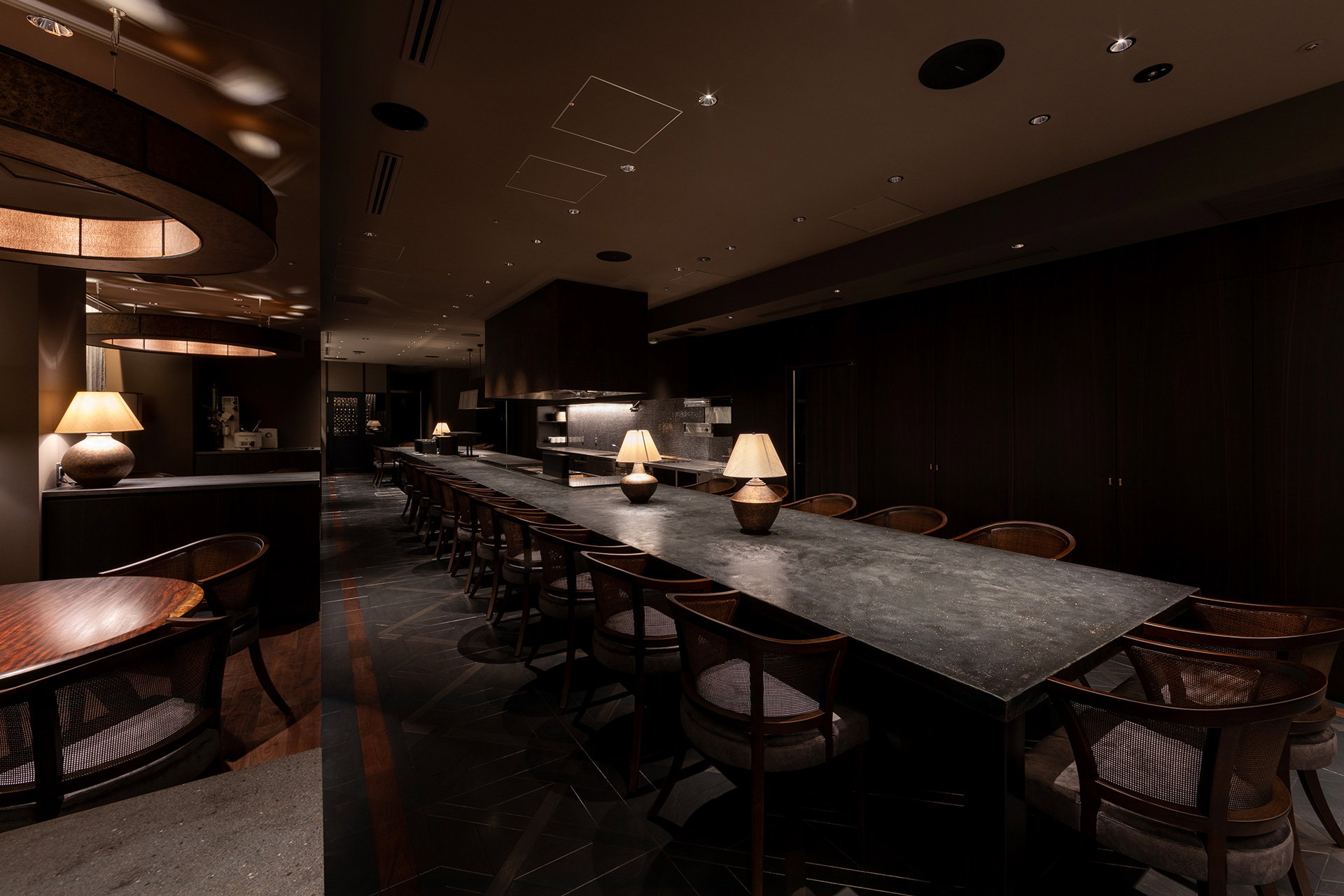
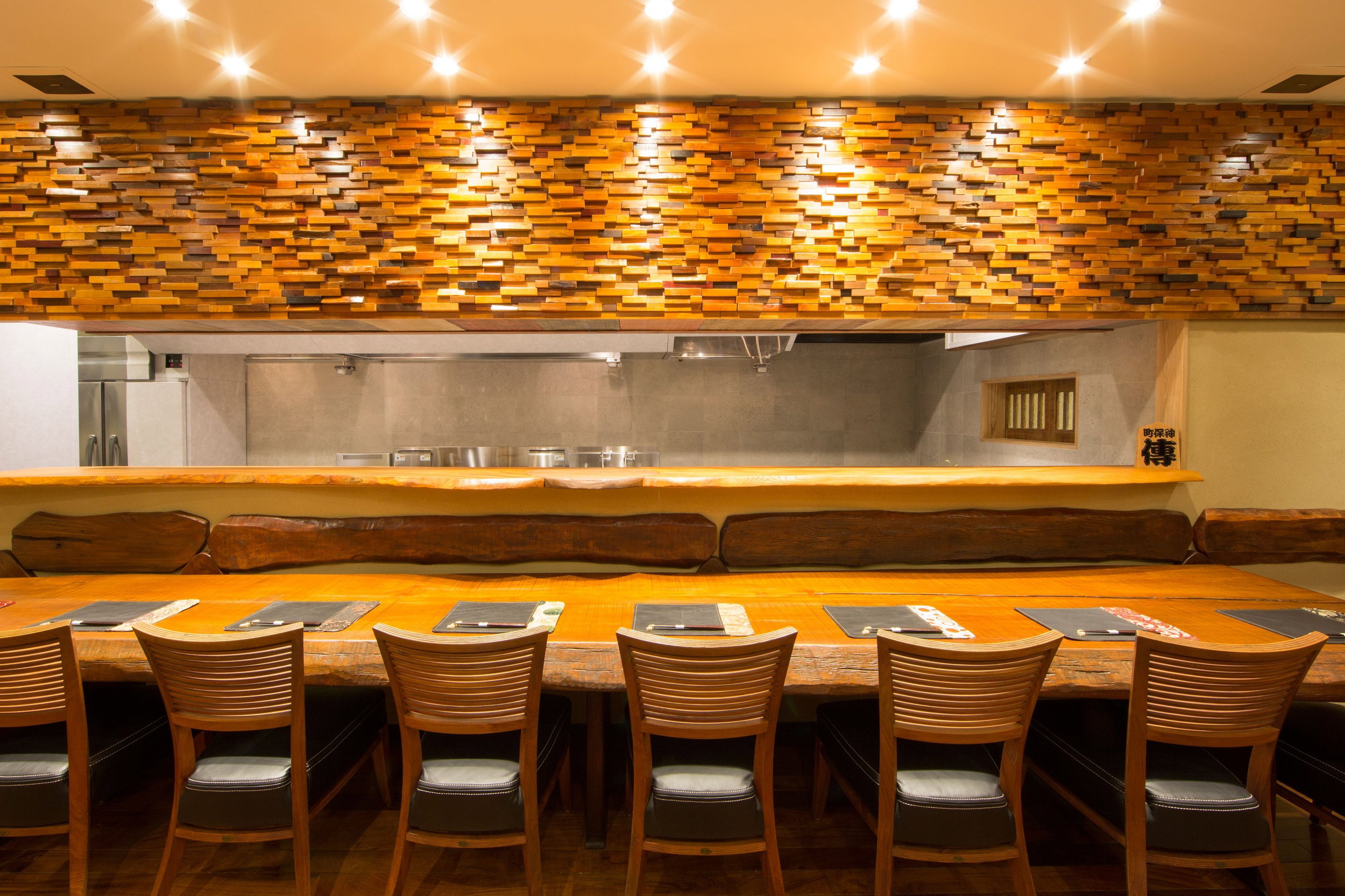
Intimate counter seating around the chef's station with elegant service and city views, creating a refined and engaging atmosphere.
Tags
Vibe
Best For
Experience
View
At the Table
- Dress Code
- Smart Casual
- Noise Level
- Quiet
- Service Style
- Formal
- Meal Pacing
- Leisurely
- Capacity
- Intimate
Know before you go
Know Before You Go
- Getting there
- Japan, 〒153-0051 Tokyo, Meguro City, Kamimeguro, 3 Chome−16−13 Cube-M B1
Planning details
Location
Japan, 〒153-0051 Tokyo, Meguro City, Kamimeguro, 3 Chome−16−13 Cube-M B1 · Directions
Recognition and awards
Also consider
Also Consider
- Harutaka, Sushi, ¥¥¥¥
- RyuGin, Kaiseki, Japanese, ¥¥¥¥
- L'Effervescence, French, ¥¥¥¥
- HOMMAGE, Innovtive French, French, ¥¥¥¥
- Florilège, French, ¥¥¥
Restaurant context
TEN-MASA's most direct tension in the comparison set is with RyuGin, Tokyo's flagship kaiseki reference at ¥¥¥¥. RyuGin offers a more technically elaborate kaiseki progression and an international reputation, but it costs more and the booking process is harder. TEN-MASA is a stronger choice if you want kaiseki-adjacent depth without the ¥¥¥¥ spend, and the tempura integration gives it a format RyuGin does not replicate. If conventional kaiseki at the highest technical level is the priority, RyuGin wins. If originality of concept and relative value matter, TEN-MASA is the smarter pick.
Harutaka operates in sushi at ¥¥¥¥ and is a different category decision entirely, counter omakase rather than the kaiseki-tempura format. Choose Harutaka if sushi precision is the goal; choose TEN-MASA if you want a composed multi-course experience with a distinctive structural concept. The French options in the comparison set, L'Effervescence, HOMMAGE, and Florilège, are all worthwhile for diners who want contemporary French technique in Tokyo, but they serve a different intent. TEN-MASA is the pick if Japanese culinary tradition, and specifically the interplay between tempura and kaiseki, is what you are in Tokyo to explore.
On value, TEN-MASA is the clearest recommendation in this peer group for the ¥¥¥ tier. Florilège is a comparable price-range option for French cuisine with strong critical standing, but for Japanese dining specifically, TEN-MASA at ¥¥¥ with a 2024 Michelin star is hard to argue against. The booking difficulty is real, plan ahead regardless of which venue you choose, but TEN-MASA may be marginally more accessible than the top-tier ¥¥¥¥ rooms simply by virtue of operating in a slightly smaller orbit of international demand.
Explore Tokyo
Around this place
Discover more on Pearl
Unlock the full TEN-MASA guide in Pearl, including awards, comparisons, FAQs, planning details, and nearby places.
Compare TEN-MASA
| Venue | Awards | Price |
|---|---|---|
| TEN-MASA | 2026 Michelin 1 Star2024 Michelin 1 Star | ¥¥¥ |
| Harutaka | 2026 Tabelog Silver · #312026 OAD Top Restaurants in Japan Ranked · #1282026 Michelin 3 Stars2026 La Liste Top RestaurantsTabelog 100 - Sushi - TOKYO - 2025 · #372025 Asia's 50 Best Restaurants · #762025 OAD Top Restaurants in Japan Ranked · #1172025 La Liste Top Restaurants2025 Tabelog Bronze | ¥¥¥¥ |
| RyuGin | 2026 OAD Top Restaurants in Japan Ranked · #802026 Tabelog Bronze · #3772026 Michelin 3 Stars2026 La Liste Top RestaurantsTabelog 100 - Japanese cuisine - TOKYO - 2025 · #212025 OAD Top Restaurants in Japan Ranked · #542025 Michelin 3 Stars2025 La Liste Top Restaurants2025 The Best Chef Three Knives | ¥¥¥¥ |
| L'Effervescence | 2026 Tabelog Silver · #682026 OAD Top Restaurants in Japan Ranked · #103Star Wine Lists 20262026 Black Pearl 2 Diamond2026 Relais Chateaux Restaurants2026 La Liste Top Restaurants2026 Michelin 3 Stars2025 Asia's 50 Best Restaurants · #692025 OAD Top Restaurants in Japan Ranked · #92 | ¥¥¥¥ |
| HOMMAGE | 2026 Tabelog Bronze · #1232026 OAD Top Restaurants in Japan Highly Recommended2026 Michelin 2 StarsTabelog 100 - French - TOKYO - 2025 · #762025 Asia's 50 Best Restaurants · #782025 OAD Top Restaurants in Japan Ranked · #1752025 Michelin 2 Stars2025 The Best Chef One Knife2025 La Liste Top Restaurants | ¥¥¥¥ |
| Florilège | 2026 Asia's 50 Best Restaurants · #312026 Tabelog Bronze · #712026 OAD Top Restaurants in Japan Ranked · #1242026 Black Pearl 1 Diamond2026 Michelin 2 Stars2026 La Liste Top Restaurants2025 Asia's 50 Best Restaurants · #172025 World's 50 Best Restaurants · #36Tabelog 100 - French - TOKYO - 2025 · #68 | ¥¥¥ |













What to weigh when choosing between TEN-MASA and alternatives.
FAQ
Frequently Asked Questions
Is TEN-MASA worth the price?
At ¥¥¥, TEN-MASA sits below the top tier of Tokyo Michelin dining on price while delivering a format — tempura and kaiseki combined — you won't find replicated at that level nearby. The chef's approach of serving tempura piece by piece alongside kaiseki-style courses is specific enough to justify the spend if that format appeals to you. If you want straight tempura, cheaper specialists exist. If you want full kaiseki, RyuGin is the step up.
What should I wear to TEN-MASA?
The venue is a Michelin-starred basement room in a residential Kamimeguro building — not a grand hotel dining room. Dress respectfully: neat, considered clothing is appropriate. Avoid anything casual. The haiku-adorned menus and considered service signal that the room takes itself seriously, and your attire should follow.
How far ahead should I book TEN-MASA?
Book as far in advance as possible — a Michelin star in a small room in a non-tourist neighbourhood means seats are consistently pressured. Assume a minimum of four to six weeks lead time, more if you have fixed travel dates. Walk-in availability is not a realistic option here.
Is the tasting menu worth it at TEN-MASA?
Yes, given that 'Ten-Masa Kaiseki' is the only format on offer — there is no à la carte alternative. The chef builds a sequence that moves through appetisers, soup, sashimi, and tempura served one piece at a time, with haiku on the menu as a structural touch. If a single-track tasting format does not suit your group, this is not the right booking.
Is TEN-MASA good for solo dining?
Yes. Counter-style tempura service, where pieces arrive one at a time, is well-suited to solo diners. You get the full sequence at your own pace, and the Kamimeguro location — quieter than central Tokyo dining districts — makes for a focused experience without the noise of a large room.
What should I order at TEN-MASA?
TEN-MASA runs a set menu — the 'Ten-Masa Kaiseki' format — so ordering choices are not part of the experience. The kitchen decides the sequence. Dietary requirements or restrictions are worth communicating at booking, since the menu is pre-structured and the room is small enough that substitutions require advance notice.