
Takumi Tatsuhiro
¥¥¥¥ · Sushi · Shinjuku, Tokyo
Restaurant in Tokyo, Japan
 Book with Pearl
The Read
Noto-Rice Edo Craft
Price
$500+per person
Dress
Smart Casual
Why go
Takumi Tatsuhiro is a craft-focused Edo-mae omakase counter in Shinjuku worth booking if you care about technique over prestige. The fan-shaped kitchen counter, seasonal nigiri sequence, and Noto Peninsula rice sourcing give return visitors a reason to come back. Booking is easier than comparable ¥¥¥¥ counters in Tokyo — spring and early autumn are the strongest seasons to visit.
About Takumi Tatsuhiro
Verdict: Book It If the Season Lines Up
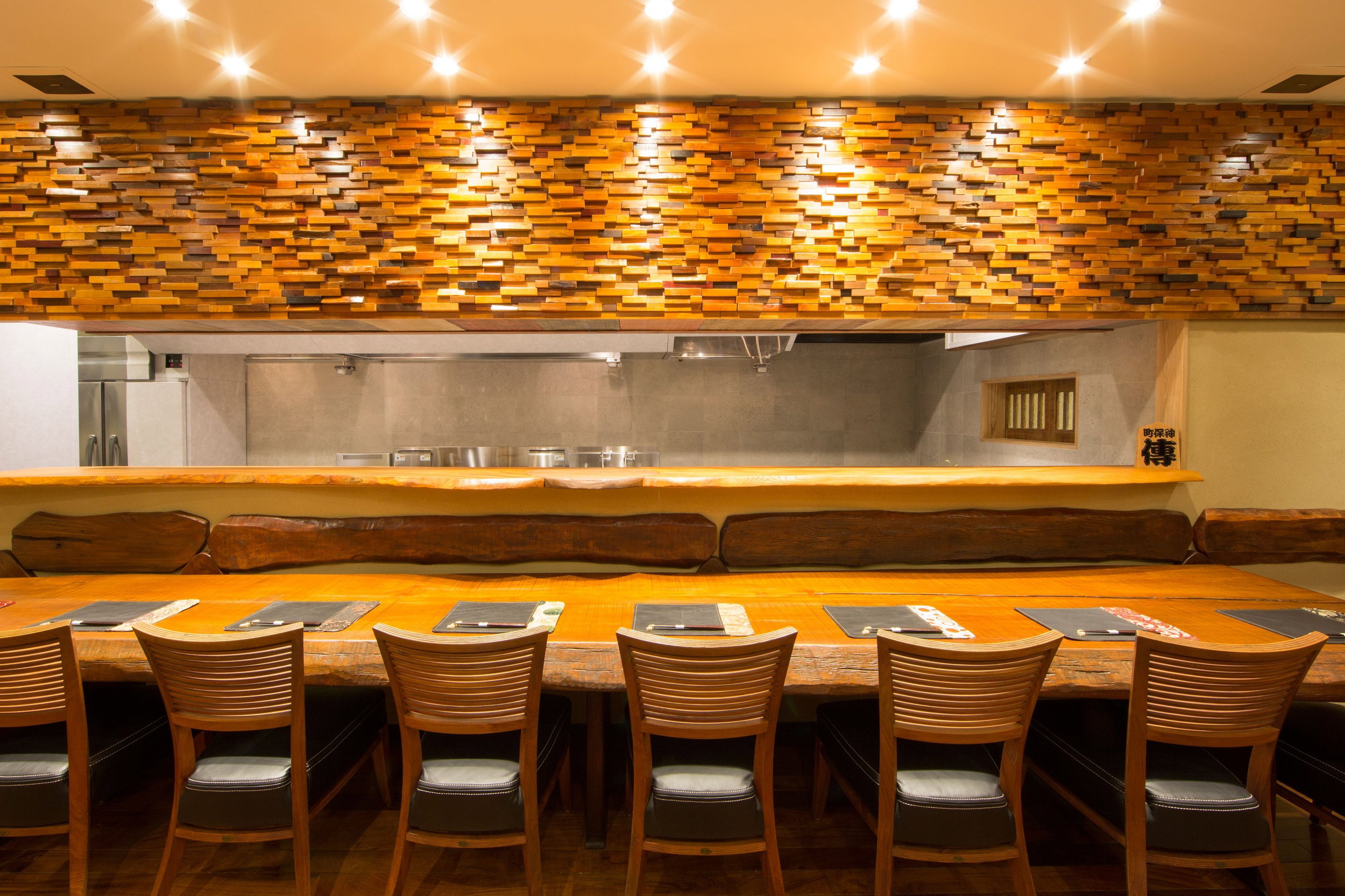
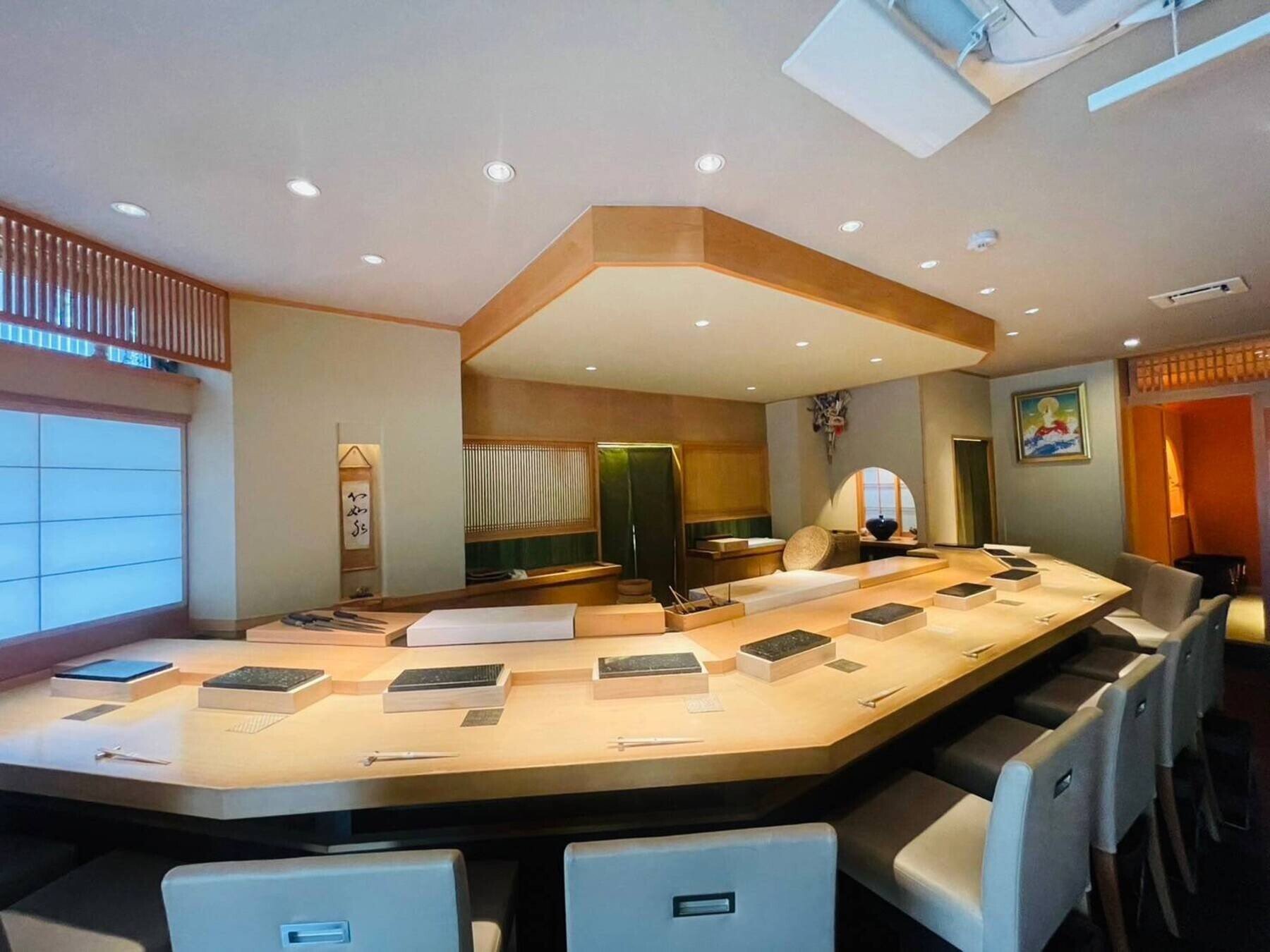
If you've been to Takumi Tatsuhiro once, you already know the counter. The fan-shaped layout surrounds the kitchen, the pacing is calm, and chef and apprentice move through the sequence with a precision that makes the room feel rehearsed without feeling performative. The question on a return visit is simpler: what's changed? At Takumi Tatsuhiro, the answer is almost always the seasonal fish.
The name means artisan, and the work here earns it. Old-school sushi craftsmanship is the defining commitment: spring sea bream topped with sweetened egg yolk flakes, lean tuna paired with mustard. These aren't fusion flourishes — they're deliberate callbacks to Edo-mae technique that most contemporary omakase counters have quietly dropped. The house snack, iwashi-isobemaki (bite-sized pilchard wrapped in nori), arrives early and sets the tone. It's exactly the kind of thing that reads differently on a second visit, when you know to slow down and pay attention to it.
The sushi rice comes from the chef's native Noto Peninsula, a region on the Sea of Japan coast known for its agricultural specificity. That sourcing decision matters here because it's not decorative — the rice carries a distinct character that holds up against the richer, fattier fish that appear later in the sequence. It's a structural choice, not a marketing one. The relationship between this counter and the Noto farmers it works with is the kind of supply-chain detail that gives a menu coherence across seasons.
What Changes With the Season
Spring is when traditional Edo-mae sushi earns its strongest argument. Sea bream peaks, as do lighter white-fleshed fish that reward the restrained vinegar and seasoning ratios you'll find here. Return visitors planning a second trip should weight their timing toward spring or early autumn, when the seasonal pivot in the nigiri sequence is most pronounced. Summer brings richness, fattier cuts, stronger flavours, and the pilchard that defines the house snack is at its finest through warmer months. Winter visits are quieter and the room changes character, though the fundamentals of the counter experience remain the same.
For a second visit specifically, it's worth coming with a question about the rice. The Noto Peninsula sourcing isn't incidental, and asking the team about the current harvest year or variety will get you an answer, not a deflection. That's less common than you'd think at counters in this price tier in Shinjuku.
How It Compares
Takumi Tatsuhiro sits in Shinjuku, which puts it in a different part of the city to most of Tokyo's destination sushi. For context on the broader scene, our full Tokyo restaurants guide covers the range. If you're comparing directly in the sushi category, Harutaka is the more internationally profiled counter, harder to book, more ceremony, higher pressure. Takumi Tatsuhiro is the better call if you want craft over prestige and a room that doesn't feel like it's performing for foreign reviewers. For kaiseki as an alternative format, RyuGin is the comparison point, though that's a different dining logic entirely. If French is in contention, L'Effervescence and Sézanne are the relevant peers.
Know Before You Go
Know Before You Go
- Location: 1F, San Sara Daigo Gyoen Building, 1-11-7 Shinjuku, Shinjuku City, Tokyo 〒160-0022
- Price tier: ¥¥¥¥, top-end omakase pricing; confirm the current menu price when booking
- Booking difficulty: Easy relative to comparable counters in Tokyo; plan ahead but not weeks out by default
- Format: Omakase counter; fan-shaped layout; chef and apprentice serve in turn
- Leading season to visit: Spring (sea bream peak) or early autumn (seasonal pivot most pronounced)
- House snack: Iwashi-isobemaki, pilchard wrapped in nori; arrives early in the sequence
- Rice sourcing: Noto Peninsula, Sea of Japan coast, ask about the current harvest if you're curious
- Solo dining: Well-suited; counter format works for single diners
- Groups: Counter seating by nature; confirm capacity and group suitability when reserving
- Phone/website: Not listed, book via a restaurant reservation service or your hotel concierge in Tokyo
Explore More in Tokyo and Beyond
If you're building a broader Tokyo itinerary, our Tokyo hotels guide and Tokyo bars guide cover the rest of the picture. For innovative French in the same city, Crony is worth a look. Outside Tokyo, the craft-focused dining that Takumi Tatsuhiro represents has parallels at Gion Sasaki in Kyoto, HAJIME in Osaka, and Goh in Fukuoka. Further afield, akordu in Nara offers a different angle on precision cooking in Japan. For those cross-referencing omakase craft internationally, Le Bernardin in New York is the closest equivalent in terms of sustained technical discipline over decades. 1000 in Yokohama and 6 in Okinawa round out the Japan picture for those travelling further. See also Tokyo experiences and Tokyo wineries for the full visit. Lazy Bear in San Francisco is a useful comparison point for the counter-format, chef-driven dinner that Takumi Tatsuhiro embodies, different cuisine, same underlying logic.
Planning details
- Location
- Japan, 〒160-0022 Tokyo, Shinjuku City, Shinjuku, 1 Chome−11−7 サンサーラ第五御苑ビル 1F
- Reservations
- Book on Omakase
- Phone
- +81 3-5925-8225
The take
The Take
The Vibe
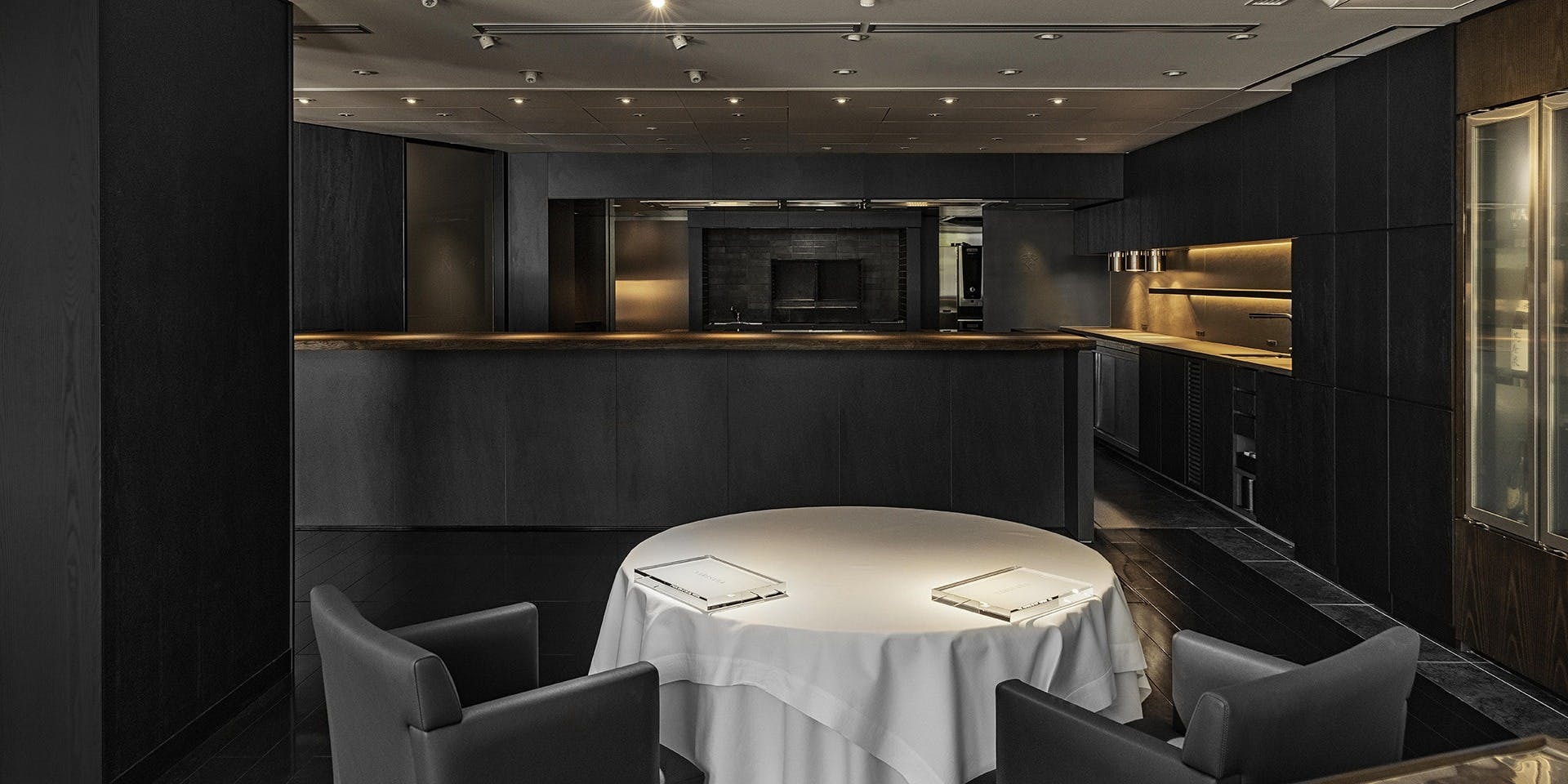
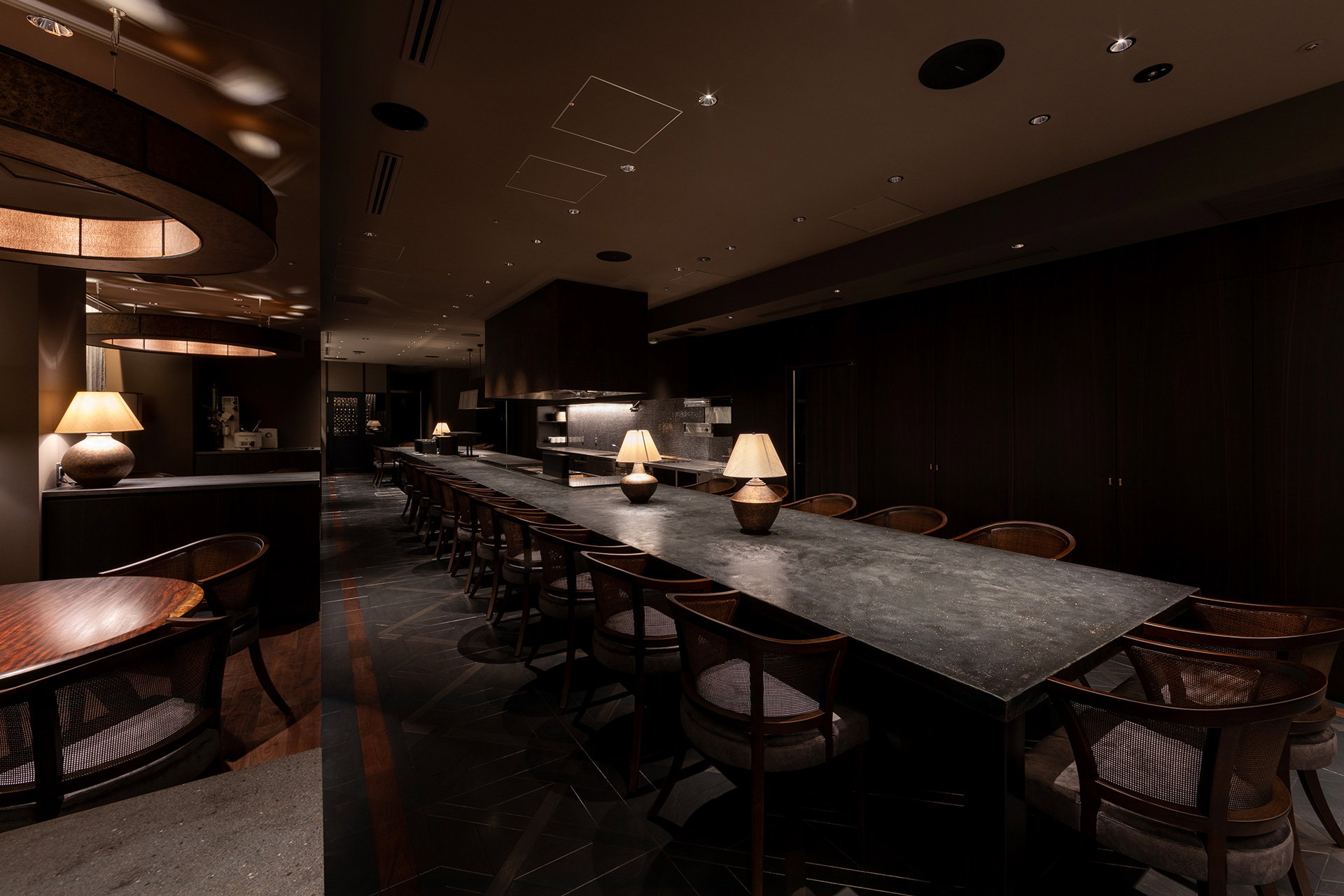
Takumi Tatsuhiro presents a quietly assertive dining room where craft, not ceremony, is on display. The fan-shaped counter is designed so every guest watches the kitchen work; chef and apprentice move in practiced tandem, creating a near-choreographic service. The cooking leans into old Edomae techniques—pre-war condiments and modest interventions that foreground technique over theatrical restraint—so the experience reads as classic and handcrafted rather than showy. This is a refined, focused sushi counter for diners who value visible artisanship and historical technique.
Best For
This counter is best for focused, small-group occasions—date nights, special-occasion meals and discreet business dinners—where proximity to the chef and attention to technique matter. Seating is arranged so every guest faces the kitchen, which makes the venue ideal for those who want to watch the service unfold as part of the meal. Positioned in the ¥¥¥¥ tier of Tokyo sushi counters, it suits diners seeking an elevated omakase encounter anchored in Edomae tradition.
Ordering Tips
Expect an omakase-style progression rooted in traditional Edomae preparations rather than maximalist sourcing. The house snack, iwashi-isobemaki (pilchard wrapped in nori), signals the kitchen’s old-school approach; signature moments include young sea bream with oboro and lean tuna paired with mustard. Sit at the counter to get the full effect—the layout is explicitly designed for counter viewing—and anticipate modest condiments and toppings that reflect pre-war sushi technique rather than heavy theatricality.
Venue details
Ambiance
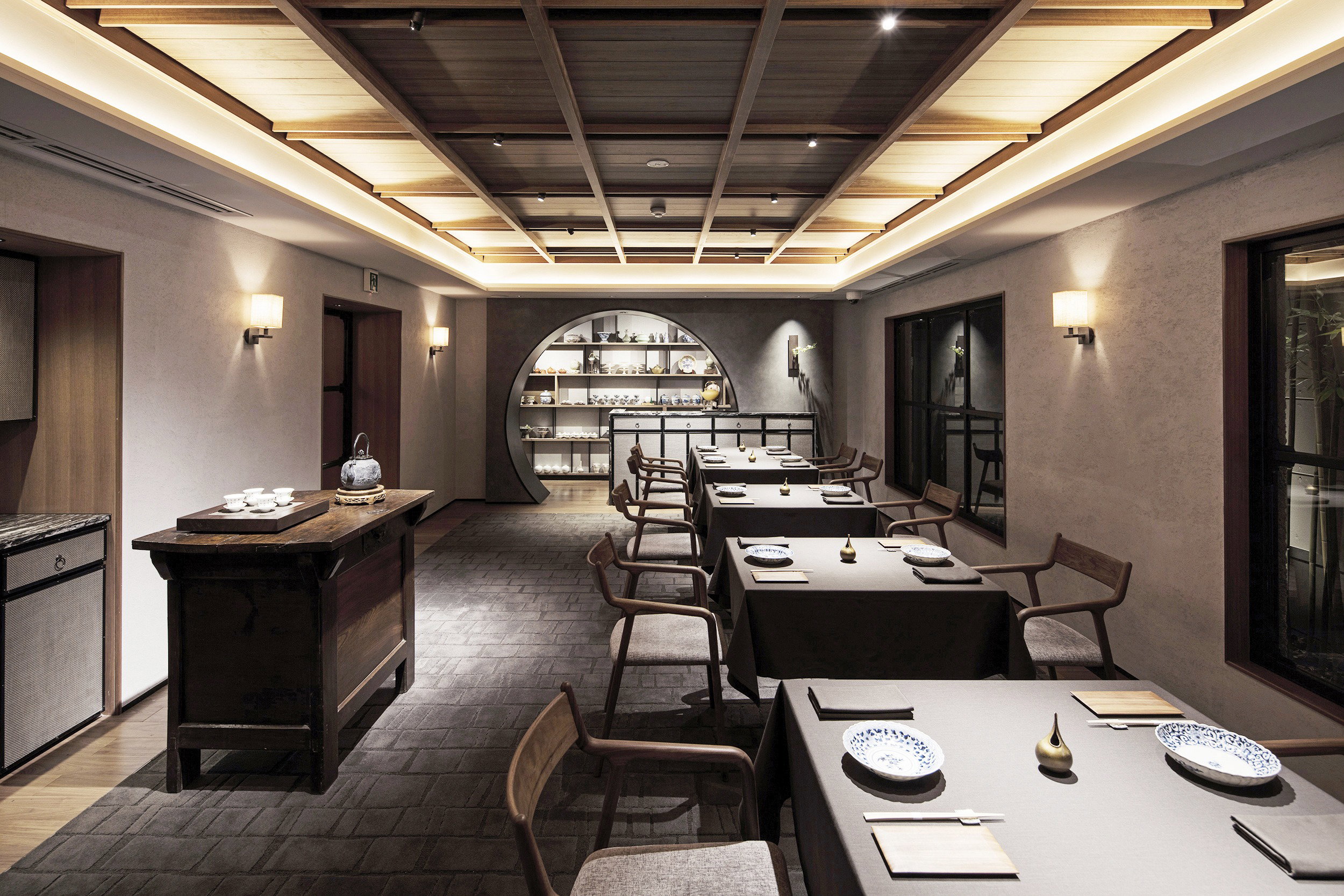
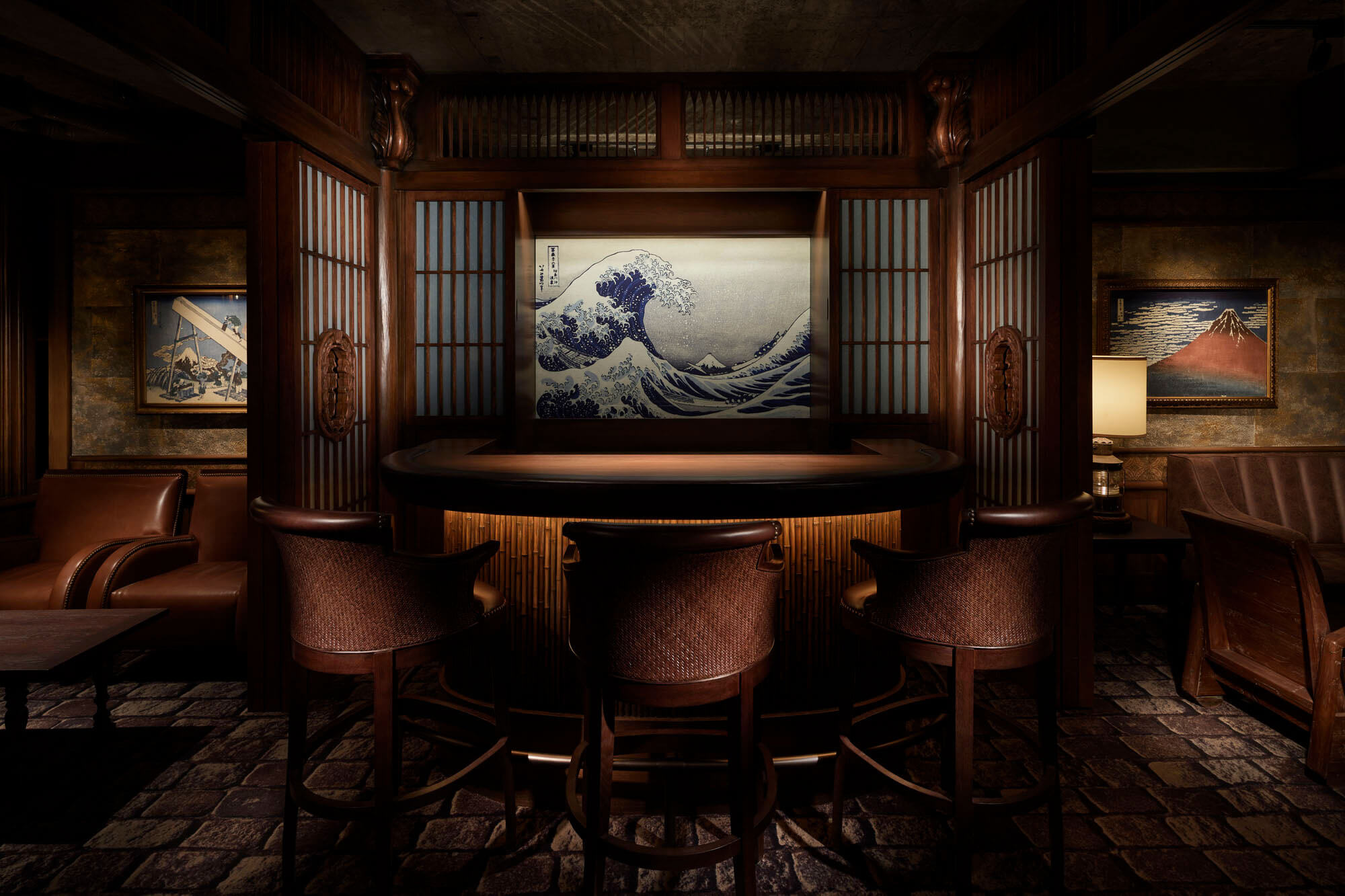
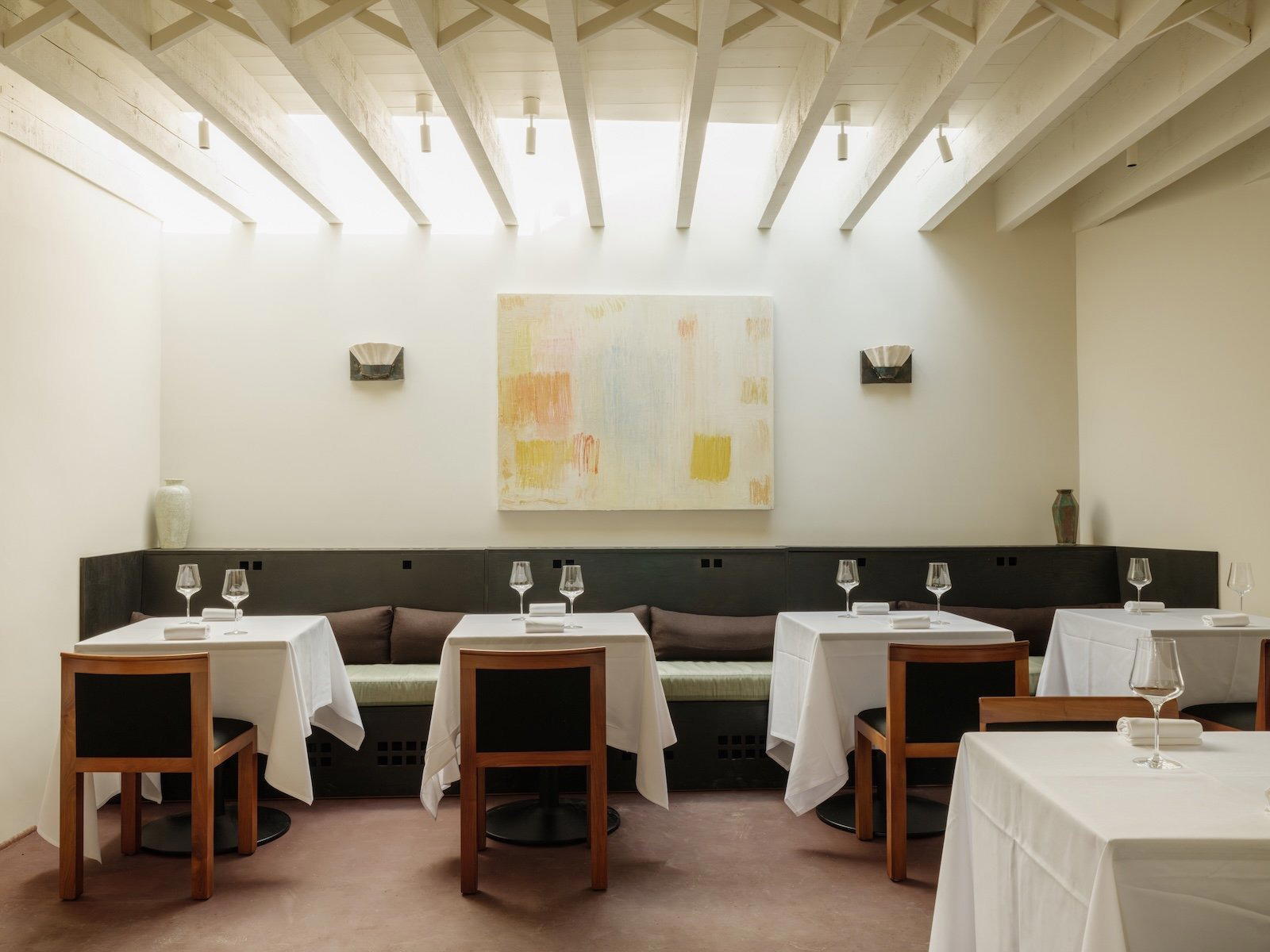
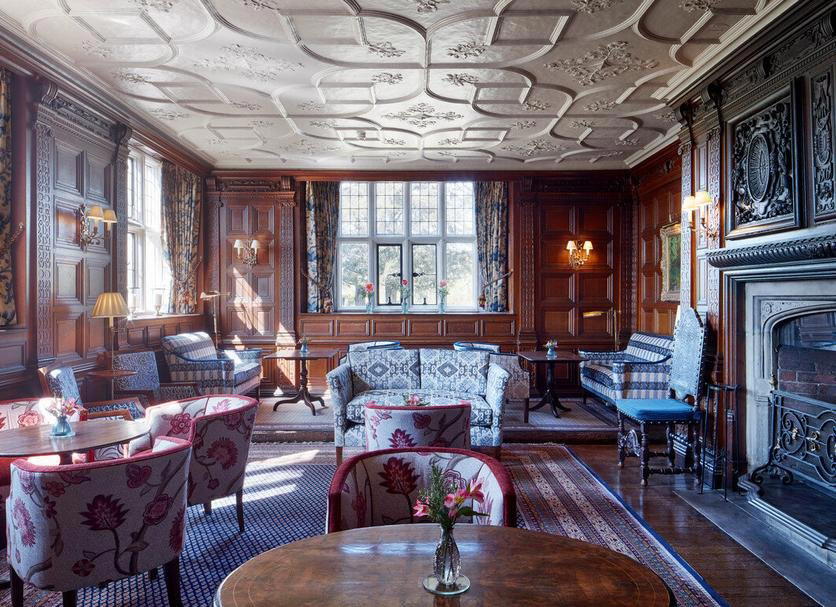
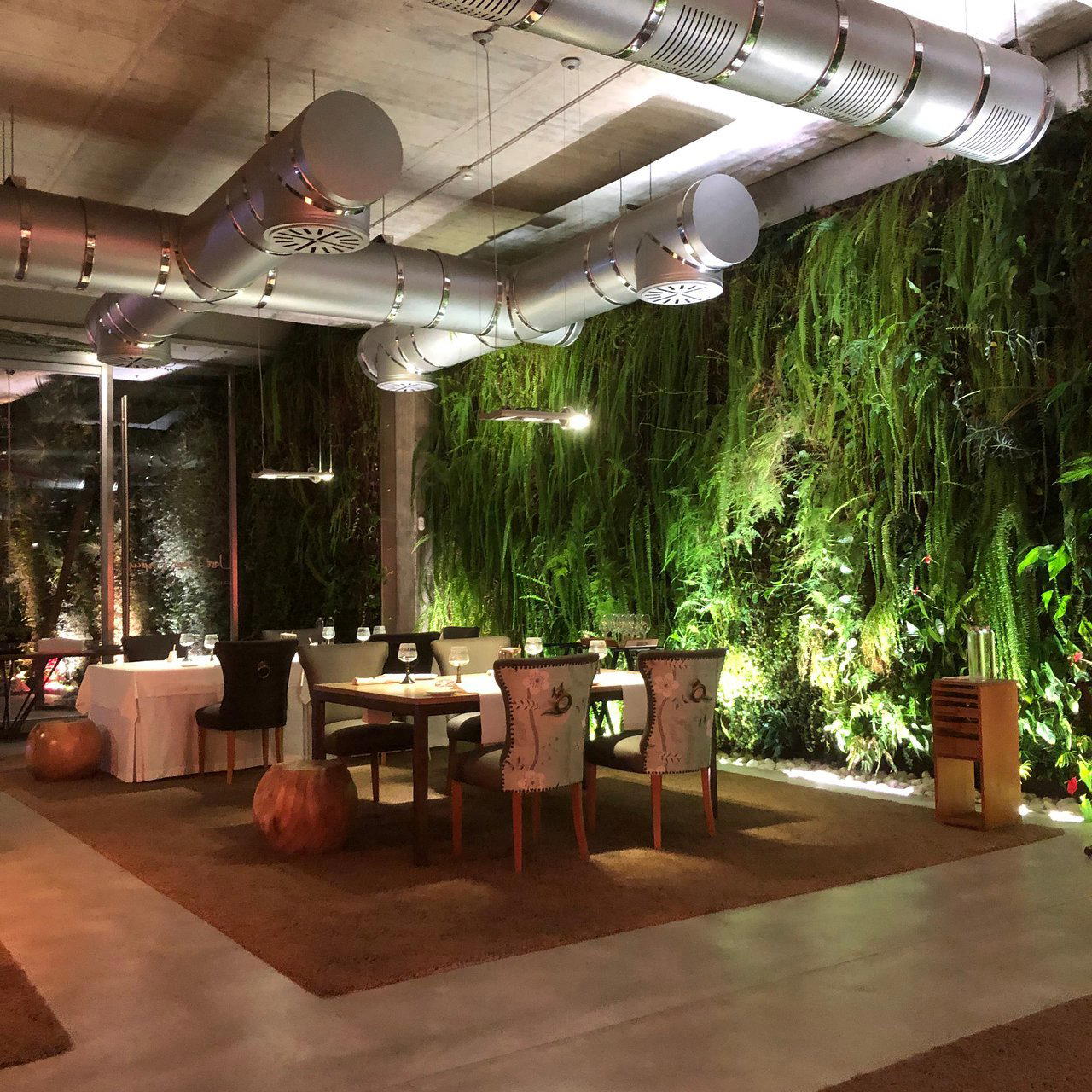
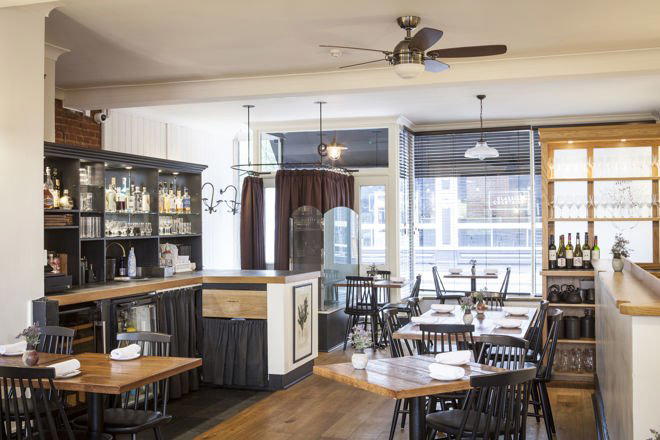
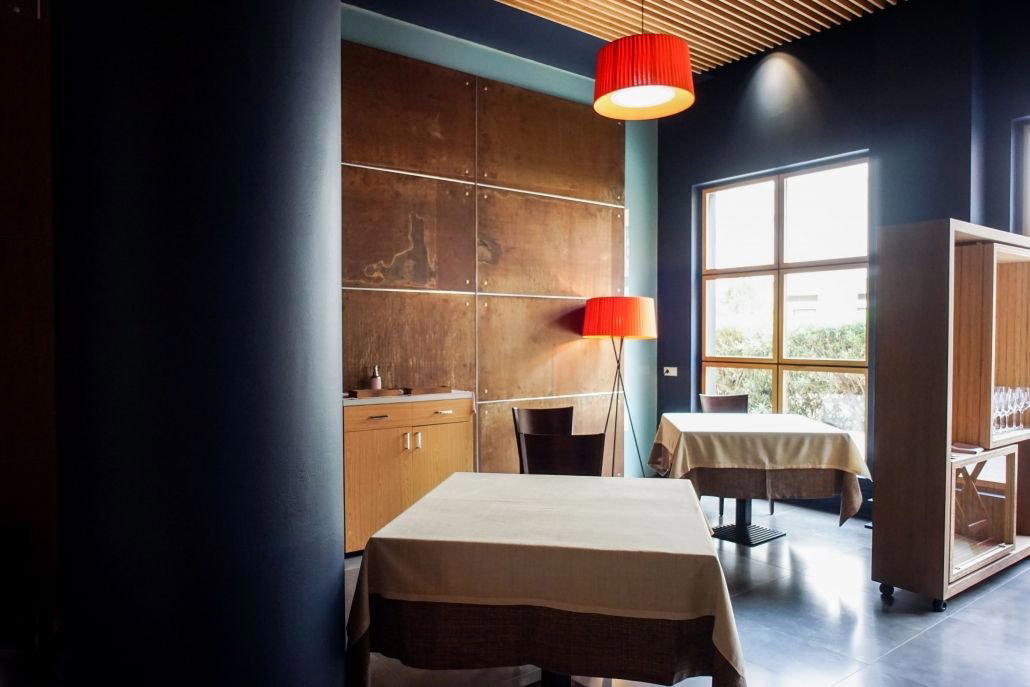
Refined Japanese aesthetic with a fan-shaped counter allowing guests to surround the kitchen, blending Japanese and Western elements in a quiet, tasteful space reminiscent of a tea room.
Tags
Vibe
Best For
Experience
Sourcing
At the Table
- Dress Code
- Smart Casual
- Noise Level
- Quiet
- Service Style
- Omakase Bar
- Meal Pacing
- Extended Experience
- Capacity
- Small
- Kitchen
- Traditional
- Menu Format
- Omakase, Counter dining
- Wine Program
- Curated
- Drinks Focus
- Sake
- Private Dining
- Available
Signature Dishes
- sardine wrapped in nori
- young sea bream with oboro
- lean tuna with mustard
Know before you go
Know Before You Go
- Getting there
- Japan, 〒160-0022 Tokyo, Shinjuku City, Shinjuku, 1 Chome−11−7 サンサーラ第五御苑ビル 1F
Planning details
Location
Japan, 〒160-0022 Tokyo, Shinjuku City, Shinjuku, 1 Chome−11−7 サンサーラ第五御苑ビル 1F · Directions
Also consider
Also Consider
- Harutaka, Sushi, ¥¥¥¥
- RyuGin, Kaiseki, Japanese, ¥¥¥¥
- L'Effervescence, French, ¥¥¥¥
- HOMMAGE, Innovtive French, French, ¥¥¥¥
- Florilège, French, ¥¥¥
Restaurant context
In the ¥¥¥¥ sushi tier in Tokyo, the main comparison is Harutaka. Harutaka carries more international name recognition and is harder to book, but the experience leans toward ceremony and prestige. Takumi Tatsuhiro is the better choice if you want craft-first dining without the pressure of a room playing to its own reputation. Both sit at the same price tier; Takumi Tatsuhiro is the more accessible booking and the less performative room.
If you're deciding between sushi and kaiseki at this price level, RyuGin is the reference point for kaiseki, more courses, a longer and more complex progression, and a very different kind of kitchen logic. RyuGin suits diners who want the full scope of Japanese seasonal cooking; Takumi Tatsuhiro suits those who want depth in a single format done with precision. They're not in direct competition, it depends on whether you want breadth or focus.
For diners weighing French against Japanese at ¥¥¥¥, L'Effervescence and HOMMAGE are the Tokyo French options at this tier, with Florilège a step down in price at ¥¥¥. If the decision is about the type of evening rather than the cuisine, Takumi Tatsuhiro offers a tighter, quieter, and more focused experience than any of the French options, which tend toward more elaborate service and longer room time. For a birthday or anniversary dinner where the emphasis is on craft in a calm setting, Takumi Tatsuhiro is the more deliberate choice.
Explore Tokyo
Around this place
Discover more on Pearl
Unlock the full Takumi Tatsuhiro guide in Pearl, including awards, comparisons, FAQs, planning details, and nearby places.
Compare Takumi Tatsuhiro
| Venue | Location | Cuisine | Awards | Price |
|---|---|---|---|---|
| Takumi Tatsuhiro | Tokyo | ¥¥¥¥ · Sushi | 2026 Michelin 1 Star | , |
| Harutaka | Tokyo | Sushi | 2026 Tabelog Silver · #312026 OAD Top Restaurants in Japan Ranked · #1282026 Michelin 3 Stars2026 La Liste Top RestaurantsTabelog 100 - Sushi - TOKYO - 2025 · #372025 Asia's 50 Best Restaurants · #762025 OAD Top Restaurants in Japan Ranked · #1172025 La Liste Top Restaurants2025 Tabelog Bronze | ¥¥¥¥ |
| RyuGin | Tokyo | Kaiseki, Japanese | 2026 OAD Top Restaurants in Japan Ranked · #802026 Tabelog Bronze · #3772026 Michelin 3 Stars2026 La Liste Top RestaurantsTabelog 100 - Japanese cuisine - TOKYO - 2025 · #212025 OAD Top Restaurants in Japan Ranked · #542025 Michelin 3 Stars2025 La Liste Top Restaurants2025 The Best Chef Three Knives | ¥¥¥¥ |
| L'Effervescence | Tokyo | French | 2026 Tabelog Silver · #682026 OAD Top Restaurants in Japan Ranked · #103Star Wine Lists 20262026 Black Pearl 2 Diamond2026 Relais Chateaux Restaurants2026 La Liste Top Restaurants2026 Michelin 3 Stars2025 Asia's 50 Best Restaurants · #692025 OAD Top Restaurants in Japan Ranked · #92 | ¥¥¥¥ |
| HOMMAGE | Tokyo | Innovtive French, French | 2026 Tabelog Bronze · #1232026 OAD Top Restaurants in Japan Highly Recommended2026 Michelin 2 StarsTabelog 100 - French - TOKYO - 2025 · #762025 Asia's 50 Best Restaurants · #782025 OAD Top Restaurants in Japan Ranked · #1752025 Michelin 2 Stars2025 The Best Chef One Knife2025 La Liste Top Restaurants | ¥¥¥¥ |
| Florilège | Tokyo | French | 2026 Asia's 50 Best Restaurants · #312026 Tabelog Bronze · #712026 OAD Top Restaurants in Japan Ranked · #1242026 Black Pearl 1 Diamond2026 Michelin 2 Stars2026 La Liste Top Restaurants2025 Asia's 50 Best Restaurants · #172025 World's 50 Best Restaurants · #36Tabelog 100 - French - TOKYO - 2025 · #68 | ¥¥¥ |













How Takumi Tatsuhiro Tokyo compares with similar nearby venues.
FAQ
Frequently Asked Questions
What should a first-timer know about Takumi Tatsuhiro?
This is a traditional Edo-mae counter, not a modern omakase showroom. Expect classic technique — spring sea bream with sweetened egg yolk flakes, lean tuna with mustard, iwashi-isobemaki as the house snack — served at a calm, deliberate pace. The counter wraps around the kitchen so you watch every move, which is part of the format. Come hungry and with time to spare.
How far ahead should I book Takumi Tatsuhiro?
For a ¥¥¥¥-tier sushi counter in Tokyo, booking at least three to four weeks ahead is standard practice. Shinjuku has fewer destination sushi counters than Ginza or Minami-Aoyama, but that does not mean seats are easy to secure. Book as early as your schedule allows.
Is Takumi Tatsuhiro good for a special occasion?
Yes, provided the occasion suits a quiet, focused counter meal rather than a celebratory group dinner. The deliberate pacing, old-school craftsmanship, and use of sushi rice from the chef's native Noto Peninsula give the meal a sense of occasion without theatrics. For a milestone dinner for two, it is a strong choice in Shinjuku.
Can I eat at the bar at Takumi Tatsuhiro?
The counter is the dining format here — the fan-shaped layout surrounds the kitchen so all guests are effectively at the bar. There is no separate table or dining room option based on available information. If counter dining is not your preference, this venue is not the right fit.
Is Takumi Tatsuhiro good for solo dining?
It is one of the stronger solo dining formats in the city. A fan-shaped sushi counter where chef and apprentice serve each guest directly is built for individual attention, and the pacing is calibrated per seat. Solo diners get the full experience without compromise — arguably better than sharing it across a larger party.
What should I order at Takumi Tatsuhiro?
The format is omakase, so ordering is not part of the experience — the kitchen decides. The house snack, iwashi-isobemaki (pilchard wrapped in nori), is a fixture, as are Edo-mae preparations like sea bream with sweetened egg yolk flakes and lean tuna with mustard. Trust the sequence and let the pacing do its work.