
Sushi Kojima
Sushi · Chūō, Tokyo
Restaurant in Tokyo, Japan
 Book with Pearl
The Read
Edomae Counter Precision
Price
¥¥¥¥
Dress
Smart Casual
Why go
A Michelin-starred omakase counter in Ginza's most competitive sushi tier, Sushi Kojima is worth booking for a special occasion meal where craft and pacing matter. The extended snack sequence, previous-year-harvest rice, painstaking preparations like pickled tuna and steamed conger eel justify the ¥¥¥¥ price point. Book six to eight weeks out minimum; seats go fast.
About Sushi Kojima
Who Should Book Sushi Kojima
Sushi Kojima is built for the diner who treats a special occasion dinner as a reason to go deep, not wide. If you are planning a milestone celebration, a significant business dinner, or a once-in-a-trip meal in Tokyo, this Ginza counter earns serious consideration. It holds a Michelin 1 Star (2024) and sits in one of the world's most competitive sushi zip codes, which means the bar for earning that recognition is considerably higher here than almost anywhere else on earth. Book this when the evening itself is the point.
The Counter Experience
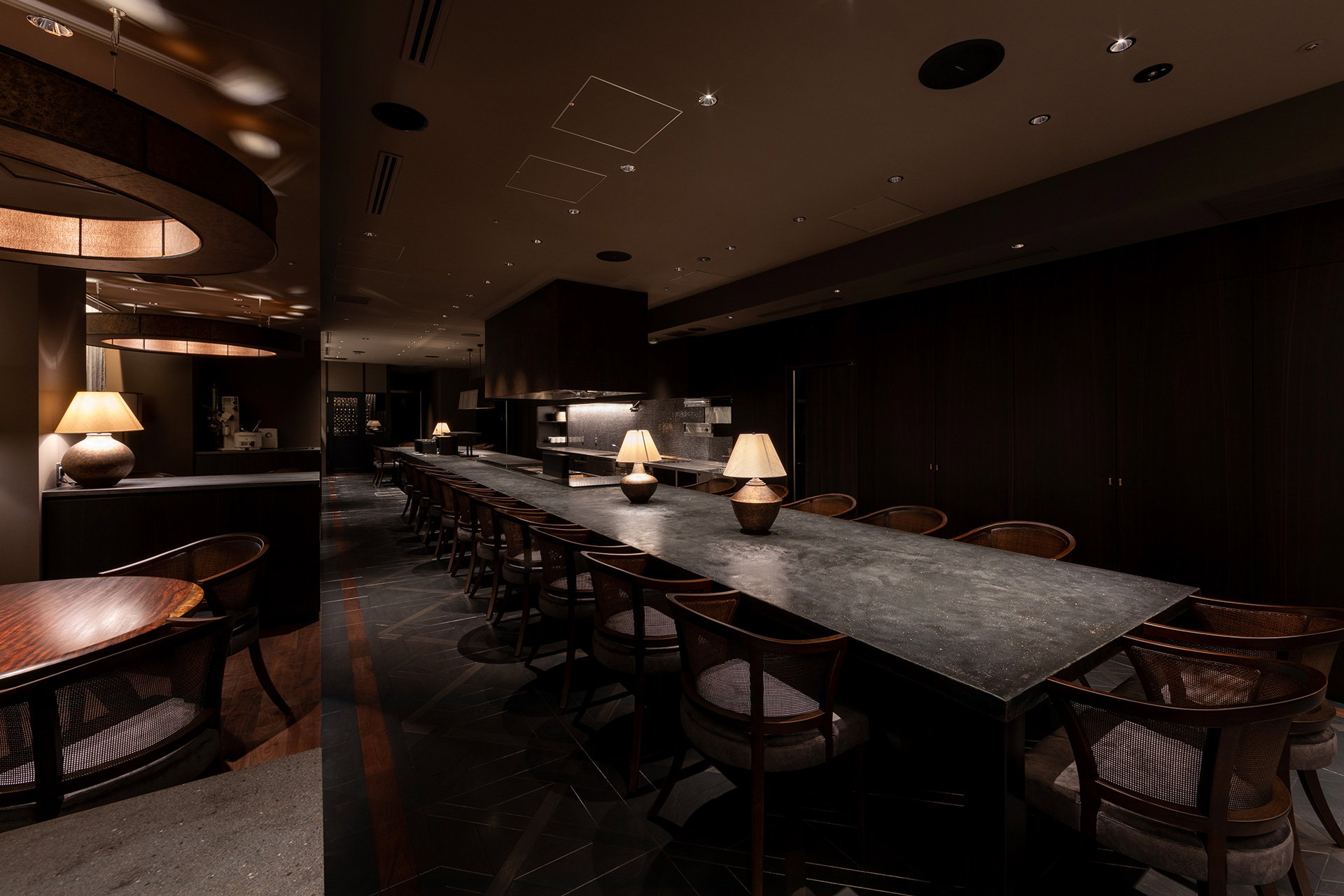
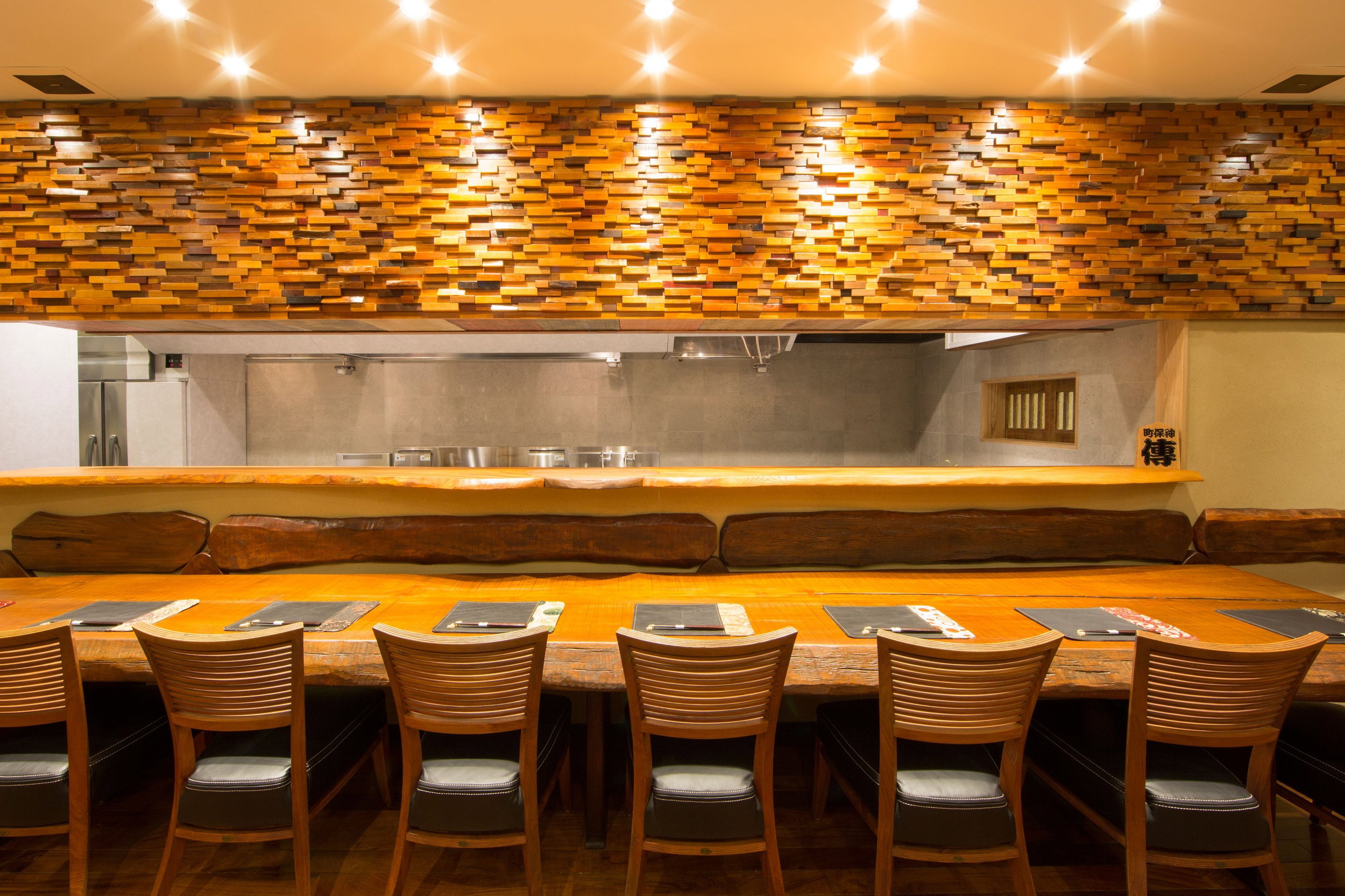
The room is on the fifth floor of a Ginza building, which already tells you something: this is not a ground-floor destination designed for foot traffic. You arrive with intention. The visual rhythm of an omakase counter like this one is part of what you are paying for; watching a sushi artisan work at close range, every movement deliberate, nothing rushed. The chef's focus is the centrepiece of the room, the format rewards diners who are present rather than distracted.
The omakase set opens with snacks before a single piece of nigiri appears. Steamed abalone, tender-boiled octopus, salt-grilled blackthroat seaperch serve as the opening sequence, a pacing decision that keeps sake flowing and gives the meal its structure. This is not a counter where the nigiri arrives immediately. The snack course is substantial enough to shape how you drink, which matters at a ¥¥¥¥ price point where the drinks bill can move fast.
When the nigirizushi does arrive, the rice is a deliberate choice: large-grained rice from the previous year's harvest, mixed with both red vinegar and rice vinegar. That combination is designed to pair across a wider range of toppings than a single-vinegar approach would allow. The preparations that follow; pickled tuna, steamed conger eel, kanpyo, are painstaking in execution. These are not simple items. Each requires time and technique that a high-volume restaurant cannot replicate.
Drinks at Sushi Kojima
The omakase format here is explicitly structured to support sake drinking. The extended snack sequence before nigiri is not incidental, it is a sake-pacing mechanism. At a Ginza counter of this calibre, the sake list is a working part of the meal, not an afterthought. Expect a curated selection weighted toward labels that complement fish-forward courses. If sake pairings are available, they are worth taking: the snack sequence and the nigiri course each call for different styles, a well-chosen pairing will track those shifts. For serious sake drinkers, this format is close to ideal. For guests who prefer wine with sushi, Ginza sushi counters are generally not the right format, the pairing logic here is built around Japanese rice wine, that is worth factoring into your decision before you book.
Booking Sushi Kojima
Getting a seat at Sushi Kojima is genuinely difficult. This is a small counter in Ginza with Michelin recognition, which means demand consistently outpaces availability. Book as far in advance as possible, for a specific date, six to eight weeks out is a reasonable starting point, for peak dates (weekends, holidays, Golden Week), longer lead time is advisable. Last-minute availability is unlikely. If your Tokyo itinerary is fixed, lock in this reservation before you confirm flights. Hotel concierges at major Tokyo properties sometimes have relationships with reservation services that can help, but even with assistance, this counter fills fast.
Reservations: Book as far ahead as possible; 6-8 weeks minimum for weekday seats, longer for weekends and peak travel periods. Dress: Smart casual at minimum; Ginza omakase counters have an implicit dress expectation even when no formal code is stated. Budget: ¥¥¥¥, factor in sake and service; the all-in cost at a Michelin-starred Ginza counter at this tier will be substantial. Location: Fifth floor, Ginza 7-chome, Chuo City, Tokyo, plan your arrival time and confirm the building entrance in advance.
How It Compares
See the comparison section below for how Sushi Kojima sits against its peers.
Tokyo Sushi and Beyond
If Sushi Kojima's booking window does not work for your dates, Tokyo's Ginza neighbourhood has serious alternatives worth evaluating. Harutaka operates in the same ¥¥¥¥ tier and is one of the counters that competes most directly with Kojima for the same diner. Sukiyabashi Jiro Roppongiten carries significant name recognition and works if legacy reputation matters to your group. Sushi Kanesaka and Edomae Sushi Hanabusa round out the Ginza sushi tier worth knowing about. For a different style of special occasion dinner in Tokyo, Hiroo Ishizaka offers an alternative format. Our full Tokyo restaurants guide covers the broader field, if you are building a full trip, the Tokyo hotels guide, bars guide, wineries guide, and experiences guide are useful starting points.
For high-end Japanese dining beyond Tokyo, HAJIME in Osaka, Gion Sasaki in Kyoto, and akordu in Nara each warrant a look depending on your itinerary. Outside Japan, Sushi Shikon in Hong Kong and Shoukouwa in Singapore are the regional sushi counters that operate in a comparable tier. If your Japan trip extends further, Goh in Fukuoka, 1000 in Yokohama, and 6 in Okinawa are worth bookmarking.
Planning details
- Location
- Japan, 〒104-0061 Tokyo, Chuo City, Ginza, 7 Chome−3−8 銀座七丁目プレイス 五階
- Phone
- +81 3-6264-6464
The take
The Take
The Vibe
Sushi Kojima sits comfortably within Ginza’s dense ecology of omakase counters, offering a refined but unbuttoned take on Edomae sushi. As a single-Michelin-star counter on the fifth floor of a Ginza building, it feels tucked away rather than ostentatious — an address that rewards diners who seek technical precision without the full ceremonial formality of higher-tier rooms. The service and pacing favor concentration on ingredient quality and rice treatment, producing an intimate, quietly focused experience that highlights classical sushi technique over theatrical flourishes.
Best For
Kojima is best for diners who want a serious Edomae omakase without the full austerity of two- and three-star counters. It suits special occasions, date nights and business dinners where the conversation remains focused and the meal is the centerpiece. The counter format draws both seasoned Japanese diners and internationally minded visitors who are looking for technical exactitude in nigiri and thoughtful tsumami, making it a strong choice for anyone who values craft, sequence and a calm, expert-led progression of courses.
Ordering Tips
Opt for the omakase and follow the sequence the chef sets: tsumami to start, then nigiri in careful order, and a closing course. Pay attention to the tsumami and prepared toppings — the description highlights that selection and kitchen treatments (rice, vinegar blend and prepared toppings) are what distinguish counters at this level. Expect classic Edomae items such as horsehair crab with vinegar sauce, steamed abalone, tender-boiled octopus, salt-grilled blackthroat seaperch, Choshi tuna and gizzard shad to appear as part of the chef’s curated progression.
Venue details
Ambiance
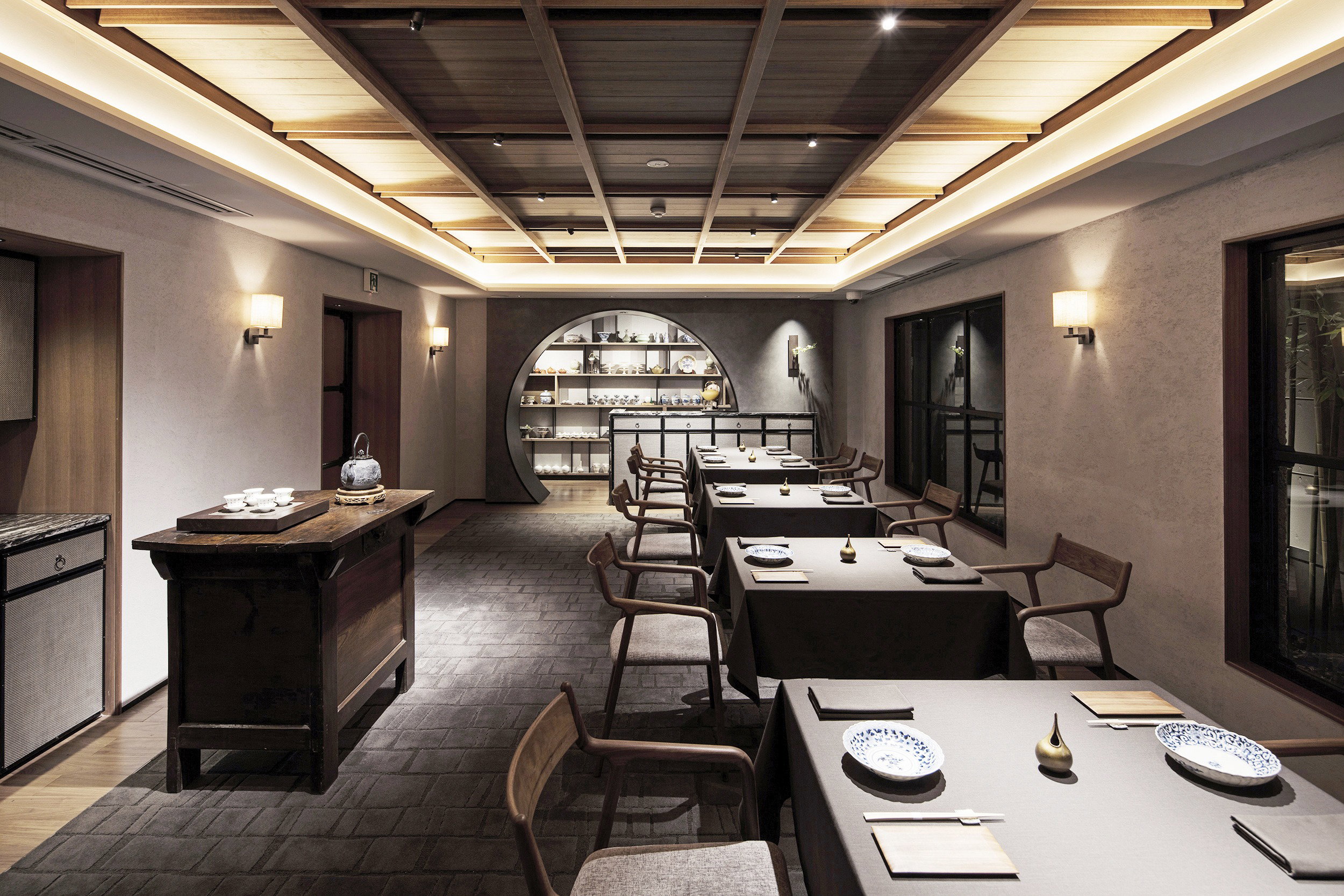
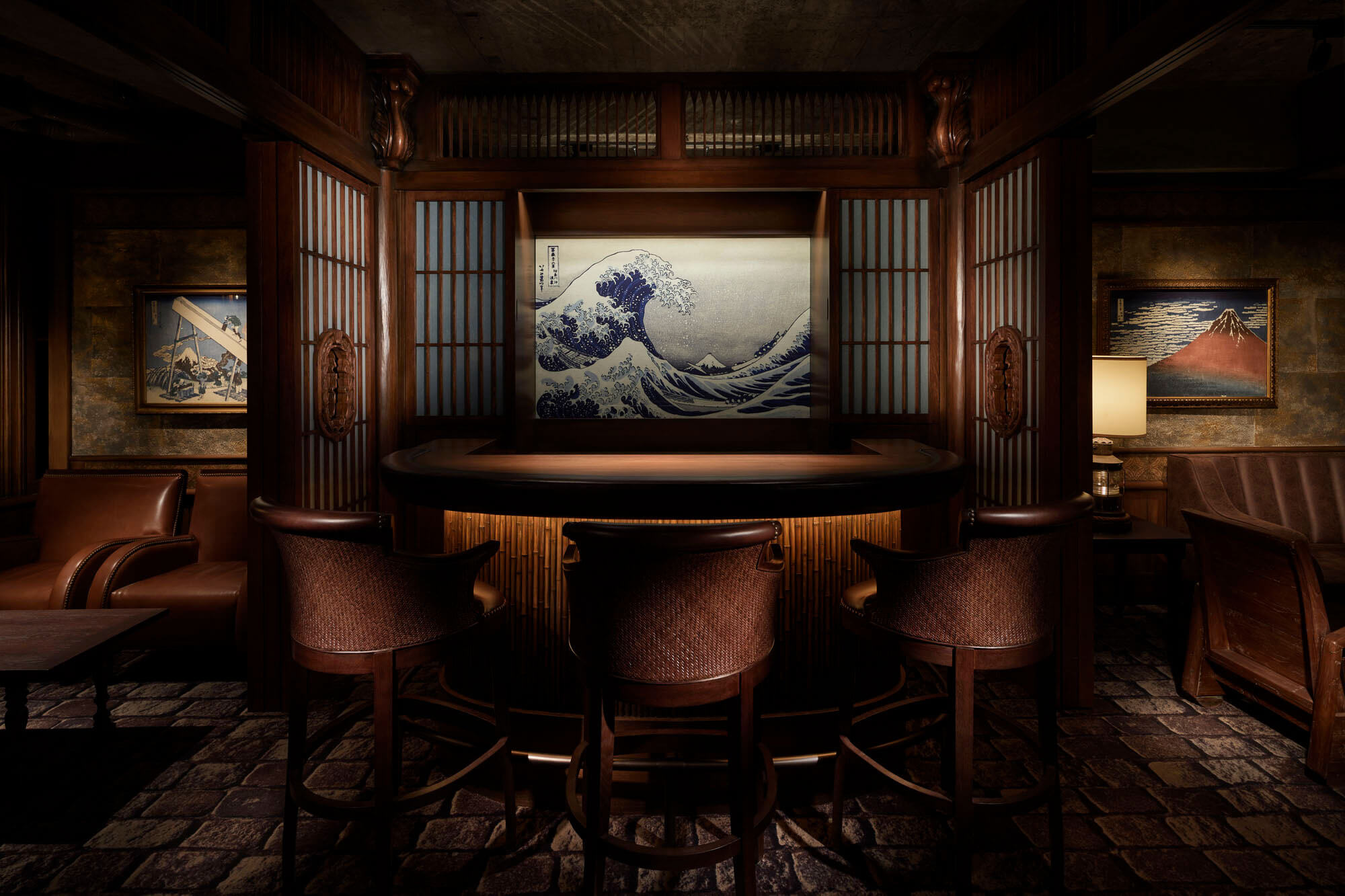
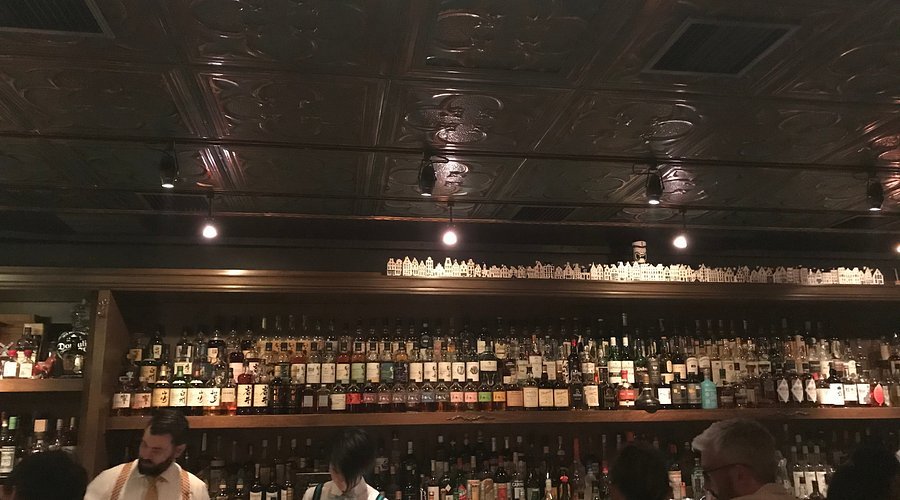
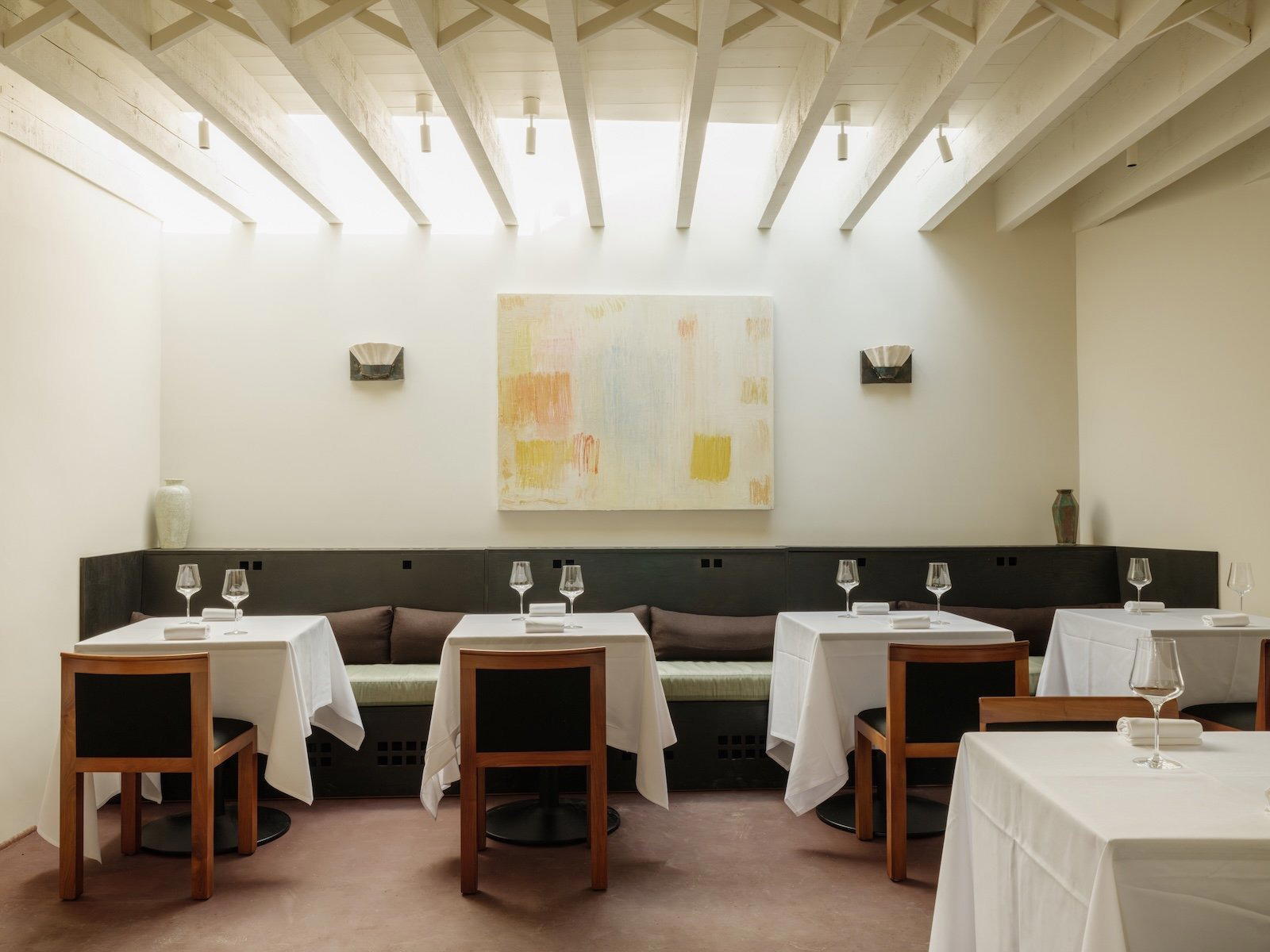
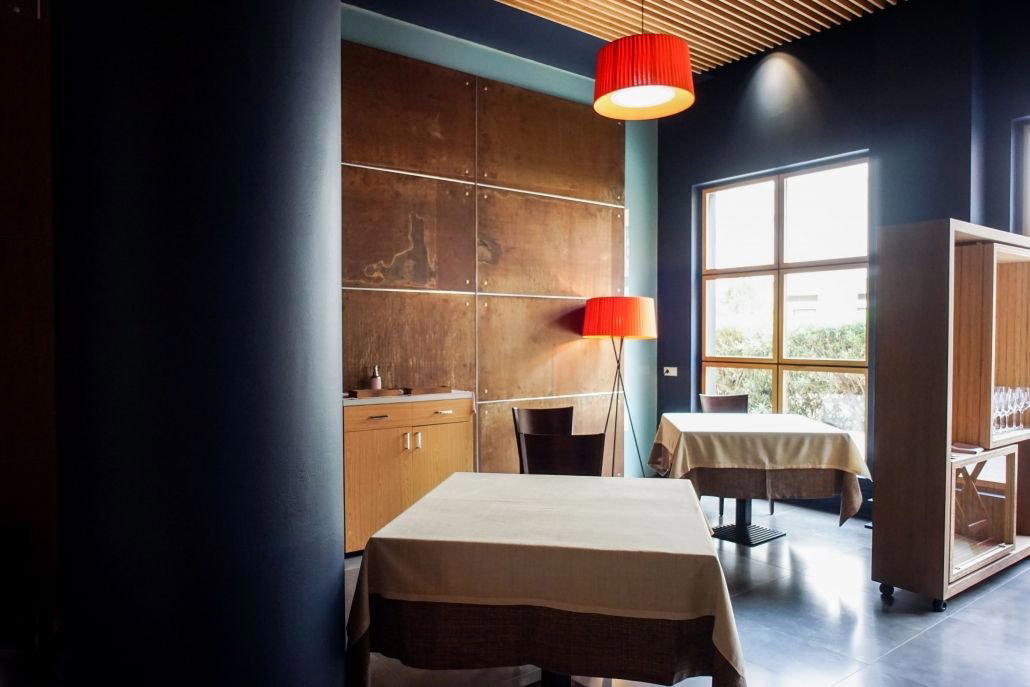
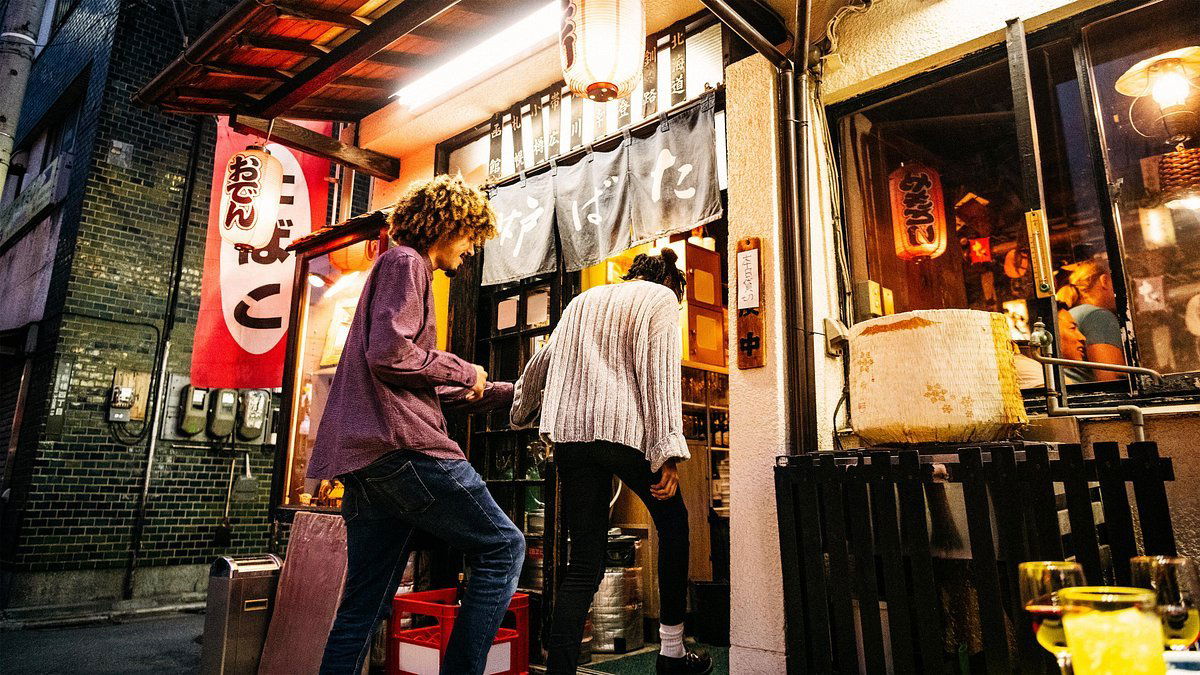
Intimate counter seating with traditional bamboo-motif walls and crosshatched ceiling, accessed through a dark side street lit by a single lantern; warm, well-lit interior creating a peaceful and sophisticated setting.
Tags
Vibe
Best For
Experience
Sourcing
Accessibility
At the Table
- Dress Code
- Smart Casual
- Noise Level
- Quiet
- Service Style
- Omakase Bar
- Meal Pacing
- Extended Experience
- Capacity
- Intimate
Signature Dishes
- horsehair crab with vinegar sauce
- steamed abalone
- tender-boiled octopus
- salt-grilled blackthroat seaperch
- Choshi tuna
- gizzard shad
Planning details
Location
Japan, 〒104-0061 Tokyo, Chuo City, Ginza, 7 Chome−3−8 銀座七丁目プレイス 五階 · Directions
Recognition and awards
Also consider
Also Consider
- Harutaka; Sushi, ¥¥¥¥
- RyuGin; Kaiseki, Japanese, ¥¥¥¥
- L'Effervescence; French, ¥¥¥¥
- HOMMAGE; Innovtive French, French, ¥¥¥¥
- Florilège; French, ¥¥¥
Restaurant context
Within Tokyo's ¥¥¥¥ omakase tier, Harutaka is Sushi Kojima's most direct peer. Both operate as intimate Ginza-adjacent counters with Michelin recognition, both are difficult to book. The choice between them comes down to personal research and which reservation you can actually secure; at this level, availability often decides the question before quality does. If your priority is Edomae sushi craft in a focused counter format, either represents the tier well.
For diners considering a different format entirely at the same price point, RyuGin offers kaiseki rather than sushi, which means a broader range of cooking techniques and a longer multi-course structure. RyuGin is the better choice if you want to cover more culinary ground in a single sitting; Sushi Kojima is the better choice if sushi craft specifically is the point. On the French side, L'Effervescence and HOMMAGE operate in the same ¥¥¥¥ band with very different dining logic; more theatrical plating, wine-forward pairings, a Western tasting menu structure. Book one of those if the occasion calls for wine over sake, or if your guest prefers French technique to Japanese tradition.
Florilège sits at ¥¥¥ and is worth naming if budget is a factor. It delivers serious French creative cooking at a price point below the others on this list, it is considerably easier to book than a Michelin-starred Ginza sushi counter. If you are weighing a special occasion dinner and Sushi Kojima's booking window or price feels prohibitive, Florilège is the most sensible step down without sacrificing ambition.
Explore Tokyo
Around this place
Discover more on Pearl
Unlock the full Sushi Kojima guide in Pearl, including awards, comparisons, FAQs, planning details, and nearby places.
Compare Sushi Kojima
| Venue | Cuisine | Price | Awards | Booking Difficulty |
|---|---|---|---|---|
| Sushi Kojima | Sushi | ¥¥¥¥ | 2026 Michelin 1 Star2024 Michelin 1 Star | Hard |
| Harutaka | Sushi | ¥¥¥¥ | 2026 Tabelog Silver · #312026 OAD Top Restaurants in Japan Ranked · #1282026 Michelin 3 Stars2026 La Liste Top RestaurantsTabelog 100 - Sushi - TOKYO - 2025 · #372025 Asia's 50 Best Restaurants · #762025 OAD Top Restaurants in Japan Ranked · #1172025 La Liste Top Restaurants2025 Tabelog Bronze | Unknown |
| RyuGin | Kaiseki, Japanese | ¥¥¥¥ | 2026 OAD Top Restaurants in Japan Ranked · #802026 Tabelog Bronze · #3772026 Michelin 3 Stars2026 La Liste Top RestaurantsTabelog 100 - Japanese cuisine - TOKYO - 2025 · #212025 OAD Top Restaurants in Japan Ranked · #542025 Michelin 3 Stars2025 La Liste Top Restaurants2025 The Best Chef Three Knives | Unknown |
| L'Effervescence | French | ¥¥¥¥ | 2026 Tabelog Silver · #682026 OAD Top Restaurants in Japan Ranked · #103Star Wine Lists 20262026 Black Pearl 2 Diamond2026 Relais Chateaux Restaurants2026 La Liste Top Restaurants2026 Michelin 3 Stars2025 Asia's 50 Best Restaurants · #692025 OAD Top Restaurants in Japan Ranked · #92 | Unknown |
| HOMMAGE | Innovtive French, French | ¥¥¥¥ | 2026 Tabelog Bronze · #1232026 OAD Top Restaurants in Japan Highly Recommended2026 Michelin 2 StarsTabelog 100 - French - TOKYO - 2025 · #762025 Asia's 50 Best Restaurants · #782025 OAD Top Restaurants in Japan Ranked · #1752025 Michelin 2 Stars2025 The Best Chef One Knife2025 La Liste Top Restaurants | Unknown |
| Florilège | French | ¥¥¥ | 2026 Asia's 50 Best Restaurants · #312026 Tabelog Bronze · #712026 OAD Top Restaurants in Japan Ranked · #1242026 Black Pearl 1 Diamond2026 Michelin 2 Stars2026 La Liste Top Restaurants2025 Asia's 50 Best Restaurants · #172025 World's 50 Best Restaurants · #36Tabelog 100 - French - TOKYO - 2025 · #68 | Unknown |













Comparing your options in Tokyo for this tier.
FAQ
Frequently Asked Questions
How far ahead should I book Sushi Kojima?
Book at least four to six weeks out, ideally more if you have fixed travel dates. Sushi Kojima is a small Ginza counter with Michelin recognition, demand consistently exceeds availability. Waiting until a few weeks before your trip is a reliable way to miss out entirely.
Is Sushi Kojima worth the price?
At ¥¥¥¥ pricing, the value case rests on format fit. The omakase opens with a substantial snack sequence; steamed abalone, boiled octopus, salt-grilled blackthroat seaperch; before moving to nigiri made with aged rice and a red vinegar blend. That scope and the Michelin star earned in 2024 justify the spend for anyone who wants a full counter experience, not just a quick nigiri run.
Is Sushi Kojima good for solo dining?
Solo dining at a sushi counter is one of the most rewarding formats in Japanese dining, Sushi Kojima is built for exactly that. The counter position lets you watch the chef work directly, which the Michelin citation specifically highlights as part of the experience. Solo diners also tend to have slightly more scheduling flexibility, which helps with the competitive booking window.
Is the tasting menu worth it at Sushi Kojima?
Yes, if omakase is a format you enjoy. The menu is structured to keep sake moving through an extended snack course before the nigiri arrives; pickled tuna, steamed conger eel, kanpyo are all prepared in-house. That level of preparation is what the Michelin recognition reflects. If you prefer à la carte or a shorter meal, a different Ginza counter will serve you better.
What should a first-timer know about Sushi Kojima?
The restaurant is on the fifth floor of a Ginza building; not street-level, so allow time to find it. The omakase runs long by design: the snack sequence before nigiri is substantial, sake pairing is built into the pacing. Come hungry, come on time, treat the counter as a participatory experience rather than a passive one. Dress neatly; this is Ginza at ¥¥¥¥ pricing.