.png?width=1200&quality=80)
scaglia
¥¥¥ · Italian · Shinjuku, Tokyo
Restaurant in Tokyo, Japan
 Book with Pearl
The Read
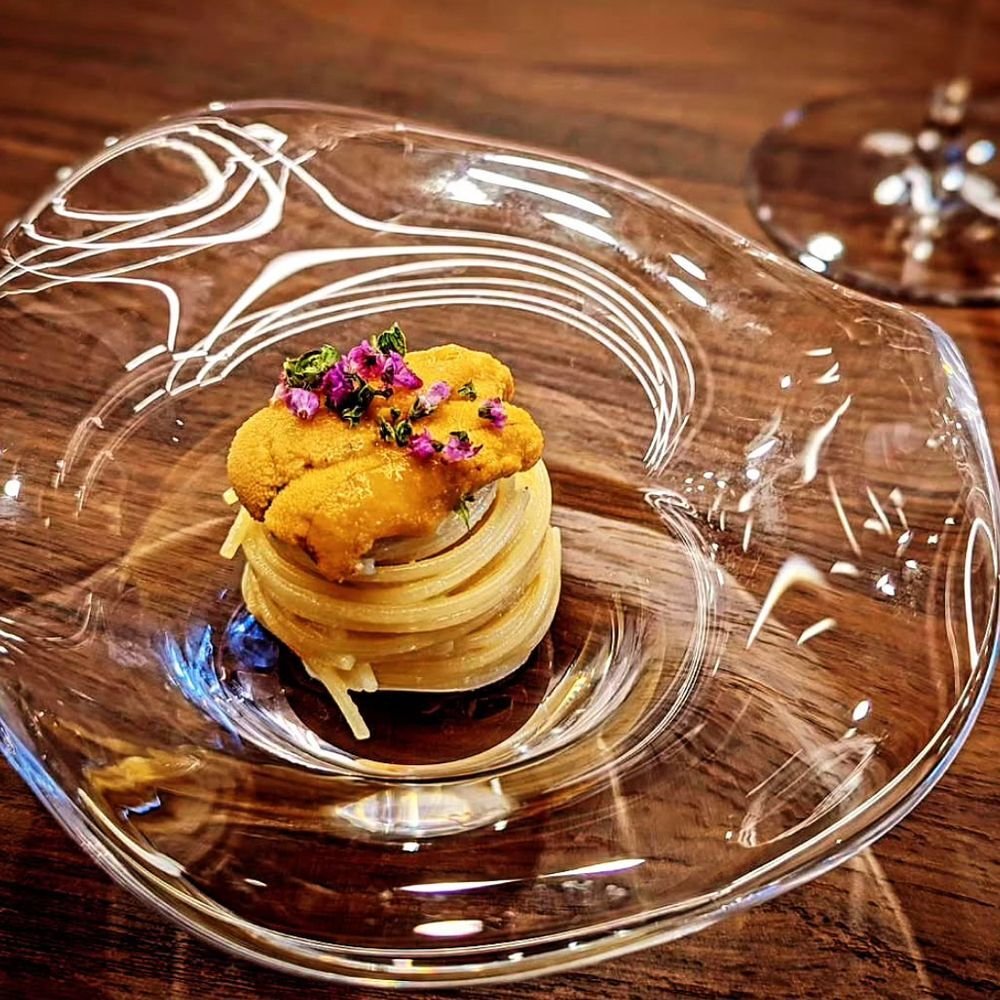
Ligurian Fish Discipline
Price
$50–100per person
Dress
Smart Casual
Why go
scaglia is worth booking for a calm Kagurazaka Italian dinner, especially if you want a recognized neighborhood restaurant rather than a high-drama Tokyo splurge. Michelin Plate recognition in 2026 gives it a useful quality signal, while the easy booking profile makes it less stressful than many special-occasion alternatives.
About scaglia
Is scaglia worth booking in Tokyo? Yes, if the goal is an Italian meal with a clear profile. With ¥¥¥ Italian cuisine, smart-casual dress, and Michelin Plate recognition in 2026, it is best framed as a considered Tokyo booking for diners who want Italian cooking without relying on claims about chef, seating, signatures, or format.
The recommendation is strongest for diners who are comfortable with a lean public profile. It offers Italian cuisine, evening service most open days, weekend lunch, and a Thursday closure. It does not feature counter seating, a tasting-menu format, private rooms, capacity, a named chef, or signature dishes, so book it for a grounded Italian meal in Tokyo rather than for a specific restaurant setup.
Tokyo Italian with a concise profile
The useful way to think about scaglia is as a Tokyo Italian choice with Michelin Plate recognition in 2026, not as a dining room with every detail clearly described. That matters for the booking decision: choose it when the night calls for Italian cuisine, smart-casual polish, and a meal that does not depend on extras.
For a first visit, dinner is a direct read because scaglia serves 6–10 PM on Monday, Tuesday, Wednesday, Friday, Saturday, and Sunday. Lunch is also available on Saturday and Sunday from 11:30 AM to 3 PM. If the priority is another Italian comparison, Il Ristorante - Niko Romito is a natural cross-shop. If the priority is a different kind of dining plan, ATELIER KOHTA Kagurazaka ten may be worth comparing by occasion and schedule.
Who should pick it, and who should cross-shop
Book scaglia for Italian cravings, low-key celebrations, and diners who are comfortable planning around basics rather than a long list of published specifics. Be cautious with large groups unless availability and seating are confirmed directly, because capacity or private-room information is not specified. Also avoid treating it as a named-chef, signature-dish, or highly scripted counter experience; those details are not specified.
The closest decision split is between Italian in Tokyo and other dining moods. La Matiere, Sanlucar BAR, ドゥ・フイユ, and ATELIER KOHTA Kagurazaka ten may be useful comparisons depending on the occasion. For a broader scan before committing, use Tokyo restaurants guide, then narrow by cuisine, schedule, and occasion.
The practical verdict: scaglia is a Tokyo Italian option with recognition to justify considering it, especially for diners who value a smart-casual meal over a heavily advertised format. It is not the pick for anyone who needs every menu, seating, or service detail explicitly stated in advance. It is the pick for someone who wants a credible Italian dinner in Tokyo and is willing to confirm any finer logistics directly before booking.
Planning details
- Location
- Japan, 〒162-0825 Tokyo, Shinjuku City, Kagurazaka, 6 Chome−39−1
- Reservations
- Book on TableCheck
- Website
- tablecheck.com/shops/scaglia/reserve
- Phone
- +81 3-5579-2959
The take
The Take
The Vibe
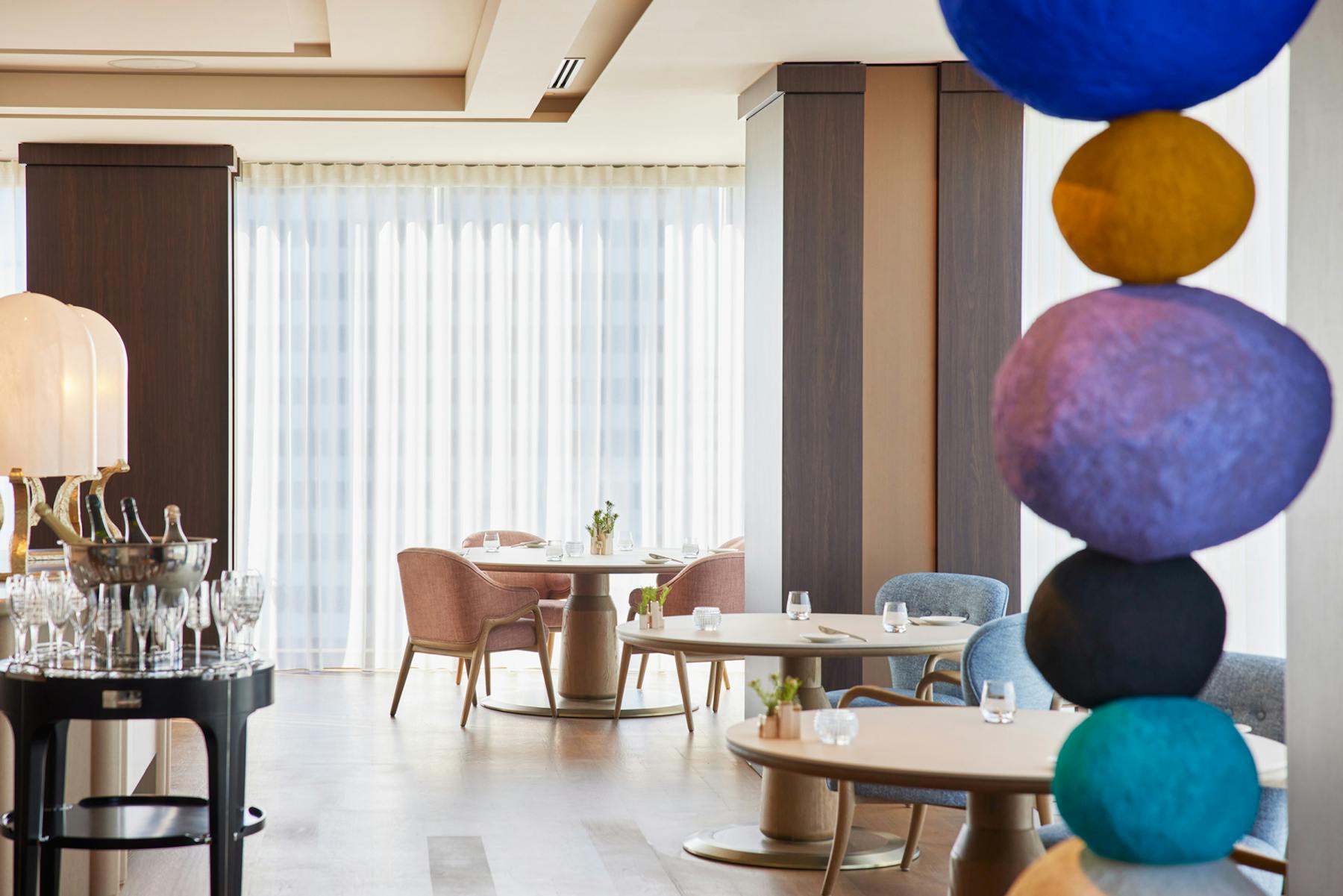
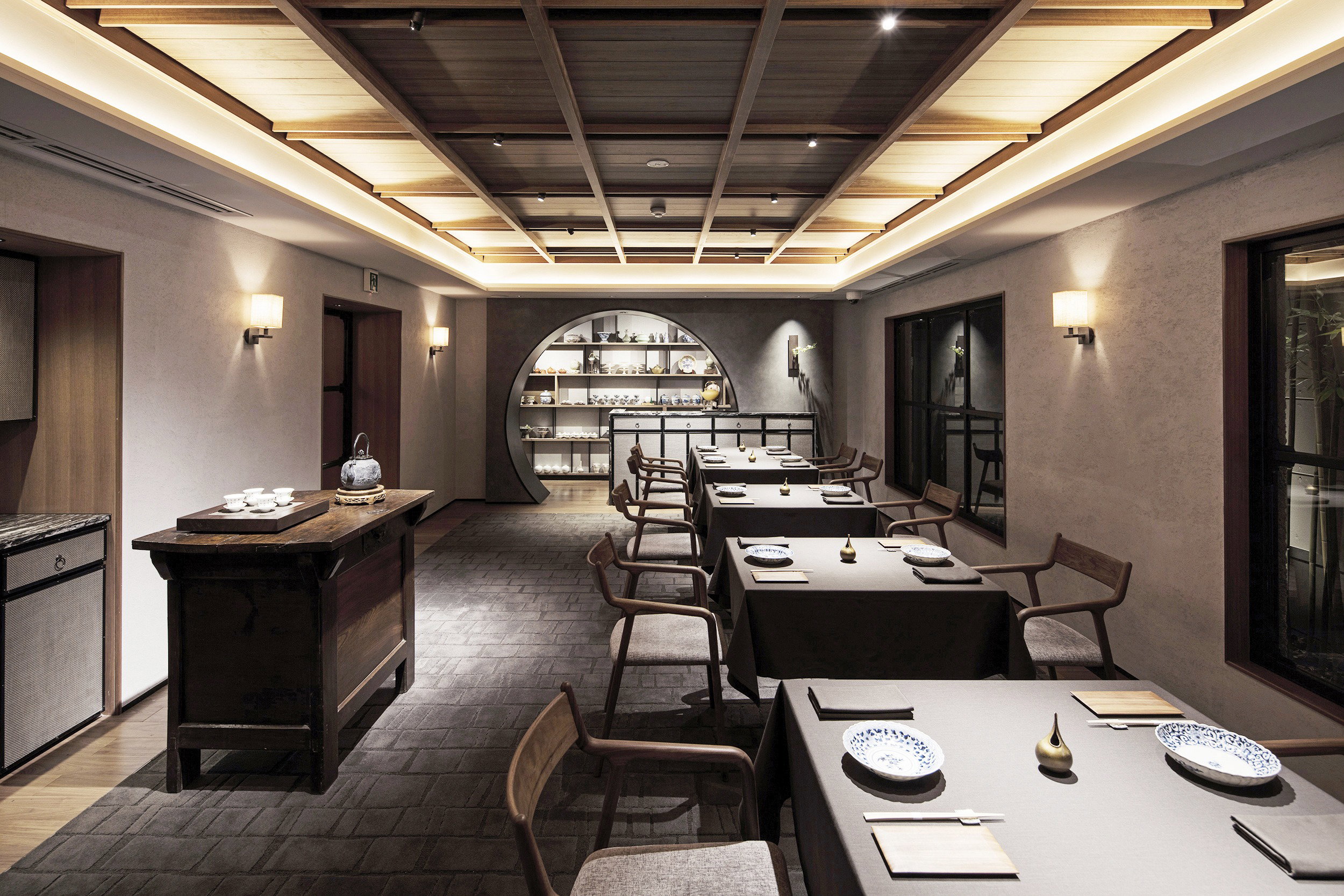
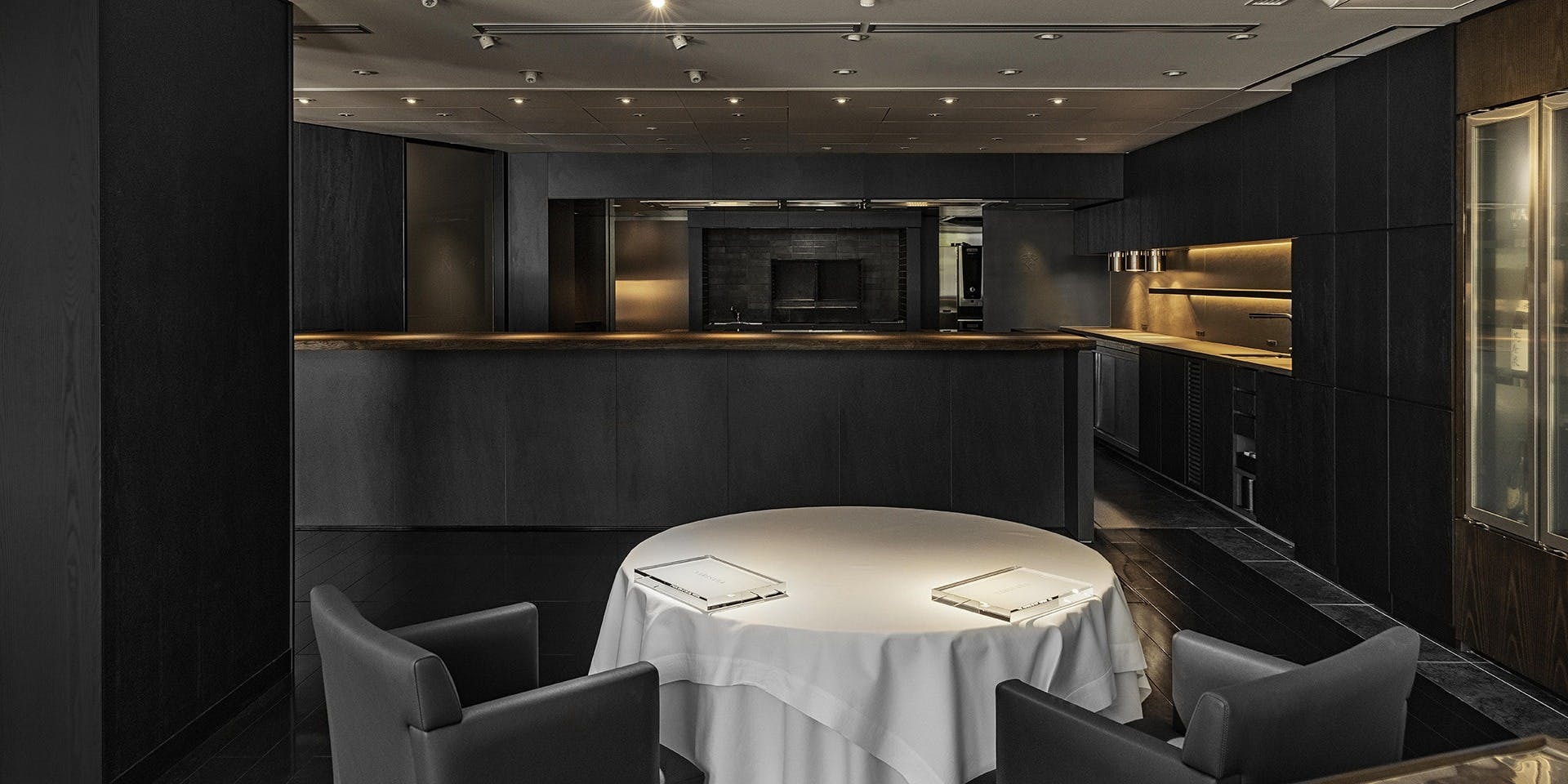
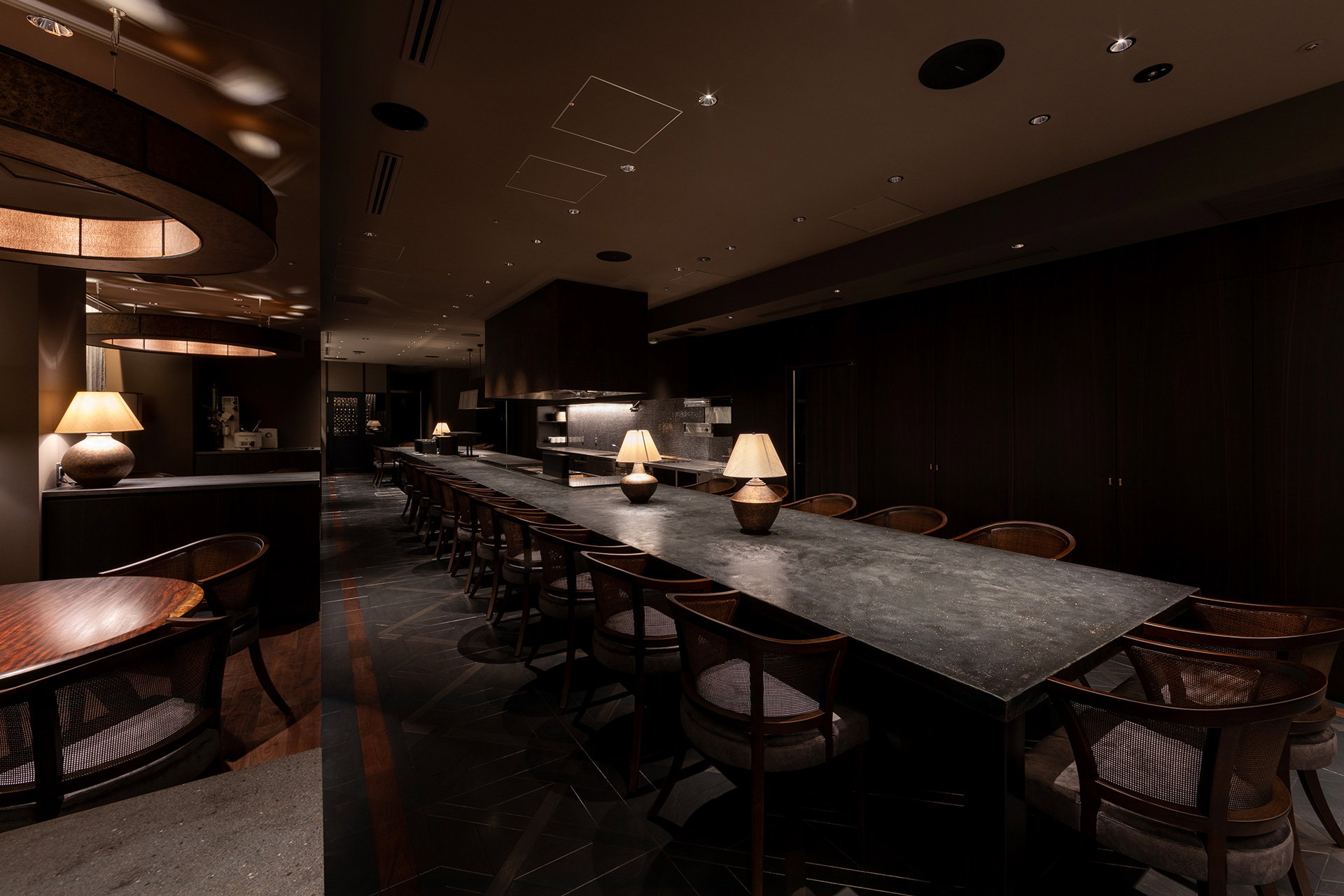
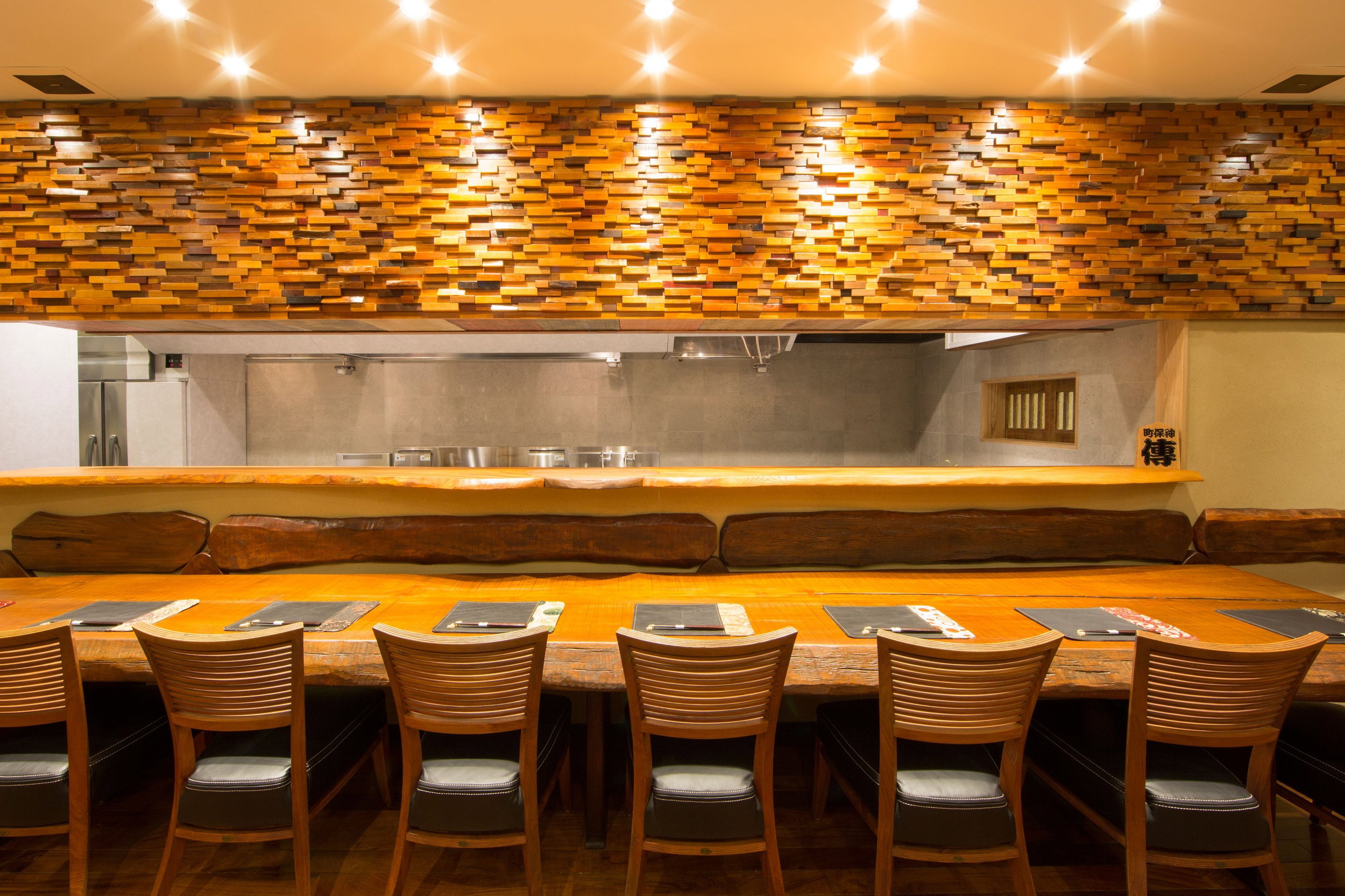
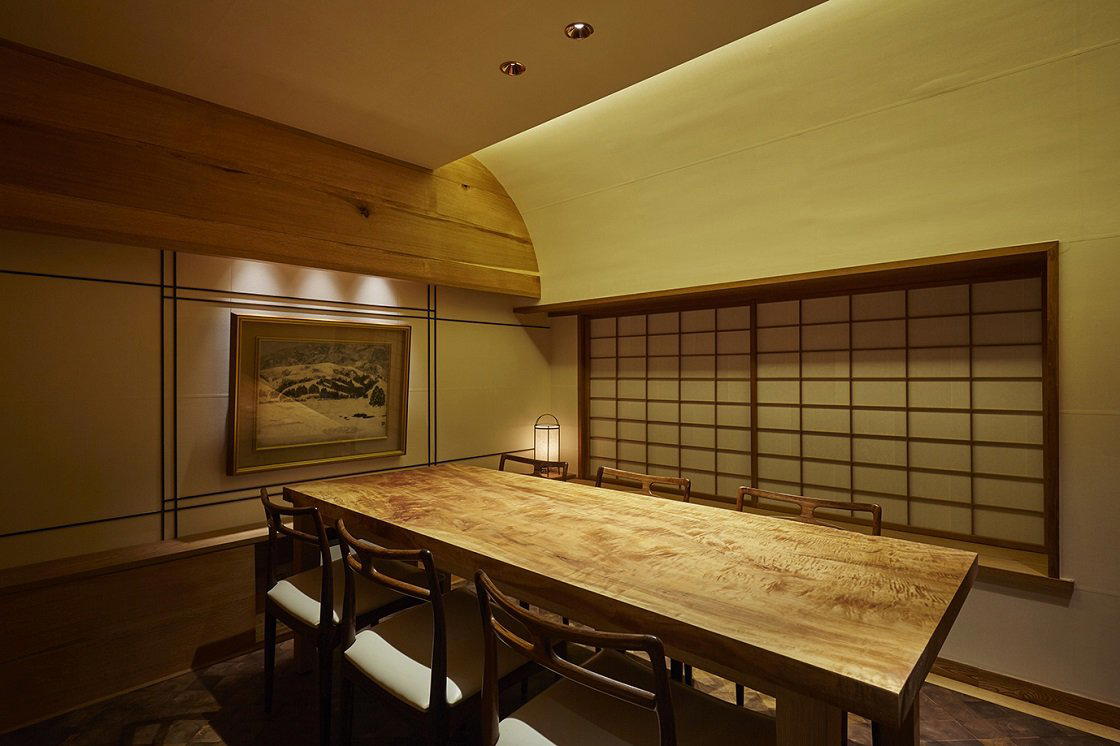
Scaglia presents a compact, quietly modern approach to seafood-focused Italian cooking in Kagurazaka. The room favors intimacy over spectacle: a small dining container that frames the food rather than competes with it. The chef’s Ligurian training and measured, regional-first technique shape a restrained menu that reads elegant and sophisticated without ceremony. The neighbourhood context — narrow streets and lower architectural scale — reinforces a sense of discreet refinement. Overall, the restaurant feels contemporary in execution yet inward-looking in experience, inviting focused attention on seasonal seafood, composed starters and precisely handled pastas.
Best For
Scaglia is best for intimate evenings where the meal itself is the point: date nights, business dinners and other special occasions that benefit from a focused, composed dining experience. The compact room and disciplined culinary approach make it a good choice when you want conversation to stay central while the kitchen showcases regional Italian seafood and seasonal pastas. It suits small parties who appreciate subtlety and technique rather than theatrical tasting menus. Reservations are advisable given the small footprint and the restaurant’s place within Kagurazaka’s tightly knit dining scene.
Ordering Tips
Lean into the kitchen’s stated strengths: the menu’s seafood emphasis and regionally rooted pastas. Begin with the Carpaccio to sample the kitchen’s directness and purity of flavor, follow with a Grilled fish to experience the fish-forward identity the restaurant signals, and finish with a Seasonal pasta to appreciate the chef’s restraint and regional technique. Because the menu is presented as disciplined and seasonal, ask staff about the day’s catch and the pasta preparation to align your choices with what’s freshest and most carefully executed.
Venue details
Ambiance
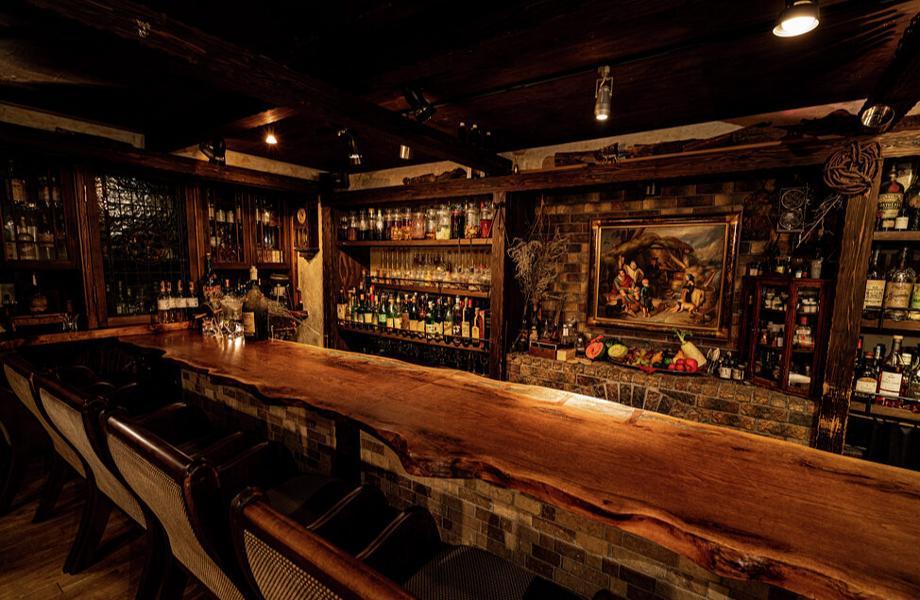
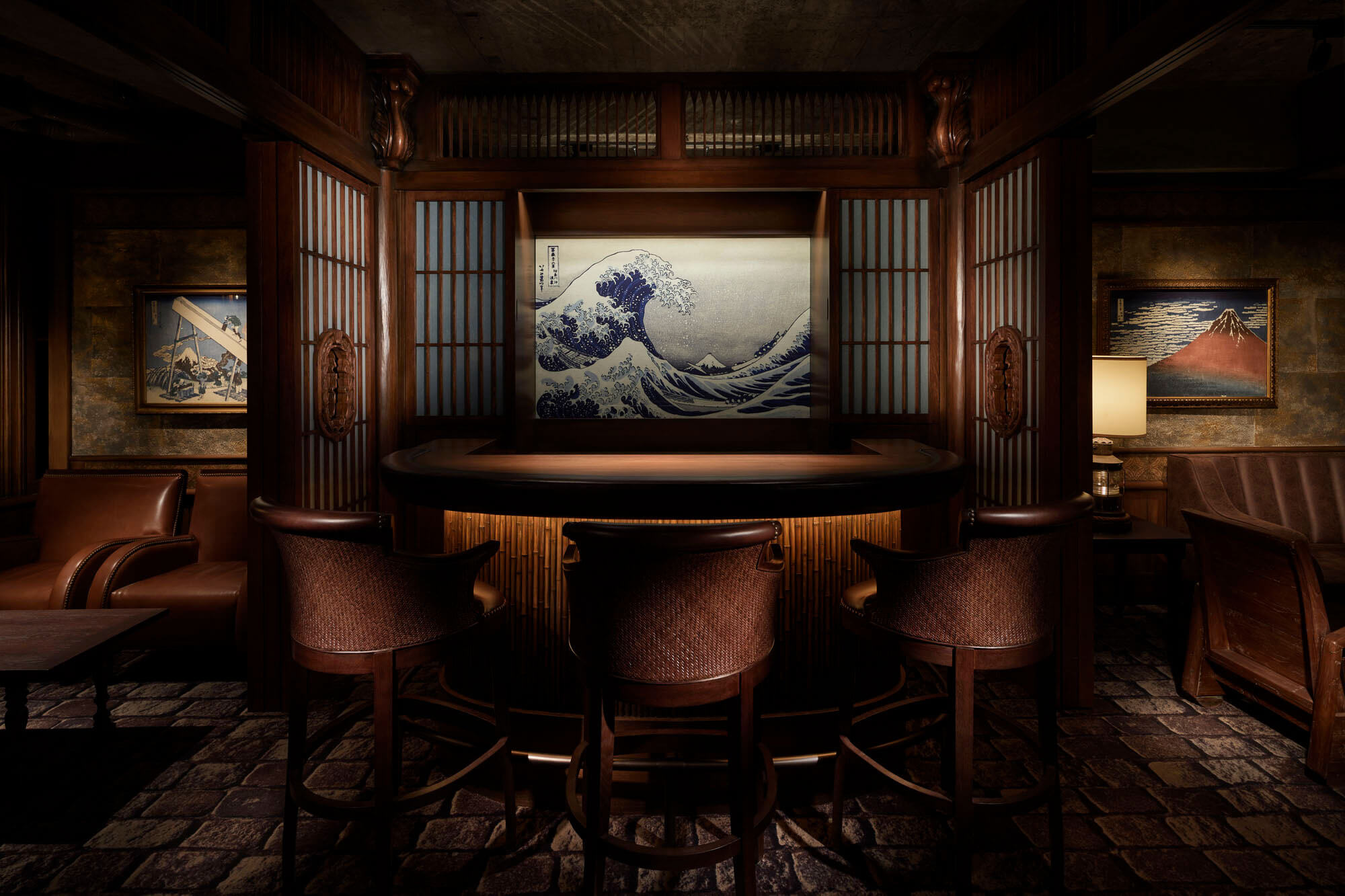
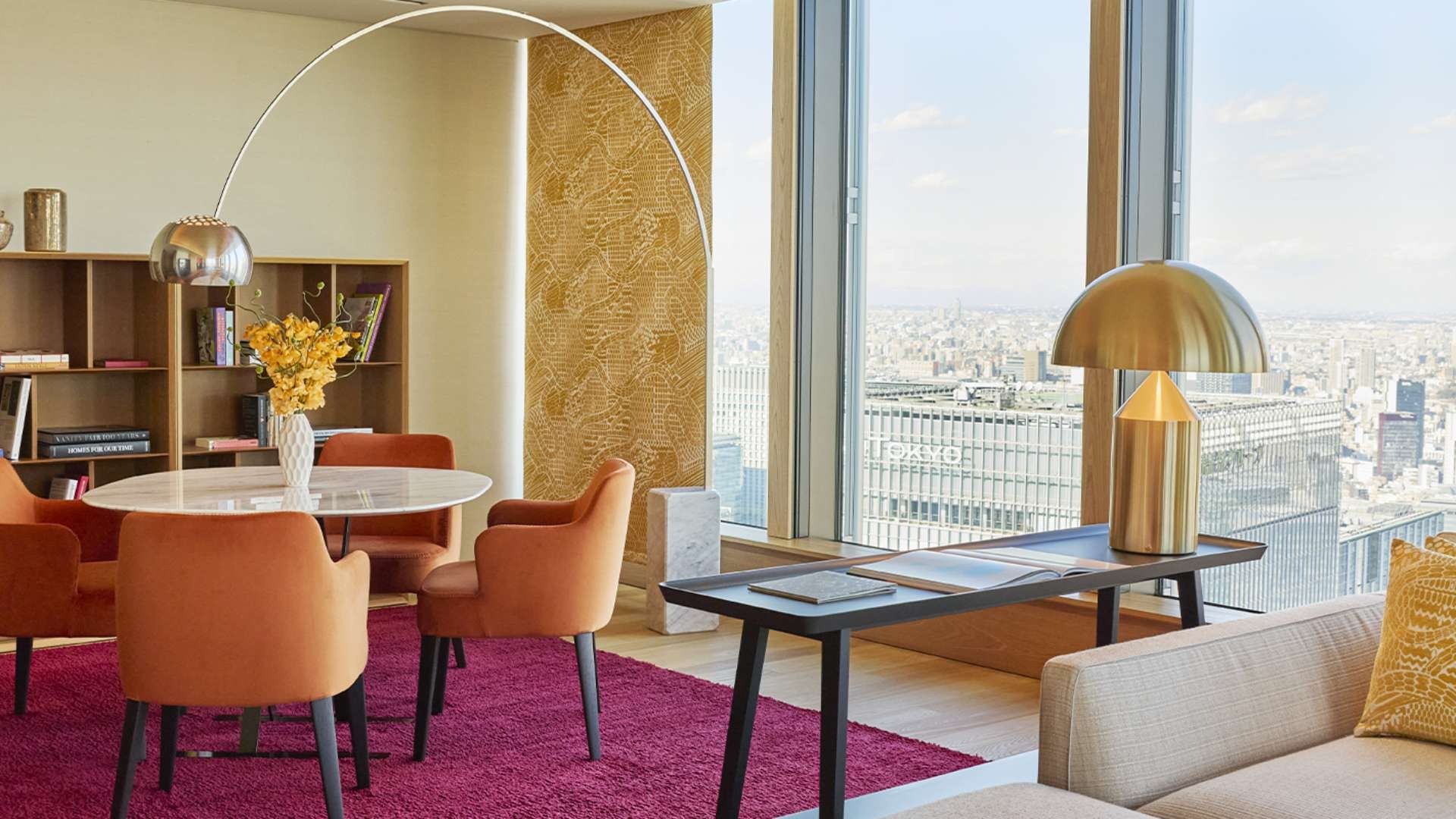
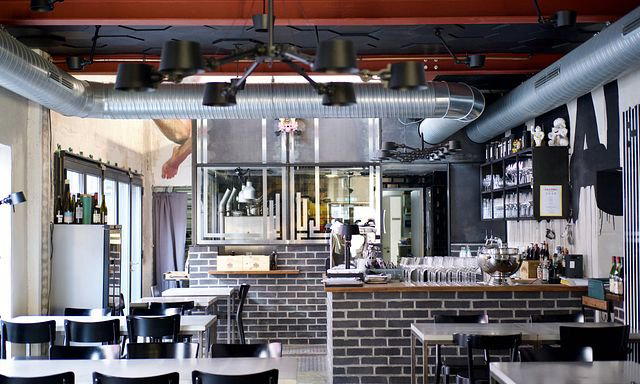
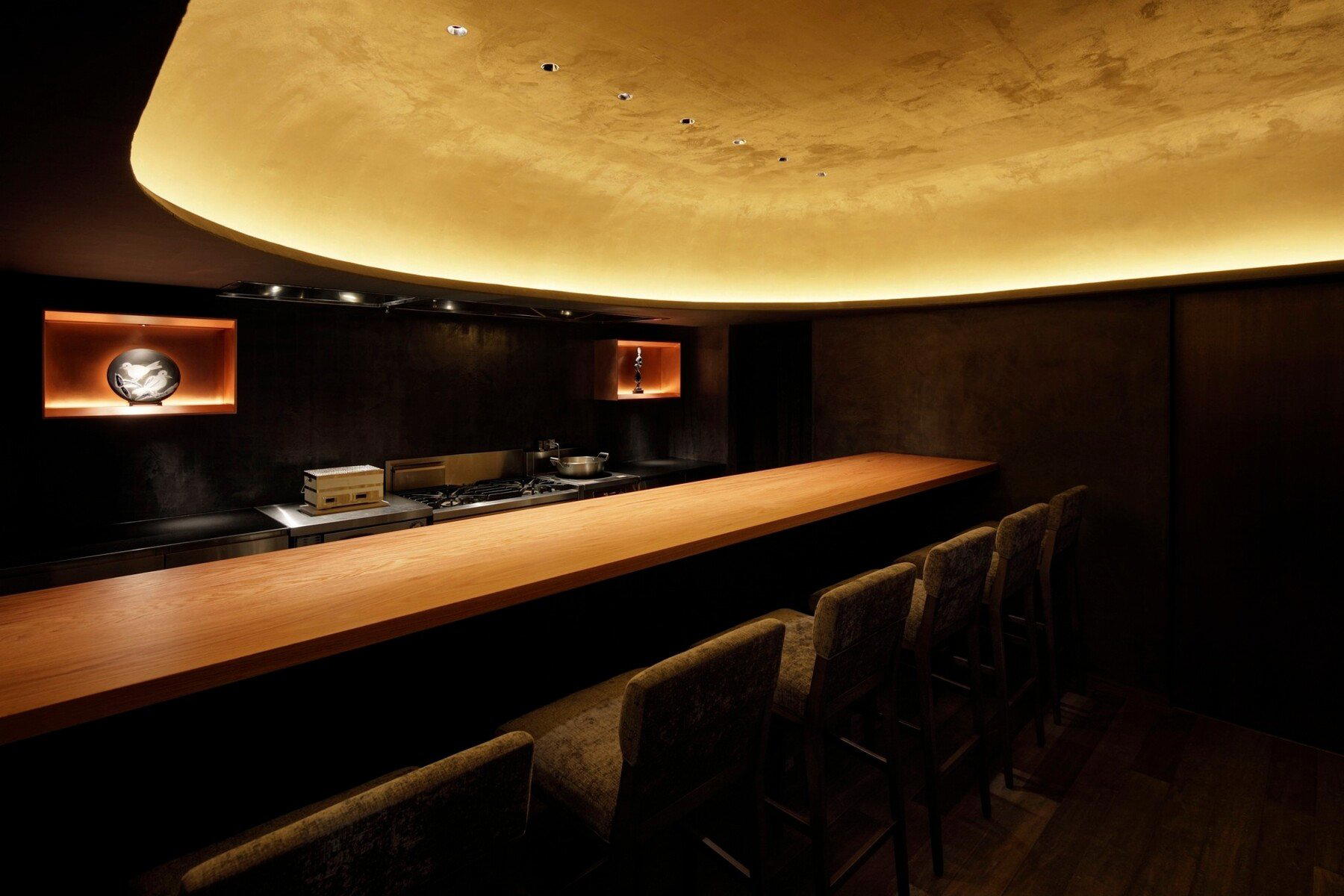
Stylish and calm space with wood-toned interior accented by red and green elements, creating a sophisticated yet approachable setting with counter seating and sofa options.
Tags
Vibe
Best For
Experience
Sourcing
At the Table
- Dress Code
- Smart Casual
- Noise Level
- Conversational
- Service Style
- Upscale Casual
- Meal Pacing
- Leisurely
- Capacity
- Intimate
- Kitchen
- Seasonal
- Menu Format
- Tasting menu, A la carte, Counter dining
- Wine Program
- Curated
- Drinks Focus
- Wine
- Dietary
- Pescatarian friendly
Signature Dishes
- Carpaccio
- Grilled fish
- Seasonal pasta
Know before you go
Know Before You Go
- Getting there
- Japan, 〒162-0825 Tokyo, Shinjuku City, Kagurazaka, 6 Chome−39−1
Planning details
Location
Japan, 〒162-0825 Tokyo, Shinjuku City, Kagurazaka, 6 Chome−39−1 · Directions
Recognition and awards
Also consider
Where to look if this is full
If Italian is the reason for booking, cross-shop Il Ristorante - Niko Romito for a more luxury-coded meal. If the aim is simply to stay in a similar Tokyo dining lane with clearer spend expectations, La Matiere is the stronger fallback.
Restaurant context
How scaglia compares in Tokyo
scaglia is the practical Italian pick in this set: easier to book, quieter in positioning, and better suited to a repeat-visit dinner than a trophy reservation. Il Ristorante - Niko Romito is the clearer splurge for diners who want a luxury Italian setting, while scaglia makes more sense when Kagurazaka and a lower-pressure evening matter more than grand-room polish.
Against La Matiere, the choice is cuisine and spend clarity: La Matiere publishes a JPY 10,000 - JPY 14,999 dinner range and JPY 5,000 - JPY 5,999 lunch range, making it easier to budget for French dining. scaglia is better if Italian is the brief and the Michelin Plate signal is enough reassurance without needing a fully mapped spend range.
Sanlucar BAR is the drinks-first alternative, with a JPY 6,000 - JPY 7,999 spend signal, while ATELIER KOHTA Kagurazaka ten is the lower-cost Kagurazaka option at JPY 2,000 - JPY 2,999. ドゥ・フイユ is worth checking if the goal is to stay within Tokyo but compare outside the Italian lane.
Explore Tokyo
Around this place
Discover more on Pearl
Unlock the full scaglia guide in Pearl, including awards, comparisons, FAQs, planning details, and nearby places.
Compare scaglia
| Venue | Location | Cuisine | Awards | Price |
|---|---|---|---|---|
| scaglia | Tokyo | ¥¥¥ · Italian | 2026 Michelin Plate | , |
| ドゥ・フイユ | Tokyo | No published awards | , | , |
| Sanlucar BAR | Tokyo | Tabelog 100 - Bar - 2022 · #25 | , | JPY 6,000 - JPY 7,999 JPY 6,000 - JPY 7,999 View spending breakdown |
| La Matiere | Tokyo | Tabelog 100 - French - TOKYO - 2025 · #9 | , | JPY 10,000 - JPY 14,999 JPY 5,000 - JPY 5,999 |
| ATELIER KOHTA Kagurazaka ten | Tokyo | Tabelog 100 - Sweets - TOKYO - 2023 · #25 | , | JPY 2,000 - JPY 2,999 |
| Il Ristorante - Niko Romito | Tokyo | ¥¥¥ · Italian | No published awards | , |

How scaglia Tokyo compares with similar nearby venues.
FAQ
Frequently Asked Questions
Is scaglia good for a special occasion?
Yes, if the occasion calls for an Italian meal in Tokyo rather than a restaurant defined by a long list of published specifics. The Michelin Plate 2026 recognition gives it credibility, but the profile is best read as smart-casual ¥¥¥ Italian, not as a restaurant defined by details about seating, chef, or menu format.
Can scaglia accommodate groups?
Group suitability should be confirmed directly with the restaurant. Capacity, private-room, or seating-format information is not available, so larger parties should check availability and layout before booking.
Is lunch or dinner better at scaglia?
Dinner is available Monday, Tuesday, Wednesday, Friday, Saturday, and Sunday from 6–10 PM. Lunch is available on Saturday and Sunday from 11:30 AM to 3 PM. Choose based on schedule and occasion; Thursday is closed.
What should I wear to scaglia?
Smart casual is the dress code. Go polished and relaxed rather than overly formal.
What are alternatives to scaglia?
For comparison, consider Il Ristorante - Niko Romito, La Matiere, ドゥ・フイユ, ATELIER KOHTA Kagurazaka ten, and Sanlucar BAR, then choose based on cuisine, schedule, and occasion.
What should a first-timer know about scaglia?
The useful frame is Tokyo Italian with Michelin Plate 2026 recognition, ¥¥¥ pricing, and smart-casual dress. It is closed Thursday; dinner runs on the other listed days, with lunch on Saturday and Sunday.