
Saucer
French · Shibuya, Tokyo
Restaurant in Tokyo, Japan
 Book with Pearl
The Read
Sauce-Focused Counter
Price
$300–500per person
Dress
Smart Casual
Why go
A Michelin-starred (2025) French counter in Ebisu built around a single obsession: sauce. The format is intentionally minimal — freshly baked bread, a rotating sauce anchored by three-day consommé, and seasonal ingredients like spring morels and summer sweetfish. At ¥¥¥, it is one of the stronger value propositions in Tokyo's French dining tier, but seats are limited and booking is hard.
About Saucer
Who Should Book Saucer — and When
Saucer is the right call for solo diners, couples, and small groups who want technically serious French cooking in Tokyo without the ceremony of a four-hour kaiseki or the price ceiling of a ¥¥¥¥ tasting room. If your interest is in watching a chef's single obsession — sauce, executed at a Michelin-starred level, and you are happy eating bread alongside a rotating cast of consommé and seasonal reductions, this is the booking to chase. Spring, when morel mushrooms are in season, and summer, when sweetfish (ayu) appears, are the strongest times to visit. Plan your reservation around those windows if the calendar allows.
The Concept: Sauce as the Entire Point
The name is not decorative. Saucer comes from the French verb saucer, to pour sauce or to drizzle sauce over bread, and the format reflects that etymology exactly. The chef, who trained as a saucier (sauce master) during his apprenticeship, has built the entire restaurant around that role. The standard format is two plates: freshly baked bread on one, a sauce on the other. The anchor of that sauce is a consommé drawn over three days, which gives you a sense of the patience behind what arrives at the table. This is not a venue where the concept needs defending with qualifications, it is a clear idea, executed with confidence, and the Michelin committee agreed, awarding it a star in 2024.
For diners coming from broader French fine dining in Tokyo, say, L'Effervescence or ESqUISSE, Saucer will read as more focused and more singular. It is not trying to tell the full story of contemporary French cuisine. It is telling one chapter, in depth.
The Counter Experience
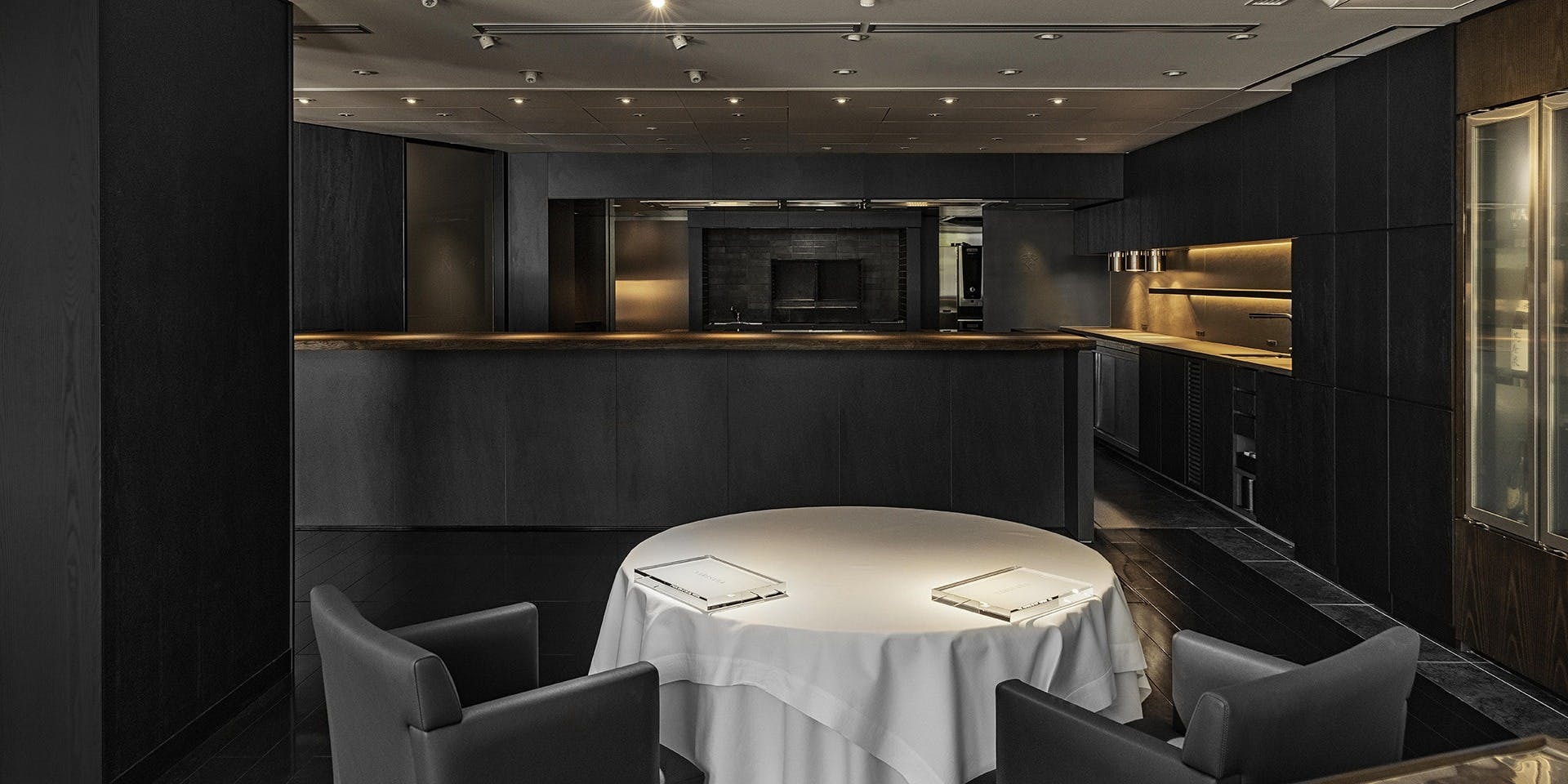
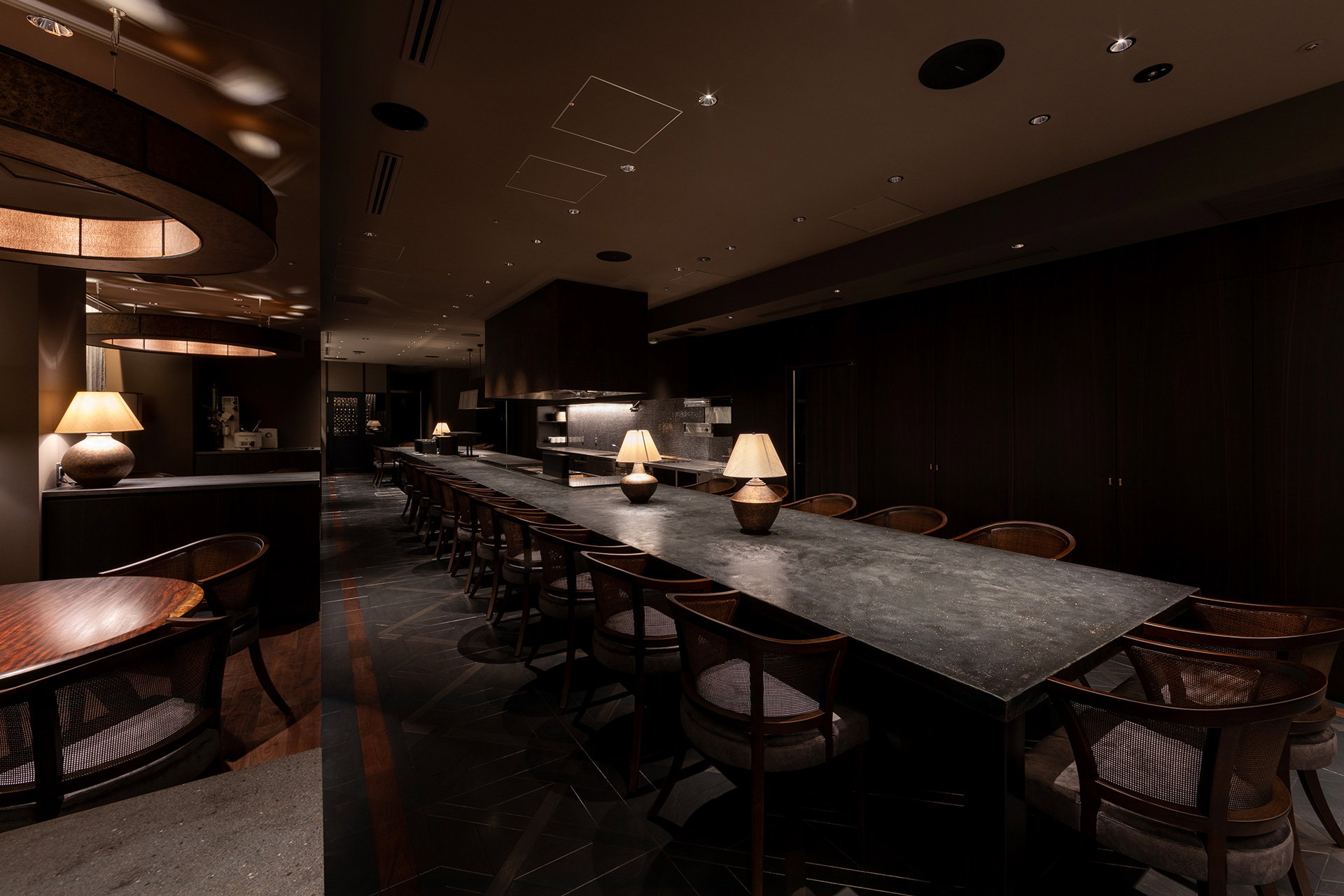
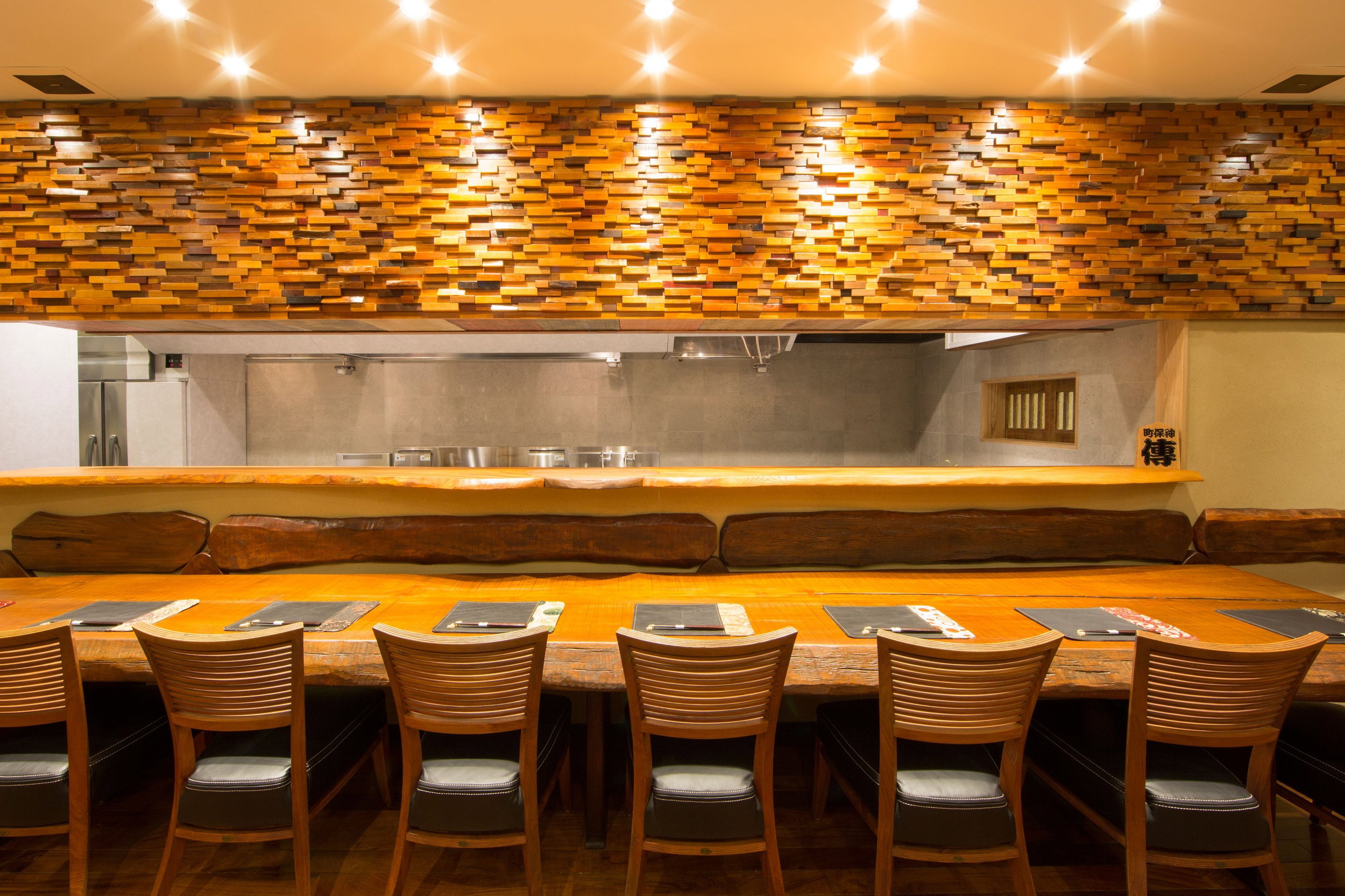
The venue is in Ebisu, basement level, in Tokyo's Shibuya ward. Counter seating, by format and layout, is the presumed mode of eating here, and that matters for how you receive what the chef is doing. Watching a sauce built and finished in real time, at close range, is qualitatively different from receiving it at a dining room table. The sound register in a small basement counter room tends toward the intimate: low conversation, the rhythm of kitchen work, none of the ambient noise that arrives with larger rooms. If you are choosing between a counter seat and a table, take the counter. The proximity to the cooking is part of what you are paying for at a restaurant with this specific concept.
The atmosphere is focused rather than festive. This is not a room for loud birthday celebrations or business entertaining where the deal matters more than the food. It suits the explorer diner, someone who arrives with questions about technique and leaves with a clearer picture of what a saucier actually does. If you are coming with a companion, the conversation will naturally follow the food; the format invites it.
Seasonal Timing and Booking Difficulty
Booking Saucer is hard. A single Michelin star in Tokyo at the ¥¥¥ price range creates significant demand against limited seats, and a basement counter room has, by definition, a small capacity. If you are planning to visit during the spring morel season (roughly March through May) or the summer sweetfish window (June through August), expect to need at least four to six weeks of lead time, possibly more. Outside those peak seasonal windows, the booking may be marginally more accessible, but do not count on walk-in availability. This is a restaurant that rewards planning.
No booking method is confirmed in our data, so verify the current reservation channel before your trip, options in Tokyo at this level typically include a dedicated reservation system or a third-party platform. Our full Tokyo restaurants guide covers booking logistics across the city's French dining tier.
Value and Price Positioning
At ¥¥¥, Saucer sits below the ¥¥¥¥ tier occupied by L'Effervescence, Florilège's higher-spend occasions, and the full kaiseki experience at RyuGin. A Michelin star at this price point in Tokyo is not common, the combination makes it one of the stronger value propositions in the city's French dining set. You are not getting a multi-course marathon or an extensive wine program (details on either are not confirmed), but what you are getting, bread, a three-day consommé, seasonal ingredients executed by a trained saucier, justifies the spend for the right diner. If budget is the primary driver and you want maximum courses for the outlay, look elsewhere. If the idea of one thing done at a very high level appeals, the price-to-quality ratio here is strong.
Practical Details
| Detail | Saucer | L'Effervescence | Florilège |
|---|---|---|---|
| Cuisine | French (sauce-focused) | French | French |
| Price range | ¥¥¥ | ¥¥¥¥ | ¥¥¥ |
| Michelin stars | 2 | 1 | |
| Location | Ebisu, Shibuya | Nishi-Azabu | Minami-Aoyama |
| Booking difficulty | Hard | Hard | Hard |
| Format | Counter, sauce concept | Tasting menu | Counter, tasting menu |
Pearl Rating
4.5 (33 reviews). The review count is low for a Michelin-starred venue, which reflects both the room's small size and the fact that the 2024 star is recent, expect that number to grow as awareness builds post-award.
Explore More
If Saucer is full, your leading alternatives in Tokyo's French tier are Florilège (also ¥¥¥, also counter-focused), Sézanne, or Château Restaurant Joël Robuchon at the higher end. For French fine dining beyond Tokyo, consider HAJIME in Osaka, akordu in Nara, or further afield, Les Amis in Singapore and Hotel de Ville Crissier in Switzerland. Browse our Tokyo hotels guide, Tokyo bars guide, Tokyo wineries guide, and Tokyo experiences guide to round out your trip. For Japan more broadly, Gion Sasaki in Kyoto, Goh in Fukuoka, 1000 in Yokohama, and 6 in Okinawa are worth your attention.
Frequently Asked Questions
Is Saucer good for solo dining?
Yes, it is one of the better solo dining options in Tokyo's French tier. Counter seating at a venue with a focused, single-plate concept means a solo diner gets the full experience without the awkwardness of a large tasting menu room. You will be close to the kitchen, which is where the interesting part happens. At ¥¥¥, it is also a reasonable spend for a solo meal by Tokyo Michelin standards.
What should a first-timer know about Saucer?
The format is intentionally minimal: bread and sauce, built around a three-day consommé. Do not arrive expecting a multi-course progression in the conventional French tasting menu sense. The concept rewards diners who find that simplicity interesting rather than limiting. Book as far ahead as possible, the 2024 Michelin star has increased demand significantly. The restaurant is in Ebisu, basement level, in Shibuya ward.
Is Saucer worth the price?
At ¥¥¥ with a Michelin star, yes, for the right diner. Tokyo's French fine dining tier is largely ¥¥¥¥, so Saucer offers genuine value relative to peers like L'Effervescence. The qualifier is format: if you want volume and variety, it is not the right spend. If the idea of a single, technically obsessive concept, sauce, executed by a trained saucier, is appealing, the price-to-quality ratio is strong.
Can Saucer accommodate groups?
Groups are likely limited by the small counter format typical of this style of Tokyo restaurant. Parties of two or three are the practical sweet spot. Larger groups should contact the venue directly to confirm availability, no group booking policy is confirmed in our data, and no phone number or website is available to list here. Check reservation platforms active at time of booking.
Is the tasting menu worth it at Saucer?
The format at Saucer is not a tasting menu in the conventional sense, it is bread paired with a sauce derived from a three-day consommé, with seasonal ingredients (morels in spring, sweetfish in summer) shaping what arrives. Whether that is worth it depends entirely on your interest in the concept. A chef who trained as a saucier building a Michelin-starred restaurant around that one skill is a compelling proposition. If you want a traditional multi-course tasting menu, Florilège or Sézanne are better fits.
Does Saucer handle dietary restrictions?
No confirmed information is available on dietary accommodation. Given the narrow, technique-driven concept, centred on a specific consommé base, significant modifications may be difficult. Contact the venue before booking if you have restrictions; no website or phone number is in our current data, so use the reservation platform through which you book to communicate requirements in advance.
Planning details
- Location
- Japan, 〒150-0021 Tokyo, Shibuya, Ebisunishi, 2 Chome−7−10 えびす第3 地下1階
- Reservations
- Book on Omakase
- Website
- tablecheck.com/ja/saucer/reserve/landing
- Phone
- +81 3-6712-7713
The take
The Take
The Vibe
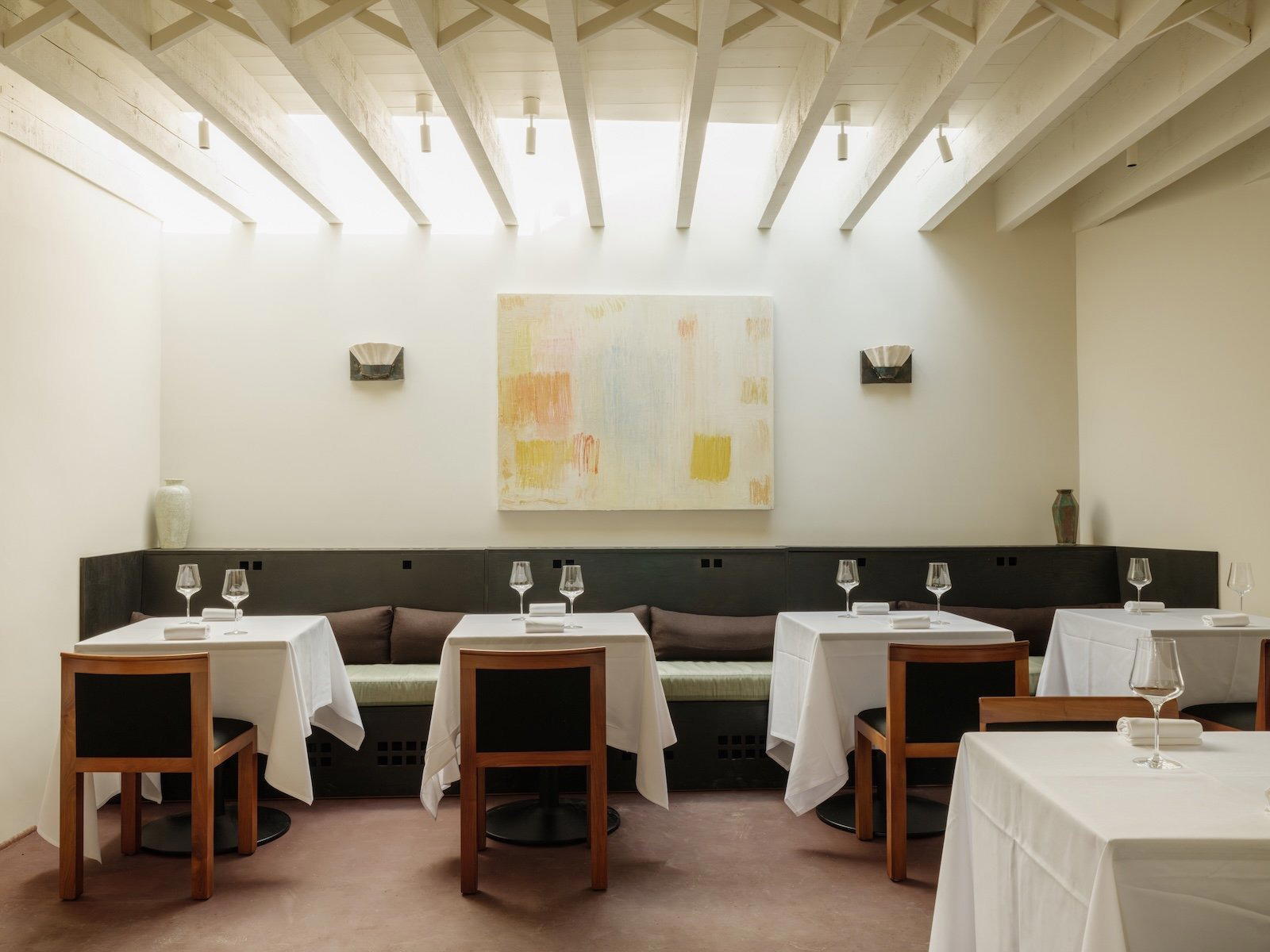
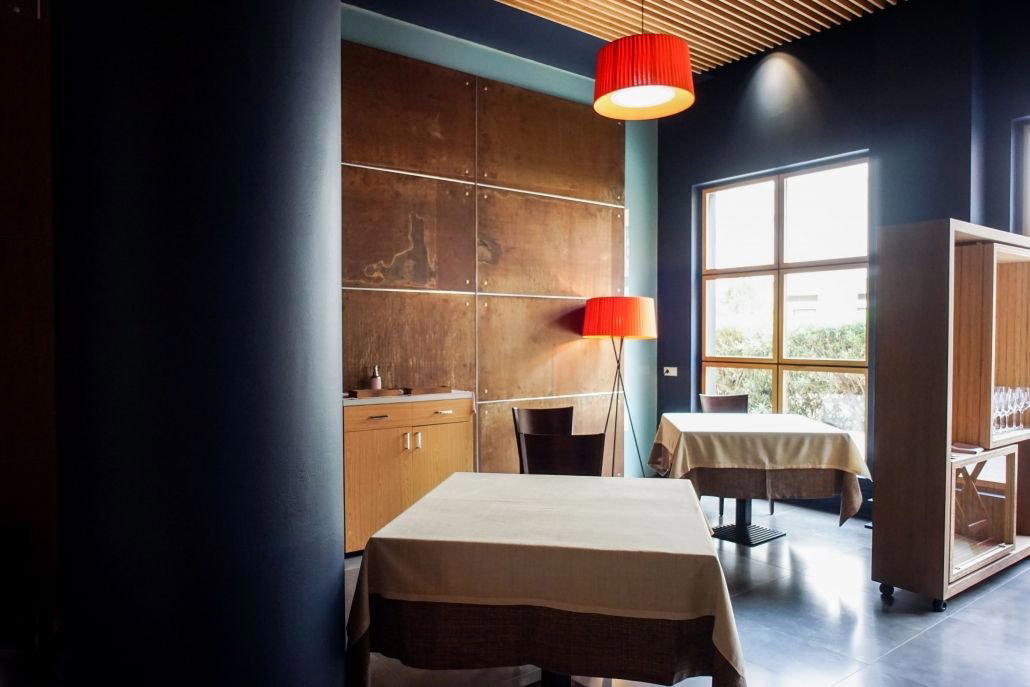
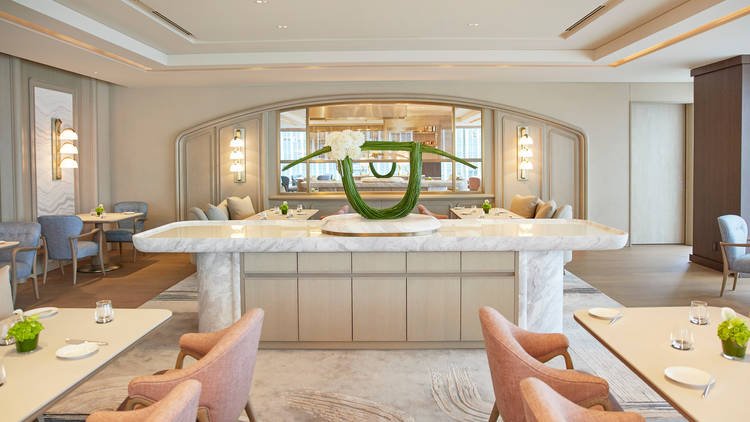
Saucer presents a quietly rigorous take on French fine dining: the space is deliberately stripped-back, basement-set and counter-focused, so the room’s restraint channels attention to the food. The writing positions the restaurant within a dialogue between faithful classicism and contemporary reinvention, and the design reflects a Japanese-inflected minimalist sensibility. Rather than theatrical ornament, the dining experience feels architectural and precise — a concise argument about sauce, bread and technique. The Michelin star noted in 2024 underlines the kitchen’s singular focus, and the overall impression is one of refined concentration rather than overt display.
Best For
This is a place for considered evenings rather than casual drop-ins. Saucer’s counter format and focus on a singular culinary premise make it especially suited to date nights, special occasions and quiet solo dining where the progress of each plate matters. Service and presentation lean toward French fine-dining formality, and the basement setting reinforces an intimate, occasion-driven mood. Expect dinner to be the primary occasion here: the restaurant’s concept and Michelin recognition point to a meal built around technique and pacing, best enjoyed without rush.
Ordering Tips
Embrace the restaurant’s stated obsession with sauce and architecture: choose dishes that foreground the kitchen’s technique. The description highlights signature items such as Ezo deer and scallop with rape blossoms — order those to see the concept in practice. Seating at the counter places you close to the action, so focus on individual dishes rather than large-format sharing. The writing stresses reduction and precision, so expect concise presentations where sauces and bread carry narrative weight; let each course speak for itself and savour the deliberate pacing.
Venue details
Ambiance
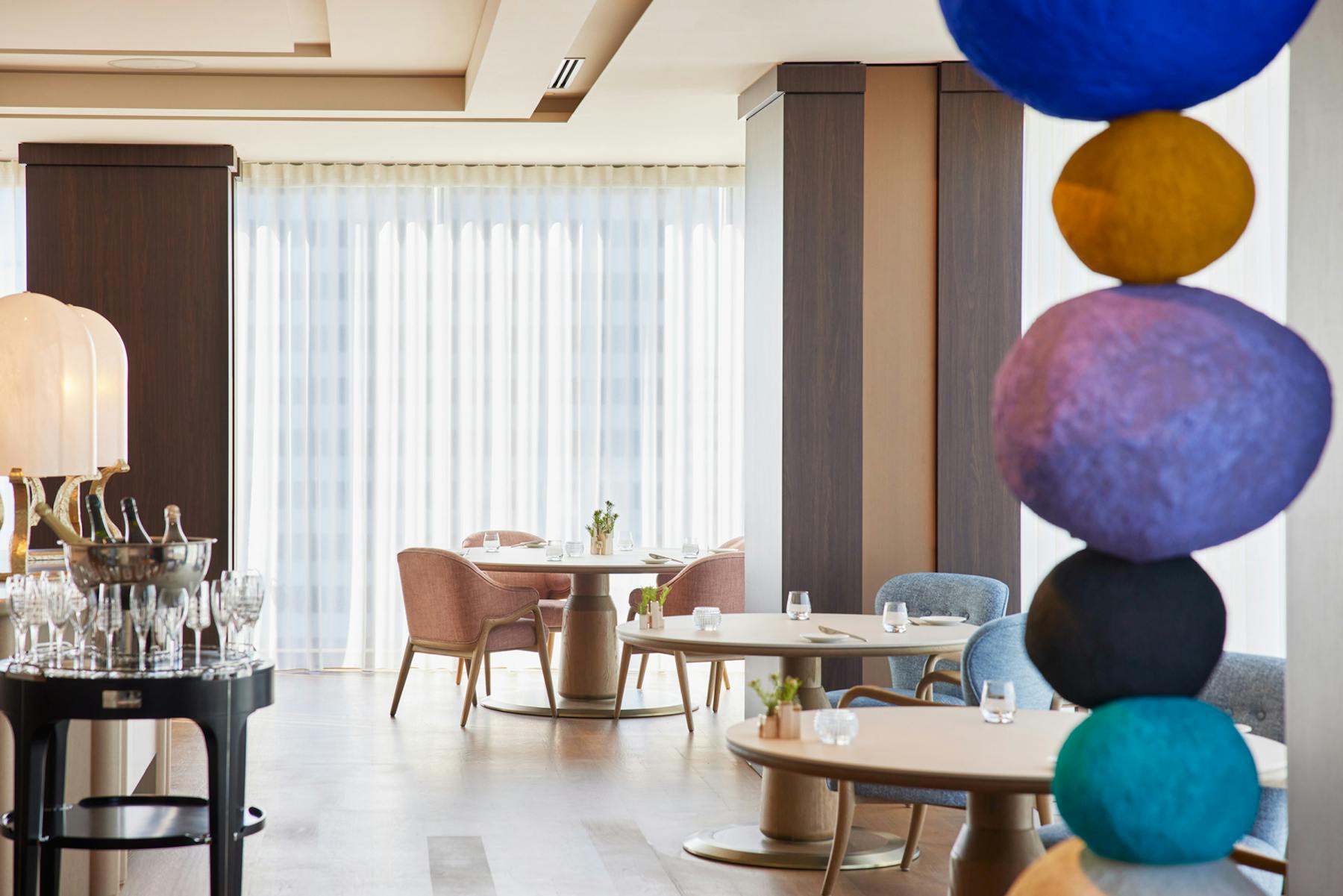
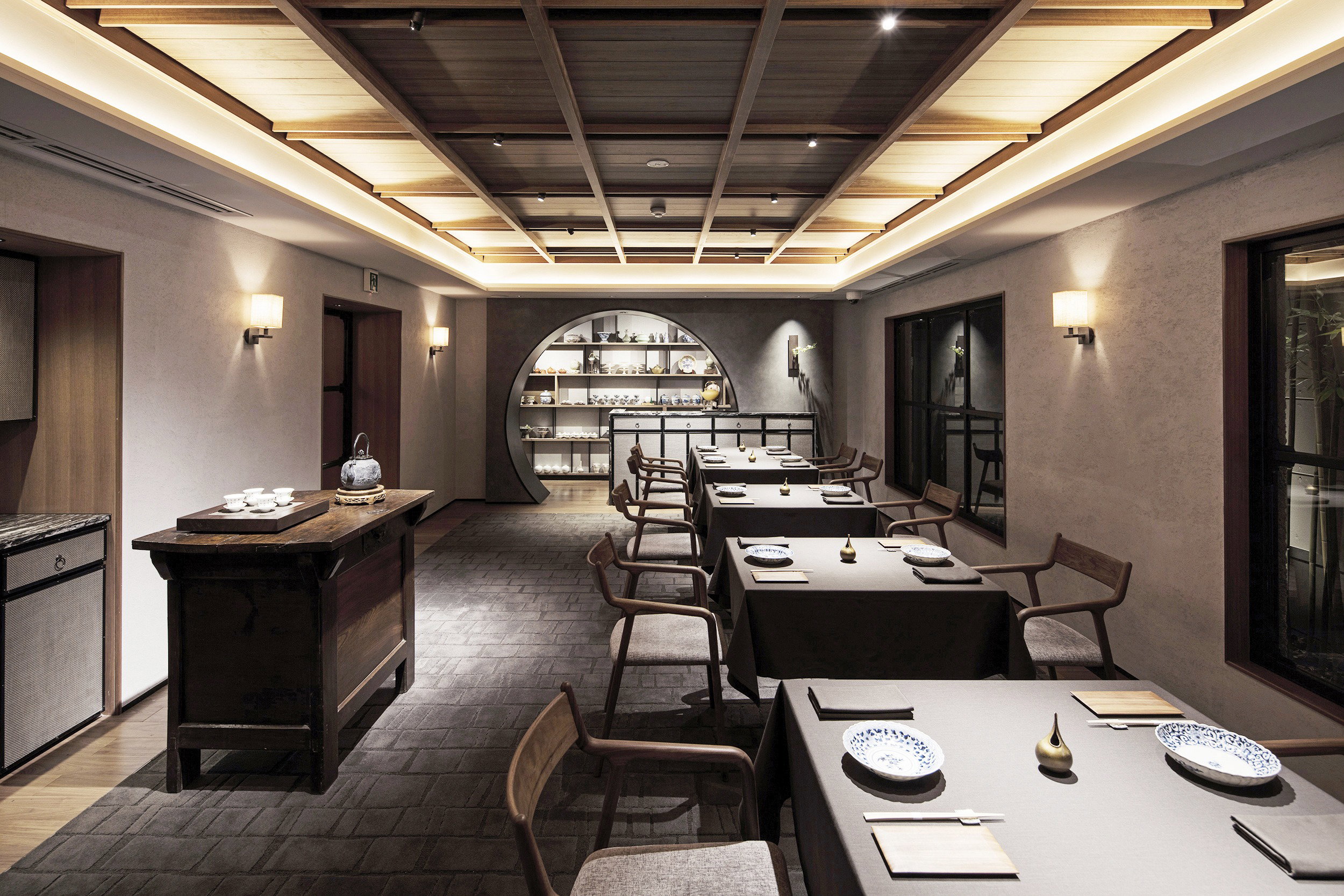
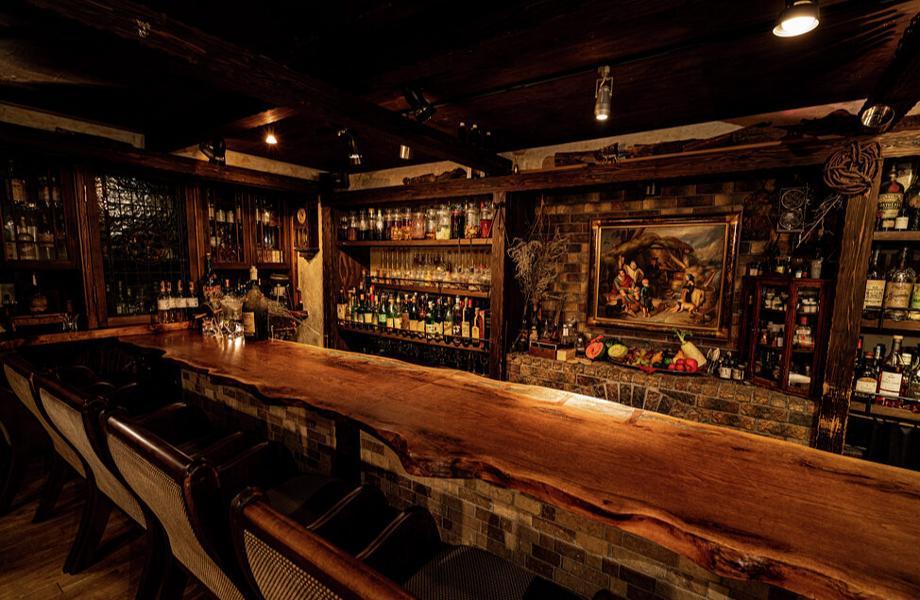
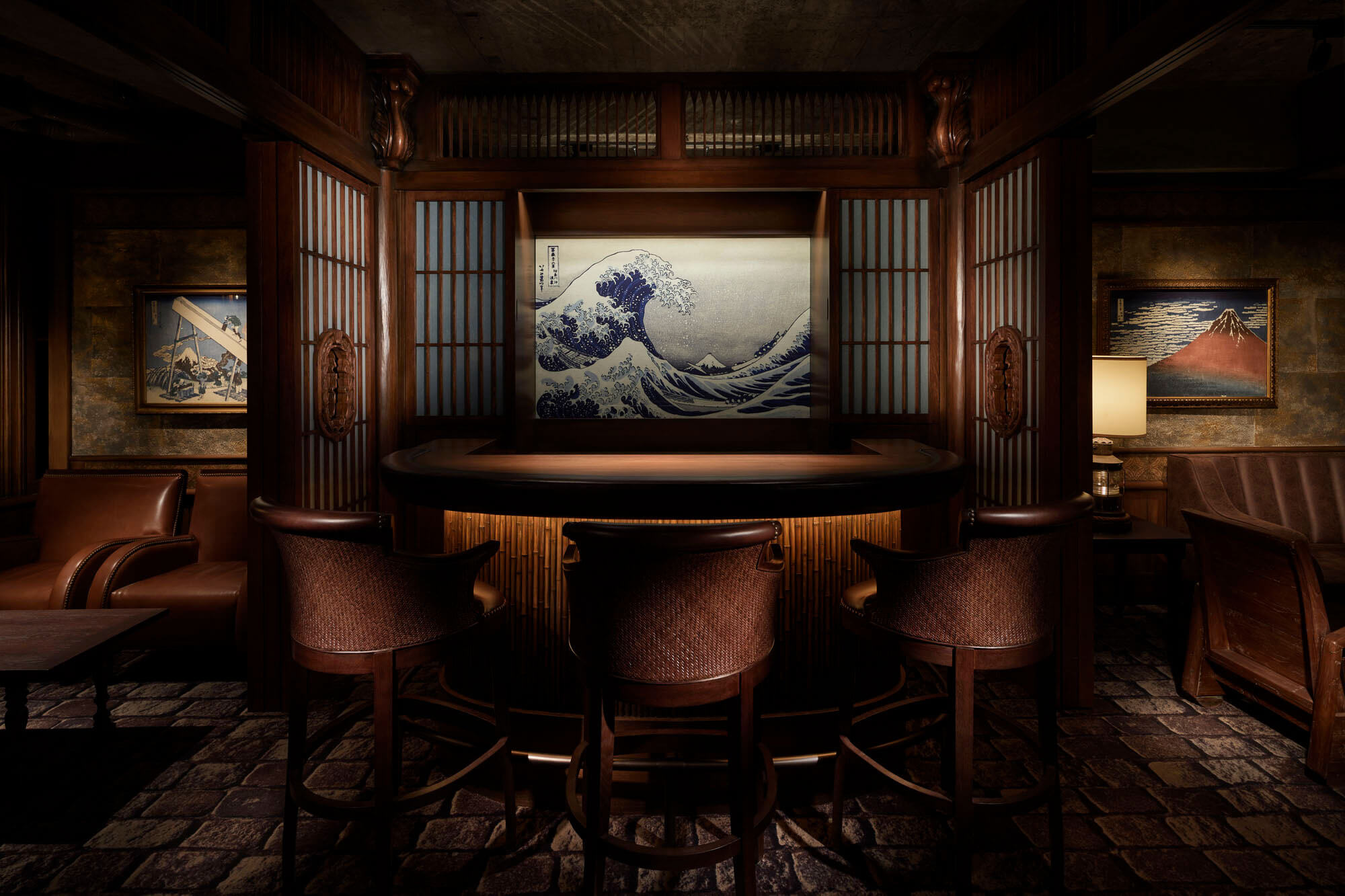
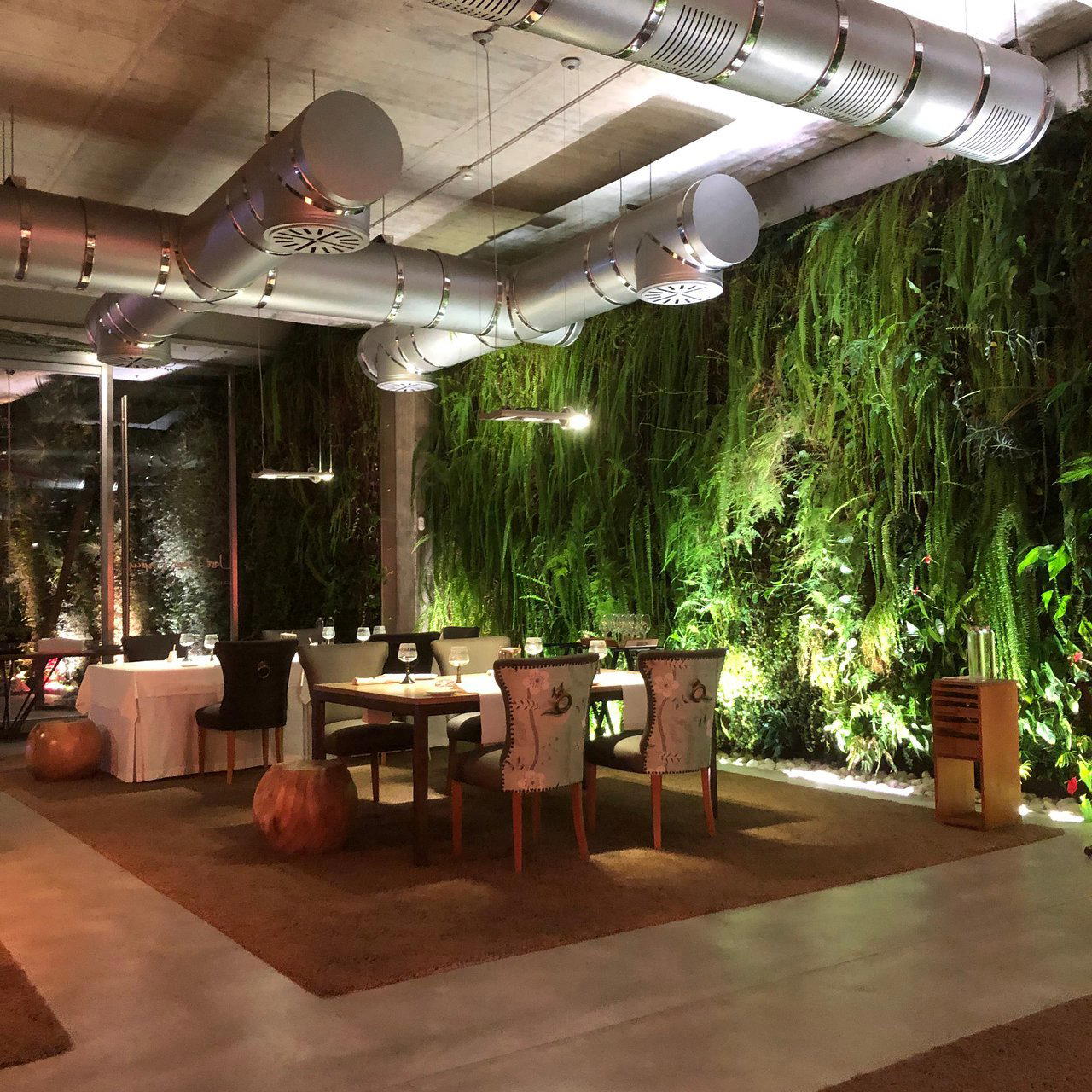
Cozy yet stylish with calm tones, warm lighting, and a relaxing hideaway atmosphere featuring contemporary art and an open kitchen.
Tags
Vibe
Best For
Experience
At the Table
- Dress Code
- Smart Casual
- Noise Level
- Quiet
- Service Style
- Upscale Casual
- Meal Pacing
- Leisurely
- Capacity
- Intimate
- Kitchen
- Modern
- Menu Format
- Tasting menu
- Wine Program
- Curated
Signature Dishes
- Ezo deer
- scallop with rape blossoms
Know before you go
Know Before You Go
- Getting there
- Japan, 〒150-0021 Tokyo, Shibuya, Ebisunishi, 2 Chome−7−10 えびす第3 地下1階
Planning details
Location
Japan, 〒150-0021 Tokyo, Shibuya, Ebisunishi, 2 Chome−7−10 えびす第3 地下1階 · Directions
Recognition and awards
Also consider
Also Consider
- Harutaka, Sushi, ¥¥¥¥
- RyuGin, Kaiseki, Japanese, ¥¥¥¥
- L'Effervescence, French, ¥¥¥¥
- HOMMAGE, Innovtive French, French, ¥¥¥¥
- Florilège, French, ¥¥¥
Restaurant context
Against Tokyo's French dining peers, Saucer's clearest point of difference is price tier and concept focus. L'Effervescence and HOMMAGE both sit at ¥¥¥¥ and offer full multi-course tasting menus with broader scope, more dishes, more variety, more ceremony. If you want the complete contemporary French experience in Tokyo, either is a stronger choice. Saucer asks you to accept a different deal: less volume, more depth on a single idea. For diners who find that trade appealing, it delivers more per yen than either ¥¥¥¥ option.
Florilège is the most direct comparison, also ¥¥¥, also counter-focused, also one Michelin star. The difference is format: Florilège runs a full tasting menu with vegetable-forward French cooking, while Saucer narrows the lens to sauce specifically. Both are hard to book. If you are undecided between the two, your preference for breadth versus depth should drive the choice. For a first visit to Tokyo's French counter scene, Florilège's wider menu is easier to commit to; Saucer rewards diners who already know what they are looking for.
RyuGin and Harutaka are both ¥¥¥¥ and operate in different cuisine categories, kaiseki and sushi respectively, but they occupy a similar position in the booking difficulty and prestige hierarchy. If your trip budget covers one high-end booking, Saucer's ¥¥¥ entry point frees spend for accommodation or other experiences. If the goal is the most technically complete single meal, RyuGin's kaiseki format covers more ground. Saucer is the call when the concept itself, a saucier's restaurant built around one technique, is the draw.
Explore Tokyo
Around this place
Discover more on Pearl
Unlock the full Saucer guide in Pearl, including awards, comparisons, FAQs, planning details, and nearby places.
Compare Saucer
| Venue | Cuisine | Price | Awards | Booking Difficulty |
|---|---|---|---|---|
| Saucer | French | ¥¥¥ | 2026 Michelin 1 Star2024 Michelin 1 Star | Hard |
| Harutaka | Sushi | ¥¥¥¥ | 2026 Tabelog Silver · #312026 OAD Top Restaurants in Japan Ranked · #1282026 Michelin 3 Stars2026 La Liste Top RestaurantsTabelog 100 - Sushi - TOKYO - 2025 · #372025 Asia's 50 Best Restaurants · #762025 OAD Top Restaurants in Japan Ranked · #1172025 La Liste Top Restaurants2025 Tabelog Bronze | Unknown |
| RyuGin | Kaiseki, Japanese | ¥¥¥¥ | 2026 OAD Top Restaurants in Japan Ranked · #802026 Tabelog Bronze · #3772026 Michelin 3 Stars2026 La Liste Top RestaurantsTabelog 100 - Japanese cuisine - TOKYO - 2025 · #212025 OAD Top Restaurants in Japan Ranked · #542025 Michelin 3 Stars2025 La Liste Top Restaurants2025 The Best Chef Three Knives | Unknown |
| L'Effervescence | French | ¥¥¥¥ | 2026 Tabelog Silver · #682026 OAD Top Restaurants in Japan Ranked · #103Star Wine Lists 20262026 Black Pearl 2 Diamond2026 Relais Chateaux Restaurants2026 La Liste Top Restaurants2026 Michelin 3 Stars2025 Asia's 50 Best Restaurants · #692025 OAD Top Restaurants in Japan Ranked · #92 | Unknown |
| HOMMAGE | Innovtive French, French | ¥¥¥¥ | 2026 Tabelog Bronze · #1232026 OAD Top Restaurants in Japan Highly Recommended2026 Michelin 2 StarsTabelog 100 - French - TOKYO - 2025 · #762025 Asia's 50 Best Restaurants · #782025 OAD Top Restaurants in Japan Ranked · #1752025 Michelin 2 Stars2025 The Best Chef One Knife2025 La Liste Top Restaurants | Unknown |
| Florilège | French | ¥¥¥ | 2026 Asia's 50 Best Restaurants · #312026 Tabelog Bronze · #712026 OAD Top Restaurants in Japan Ranked · #1242026 Black Pearl 1 Diamond2026 Michelin 2 Stars2026 La Liste Top Restaurants2025 Asia's 50 Best Restaurants · #172025 World's 50 Best Restaurants · #36Tabelog 100 - French - TOKYO - 2025 · #68 | Unknown |













How Saucer stacks up against the competition.
FAQ
Frequently Asked Questions
Is Saucer good for solo dining?
Yes — Saucer is one of the more practical solo options in Tokyo's French tier. Counter seating and a focused bread-and-sauce format mean a single diner is never at a structural disadvantage. At ¥¥¥ with a 2024 Michelin star, it delivers serious cooking without the social expectation of a shared multi-course table.
What should a first-timer know about Saucer?
The concept is narrow by design: freshly baked bread served with a sauce built from a consommé drawn over three days. This is not a conventional multi-course progression. Seasonal produce — morel mushrooms in spring, sweetfish in summer — shifts what the sauce becomes, so the experience changes with the calendar. Come for the technique, not the variety.
Is Saucer worth the price?
At ¥¥¥ with a Michelin star, yes — relative to the Tokyo French field. L'Effervescence and the full kaiseki experience at RyuGin both sit at ¥¥¥¥, so Saucer offers genuine value for the standard of cooking. The caveat: the format is singular, and diners who want range or a traditional multi-course structure should look at Florilège instead.
Can Saucer accommodate groups?
Likely not comfortably above three people. The basement counter format in Ebisu is built for intimate dining, and that puts a hard practical ceiling on group size. Parties of two are the optimal booking unit here; if you need to seat four or more, Florilège or Sézanne are better-suited alternatives.
Is the tasting menu worth it at Saucer?
Saucer does not run a tasting menu in the conventional sense. The format is bread paired with a sauce anchored by a three-day consommé, with seasonal adjustments — morels in spring, sweetfish in summer. If you want that specific experience executed at Michelin one-star level for ¥¥¥, it is worth it. If you want a multi-course progression, this is not the right venue.