
MAKIYAKI GINZA ONODERA
French · Chūō, Tokyo
Restaurant in Tokyo, Japan
 Book with Pearl
The Read
Hearth-Driven French Counter
Price
$200–300per person
Dress
Smart Casual
Why go
A Michelin-starred French counter in Ginza where a wood-burning hearth drives the entire menu, from roasted fish and vegetables through slow-cooked meat to flame-baked desserts. Book three to four weeks ahead minimum; walk-ins are not realistic at this level.
About MAKIYAKI GINZA ONODERA
The Verdict
MAKIYAKI GINZA ONODERA is one of Ginza's most distinctive French counter experiences: a Michelin-starred room where wood-fired cooking drives every course, from roasted fish and vegetables through to flame-baked desserts. If you have been once and enjoyed it, come back for the full progression — the fire-cooked main courses followed by noodle or rice dishes before dessert is a format that rewards repeat visits more than a single booking. At ¥¥¥¥ pricing in a Ginza high-rise, this is a considered spend, but the cooking format is specific enough to justify it for the right diner.
What to Expect
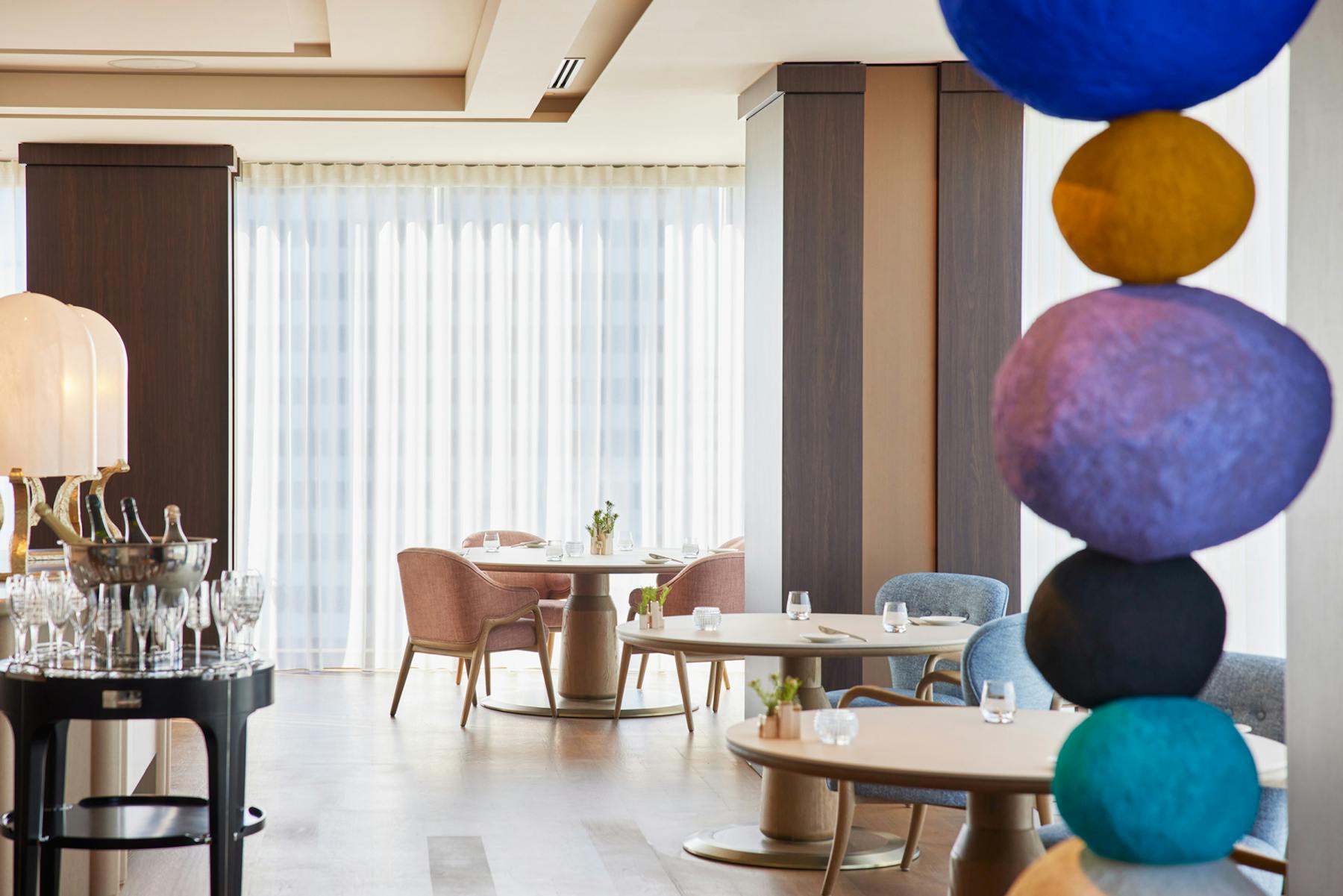
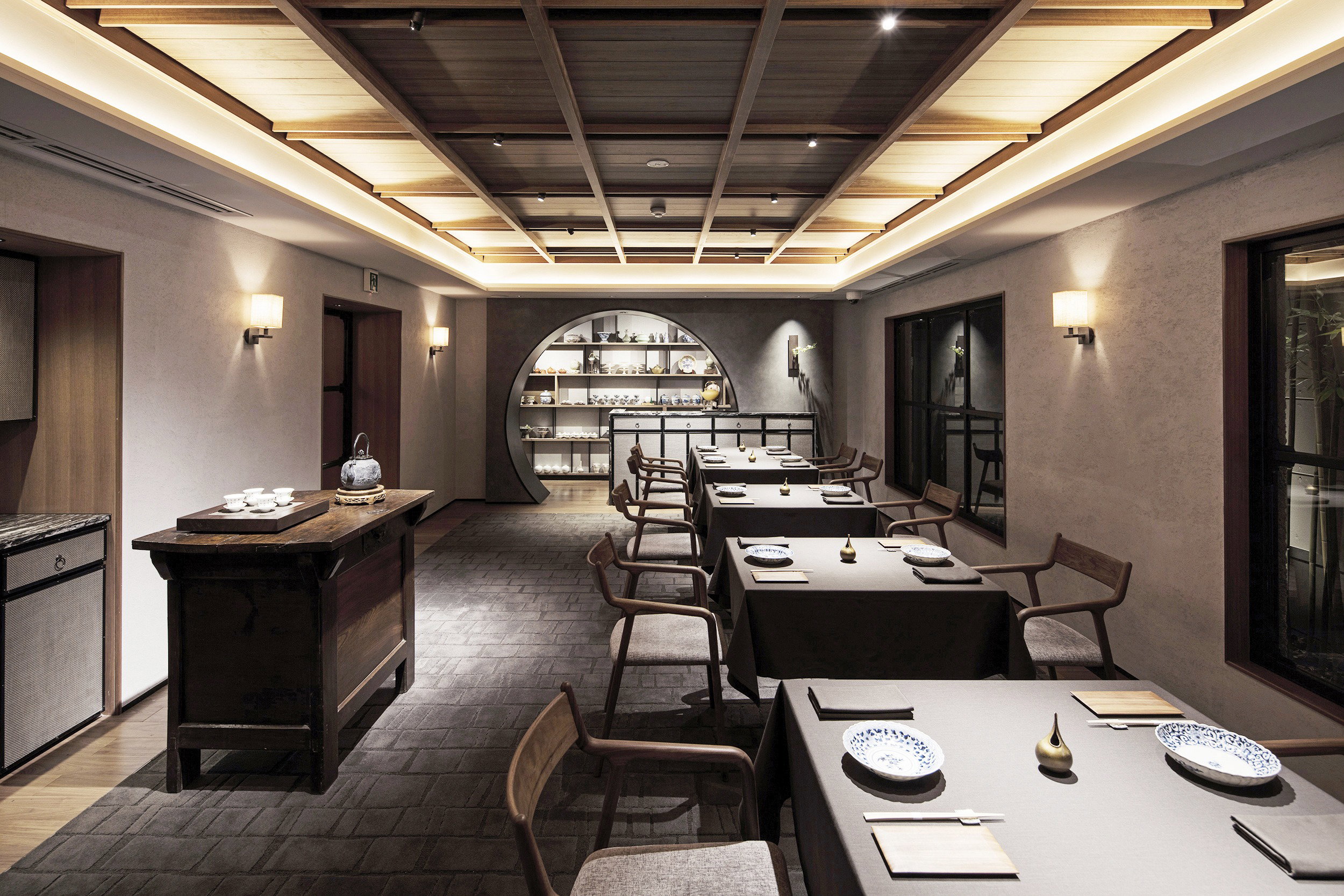
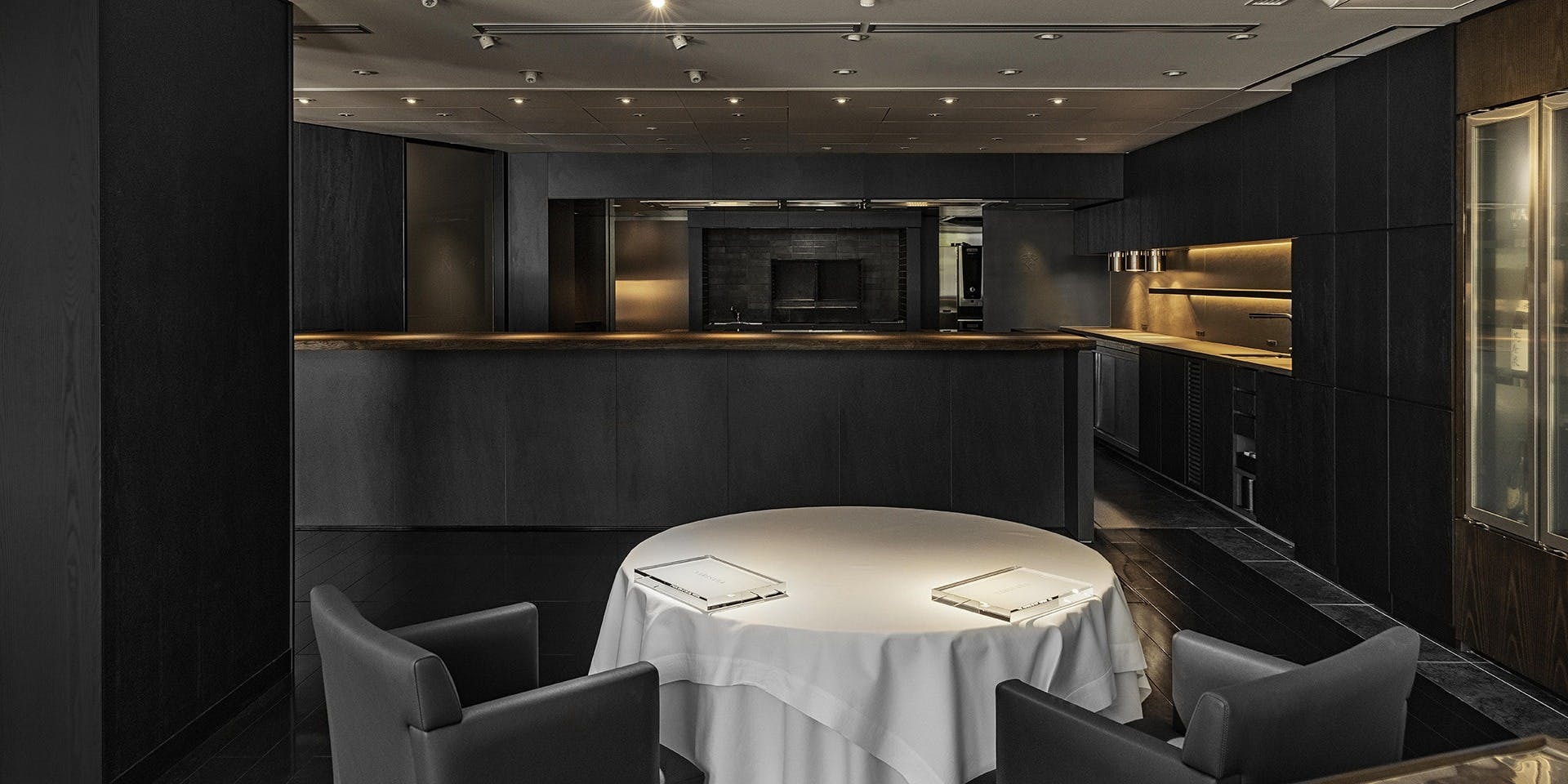
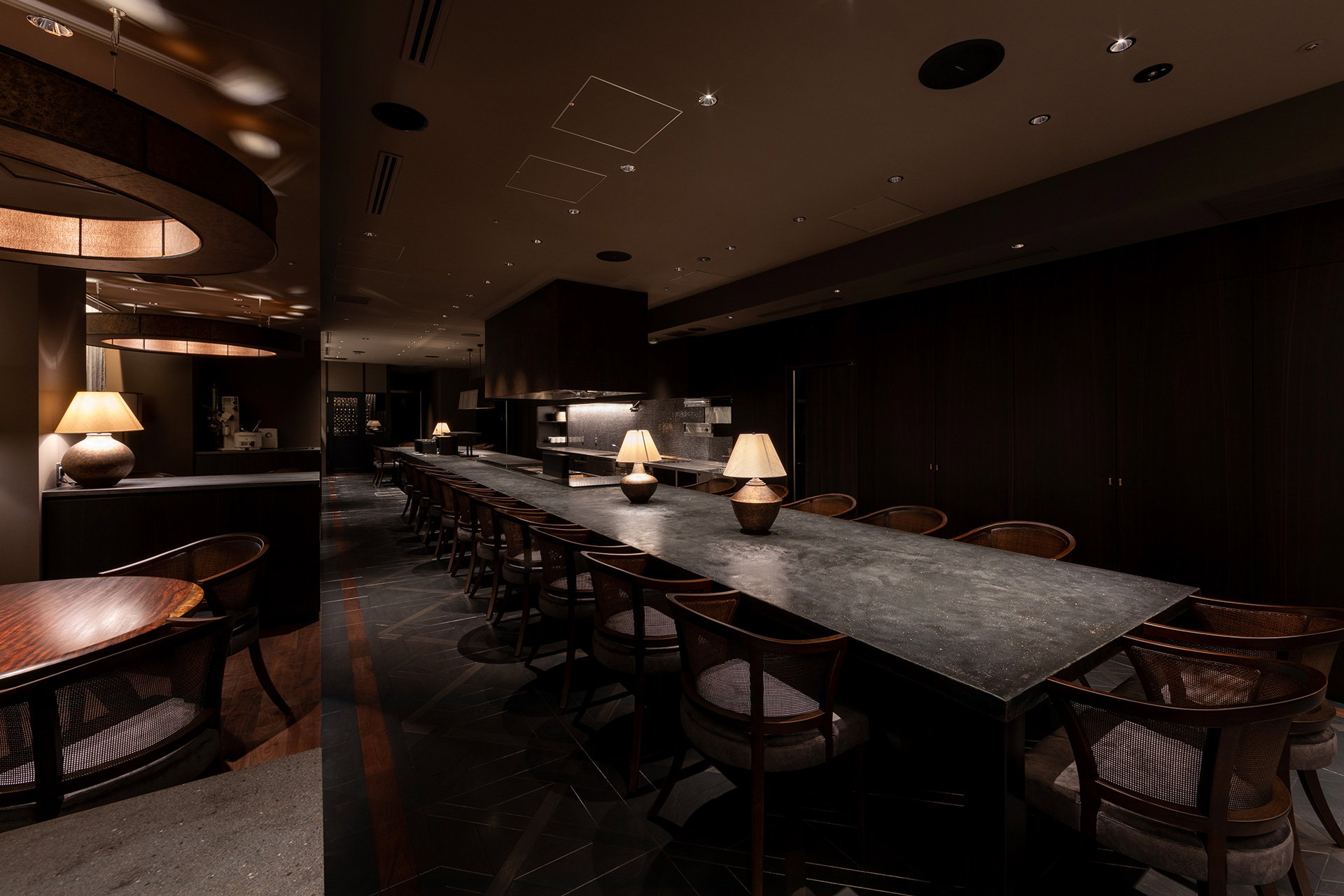
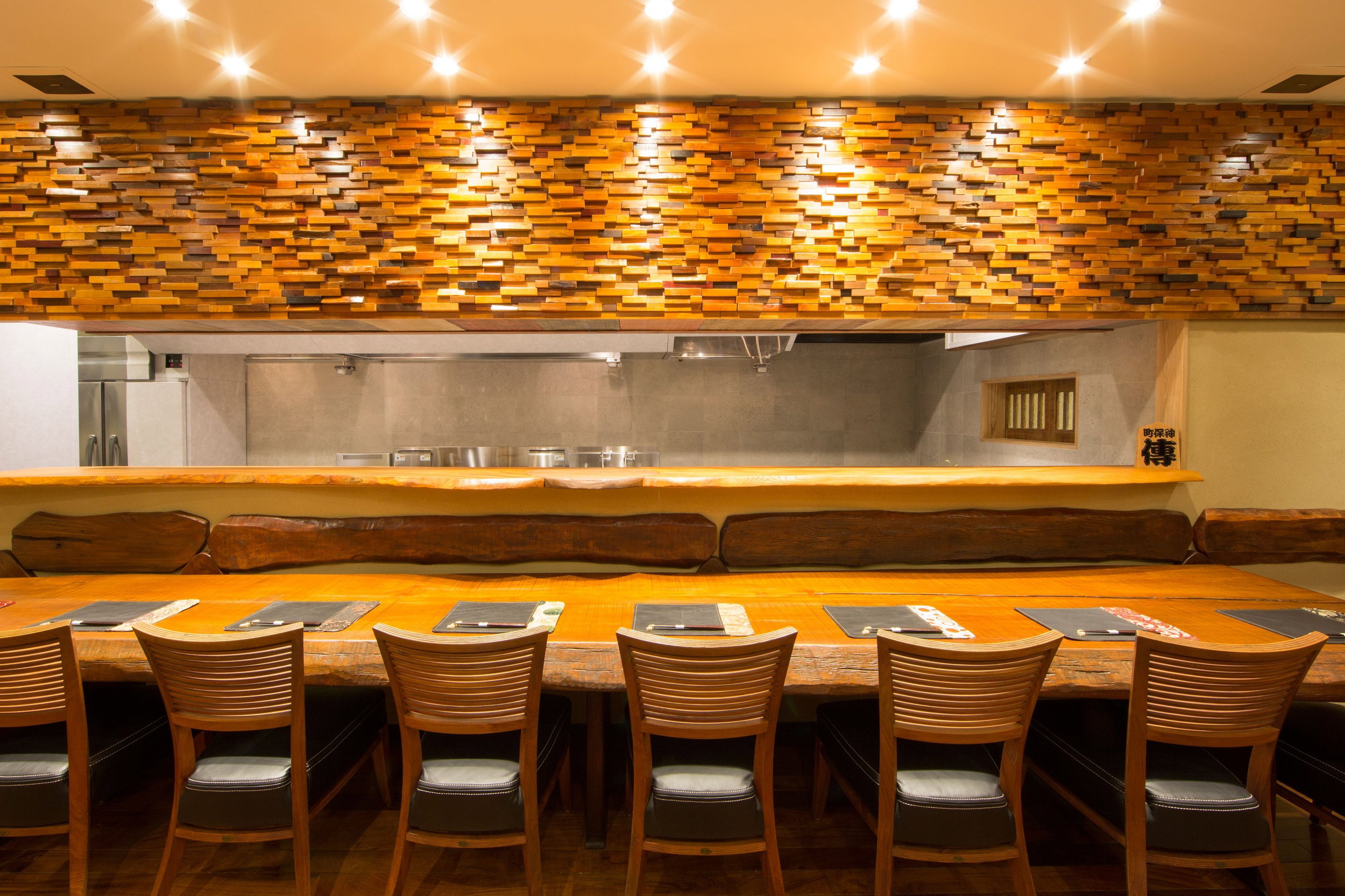
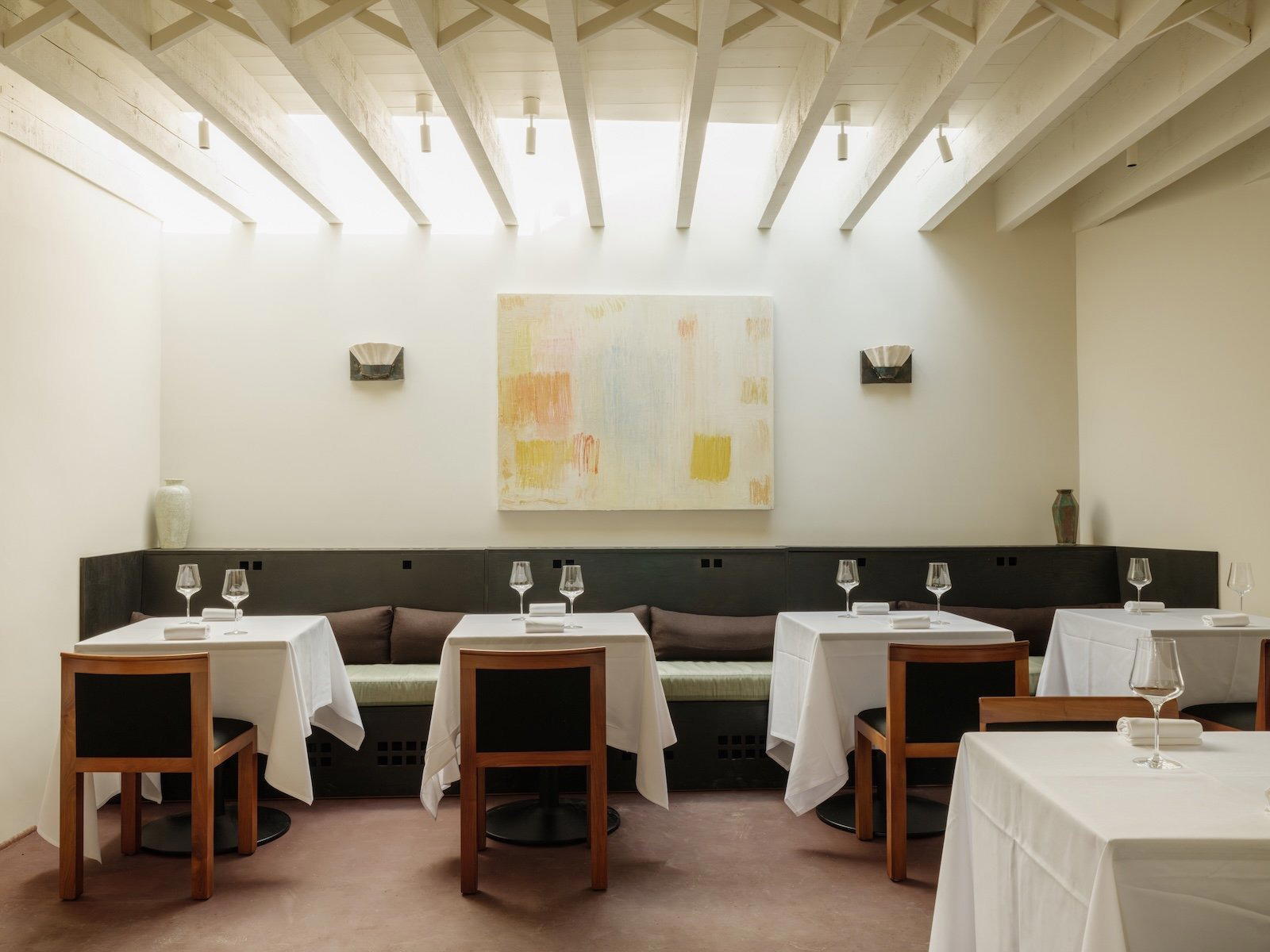
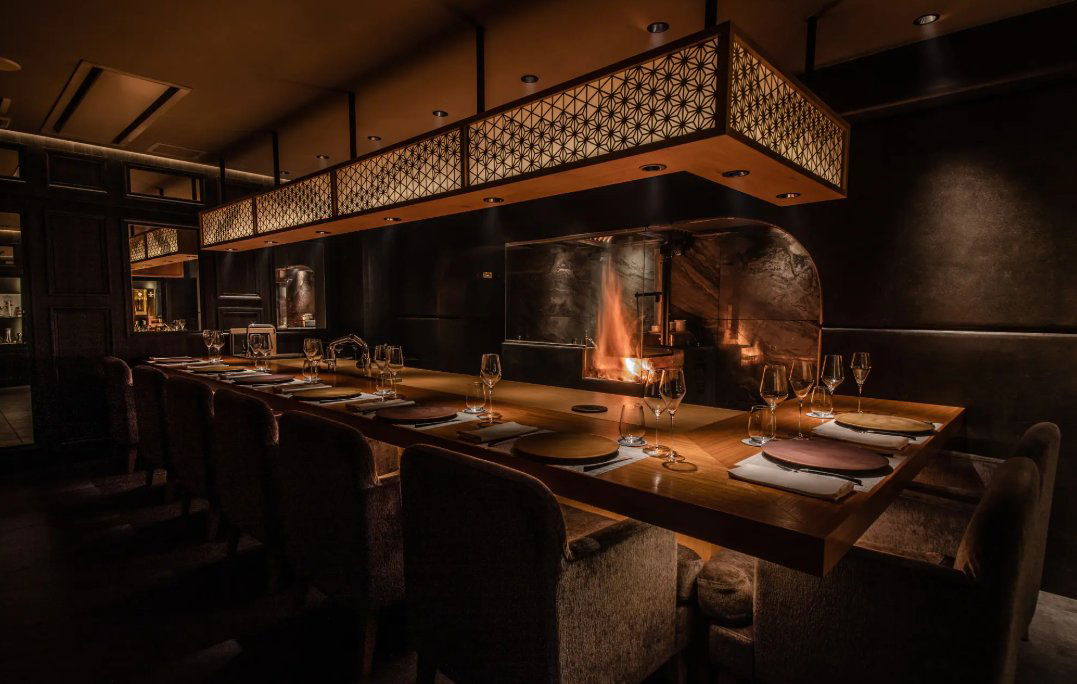
The room sits on the ninth floor of Sunlit Ginza Building III at 5 Chome-14-14 Ginza, Chuo City. The counter format puts the kitchen directly in view, with a wood hearth as the focal point. The ambient experience here is dominated by the sound and warmth of a working fire — low conversation, the crackle of burning wood, the occasional hiss of fat hitting flame. It is not a quiet, hushed fine dining room in the conventional sense; the hearth gives it a physical energy that separates it from the more formally composed French restaurants nearby.
The cooking approach is French technique applied to live-fire principles: fish and vegetables roasted over wood, meat cooked slowly to preserve moisture and concentrate flavour, and, notably for a French counter, a Japanese structural element in the form of noodle or rice dishes served after the main course. Desserts are finished over the wood flame. For a returning guest, the sequencing of the meal is worth paying attention to: the rice or noodle course is not an afterthought but a deliberate shift in register before the dessert stage, and it tends to be where the kitchen's dual French-Japanese sensibility is clearest.
The Michelin one-star recognition (2024) aligns with that: technically accomplished, consistent, and worth a special trip, but not in the two-star bracket where you are paying for an entirely different level of service architecture.
Format and Timing
The counter format means solo diners and pairs are well served here. You are watching the kitchen work throughout the meal, which makes eating alone genuinely engaging rather than awkward. For groups of three or four, counter seating is still workable, but larger parties may find the format less conducive to group conversation given the linear sightline arrangement. If you visited for a standard dinner service previously, note that the editorial angle points to its morning and weekend services as worth exploring, though specific brunch or breakfast hours are not confirmed in available data, so verify directly before planning a daytime visit.
Booking is hard. Ginza at this tier books out well in advance, and Michelin recognition in 2024 has only tightened availability. Plan a minimum of three to four weeks ahead for a standard booking, longer for weekend slots. Walk-in availability is not realistic at this level.
Reservations: Book well in advance, three to four weeks minimum, more for weekends. Dress: Smart casual at minimum; Ginza fine dining context means most guests dress formally. Budget: ¥¥¥¥, expect a significant per-head spend consistent with Michelin-starred Ginza French. Location: 9F, Sunlit Ginza Building III, 5 Chome-14-14 Ginza, Chuo City, Tokyo.
How It Compares
See the comparison section below for how MAKIYAKI GINZA ONODERA sits against other ¥¥¥¥ French and Japanese counter options in Tokyo.
Further Reading
For more options across Tokyo, see our full Tokyo restaurants guide, our full Tokyo hotels guide, our full Tokyo bars guide, our full Tokyo wineries guide, and our full Tokyo experiences guide.
If you are building a wider Japan itinerary around high-end French or Japanese cooking, consider HAJIME in Osaka, Gion Sasaki in Kyoto, akordu in Nara, Goh in Fukuoka, 1000 in Yokohama, and 6 in Okinawa. For French cooking at the same tier elsewhere in Asia and Europe, Les Amis in Singapore and Hotel de Ville Crissier in Crissier are both worth benchmarking against.
Within Tokyo's French scene, L'Effervescence, Sézanne, ESqUISSE, Florilège, and Château Restaurant Joël Robuchon all occupy different positions in the price and format spectrum and are worth comparing before you commit.
Planning details
- Location
- Japan, 〒104-0061 Tokyo, Chuo City, Ginza, 5 Chome−14−14 サンリット銀座ビルIII 9階
- Reservations
- Book on TableCheck
- Website
- onodera-group.com/makiyaki
- Phone
- +81 3-6264-3644
The take
The Take
The Vibe
Makiyaki Ginza Onodera centers on a live hearth and a pared-back French discipline, creating a focused, quietly refined room. Located on the ninth floor, the counter layout puts guests directly in front of the wood fire and the cooks, collapsing the distance between dining and technique. The result is a classic fine-dining sensibility with a cozy, immediate energy: the heat of the embers and the ritual of live-fire cooking give the space warmth, while the restaurant’s Michelin star and technical rigor keep the experience precise and serious rather than ostentatious.
Best For
This is a destination for deliberate evening dining: the counter format and the restaurant’s Michelin one-star status make it well suited to date nights, business dinners and special occasions where the focus is on technique and interaction. Guests who appreciate watching chefs work over wood fire and who want a quieter, purpose-driven room above street level will find it rewarding. The tight, chef-facing seating encourages engagement with the cooking, so it’s ideal for parties that value culinary theatre and close conversation over an extended dinner.
Ordering Tips
Because the hearth is the restaurant’s organizing principle, prioritize dishes that showcase live-fire technique. The menu highlights wood-fired items — notably the firewood-grilled Wagyu beef — and finishes include a Basque-style cheesecake; both are signature expressions of the kitchen’s approach. Counter seating gives you an unobstructed view of the grill and the chance to observe timing and technique, so lean into courses that arrive hot from the fire and watch how the chefs manage heat and char. The experience is about process as much as flavor, so order with an eye to seasonal, flame-driven preparations.
Venue details
Ambiance
Calm space with subdued lighting, smoky wood fire aroma, and live open kitchen views stimulating all five senses.
Tags
Vibe
Best For
Experience
At the Table
- Dress Code
- Smart Casual
- Noise Level
- Conversational
- Service Style
- Formal
- Meal Pacing
- Leisurely
- Capacity
- Intimate
- Kitchen
- Modern
- Menu Format
- Omakase, Counter dining
- Wine Program
- Curated
- Drinks Focus
- Wine
- Private Dining
- Available
Signature Dishes
- Firewood-grilled Wagyu beef
- Basque-style cheesecake
Know before you go
Know Before You Go
- Getting there
- Japan, 〒104-0061 Tokyo, Chuo City, Ginza, 5 Chome−14−14 サンリット銀座ビルIII 9階
Planning details
Location
Japan, 〒104-0061 Tokyo, Chuo City, Ginza, 5 Chome−14−14 サンリット銀座ビルIII 9階 · Directions
Recognition and awards
Also consider
Also Consider
- Harutaka, Sushi, ¥¥¥¥
- RyuGin, Kaiseki, Japanese, ¥¥¥¥
- L'Effervescence, French, ¥¥¥¥
- HOMMAGE, Innovtive French, French, ¥¥¥¥
- Florilège, French, ¥¥¥
Restaurant context
Among ¥¥¥¥ French options in Tokyo, MAKIYAKI GINZA ONODERA sits in a specific niche: it is the most fire-forward of the group, with the wood hearth as the central cooking and atmospheric element. L'Effervescence and HOMMAGE both operate at the same price tier with more conventional French fine dining service architecture, better choices if seamless front-of-house polish matters as much as the cooking itself. Florilège comes in at ¥¥¥, books more easily, and is the strongest value play in Tokyo French if you are price-sensitive without wanting to drop a tier in quality.
If the counter format specifically appeals, Harutaka offers a comparable counter intimacy at ¥¥¥¥ in a sushi context, the format works similarly but the cuisine and atmosphere are entirely different. For kaiseki at the same spend, RyuGin is the reference point, and it is worth considering if you want Japanese seasonal cooking rather than French technique applied to Japanese ingredients and structure.
The clearest booking recommendation: if live-fire French cooking at a counter is the specific experience you want, MAKIYAKI GINZA ONODERA has no direct equivalent in Tokyo at this price level. If you want the highest service polish in French fine dining, look at L'Effervescence or HOMMAGE first. If the budget is the constraint, Florilège at ¥¥¥ delivers strong French cooking without the ¥¥¥¥ commitment.
Explore Tokyo
Around this place
Discover more on Pearl
Unlock the full MAKIYAKI GINZA ONODERA guide in Pearl, including awards, comparisons, FAQs, planning details, and nearby places.
Compare MAKIYAKI GINZA ONODERA
| Venue | Price | Awards |
|---|---|---|
| MAKIYAKI GINZA ONODERA | ¥¥¥¥ | 2026 Michelin 1 Star2024 Michelin 1 Star |
| Harutaka | ¥¥¥¥ | 2026 Tabelog Silver · #312026 OAD Top Restaurants in Japan Ranked · #1282026 Michelin 3 Stars2026 La Liste Top RestaurantsTabelog 100 - Sushi - TOKYO - 2025 · #372025 Asia's 50 Best Restaurants · #762025 OAD Top Restaurants in Japan Ranked · #1172025 La Liste Top Restaurants2025 Tabelog Bronze |
| RyuGin | ¥¥¥¥ | 2026 OAD Top Restaurants in Japan Ranked · #802026 Tabelog Bronze · #3772026 Michelin 3 Stars2026 La Liste Top RestaurantsTabelog 100 - Japanese cuisine - TOKYO - 2025 · #212025 OAD Top Restaurants in Japan Ranked · #542025 Michelin 3 Stars2025 La Liste Top Restaurants2025 The Best Chef Three Knives |
| L'Effervescence | ¥¥¥¥ | 2026 Tabelog Silver · #682026 OAD Top Restaurants in Japan Ranked · #103Star Wine Lists 20262026 Black Pearl 2 Diamond2026 Relais Chateaux Restaurants2026 La Liste Top Restaurants2026 Michelin 3 Stars2025 Asia's 50 Best Restaurants · #692025 OAD Top Restaurants in Japan Ranked · #92 |
| HOMMAGE | ¥¥¥¥ | 2026 Tabelog Bronze · #1232026 OAD Top Restaurants in Japan Highly Recommended2026 Michelin 2 StarsTabelog 100 - French - TOKYO - 2025 · #762025 Asia's 50 Best Restaurants · #782025 OAD Top Restaurants in Japan Ranked · #1752025 Michelin 2 Stars2025 The Best Chef One Knife2025 La Liste Top Restaurants |
| Florilège | ¥¥¥ | 2026 Asia's 50 Best Restaurants · #312026 Tabelog Bronze · #712026 OAD Top Restaurants in Japan Ranked · #1242026 Black Pearl 1 Diamond2026 Michelin 2 Stars2026 La Liste Top Restaurants2025 Asia's 50 Best Restaurants · #172025 World's 50 Best Restaurants · #36Tabelog 100 - French - TOKYO - 2025 · #68 |













A quick look at how MAKIYAKI GINZA ONODERA measures up.
FAQ
Frequently Asked Questions
What should I wear to MAKIYAKI GINZA ONODERA?
This is a Michelin-starred counter in Ginza, one of Tokyo's most formal dining neighbourhoods, so dress accordingly: jacket for men is a sensible call, though no explicit dress code is documented in available venue data. Ginza's restaurant culture runs formal, and the counter setting puts you in close view of other diners throughout the meal. Err on the side of dressing up rather than down.
Is MAKIYAKI GINZA ONODERA good for a special occasion?
Yes, with one qualification: the counter format means you are sharing the room with strangers throughout, so it suits occasions where the meal itself is the event rather than private celebration. The wood-fired French cooking, Michelin recognition, and ninth-floor Ginza setting make a strong case for birthdays, anniversaries, or deal dinners for two. For a fully private table, look elsewhere.
Is MAKIYAKI GINZA ONODERA good for solo dining?
This is one of the stronger solo dining options at ¥¥¥¥ in Tokyo. The counter puts you directly facing the kitchen, so the cooking itself provides the engagement throughout the meal — including the wood fire and the visual rhythm of the kitchen. Solo diners are well served by the format, which is designed around observation as much as eating.
Can MAKIYAKI GINZA ONODERA accommodate groups?
Counter-format restaurants at this level are generally designed for solo diners and pairs; groups of four or more typically find the counter limiting. No private room is documented in the venue data. If you are booking for a group larger than two, confirm seating arrangements directly with the restaurant before committing to the price point.
Is the tasting menu worth it at MAKIYAKI GINZA ONODERA?
If wood-fired French cooking at a counter is your format, the Michelin star validates the price at ¥¥¥¥. The progression moves from roasted fish and vegetables through slow-cooked meat to noodle or rice dishes and wood-flame desserts — a structured meal with a clear through-line rather than a generic tasting menu. If you prefer a la carte flexibility, this format is not for you.
What are alternatives to MAKIYAKI GINZA ONODERA in Tokyo?
For high-end French in Tokyo, L'Effervescence in Nishi-Azabu and Florilège in Aoyama both hold Michelin recognition and offer counter or open-kitchen formats. For a counter experience at comparable price with Japanese technique driving the menu, Harutaka is worth considering. MAKIYAKI GINZA ONODERA's specific differentiator is the wood fire running through every course, which none of those venues replicate directly.
Is MAKIYAKI GINZA ONODERA worth the price?
At ¥¥¥¥ with a Michelin star, the price is in line with other serious French counters in Tokyo. The value case rests on the wood-fire format, which shapes every course from fish and vegetables through to dessert — it is a coherent cooking philosophy rather than generic fine dining at a high price. If wood-fired French cooking is not a priority for you, other ¥¥¥¥ options in the city may be a better fit.