
Jushu
Japanese · Minato, Tokyo
Restaurant in Tokyo, Japan
 Book with Pearl
The Read
Saga Provenance Counter
Price
$200–300per person
Dress
Smart Casual
Why go
Jushu is a 2024 Michelin one-star Japanese restaurant in Nishiazabu, Tokyo, grounded in Saga Prefecture sourcing — Imari beef, Saga rice, yuzu pepper — and served on Karatsu and Edo-period Imari ware. At ¥¥¥ it sits a full tier below most equivalent Tokyo rooms. Book three to four weeks ahead minimum; this is a strong pick for a special-occasion dinner for two.
About Jushu
Verdict
Jushu earns its 2024 Michelin star honestly, and at ¥¥¥ it sits a full price tier below comparable Japanese restaurants in Nishiazabu. If you are looking for a special-occasion dinner that connects a chef's regional roots to the plate — without the ¥¥¥¥ price pressure of Tokyo's most decorated kaiseki rooms — this is a serious contender. Book it for two, book it early, and go hungry.
The Restaurant
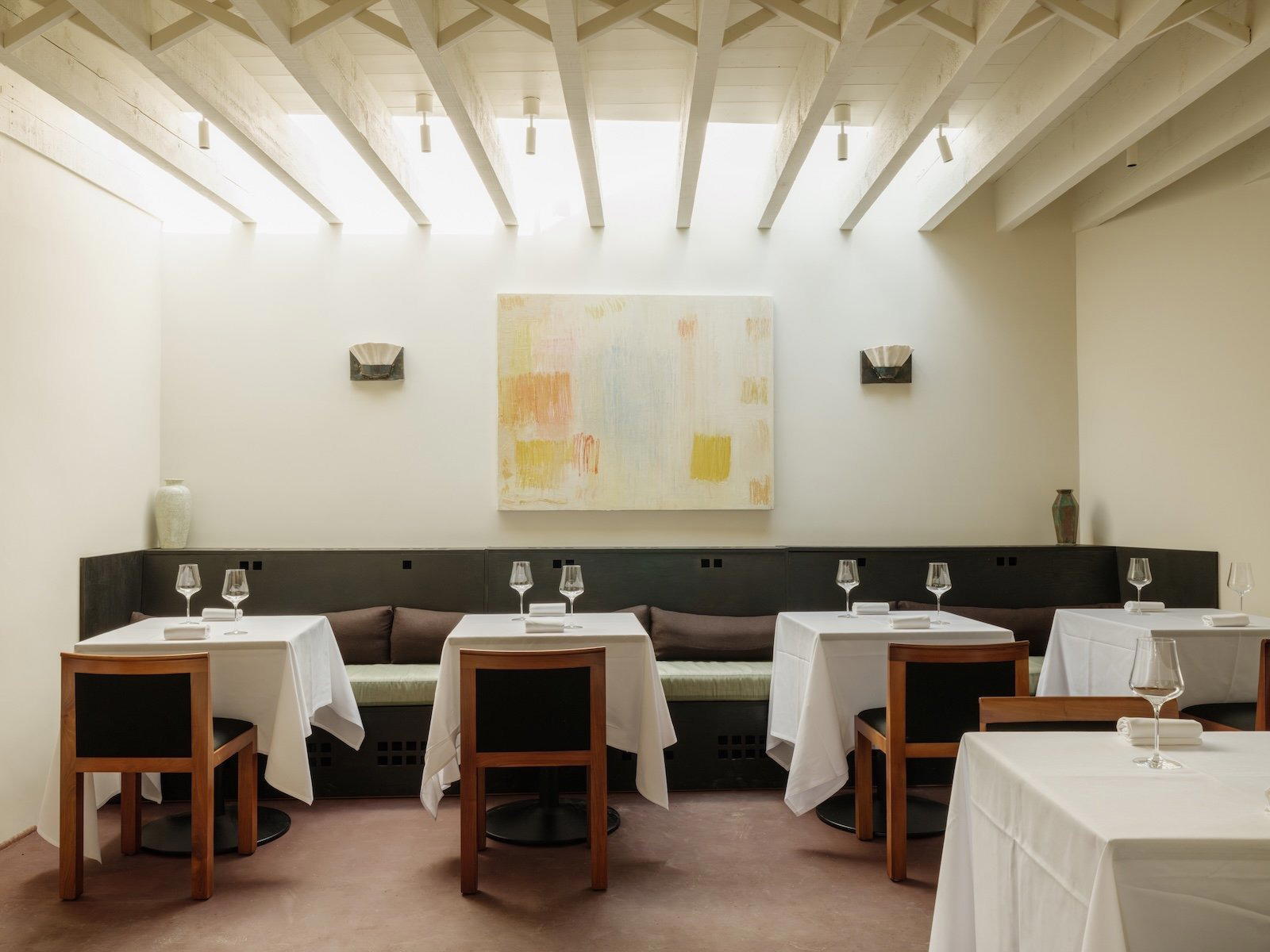
Jushu occupies a ground-floor space in Nishiazabu, one of Minato City's quieter dining pockets, where the streets thin out from Roppongi's main drag into something considerably more residential. That neighbourhood context matters here: this is not a restaurant built for tourist foot traffic or expense-account convenience. It sits where it sits because the chef chose a room, not an address designed to capture passing trade. For Nishiazabu, that is almost a statement in itself.
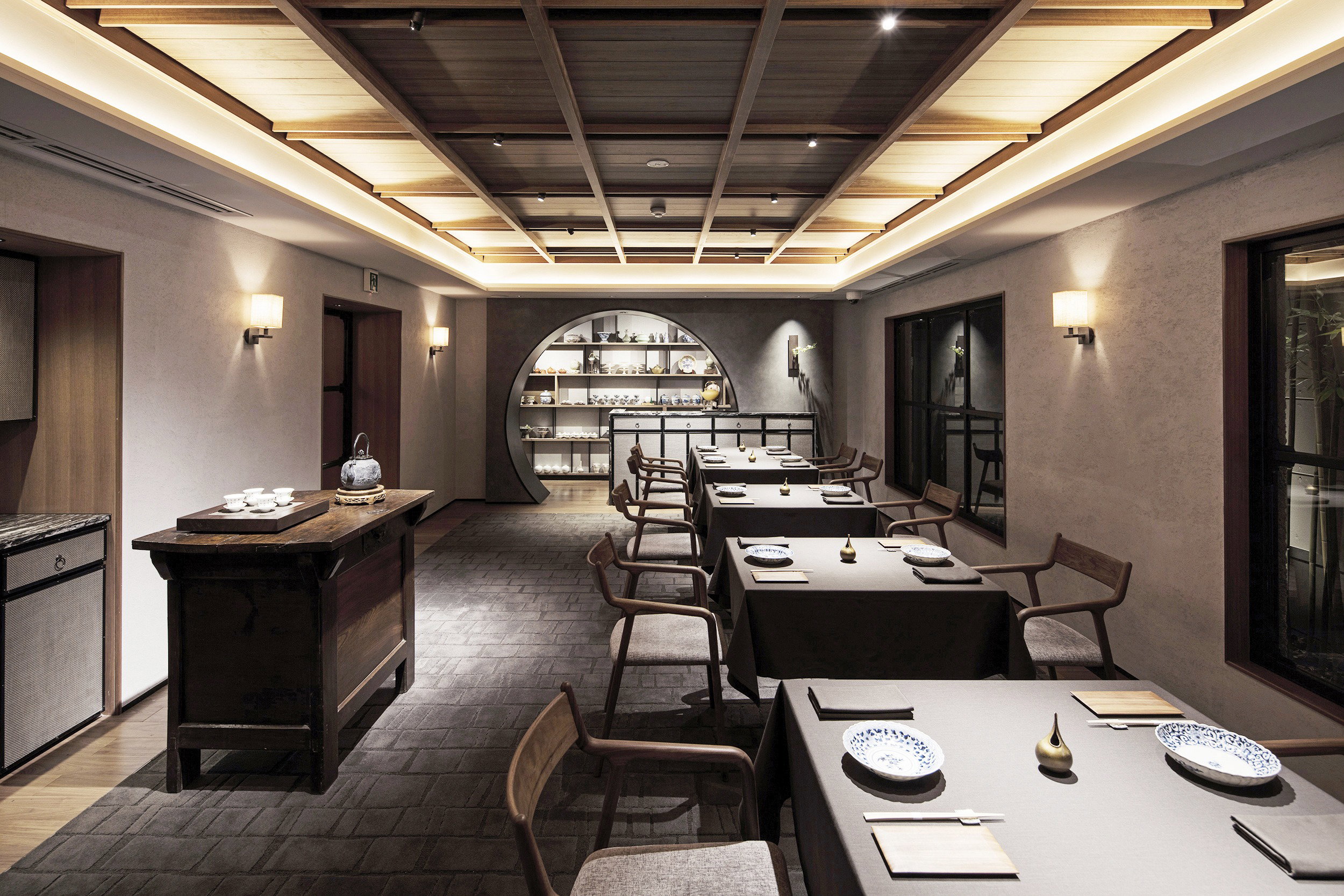
The crest on the shop curtain depicts a Eurasian magpie, the official bird of Saga Prefecture, in flight, and the same motif is embroidered on the cooks' whites. That is not decorative detail; it is the clearest signal of what drives the kitchen. From Saga, the chef sources the rice, Imari beef, and yuzu pepper that anchor the menu. The serving vessels, Karatsu ware and mid-Edo-period Imari pieces, are treated as points of pride, not prop styling. If you are the kind of diner who notices what a dish is served on, Jushu will reward that attention.
The pacing follows Osaka-influenced logic: each dish arrives only after the previous one has been consumed. There is no theatrical overlap of plates, no decorative vegetation on the pass, no food left to sit. This approach is practical and principled in equal measure. Nothing is wasted. Grilled items are served with rice and soup in the manner of a set meal, a format that reads as deliberate informality, a kitchen making clear that it is not performing for anyone. That free-spirited character, as the restaurant frames it, is what separates Jushu from more ceremonially rigid Japanese dining rooms at this tier.
For a special occasion, the format works well for two people. The sequential pacing creates conversation space between courses without the awkward silences that sometimes plague long omakase formats. The regional sourcing, Imari beef, Saga rice, yuzu pepper, gives the meal a coherent narrative thread that does not require explaining. You will understand it through what is on the plate and what is under it.
Jushu is new enough to be earning recognition (Michelin 1 Star, 2024) but grounded enough in its sourcing and service logic that it does not read as a restaurant still finding its identity. At ¥¥¥, it is also accessible relative to what a Michelin star typically demands in Tokyo, particularly in a neighbourhood where the comparison set tilts heavily toward ¥¥¥¥ rooms. See our full Tokyo restaurants guide for the broader context.
Nishiazabu has the density of serious Japanese cooking that makes it worth planning around. Azabu Kadowaki operates a few streets away for kaiseki at a higher price point, and Myojaku represents another considered option for Japanese dining in the area. For those building a wider Tokyo itinerary, Kagurazaka Ishikawa, Ginza Fukuju, and Jingumae Higuchi each offer distinct takes on Japanese cooking at comparable or higher tiers. Beyond Tokyo, regional parallels worth knowing include Gion Sasaki in Kyoto, HAJIME in Osaka, Kashiwaya Osaka Senriyama, Isshisoden Nakamura in Kyoto, akordu in Nara, Goh in Fukuoka, 1000 in Yokohama, and 6 in Okinawa, all worth considering if you are mapping Japanese cooking across the country.
If you are staying in Minato City, the Tokyo hotels guide covers the strongest options nearby. The Tokyo bars guide and Tokyo experiences guide are useful for building out the evening around a Jushu booking. The Tokyo wineries guide is available for completeness, though the pairing focus at Jushu will almost certainly lean toward sake and Japanese spirits.
Practical Details
Address: 斎田ビル1階, 2 Chome-16-1 Nishiazabu, Minato City, Tokyo 106-0031. Price range: ¥¥¥ (mid-to-upper tier; meaningfully below comparable Michelin-starred Japanese restaurants in the same neighbourhood). Reservations: Hard to book, Michelin recognition in 2024 has tightened availability significantly; plan at minimum three to four weeks in advance, and expect Japanese-language reservation systems or third-party booking platforms. Dress code: Not formally stated in available data, but the setting and service register suggest smart casual at minimum; erring toward neat is the right call. Leading for: Dates, small celebrations, or any occasion where sequential, thoughtful Japanese cooking from a regionally grounded kitchen is the priority.
How It Compares
Planning details
- Location
- Japan, 〒106-0031 Tokyo, Minato City, Nishiazabu, 2 Chome−16−1 斎田ビル 1階
- Reservations
- Book on the venue's website
- Website
- nishiazabu-jushu.com
- Phone
- +81 3-6427-5167
The take
The Take
The Vibe
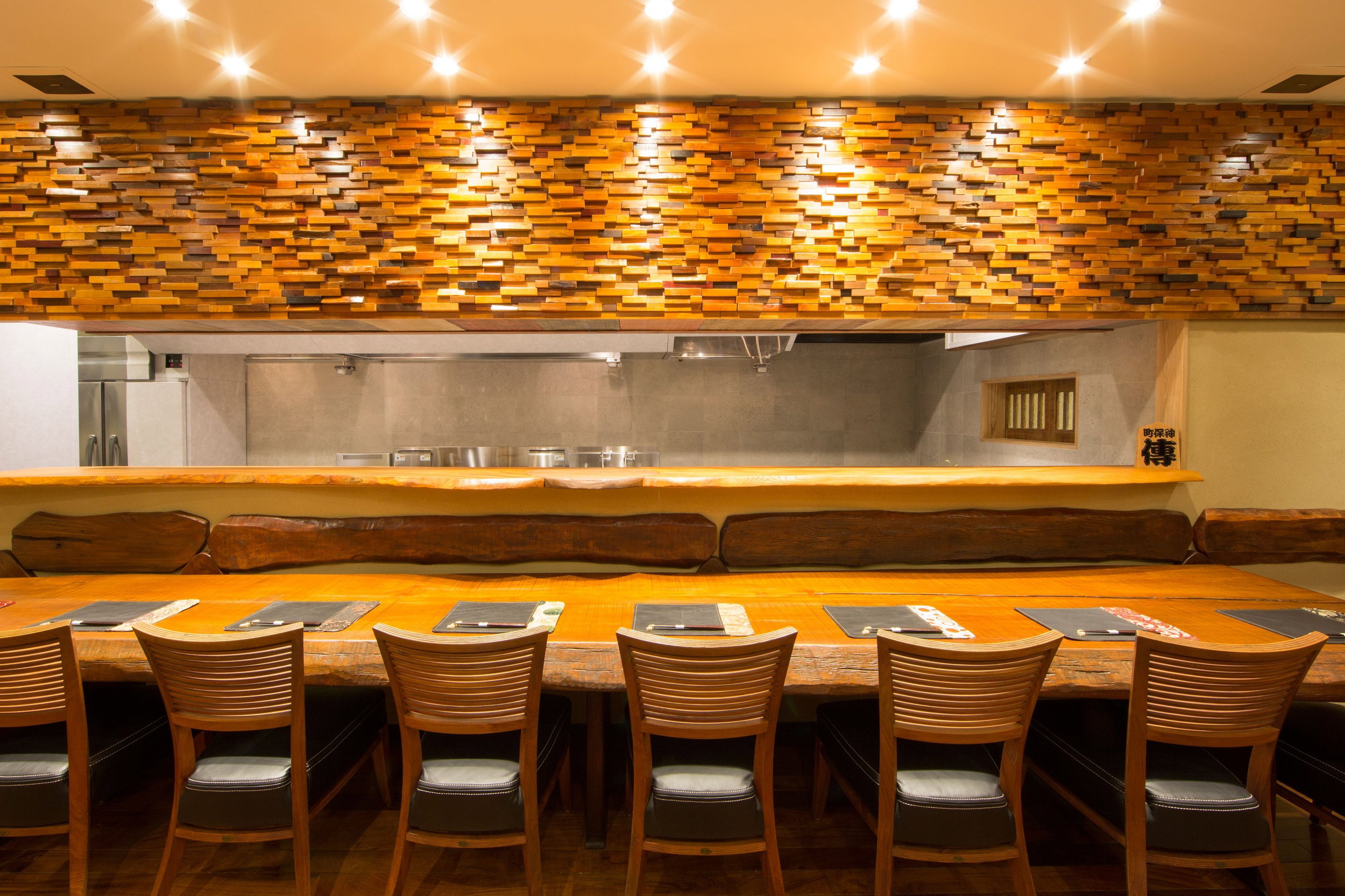
Jushu presents a restrained, classic kaiseki sensibility that prioritizes provenance and technique over theatricality. The room feels intimate and serene, the kind of place where Edo-period Imari and Karatsu vessels matter as much as the food they carry. The restaurant reads like a regional manifesto—rice, Imari beef and Saga yuzu pepper anchor the menu—rather than a chef’s personal show. Service follows a disciplined Osaka-influenced rhythm, so the experience is quietly exacting: subtle, historically minded and narrowly focused on letting exceptional ingredients speak for themselves.
Best For
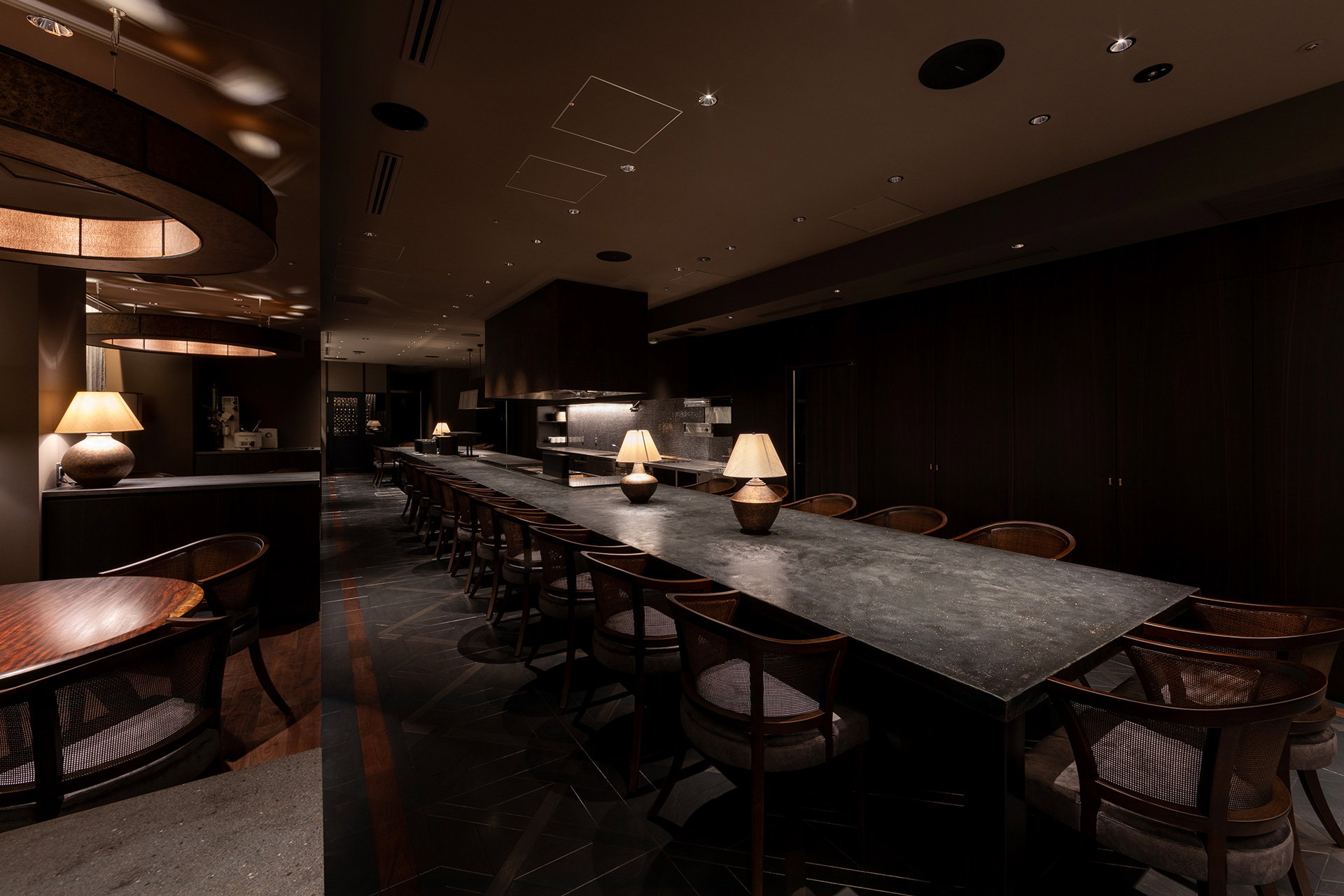
This is a dinner destination for anyone seeking a refined, ingredient-led kaiseki in a low-key Nishiazabu setting. It suits special evenings—date nights, celebrations and business dinners—when you want a composed, formal meal that rewards attention. Counter seating reinforces the focused experience, putting the producer-driven plates and the chef’s pacing at the center of the visit. If you value provenance, quiet conversation and the ritual of sequential courses, Jushu is built for that kind of measured, memorable evening.
Ordering Tips
Expect a carefully paced, multi-course kaiseki at the counter: the kitchen follows an Osaka-style discipline where no next dish appears until the previous one is finished, so plan for an unhurried meal. Lean into the regional program—signature items like Saga beef sirloin cap, seasonal sashimi and charcoal-grilled preparations showcase the restaurant’s sourcing—and trust the sequence the kitchen sets. Because service is formal and counter-led, treat the rhythm as part of the experience and allow each course the attention it’s given.
Venue details
Ambiance
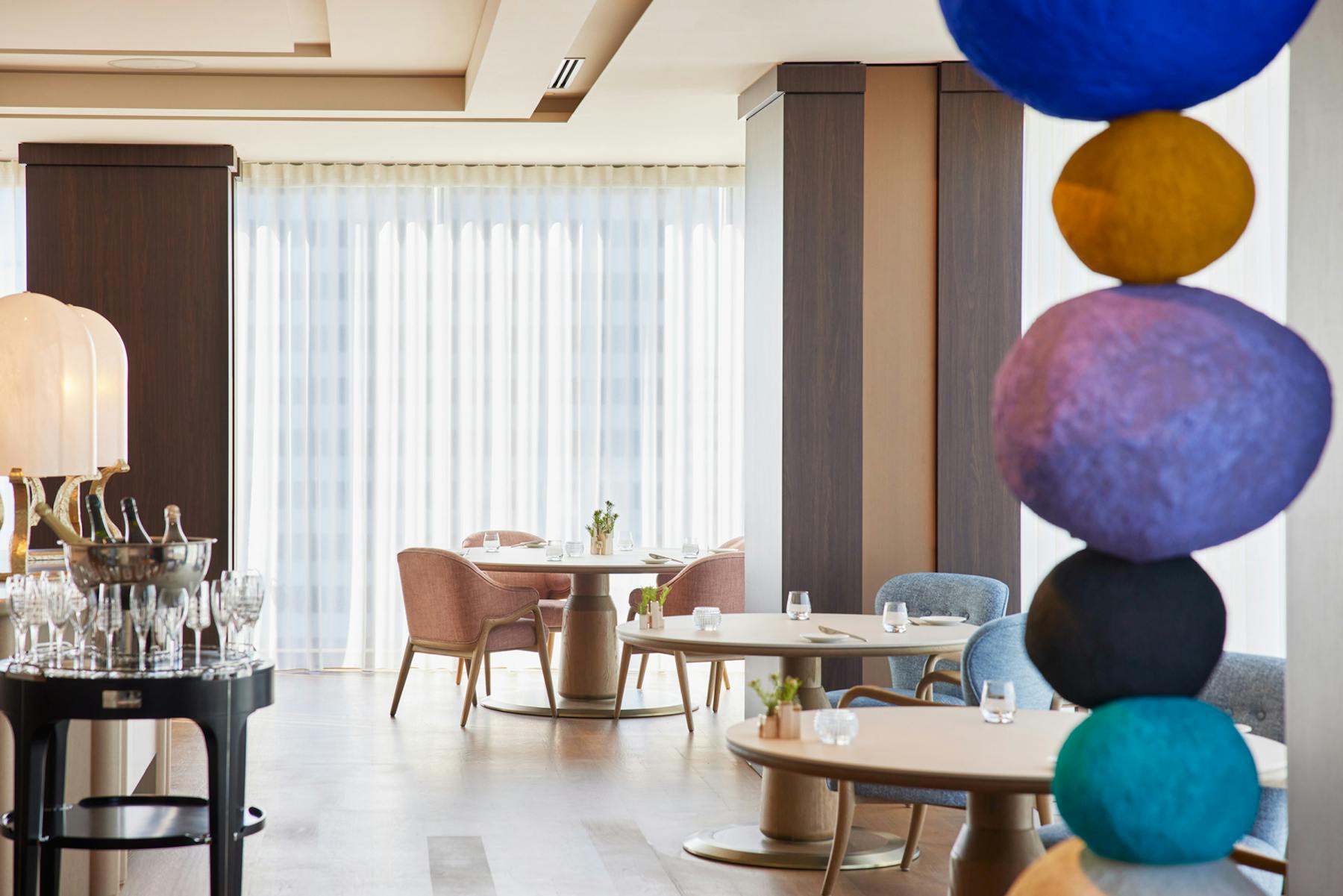
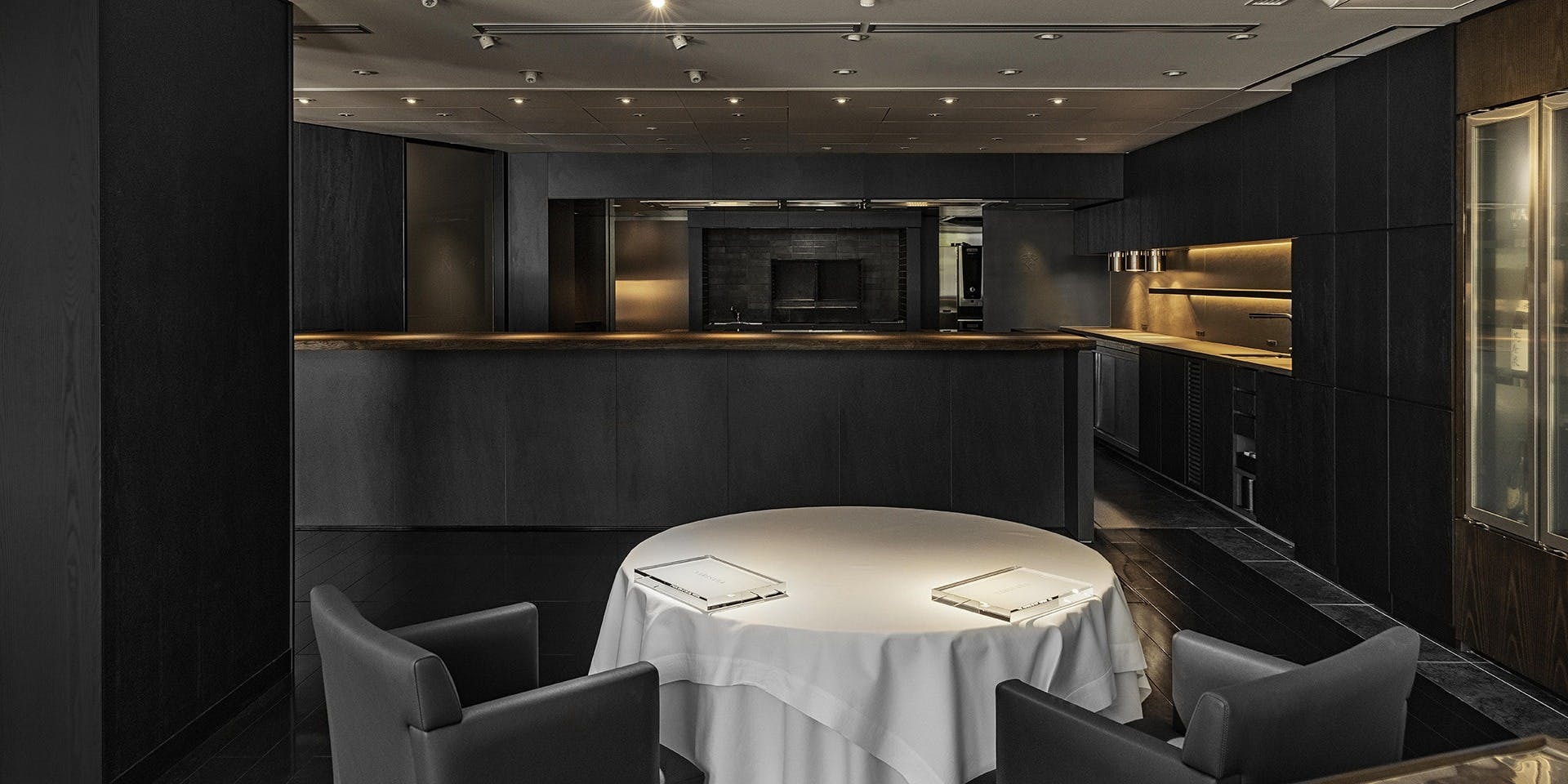
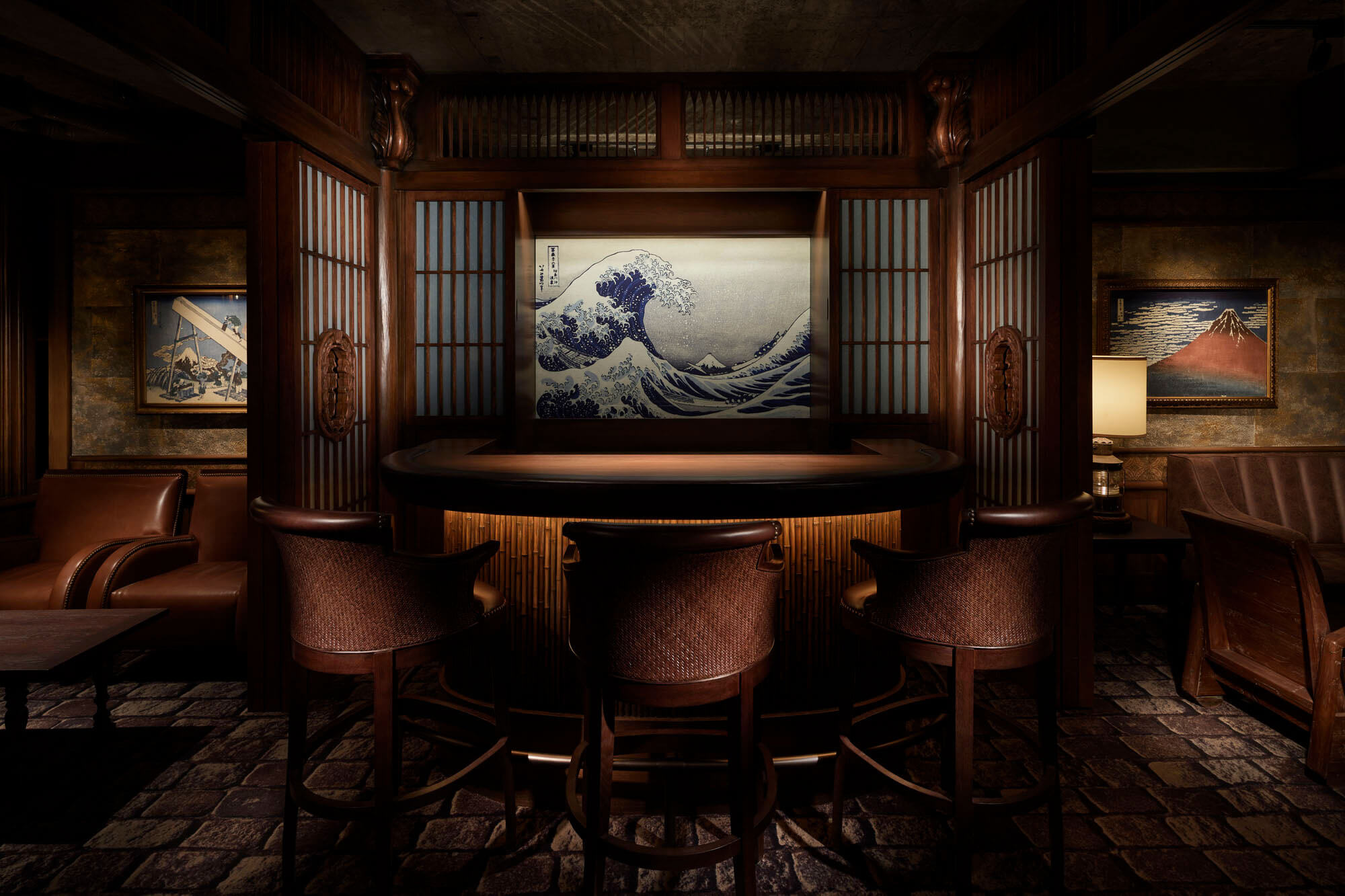
Serene and refined with a blend of traditional sukiya-style design and European-inspired wooden aesthetics; warm, welcoming counter service with engaging chef interaction in a hideaway back-alley location.
Tags
Vibe
Best For
Experience
Sourcing
At the Table
- Dress Code
- Smart Casual
- Noise Level
- Quiet
- Service Style
- Omakase Bar
- Meal Pacing
- Extended Experience
- Capacity
- Intimate
- Kitchen
- Traditional
- Menu Format
- Omakase, Counter dining, Tasting menu
- Wine Program
- Curated
- Drinks Focus
- Sake, Nabeshima varieties
- Dietary
- Allergy accommodating
- Private Dining
- Available
Signature Dishes
- Saga beef sirloin cap
- seasonal sashimi
- charcoal-grilled preparations
Know before you go
Know Before You Go
- Getting there
- Japan, 〒106-0031 Tokyo, Minato City, Nishiazabu, 2 Chome−16−1 斎田ビル 1階
Planning details
Location
Japan, 〒106-0031 Tokyo, Minato City, Nishiazabu, 2 Chome−16−1 斎田ビル 1階 · Directions
Recognition and awards
Also consider
Also Consider
- Harutaka, Sushi, ¥¥¥¥
- RyuGin, Kaiseki, Japanese, ¥¥¥¥
- L'Effervescence, French, ¥¥¥¥
- HOMMAGE, Innovtive French, French, ¥¥¥¥
- Florilège, French, ¥¥¥
Restaurant context
How It Compares
Jushu's most direct point of distinction is price tier. At ¥¥¥, it holds a 2024 Michelin star while most of its Tokyo peers in Japanese fine dining operate at ¥¥¥¥. Azabu Kadowaki and Kagurazaka Ishikawa both sit at the higher tier and deliver more formal, multi-starred kaiseki experiences. If the priority is ceremonial kaiseki at the top of the Tokyo register, those rooms outperform Jushu on depth of service architecture. But if the priority is a Michelin-calibre dinner at a meaningfully lower spend, with a kitchen that has a clear regional identity rather than a generic fine-dining register, Jushu has the better argument.
Against the comparison set's French entries, Florilège at ¥¥¥ is the closest price match and delivers inventive French-Japanese cooking with strong technical credentials. Between the two, the decision comes down to format preference: Florilège for modern French creative cooking, Jushu for a Japanese kitchen that draws directly on a specific regional supply chain. L'Effervescence and HOMMAGE both operate at ¥¥¥¥ and are harder to justify over Jushu unless French cooking is specifically what you are after. Harutaka at ¥¥¥¥ occupies a completely different format, sushi counter omakase, and is the better choice if raw fish precision is your priority over a cooked tasting menu.
For booking difficulty, all five comparison venues are hard to secure, and Jushu joins that tier following its 2024 Michelin recognition. On pure value, quality delivered per yen spent, Jushu currently has an edge over the ¥¥¥¥ field. Book Jushu if you want a regionally specific Japanese dinner with serious credentials and room left in the budget for a good bottle. Book Azabu Kadowaki or RyuGin if kaiseki formality and multi-star pedigree are what the occasion demands.
Explore Tokyo
Around this place
Discover more on Pearl
Unlock the full Jushu guide in Pearl, including awards, comparisons, FAQs, planning details, and nearby places.
Compare Jushu
| Venue | Price | Booking Difficulty | Awards |
|---|---|---|---|
| Jushu | ¥¥¥ | Hard | 2026 Michelin 1 Star2024 Michelin 1 Star |
| Harutaka | ¥¥¥¥ | Unknown | 2026 Tabelog Silver · #312026 OAD Top Restaurants in Japan Ranked · #1282026 Michelin 3 Stars2026 La Liste Top RestaurantsTabelog 100 - Sushi - TOKYO - 2025 · #372025 Asia's 50 Best Restaurants · #762025 OAD Top Restaurants in Japan Ranked · #1172025 La Liste Top Restaurants2025 Tabelog Bronze |
| RyuGin | ¥¥¥¥ | Unknown | 2026 OAD Top Restaurants in Japan Ranked · #802026 Tabelog Bronze · #3772026 Michelin 3 Stars2026 La Liste Top RestaurantsTabelog 100 - Japanese cuisine - TOKYO - 2025 · #212025 OAD Top Restaurants in Japan Ranked · #542025 Michelin 3 Stars2025 La Liste Top Restaurants2025 The Best Chef Three Knives |
| L'Effervescence | ¥¥¥¥ | Unknown | 2026 Tabelog Silver · #682026 OAD Top Restaurants in Japan Ranked · #103Star Wine Lists 20262026 Black Pearl 2 Diamond2026 Relais Chateaux Restaurants2026 La Liste Top Restaurants2026 Michelin 3 Stars2025 Asia's 50 Best Restaurants · #692025 OAD Top Restaurants in Japan Ranked · #92 |
| HOMMAGE | ¥¥¥¥ | Unknown | 2026 Tabelog Bronze · #1232026 OAD Top Restaurants in Japan Highly Recommended2026 Michelin 2 StarsTabelog 100 - French - TOKYO - 2025 · #762025 Asia's 50 Best Restaurants · #782025 OAD Top Restaurants in Japan Ranked · #1752025 Michelin 2 Stars2025 The Best Chef One Knife2025 La Liste Top Restaurants |
| Florilège | ¥¥¥ | Unknown | 2026 Asia's 50 Best Restaurants · #312026 Tabelog Bronze · #712026 OAD Top Restaurants in Japan Ranked · #1242026 Black Pearl 1 Diamond2026 Michelin 2 Stars2026 La Liste Top Restaurants2025 Asia's 50 Best Restaurants · #172025 World's 50 Best Restaurants · #36Tabelog 100 - French - TOKYO - 2025 · #68 |













A quick look at how Jushu measures up.
FAQ
Frequently Asked Questions
What should I wear to Jushu?
Dress conservatively and lean toward neat rather than formal. Jushu's ethos — cooks' whites embroidered with a Saga magpie crest, traditional serving vessels, zero decorative flourish — signals a place that takes its craft seriously. A jacket is not required, but visibly casual dress would feel out of place.
How far ahead should I book Jushu?
Book at least three to four weeks out. A 2024 Michelin star in a quiet Nishiazabu pocket means demand outpaces walk-in availability. Phone and website details are not publicly listed, so approach via reservation platform or enquire directly at the address in Nishiazabu 2-Chome.
Is Jushu worth the price?
Yes, particularly for the neighbourhood. At ¥¥¥, Jushu sits a full price tier below comparable Michelin-starred Japanese restaurants in Nishiazabu, while delivering the same credential. The sourcing — Saga rice, Imari beef, yuzu pepper, mid-Edo-period Imari ware — punches well above the price point.
Is Jushu good for a special occasion?
A good fit if the occasion calls for considered, low-key formality rather than spectacle. Dishes arrive one at a time, eaten before the next is served, and the room strips out decorative vegetation entirely. It is serious and personal, not celebratory in the conventional sense.
What are alternatives to Jushu in Tokyo?
For higher-end Japanese at a steeper price, RyuGin in Roppongi covers similar geography with more ceremony. Harutaka is the comparison to make if omakase sushi is your format rather than a set-meal structure. If you want contemporary French in Tokyo at a similar price tier, Florilège and L'Effervescence are the two clearest options.
Is the tasting menu worth it at Jushu?
Based on the format Jushu uses — grilled items served with rice and soup as in a set meal, each course arriving only after the previous is finished — this is a structured, sequential experience that rewards patience. For that format, the ¥¥¥ pricing is well-placed against Tokyo's Michelin tier.