.png?width=1200&quality=80)
Jimbocho Gokita
Yakitori · Chiyoda, Tokyo
Restaurant in Tokyo, Japan
 Book with Pearl
The Read
Franco-Yakitori Synthesis
Price
¥¥¥
Dress
Smart Casual
Why go
Jimbocho Gokita is a reservation-only yakitori counter in Tokyo's Nishikanda district where chef Yuto Gokita replaces traditional tare with French sauces built from Madeira, red wine, and crustacean reductions. Michelin Plate–recognised in 2024 and 2025, it sits at ¥¥¥ and is easy to book. The right choice for food-focused diners who want to see the yakitori format pushed somewhere unexpected.
About Jimbocho Gokita
Yakitori, but not as you know it
The common assumption about yakitori is that it is a simple format: skewers over charcoal, salt or tare, repeat. Jimbocho Gokita corrects that assumption at the first skewer. Chef Yuto Gokita has built a set-menu yakitori counter around French sauce technique, replacing the conventional dipping sauce with Madeira reductions, red-wine sauces built from chicken bones and calf broth, crustacean preparations, and herb butters that pull the food firmly into Burgundian territory. If you are coming for traditional izakaya-style yakitori, this is the wrong address. If you want to see what happens when yakitori discipline meets classical French kitchen logic, Jimbocho Gokita is one of the most singular counters in Tokyo right now.
The space
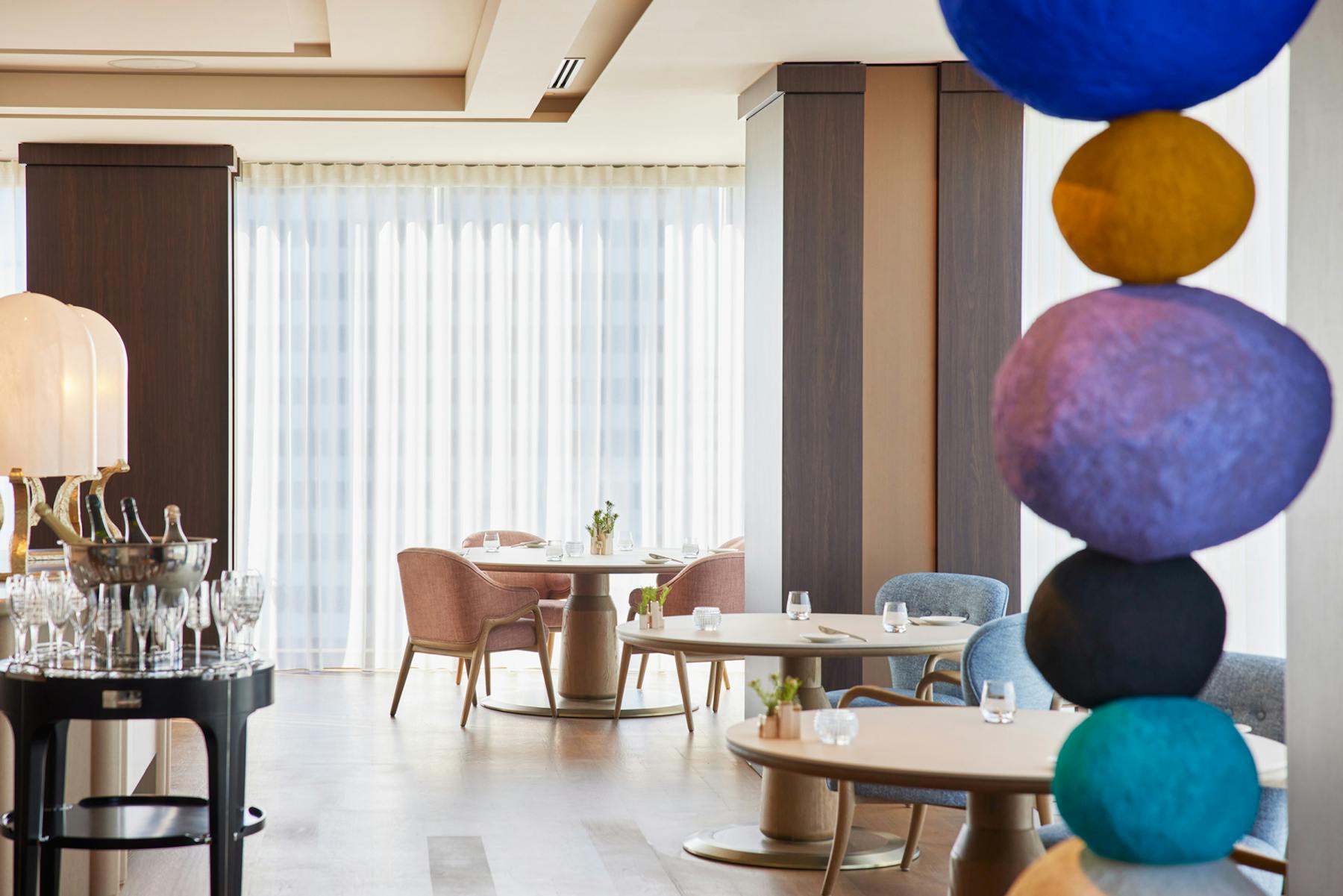
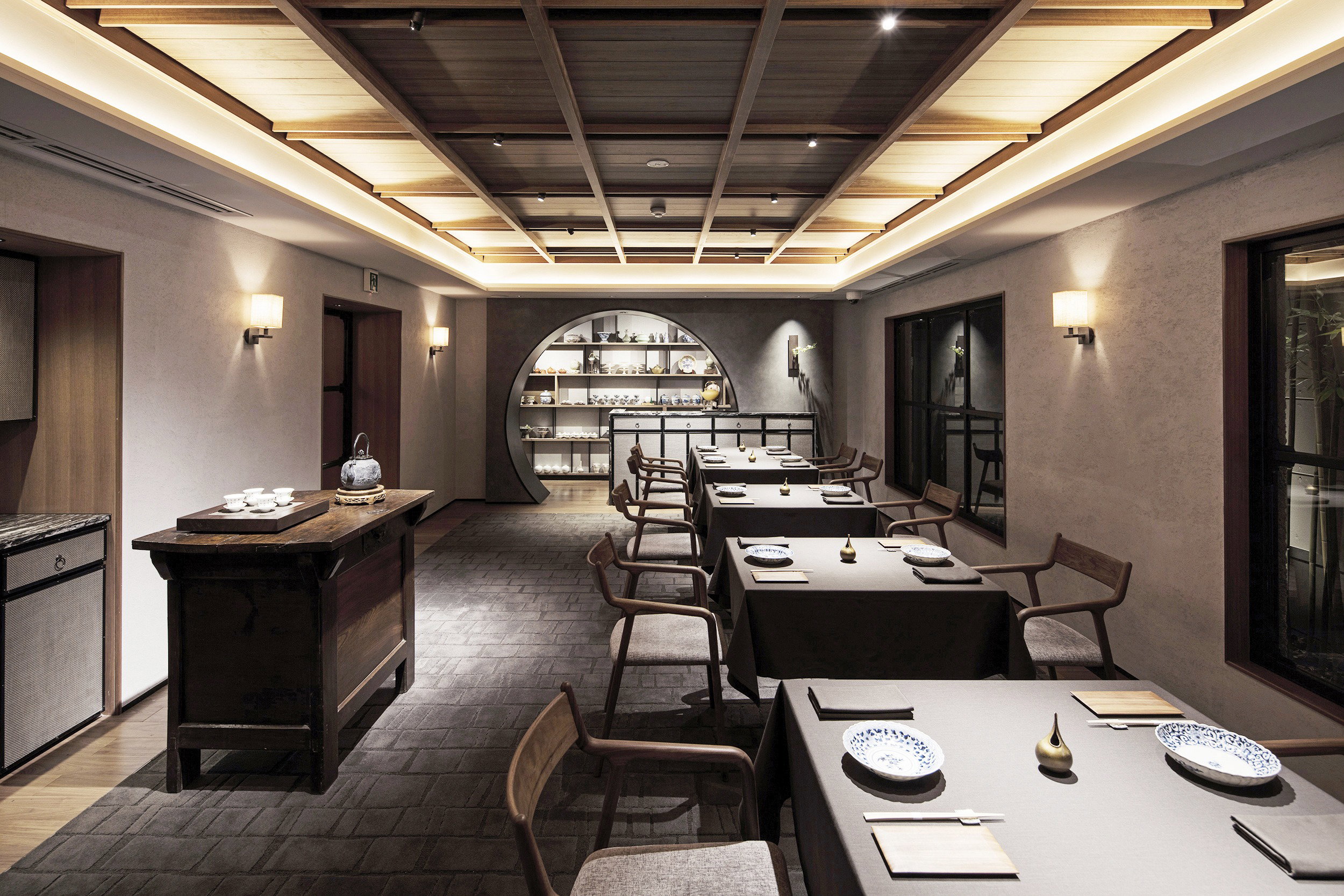
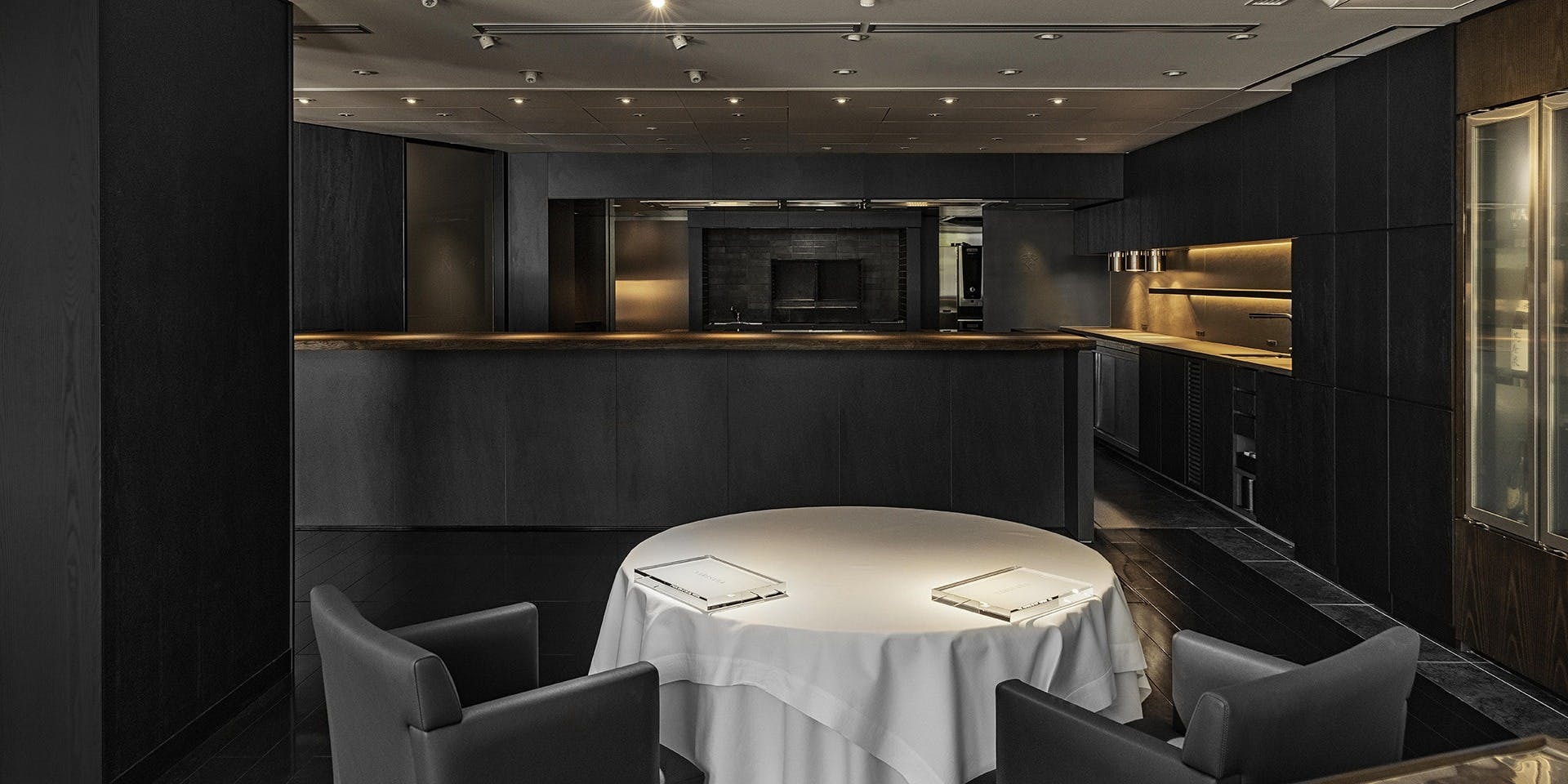
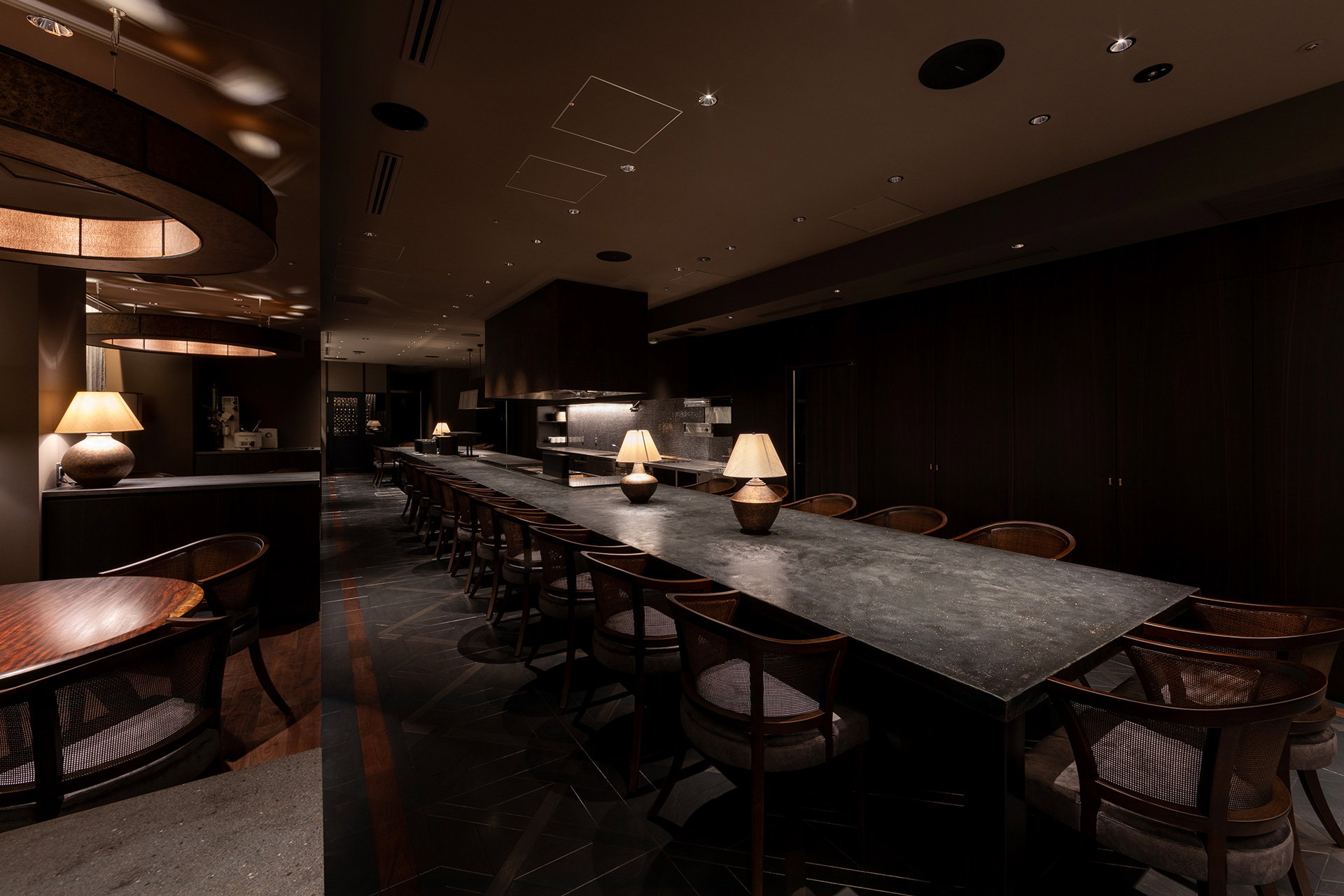
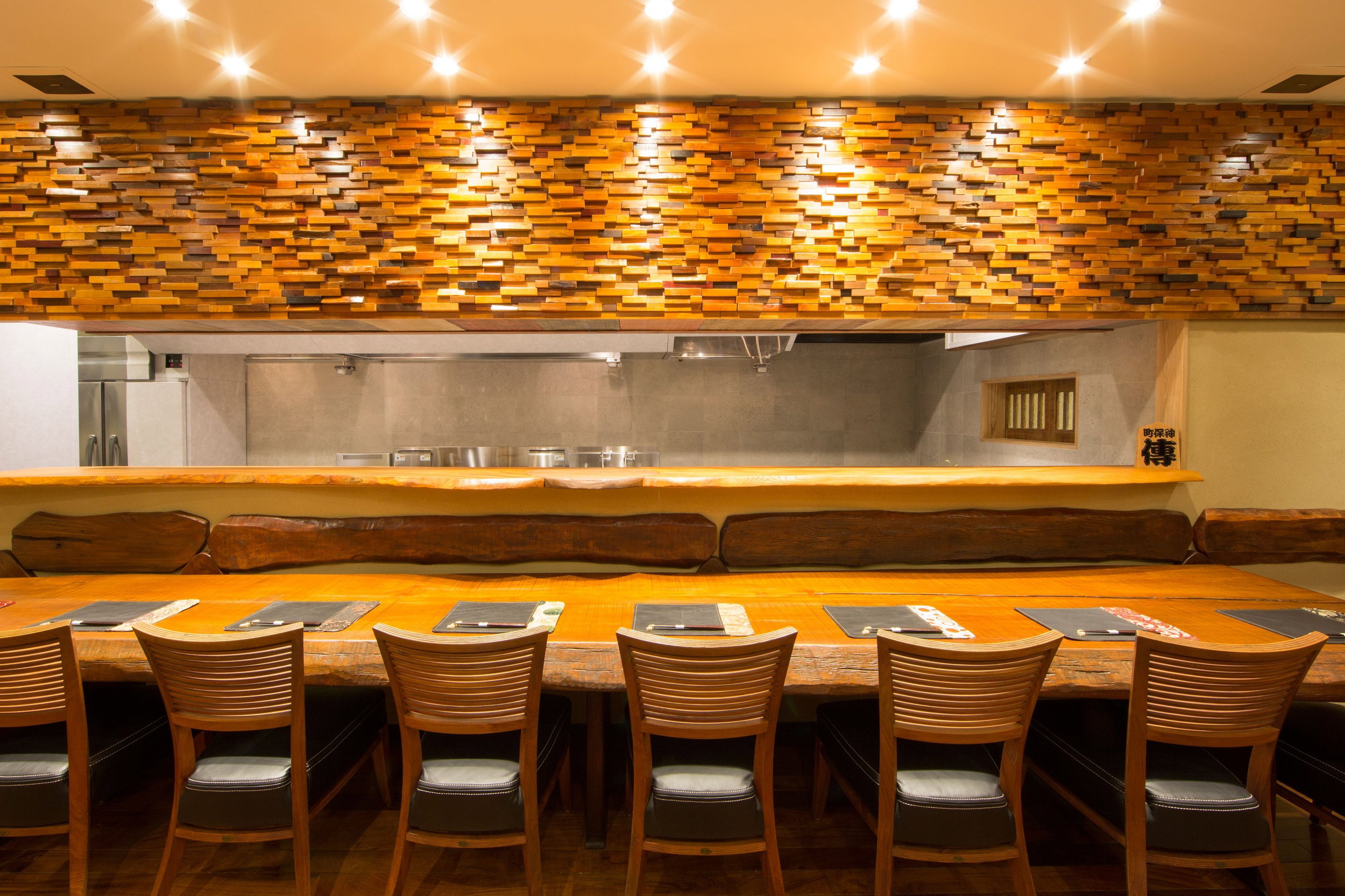
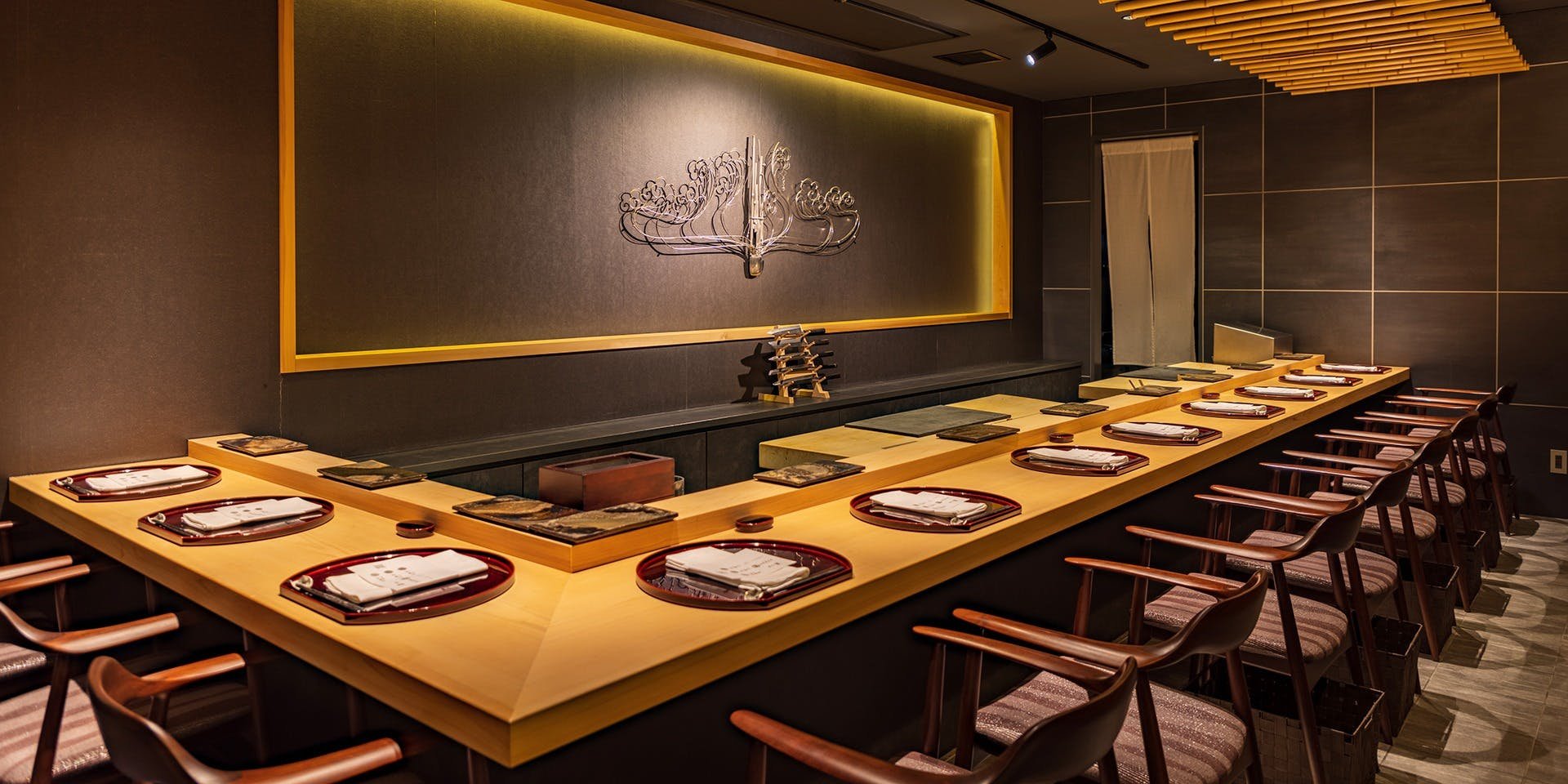
Jimbocho Gokita sits on the ground floor of a low-rise building in Nishikanda, Chiyoda — a neighbourhood better known for its secondhand bookshops than its restaurant scene. The address itself is part of the experience: there is no prestige postcode to lean on, no design spectacle to photograph. What you get instead is the kind of quiet, counter-focused intimacy that forces the food to carry the room. The format is deliberately close: a compact space where the distance between the grill and the plate is measured in seconds, and where you can watch the sauce work being done. For food-focused diners, that proximity is the point. For anyone expecting a performative dining room, it will feel understated to the point of austerity.
What you are actually eating
The set menu is the only way to experience Gokita at full range, and reservations are required. Dishes confirmed from venue data include skewers of chicken breast and shrimp finished in crustacean sauces, chicken meatball skewers with herb butter carrying a clear Bourgogne accent, and wood-grilled pigeon, which is the kind of protein that signals ambition in any format. The French sauce architecture is not a novelty layer applied to familiar skewers — it is the structural logic of the cooking. Madeira and red-wine reductions made from chicken bones and calf broth take real kitchen time and represent a service-side commitment that the ¥¥¥ price point reflects. You are paying for technique, not just ingredients.
Does the service philosophy earn the price?
At ¥¥¥, Jimbocho Gokita sits below the ¥¥¥¥ tier occupied by Tokyo's headline omakase and kaiseki counters, but it is not casual dining. The question worth asking is whether the service model delivers value proportionate to the spend. The evidence points to yes, with caveats. The Michelin Plate recognition in both 2024 and 2025 confirms that the kitchen is operating at a level the guide considers worth noting, not a star, but a signal of consistent quality. Where the service philosophy earns its price is in the attention embedded in the cooking itself: sauces made from scratch, proteins selected for the format (pigeon is not an accident), and a set menu structure that prevents the experience from being diluted by off-menu ordering. What it does not offer is the white-glove service depth of Tokyo's top-tier French rooms. If you are spending for service theatre, look elsewhere. If you are spending for cooking precision in an intimate setting, the value equation works.
When to go
Jimbocho Gokita operates a reservation-required set menu, which means timing is driven by booking availability rather than day-of-week strategy. As a smaller counter in a low-profile neighbourhood, it is not subject to the same multi-month lead times as Tokyo's most competitive omakase or kaiseki rooms. Booking difficulty is rated Easy by Pearl, which means planning a week or two ahead should be sufficient for most dates. Evening is the natural format for a set-menu counter of this style, the cooking and sauce work benefit from being eaten at a seated pace, not rushed. If you are combining this with Tokyo's broader restaurant circuit, Jimbocho and the surrounding Kanda area offer a lower-pressure alternative to the Roppongi and Ginza booking scrum. See our full Tokyo restaurants guide for wider context on planning your visit.
How it sits in the Tokyo yakitori field
Tokyo has a serious yakitori tradition, and Gokita is not competing on the same terms as its peers. BIRD LAND in Ginza is the reference point for premium yakitori in the classical mode, with Michelin recognition and a more conventional execution. Yakitori Omino and Asagaya BIRD LAND offer different registers of the format. 124. KAGURAZAKA and Aramaki round out the Tokyo field for diners who want to compare across the yakitori spectrum. Gokita is the counter to choose if the French sauce dimension is the draw. It is not a replacement for a classical yakitori experience, it is a parallel argument for what the format can do when the kitchen has a different set of references. For yakitori outside Tokyo, Torisaki in Kyoto and Torisho Ishii in Osaka are the comparisons worth considering. For the broader Japan dining picture, HAJIME in Osaka, Gion Sasaki in Kyoto, akordu in Nara, Goh in Fukuoka, 1000 in Yokohama, and 6 in Okinawa give a sense of the country's range.
Practical details
Located at 2 Chome-4-9 Nishikanda, Chiyoda City, Tokyo (second floor of the Dainishikinsuiビル, ground floor). Price range: ¥¥¥. Reservations required for the set menu. Booking difficulty: Easy. No website or phone number available in current data, search the venue name directly or use a reservation platform to confirm booking. For hotels near Jimbocho, see our Tokyo hotels guide. For bars and further dining, see our Tokyo bars guide, wineries guide, and experiences guide.
Quick reference: ¥¥¥ set menu, reservations required, Michelin Plate 2024–2025, Nishikanda/Jimbocho, easy to book.
Planning details
- Location
- Japan, 〒101-0065 Tokyo, Chiyoda City, Nishikanda, 2 Chome−4−9 第二錦水ビル 1階
- Website
- jinbocho-gokita.com
- Phone
- +81 3-6272-4365
The take
The Take
The Vibe
Jimbocho Gokita reads like its neighbourhood: deliberate, pared-back and quietly assured. The room favours the counter format and a focused sequence of grilled-bird cooking, so the energy is concentrated rather than boisterous. The kitchen’s subtle intervention—importing a French sauce vocabulary into yakitori traditions—keeps the experience refined and quietly distinctive. Dining here feels like a specific argument for one way of eating: considered, precise and inward-facing. The overall tone is intimate and sophisticated, favouring restraint and craft over spectacle.
Best For
Gokita is best for deliberate evening visits—date nights, business dinners and other small special occasions where the meal is the point. It sits toward the set-menu, chef-led end of the yakitori spectrum, so guests who want a focused sequence of skewers and thoughtful sauces will get the most from the experience. The counter orientation makes it particularly suited to attentive, reservation-led dinners rather than casual drop-ins.
Ordering Tips
Treat the meal as a composed yakitori tasting: lean into the set-menu approach common to the venue’s counter-style service and sample the kitchen’s signature skewers—the wood-grilled pigeon, the chicken-breast skewers and the tsukune finished with herb butter. Expect a fusion of yakitori technique and a French-sauce sensibility; that interplay is the restaurant’s defining gesture. Given the neighbourhood’s prevalence of reservation-only counters and Gokita’s alignment with that format, book ahead where possible.
Venue details
Ambiance
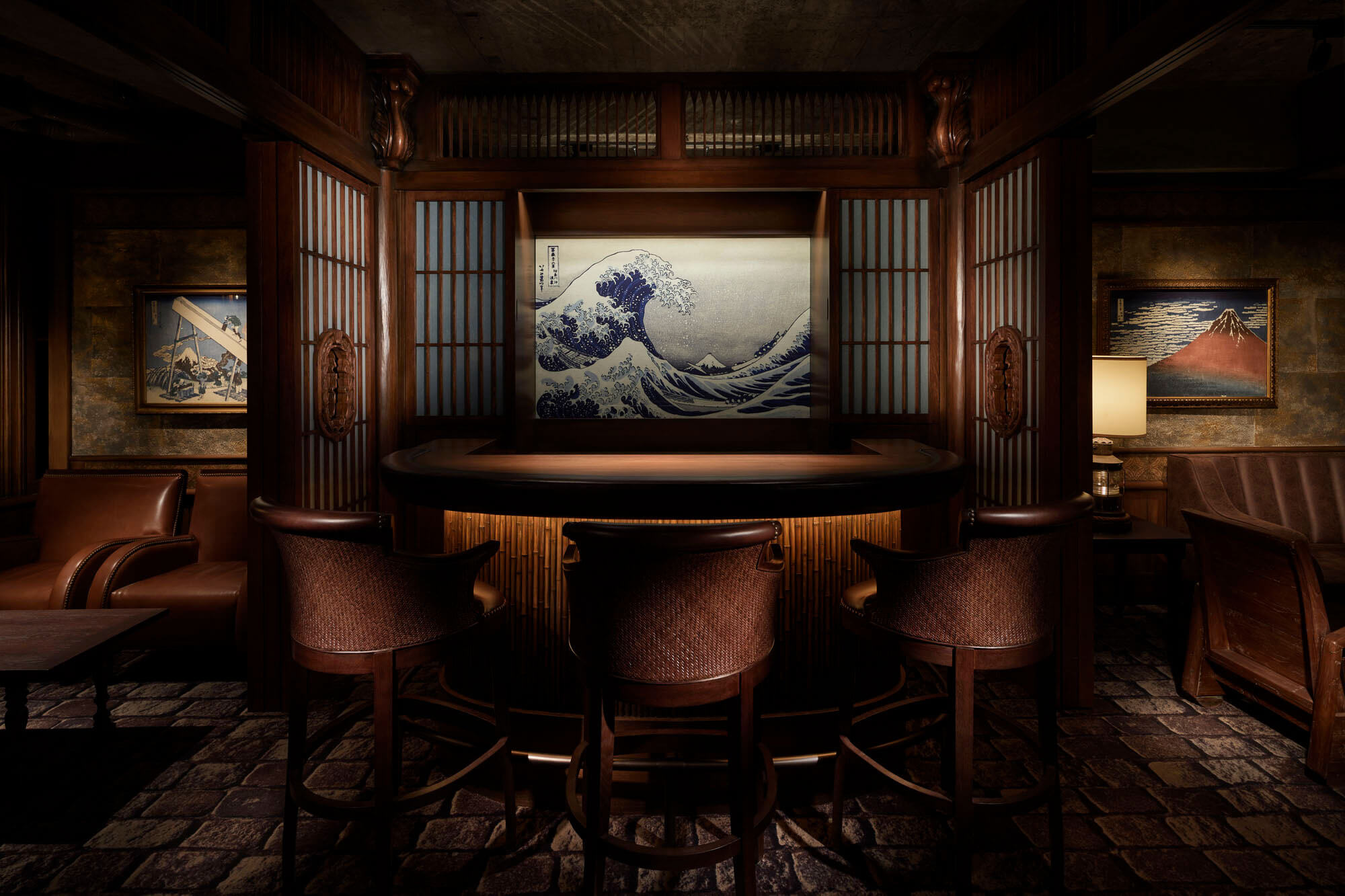
Minimalist counter with warm wooden interior and binchotan glow, creating a calm, elegant, and cozy atmosphere.
Tags
Vibe
Best For
Experience
Sourcing
At the Table
- Dress Code
- Smart Casual
- Noise Level
- Quiet
- Service Style
- Upscale Casual
- Meal Pacing
- Leisurely
- Capacity
- Intimate
Signature Dishes
- wood-grilled_pigeon
- chicken_breast_skewers
- tsukune_with_herb_butter
Know before you go
Know Before You Go
- Getting there
- Japan, 〒101-0065 Tokyo, Chiyoda City, Nishikanda, 2 Chome−4−9 第二錦水ビル 1階
Planning details
Location
Japan, 〒101-0065 Tokyo, Chiyoda City, Nishikanda, 2 Chome−4−9 第二錦水ビル 1階 · Directions
Recognition and awards
Also consider
Also Consider
- Harutaka, Sushi, ¥¥¥¥
- RyuGin, Kaiseki, Japanese, ¥¥¥¥
- L'Effervescence, French, ¥¥¥¥
- HOMMAGE, Innovtive French, French, ¥¥¥¥
- Florilège, French, ¥¥¥
Restaurant context
Jimbocho Gokita sits at ¥¥¥ in a category where most of Tokyo's critical conversation happens at ¥¥¥¥. That price gap matters for decision-making. RyuGin and L'Effervescence both operate at ¥¥¥¥ and offer more service depth and room prestige, but neither is doing what Gokita does with yakitori and French sauce construction. If the concept itself is what draws you, Gokita is not competing with those rooms; it is doing something they are not. For the price, it is the more accessible bet.
HOMMAGE and Florilège are the two Tokyo addresses most relevant for diners interested in French technique applied to Japanese ingredients and context. Florilège at ¥¥¥ is the closest price peer; HOMMAGE at ¥¥¥¥ is a step up in formality and spend. Both are fully French in format, where Gokita is rooted in yakitori. If you want French cooking in a French-restaurant structure, go to Florilège or HOMMAGE. If you want yakitori with French sauce logic in a counter setting, Gokita is the specific answer. Harutaka at ¥¥¥¥ is the comparison for serious counter dining in Tokyo, but the cuisine and format are entirely different, sushi omakase versus yakitori set menu. The overlap is only in the counter intimacy and the calibre of focus.
On booking difficulty, Gokita has a clear advantage over most of its ¥¥¥¥ peers. Harutaka, RyuGin, and L'Effervescence all require significant lead time and can be difficult to secure for international visitors. Gokita is rated Easy by Pearl, which makes it a practical first-choice option if you are planning a Tokyo dining itinerary and want a high-quality, concept-driven meal without the booking stress. For the money and the availability, it is one of the stronger value propositions in Tokyo's serious dining circuit right now.
Explore Tokyo
Around this place
Discover more on Pearl
Unlock the full Jimbocho Gokita guide in Pearl, including awards, comparisons, FAQs, planning details, and nearby places.
Compare Jimbocho Gokita
| Venue | Price | Awards |
|---|---|---|
| Jimbocho Gokita | ¥¥¥ | 2026 Michelin Plate2025 Michelin Plate2024 Michelin Plate |
| Harutaka | ¥¥¥¥ | 2026 Tabelog Silver · #312026 OAD Top Restaurants in Japan Ranked · #1282026 Michelin 3 Stars2026 La Liste Top RestaurantsTabelog 100 - Sushi - TOKYO - 2025 · #372025 Asia's 50 Best Restaurants · #762025 OAD Top Restaurants in Japan Ranked · #1172025 La Liste Top Restaurants2025 Tabelog Bronze |
| RyuGin | ¥¥¥¥ | 2026 OAD Top Restaurants in Japan Ranked · #802026 Tabelog Bronze · #3772026 Michelin 3 Stars2026 La Liste Top RestaurantsTabelog 100 - Japanese cuisine - TOKYO - 2025 · #212025 OAD Top Restaurants in Japan Ranked · #542025 Michelin 3 Stars2025 La Liste Top Restaurants2025 The Best Chef Three Knives |
| L'Effervescence | ¥¥¥¥ | 2026 Tabelog Silver · #682026 OAD Top Restaurants in Japan Ranked · #103Star Wine Lists 20262026 Black Pearl 2 Diamond2026 Relais Chateaux Restaurants2026 La Liste Top Restaurants2026 Michelin 3 Stars2025 Asia's 50 Best Restaurants · #692025 OAD Top Restaurants in Japan Ranked · #92 |
| HOMMAGE | ¥¥¥¥ | 2026 Tabelog Bronze · #1232026 OAD Top Restaurants in Japan Highly Recommended2026 Michelin 2 StarsTabelog 100 - French - TOKYO - 2025 · #762025 Asia's 50 Best Restaurants · #782025 OAD Top Restaurants in Japan Ranked · #1752025 Michelin 2 Stars2025 The Best Chef One Knife2025 La Liste Top Restaurants |
| Florilège | ¥¥¥ | 2026 Asia's 50 Best Restaurants · #312026 Tabelog Bronze · #712026 OAD Top Restaurants in Japan Ranked · #1242026 Black Pearl 1 Diamond2026 Michelin 2 Stars2026 La Liste Top Restaurants2025 Asia's 50 Best Restaurants · #172025 World's 50 Best Restaurants · #36Tabelog 100 - French - TOKYO - 2025 · #68 |













What to weigh when choosing between Jimbocho Gokita and alternatives.
FAQ
Frequently Asked Questions
What should I wear to Jimbocho Gokita?
Dress neat but not formally. At ¥¥¥ with a Michelin Plate and a set-menu-only format, the room expects more than street clothes, but Jimbocho Gokita is not a jacket-required kaiseki counter. Think tidy smart casual: clean trousers, a collared shirt or equivalent. The Nishikanda location, a neighbourhood known more for bookshops than fine dining, keeps the overall register grounded.
Is the tasting menu worth it at Jimbocho Gokita?
Yes, if you are coming specifically for the concept. The set menu is the only format available, and it is what makes Gokita distinct: chicken breast and shrimp skewers with crustacean sauces, meatballs with herb butter, and wood-grilled pigeon with French-style reductions made from chicken bones and calf broth. This is not a menu you can replicate by ordering à la carte elsewhere. At ¥¥¥, it sits below Tokyo's top-tier omakase pricing, which makes the value case reasonable for the ambition on the plate.
Is Jimbocho Gokita worth the price?
At ¥¥¥, Jimbocho Gokita occupies the mid-to-upper tier: more expensive than a neighbourhood yakitori bar, cheaper than Tokyo's headline kaiseki and omakase counters. Two consecutive Michelin Plates (2024, 2025) confirm it is performing at a level that justifies the price, but the format is specific. If you want classic tare-or-salt yakitori, you will find better value elsewhere. If you want to eat yakitori through a French sauce lens with pigeon on the menu, the price is fair for what you get.
Is Jimbocho Gokita good for solo dining?
Yes. A reservation-required set menu counter in Tokyo is one of the formats most suited to solo diners — you are eating a single shared progression rather than building your own meal from parts. The ¥¥¥ price point is easier to absorb solo when the format is fixed rather than open-ended. Book in advance; walk-ins are not a reliable option.