
Chuan Ya
Sichuan · Xicun, Taipei
Restaurant in Taipei, Taiwan
 Book with Pearl
The Read
Imperial Sichuan Elevation
Price
$$$
Chef
Wang Kuo-cheng (王國政)
Dress
Smart Casual
Why go
A Michelin Plate-recognised Sichuan tasting menu on the 46th floor of Breeze Nanshan, with views of Taipei 101 and a $$$ price point that sits below most of Taipei's comparable fine dining. Three set menus cover the full range of Sichuan cooking styles, from home cooking to imperial-era recipes. Book for lunch if it's your first visit; the room earns its setting in daylight.
About Chuan Ya
Chuan Ya, Taipei; Pearl Verdict
If you have already been to Chuan Ya once, the question on a return visit is simple: has anything changed enough to justify coming back? The short answer is yes. The kitchen continues to refine its three-set-menu architecture, the Michelin Plate recognition it has carried through both 2024 and 2025 confirms that the standard is being held, not coasted on. For a food-focused traveller who wants to understand what Sichuan cuisine looks like when it is taken seriously outside mainland China, this is the most coherent argument for that category currently operating in Taipei.
What Chuan Ya Actually Is
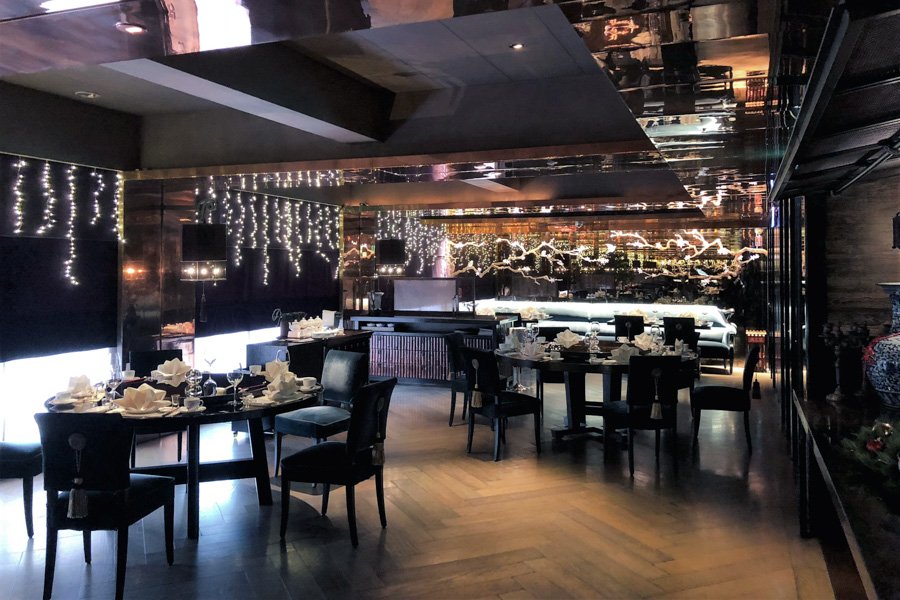
Chuan Ya sits on the 46th floor of the Breeze Nanshan building in Xinyi District, which means you are eating Sichuan food with Taipei 101 in your eyeline. That physical fact matters practically: the room is formal, the light is good during lunch service, the setting will suit a special occasion without requiring any explanation to your guest. The address is Songzhi Road 17, Xinyi District, the building is well-serviced by the MRT Xinyi Anhe or Taipei 101/World Trade Centre stations.
The kitchen operates on a tasting menu framework, offering three fixed set menus alongside the option to build your own course selection. This is an important structural detail for the explorer-type diner: the menus are not interchangeable. According to Michelin's own documentation of the venue, the sets are designed to cover distinct registers of Sichuan cooking, from home-style preparations through to ancient recipes that were historically associated with imperial officials. That range is not a marketing claim; it reflects a genuine curatorial decision about how Sichuan cuisine should be presented. If you are already familiar with the heat-forward, numbing-spice version of Sichuan that dominates most restaurants in this category, Chuan Ya's approach will read as a deliberate correction of that reduction.
The signature dishes noted by Michelin, cabbage in consommé and snowflake chicken with lobster, are described as subtle and delicate, which signals the kitchen's intent. These are not the dishes you would build around if you were optimising for spectacle or Instagram heat. They reward attention rather than surprise. For a diner who has worked through the obvious Sichuan canon, that restraint is precisely the argument for booking.
Tasting Menu Architecture
Three-set structure is the core decision point before you arrive. Choosing between the fixed menus or composing your own is not a trivial choice. If this is your first visit, one of the pre-composed menus gives the kitchen a better chance to show you the progression it has designed: the movement from delicate to more assertive flavour profiles across a full service is where the kitchen's skill is most legible. On a return visit, building your own selection makes more sense, you will know which register interests you most and can weight the meal accordingly.
Dining room runs two services daily across all seven days: lunch from 12 PM to 2:30 PM and dinner from 6 PM to 9:30 PM. At the $$$ price tier, Chuan Ya is positioned below the $$$$ bracket that covers most of Taipei's Michelin-recognised fine dining, including logy, Le Palais, and Taïrroir. That pricing differential is one of the more practical reasons to book here: you are getting a Michelin-recognised tasting menu experience at a price point that sits meaningfully below the city's top tier.
Booking and Logistics
Booking difficulty is rated moderate. This is not a counter with six seats that sells out three months in advance, but it is also not a restaurant where you can walk in without a plan. For dinner on a Friday or Saturday, allow at least two to three weeks. Lunch is generally more accessible and, given the floor-to-ceiling views of the city, is arguably the stronger service for first-time visitors who want to take in the room properly. The restaurant does not publish a phone number or website in Pearl's current data, so reservations should be approached through the Breeze Nanshan building's dining concierge or through whichever booking platform covers the venue at the time of your visit.
For context on how Chuan Ya fits into Taipei's broader dining scene, our full Taipei restaurants guide covers the complete range of options. If you are building a longer itinerary, our Taipei hotels guide, Taipei bars guide, and Taipei experiences guide cover the surrounding decisions.
Sichuan Cuisine in Taiwan, Why It Matters Here
Taiwan has a long and well-documented relationship with Sichuan cuisine, shaped by the migration patterns following 1949. That history means Taipei has a deeper bench of serious Sichuan cooking than most cities outside Sichuan province itself. Chuan Ya is at the refined end of that tradition, but it is worth noting that if you are in mainland China, the reference points shift: Yu Zhi Lan in Chengdu and Fang Xiang Jing in Chengdu represent the source-location standard. Chuan Ya is not trying to replicate that, it is doing something more specific to Taipei's own culinary positioning.
If your Taiwan trip extends beyond Taipei, JL Studio in Taichung and GEN in Kaohsiung are the reference points for serious dining in the island's other major cities. For something completely different in register, A Cun Beef Soup in Tainan is the practical counterargument to everything Chuan Ya represents, worth the trip in its own right.
Pearl's Take
Book Chuan Ya if you want a Michelin-recognised tasting menu that takes Sichuan cuisine as a serious subject rather than a delivery mechanism for heat and spice. The $$$ price point makes it more accessible than most of Taipei's comparable fine dining options, the 46th-floor room is genuinely impressive at lunch, the three-set architecture gives you real choices about how to engage with the meal. A second visit justifies itself if you want to use the build-your-own option with the benefit of knowing the kitchen's range. It is not the right booking if you want a looser, more casual Sichuan experience, for that, Taipei's street-level options serve the purpose better and at a fraction of the cost. Also consider Gi Yuan and L'Atelier de Joël Robuchon Taipei if you are weighing Chuan Ya against other formal options in the Xinyi area.
Planning details
- Hours
- Monday: 12 PM-2:30 PM 6 PM-9:30 PM · Tuesday: 12 PM-2:30 PM 6 PM-9:30 PM
- Location
- 110, Taiwan, Taipei City, Xinyi District, Songzhi Rd, 17號微風南山46樓
- Website
- chuan-ya.com
- Phone
- +886 2 2722 0303
The take
The Take
The Vibe
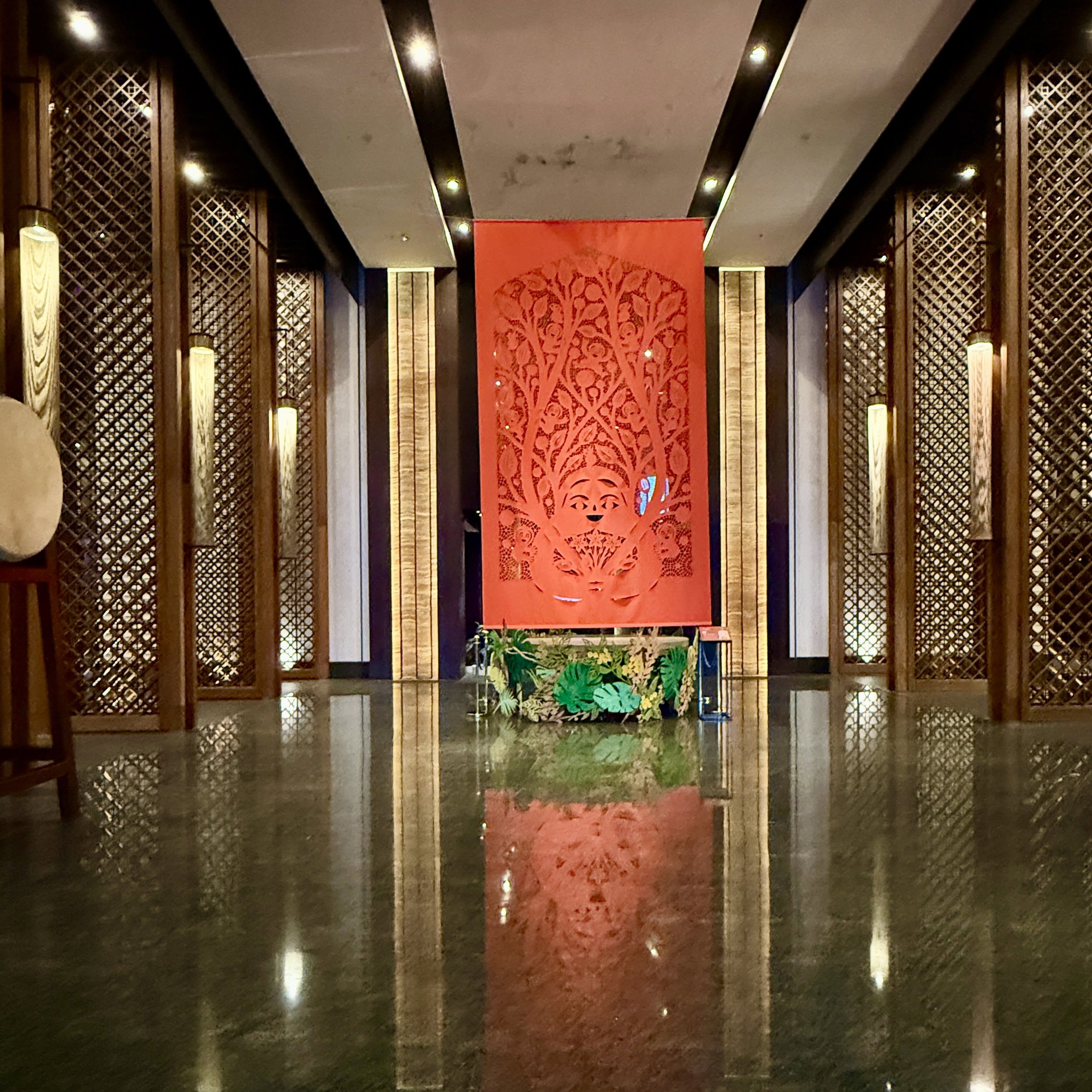
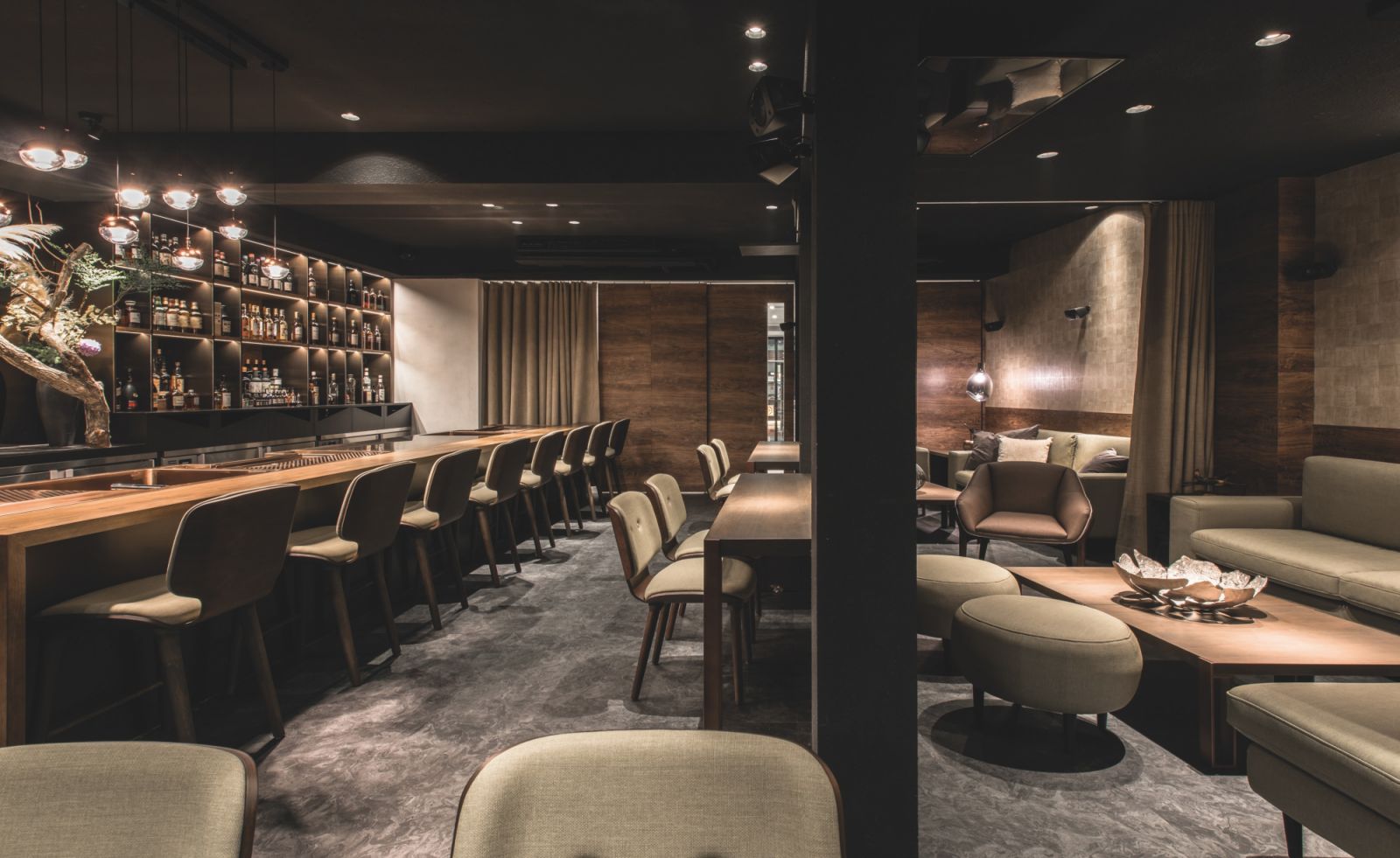
Chuan Ya presents Sichuan cooking inside a pristine, high-altitude dining room where the city is part of the mise-en-scène. At 46 floors up in the Breeze Nanshan tower the floor-to-floor framing of Taipei 101 is a constant: views are not incidental but foundational to the room’s personality. The kitchen approaches regional cuisine as a formal discipline, and Michelin commentary underscores that polished intent. The result is a composed, memorable dining atmosphere that balances technical, disciplined cooking with a dramatic urban outlook—an elevated Taipei experience where setting and precision cuisine share top billing.
Best For
This is a restaurant built for occasions that demand both a view and a serious kitchen. The copy explicitly places Chuan Ya on Xinyi’s 'special-occasion circuit' and notes it as a clear option when the event calls for an elevated room without the highest-tier price. That makes it ideal for anniversary dinners, business meals where impression matters and celebratory evenings with friends or family. With set menus and Michelin recognition, it skews toward dinner service and moments that prioritize atmosphere, formality and culinary breadth over casual drop-in dining.
Ordering Tips
Chuan Ya emphasizes structured tasting formats: the kitchen offers three set menus that 'traverse the breadth' of Sichuan—from homestyle registers to dishes inspired by imperial banquets. For a full picture of the restaurant’s argument, opt for one of the set menus so you sample the progression and theatricality the kitchen intends. Be sure to include signature items cited in the notes: Cabbage in Consommé, Snowflake Chicken with Lobster and Golden Sour Soup with Crab Meat—these dishes illustrate the restaurant’s balance of refinement and regional flavor.
Venue details
Ambiance
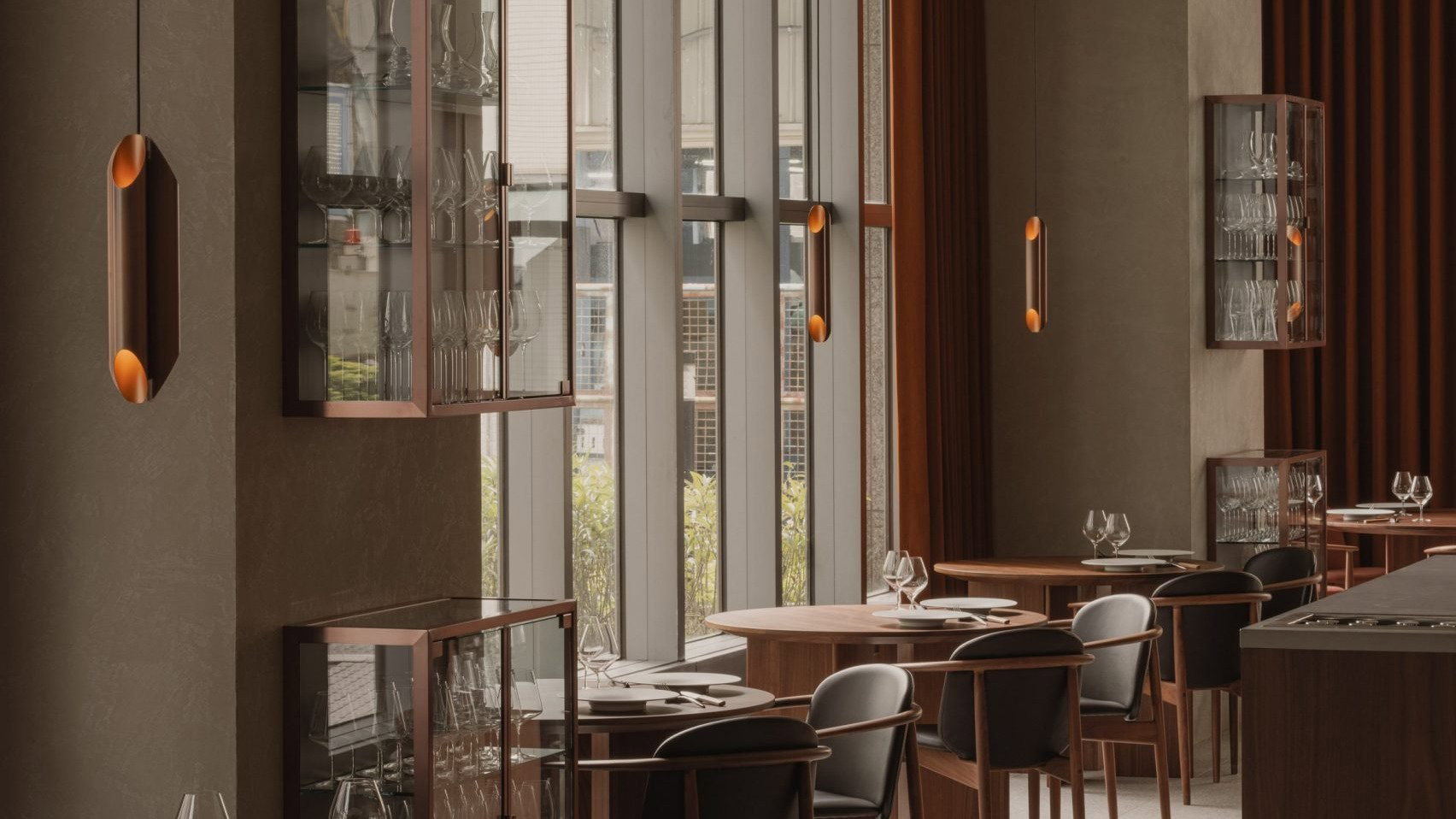
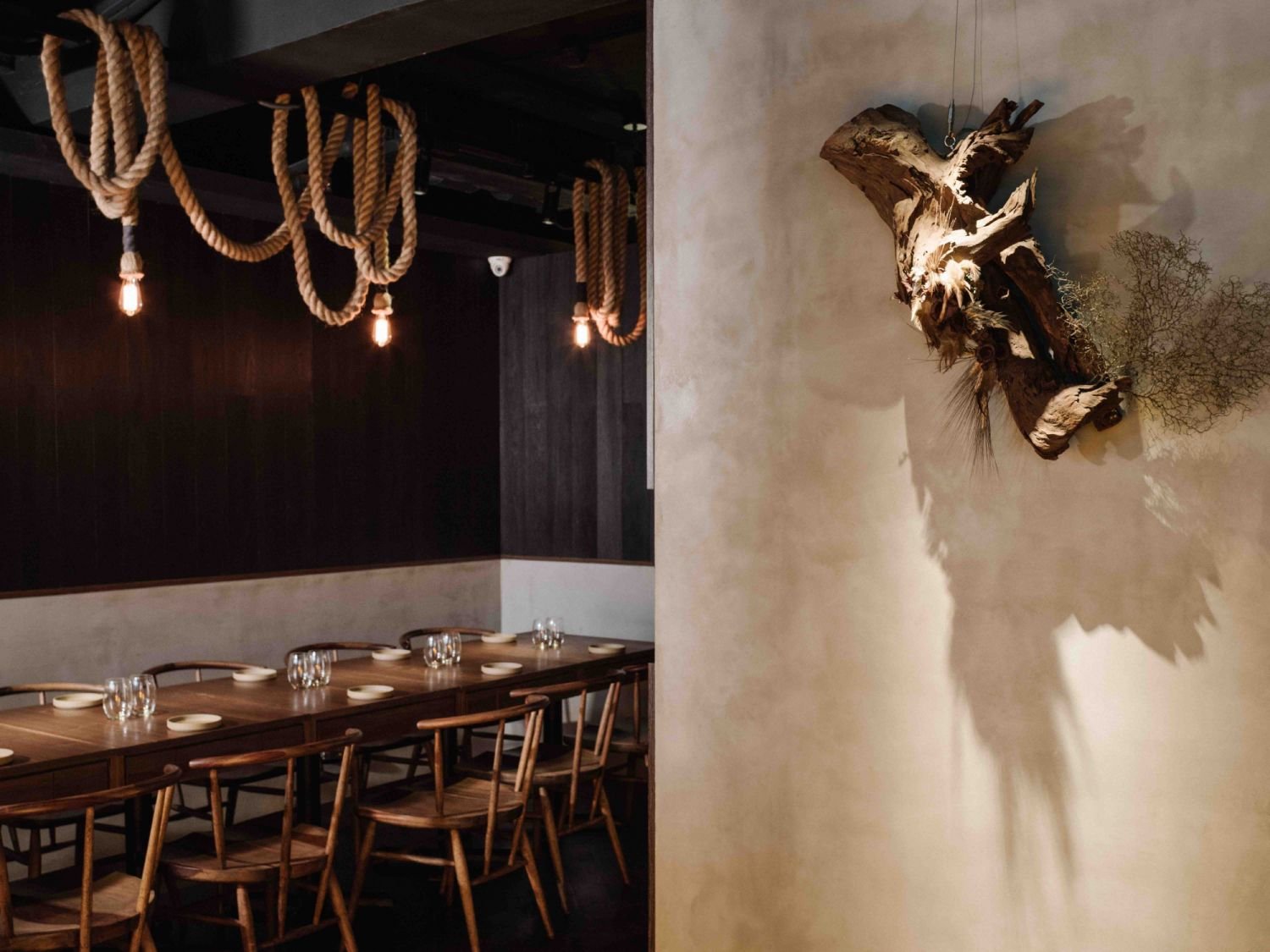
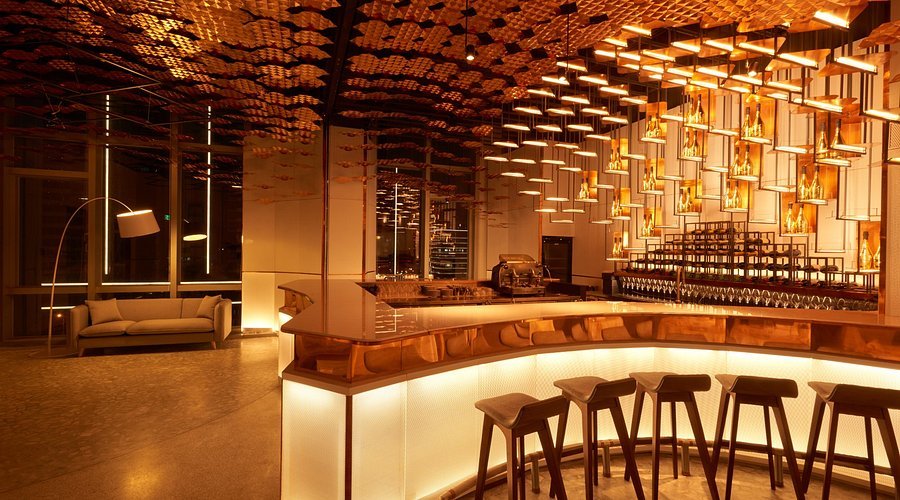
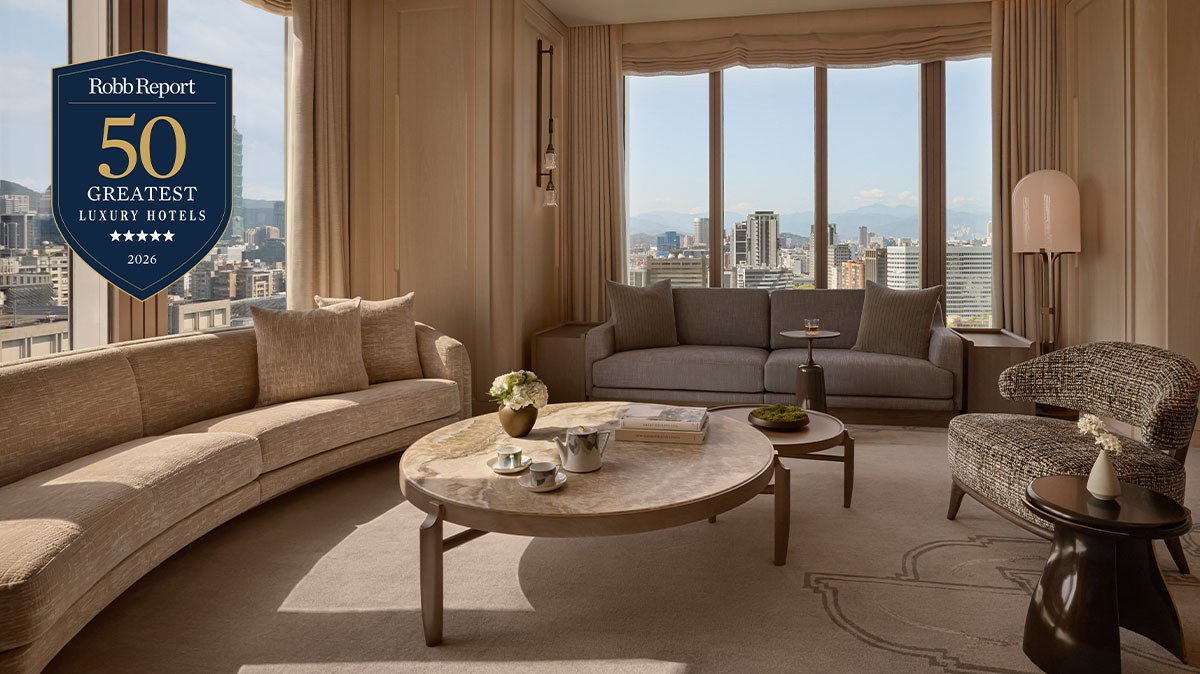
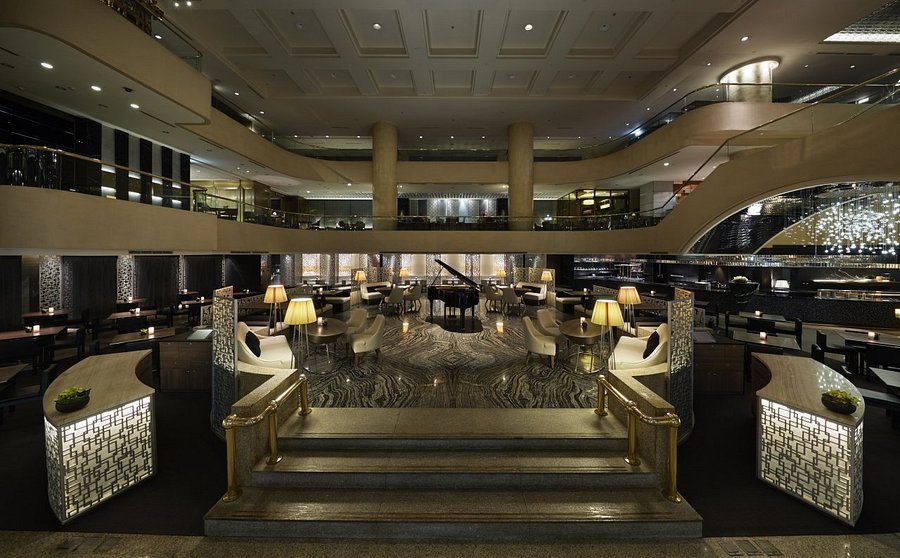
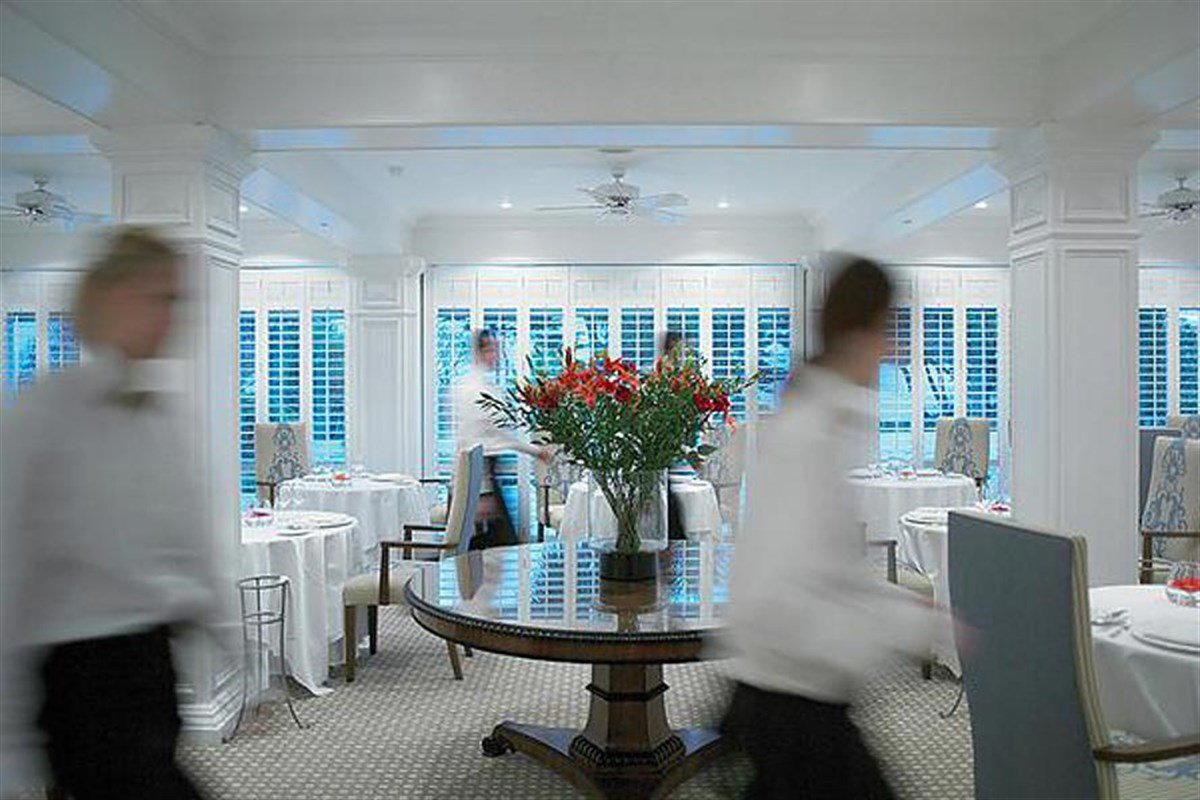
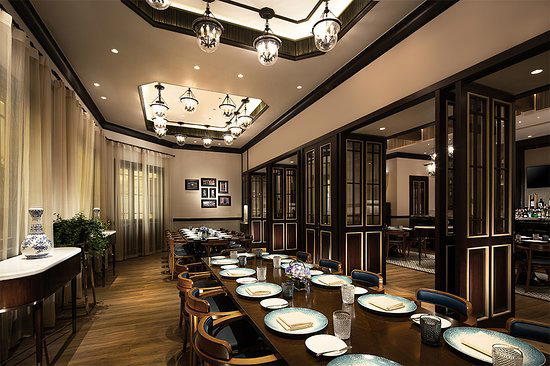
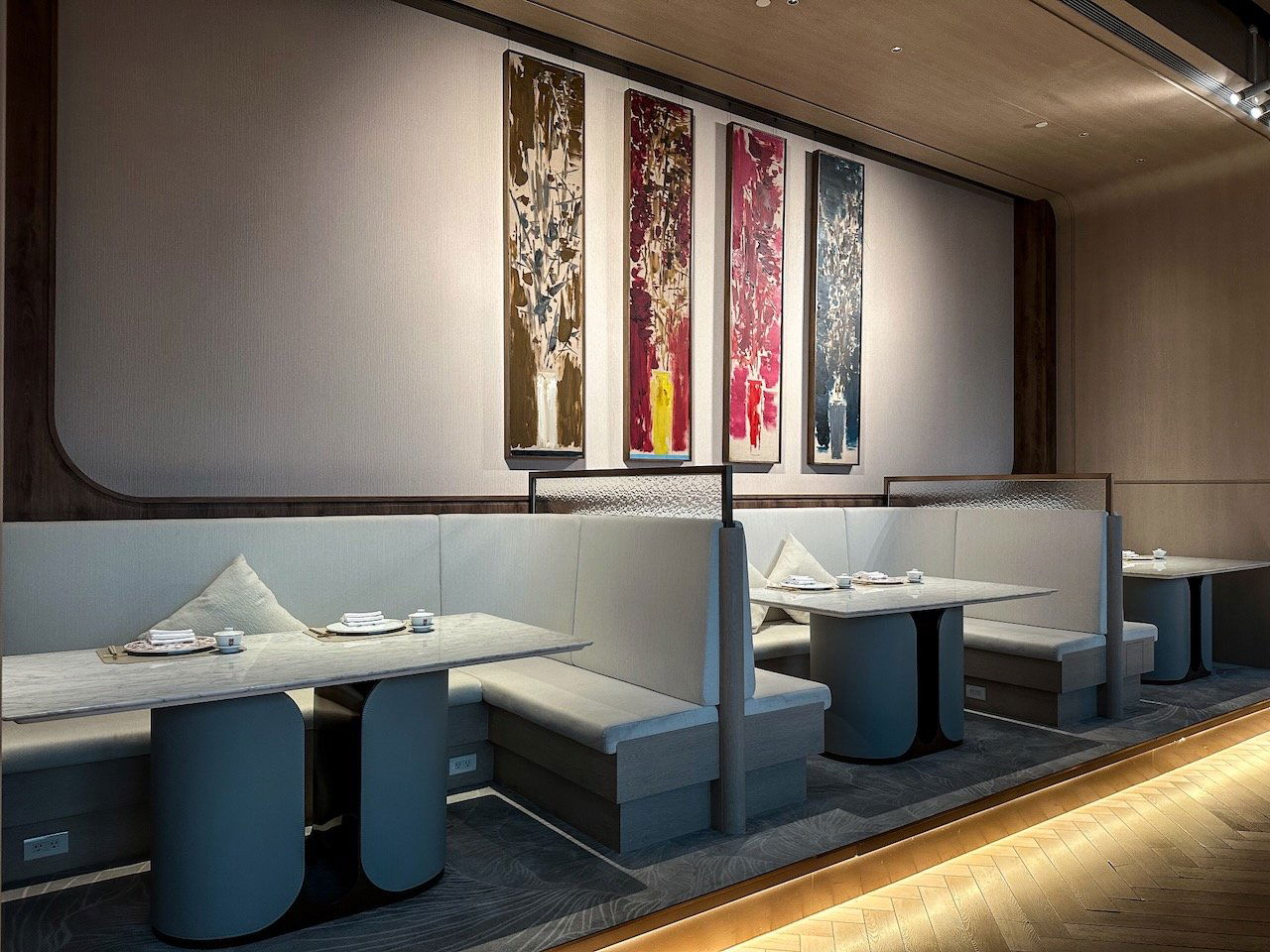
Pristine, serene room with warm hues of orange, beige, and gray; clean lines, natural light, and impeccable sightlines toward Taipei 101; calm luxury aesthetic that allows food to take center stage.
Tags
Vibe
Best For
Experience
Sourcing
View
Accessibility
At the Table
- Dress Code
- Smart Casual
- Noise Level
- Conversational
- Service Style
- Formal
- Meal Pacing
- Extended Experience
- Capacity
- Medium
Signature Dishes
- Cabbage in Consommé
- Snowflake Chicken with Lobster
- Golden Sour Soup with Crab Meat
Planning details
Hours
- Monday
- 12 PM-2:30 PM 6 PM-9:30 PM
- Tuesday
- 12 PM-2:30 PM 6 PM-9:30 PM
- Wednesday
- 12 PM-2:30 PM 6 PM-9:30 PM
- Thursday
- 12 PM-2:30 PM 6 PM-9:30 PM
- Friday
- 12 PM-2:30 PM 6 PM-9:30 PM
- Saturday
- 12 PM-2:30 PM 6 PM-9:30 PM
- Sunday
- 12 PM-2:30 PM 6 PM-9:30 PM
Location
110, Taiwan, Taipei City, Xinyi District, Songzhi Rd, 17號微風南山46樓 · Directions
Recognition and awards
Also consider
Also Consider
- logy; Modern European, Asian Contemporary, $$$$
- Le Palais; Cantonese, $$$$
- Taïrroir; Taiwanese/French, Taiwanese contemporary, $$$$
- Mudan Tempura; Tempura, $$$$
- Golden Formosa; Taiwanese, $$
Restaurant context
Chuan Ya sits at $$$, which makes it the most accessible price point among Taipei's Michelin-recognised tasting menu restaurants. logy and Taïrroir both operate at $$$$, and both carry heavier Michelin recognition; logy with a Star, Taïrroir with two Stars. If budget is the deciding factor, Chuan Ya delivers a structured, multi-course tasting experience with Michelin validation at a meaningfully lower spend. The trade-off is that the kitchen's ambition, while real, does not yet match the technical ceiling at either of those two rooms.
Le Palais at $$$$ is the obvious comparison for formal Chinese fine dining in Taipei; it holds three Michelin Stars and is the reference point for Cantonese cooking at the top of the market. If Cantonese is your category, Le Palais is the correct booking. Chuan Ya's case rests on the specificity of its Sichuan focus, which Le Palais does not address. Mudan Tempura at $$$$ covers a completely different cuisine category but is worth naming for diners who are choosing between Japanese and Chinese fine dining formats in the same trip. For value-focused diners who want Taiwanese cuisine without the tasting menu price tag, Golden Formosa at $$ is the practical alternative; though the experience and ambition are not comparable.
The clearest recommendation: book Chuan Ya if Sichuan cuisine is your specific interest and you want a formal, Michelin-tracked context for it at a price point below the city's $$$$ tier. Book logy or Taïrroir if you want the highest technical ceiling Taipei currently offers in a tasting menu format and are willing to spend accordingly. Book Le Palais if formal Cantonese at the top of the market is the goal.
Explore Taipei
Around this place
Discover more on Pearl
Unlock the full Chuan Ya guide in Pearl, including awards, comparisons, FAQs, planning details, and nearby places.
Compare Chuan Ya
| Venue | Awards | Price |
|---|---|---|
| Chuan Ya | Michelin Guide Taiwan 20262025 Michelin Plate2025 Michelin 1 Star2024 Michelin Plate | $$$ |
| logy | 2026 Asia's 50 Best Restaurants · #222026 OAD Top Restaurants in Asia Ranked · #22Michelin Guide Taiwan 2026Star Wine Lists 20262026 Conde Nast Traveler Hot List Restaurants2026 Black Pearl 1 Diamond2026 La Liste Top Restaurants2025 Asia's 50 Best Restaurants · #262025 OAD Top Restaurants in Asia Ranked · #32 | $$$$ |
| Le Palais | 2026 OAD Top Restaurants in Asia Ranked · #128Michelin Guide Taiwan 20262026 La Liste Top Restaurants2025 OAD Top Restaurants in Asia Ranked · #1212025 La Liste Top Restaurants2025 Michelin 3 Stars2024 OAD Top Restaurants in Asia Ranked · #1782024 Michelin 3 Stars2023 OAD Top Restaurants in Asia Ranked · #140 | $$$$ |
| Taïrroir | 2026 OAD Top Restaurants in Asia Ranked · #132Michelin Guide Taiwan 20262026 La Liste Top Restaurants2025 OAD Top Restaurants in Asia Ranked · #128Tatler Best Restaurants Asia-Pacific 20252025 Michelin 3 Stars2025 La Liste Top Restaurants2024 OAD Top Restaurants in Asia Ranked · #842024 Michelin 3 Stars | $$$$ |
| Mudan Tempura | Michelin Guide Taiwan 20262026 OAD Top Restaurants in Asia Recommended2026 La Liste Top Restaurants2025 OAD Top Restaurants in Asia Ranked · #2842025 Michelin 2 Stars2024 OAD Top Restaurants in Asia Ranked · #288 | $$$$ |
| Golden Formosa | Michelin Guide Taiwan 20262026 OAD Top Restaurants in Asia Recommended2025 OAD Top Restaurants in Asia Ranked · #4252025 Michelin 1 Star2024 OAD Top Restaurants in Asia Ranked · #3862024 Michelin 1 Star2023 OAD Top Restaurants in Asia Recommended | $$ |

.png?width=1200&quality=80)









Key differences to consider before you reserve.
FAQ
Frequently Asked Questions
Does Chuan Ya handle dietary restrictions?
The custom set menu path is your best tool here. Because Chuan Ya allows guests to compose their own menu from the available options, there is more flexibility than at a single fixed-progression omakase. Flag restrictions at the time of booking rather than on arrival. The kitchen's range spans home-style Sichuan to imperial-era recipes, so there is breadth to work, though this is not a vegetarian-specialist venue.
What should I order at Chuan Ya?
The Michelin Plate recognition specifically calls out cabbage in consommé and snowflake chicken with lobster as signatures. Both lean toward subtle and delicate rather than the numbing heat Sichuan is often reduced to, which is the point. If you want to experience the kitchen's range across home cooking and imperial-style Sichuan, choose one of the fixed set menus over building your own.
Is the tasting menu worth it at Chuan Ya?
At $$$, the tasting menu format is justified if Sichuan cuisine as a serious subject interests you. The three-set structure and custom option give you more control than most tasting menus at this price tier, the Michelin Plate in both 2024 and 2025 confirms consistent kitchen execution. If you are primarily coming for the view rather than the food, the value case weakens.
Is Chuan Ya good for a special occasion?
Yes, with the caveat that the occasion should match the format. The 46th-floor room with Taipei 101 in the window is visually strong, the custom set menu means you can shape the meal around the group. At $$$, it sits in the right price tier for a meaningful dinner without requiring a James Beard-level budget. Compare to Taïrroir if you want a more Western fine dining frame for the same occasion.
Is lunch or dinner better at Chuan Ya?
Dinner gives you the better visual payoff: Taipei 101 and the Xinyi skyline lit up from the 46th floor is a different experience than the daytime version. Lunch runs the same hours (12 PM–2:30 PM daily) and likely the same menu structure, so it is a practical option if your schedule is tight, but it is not the recommended first visit.
Is Chuan Ya worth the price?
At $$$ with two consecutive Michelin Plate years and a menu that covers Sichuan from street-style to imperial recipes, the price is defensible for what you get. Where Chuan Ya earns its rate over cheaper Sichuan options in Taipei is in the set menu architecture and kitchen consistency, not portion size or scene. If you want a lower price point for similar cuisine, Taipei's Sichuan mid-market is competitive, but nothing else in the city pairs this format with that view.