
Ad Astra
European Contemporary · Zhongshan, Taipei
Restaurant in Taipei, Taiwan
 Book with Pearl
The Read
Japanese-European Counter Precision
Price
$200–300per person
Dress
Business Casual
Why go
Ad Astra holds a Michelin star (2024) and for its omakase-format tasting menu in Zhongshan, where European technique meets a Japanese culinary ethos at a counter facing the kitchen. The beverage pairing program — wine or temperance flight — is a genuine part of the experience, not an add-on. Book three to four weeks ahead; this is a hard reservation at $$$$ pricing across five evenings a week.
About Ad Astra
Verdict: Worth the Effort to Book
This is a counter-seat omakase-style restaurant running either a 10- or 14-course tasting menu, Wednesday through Sunday from 5:30 PM. If you are coming to Taipei for one serious dinner, Ad Astra belongs on your shortlist alongside logy (Modern European, Asian Contemporary). The difference: Ad Astra leans harder into the beverage pairing experience and a Japanese culinary ethos, making it the sharper choice for guests who want that combination specifically.
What to Expect as a First-Timer
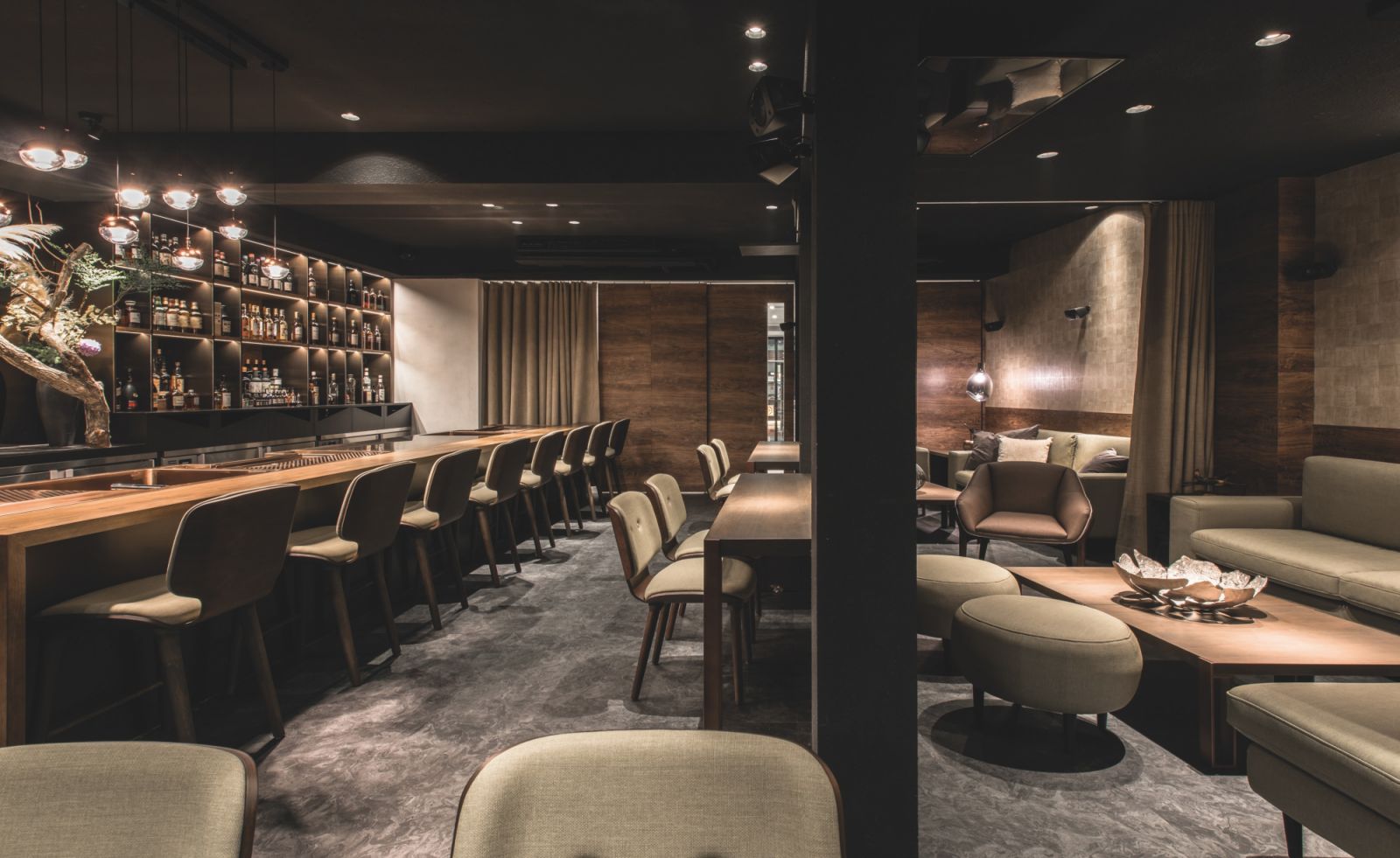
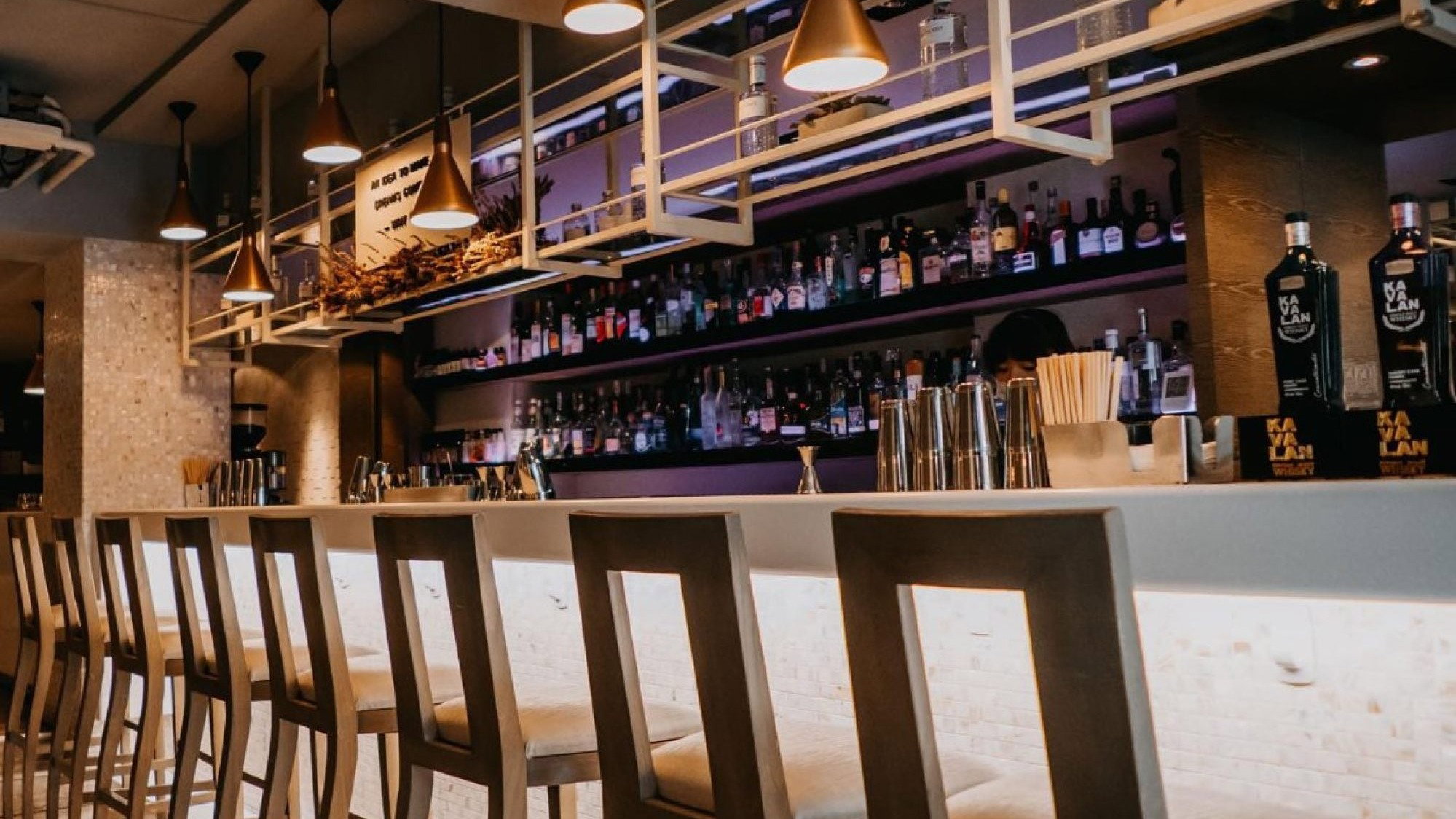
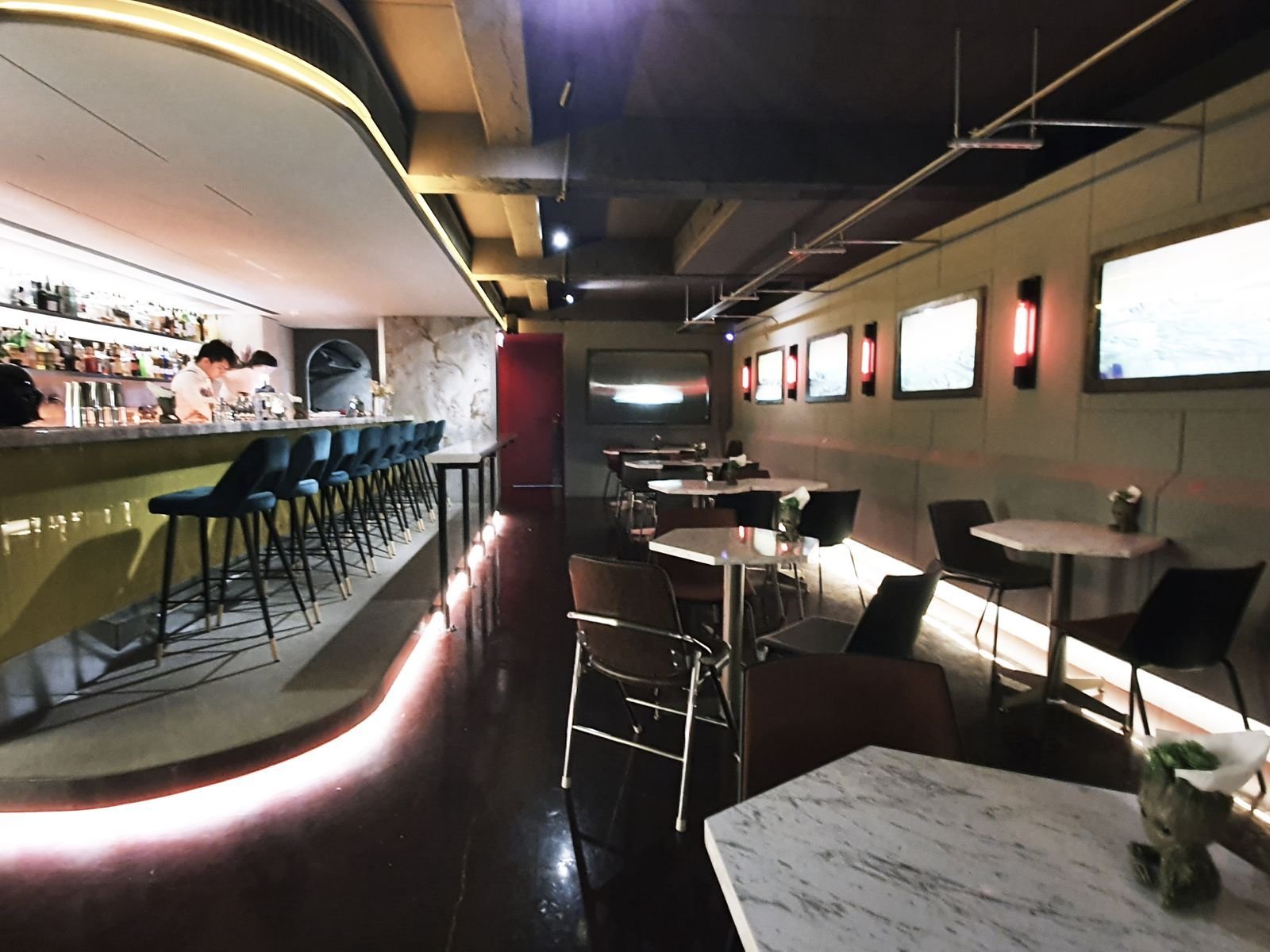
Ad Astra sits in the Zhongshan District, on Lane 45 off Section 2 of Zhongshan North Road — a quieter pocket of the neighbourhood that sets the tone before you even walk in. The physical experience is built around the counter: you sit facing the kitchen team and watch every stage of preparation up close. This is not a restaurant designed for groups who want to talk across a table. The intimacy of the counter format means your attention is drawn to the kitchen, the pacing, and the progression of courses. First-timers should treat that as a feature, not a drawback — it is part of what you are paying for.
The kitchen works with Asian ingredients interpreted through a Japanese culinary ethos, with European technique woven through the tasting menu. One course cited in available records involves kamameshi, a Japanese rice cooking method that the kitchen adapts using European influences. That kind of technical crossover is the defining characteristic of the menu format: it is not European food with an Asian garnish, nor traditional Japanese cuisine with a French sauce. The synthesis is the point, and the counter seat is where you can observe how that synthesis is executed dish by dish.
For a first visit, the 14-course menu gives you more of that progression. The beverage pairings, either wine or a temperance flight, are available as additions and are specifically part of what has driven the restaurant's reputation. Ad Astra is described as one of Taipei's most anticipated beverage-pairing restaurants, which means the drinks program is not secondary. If you are choosing between Ad Astra and a venue where beverage pairing is an afterthought, this is the stronger call for anyone who wants food and drink to function as a single, designed experience.
The Technical Case for Ad Astra
The editorial angle here matters: what does Ad Astra do technically that its peers do not? The answer, based on available data, is the deliberate integration of a Japanese culinary ethos with European contemporary technique, delivered in an omakase counter format, a combination that remains rare in Taipei's fine dining tier. Logy operates in adjacent territory (Modern European with Asian Contemporary influence), but Ad Astra's beverage pairing program and the kamameshi-style course that blends Japanese and European cooking methods represent a more specific point of view. That specificity is what Michelin recognised in 2024.
The head chef brings a background that includes training at several major New York City restaurants, and the menu reads as a personal account of that trajectory, told through 10 or 14 courses rather than through conversation. The kitchen team operates with what observers describe as a hushed, focused precision. This is a cooking-as-craft environment, not a theatrical one. If you are drawn to restaurants where the skill is visible but not performed, Ad Astra fits that profile well. For comparison, The Tavernist and LA Vie by Thomas Bühner also operate in the European contemporary space in Taipei, but neither combines the counter-seat omakase format with the same beverage-pairing emphasis.
Booking
Booking difficulty is rated Hard. Ad Astra operates only five days a week (Wednesday through Sunday, evenings only), and the counter-seat format means capacity is limited. Plan at least three to four weeks in advance, and further ahead if your travel dates are fixed. No booking method or phone number is listed in current public records, so your leading approach is to check the restaurant's own channels directly. Do not assume walk-ins are a realistic option at this price tier and format.
Practical Details
| Detail | Ad Astra | logy | Taïrroir |
|---|---|---|---|
| Cuisine | European Contemporary (Japanese ethos) | Modern European, Asian Contemporary | Taiwanese / French |
| Price Range | $$$$ | $$$$ | $$$$ |
| Format | Omakase counter, 10 or 14 courses | Tasting menu | Tasting menu |
| Beverage Pairing | Wine or temperance flight available | Available | Available |
| Michelin Status | 1 Star (2024) | 1 Star | 1 Star |
| Days Open | Wed–Sun (evenings only) | Check directly | Check directly |
| Booking Difficulty | Hard | Hard | Hard |
| Leading For | Counter dining, beverage pairing | Modern European tasting | Taiwan-French fusion |
Who Should Book Ad Astra
Book Ad Astra if you want a counter-seat omakase experience that integrates Japanese technique with European cooking, paired with a drinks program that is genuinely part of the experience. It is well suited to solo diners and couples, the counter format works well for one or two people who are comfortable with the rhythm of a long tasting menu. For larger groups, the format may feel constrained. If your priority is Taiwanese-inflected cuisine rather than Japanese-European synthesis, Taïrroir is a more direct match. If you want European contemporary in a more conventional dining room setting, consider LA Vie by Thomas Bühner or CEO 1950.
For broader context on what Taipei's fine dining tier offers, see our full Taipei restaurants guide. If you are planning a trip and want to combine dinner reservations with accommodation or other bookings, our Taipei hotels guide, bars guide, and experiences guide are useful starting points. Beyond Taipei, comparable European Contemporary omakase-format restaurants worth knowing include Zén in Singapore and Schwarzer Adler in Hall in Tirol. Elsewhere in Taiwan, JL Studio in Taichung operates in a similar high-craft tasting menu register and is worth planning around if your itinerary extends beyond Taipei.
Planning details
- Hours
- Monday: closed · Tuesday: closed
- Location
- No. 23號, Lane 45, Section 2, Zhongshan N Rd, Zhongshan District, Taipei City, Taiwan 10450
- Reservations
- Book on the venue's website
- Website
- adastra.com.tw
The take
The Take
The Vibe
Ad Astra presents its hospitality through a tightly choreographed counter format where Japanese discipline meets European structural thinking. The room reads as a performance space: guests sit at the counter and watch the kitchen and floor coordinate each course, which creates an intimate, focused atmosphere. The writing places the restaurant alongside Taipei’s Michelin-starred peers and frames the experience as high-stakes and purposeful, with tasting progressions and beverage pairings treated as core components rather than optional extras. The result is a quietly theatrical fine-dining setting that favors meticulous technique and close attention to rhythm and timing.
Best For
This is a dinner-focused tasting destination best suited to diners seeking a concentrated, ceremonial meal—think special occasions, date nights and business dinners where the table becomes a front row seat. The counter layout favors small parties and single diners who want to observe service choreography and culinary craftsmanship up close. Given its Michelin recognition and $$$$ positioning, the restaurant attracts guests who prioritize a full, curated progression with paired beverages and an attentive front-of-house tempo.
Ordering Tips
Reservations and expectation management matter here: the restaurant is organized around a set tasting progression and beverage pairings that the description notes are treated as part of the full experience. Guests should plan for a counter seat to fully appreciate the visible coordination between kitchen and floor. Because the pairing is described as the standard mode of engagement rather than an optional add-on, consider including the beverage pairing when booking and allow the service rhythm to dictate pacing of the meal.
Venue details
Ambiance
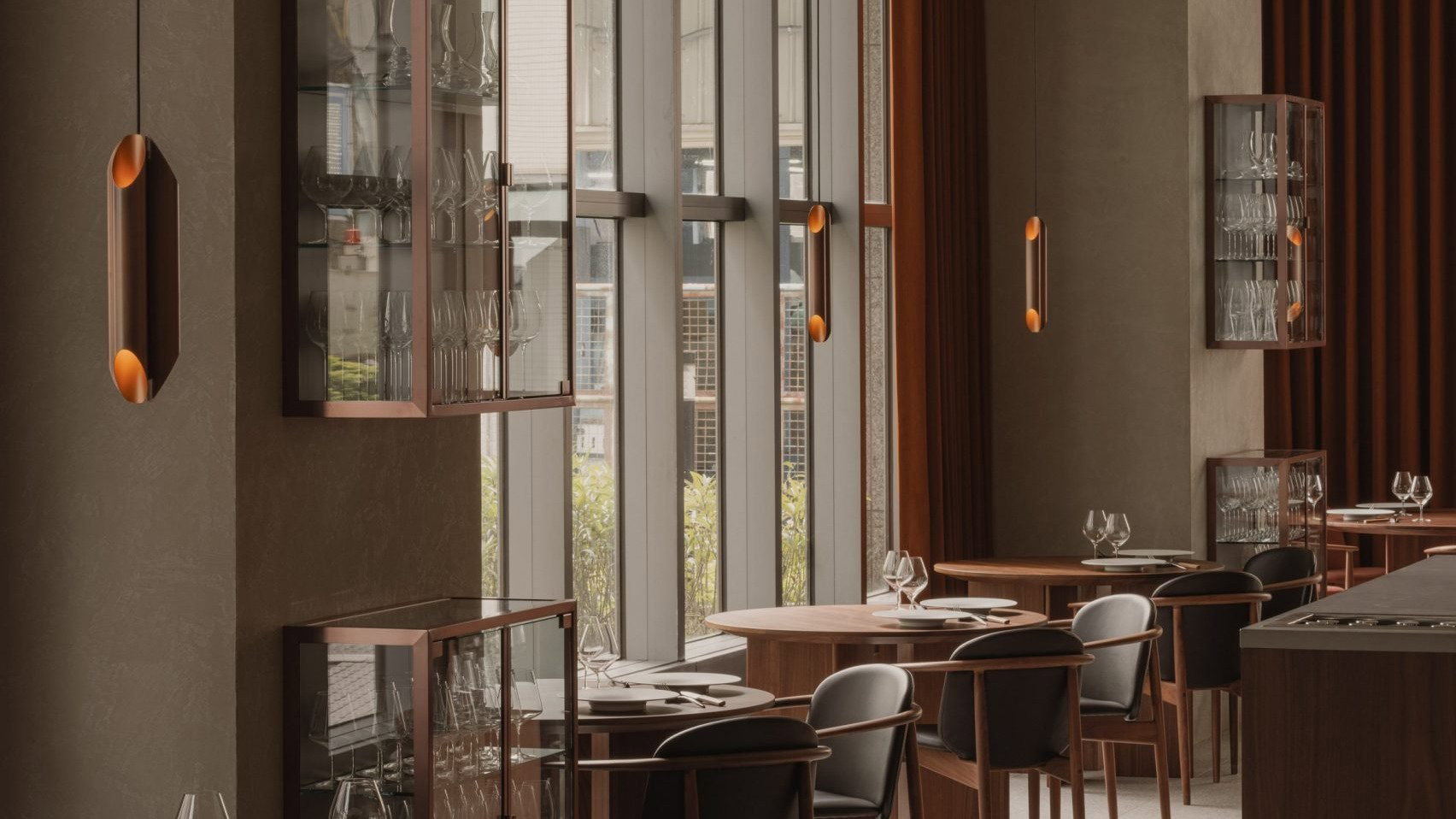
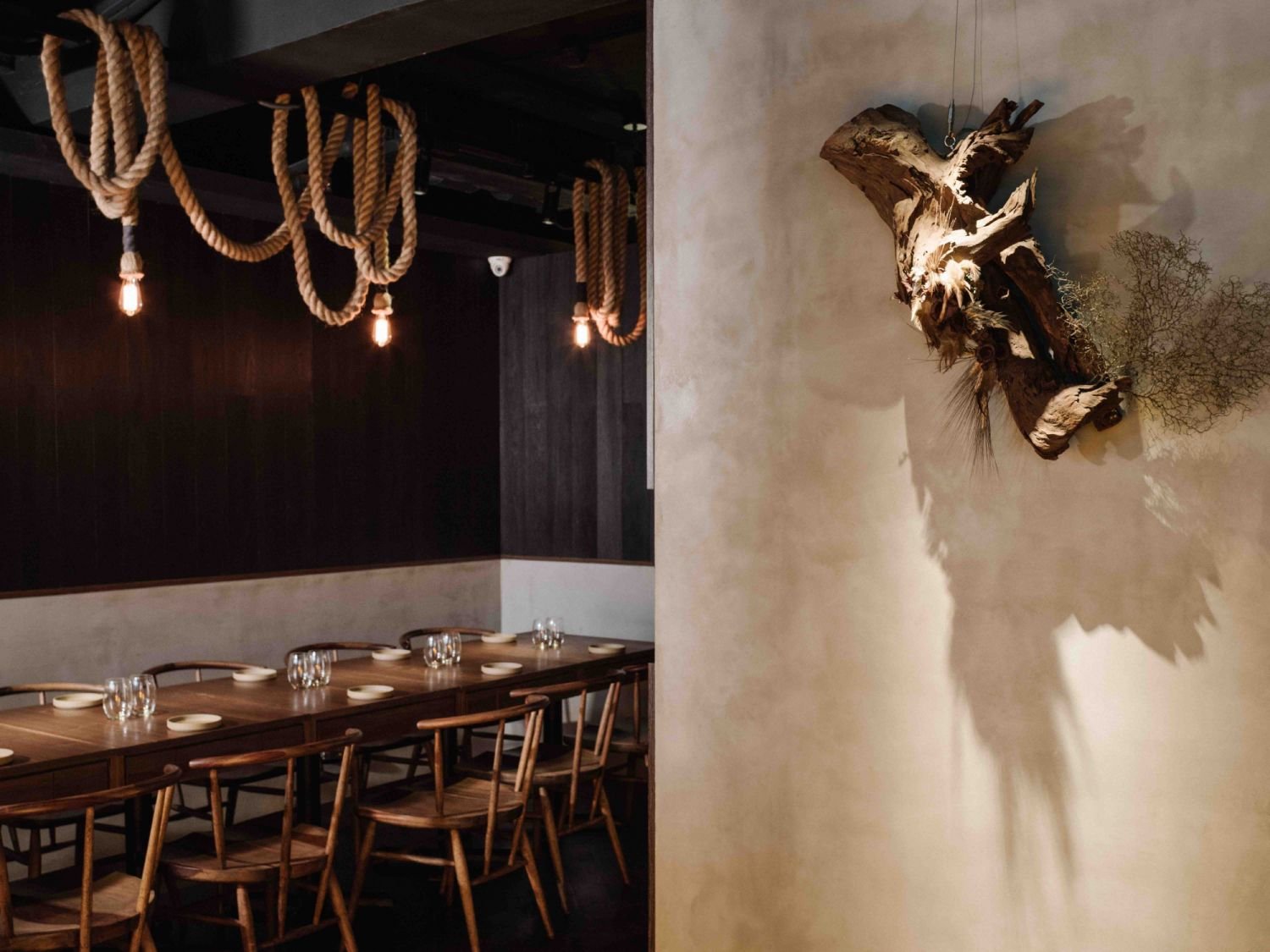
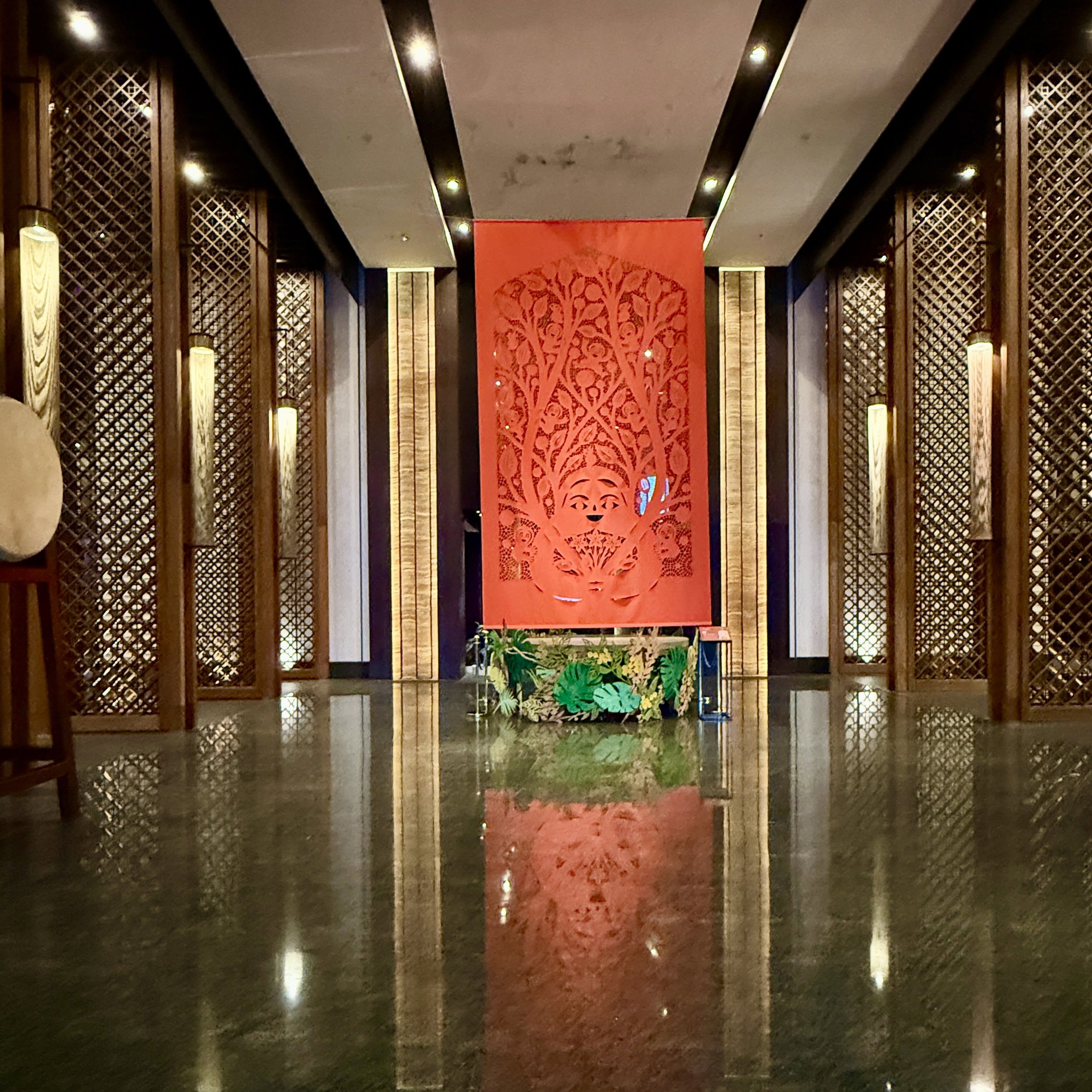
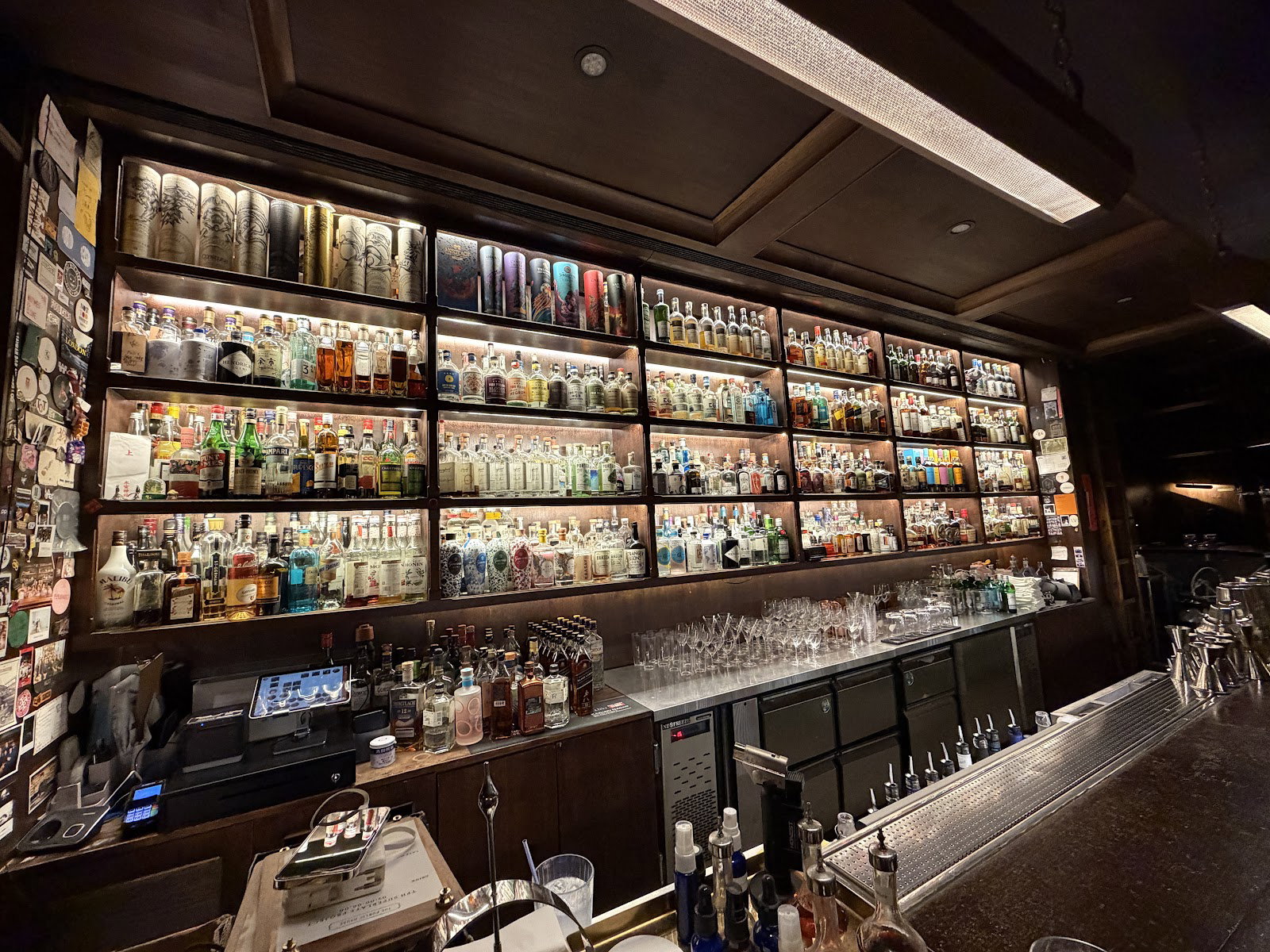
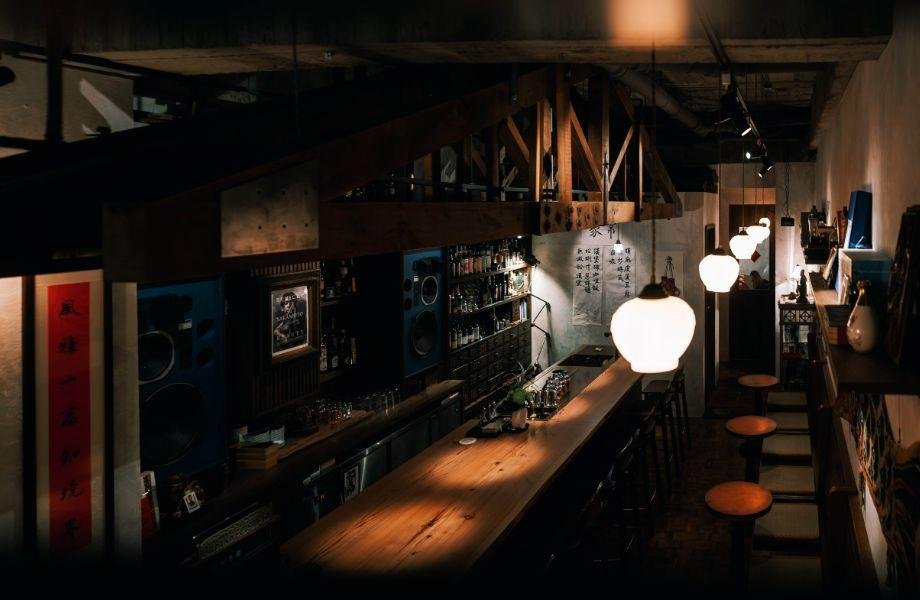
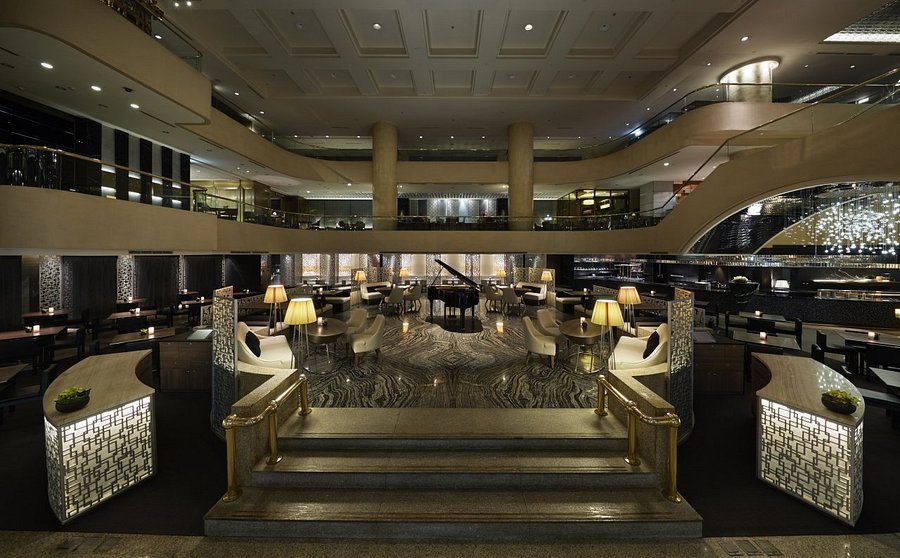
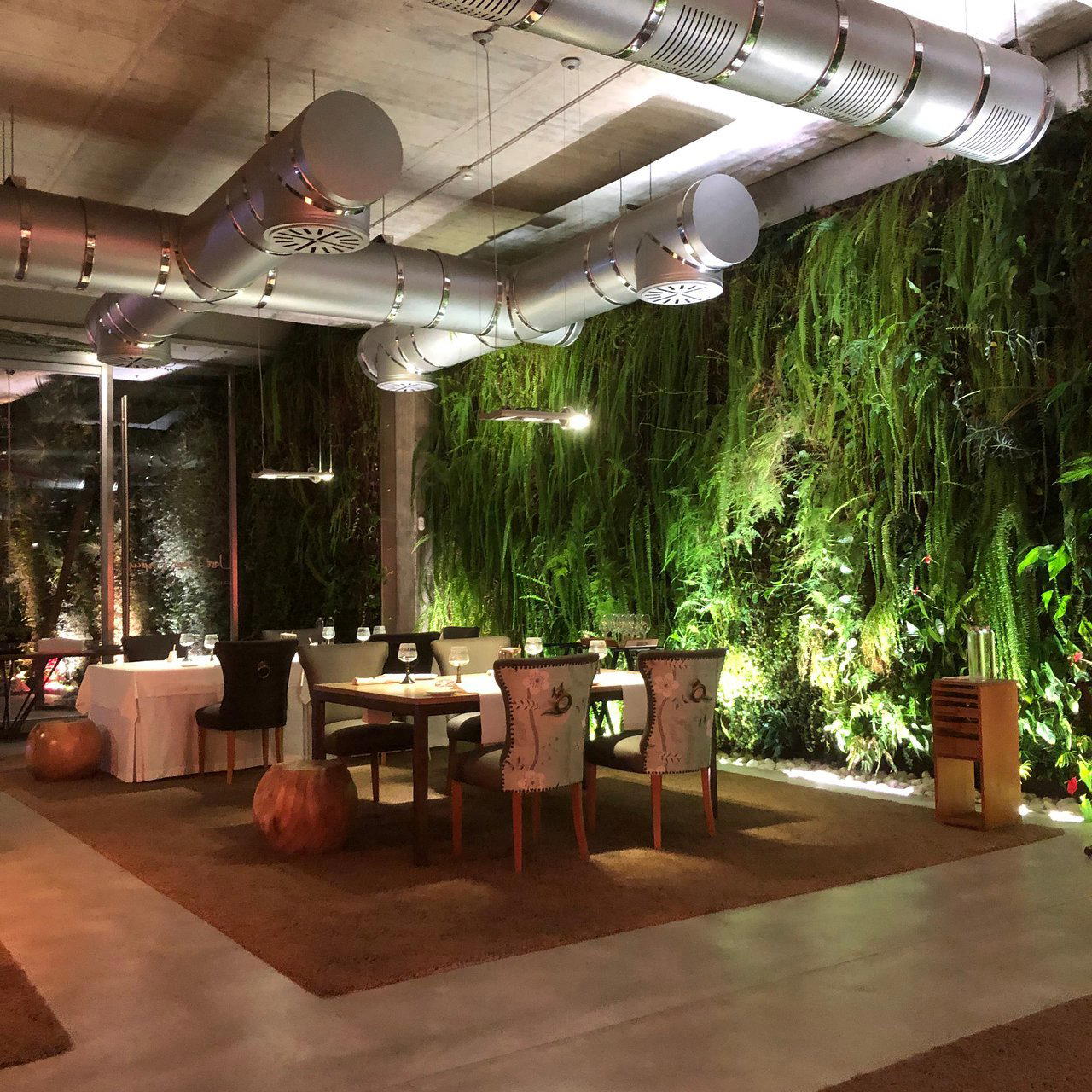
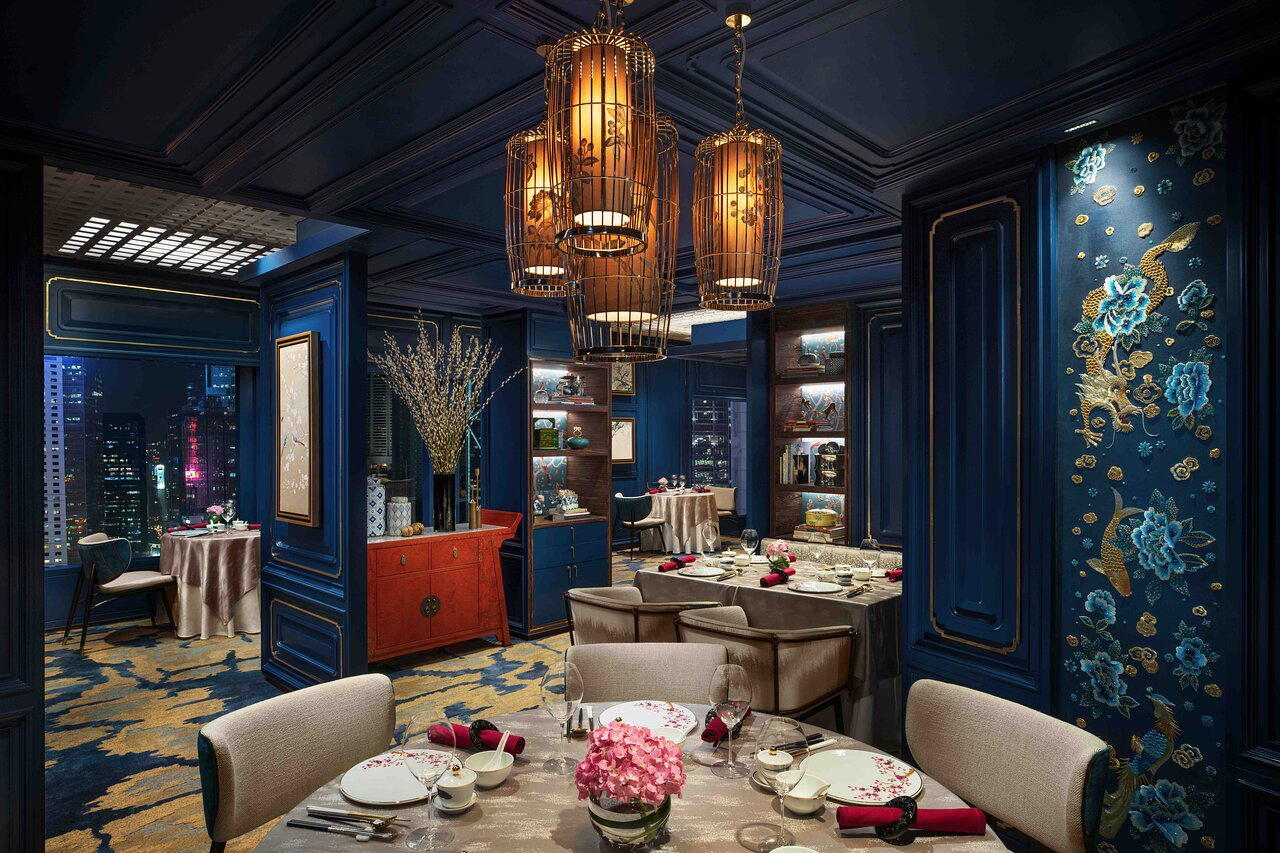
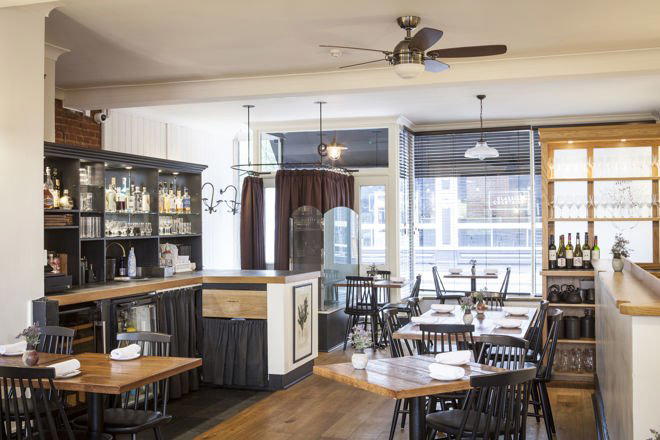
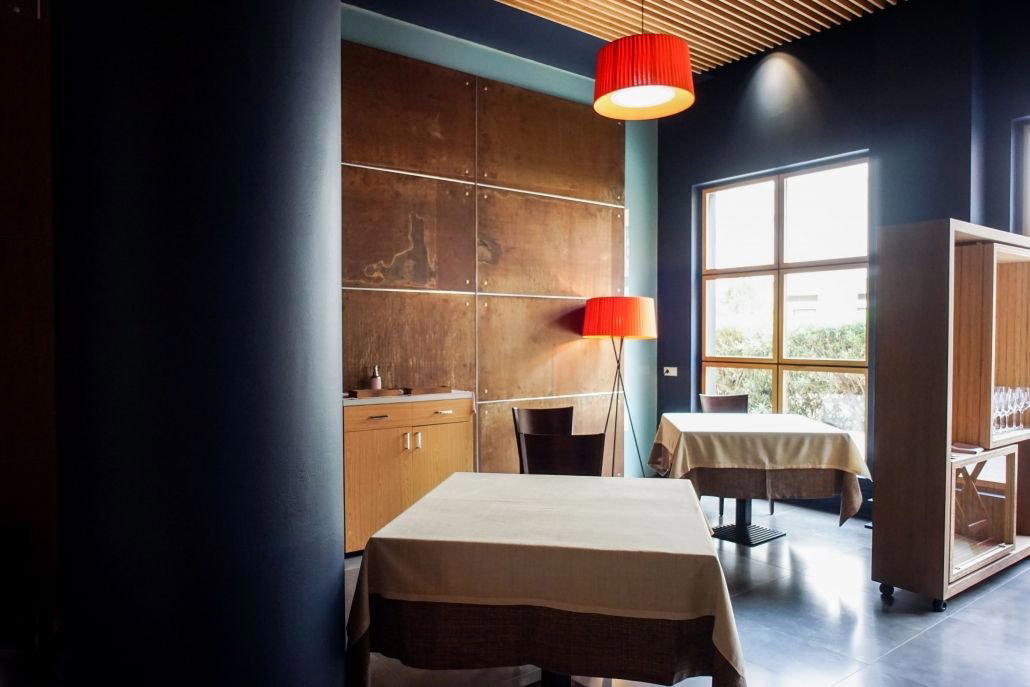
Well-lit, clean, refined and contemplative space blending urban New York rhythm with Japanese wabi-sabi minimalism and Nordic material warmth; open kitchen visible to diners with no cooking fumes.
Tags
Vibe
Best For
Experience
Sourcing
At the Table
- Dress Code
- Business Casual
- Noise Level
- Conversational
- Service Style
- Formal
- Meal Pacing
- Extended Experience
- Capacity
- Small
- Kitchen
- Fusion
- Menu Format
- Tasting menu, Omakase
- Wine Program
- Exceptional
- Drinks Focus
- Wine pairing, Craft cocktails
- Private Dining
- Available
Signature Dishes
- caramelized butter scallops
- sea urchin pancakes with prosciutto
- alfonsino with shredded green beans and Sichuan peppercorn oil
- clay pot rice
Know before you go
Know Before You Go
- Getting there
- No. 23號, Lane 45, Section 2, Zhongshan N Rd, Zhongshan District, Taipei City, Taiwan 10450
Planning details
Hours
- Monday
- closed
- Tuesday
- closed
- Wednesday
- 5:30 PM-10:30 PM
- Thursday
- 5:30 PM-10:30 PM
- Friday
- 5:30 PM-10:30 PM
- Saturday
- 5:30 PM-10:30 PM
- Sunday
- 5:30 PM-10:30 PM
Location
No. 23號, Lane 45, Section 2, Zhongshan N Rd, Zhongshan District, Taipei City, Taiwan 10450 · Directions
Recognition and awards

Also consider
Also Consider
- logy, Modern European, Asian Contemporary, $$$$
- Le Palais, Cantonese, $$$$
- Taïrroir, Taiwanese/French, Taiwanese contemporary, $$$$
- Mudan Tempura, Tempura, $$$$
- de nuit, French Contemporary, $$$$
Restaurant context
Ad Astra and logy are the two closest comparisons in Taipei's Michelin-starred European-Asian tasting menu tier, both at $$$$ and both recognised in the 2024 Michelin guide. The practical difference is format and emphasis: Ad Astra is a counter-seat omakase with a strong beverage pairing program and a Japanese culinary ethos at its core; logy operates in Modern European territory with Asian Contemporary influence in a more conventional dining room. If the counter experience and the drinks program are central to what you want, Ad Astra is the better call. If you prefer a table setting and a broader European contemporary frame, logy is easier to recommend for groups of three or more.
Taïrroir serves Taiwanese-French cuisine and is the right booking if you want local ingredients and identity in the cooking rather than a Japanese-European synthesis. De nuit works French Contemporary in a more intimate room and is worth considering if French technique is the priority without the omakase format. Mudan Tempura is a different animal entirely, a single-ingredient counter format that suits guests who want depth in one discipline over the range of a multi-course tasting menu. Le Palais sits outside this comparison set if European or Japanese-European cooking is your goal, but it is Taipei's reference point for high-end Cantonese if the cuisine direction shifts.
For a first-time visitor to Taipei's fine dining tier deciding between these venues: book Ad Astra if the counter-seat omakase format and beverage pairing are priorities; book Taïrroir if you want cuisine that reflects Taiwan more directly; book logy if you want modern European with Asian influence at a table. All three require advance reservations and sit at the same price level, so the decision comes down to format and cuisine direction rather than budget.
Explore Taipei
Around this place
Discover more on Pearl
Unlock the full Ad Astra guide in Pearl, including awards, comparisons, FAQs, planning details, and nearby places.
Compare Ad Astra
| Venue | Price | Booking Difficulty | Awards |
|---|---|---|---|
| Ad Astra | $$$$ | Hard | Star Wine Lists 2026Michelin Guide Taiwan 20262025 Michelin 1 Star2024 Michelin 1 Star |
| logy | $$$$ | Unknown | 2026 Asia's 50 Best Restaurants · #222026 OAD Top Restaurants in Asia Ranked · #22Michelin Guide Taiwan 2026Star Wine Lists 20262026 Conde Nast Traveler Hot List Restaurants2026 Black Pearl 1 Diamond2026 La Liste Top Restaurants2025 Asia's 50 Best Restaurants · #262025 OAD Top Restaurants in Asia Ranked · #32 |
| Le Palais | $$$$ | Unknown | 2026 OAD Top Restaurants in Asia Ranked · #128Michelin Guide Taiwan 20262026 La Liste Top Restaurants2025 OAD Top Restaurants in Asia Ranked · #1212025 La Liste Top Restaurants2025 Michelin 3 Stars2024 OAD Top Restaurants in Asia Ranked · #1782024 Michelin 3 Stars2023 OAD Top Restaurants in Asia Ranked · #140 |
| Taïrroir | $$$$ | Unknown | 2026 OAD Top Restaurants in Asia Ranked · #132Michelin Guide Taiwan 20262026 La Liste Top Restaurants2025 OAD Top Restaurants in Asia Ranked · #128Tatler Best Restaurants Asia-Pacific 20252025 Michelin 3 Stars2025 La Liste Top Restaurants2024 OAD Top Restaurants in Asia Ranked · #842024 Michelin 3 Stars |
| Mudan Tempura | $$$$ | Unknown | Michelin Guide Taiwan 20262026 OAD Top Restaurants in Asia Recommended2026 La Liste Top Restaurants2025 OAD Top Restaurants in Asia Ranked · #2842025 Michelin 2 Stars2024 OAD Top Restaurants in Asia Ranked · #288 |
| de nuit | $$$$ | Unknown | Michelin Guide Taiwan 2026Star Wine Lists 20262026 OAD Top Restaurants in Asia Recommended2025 The Best Chef One Knife2025 Michelin 1 Star2024 Michelin 1 Star |










Key differences to consider before you reserve.
FAQ
Frequently Asked Questions
What should I order at Ad Astra?
There is no à la carte menu. Ad Astra runs a 10- or 14-course omakase-style tasting menu, so you commit to the full progression on arrival. The kamameshi course is the documented standout, fusing Japanese and European technique. Opt for the wine pairing or temperance flight if you want the drinks program to run alongside the food — that combination is central to what Ad Astra is built around.
What should I wear to Ad Astra?
No dress code is specified in the venue data, but a $$$$-tier, Michelin-starred counter in Taipei's Zhongshan District will draw a well-dressed crowd. Smart attire is the practical default — avoid overly casual clothing if you want to match the room. When in doubt, err toward business casual.
What should a first-timer know about Ad Astra?
You are seated at a counter watching the kitchen prepare each course — this is a participatory format, not a conventional table-service dinner. The menu is 10 or 14 courses, evenings only, Wednesday through Sunday. Arrive on time: counter-seat omakase services typically seat all guests simultaneously, and late arrivals can disrupt the progression for everyone.
Is the tasting menu worth it at Ad Astra?
At $$$$ pricing with Michelin 1-star recognition (2024), Ad Astra delivers if the omakase format suits you. The technical case rests on the deliberate integration of Japanese culinary ethos with European contemporary cooking — a combination that distinguishes it from straightforwardly European or straightforwardly Japanese fine dining in Taipei. If you want à la carte flexibility or a shorter meal, look at Taïrroir or de nuit instead.
Is Ad Astra good for a special occasion?
Yes, with the right expectations. The counter format means you share the space with all other diners rather than occupying a private table, so it works better for two people than for a larger group celebration. For a milestone dinner for two where the food and drinks progression is the event, Ad Astra is a strong choice. Groups of four or more wanting privacy should consider Le Palais instead.
What are alternatives to Ad Astra in Taipei?
Taïrroir is the closest peer — also Michelin-starred and also fusing Asian ingredients with European cooking, but with a more conventional table-service format. Le Palais suits guests who want Cantonese fine dining with private room options. de nuit is a lower-pressure option if you want a creative tasting menu without the full omakase commitment. Mudan Tempura makes sense if Japanese technique is the draw but you want a shorter, more focused menu.
Is Ad Astra good for solo dining?
Yes — the counter-seat format is one of the few fine dining configurations where solo dining is the intended experience rather than an accommodation. You have a direct sightline to the kitchen and a natural interaction point with the team. At $$$$ for a 10- or 14-course menu, the solo spend is high, but the format justifies it more than a solo table at a conventional restaurant would.