


Di Yi Ding
Seafood · East District, Tainan
Restaurant in Tainan, Taiwan
 Book with Pearl
The Read
Mansion-Format Taiwanese Omakase
Price
$100–150per person
Dress
Smart Casual
Why go
Di Yi Ding is Tainan's most formally structured seafood omakase: three price points, a restored 1960s mansion, and a Star Wine List-recognised wine program with BYOB at $10 corkage. Reservations are mandatory and payment is cash only. At $$$, it is the right choice for a special occasion meal when you want Taiwanese seafood at its most considered.
About Di Yi Ding
Who Should Book Di Yi Ding
Di Yi Ding is the right call if you want serious Taiwanese seafood in a setting that feels genuinely different from Tainan's casual street-food circuit. This is the venue for a return visitor who already has the night markets covered and wants to understand what Tainan cooking looks like when it has room to breathe. It suits couples marking an occasion, small groups comfortable with a set menu format, and anyone who drinks well enough to want to bring their own bottle: because BYOB is not just permitted here, it is the intended model.
The Space
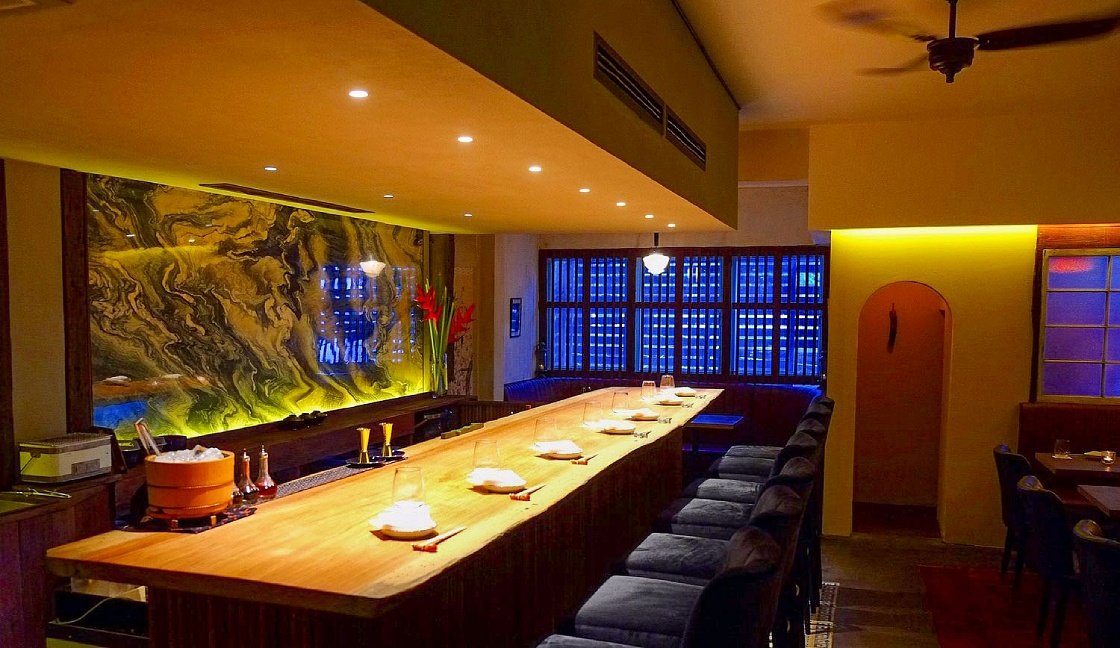
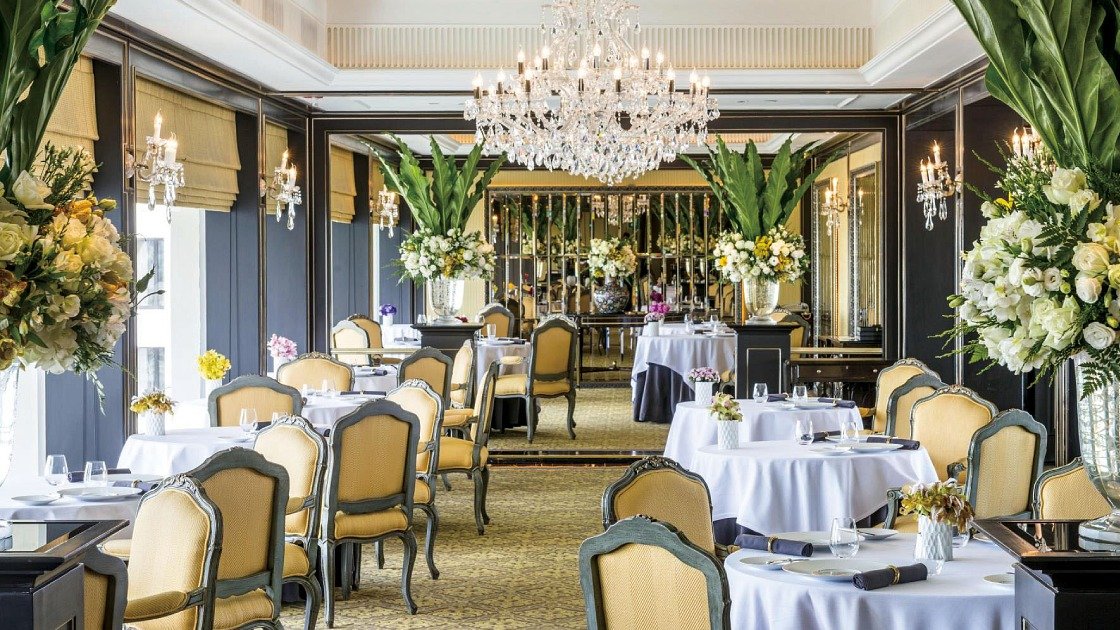
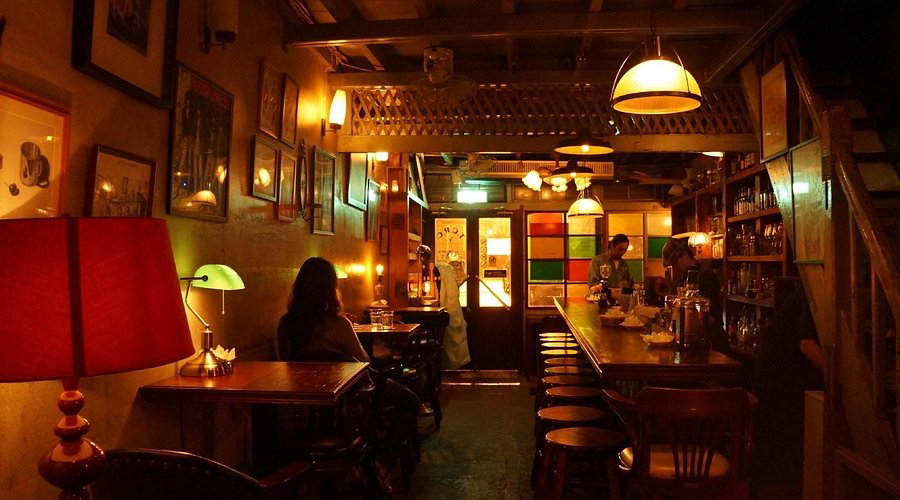
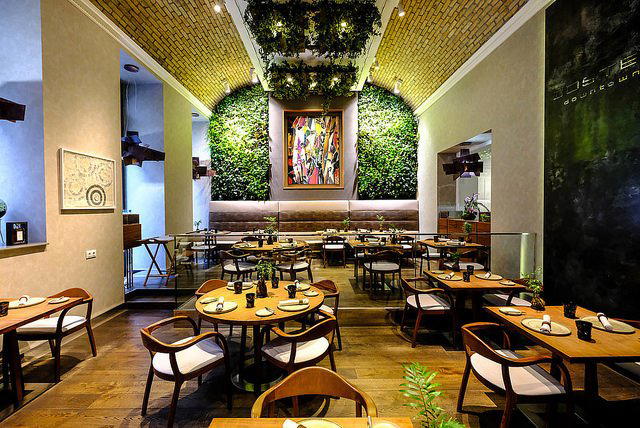
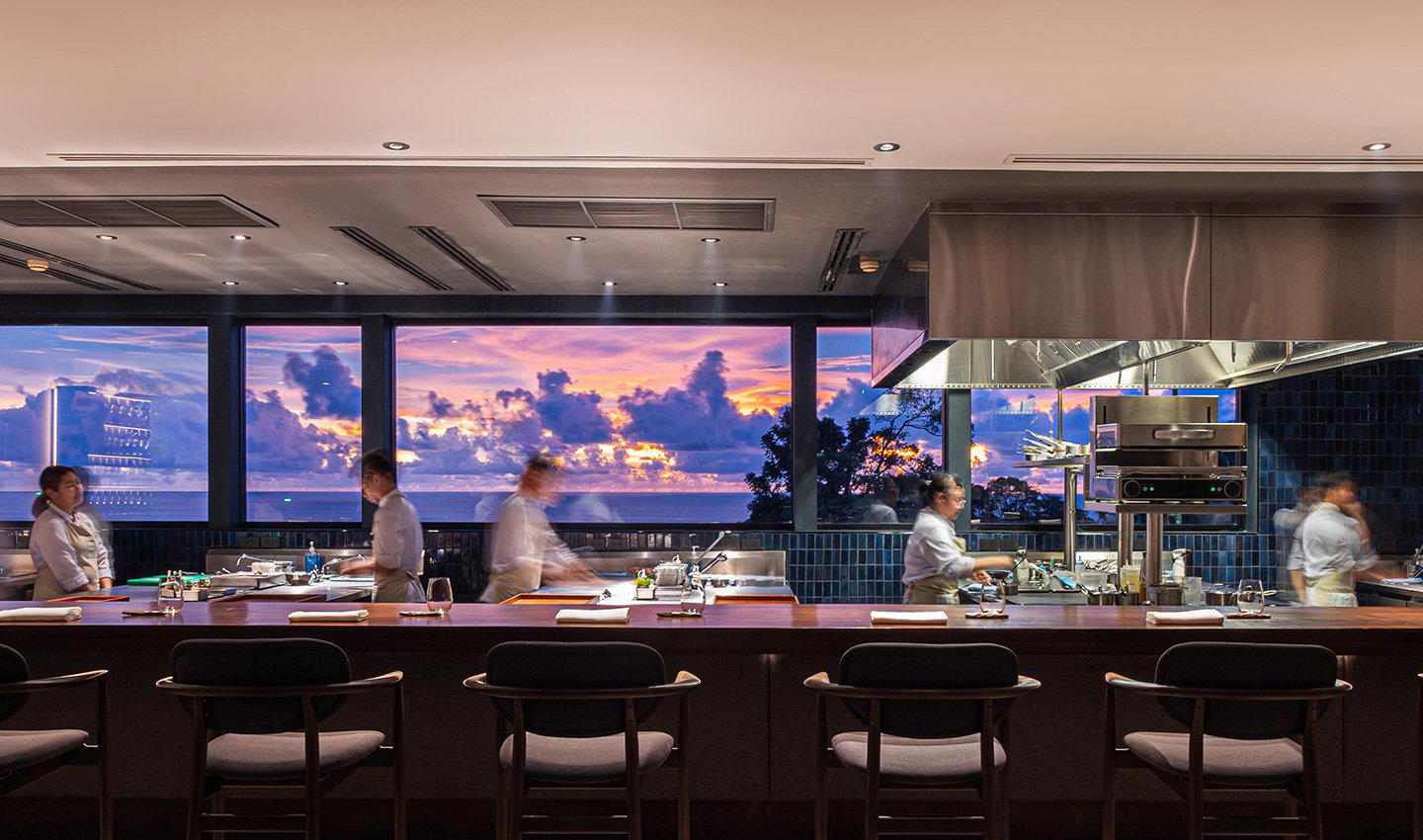
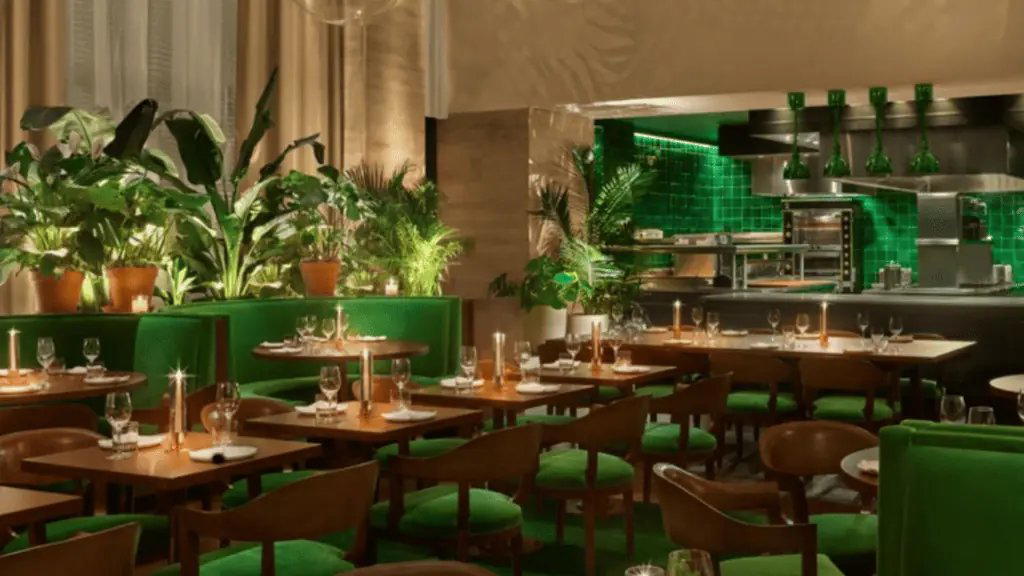
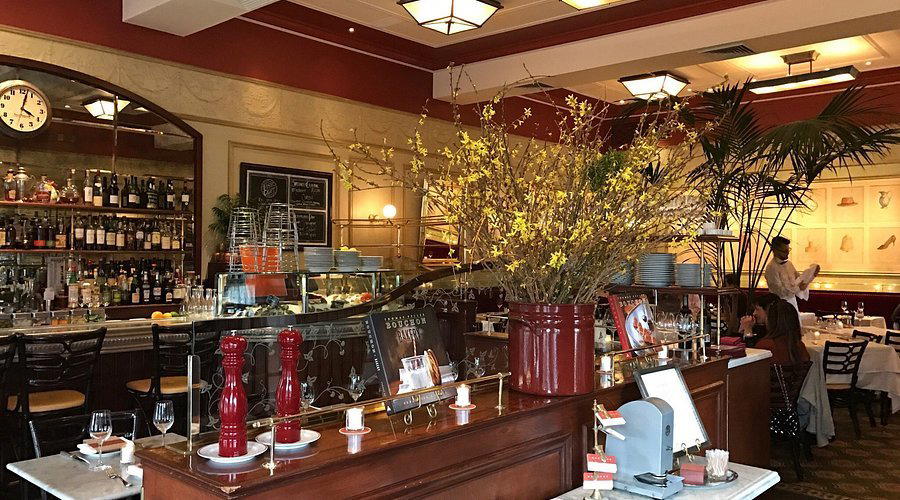
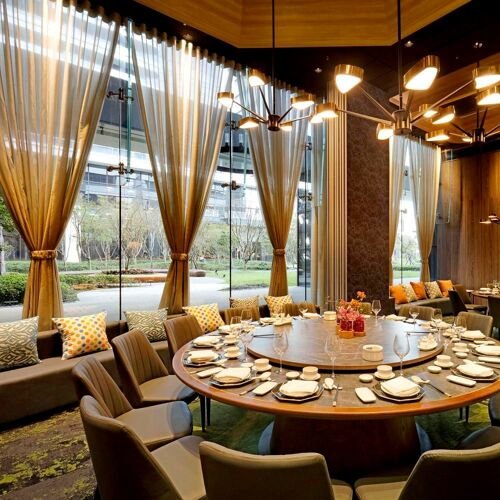
The building dates from the 1960s and has been restored to function as a dining room. That means wooden architecture, the kind of spatial restraint that comes from a structure built before air conditioning was a design afterthought, and a formality of layout that sets it apart from the open-kitchen counters you find at Tainan's newer seafood spots. Seating is arranged for table dining rather than a counter experience, which changes the register of the meal: this is a private occasion in a period room, not a chef's performance for spectators. If the physical space matters to you as much as what arrives on the plate, Di Yi Ding clears that bar without relying on recent renovation to do it.
The Omakase Format
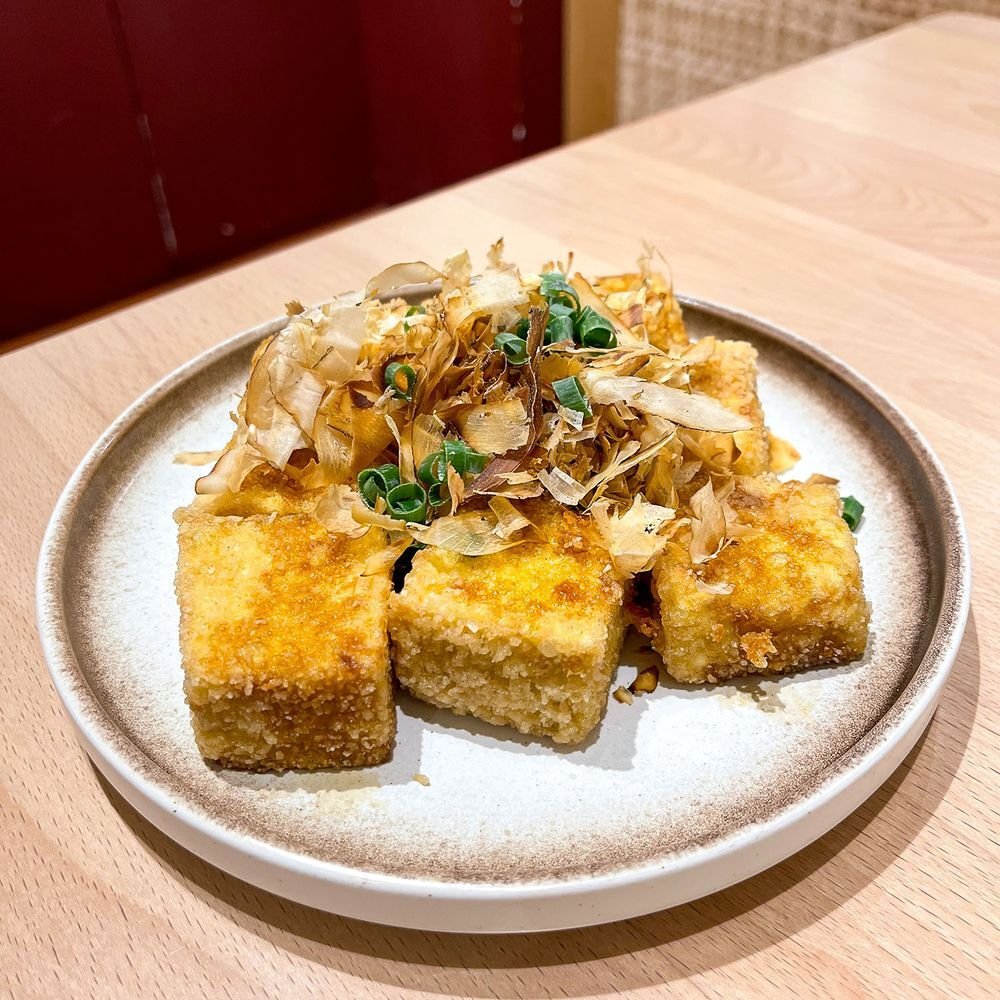
Chef and owner Chun-Te Wu runs three omakase price points, making Di Yi Ding one of the few places in Tainan where you can choose your level of commitment before you sit down. Meals open with sashimi and close with a starch course: bi tai bak in pumpkin sauce is the documented finish for many tables. For mains, first-timers tend to receive crab or lobster, but the format is responsive: the chef accepts requests, which matters when you are returning after a first visit and want to move past the introductory sequence. The wine list carries 130 selections across 350 bottles, with a focus on France, Champagne, and Burgundy, and bottles at the $$$ tier are present in meaningful numbers. A corkage fee of $10 applies if you bring your own, which is a reasonable rate for a list of this depth.
Returning to Di Yi Ding
If you have been once and received the default first-timer progression of sashimi, crab or lobster, and bi tai bak, the practical move on a second visit is to use the pre-meal conversation differently. The chef entertains requests, so arrive with a specific direction in mind: a different shellfish, an alternative starch, or a longer sashimi opening if that is where your preference sits. The omakase price tiers also give returning guests a clear upgrade path without changing venue. Moving to the highest price point on a second visit is a more efficient use of the evening than booking somewhere else at the same spend level.
The Star Wine List White Star recognition, published September 2025, signals that the wine program has been evaluated independently. For a seafood omakase in Tainan, that is a meaningful credential. If you are bringing your own bottle, the $10 corkage makes the calculus direct: a serious Burgundy from your cellar costs less here than a comparable entry from the list, and the room justifies the decision.
Practical Details
Reservations are mandatory. Payment is cash only, this is not a detail to discover at the end of the evening, so bring enough. The venue serves lunch and dinner. The address is No. 1, Lane 161, Section 2, Dongmen Road, East District, Tainan.
For late-evening dining, the mandatory reservation structure means Di Yi Ding does not function as a spontaneous late-night option in the way that Tainan's open-air seafood stalls do. If your evening runs long and you want something after 10 PM without a reservation, venues like Feng No Seafood or Black-faced Spoonbill Canteen serve as more flexible alternatives. Di Yi Ding's value is in the structured experience, not in availability. Book it as the anchor of the evening rather than the extension of one.
Logistics at a Glance
| Detail | Di Yi Ding | Principe | L'herbe |
|---|---|---|---|
| Price tier (food) | $$$ | $$$ | $$$ |
| Cuisine | Taiwanese Seafood | Seafood, French Contemporary | European Contemporary |
| Booking required | Mandatory | Recommended | Recommended |
| Payment | Cash only | Not specified | Not specified |
| Wine program | 130 selections, White Star | Not specified | Not specified |
| BYOB | Yes ($10 corkage) | Not confirmed | Not confirmed |
| Format | Omakase (3 price points) | À la carte / set | Set menu |
Di Yi Ding in the Context of Tainan's Seafood Scene
For context on how Di Yi Ding fits within Taiwan's broader fine-dining tier, JL Studio in Taichung and logy in Taipei represent the island's highest-recognition contemporary tasting menu format. Di Yi Ding operates at a different register: traditional technique, Taiwanese ingredients, and an older building rather than a designed interior. It is not competing with those venues for the same diner. Its closest international analogue in spirit, a seafood-focused tasting menu in a heritage building with serious wine credentials, might be something like Alici Restaurant on the Amalfi Coast or Gambero Rosso in Marina di Gioiosa Ionica: the product is rooted in a specific coastal tradition and the wine program is taken seriously.
Within Tainan, A Cun Beef Soup, A Hai Taiwanese Oden, and A Hsing Congee anchor the other end of the city's food offer: casual, cheap, essential for understanding the local pantry. Di Yi Ding is where you go when you want those ingredients handled at a different level of formality. For a full picture of what the city offers, see our full Tainan restaurants guide. If you are building a longer itinerary, our Tainan hotels guide, bars guide, and experiences guide cover the rest.
Planning details
- Location
- No. 1號, Lane 161, Section 2, Dongmen Rd, East District, Tainan City, Taiwan 701
- Reservations
- Book on the venue's website
- Website
- facebook.com/DiYiDingHuoGuoxiaWuCha
- Phone
- +886 6 275 0011
The take
The Take
The Vibe
Di Yi Ding occupies a restored 1960s mansion in Tainan's East District, and the setting anchors the experience in place as much as the food. The restaurant translates local, generational seafood knowledge into a formal, chef-directed omakase format, so the mood balances refinement with rootedness. It reads like a private residence turned serious dining room: quiet, composed and deliberately premium. The presentation favors the product, sashimi, crab, lobster and a starch finale, and the heritage architecture gives the meal a sense of weight and tradition rather than trendy flash.
Best For
This is a destination for diners seeking a chef-led seafood omakase in a heritage setting. The format is explicitly multi-course and premium, so it suits celebrations, thoughtful date nights and formal dinners where the sequence and sourcing matter. Because the house operates on three price points, the omakase structure also offers varying entry points to the menu, which can accommodate first-time guests or groups wanting a definitive Tainan seafood experience. It is not positioned as casual; diners should expect a focused, seated tasting.
Ordering Tips
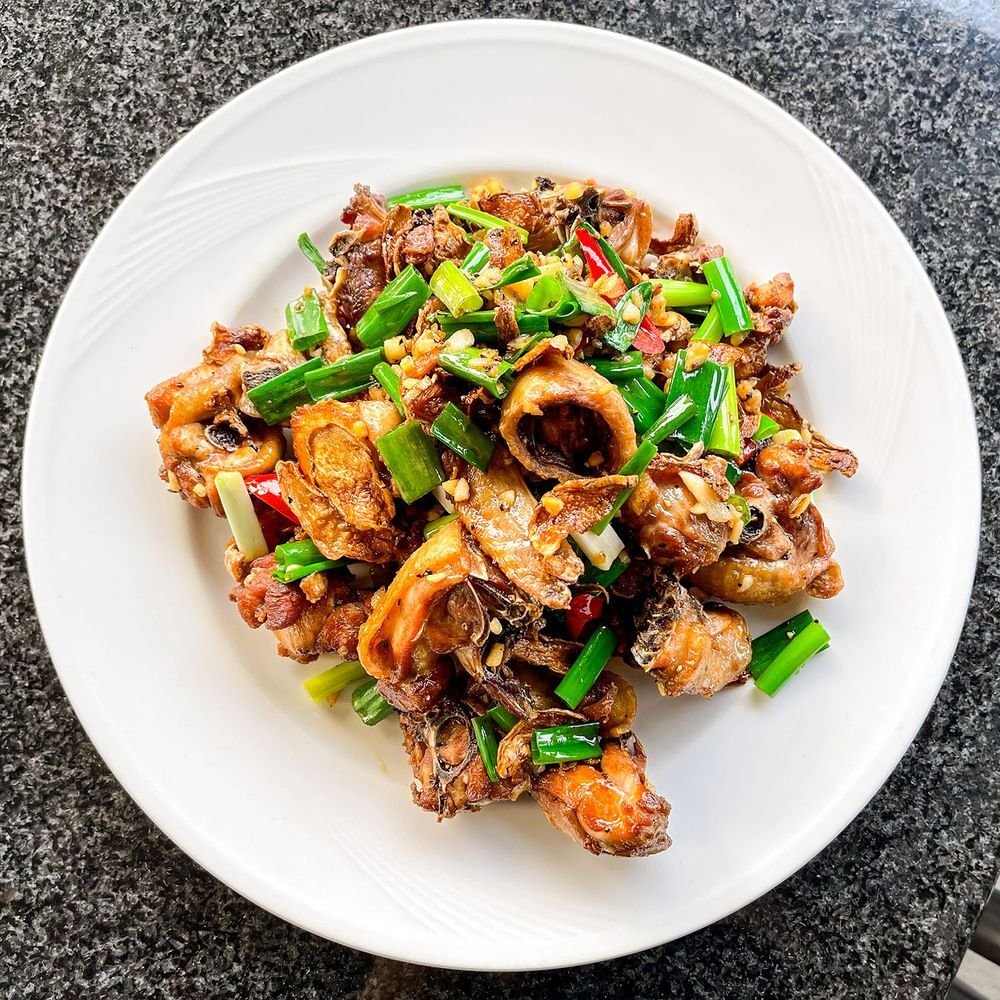
The menu is offered at three price points, so note price-tier options when booking. The progression typically opens with a sashimi course and closes with a starch, commonly bi tai bak in pumpkin sauce, and crab or lobster serves as the default main for first-time guests. Signature items to expect in the sequence include a sashimi platter and larger crustaceans such as crab or lobster; grilled eel also appears in the restaurant's repertoire. These elements reflect the house’s commitment to Taiwanese seafood traditions within an omakase framework.
Venue details
Ambiance
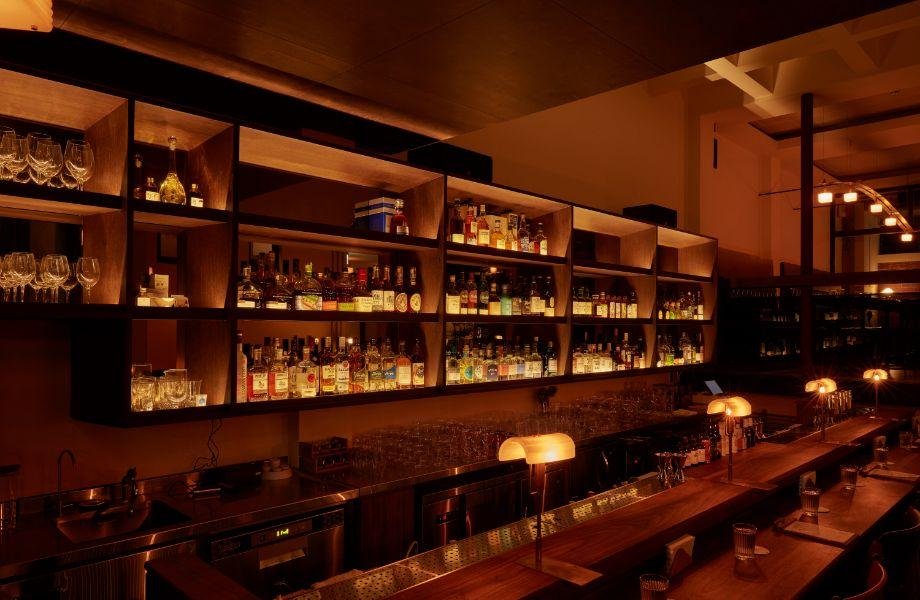
Warm and inviting atmosphere in a restored historic mansion with the scent of expertly prepared seafood creating an intimate dining setting.
Tags
Vibe
Best For
Experience
Sourcing
At the Table
- Dress Code
- Smart Casual
- Noise Level
- Conversational
- Service Style
- Omakase Bar
- Meal Pacing
- Extended Experience
- Capacity
- Small
- Kitchen
- Seasonal
- Menu Format
- Omakase, Tasting menu
- Drinks Focus
- French wine, Local beer, Craft beverages
- Dietary
- Pescatarian friendly
- Private Dining
- Available
Signature Dishes
- sashimi platter
- grilled eel
- crab
- lobster
- bi tai bak in pumpkin sauce
Know before you go
Know Before You Go
- Getting there
- No. 1號, Lane 161, Section 2, Dongmen Rd, East District, Tainan City, Taiwan 701
Planning details
Location
No. 1號, Lane 161, Section 2, Dongmen Rd, East District, Tainan City, Taiwan 701 · Directions
Recognition and awards

Also consider
Also Consider
- A Xing Shi Mu Yu: Small eats, $
- Amei: Taiwanese, $$
- Jai Mi Ba: Noodles, $$
- L'herbe: European Contemporary, $$$
- Principe: Seafood, French Contemporary, $$$
Restaurant context
At the $$$ tier, Di Yi Ding's two direct competitors in Tainan are Principe and L'herbe. Principe is the most relevant comparison: both focus on seafood, both sit at $$$, and both require advance booking. The difference is format and framing. Di Yi Ding is an omakase in a heritage building where the chef drives the meal and the ingredients are Taiwanese; Principe applies a French Contemporary lens to similar raw materials. If you want to understand what Tainan's coastal produce tastes like on its own terms, Di Yi Ding is the clearer choice. If you prefer European technique and a more familiar à la carte or set-menu structure, Principe is the better fit. L'herbe sits at the same price tier but offers European Contemporary cooking with no seafood emphasis, making it a different proposition entirely for a seafood-focused trip.
Stepping down in price, Amei at $$ delivers Taiwanese cooking at a lower commitment level and without the cash-only, reservation-mandatory constraints of Di Yi Ding. It is the right call for a group where not everyone wants a structured tasting format. Jai Mi Ba at $$ covers Tainan's noodle tradition at a fraction of the price: a different category of meal, but worth noting if your evening needs a second stop after Di Yi Ding. For small eats and near-zero planning, A Xing Shi Mu Yu at $ handles that role.
The practical summary: book Di Yi Ding if you want the most formally structured Taiwanese seafood experience in Tainan, you are comfortable with cash-only payment, and you have the reservation sorted in advance. Book Principe if you want seafood at the same price tier with a Western-inflected format and potentially easier logistics. Book Amei if you want Taiwanese cooking with fewer constraints and a lower bill.
Explore Tainan
Around this place
Discover more on Pearl
Unlock the full Di Yi Ding guide in Pearl, including awards, comparisons, FAQs, planning details, and nearby places.
Compare Di Yi Ding
| Venue | Location | Cuisine | Awards | Price |
|---|---|---|---|---|
| Di Yi Ding | Tainan | Seafood | Star Wine Lists 2026Michelin Guide Taiwan 20262025 Wine Spectator Award of Excellence2024 Michelin Plate | $$$ |
| A Xing Shi Mu Yu | Tainan | Small eats | Michelin Guide Taiwan 20262025 Michelin Bib Gourmand2024 Michelin Bib Gourmand | $ |
| Amei | Tainan | Taiwanese | Michelin Guide Taiwan 20262025 Michelin Bib Gourmand2024 Michelin Bib Gourmand | $$ |
| Jai Mi Ba | Tainan | Noodles | Michelin Guide Taiwan 20262025 Michelin Bib Gourmand2024 Michelin Bib Gourmand | $$ |
| L'herbe | Tainan | European Contemporary | Michelin Guide Taiwan 20262024 Michelin Plate | $$$ |
| Principe | Tainan | Seafood, French Contemporary | Michelin Guide Taiwan 20262024 Michelin Plate | $$$ |
.png?width=1200&quality=80)

How Di Yi Ding Tainan compares with similar nearby venues.
FAQ
Frequently Asked Questions
Is Di Yi Ding worth the price?
At $$$ per head, Di Yi Ding delivers value if omakase-format Taiwanese seafood is what you are after. The three price-point structure means you can calibrate spend without sacrificing the format. Cash only, so budget accordingly before you arrive.
Is the tasting menu worth it at Di Yi Ding?
Yes, with a caveat: the default progression (sashimi, crab or lobster, bi tai bak in pumpkin sauce) is well-considered for first visits. On a return, it is worth requesting something different, as Chef Chun-Te Wu is open to substitutions. The format suits those who want someone else to set the pace.
What should I wear to Di Yi Ding?
The venue is a restored 1960s mansion with a quietly formal atmosphere and no strict dress code. Dressing neatly is the safe call: avoid beachwear or flip-flops given the price point and setting.
Is Di Yi Ding good for a special occasion?
It is a strong choice. The mansion setting, mandatory reservations, and omakase format give the meal a deliberate, event-like feel that casual seafood spots in Tainan do not offer. Bring cash and make sure your group is comfortable with a set-menu structure.
What should I order at Di Yi Ding?
The omakase does the ordering for you. First-timers typically receive sashimi, then crab or lobster as the main, finishing with bi tai bak in pumpkin sauce. If you have a preference or a dietary need, the chef is willing to hear requests: flag this when you make your reservation.
What are alternatives to Di Yi Ding in Tainan?
A Xing Shi Mu Yu and Amei are the closest Tainan comparisons for seafood-focused meals. L'herbe covers you if you want a wine-forward dinner instead. For a more casual spend, Jai Mi Ba and Principe offer different formats at lower commitment levels.