.png?width=1200&quality=80)
VARMT (West)
Noodles · Zhongxing, Taichung
Restaurant in Taichung, Taiwan
 Book with Pearl
The Read
Sichuan Pepper Precision
Price
$10–20per person
Dress
Casual
Why go
VARMT (West) is a practical pick for a polished noodle meal in Taichung's West District, especially when you want more intent than a quick cheap bowl without making dinner the whole evening. The $$ tier is easier to justify for Michelin Plate-recognized noodle cooking; value-focused diners should also compare Ajisai, Ke Kou Beef Noodles, and No Name Noodles.
About VARMT (West)
For a Taichung noodle stop at a $$ price point, VARMT (West) is a direct option to consider. The best fit is a lunch or dinner built around noodles, especially for diners who want a focused meal with Michelin Plate (2024) recognition rather than a broad restaurant brief.
Taichung has many dining options across different price levels and styles. VARMT (West) sits in the $$ tier, so the decision is simple: choose it when the plan calls for a noodle-focused meal with a recognized listing. Diners can also compare it with other noodle choices.
A noodle meal for diners who want a focused stop
The draw here is clarity. VARMT (West) is listed as a noodles venue, so first-timers should treat the meal as a focused choice rather than arrive expecting a wide-ranging restaurant experience. Use it for a compact meal in Taichung, not as the anchor for an elaborate evening.
The Michelin Plate (2024) recognition gives the restaurant a useful trust signal, but it should not be read as a promise of a particular menu format or service style. The smarter expectation is a noodle-centered meal at a $$ price point. If the group wants to compare other noodle options, Ajisai, Ke Kou Beef Noodles, and No Name Noodles are natural reference points.
Where it fits in a Taichung food day
Use VARMT (West) when the day needs one noodle-centered meal. Lunch works within the posted midday hours, and dinner works within the posted evening hours. For broader planning, pair this with our full Taichung restaurants guide, then use our full Taichung hotels guide to build the rest of the trip.
The reason to choose VARMT (West) is simple: noodles, a $$ price tier, casual dress, daily lunch and dinner hours, and Michelin Plate (2024) recognition. For anything more specific, check current details directly before you go.
Planning details
- Location
- 403, Taiwan, Taichung City, West District, 公正路133號
- Website
- instagram.com/varmt182
- Phone
- +886 958 053 182
The take
The Take
The Vibe
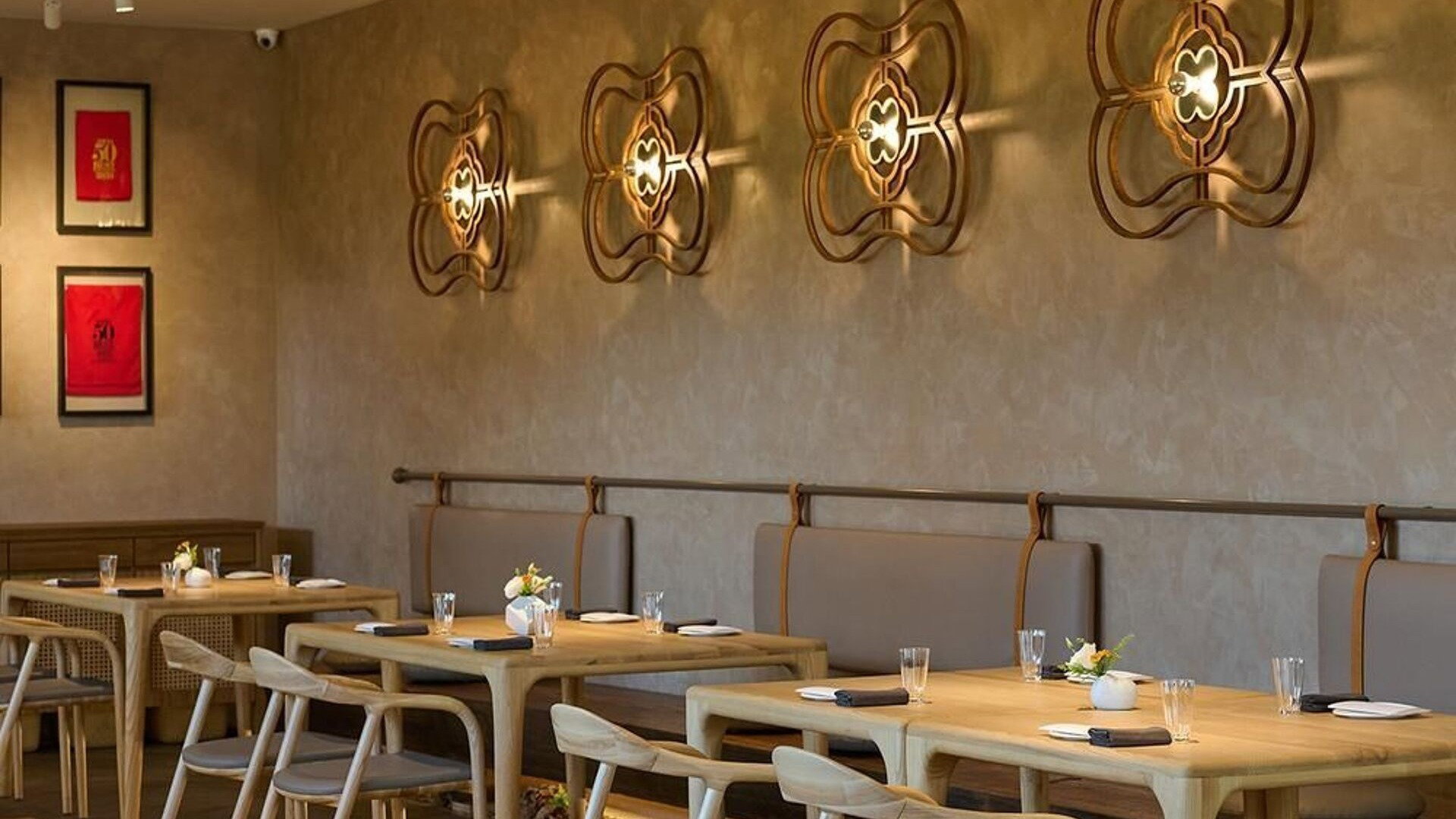
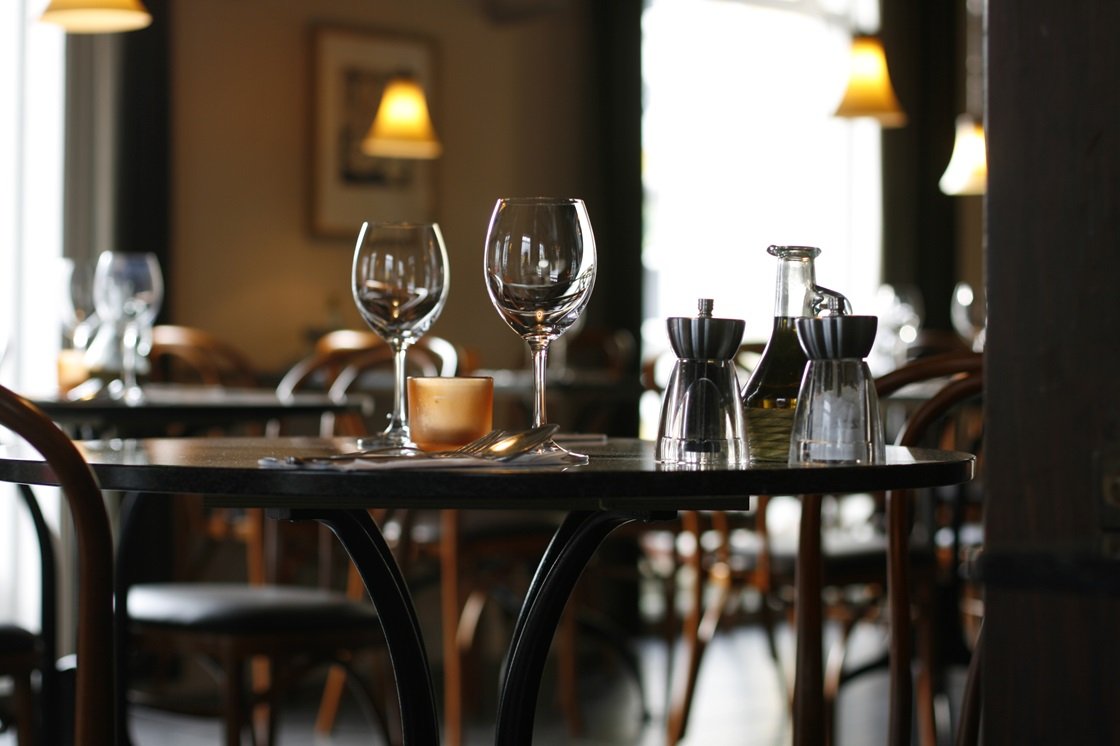
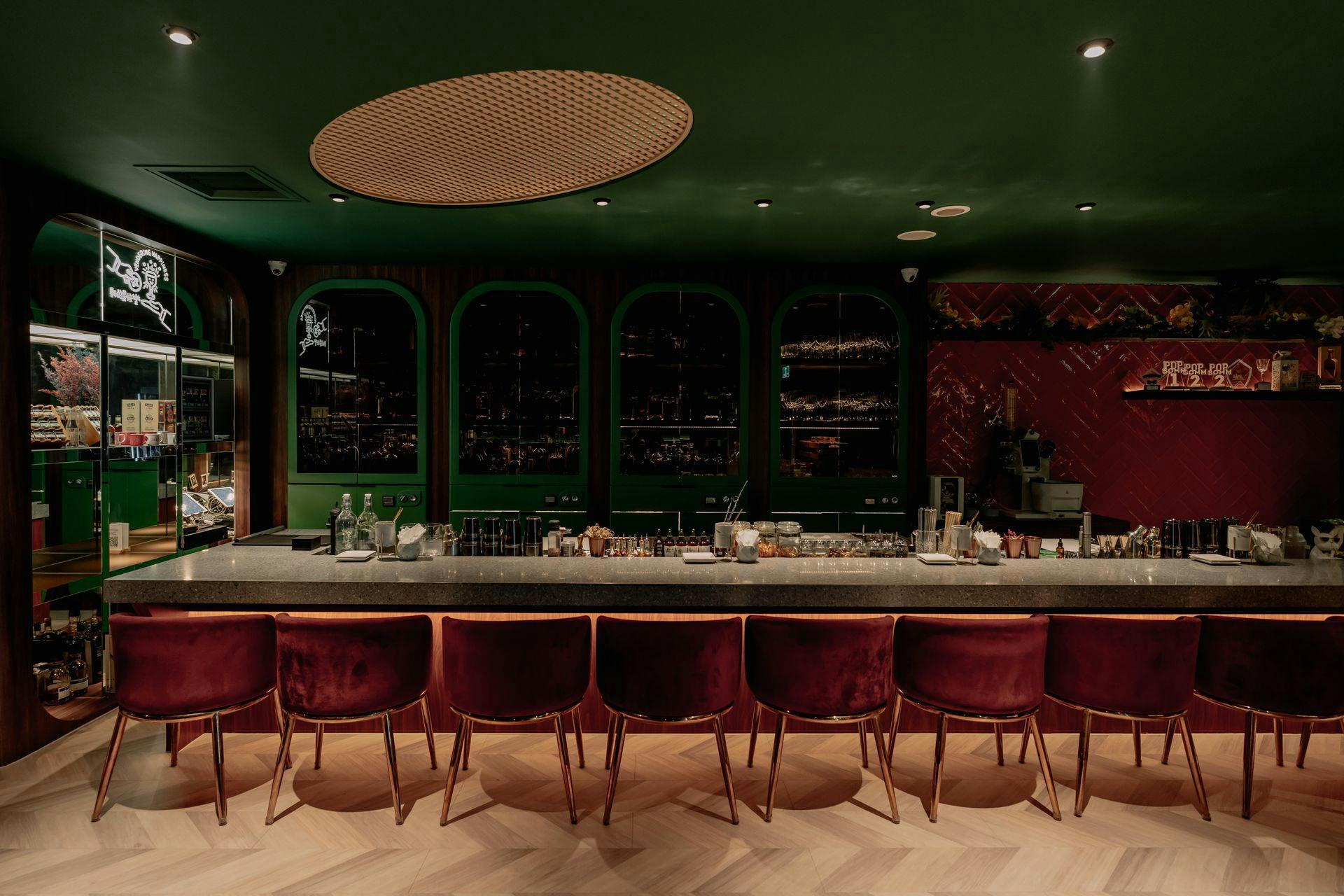
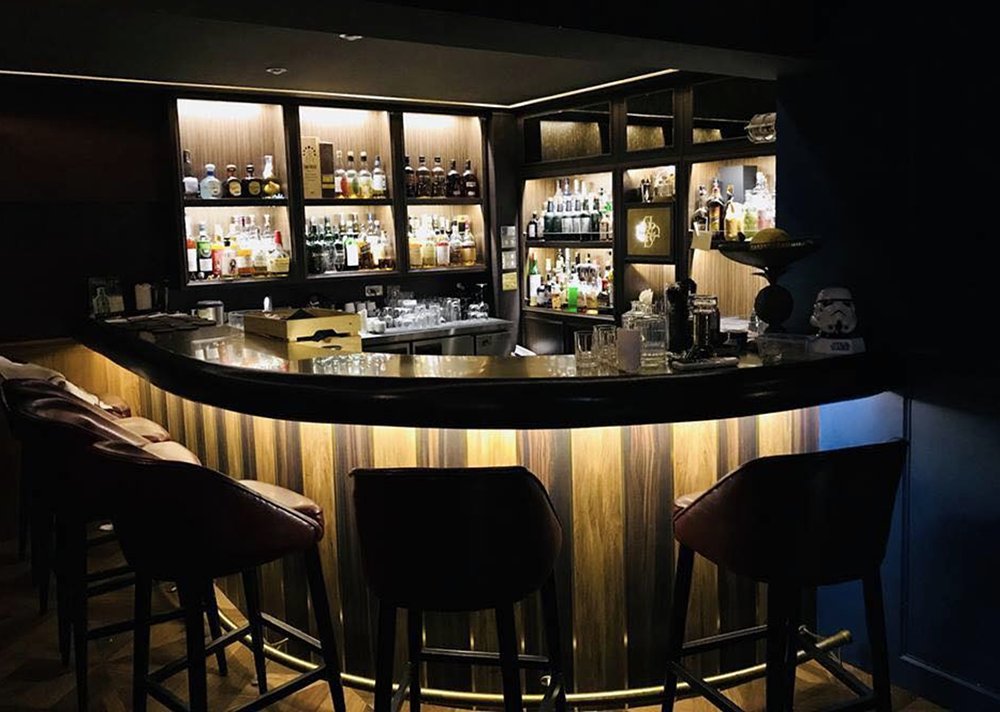
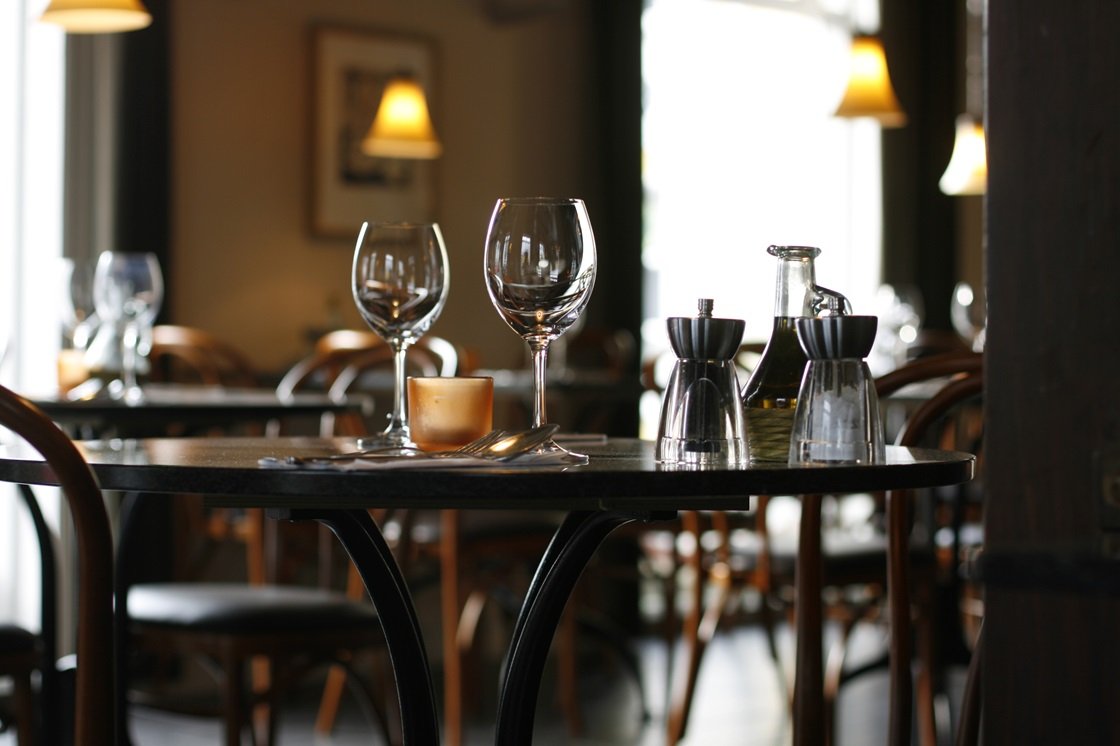
VARMT presents noodle culture through a carefully curated interior that reads more like a neighbourhood living room than a traditional canteen. Trailing plants, warm-toned wooden furniture and deliberately calibrated lighting create a welcoming, intimate warmth that softens the modern, design-forward intent. The storefront’s proximity to PARK2 Caowu Square places it in a creative, youthful pocket of Taichung, and the overall effect is of a comfortable, charming spot where considered aesthetics serve the food rather than overshadow it.
Best For
VARMT is best for casual outings—drop-in lunches, easy dinners and solo noodle runs—particularly for younger professionals and design-minded diners who value atmosphere alongside flavour. It suits small groups looking for a relaxed, Instagram-friendly spot rather than formal business meals or large celebratory gatherings. The kitchen-forward approach means food is the main draw, so it’s a reliable choice for those seeking thoughtful, flavour-driven versions of classic noodle formats in a warm, neighbourhood setting.
Ordering Tips
The menu is organized by intensity: garlicky-and-hot, spicy-and-tingling (where Sichuan pepper is prominent), and a chef’s-specials section that sits outside those registers. Signature items include dan dan noodles with thousand-year egg and numbing pepper wonton noodles; if you’re curious about the kitchen’s take on Sichuan pepper, try dishes from the spicy-and-tingling section to experience that numbing quality. Because the restaurant frames itself as a flavour-first project, sampling across the three sections is the clearest way to understand its argument.
Venue details
Ambiance
Plant-filled interior with warm-toned wooden furniture creating a modern, cozy atmosphere.
Tags
Vibe
Best For
Experience
At the Table
- Dress Code
- Casual
- Noise Level
- Conversational
- Service Style
- Casual
- Meal Pacing
- Quick Bite
- Capacity
- Small
- Kitchen
- Modern
- Menu Format
- A la carte
Signature Dishes
- dan dan noodles with thousand-year egg
- numbing pepper wonton noodles
Know before you go
Know Before You Go
- Getting there
- 403, Taiwan, Taichung City, West District, 公正路133號
Planning details
Location
403, Taiwan, Taichung City, West District, 公正路133號 · Directions
Recognition and awards
Also consider
Where to go if this does not fit the plan
If price is the main constraint, pick Ajisai or Ke Kou Beef Noodles instead. Both are $ noodle options in Taichung and make more sense for a casual meal with less spend.
If the group wants another simple Taichung noodle fallback, No Name Noodles is the practical cross-shop. Choose VARMT (West) when the recognition signal and slightly higher price tier matter; choose No Name Noodles when the goal is a lower-commitment bowl.
Restaurant context
How VARMT (West) compares with Taichung noodle peers
VARMT (West) is the higher-intent choice among the Taichung noodle options here: $$, Michelin Plate-recognized, and better suited to diners who want a more polished meal than a quick budget bowl. Ajisai, Ke Kou Beef Noodles, and No Name Noodles sit at $ and make more sense when price and speed matter more than recognition.
Tien Hsia San Chueh is the closest price peer at $$, so compare it directly if the group wants a similar spend level. VARMT (West) is the easier recommendation for a West District itinerary; Tien Hsia San Chueh is more of a deliberate cross-shop if location works for the day. Zhuang Ji Quan Fu Lu Mian Guan is the budget outlier at ¥, useful for a lower-spend noodle plan rather than a like-for-like occasion meal.
For the easiest value call, choose Ajisai, Ke Kou Beef Noodles, or No Name Noodles. For a modest step up with a clearer recognition signal, choose VARMT (West). For a broader noodle crawl, add Lao Shih Kuan Noodles or Mu Gong Noodles only if the plan is built around multiple stops rather than one seated meal.
Explore Taichung
Around this place
Discover more on Pearl
Unlock the full VARMT (West) guide in Pearl, including awards, comparisons, FAQs, planning details, and nearby places.
Compare VARMT (West)
| Venue | Location | Cuisine | Awards | Price |
|---|---|---|---|---|
| VARMT (West) | Taichung | Noodles | 2024 Michelin Plate | $$ |
| Ajisai | Taichung | Noodles | 2025 Michelin Bib Gourmand2024 Michelin Bib Gourmand | $ |
| Tien Hsia San Chueh | Taipei | Noodles | Michelin Guide Taiwan 20262025 Michelin Bib Gourmand2024 Michelin Bib Gourmand | $$ |
| Zhuang Ji Quan Fu Lu Mian Guan | Quanzhou | Noodles | 2026 Bib Gourmand2025 Michelin Bib Gourmand2024 Michelin Bib Gourmand | ¥ |
| Ke Kou Beef Noodles | Taichung | Noodles | Michelin Guide Taiwan 20262025 Michelin Bib Gourmand2024 Michelin Bib Gourmand | $ |
| No Name Noodles | Taichung | Noodles | Michelin Guide Taiwan 20262025 Michelin Bib Gourmand2024 Michelin Bib Gourmand | $ |


.png?width=1200&quality=80)
How VARMT (West) Taichung compares with similar nearby venues.
FAQ
Frequently Asked Questions
What should a first-timer know about VARMT (West)?
Start here if you want a focused noodle meal in Taichung. The Michelin Plate (2024) is the main recognition, and the $$ price range puts it in a moderate bracket.
Is lunch or dinner better at VARMT (West)?
Either can work. VARMT (West) is open daily from 11:30 AM–2:30 PM and 5:00–8:30 PM, so choose the meal period that best fits your Taichung schedule.
Is VARMT (West) good for a special occasion?
It can work for a low-key meal if the group wants noodles in Taichung at a $$ price point. The Michelin Plate (2024) adds credibility, and the dress code is casual.
What should I order at VARMT (West)?
Keep the meal centered on noodles. The safest expectation is a focused noodle meal rather than a broad menu built around other categories.
What is the format at VARMT (West)?
VARMT (West) is a noodles venue in Taichung with $$ pricing, casual dress, and daily lunch and dinner hours. Expect a straightforward, noodle-focused stop.
What should I wear to VARMT (West)?
Casual dress is appropriate. There is no need to plan for formal dining wear.
Is VARMT (West) worth the price?
It is worth considering if you value a Michelin Plate (2024) noodle meal at a $$ price point in Taichung. If your priority is simply the lowest-cost bowl, compare it with other noodle options before deciding.