




Sushi Sho
Japanese · Vasastan, Stockholm
Restaurant in Stockholm, Sweden
 Book with Pearl
The Read
Vasastan Counter Omakase
Price
$100–150per person
Dress
Smart Casual
Why go
Stockholm's only Michelin-starred omakase counter, Sushi Sho runs a full chef's-choice sushi and tsumami sequence under chef Keita Katsumata. At €€€€, this is the reference point for serious Japanese dining in Scandinavia. Book weeks in advance: availability is tight and the format suits pairs over large groups.
About Sushi Sho
Stockholm's Most Serious Omakase Counter
If you're weighing up where to spend serious money on a sushi dinner in Stockholm, the comparison that matters most is not between Sushi Sho and the city's Nordic fine-dining circuit: it's between Sushi Sho and flying to Tokyo. That is the level of ambition here, and for most diners the answer will be: book it. Chef Keita Katsumata's counter on Upplandsgatan earned a Michelin Star in 2025, making it the reference point for omakase in Sweden and one of the few Japanese restaurants in Scandinavia operating at the standard you would expect from a serious Tokyo sushi-ya.
The format is omakase and tsumami: chef's choice throughout, with the kitchen deciding the sequence and pacing of both sushi and small dishes. That structure is non-negotiable, which means this is not the right booking if someone in your party wants to order à la carte or skip courses. If the omakase format suits you, though, the Michelin recognition gives you reasonable confidence in what you're walking into: a counter-driven, detail-obsessed experience where the craft of the rice, the temperature of the fish, and the progression of flavours from light to rich and back again are the entire point. For a food-focused traveller who wants to benchmark Stockholm against world-class Japanese dining, Sushi Sho is the answer.
What the Experience Actually Involves
Omakase counters of this calibre run on rhythm and trust. You arrive, you sit, and the kitchen feeds you. The tsumami, small accompanying dishes, are woven through the meal alongside the sushi sequence, giving the chef room to introduce cooked preparations, seasonal ingredients, and textural contrast before and between the nigiri courses. This format is closer to what you'd find at established counters in Tokyo, such as Myojaku or Azabu Kadowaki, than to the abbreviated omakase menus that appear on many European Japanese menus. Expect a full, unhurried meal rather than a quick tasting.
The €€€€ pricing puts this at the top of Stockholm's restaurant price tier, alongside the city's Nordic and European fine-dining institutions. That is the right frame of reference: you are paying at the same level as a dinner at Frantzén or AIRA. Whether Sushi Sho justifies that spend depends on whether Japanese counter dining is the format you want. If it is, the combination of Michelin recognition, a dedicated omakase structure, and Katsumata's evident focus on craft makes it one of the more defensible ways to spend at that price point in the city.
Timing, Booking, and Who This Works For
Sushi Sho is a hard booking. Omakase counters in this tier typically seat fewer than twenty covers per service, and the combination of Michelin recognition and a small room means demand consistently outpaces availability. Plan well in advance, weeks rather than days. Last-minute availability is unlikely on weekends and rare midweek.
The late-night question is worth addressing directly for anyone building a longer evening around this. Omakase services at this level tend to run as single or double sittings with defined start times rather than the rolling availability you get at à la carte restaurants. Check the current sitting times when you book, and treat this as the main event of the evening rather than an early stop. The meal's pacing, extended, deliberate, with multiple courses, typically means you'll finish later than a standard restaurant dinner would end. For food travellers, that structure works well: it is the evening rather than part of one.
For a special occasion, Sushi Sho carries the right credentials. The Michelin Star provides a recognisable trust signal, the format is naturally theatrical and participatory, and the counter setting means you are watching the work happen directly in front of you. Group bookings are more complicated: counters of this type prioritise small parties, and larger groups will need to confirm availability. For a solo diner or a pair, this is close to the ideal format. For groups of four or more, contact the restaurant directly early and confirm the seating can accommodate you.
Stockholm's broader Japanese dining scene offers alternatives at lower price points. Dashi and Washoku TOMO are both worth knowing for Japanese cooking in the city without the omakase commitment or the €€€€ spend. But if the goal is a counter experience that takes the craft of sushi seriously at a competition level, neither occupies the same position as Sushi Sho.
Practical Details
Address: Upplandsgatan 45, 113 28 Stockholm, Sweden. Cuisine: Japanese omakase and tsumami. Price tier: €€€€, budget for a full tasting at the top end of Stockholm's restaurant pricing. Reservations: Book as far in advance as possible; this is a hard reservation to secure, particularly on weekends. Format: Chef's choice throughout, omakase structure, no à la carte option. Occasion suitability: Well-suited for anniversaries, milestone dinners, and food-focused travel; less suited for large groups or diners who prefer to order their own dishes. Getting there: Upplandsgatan is in the Vasastan neighbourhood, walkable from central Stockholm. Further exploration: For more on eating and drinking in the city, see our full Stockholm restaurants guide, our full Stockholm bars guide, our full Stockholm hotels guide, our full Stockholm wineries guide, and our full Stockholm experiences guide. If you are travelling around Sweden and want Michelin-level cooking outside Stockholm, Vollmers in Malmö, Signum in Mölnlycke, VYN in Simrishamn, 28+ in Gothenburg, ÄNG in Tvååker, and Knystaforsen in Rydöbruk are all worth considering.
Planning details
- Hours
- Monday: Closed · Tuesday: 5–11 PM
- Location
- Upplandsgatan 45, 113 28 Stockholm, Sweden
- Reservations
- Book on the venue's website
- Website
- sushisho.se
- Phone
- +46 8 28 70 74
The take
The Take
The Vibe
Sushi Sho presents a deliberately discreet, counter-focused experience that reads more like a private address than a city restaurant. The dining room centers on an omakase counter led by chef Keita Katsumata, and the operation favors restrained presentation over street-level theatre. That intentional quietness and the lack of marquee signage make the place feel hidden and singular: an intimate, quietly refined stop for diners who prize chef-driven sequencing and close attention to technique. The 2025 Michelin star cements its standing among Stockholm's upper-tier Japanese counters, while the residential setting keeps the atmosphere measured and composed.
Best For
This is a destination for evenings when the meal itself is the occasion. With an omakase counter, chef-driven pacing and a 2025 Michelin star, Sushi Sho suits date nights and special celebrations where focus and restraint are part of the appeal. The format rewards small parties or pairs who want to sit at the counter and watch the service unfold; it is less about casual drop-ins and more about a considered, single-session dining experience. Expect a tasting-sequence approach that aligns with Stockholm’s top-bracket restaurants rather than informal lunch or brunch formats.
Ordering Tips
Sushi Sho is one of Stockholm’s most demanding restaurant reservations, so book well in advance. The meal follows an omakase sequencing and chef-led pacing model, so plan for a set, continuous service rather than à la carte ordering: arrive on time and be prepared to follow the chef’s sequence. Highlighted signatures to look for include the soy-cured egg, chawanmushi and bluefin tuna nigiri; allow the counter format and the chef’s timing to shape the experience.
Venue details
Ambiance
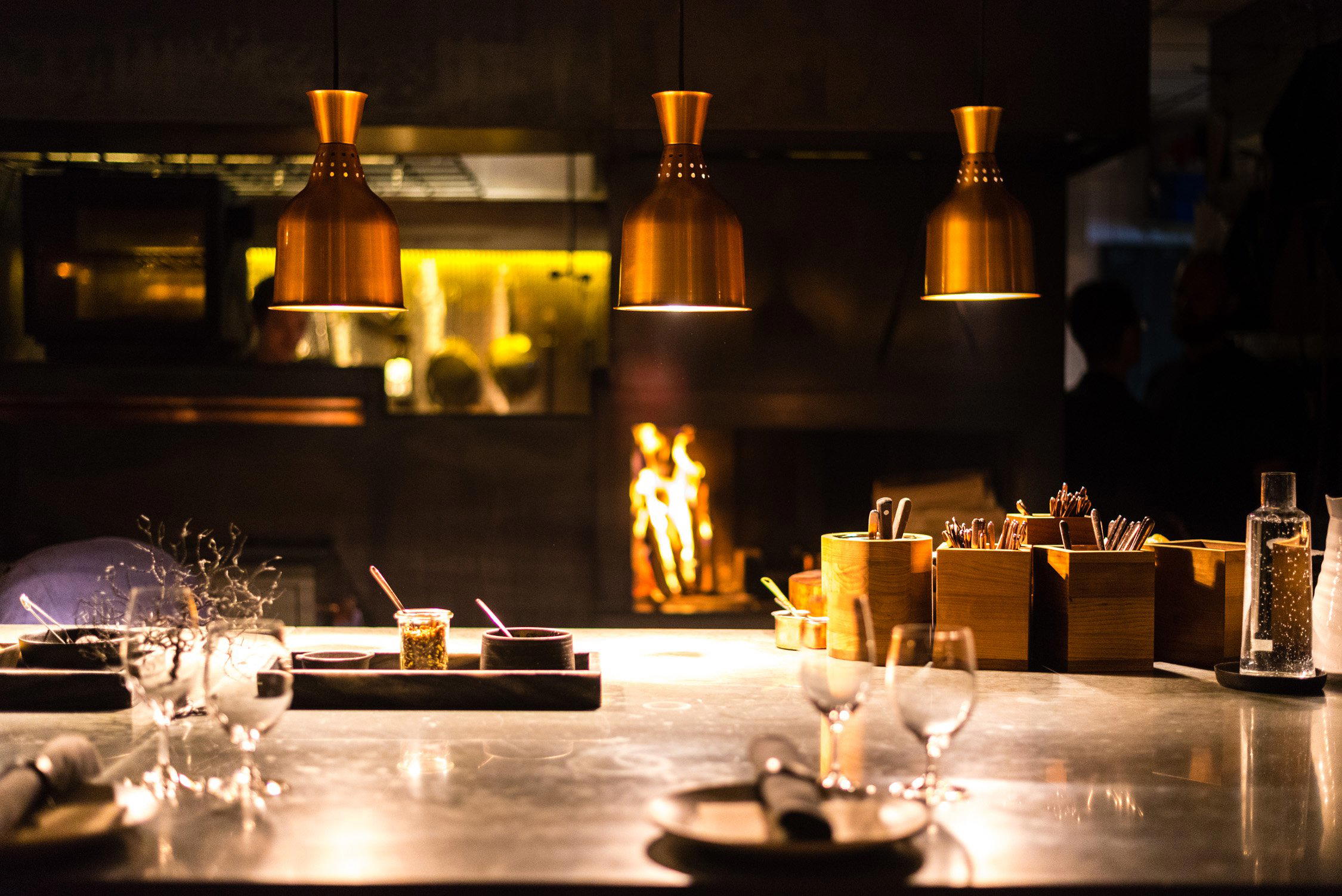
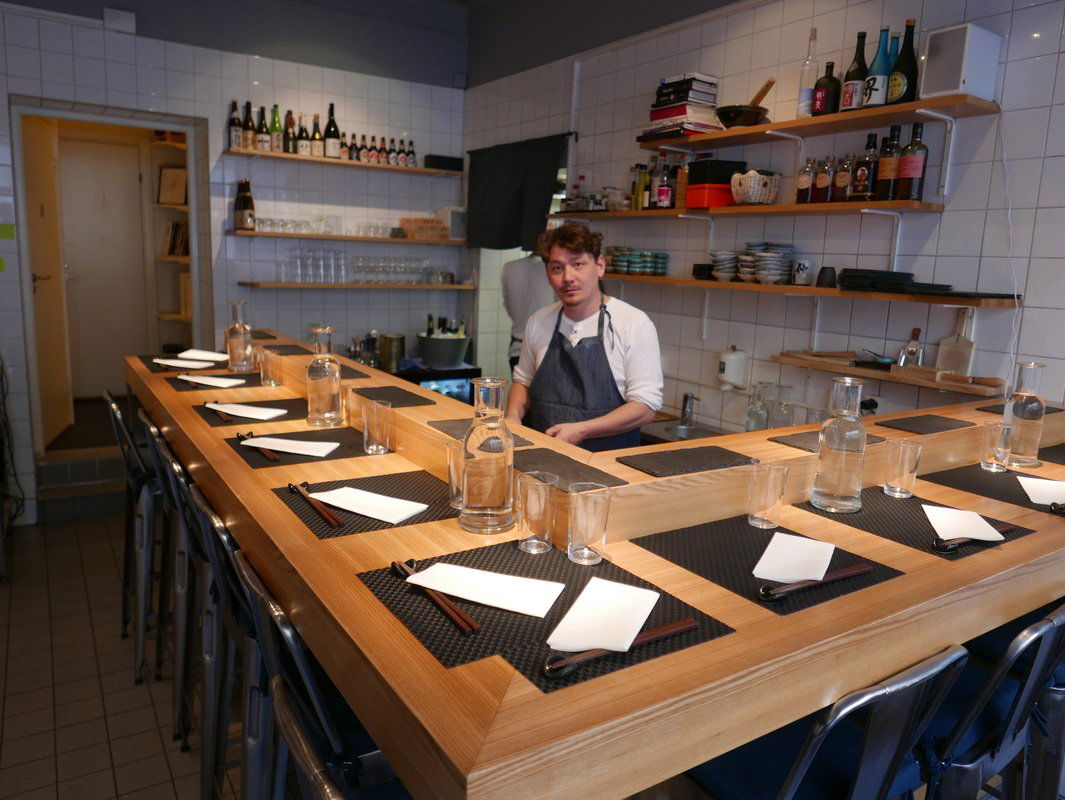
Minimalist white-tiled walls with compact counter seating creating an intimate, focused dining environment where diners watch the chef prepare each course.
Tags
Vibe
Best For
Experience
Sourcing
At the Table
- Dress Code
- Smart Casual
- Noise Level
- Conversational
- Service Style
- Omakase Bar
- Meal Pacing
- Extended Experience
- Capacity
- Intimate
- Kitchen
- Traditional
- Menu Format
- Omakase, Counter dining, Set menu
- Drinks Focus
- Sake
- Dietary
- Pescatarian friendly
Signature Dishes
- soy-cured egg
- chawanmushi
- bluefin tuna nigiri
Know before you go
Know Before You Go
- Getting there
- Upplandsgatan 45, 113 28 Stockholm, Sweden
Planning details
Hours
- Monday
- Closed
- Tuesday
- 5–11 PM
- Wednesday
- 5–11 PM
- Thursday
- 5–11 PM
- Friday
- 1–11 PM
- Saturday
- 1–11 PM
- Sunday
- Closed
Location
Upplandsgatan 45, 113 28 Stockholm, Sweden · Directions
Recognition and awards




Also consider
Also Consider
- Operakällaren: Swedish, Modern Cuisine, €€€€
- AIRA: Modern European, Modern Cuisine, €€€€
- Adam / Albin: New Nordic, €€€€
- Ekstedt: Progressive Asador, Grills, €€€€
- Etoile: Contemporary French, Creative, €€€€
Restaurant context
At €€€€, Sushi Sho sits in the same price tier as every serious fine-dining option in Stockholm, but it occupies a different category entirely. AIRA and Operakällaren both operate at the same spend level with stronger infrastructure for groups, more flexible booking windows, and the kind of grand-room experience that works for entertaining. If the occasion calls for a table rather than a counter, or if you want Nordic or European cooking rather than Japanese, either of those is a more practical booking. Sushi Sho is the right call only when omakase is specifically what you are after.
Adam / Albin and Ekstedt offer strong value within the €€€€ bracket for diners who want a tasting menu with a distinct point of view: Ekstedt in particular is worth considering for its live-fire cooking if sensory drama is what you want from a meal. Etoile is the easier reservation in this group and a reasonable fallback if you cannot secure a table at your first choice. None of them competes with Sushi Sho on the Japanese counter experience: they are simply different formats at the same price point.
For food travellers who want to compare Stockholm's Japanese offering more specifically, Dashi and Washoku TOMO are both accessible alternatives without the booking difficulty or the top-tier pricing. The verdict for most explorers: if you are in Stockholm for a few days and have one serious dinner budget to allocate, Sushi Sho is the harder booking but the more distinctive experience. If flexibility matters more than format, AIRA or Ekstedt are easier to secure and deliver at a high level.
Explore Stockholm
Around this place
Discover more on Pearl
Unlock the full Sushi Sho guide in Pearl, including awards, comparisons, FAQs, planning details, and nearby places.
Compare Sushi Sho
| Venue | Cuisine | Price | Booking Difficulty | Awards |
|---|---|---|---|---|
| Sushi Sho | Japanese | €€€€ | Hard | Star Wine Lists 2026Michelin Guide Nordic Countries 20262026 OAD Top Restaurants in Europe Recommended2026 White Guide Nordic Restaurants - Masters Level2026 White Guide Sweden Restaurants - Masters Level2026 Falstaff Restaurant Guide2025 Michelin 1 Star |
| Operakällaren | Swedish, Modern Cuisine | €€€€ | Unknown | Star Wine Lists 2026 · #12026 OAD Classical in Europe Ranked · #115Michelin Guide Nordic Countries 20262026 White Guide Sweden Restaurants - Global Masters Level2026 White Guide Nordic Restaurants - Masters Level2026 Les Grandes Tables du Monde Members2026 La Liste Top Restaurants2025 OAD Classical in Europe Ranked · #1332025 La Liste Top Restaurants |
| AIRA | Modern European, Modern Cuisine | €€€€ | Unknown | 2026 OAD Top Restaurants in Europe Ranked · #101Michelin Guide Nordic Countries 20262026 White Guide Sweden Restaurants - Global Masters Level2026 La Liste Top Restaurants2026 Falstaff Restaurant Guide2025 OAD Top Restaurants in Europe Ranked · #1142025 OAD Top Restaurants in Japan Ranked · #5812025 Michelin 2 Stars2025 La Liste Top Restaurants |
| Adam / Albin | New Nordic | €€€€ | Unknown | Star Wine Lists 2026 · #1Michelin Guide Nordic Countries 20262026 OAD Top Restaurants in Europe Highly Recommended2026 White Guide Sweden Restaurants - Global Masters Level2026 White Guide Nordic Restaurants - Global Masters Level2026 La Liste Top Restaurants2026 Falstaff Restaurant Guide2025 La Liste Top Restaurants2025 Michelin 1 Star |
| Ekstedt | Progressive Asador, Grills | €€€€ | Unknown | 2026 OAD Top Restaurants in Europe Ranked · #115Star Wine Lists 2026Michelin Guide Nordic Countries 20262026 White Guide Nordic Restaurants - Masters Level2026 White Guide Sweden Restaurants - Masters Level2026 La Liste Top Restaurants2026 Falstaff Restaurant Guide2025 OAD Top Restaurants in Europe Ranked · #1162025 Michelin 1 Star |
| Etoile | Contemporary French, Creative | €€€€ | Unknown | Star Wine Lists 2026Michelin Guide Nordic Countries 20262026 OAD Top Restaurants in Europe Recommended2026 White Guide Nordic Restaurants - Masters Level2026 White Guide Sweden Restaurants - Masters Level2025 OAD Top Restaurants in Europe Ranked · #5572025 Michelin 1 Star2024 OAD Top Restaurants in Europe Ranked · #4132024 Michelin 1 Star |




How Sushi Sho stacks up against the competition.
FAQ
Frequently Asked Questions
Can I eat at the bar at Sushi Sho?
At Sushi Sho, the counter IS the experience. Omakase counters of this calibre are designed so that the bar seats are the prime positions: you watch the chef work and receive each course directly. There is no separate bar or walk-in dining area. All seats are counter seats, and all require a reservation.
Can Sushi Sho accommodate groups?
Groups larger than four will struggle here. Omakase counters at this tier typically run fewer than twenty covers per service, and the format prioritises a synchronized, chef-led pace over large-party logistics. For a group of six or more, Operakällaren or Adam/Albin offer private dining rooms that can be reserved and scaled. Sushi Sho is best suited to pairs or small groups of three to four who want the full counter experience.
Is Sushi Sho worth the price?
At €€€€, Sushi Sho is one of Stockholm's most expensive dinner commitments, and it earns its Michelin star (2025) with a format that justifies the spend for the right diner. If you want chef-driven precision and the tsumami-plus-sushi omakase structure, the price is defensible. If you want à la carte flexibility or a shorter, cheaper sushi fix, it is not the right call: Stockholm has mid-range Japanese options that will serve you better at a fraction of the cost.
What are alternatives to Sushi Sho in Stockholm?
For serious tasting-menu dining with more format flexibility, AIRA and Adam/Albin are the closest comparisons in price tier and ambition. Ekstedt offers a compelling high-end Stockholm experience if you want to move away from Japanese cuisine entirely. Operakällaren is the choice for a grand, traditional Swedish dining room at similar spend. Etoile sits in the same bracket for French-influenced tasting menus. None of these replicate the omakase counter format, so if that is what you are after, Sushi Sho has no direct local rival.
Is Sushi Sho good for a special occasion?
Yes, with the right expectations. A Michelin-starred omakase counter led by chef Keita Katsumata is a specific kind of occasion dinner: intimate, quiet, and chef-led. It works well for a serious food-focused celebration between two people. It is not suited to birthday parties, large groups, or occasions where the social dynamic matters more than the food. For those, Adam/Albin or Operakällaren give you more room to shape the evening.
Is the tasting menu worth it at Sushi Sho?
The omakase and tsumami format at Sushi Sho is the only option, so the question is really whether this style of dining is worth the €€€€ price in Stockholm. The 2025 Michelin star confirms the kitchen is operating at a level that justifies the spend within its category. If you have done omakase before and value the counter format, yes. If this would be your first omakase and you are uncertain about surrendering menu control, consider building up to it: the price of a misjudged booking here is high.