
Celeste
French, Modern Cuisine · Södermalm, Stockholm
Restaurant in Stockholm, Sweden
 Book with Pearl
The Read
South-Side French Precision
Price
$200–300per person
Dress
Smart Casual
Why go
Celeste holds a Michelin star for the second consecutive year (2024 and 2025), making it one of Stockholm's most consistent French-modern kitchens. At the €€€€ tier with hard booking difficulty, it rewards planning: reserve 4–6 weeks out minimum. A strong second-visit option for those wanting to test the kitchen across formats beyond the main dinner service.
About Celeste
Celeste, Stockholm: Pearl Verdict
The common assumption about Celeste is that it operates like a standard fine-dining tasting menu destination, leading saved for dinner and formal occasions. That framing undersells it: and misdirects your booking energy. Celeste is a Michelin-starred French-modern kitchen at Torkel Knutssonsgatan 24 in Södermalm, and if you have already been once for the main event, the question worth asking now is: what does the daytime or weekend service actually deliver, and is it worth a return?
On the evidence available, Celeste has held its Michelin one-star consecutively through both 2024 and 2025, which tells you something meaningful: this is not a debut-year fluke. A reinforces that the experience translates beyond critic tables. For context, Michelin one-star venues in Stockholm tend to cluster in the €€€€ price tier; Celeste sits squarely there, so calibrate your expectations accordingly. You are paying for precision, not merely setting.
The Space and How It Shapes the Experience
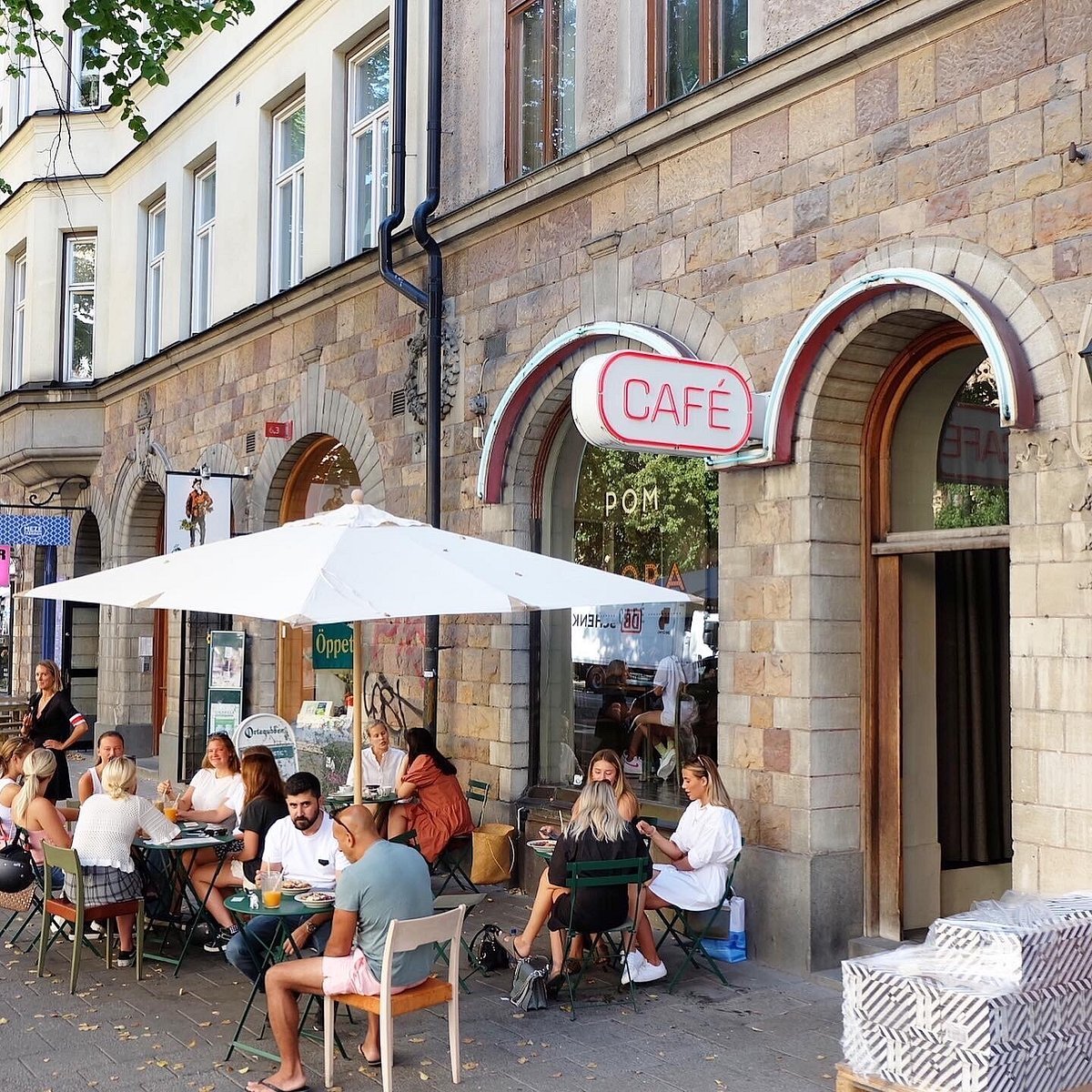
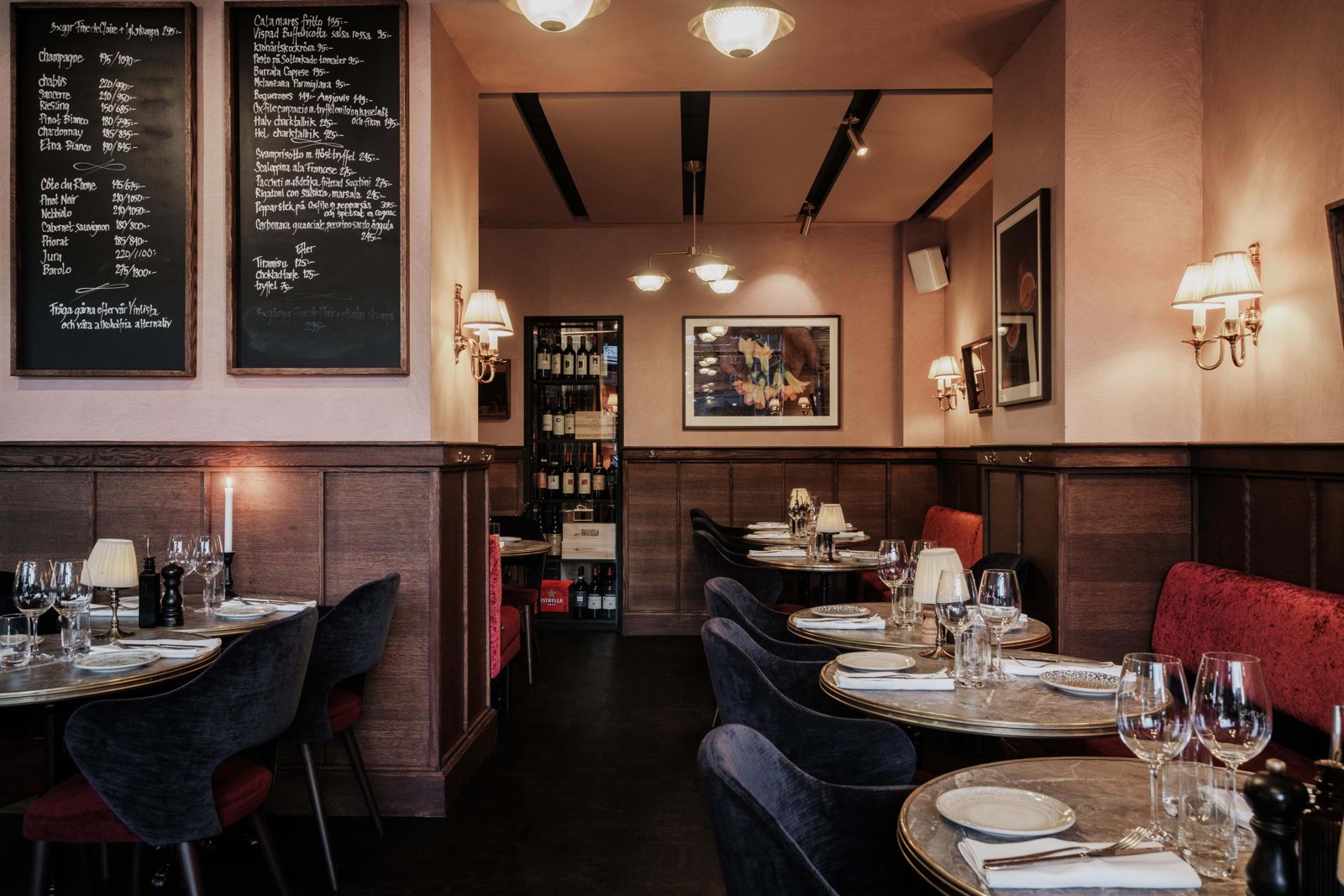
Södermalm is the right neighbourhood for a restaurant of this register: residential enough to feel considered rather than performative, with enough foot traffic to keep the room alive. The address on Torkel Knutssonsgatan places Celeste away from the tourist-facing restaurant corridors around Gamla Stan, which tends to favour guests who book with intent rather than stumble in. Without confirmed seating data, it is safe to assume from the Michelin context that the room is intimate: the format of a French-modern kitchen at this level rarely supports large, canteen-style seating. That intimacy is the right frame for thinking about whether to book a brunch or daytime slot: the spatial experience is likely closer to a private room than a brasserie floor, which changes how the service tempo and the pacing of dishes land in daylight hours.
If the spatial character of a restaurant matters to your decision, and for a second visit it should, Celeste is worth comparing to AIRA, which operates with a similar Michelin-anchored seriousness but in a different neighbourhood register. AIRA trends toward the architectural statement; Celeste, from what the address and format suggest, is more tightly scaled. For a solo diner or a pair returning after a first visit, the intimacy of a smaller room often works in your favour at brunch or lunch, fewer covers means the kitchen is not under dinner-service pressure, and you may get more attentive pacing.
What a Return Visit Looks Like
If you have been once, the question Pearl exists to answer is: is it worth going back, and under what conditions? At the €€€€ tier with a two-year Michelin track record, Celeste has enough technical credibility that a second visit carries low risk if the first delivered. The French-modern format means the menu is likely to have evolved since your last visit, this cuisine category turns over its seasonal anchors more aggressively than, say, a Nordic grill format like Ekstedt, where the method is the constant.
For comparison across Stockholm's Michelin-starred French-leaning tier, Aloë is the closest creative peer, while Operakällaren offers a grander, more theatrical Swedish-modern experience at the same price tier but with considerably more heritage weight. If you want to benchmark what French-modern cooking at this level looks like in a European capital with more critical mass, Le Cinq at the Four Seasons George V and Guy Savoy in Paris are the reference points, Celeste is not playing in that league on reputation alone, but two consecutive Michelin stars in Stockholm's competitive field is a credible credential.
For broader Swedish context, the Michelin-starred tier outside Stockholm includes Vollmers in Malmö, Koka in Gothenburg, and Signum in Mölnlycke. Celeste competes in a well-populated national field, which makes its consistent recognition more significant.
Booking and Practical Details
Booking difficulty is rated Hard. At a one-star venue in a city where the Michelin-starred restaurant pool draws both domestic and international diners, you should plan well in advance. Booking 4–6 weeks out is a reasonable minimum for a weekend slot; special occasions or high-demand dates will require more lead time. There is no confirmed walk-in policy in the available data, treat it as reservation-only until you hear otherwise. Reservations: book as far out as possible; 4–6 weeks minimum for weekends. Dress: smart casual at minimum; the Michelin context and French-modern format suggest the room will be dressed accordingly. Budget: €€€€ tier, this is a pre-committed spend, not a drop-in decision. Address: Torkel Knutssonsgatan 24, 118 49 Stockholm. Getting there: Södermalm is well-served by Stockholm's public transport network; the neighbourhood is walkable from several metro and tram connections.
Explore more options in our full Stockholm restaurants guide, or browse Stockholm hotels, bars, wineries, and experiences to plan around your reservation. If you are extending your trip beyond the capital, VYN in Simrishamn, Knystaforsen in Rydöbruk, and PM & Vänner in Växjö are worth the detour.
Planning details
- Hours
- Monday: 11 AM–3 PM · Tuesday: 11 AM–3 PM
- Location
- Torkel Knutssonsgatan 24, 118 49 Stockholm, Sweden
- Reservations
- Book on BokaBord
- Website
- celesterestaurant.se
- Phone
- +46 8 502 769 61
The take
The Take
The Vibe
Celeste plants high-end French technique into Södermalm’s residential fabric, creating a small, quietly elevated counterpoint to the neighborhood’s casual Scandinavian spots and natural wine bars. The restaurant’s presence on an unassuming street deliberately masks the refined, Michelin-one-star kitchen behind the door; that contrast shapes much of its appeal. Service and cooking skew toward composed, French-modern discipline rather than flashy theatrics, and the room reads as intimate and quietly upscale. Guests arrive expecting precise, well-executed cuisine delivered without pretense, a fine-dining experience that feels tucked away rather than staged on the city’s traditional gastronomic strips.
Best For
Celeste is best experienced in the evening for occasions that merit focused dining: date nights, celebrations and other special evenings. Its retained Michelin star and placement within Stockholm’s top price tier signal consistent technique, sourcing and plating, so diners should treat a visit as a deliberate gastronomic outing rather than casual late-night fare. The kitchen’s French-modern register and composed signature dishes make the restaurant a natural pick when you want a refined, memorable meal in Södermalm: an outlier locale that rewards those seeking quality without the formality of the city’s central fine-dining corridors.
Ordering Tips
Menus at Celeste emphasize French technique applied to high-quality proteins and Nordic ingredients; signature items include a Swedish beef tartare tartlet, reindeer with lingonberry sauce, a Nordic seafood platter, spring lamb with white asparagus and lobster with tomatoes and Swiss chard. For a representative meal, prioritize those dishes that showcase the kitchen’s strengths: beef tartare for precision, the seafood platter for varietal freshness, and the seasonal lamb or lobster for fuller composed plates. Expect a dinner-focused experience at a premium price point and plan accordingly when considering timing and companion choices.
Venue details
Ambiance
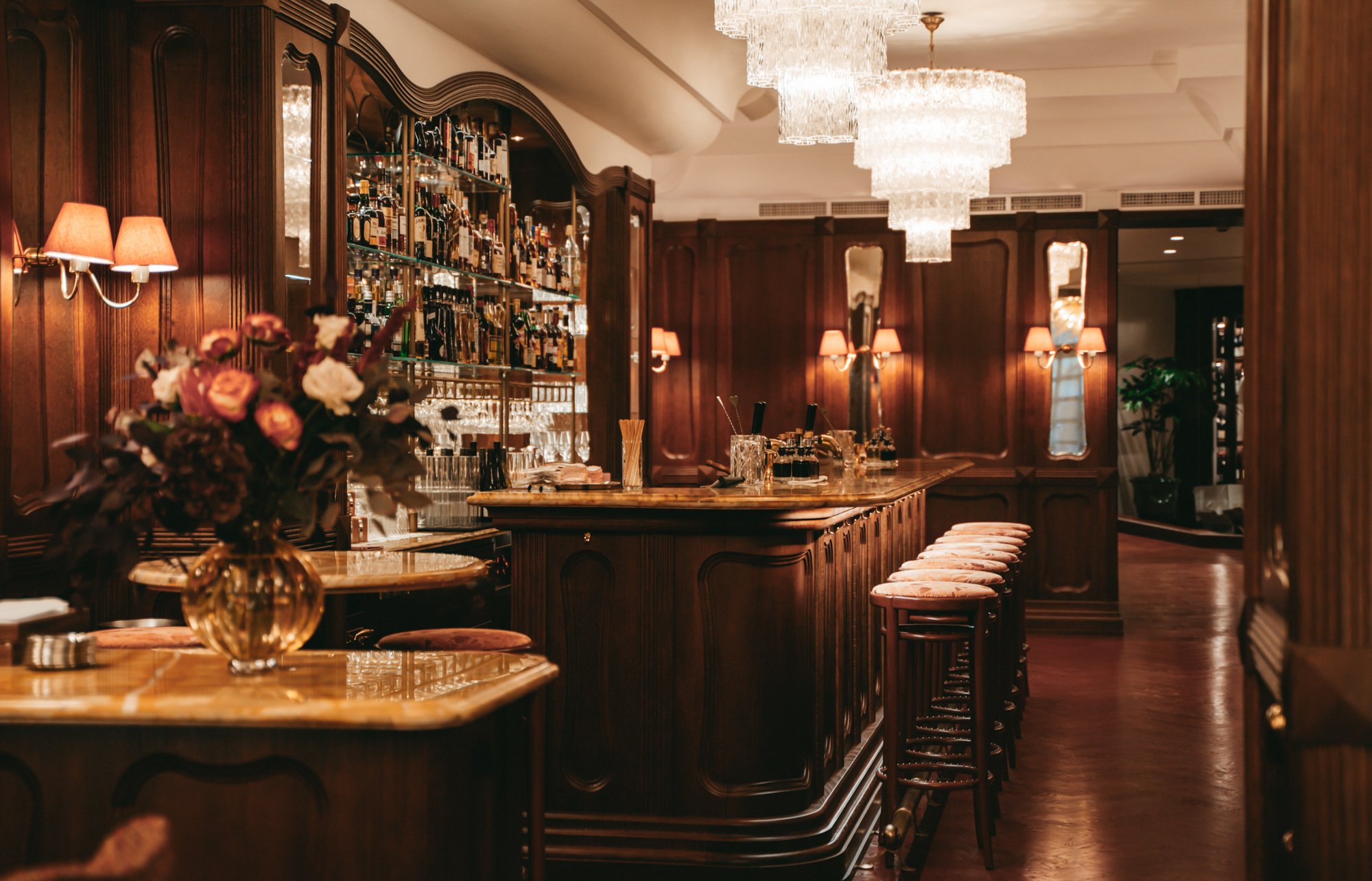
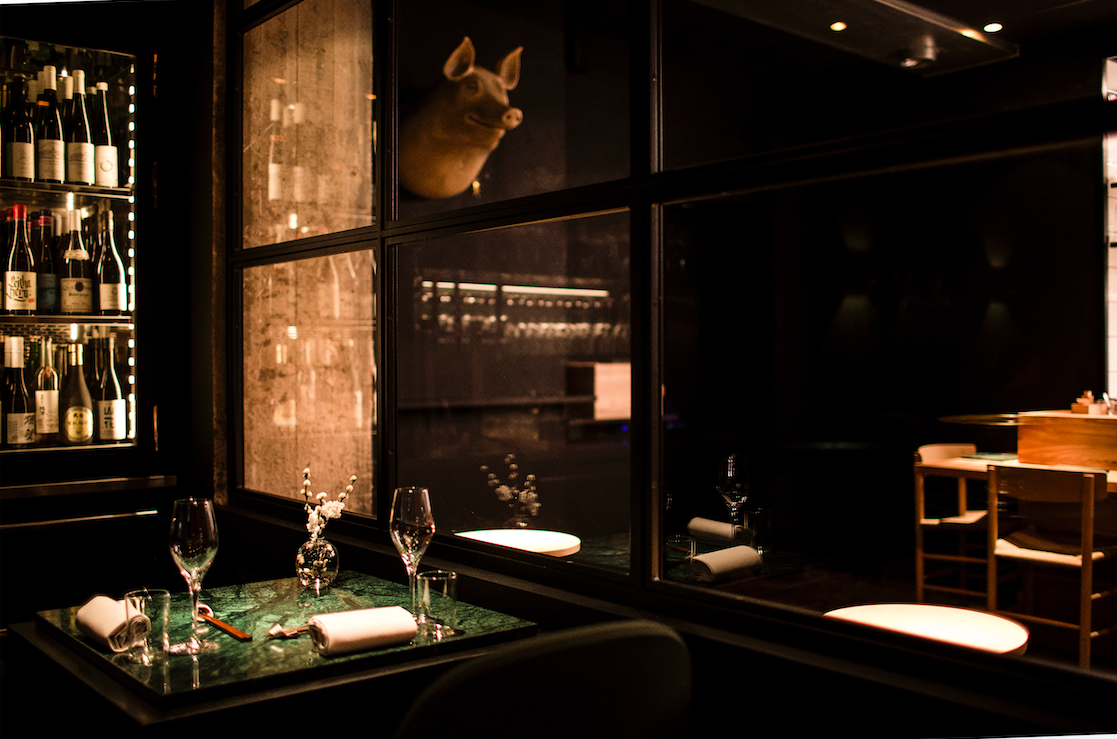
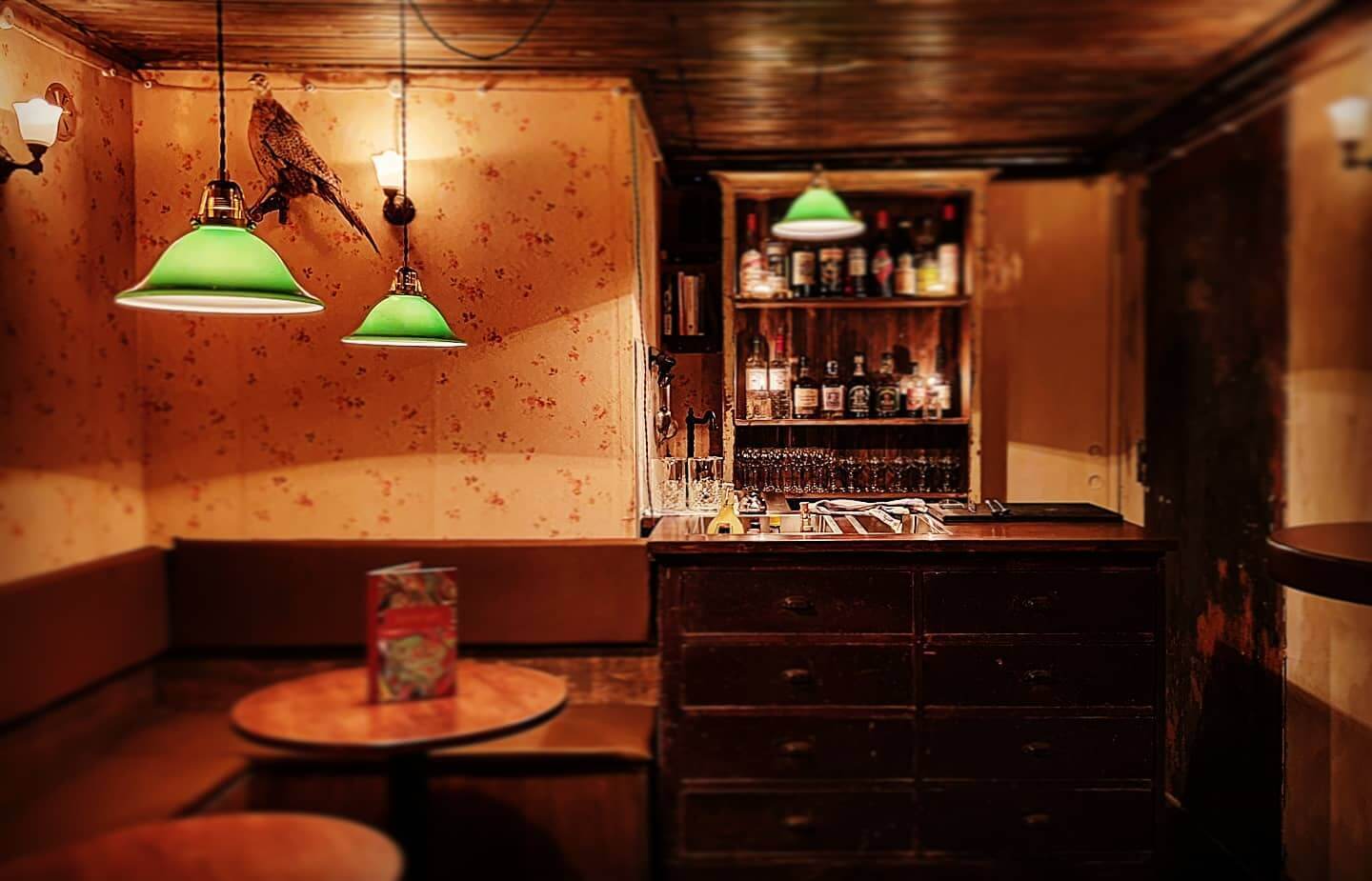
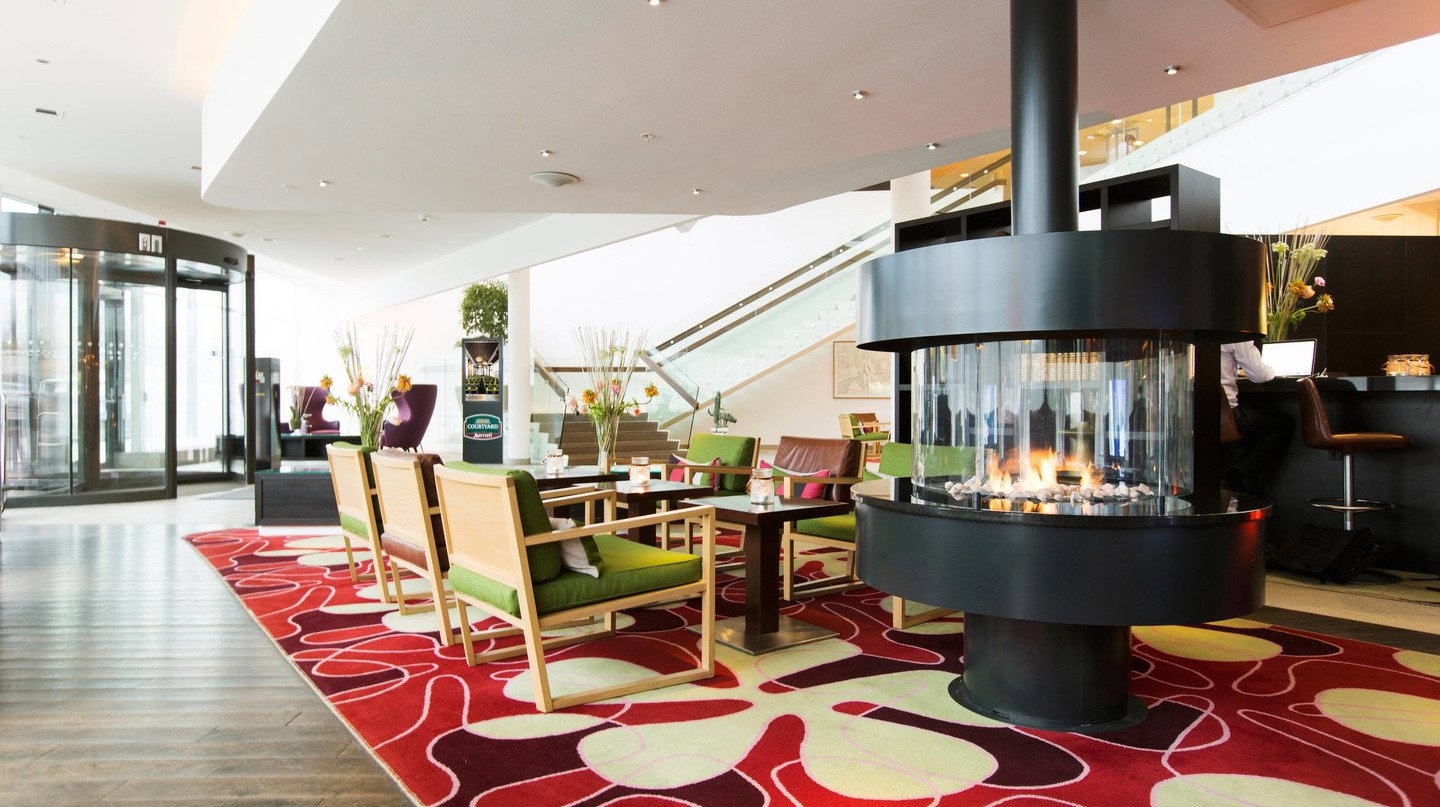
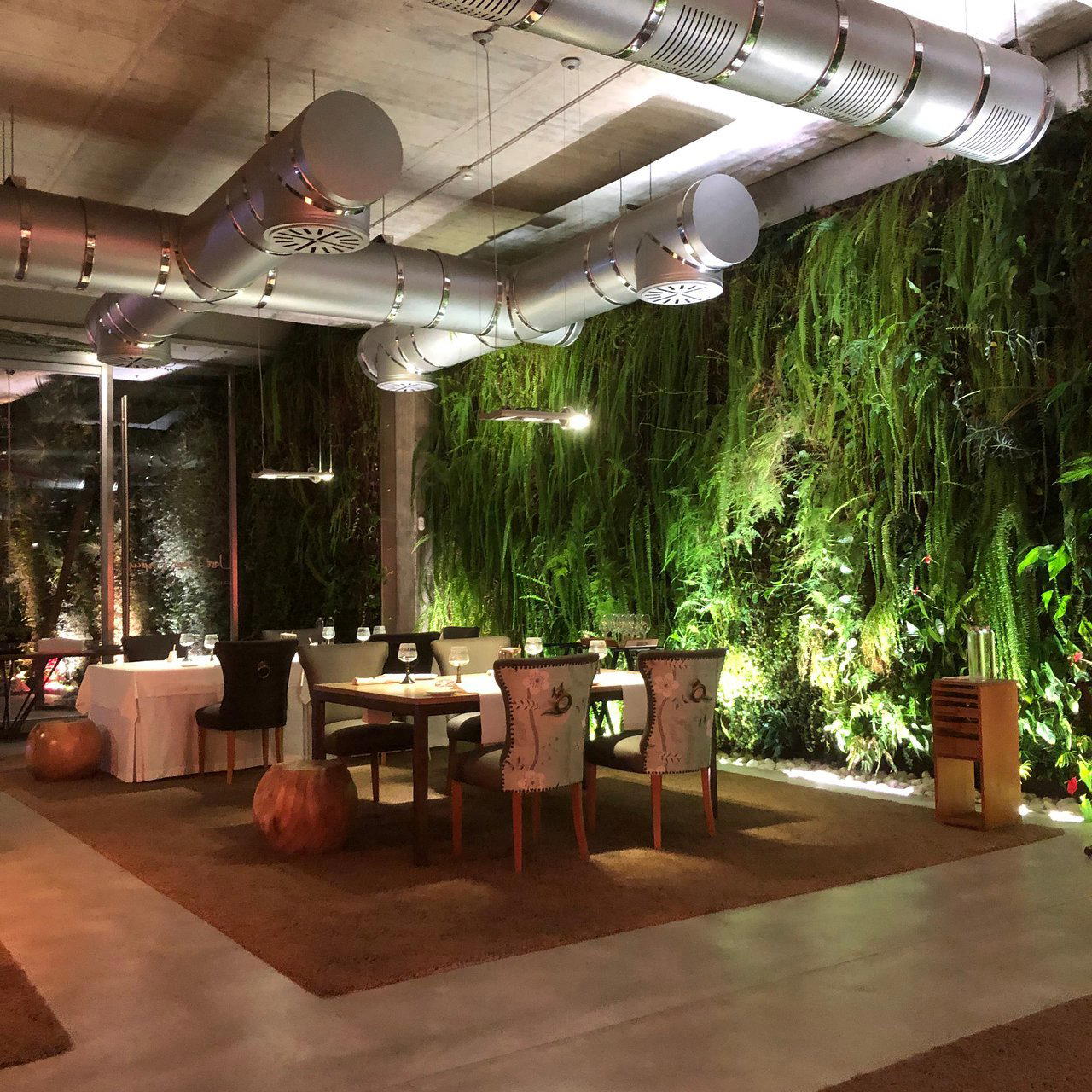
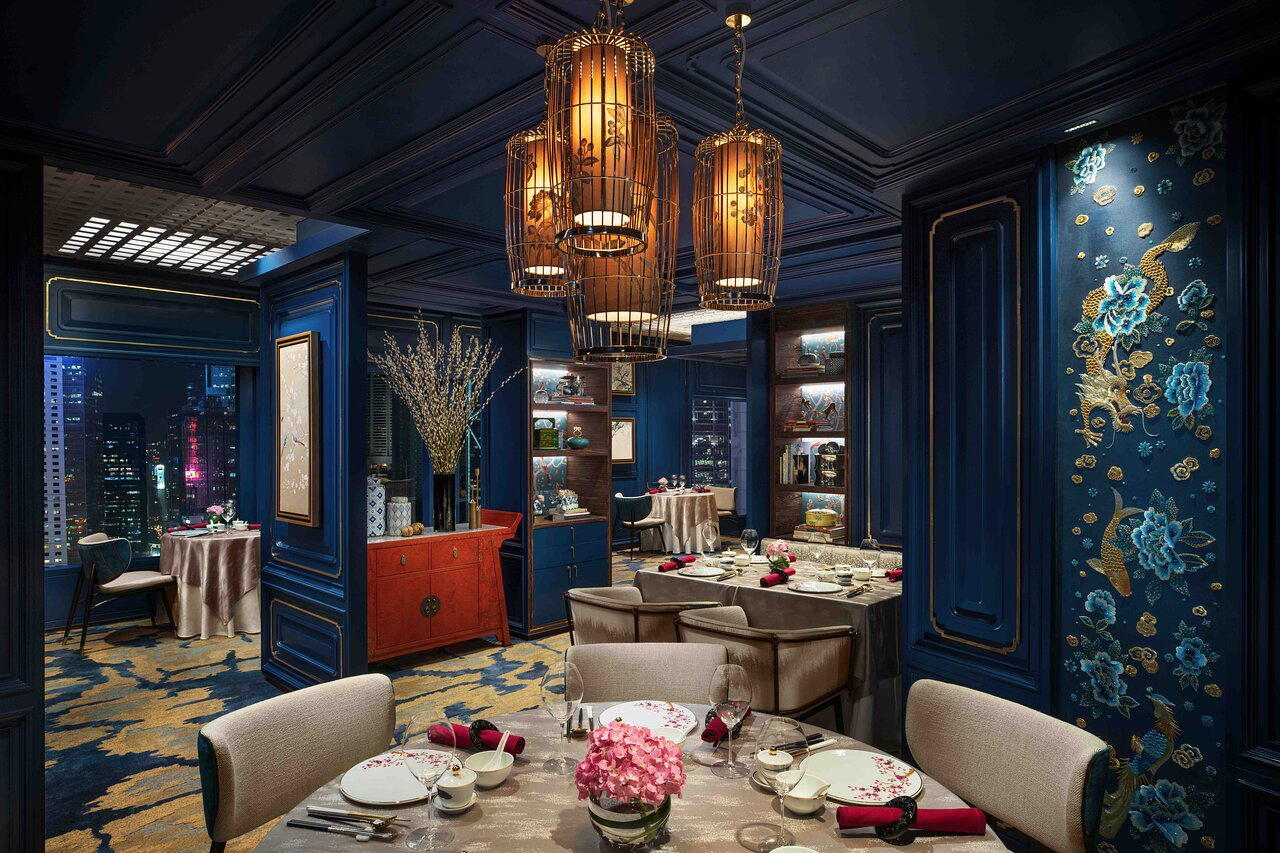
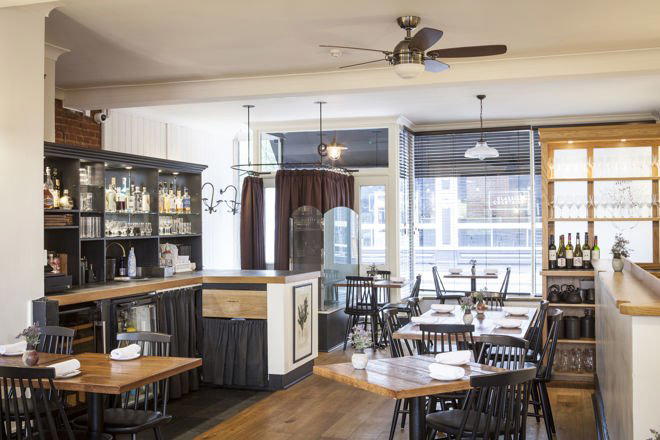
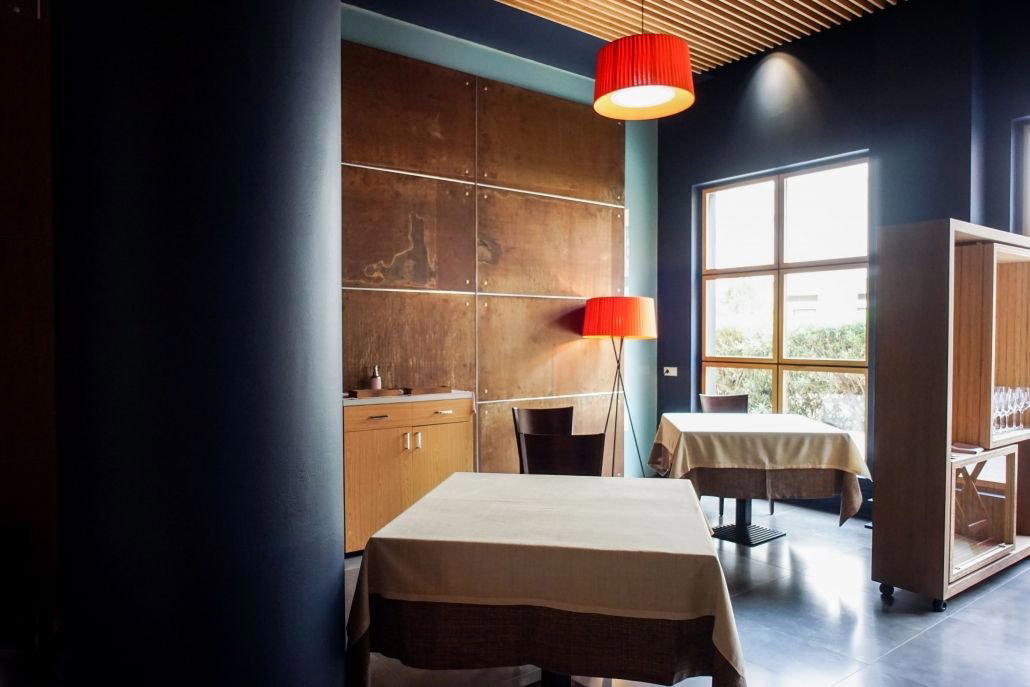
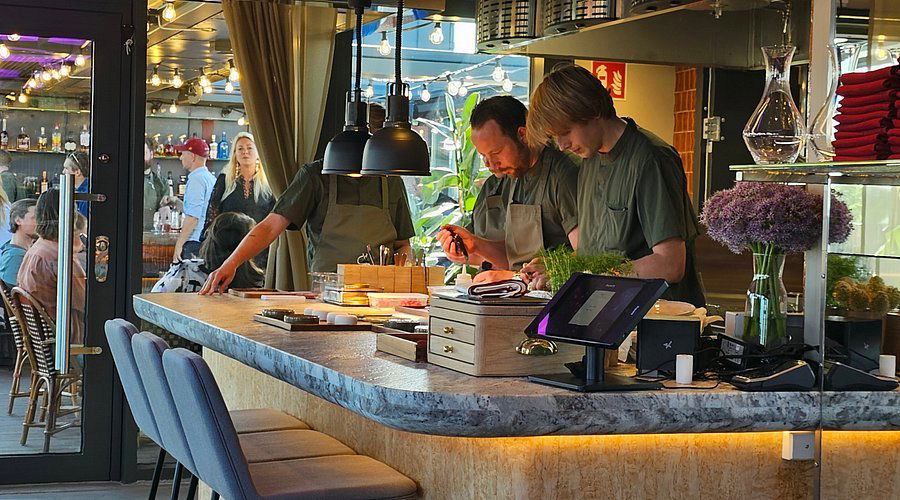
Elegant and minimalist with floor-to-ceiling windows overlooking Stockholm, open kitchen views, clean table settings with fresh flowers, and warm lighting that creates an intimate theater of gastronomy.
Tags
Vibe
Best For
Experience
Sourcing
View
Accessibility
At the Table
- Dress Code
- Smart Casual
- Noise Level
- Quiet
- Service Style
- Formal
- Meal Pacing
- Extended Experience
- Capacity
- Intimate
- Kitchen
- Seasonal
- Menu Format
- Tasting menu, Set menu
- Drinks Focus
- Craft cocktails, Wine pairings, Non-alcoholic pairings
- Dietary
- Vegetarian friendly
- Private Dining
- Available
- Outdoor Seating
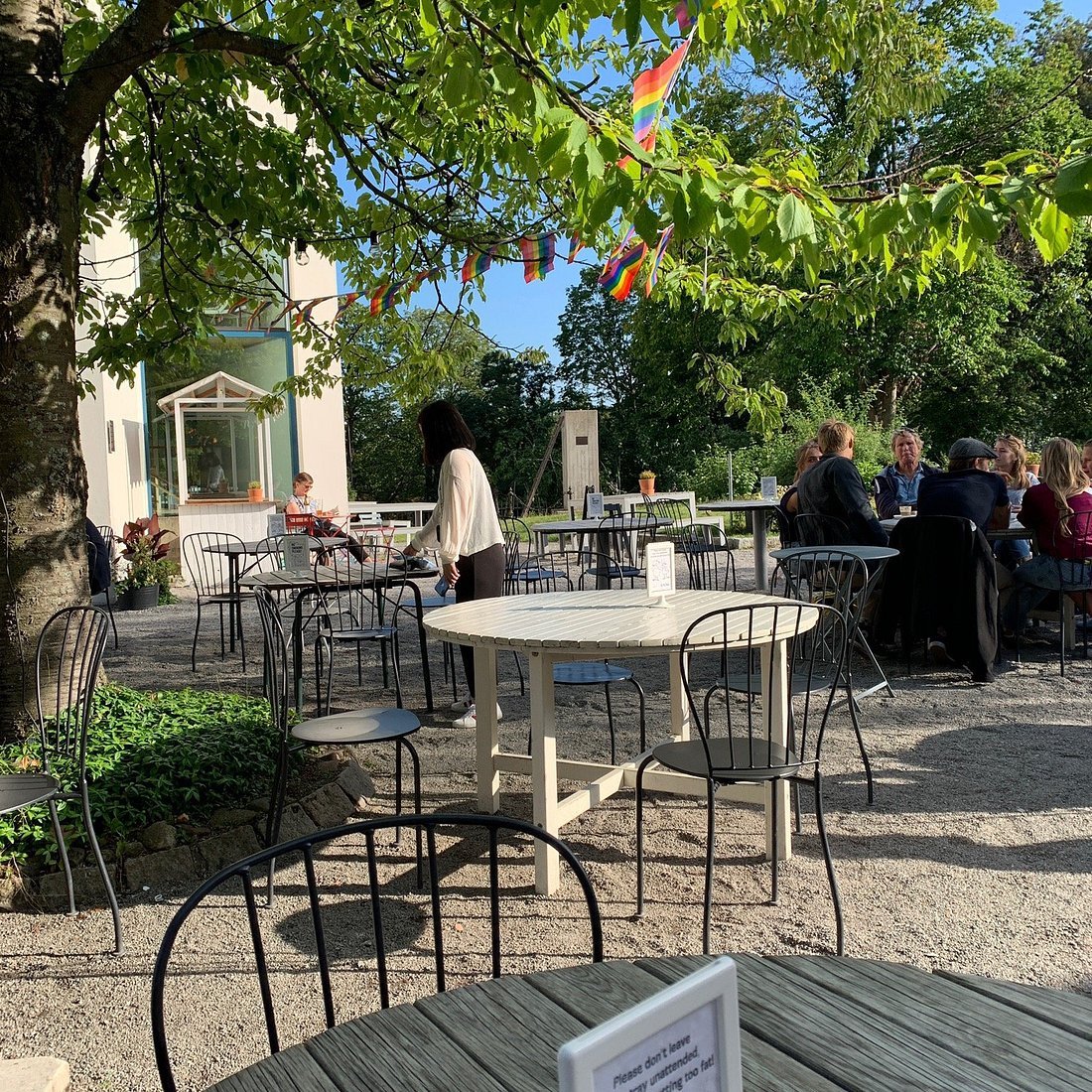
- Yes
Signature Dishes
- Swedish beef tartare tartlet
- reindeer with lingonberry sauce
- Nordic seafood platter
- spring lamb with white asparagus
- lobster with tomatoes and Swiss chard
Know before you go
Know Before You Go
- Getting there
- Torkel Knutssonsgatan 24, 118 49 Stockholm, Sweden
Planning details
Hours
- Monday
- 11 AM–3 PM
- Tuesday
- 11 AM–3 PM
- Wednesday
- 11 AM–3 PM, 6 PM–12 AM
- Thursday
- 11 AM–3 PM, 6 PM–12 AM
- Friday
- 11 AM–3 PM, 5 PM–12 AM
- Saturday
- 5 PM–12 AM
- Sunday
- Closed
Location
Torkel Knutssonsgatan 24, 118 49 Stockholm, Sweden · Directions
Recognition and awards
Also consider
Also Consider
- Operakällaren: Swedish, Modern Cuisine, €€€€
- AIRA: Modern European, Modern Cuisine, €€€€
- Etoile: Contemporary French, Creative, €€€€
- Adam / Albin: New Nordic, €€€€
- Ekstedt: Progressive Asador, Grills, €€€€
Restaurant context
How Celeste Compares
At Stockholm's €€€€ Michelin tier, the decision between Celeste and its peers comes down to what you are prioritising. Celeste's French-modern format under chef Darcio Henriques is the most technically European of the group: if you want classical French precision applied in a Swedish context, it is the clearest choice in this set. AIRA occupies a similar prestige position with a Modern European lens, and tends to attract more attention for its design-forward room; choose AIRA if the visual experience of the space is as important as the plate. Operakällaren is the most heritage-weighted option: it carries more institutional gravitas and a Swedish-rooted menu, which makes it the stronger pick for guests who want the occasion to feel rooted in Stockholm specifically rather than in a broader European fine-dining idiom.
Adam / Albin is the New Nordic entry at the same price tier and offers a different creative register: more ingredient-led, less technique-forward than Celeste's French-modern approach. If you are choosing between the two for a first Michelin visit in Stockholm, Adam / Albin tends to read as more distinctly Scandinavian; Celeste will appeal more if French classical technique is what you are specifically after. Ekstedt is the most distinct alternative in the set: its Progressive Asador format built around live-fire and grilling methods creates a completely different sensory experience. It is a better choice for guests who want something that could not exist in Paris or London; Celeste and Ekstedt are not competing for the same diner on the same night.
For value positioning: all five venues sit at €€€€, so price is not a differentiator. Booking difficulty is the real variable: Celeste is rated Hard, and so are most of its peers at this level. The practical edge goes to whichever venue has a table available when you are ready to book, so check multiple options simultaneously rather than waiting on a single choice. If you are planning well in advance and want the most creatively ambitious version of the French-modern format in Stockholm, Celeste is the direct recommendation. If you want the broadest critical recognition and the deepest Stockholm identity, Operakällaren is the safer bet for guests who are less familiar with the city's restaurant scene.
Explore Stockholm
Around this place
Discover more on Pearl
Unlock the full Celeste guide in Pearl, including awards, comparisons, FAQs, planning details, and nearby places.
Compare Celeste
| Venue | Price | Awards |
|---|---|---|
| Celeste | €€€€ | Michelin Guide Nordic Countries 20262025 Michelin 1 Star2024 Michelin 1 Star |
| Operakällaren | €€€€ | Star Wine Lists 2026 · #12026 OAD Classical in Europe Ranked · #115Michelin Guide Nordic Countries 20262026 White Guide Sweden Restaurants - Global Masters Level2026 White Guide Nordic Restaurants - Masters Level2026 Les Grandes Tables du Monde Members2026 La Liste Top Restaurants2025 OAD Classical in Europe Ranked · #1332025 La Liste Top Restaurants |
| AIRA | €€€€ | 2026 OAD Top Restaurants in Europe Ranked · #101Michelin Guide Nordic Countries 20262026 White Guide Sweden Restaurants - Global Masters Level2026 La Liste Top Restaurants2026 Falstaff Restaurant Guide2025 OAD Top Restaurants in Europe Ranked · #1142025 OAD Top Restaurants in Japan Ranked · #5812025 Michelin 2 Stars2025 La Liste Top Restaurants |
| Etoile | €€€€ | Star Wine Lists 2026Michelin Guide Nordic Countries 20262026 OAD Top Restaurants in Europe Recommended2026 White Guide Nordic Restaurants - Masters Level2026 White Guide Sweden Restaurants - Masters Level2025 OAD Top Restaurants in Europe Ranked · #5572025 Michelin 1 Star2024 OAD Top Restaurants in Europe Ranked · #4132024 Michelin 1 Star |
| Adam / Albin | €€€€ | Star Wine Lists 2026 · #1Michelin Guide Nordic Countries 20262026 OAD Top Restaurants in Europe Highly Recommended2026 White Guide Sweden Restaurants - Global Masters Level2026 White Guide Nordic Restaurants - Global Masters Level2026 La Liste Top Restaurants2026 Falstaff Restaurant Guide2025 La Liste Top Restaurants2025 Michelin 1 Star |
| Ekstedt | €€€€ | 2026 OAD Top Restaurants in Europe Ranked · #115Star Wine Lists 2026Michelin Guide Nordic Countries 20262026 White Guide Nordic Restaurants - Masters Level2026 White Guide Sweden Restaurants - Masters Level2026 La Liste Top Restaurants2026 Falstaff Restaurant Guide2025 OAD Top Restaurants in Europe Ranked · #1162025 Michelin 1 Star |








What to weigh when choosing between Celeste and alternatives.
FAQ
Frequently Asked Questions
Is Celeste good for a special occasion?
Yes, and it is one of the stronger cases in Stockholm for doing so. For a milestone dinner where the setting needs to match the moment, Celeste is a more considered choice than a larger hotel dining room like Operakällaren, which trades more on history than on current kitchen momentum.
Is Celeste good for solo dining?
It depends on format. At the €€€€ price point, solo dining at a Michelin-starred tasting menu venue is a deliberate choice rather than a casual one, and Celeste suits it if you are comfortable with that register. Counter or bar seating, if available, makes the experience less static for a solo diner.
What should a first-timer know about Celeste?
Booking is rated Hard: a one-star venue in Stockholm draws both local regulars and international diners, so plan at least several weeks ahead. The address is Torkel Knutssonsgatan 24 in Södermalm, a residential neighbourhood that signals the restaurant's tone: considered rather than showy. First-timers at the €€€€ tier should arrive with an appetite for a structured, chef-led format rather than flexible à la carte grazing.
What are alternatives to Celeste in Stockholm?
AIRA is the most direct comparison if you want modern fine dining with comparable ambition. Ekstedt is the right pivot if open-fire cooking appeals more than French technique. Adam/Albin offers a slightly different register but remains in the serious tasting-menu category. Operakällaren carries more institutional history but less current critical momentum. Etoile is worth considering if you want French-leaning cuisine at a slightly different price-to-occasion ratio.