Chablé Maroma
Punta Maroma, Solidaridad
Restaurant in Solidaridad, Mexico
 Book with Pearl
The Read
Dress
Smart Casual
Why go
Chablé Maroma is a practical resort-dining choice in Punta Maroma rather than a destination booking on the strength of a named chef, awards, or published price point. Use it when convenience and an easy reservation matter; compare with Bu'ul or Bu'ul at Chablé Maroma when the meal needs a clearer Mexican or special-occasion identity.
About Chablé Maroma
Chablé Maroma is a Solidaridad venue with a smart casual dress code. If details on menu, chef, price point, service format, or booking difficulty are important, confirm them directly before committing.
Use it when the basics fit your plans
The smarter move is to decide what kind of night this is before committing. If a smart casual setting in Solidaridad fits the occasion, Chablé Maroma remains a relevant option. If the goal is to compare named choices, consider Bu'ul or Bu'ul at Chablé Maroma, and confirm current details directly.
For specific details on cuisine, price, chef, hours, menu format, or reservation difficulty, it's best to confirm them directly. For broader planning, compare Chablé Maroma with other named options such as Barefoot Grill, Mamma Mia Restaurante, Kaban, and Bu'ul.
Better as a basics decision than a detail-heavy comparison
The practical question is simple: does a smart casual venue in Solidaridad fit the plan? If yes, Chablé Maroma can stay on the shortlist. If the decision depends on a specific cuisine, budget, beverage program, or service style, those details should be checked directly rather than assumed.
Quick reference: choose Chablé Maroma if the location and smart casual dress code match the occasion; compare with another option when cuisine, price, or format is the main filter.
Planning details
- Location
- Camino predio Manzana 002 Lote 006, 77710 Punta Maroma, Q.R., Mexico
- Website
- maroma.chablehotels.com
- Phone
- +529983870045
The take
The Take
The Vibe
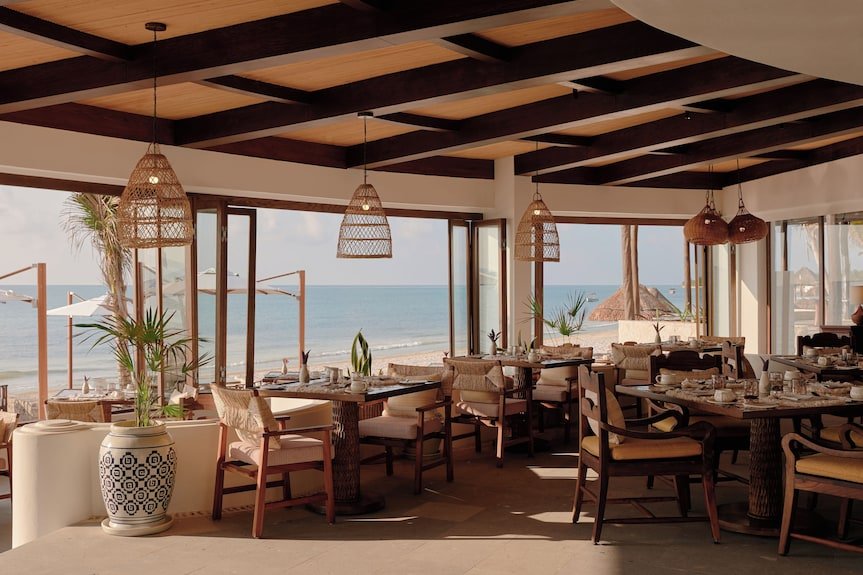
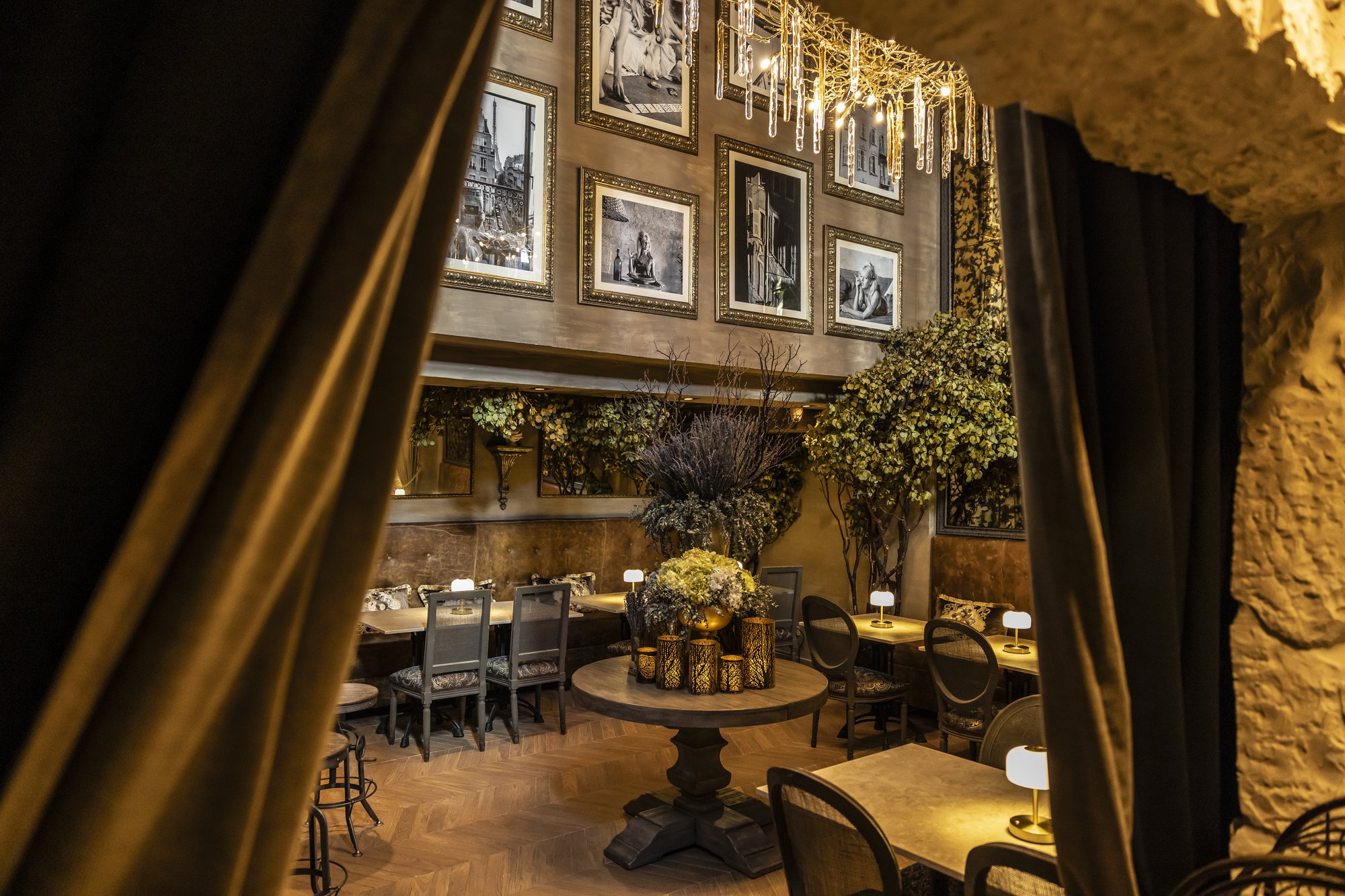
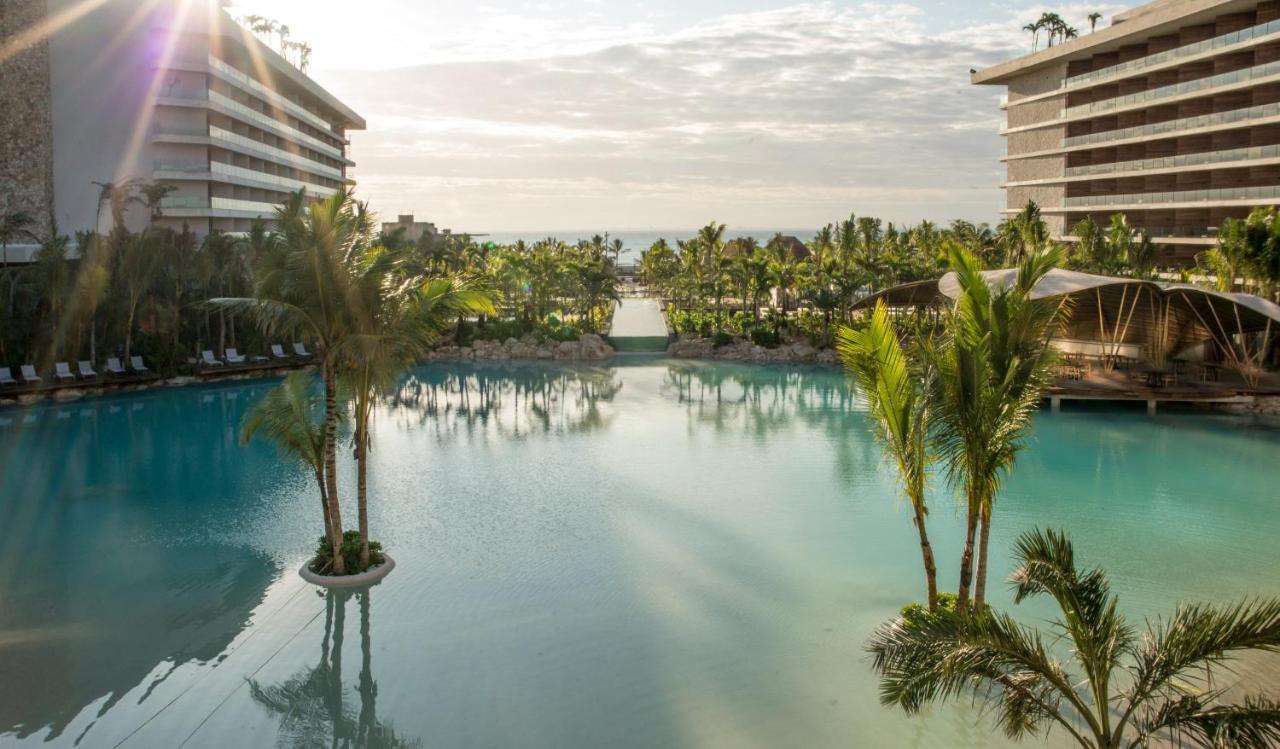
Chablé Maroma reads like a deliberately quiet, scenic retreat where the coast and the kitchen are in dialogue. The property tucks into one of Punta Maroma’s less developed stretches, and the architecture intentionally frames the transition from dense tropical vegetation to open Caribbean light. The experience is refined rather than flashy: a provenance-first approach to Mexican cooking that foregrounds local seafood, jungle herbs, and regional corn varieties. Expect a hidden-gem sensibility—polished and elegant service, intimate seating, and a strong sense that the landscape and larder are central to the experience.
Best For
This is a destination for focused, celebratory dinners: think milestone meals, refined date nights, and special-occasion evenings rather than casual drop-ins. The restaurant’s location on Punta Maroma and its commitment to regional technique and rare local ingredients make it better suited to guests who plan to linger over multiple courses. Visitors staying on-property or traveling specifically for the food are the intended audience; the secluded coastal setting and deliberate culinary program reward time and attention rather than quick visits.
Ordering Tips
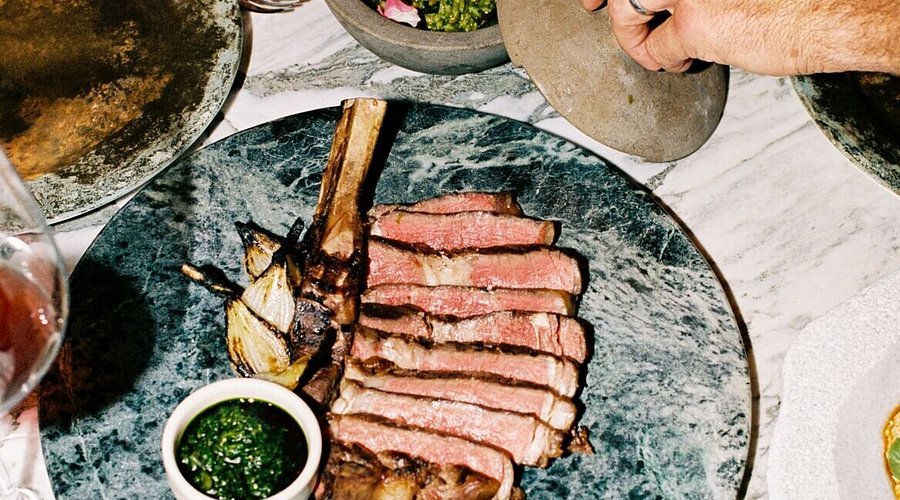
Center your meal on what the coast and peninsula do best. The kitchen highlights distinctive Caribbean seafood and Yucatán staples—order dishes that reference local catch and regional preparations. Signature plates such as Arroz meloso y camarón azul de Campeche and Pato con chichilo negro showcase the restaurant’s focus on provenance and technique, while the Tamal de cacao with agua de cenizas points to creative, place-driven desserts. Look for items that call out recado negro, achiote, chaya, and regional chiles to experience what distinguishes this stretch of the Riviera Maya.
Venue details
Ambiance
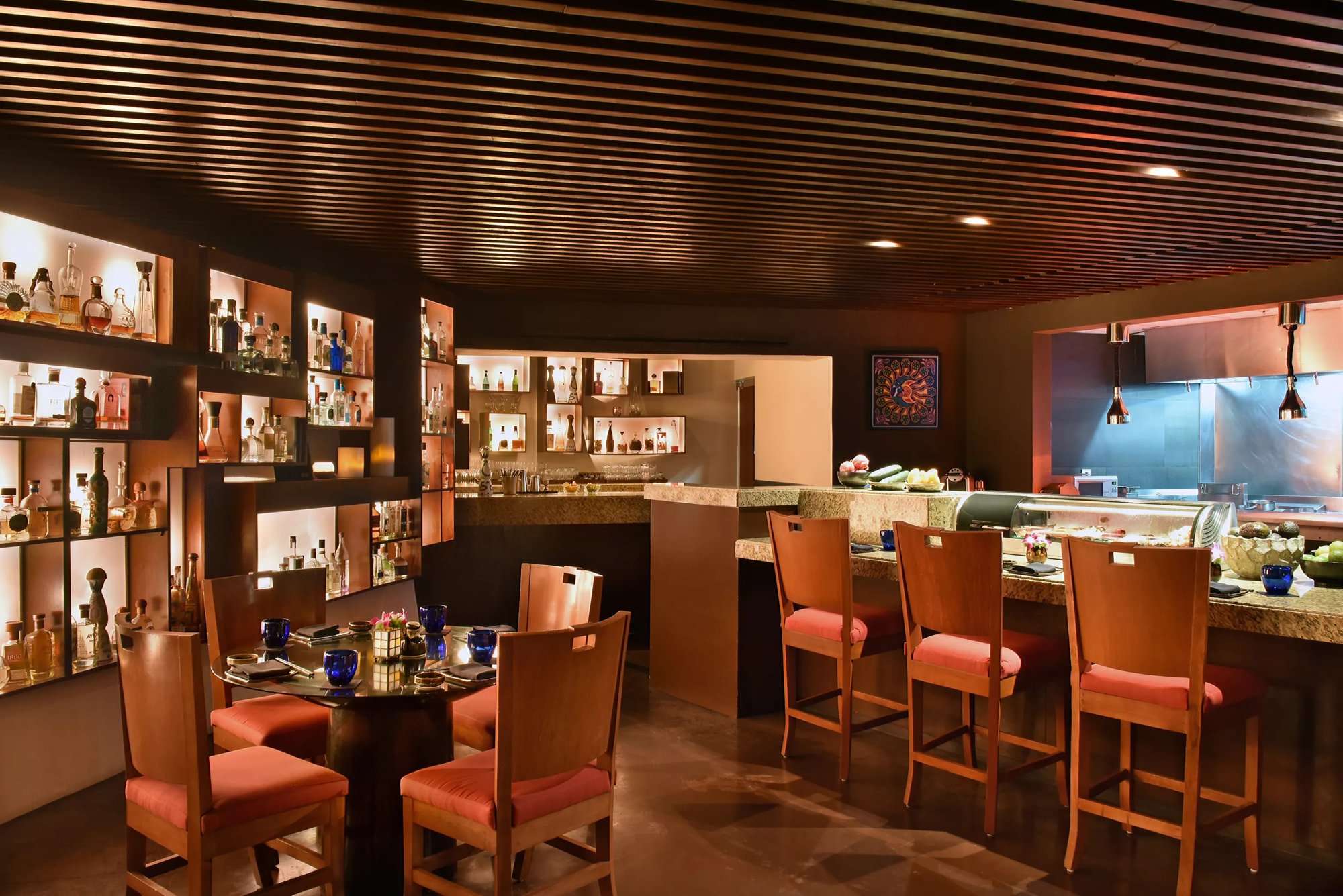
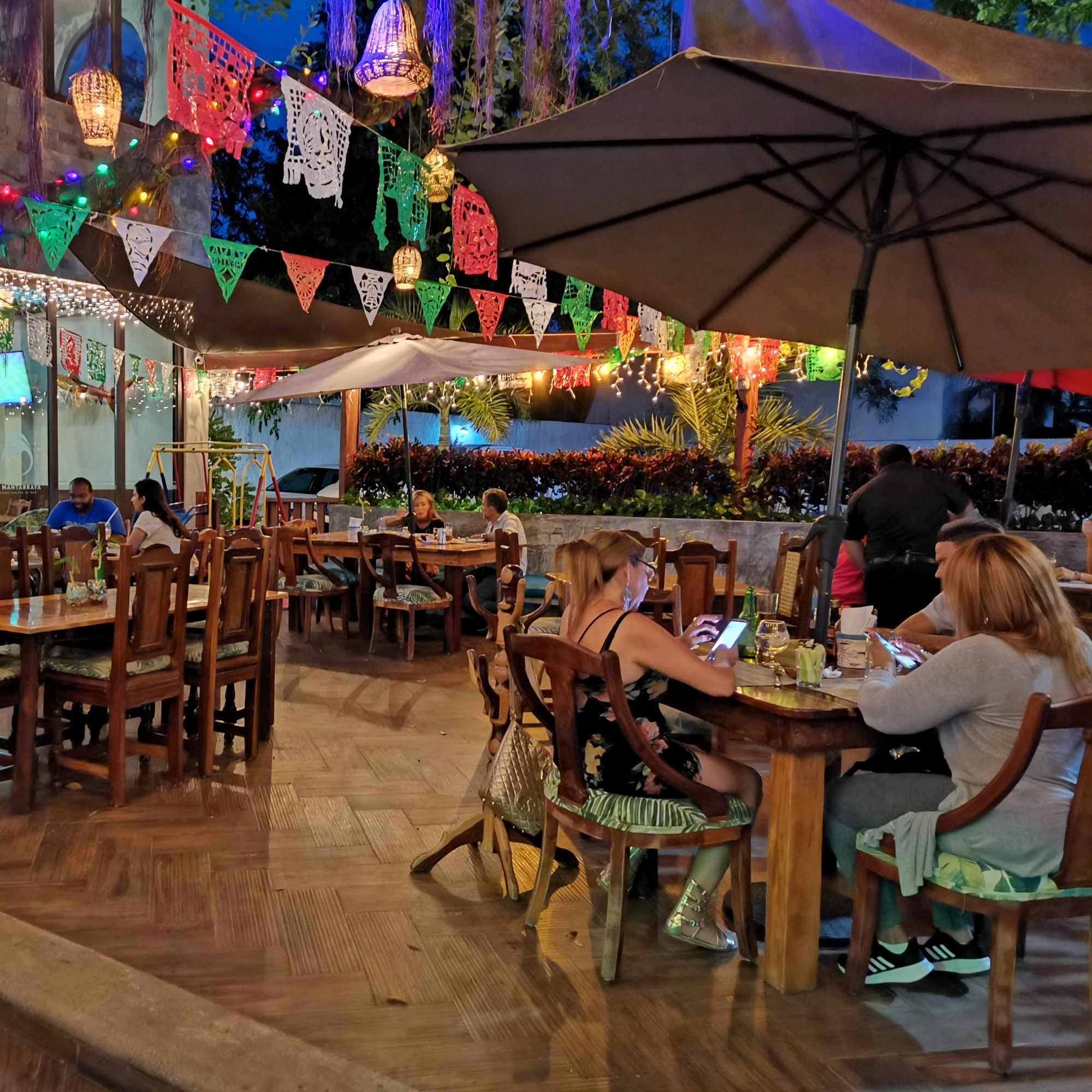
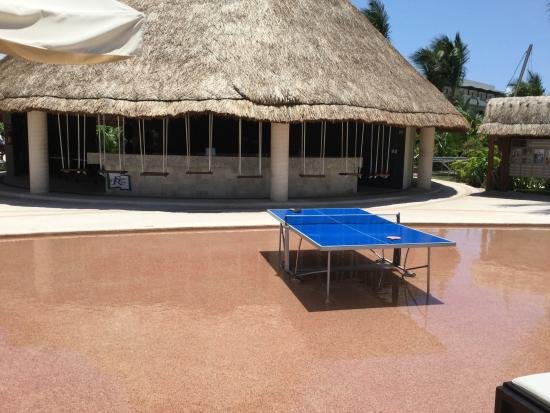
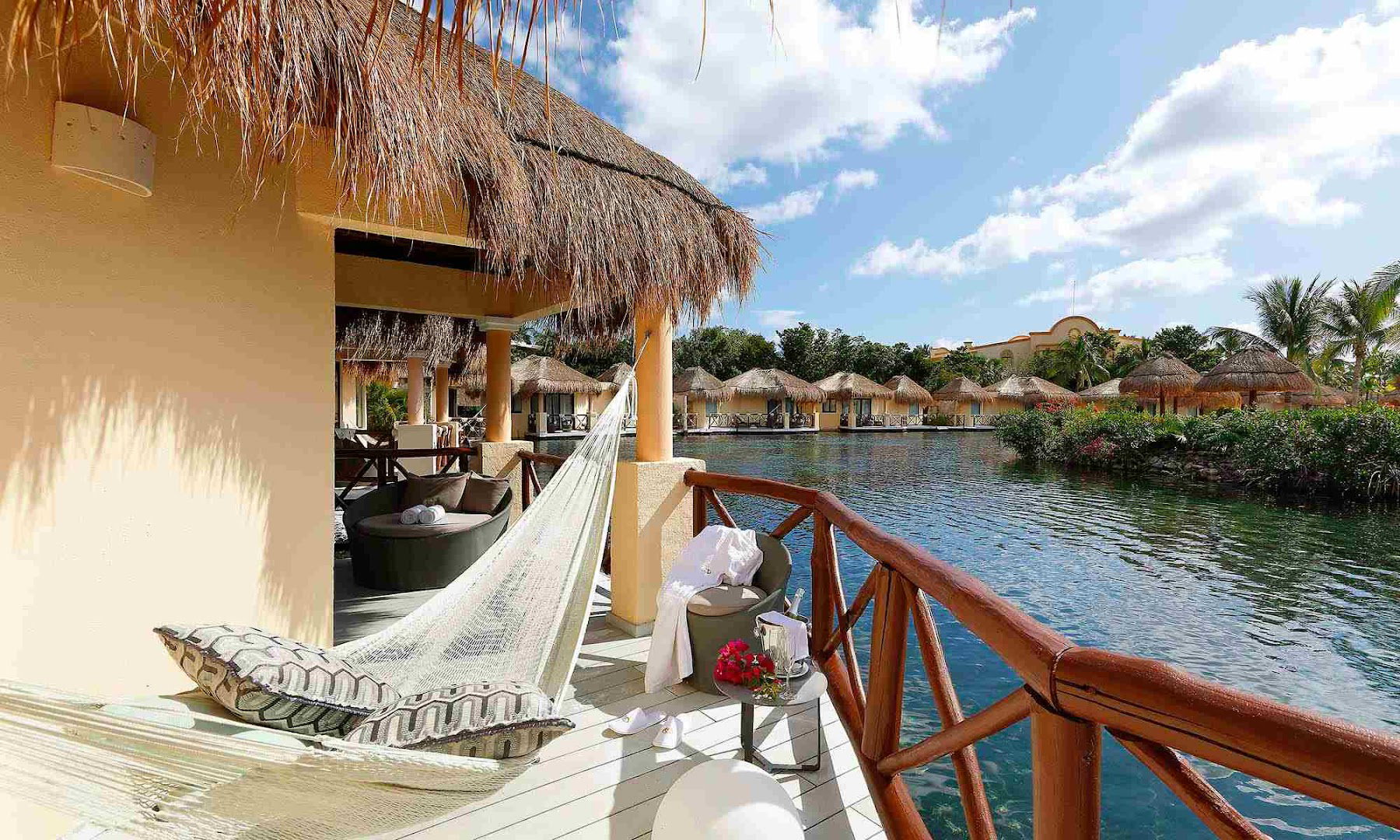
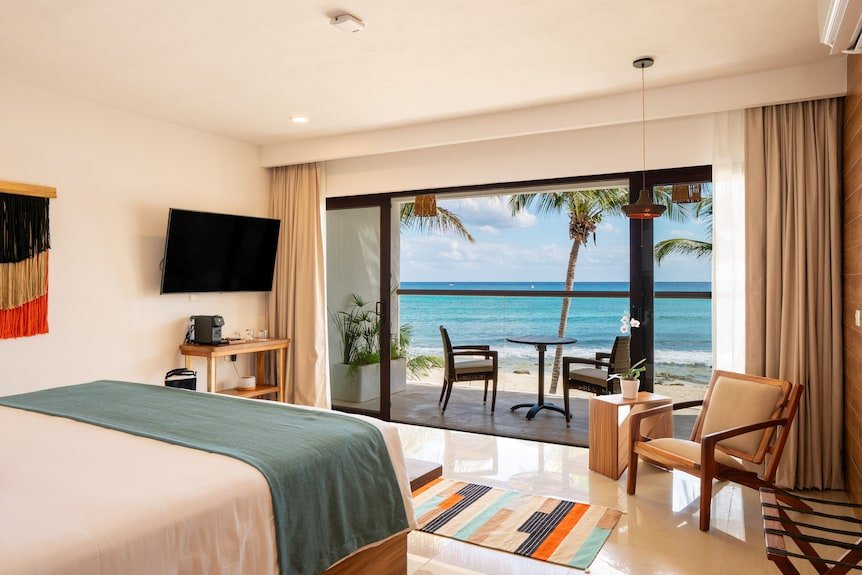
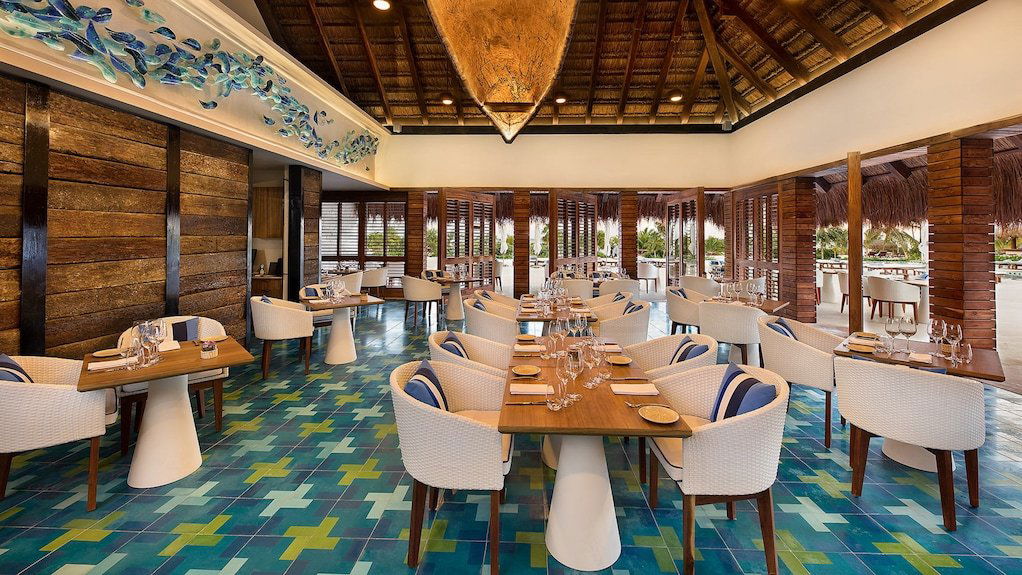
A luxurious, nature-immersed beachfront setting that blends jungle seclusion with ocean views; the main dining room is described as unfussy and the best tables are outdoors in an ocean-facing garden with bulb lights.
Tags
Vibe
Best For
Experience
Sourcing
View
At the Table
- Dress Code
- Smart Casual
- Noise Level
- Quiet
- Service Style
- Upscale Casual
- Meal Pacing
- Leisurely
- Capacity
- Medium
Signature Dishes
- lobster salbute in red recado
- duck with chichilo negro and chochoyotas
- mamey tart with escamoles
- creamy rice with venison chorizo
Know before you go
Know Before You Go
- Getting there
- Camino predio Manzana 002 Lote 006, 77710 Punta Maroma, Q.R., Mexico
Planning details
Location
Camino predio Manzana 002 Lote 006, 77710 Punta Maroma, Q.R., Mexico · Directions
Also consider
Also Consider
- Kaban, Notable alternative
- Bu'ul, Mexican, $$$$
- Bu'ul at Chablé Maroma, Notable alternative
- Barefoot Grill, Notable alternative
- Mamma Mia Restaurante, Notable alternative
Restaurant context
How it compares in Solidaridad
Chablé Maroma is the convenience play: easier to book and better suited to guests already anchored near Punta Maroma. Bu'ul is the clearer splurge comparison because it is positioned as Mexican and $$$$, so choose that when cuisine and occasion value need to be explicit rather than implied by the resort setting.
Bu'ul at Chablé Maroma is the closer cross-shop if the evening needs to stay on-property but feel more intentional. Barefoot Grill is the more casual alternative for readers prioritizing an easier, lower-ceremony meal, while Mamma Mia Restaurante makes more sense when the group wants a familiar, relaxed dinner format.
Kaban belongs in the comparison set for travelers checking broader Riviera Maya options, but for most Solidaridad plans the decision is simpler: book Chablé Maroma for low-friction resort dining, Bu'ul for a higher-spend Mexican meal, or Barefoot Grill when ambiance and ease matter more than a formal dining brief.
Explore Solidaridad
Around this place
Discover more on Pearl
Unlock the full Chablé Maroma guide in Pearl, including awards, comparisons, FAQs, planning details, and nearby places.
Compare Chablé Maroma
| Venue | Location | Cuisine | Price | Awards |
|---|---|---|---|---|
| Chablé Maroma | Solidaridad | , | , | No published awards |
| Kaban | Riviera Maya | , | , | No published awards |
| Bu’ul | Playa del Carmen | Mexican | $$$$ | Star Wine Lists 2026Michelin Guide Mexico 20262026 Wine Spectator Best of Award of ExcellenceWorld's Best Wine Lists 20252025 Michelin PlateWorld's Best Wine Lists 20242024 Michelin Plate |
| Bu'ul at Chablé Maroma | Playa del Carmen | , | , | No published awards |
| Barefoot Grill | Solidaridad | , | , | No published awards |
| Mamma Mia Restaurante | Solidaridad | , | , | No published awards |




.png?width=1200&quality=80)
How Chablé Maroma compares with similar nearby venues.
FAQ
Frequently Asked Questions
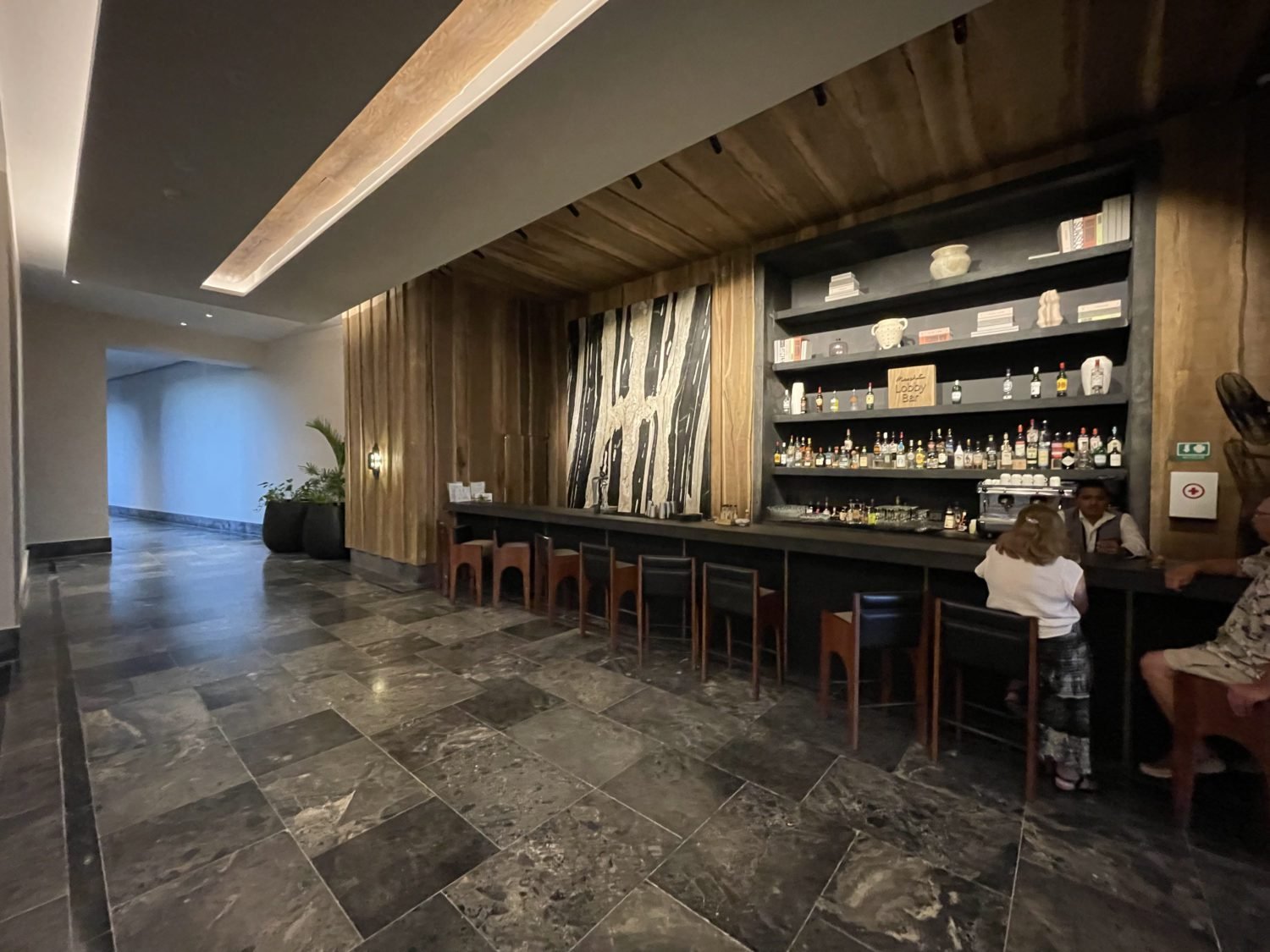
Can I eat at the bar at Chablé Maroma?
What should I order at Chablé Maroma?
Is Chablé Maroma good for solo dining?
It may work if a smart casual venue in Solidaridad fits your plan. For details on solo-dining setup, counter seating, or service format, check directly. Compare with Kaban or Mamma Mia Restaurante if you are weighing other named options.
Is Chablé Maroma good for a special occasion?
Chablé Maroma can be considered for a special occasion if a smart casual setting in Solidaridad is what you want. For a more specific comparison, consider Bu'ul at Chablé Maroma or Kaban, and confirm current details directly.
What are alternatives to Chablé Maroma?
Start with Bu'ul at Chablé Maroma if you want another named option to compare with Chablé Maroma. Barefoot Grill, Kaban, Mamma Mia Restaurante, and Bu'ul are also useful named comparisons for planning.
How far ahead should I book Chablé Maroma?
If timing matters, contact Chablé Maroma directly. Compare with Bu'ul at Chablé Maroma when planning around a specific reservation.