SkaraBar
Zaimov, Sofia
Restaurant in Sofia, Bulgaria
 Book with Pearl
The Read
Dress
Casual
Why go
SkaraBar is a practical Sofia pick when the brief is easy lunch or casual dinner near Zaimov, not a high-ceremony restaurant night. Choose it for flexible, repeatable dining; look to 33 Gastronauts or ADOR Restaurant if the occasion calls for a more deliberate modern restaurant booking.
About SkaraBar
On a return visit in Sofia, the useful question is whether SkaraBar fits the plan when you want a casual, direct meal. SkaraBar is in Sofia, has a casual dress code, and is open every day from 12–10 PM. That makes it easier to consider for midday, afternoon, or evening plans than venues with narrower schedules.
The venue makes the most sense when convenience and flexibility matter more than building a meal around confirmed accolades or a documented special-occasion format. Avoid assuming details about service style, group capacity, signature dishes, or booking difficulty. Treat SkaraBar as a practical Sofia option whose strongest confirmed attributes are its daily hours and casual dress code.
Use it for an easy Sofia meal, not a heavily researched destination dinner
SkaraBar's clearest advantage is its simple schedule. Being open daily from 12–10 PM gives it utility for plans that may shift across the day. Beyond that, the public-facing verdict should stay modest: there is no seat count, cuisine label, price range, or formal recognition listed here, so it is better to plan around the confirmed basics rather than assume a particular dining format.
If the goal is to compare Sofia options before choosing one table, you can look at 33 Gastronauts or ADOR Restaurant as other named restaurants to research. If the plan is broader Sofia research rather than a single table, start with our full Sofia restaurants guide. SkaraBar is best framed as a casual, all-week Sofia option.
Planning details
- Location
- Zaimov, ul. "Dimitar Grekov" 2, 1527 Sofia, Bulgaria
- Website
- skarabar.com
- Phone
- +359 2 483 0696
The take
The Take
The Vibe
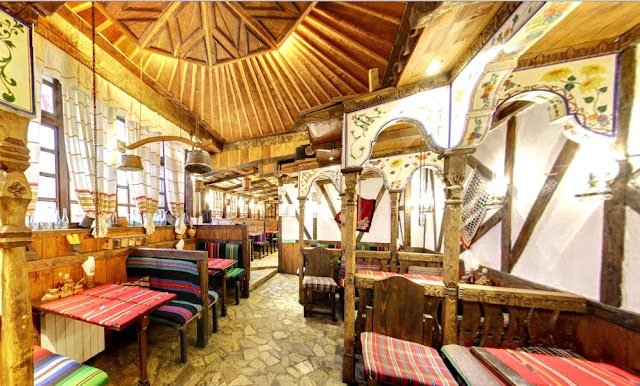
SkaraBar presents itself as a neighbourhood grill that privileges straightforward cooking over open coals rather than culinary theater. The profile emphasizes the skara tradition — direct seasoning, smoke-driven complexity and minimal intervention — which gives the place a rustic, classic air even as it remains friendly and unassuming. It reads as a local hub: repeat customers, quiet word-of-mouth and a full room on weeknights. The tone is warm and familiar rather than polished; expect honest, smoky flavors and the kind of comfortable, crowded atmosphere that belongs to a beloved community spot rather than a destination tasting menu.
Best For
This is a go-to for anyone after work or out for a casual, convivial evening with friends. Because SkaraBar operates in a residential pocket of Sofia and leans on neighbourhood regularity, it suits groups and repeat visits as much as single-night discoveries. The emphasis on grilled cuts and straightforward accompaniments makes it most natural for dinner service, when the charcoal fire and smoke do their work. It’s not aiming for formal dining or special-occasion pomp; instead it excels as an informal place to share plates, have a beer or rakia, and enjoy robust, familiar flavors.
Ordering Tips
Lean into the skara classics. The kitchen specializes in grilled items such as kebapche, kyufte and the Mixed Meat Platter — all of which showcase the live-fire approach the menu celebrates. Order a mixed platter for groups so everyone can sample the different cuts, and pair those smoky meats with the simple traditional sides mentioned in the description: a chopped salad, bread and, if you like, a cold beer or a glass of local rakia. Portions and accompaniments are meant to be straightforward; think shareable plates and uncomplicated pairings rather than elaborate courses.
Venue details
Ambiance
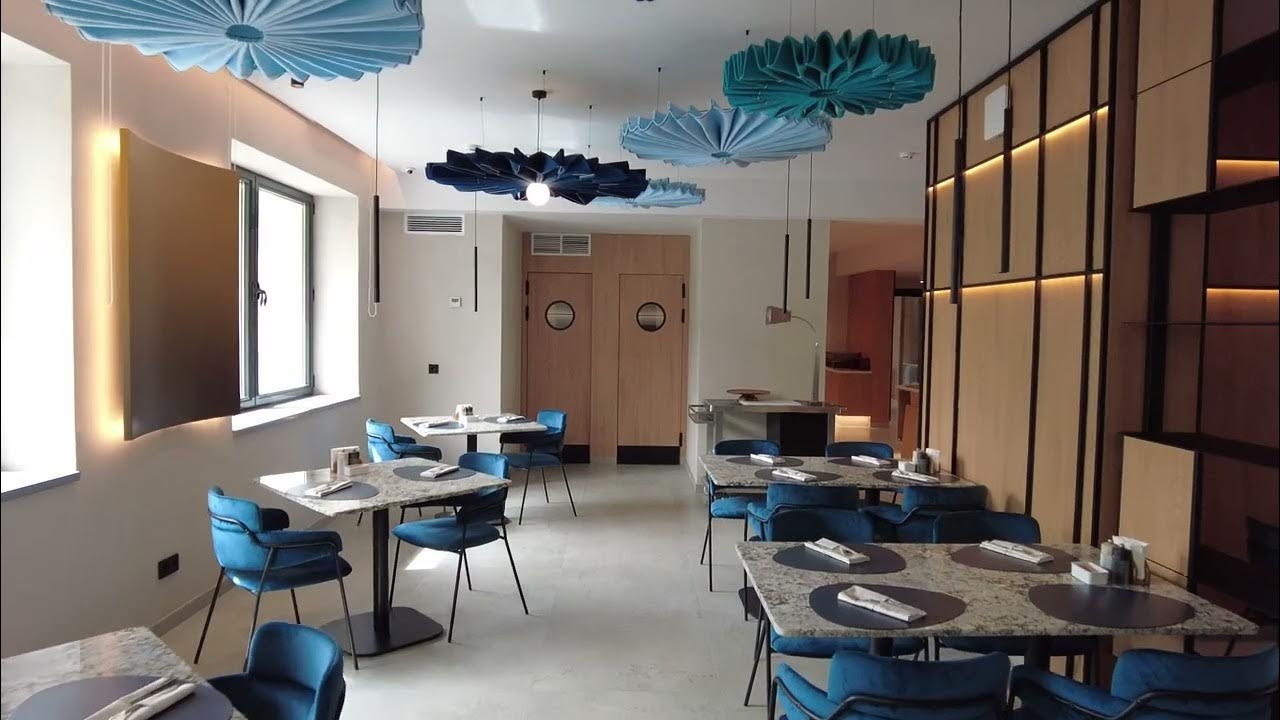
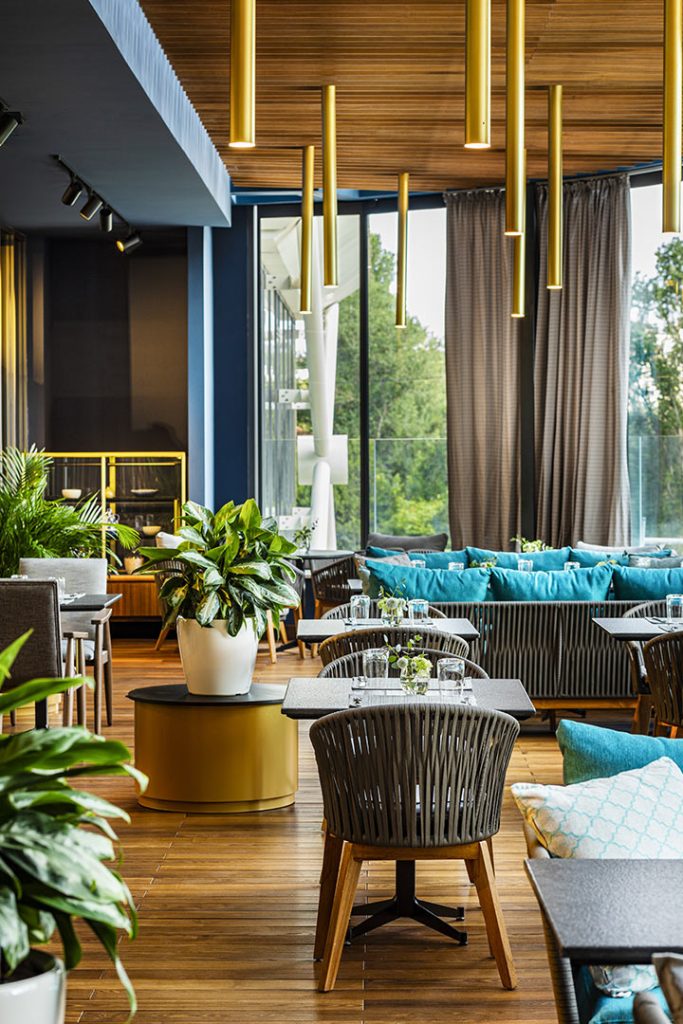
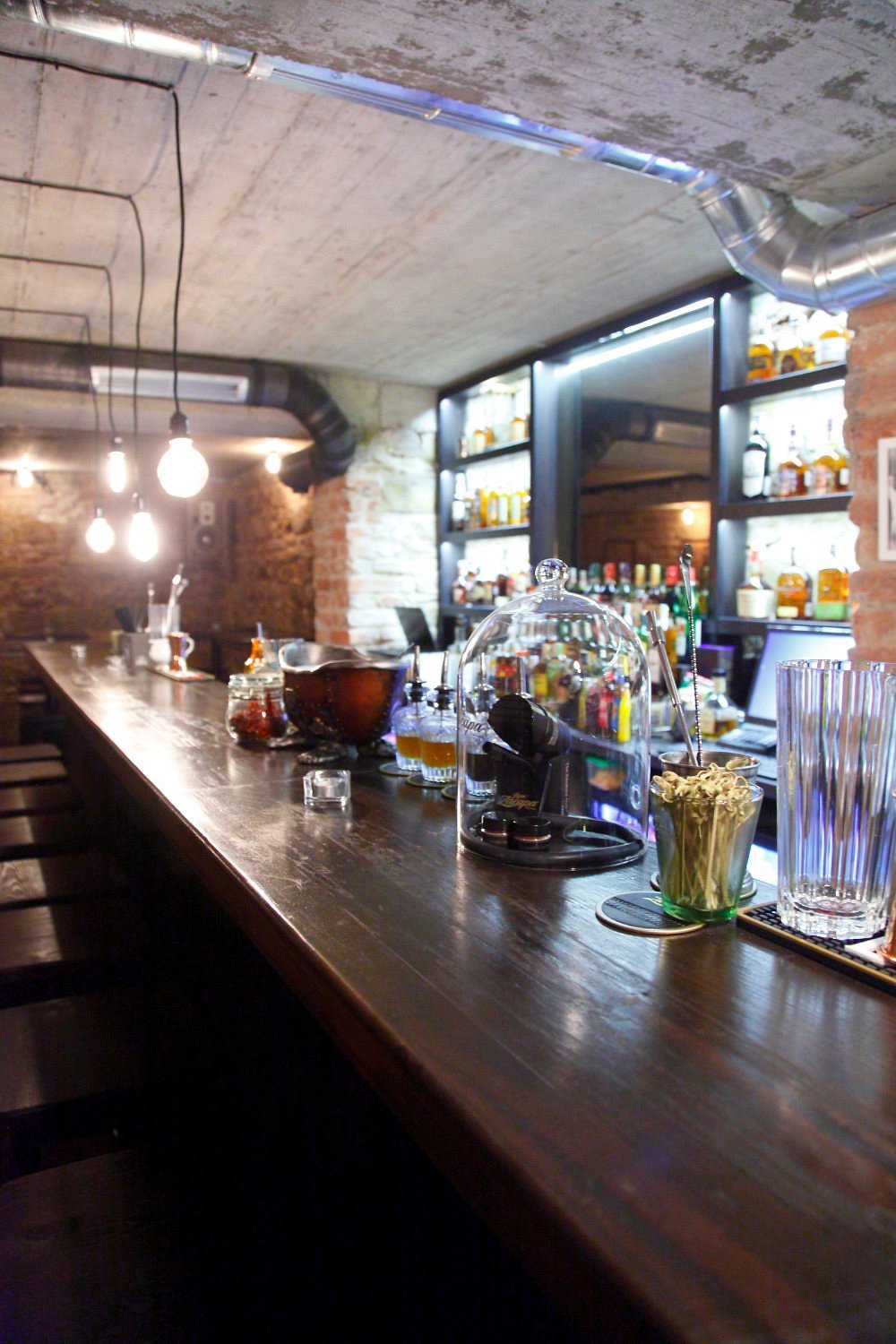
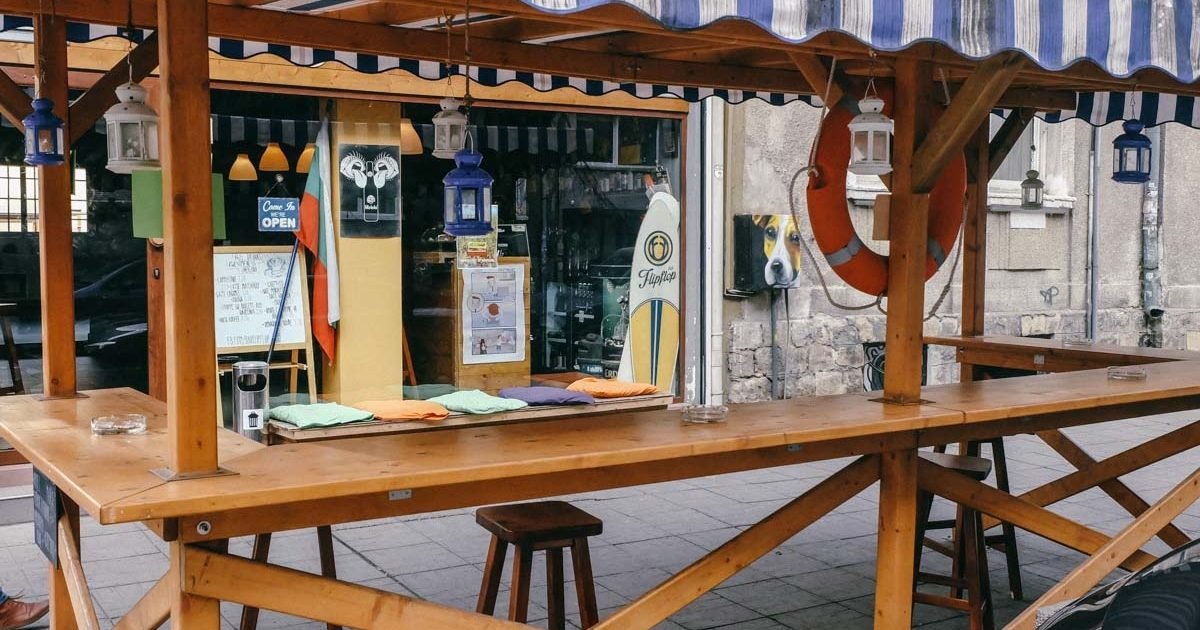
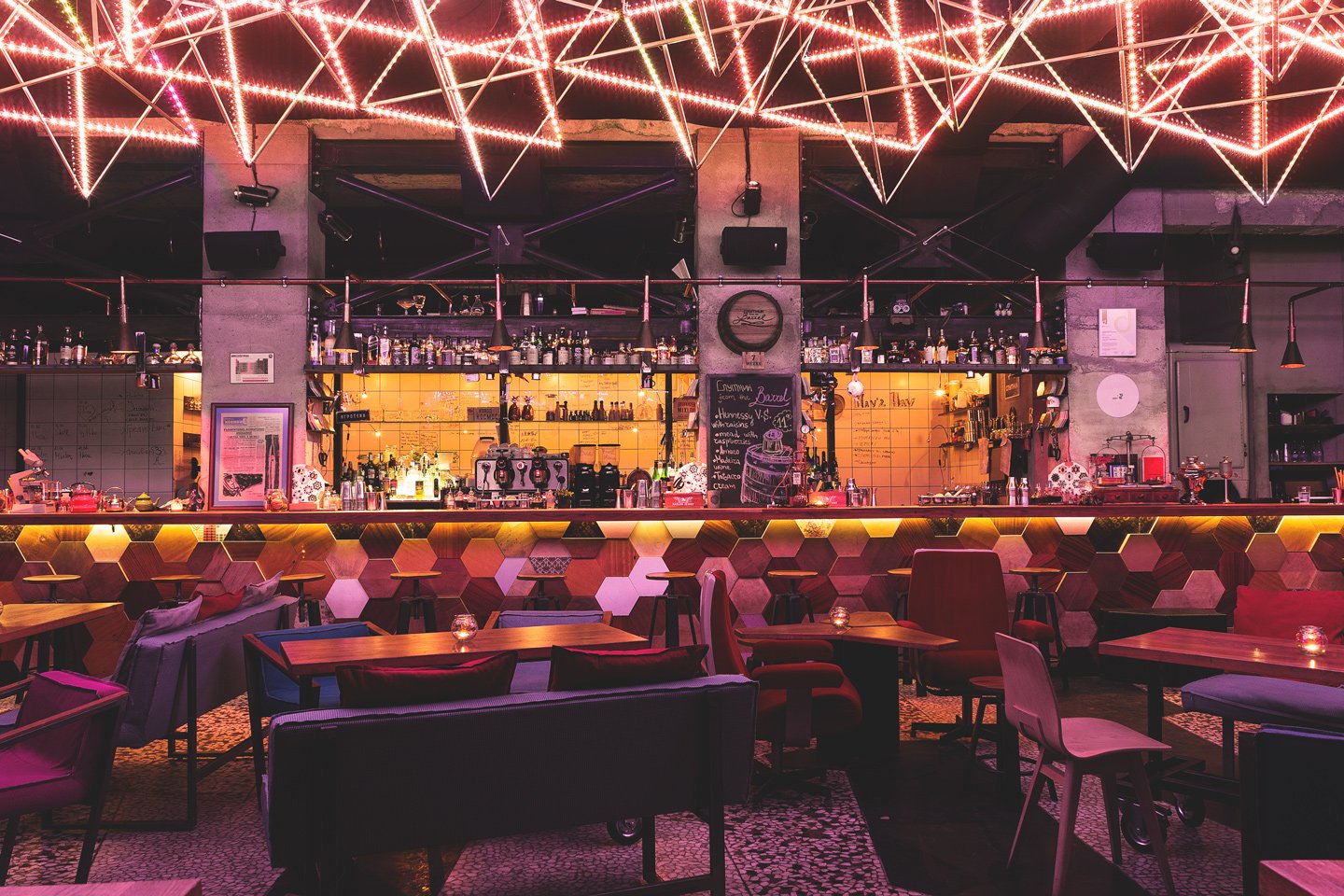
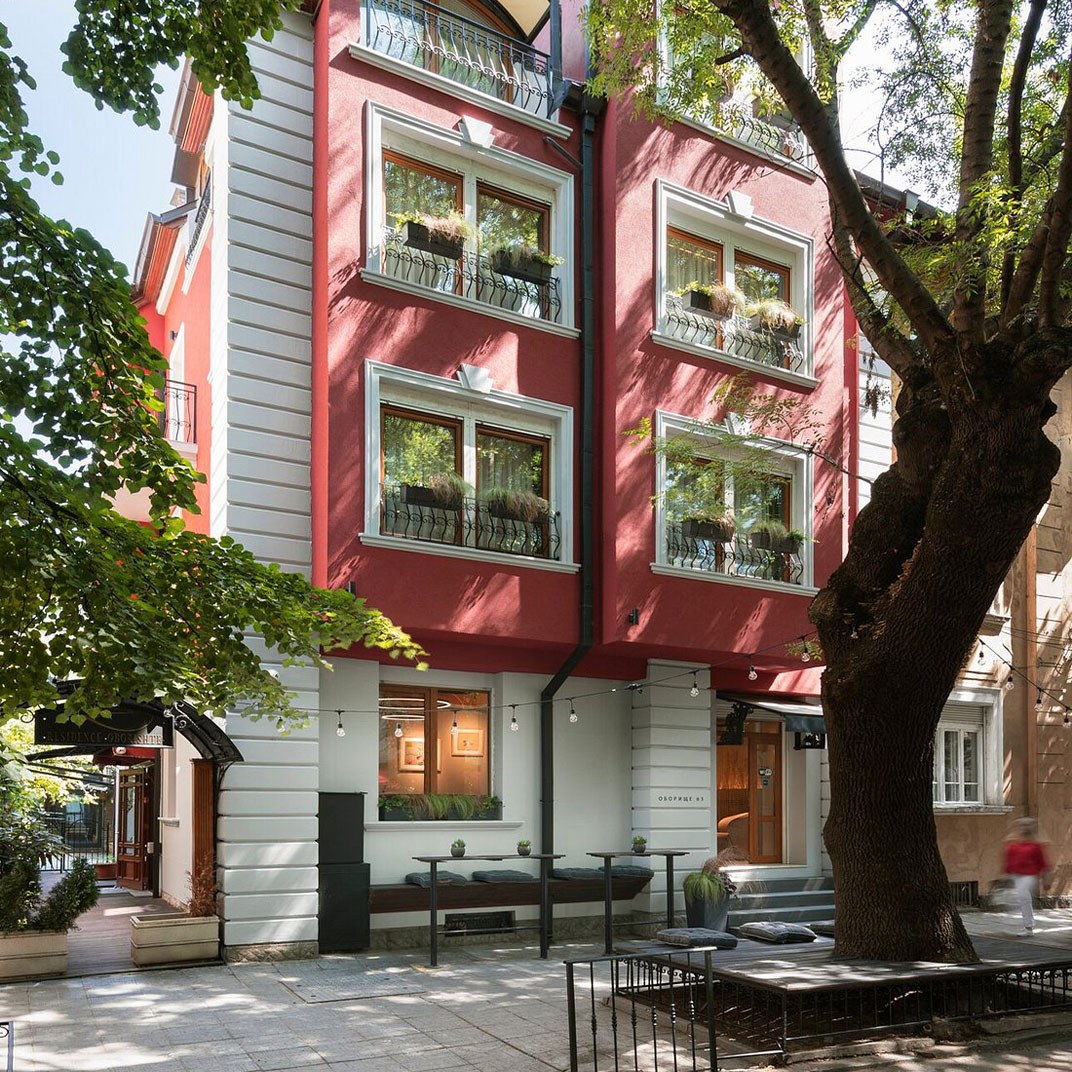
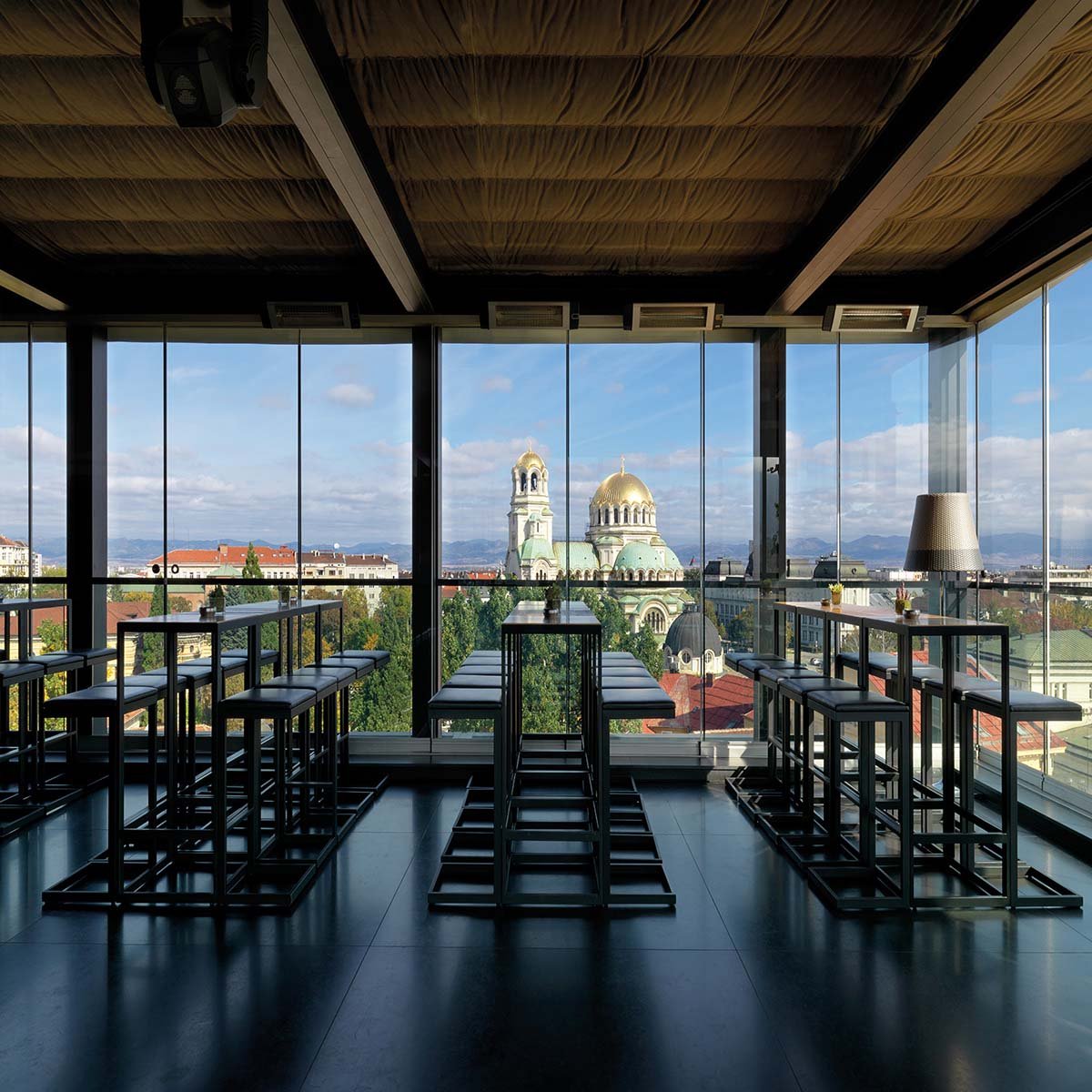
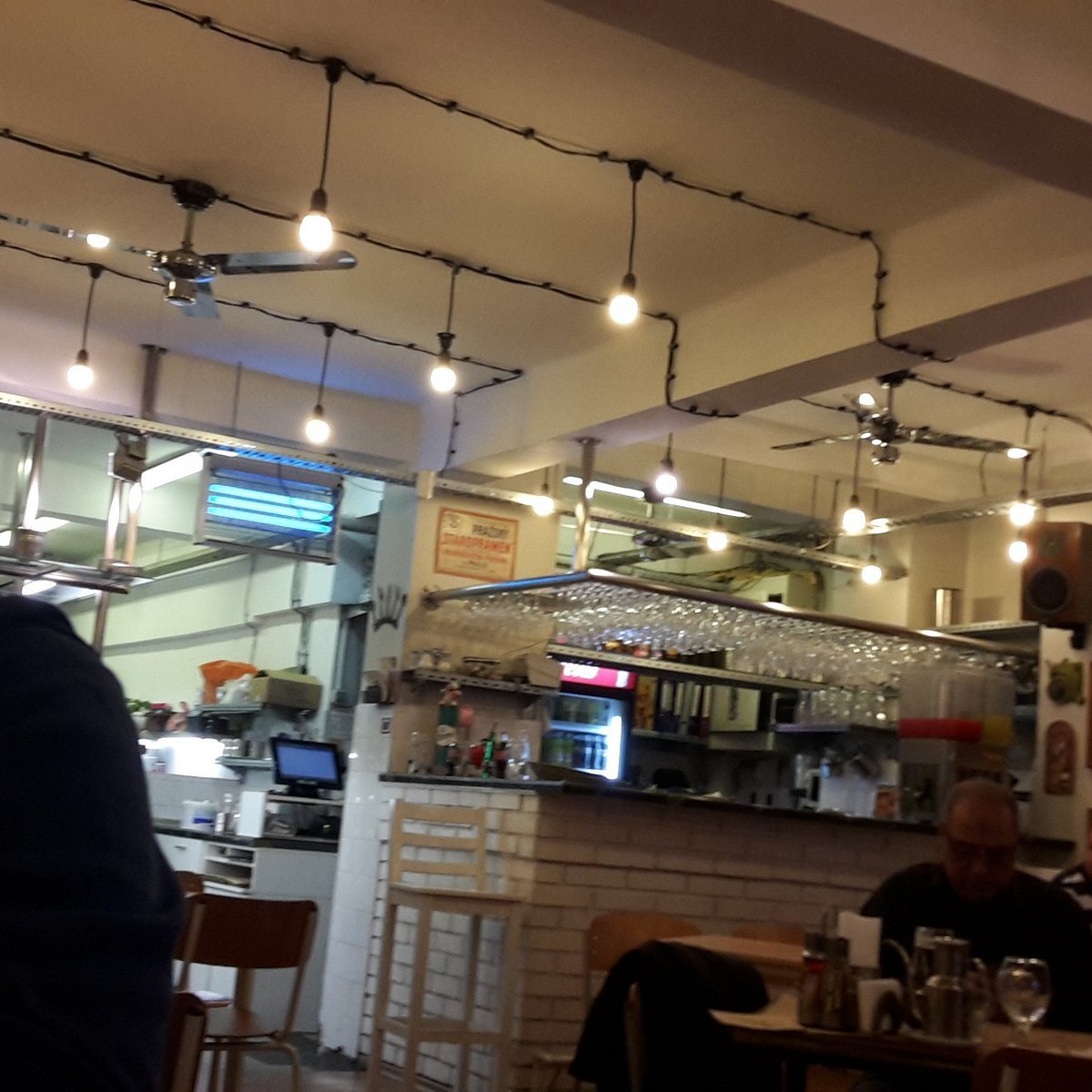
Relaxed and inviting park-side atmosphere with open kitchen and vibrant greenery.
Tags
Vibe
Best For
Experience
Sourcing
View
At the Table
- Dress Code
- Casual
- Noise Level
- Conversational
- Service Style
- Casual
- Meal Pacing
- Standard
- Capacity
- Medium
Signature Dishes
- Kebapche
- Kyufte
- Mixed Meat Platter
Know before you go
Know Before You Go
- Getting there
- Zaimov, ul. "Dimitar Grekov" 2, 1527 Sofia, Bulgaria
Planning details
Location
Also consider
Also Consider
- 33 Gastronauts, Notable alternative
- ADOR Restaurant, Notable alternative
- Floret Restaurant and Bar, Notable alternative
- Gastro Bar, Notable alternative
- Pure & Sense Restaurant, Notable alternative
Restaurant context
How SkaraBar compares in Sofia
SkaraBar is the easier, lower-pressure choice against 33 Gastronauts and ADOR Restaurant. Pick SkaraBar when timing matters and the meal is casual; choose 33 Gastronauts or ADOR Restaurant when the booking itself is part of the evening and the group wants a more deliberate restaurant experience.
Against Floret Restaurant and Bar, Gastro Bar, and Pure & Sense Restaurant, SkaraBar reads as the practical fallback: useful for lunch, early dinner, and plans that may move. Without a confirmed price tier, the value call should stay simple: use it when convenience is the value, not when the group is trying to maximize polish or occasion energy.
Around this place
Discover more on Pearl
Unlock the full SkaraBar guide in Pearl, including awards, comparisons, FAQs, planning details, and nearby places.
Compare SkaraBar
| Venue | Location | Awards |
|---|---|---|
| SkaraBar | Sofia | No published awards |
| 33 Gastronauts | Sofia | No published awards |
| ADOR Restaurant | Sofia | No published awards |
| Floret Restaurant and Bar | Sofia | No published awards |
| Gastro Bar | Sofia | No published awards |
| Pure & Sense Restaurant | Sofia | No published awards |
How SkaraBar Sofia compares with similar nearby venues.
FAQ
Frequently Asked Questions
Can SkaraBar accommodate groups?
SkaraBar is in Sofia and is open daily from 12–10 PM, which can make planning simpler. However, there is no seat count or group-capacity information, so larger parties should confirm details directly with the venue before going.
Is SkaraBar good for solo dining?
It can be a practical option for a solo diner who wants a casual meal in Sofia. SkaraBar has a casual dress code and is open every day from 12–10 PM.
Is SkaraBar good for a special occasion?
SkaraBar is best described as a casual Sofia venue with daily 12–10 PM hours. There is no information about a special-occasion format, awards, tasting menu, or price tier, so check directly if you need a more specific celebration setting.
What are alternatives to SkaraBar in Sofia?
Other Sofia restaurants to research include 33 Gastronauts, ADOR Restaurant, Gastro Bar, Floret Restaurant and Bar, and Pure & Sense Restaurant. Compare current menus, hours, and booking details directly before deciding.
Is lunch or dinner better at SkaraBar?
SkaraBar is open from 12–10 PM every day, so both midday and evening timing are possible within the schedule. There is no information here about separate lunch or dinner menus, pricing, or service differences.
How far ahead should I book SkaraBar?
There is no booking-window guidance for SkaraBar. Because it is open daily from 12–10 PM, check the venue's current reservation or contact details directly, especially if you are planning for a group.