.png?width=1200&quality=80)
Sin Hoi Sai (Tiong Bahru)
Seafood · TIONG BAHRU, Singapore
Restaurant in Singapore, Singapore
 Book with Pearl
The Read
HDB-Block Zi Char Precision
Price
$20–30per person
Dress
Casual
Why go
A practical Tiong Bahru seafood pick for value-focused diners who want a casual meal that can run later than a typical dinner plan. Sin Hoi Sai (Tiong Bahru) is strongest for small groups sharing seafood at a $$ level, with Michelin Plate recognition adding confidence without making it feel formal.
About Sin Hoi Sai (Tiong Bahru)
Sin Hoi Sai (Tiong Bahru) is a casual seafood restaurant in Singapore with $$ pricing and daily evening-to-late-night hours. Its appeal is direct: it serves seafood, keeps a casual dress code, and is listed with Michelin Plate recognition for 2024.
The practical case is timing and price tier. Sin Hoi Sai (Tiong Bahru) is open Monday through Sunday from 4 PM to 3 AM, which makes it a useful seafood option when you want dinner later in the day or into the night. At $$, it sits in a moderate price category rather than a luxury one.
Late-night seafood works here because the format stays casual
The dress code is casual, so this is not a restaurant that requires formal clothing. Beyond that, specific details such as seating layout, service style, signature dishes, and ordering format are not available, so choose it for casual seafood in Singapore rather than for a highly specified dining format.
Hours are the clearest planning advantage. Sin Hoi Sai (Tiong Bahru) opens from 4 PM to 3 AM every day of the week, giving diners a broad evening and late-night window. For the latest booking or arrival details, check the venue's official channels before going.
Michelin Plate recognition in 2024 is a trust signal, but it should be interpreted correctly. It does not make the restaurant a formal fine-dining room; it indicates recognition within its category. For diners comparing seafood choices in Singapore, that recognition, the casual dress code, and the $$ price tier are the grounded reasons to consider it.
Who should choose it over a more polished seafood room
Choose Sin Hoi Sai (Tiong Bahru) if the brief is casual seafood in Singapore with late operating hours and moderate pricing. If you are looking for a restaurant with a more specifically documented format, menu structure, or atmosphere, those details should be checked directly before you commit.
For comparison, Mellben Seafood (Ang Mo Kio) is another seafood reference point, while Po, Magpie, and Kampong Chicken Eating House may fit different dining plans. Hai Kah Lang (Taman Cheras) is a seafood-focused comparison outside Singapore, so it should be treated as a broader regional reference rather than a local alternative.
For a broader food plan around the city, use the full Singapore restaurants guide rather than treating one seafood dinner as the whole itinerary. If the night continues after dinner, the full Singapore bars guide is the more useful next step; for planning the stay around the meal, the full Singapore hotels guide keeps the logistics cleaner.
Planning details
- Location
- 55 Tiong Bahru Rd, #01-59, Singapore 160055
- Website
- sitelift.site/sinhoisaiseafoodrestaurant
- Phone
- +65 6223 0810
The take
The Take
The Vibe
Sin Hoi Sai trades in unvarnished seafood craft rather than dining-room theatrics. It operates from a ground-floor HDB unit in Tiong Bahru, a neighbourhood whose 1930s Art Deco blocks and preserved wet market lend the place civic weight. The dining room is modest — think tiled shopfronts, plastic stools and fluorescent light — yet the kitchen’s attention to sourcing and timing elevates simple preparations into memorable plates. That careful execution earned the stall a Michelin Plate in 2024, making the address feel like a quietly celebrated, low‑key discovery amid the estate’s gentrifying streets.
Best For
This is a place built for relaxed, communal eating rather than formal occasions. The counter-style, hawker-adjacent setup lends itself to family meals and group dining where dishes are shared and conversation is easy. It also fits casual hangouts and later-night runs typical of Singapore’s seafood stall tradition. Expect a straightforward room and approachable price points: the focus is squarely on the food, so diners come for bold, well-executed seafood rather than a polished dining ritual.
Ordering Tips
Stick to the kitchen’s strengths and share plates: chilli crab, black pepper crab and cereal prawns are the signature choices and showcase the stall’s seafood techniques. The menu rewards freshness and timing, so order dishes to share and sequence heavier crab dishes with lighter prawns or vegetables. Keep expectations practical about the room — counter seating and a modest setting — and plan to dine with companions so you can sample multiple specialties without fuss.
Venue details
Ambiance
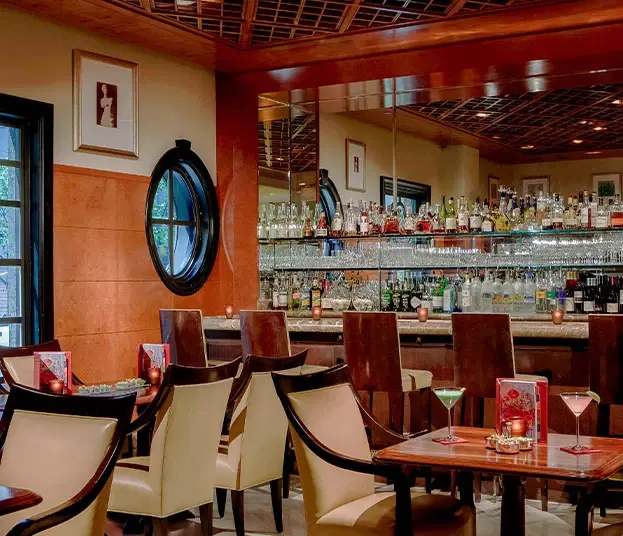
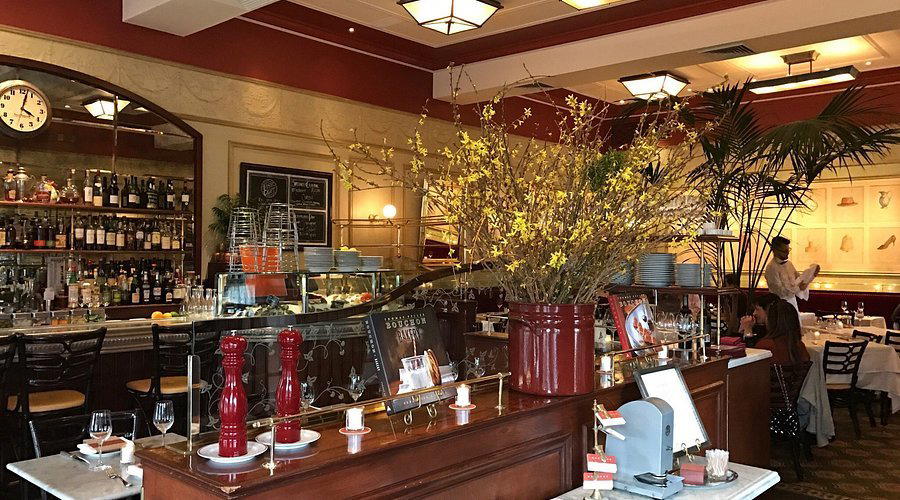
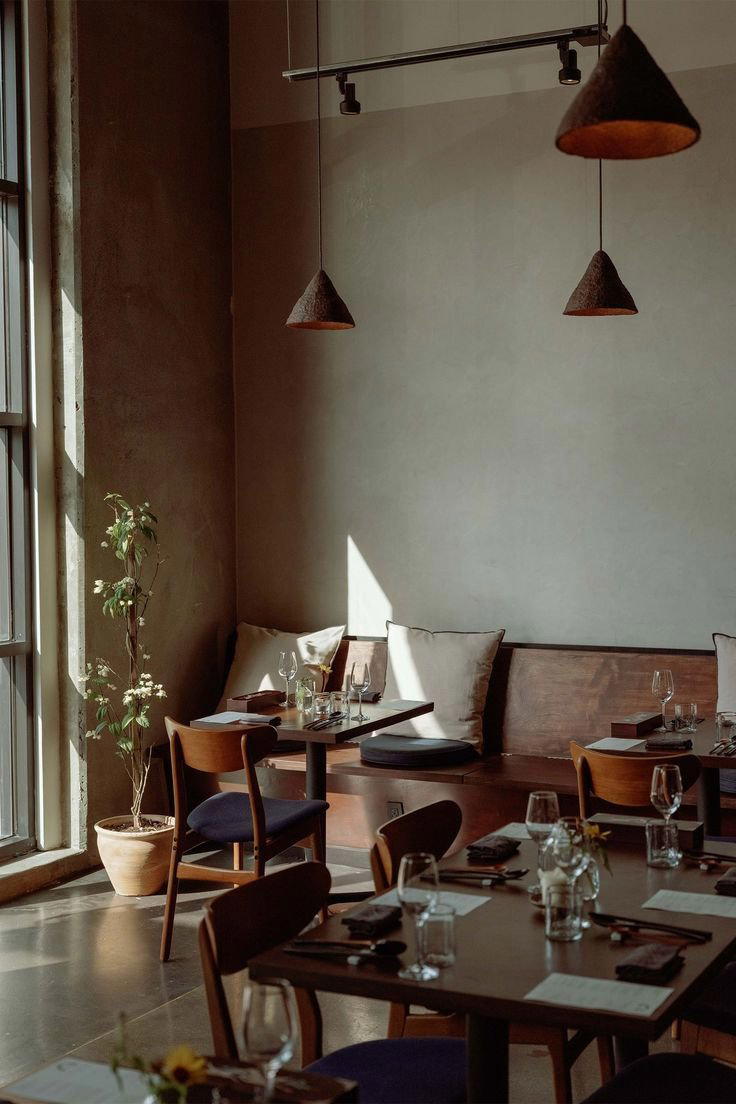
Spacious laid-back surroundings with atmospheric and relaxing al-fresco outdoor seating alongside indoor options.
Tags
Vibe
Best For
Experience
View
At the Table
- Dress Code
- Casual
- Noise Level
- Lively
- Service Style
- Casual
- Meal Pacing
- Standard
- Capacity
- Large
- Kitchen
- Traditional
- Menu Format
- A la carte
- Drinks Focus
- Beer
- Dietary
- Vegetarian friendly
- Outdoor Seating
- Yes
Signature Dishes
- Chilli Crab
- Black Pepper Crab
- Cereal Prawns
Know before you go
Know Before You Go
- Getting there
- 55 Tiong Bahru Rd, #01-59, Singapore 160055
Planning details
Location
55 Tiong Bahru Rd, #01-59, Singapore 160055 · Directions
Recognition and awards
Also consider
Where to go if this does not fit
Choose Mellben Seafood (Ang Mo Kio) if the group still wants seafood at a similar $$ level and is willing to make the meal more destination-driven. Choose Po if the priority shifts from late-night seafood to a more composed Singapore dining room.
Restaurant context
How it compares for Singapore seafood and casual dinners
Sin Hoi Sai (Tiong Bahru) is the stronger value-and-timing pick if the brief is casual seafood in Singapore without a high-effort reservation. Mellben Seafood (Ang Mo Kio) is the closest direct cross-shop because it is also seafood at $$, but it makes more sense when the group is willing to travel for that specific seafood plan rather than staying around Tiong Bahru.
Po is a better fit for diners who want a more composed Singapore restaurant experience instead of a late-night seafood table. Kampong Chicken Eating House is the easier comfort-food alternative when seafood is not required and the group wants a simpler meal. Magpie should be treated as a different kind of night, better for diners prioritizing atmosphere over a seafood-specific order.
Hai Kah Lang (Taman Cheras) is useful as an out-of-metro seafood comparison, not a like-for-like Singapore backup. If the decision is tonight in Singapore, Sin Hoi Sai is the easier local play; if the decision is a seafood-focused trip outside the city, Hai Kah Lang belongs in a different plan.
Explore Singapore
Around this place
Discover more on Pearl
Unlock the full Sin Hoi Sai (Tiong Bahru) guide in Pearl, including awards, comparisons, FAQs, planning details, and nearby places.
Compare Sin Hoi Sai (Tiong Bahru)
| Venue | Location | Cuisine | Awards | Price |
|---|---|---|---|---|
| Sin Hoi Sai (Tiong Bahru) | Singapore | Seafood | Michelin Plate 20262024 Michelin Plate | $$ |
| Magpie | Singapore | No published awards | , | , |
| Kampong Chicken Eating House | Singapore | No published awards | , | , |
| Po | Singapore | No published awards | , | , |
| Mellben Seafood (Ang Mo Kio) | Singapore | Seafood | Michelin Plate 20262024 Michelin Plate | $$ |
| Hai Kah Lang (Taman Cheras) | Kuala Lumpur | Seafood | 2026 Bib Gourmand2025 Michelin Bib Gourmand2024 Michelin Bib Gourmand | $$ |
.png?width=1200&quality=80)

How Sin Hoi Sai (Tiong Bahru) compares with similar nearby venues.
FAQ
Frequently Asked Questions
What should I wear to Sin Hoi Sai (Tiong Bahru)?
Keep it casual. The dress code is casual, so neat everyday clothes are enough. If you are coming later in the evening, comfort matters more than dressing up.
What are alternatives to Sin Hoi Sai (Tiong Bahru) in Singapore?
Mellben Seafood (Ang Mo Kio) is another seafood comparison in Singapore. Magpie, Po, and Kampong Chicken Eating House may fit different dining plans, depending on what kind of meal you want. Hai Kah Lang (Taman Cheras) is a seafood-focused regional comparison outside Singapore rather than a local substitute.
Is Sin Hoi Sai (Tiong Bahru) worth the price?
It can be, if you want casual seafood in Singapore with $$ pricing and Michelin Plate (2024) recognition. The value case is grounded in its price tier, cuisine, casual dress code, and 4 PM–3 AM daily hours.
Does Sin Hoi Sai (Tiong Bahru) handle dietary restrictions?
Dietary-restriction handling details are not available. The cuisine is seafood, so anyone with allergies or dietary needs should check directly with the venue before dining.
Is Sin Hoi Sai (Tiong Bahru) good for solo dining?
Solo-dining suitability details are not specifically available. It is a casual seafood restaurant in Singapore with $$ pricing and daily 4 PM–3 AM hours, so decide based on whether that matches the meal you want.