


Pangium
Peranakan · TYERSALL, Singapore
Restaurant in Singapore, Singapore
 Book with Pearl
The Read
Straits Cuisine Rediscovered
Price
$200–300per person
Chef
Malcolm Lee
Dress
Smart Casual
Why go
A 2024 Michelin-starred Peranakan tasting menu inside the Singapore Botanic Gardens, Pangium is the clearest answer in the city for Straits Chinese cuisine taken seriously. The limited weekly schedule makes booking hard; plan at least three to four weeks ahead. At $$$, the price-to-recognition ratio is strong relative to Singapore's fine dining field.
About Pangium
Verdict: Book It, But Book Early
Seats at Pangium are genuinely hard to come by. This 2024 Michelin one-star restaurant inside the Singapore Botanic Gardens operates on a tight schedule: closed Monday, Tuesday, and Sunday, with lunch service only Thursday through Saturday and dinner Wednesday through Saturday. That compact operating window, combined with serious demand since its Michelin recognition, means you are looking at a multi-week lead time minimum. If you have a specific date in mind, treat booking as your first step, not an afterthought.
For food-focused travellers who want to understand Peranakan cuisine at its most considered, Pangium is the clearest answer in Singapore right now. It is not the place for a casual drop-in or a quick weeknight dinner. It is the place you plan a visit around.
Inside Pangium: The Setting
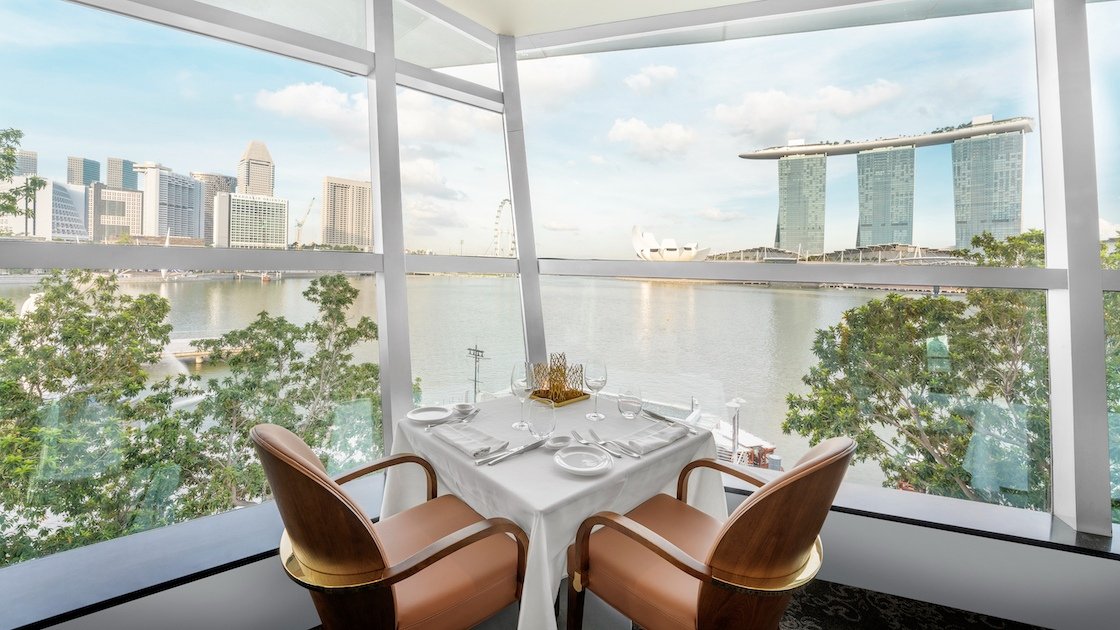
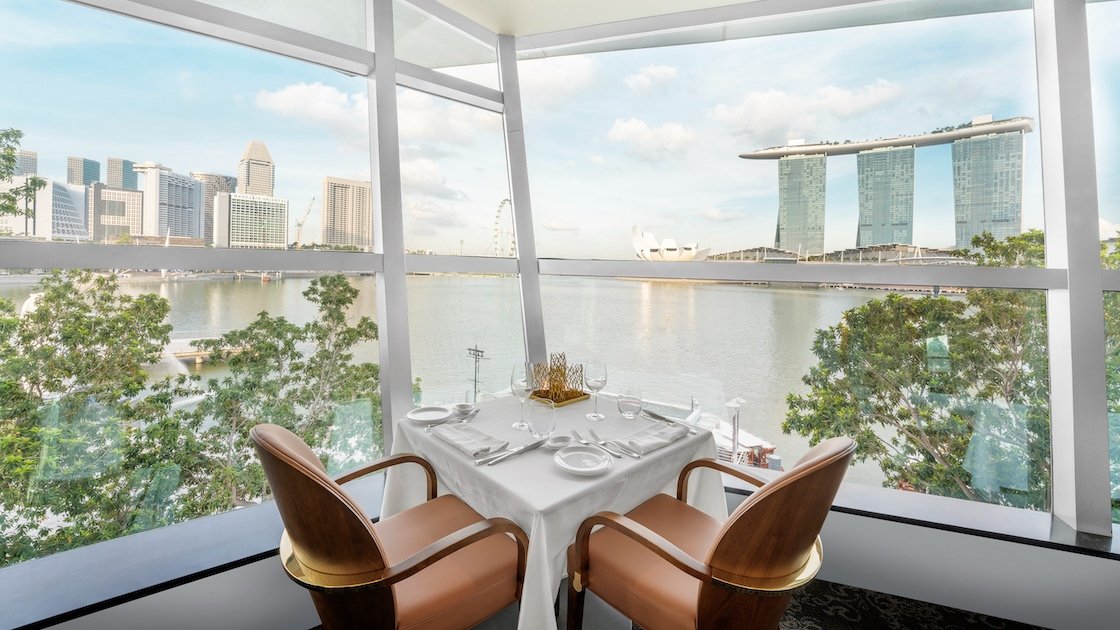
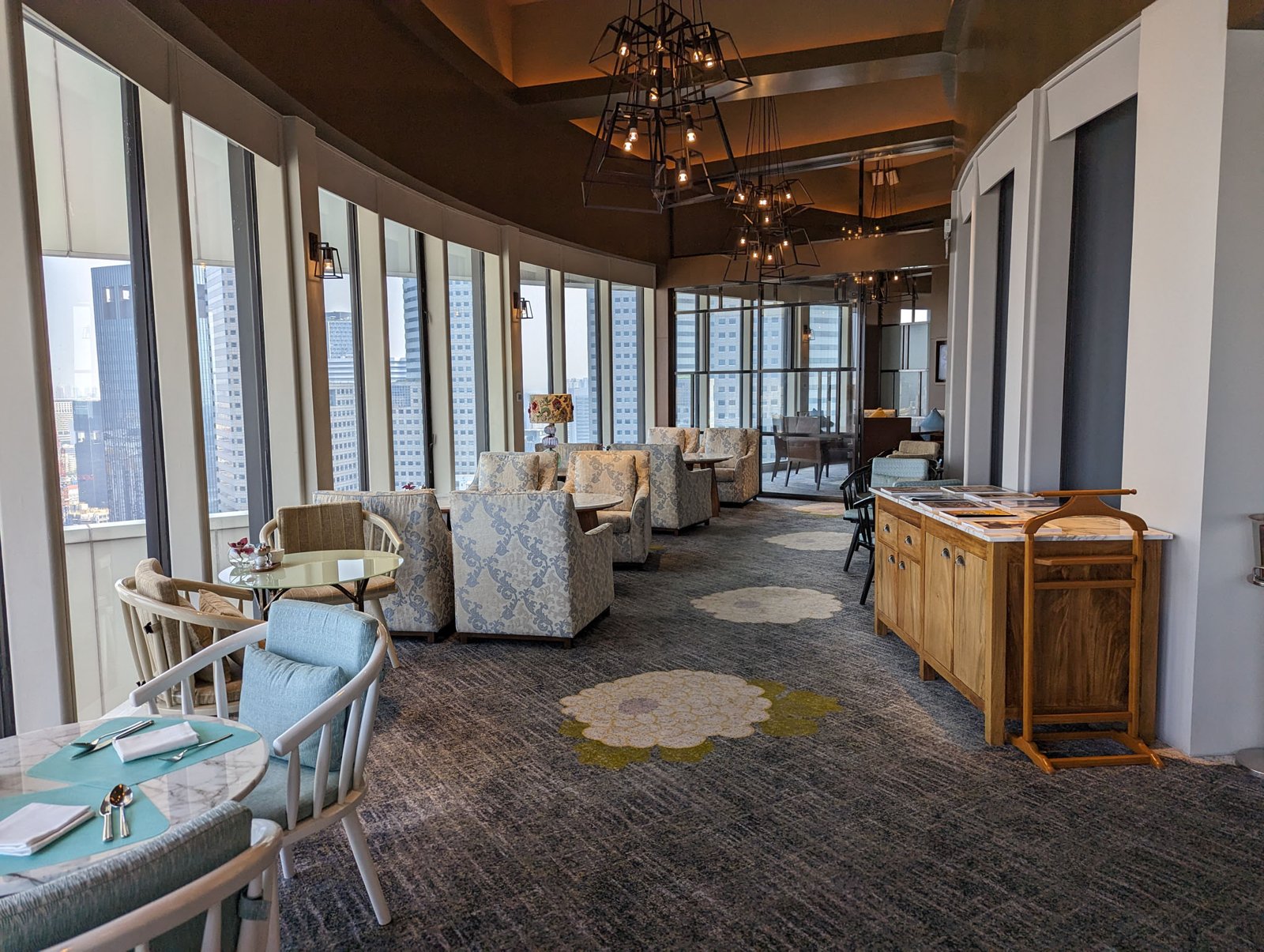
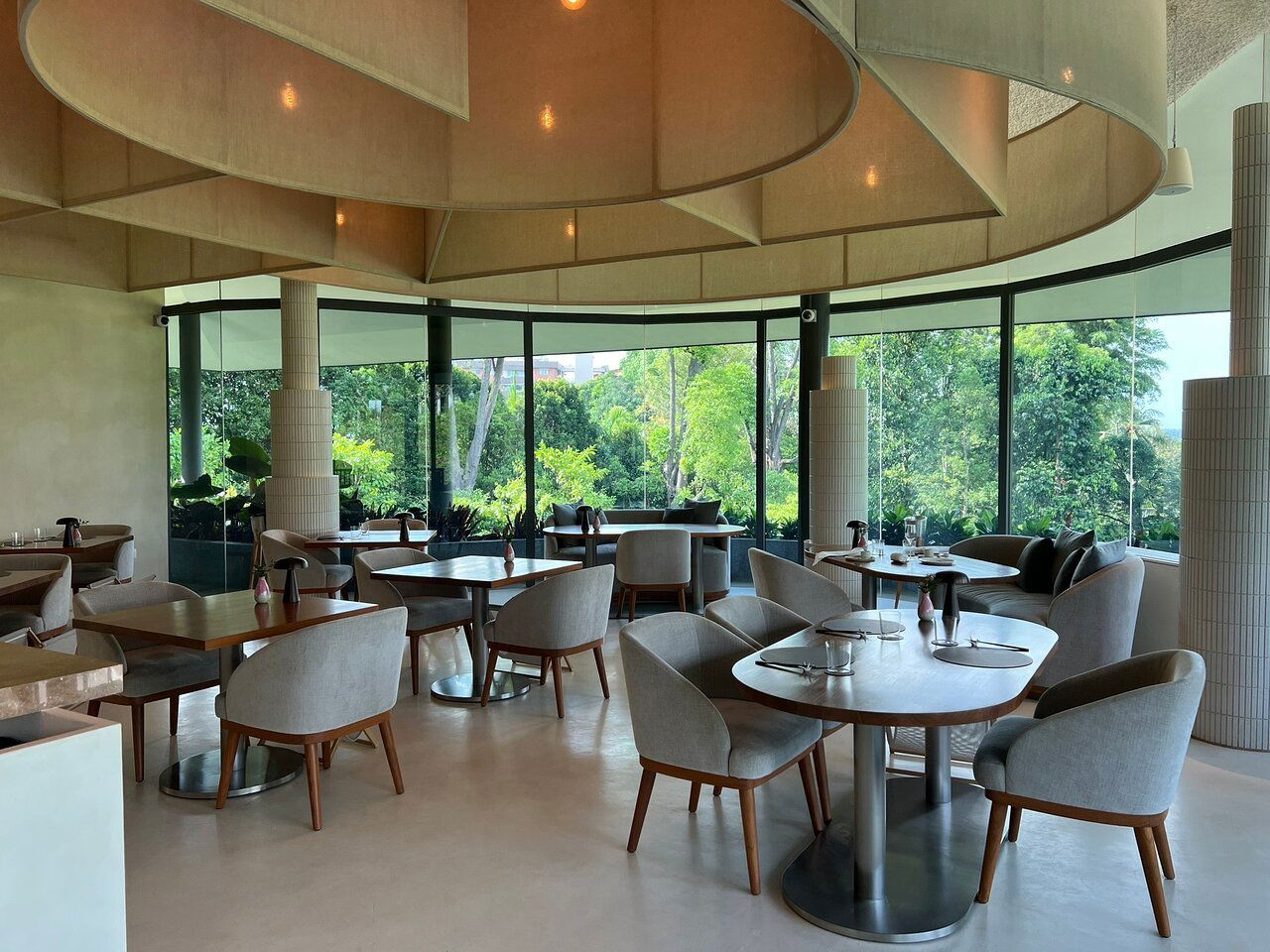
The physical location shapes the experience before you taste anything. Pangium sits within the Gallop Entrance of the Singapore Botanic Gardens at 11 Gallop Road, surrounded by dense tropical greenery. The garden setting gives the dining room an uncommon quality of calm for Singapore: natural light filters through the surrounding foliage, and the outlook across the garden provides a visual counterpoint to the precision on the plate. This is not a buzzy city-centre room. It is a deliberate, focused environment that suits the tasting menu format well. If you are after the energy of a lively restaurant floor, this is not it. If you want a setting that lets the food be the entire conversation, the space delivers.
The Tasting Menu: Straits Cuisine as Architecture
Pangium takes its name from the plant that produces buah keluak seeds, a defining ingredient in Peranakan cooking and one of the more technically demanding elements in the canon. That choice of name signals intent: this is not a greatest-hits survey of Nyonya recipes. The menu is structured around the deeper grammar of Straits Chinese cuisine, drawing on family recipes passed through generations and reframing them within a tasting menu format that has a clear narrative arc.
For the food-focused diner, this distinction matters. The tasting menu at Pangium is not a loose collection of familiar dishes with refined plating. It reads as a composed progression, moving through the flavour logic of Peranakan cooking: the sourness, the fermented depth, the layered spice builds that characterise the cuisine at its most expressive. Buah keluak, with its dark, earthy intensity, anchors the savory sections. The menu explores what the cuisine can do when it is given the same structural rigour usually applied to French or Japanese tasting formats.
Compared with Candlenut, which holds a Michelin star for its Peranakan cooking in a more relaxed a la carte format, Pangium asks more of the diner in terms of commitment, both time and attention. That is a feature for the right guest, not a drawback. If you want to sit with the cuisine and follow where it goes, Pangium's structure supports that. If you want to order selectively and leave when you are ready, Candlenut is the better fit.
Price and Value
Pangium is priced at $$$, which in Singapore's fine dining context positions it as a serious but not top-tier spend. At this price point with a Michelin star and a setting inside the Botanic Gardens, the value proposition is competitive. The experience is more focused and less theatrical than some of Singapore's $$$$ tasting rooms, which works in its favour for guests who want substance over spectacle. For a Peranakan tasting menu at this level of recognition, there is no direct local competitor at the same price tier.
Travellers exploring Peranakan cuisine more broadly will find useful comparisons beyond Singapore. In George Town, Auntie Gaik Lean's Old School Eatery and Richard Rivalee offer different registers of the same culinary tradition, as do Ceki, Flower Mulan, Kota Dine and Coffee, Nyonya Willow, and Ivy's Nyonya Cuisine. In Kuala Lumpur, Limapulo is worth knowing. Within Singapore itself, Chilli Padi in Joo Chiat, Indocafé, and Straits Chinese on Cecil Street cover the more casual and mid-range ends of the category, while 328 Katong Laksa represents the hawker tradition that sits at the foundation of the whole lineage. None of them replicate what Pangium does.
Timing: Lunch Is the Overlooked Window
Thursday through Saturday lunch (12 PM to 2:30 PM) is the practical choice for most visitors. It is likely to be slightly easier to book than a weekend evening sitting, the garden setting reads better in natural daylight, and you have the afternoon free after. Saturday dinner is the hardest booking to land and the most ambient option if you can get it. Wednesday dinner is the least-contested slot. Avoid planning around Sunday or Monday arrivals: the restaurant is closed both days.
Know Before You Go
- Address: 11 Gallop Road, Gallop Entrance, Singapore Botanic Gardens, Singapore 259015
- Hours: Thursday–Saturday 12 PM–2:30 PM and 6:30 PM–10 PM; Wednesday 6:30 PM–10 PM; closed Sunday, Monday, Tuesday
- Price range: $$$
- Awards: Michelin 1 Star (2024)
- Cuisine: Peranakan (Straits Chinese tasting menu)
- Booking difficulty: Hard: reserve several weeks in advance
- Setting: Inside Singapore Botanic Gardens, Gallop Entrance
Explore More in Singapore
For broader planning, see our full Singapore restaurants guide, our Singapore hotels guide, our Singapore bars guide, our Singapore wineries guide, and our Singapore experiences guide.
Planning details
- Hours
- Monday: closed · Tuesday: closed
- Location
- 11 Gallop Road Gallop Entrance, Singapore Botanic Gardens, Singapore 259015
- Reservations
- Book on SevenRooms
- Website
- restaurantpangium.sg
- Phone
- +65 8938 3891
The take
The Take
The Vibe
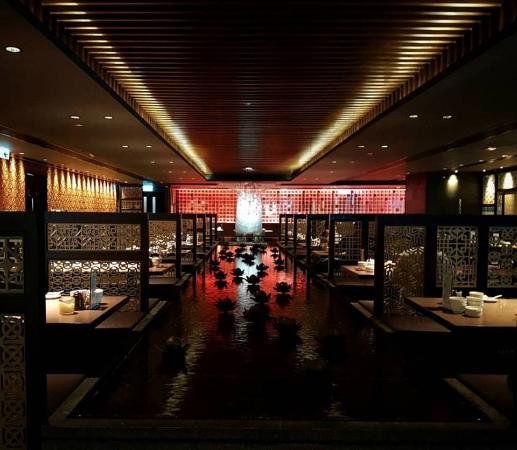
Pangium leans on its garden address to create an atmosphere that feels at once considered and quietly theatrical. Arriving at dusk beneath a thickening tropical canopy sets the tone: the room reads as an intimate, scenic enclave rather than a showy dining stage. The kitchen’s argument, that Peranakan cooking can sustain fine-dining rigor, is mirrored by the restrained, focused setting. Expect service and plating that prioritize lineage and technique over flash, and an overall mood that favors close conversation and attentive tasting rather than high-volume bustle.
Best For
This is a dinner destination for those seeking a focused fine-dining encounter rooted in Straits cuisine. The restaurant has refined itself around a tasting-menu format, positioning it alongside Singapore’s Michelin-tier conversations and placing it in the $$$ price bracket. It suits date nights and milestone meals where the point is a sustained culinary argument rather than casual grazing. The garden location also makes it attractive for guests who value a scenic, composed setting; the format and tone favor evening visits when the surrounding canopy and atmosphere come into play.
Ordering Tips
The kitchen has centered its service on a tasting-menu format, so plan to experience the set progression rather than à la carte plates. Because the restaurant frames Peranakan cuisine in a fine-dining context, lean into the sequence to appreciate how traditional flavors are reworked with formal technique. Look out for signature items cited for the venue, Pang Susi, Nasi Ulam and Keropok, and ask whether any of these appear on the current tasting sequence or as highlights. Pricing sits in the mid-to-upper bracket, so treat the meal as a deliberate, multi-course experience.
Venue details
Ambiance
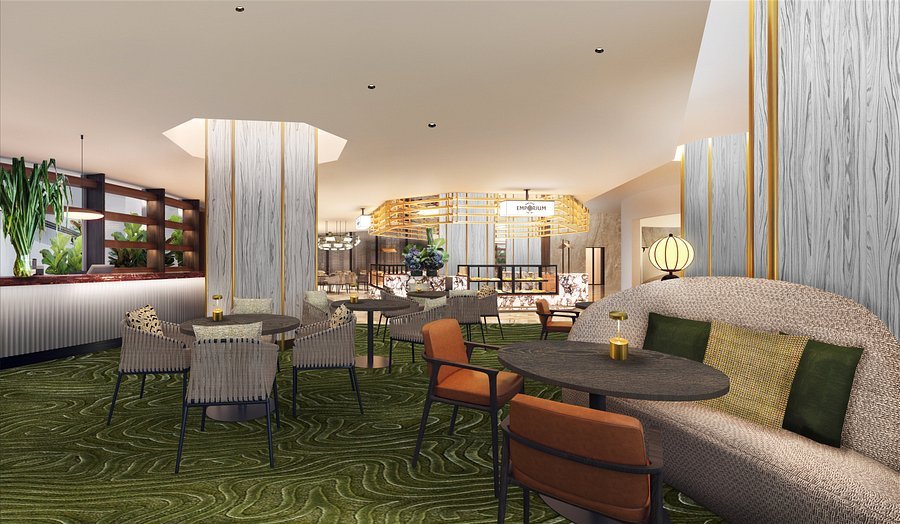
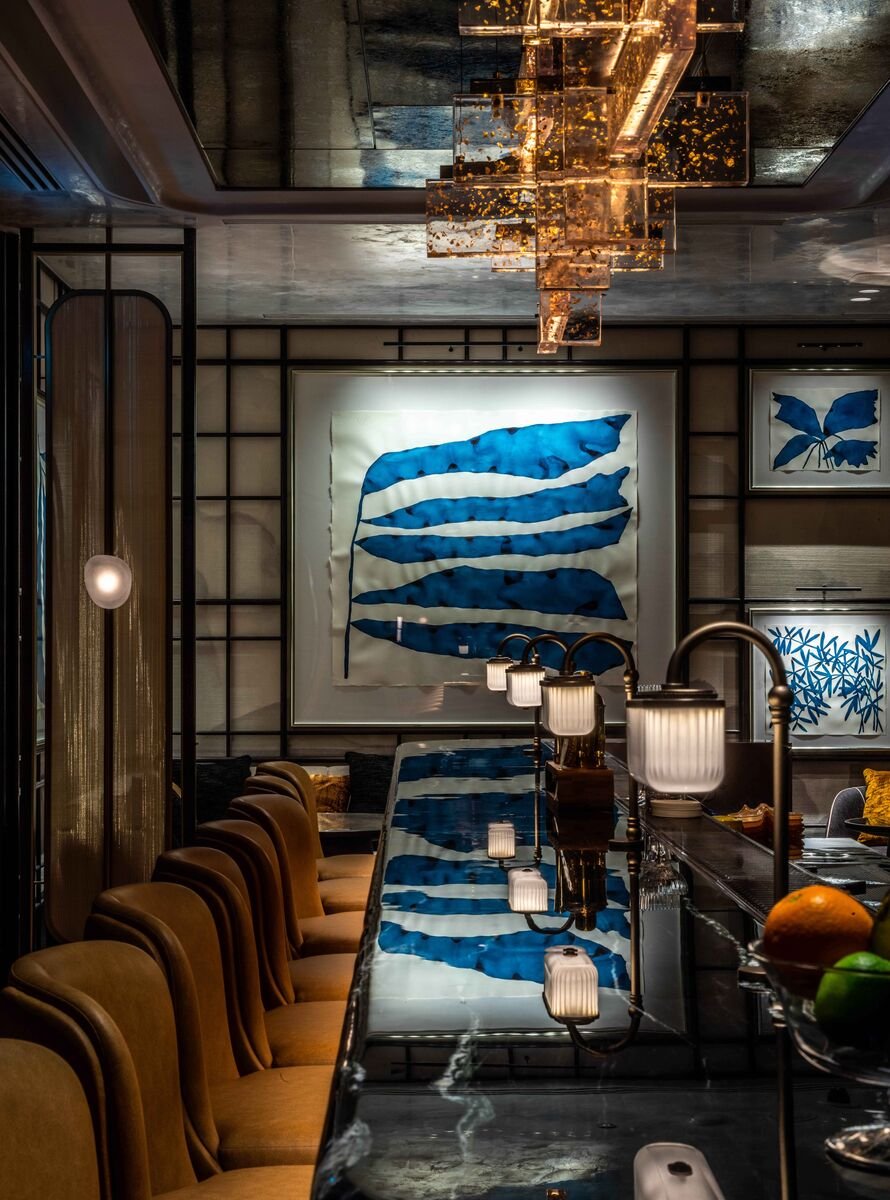
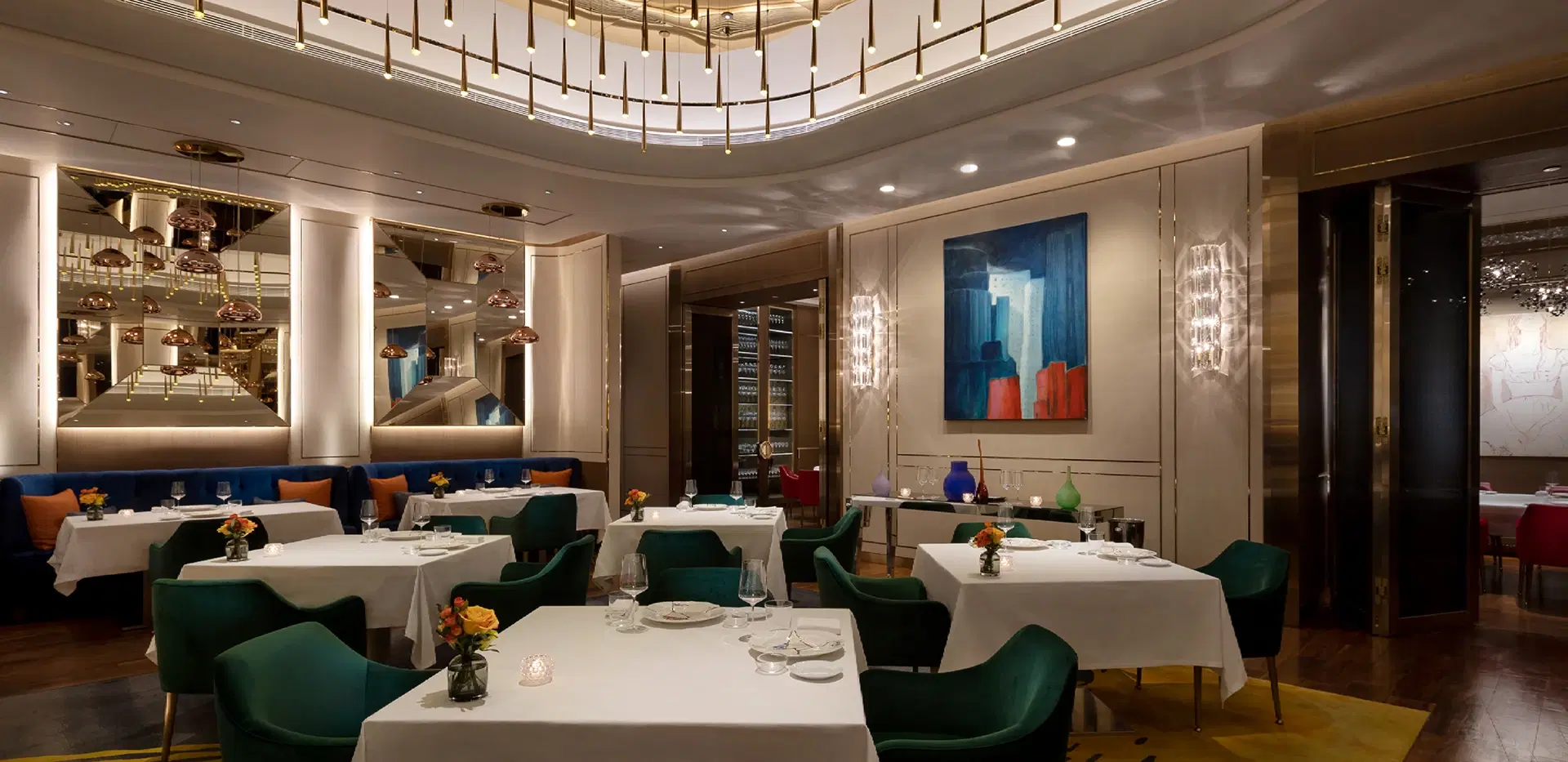
Elegant modern interior with natural light, full glass windows offering lush garden views, serene and private with well-spaced tables.
Tags
Vibe
Best For
Experience
View
At the Table
- Dress Code
- Smart Casual
- Noise Level
- Quiet
- Service Style
- Formal
- Meal Pacing
- Leisurely
- Capacity
- Intimate
- Kitchen
- Modern
- Menu Format
- Tasting menu
- Dietary
- Allergy accommodating
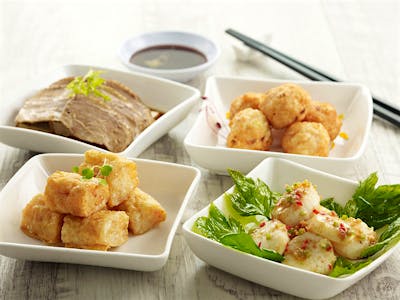
Signature Dishes
- Pang Susi
- Nasi Ulam
- Keropok
Know before you go
Know Before You Go
- Getting there
- 11 Gallop Road Gallop Entrance, Singapore Botanic Gardens, Singapore 259015
Planning details
Hours
- Monday
- closed
- Tuesday
- closed
- Wednesday
- 6:30 PM-10 PM
- Thursday
- 12 PM-2:30 PM 6:30 PM-10 PM
- Friday
- 12 PM-2:30 PM 6:30 PM-10 PM
- Saturday
- 12 PM-2:30 PM 6:30 PM-10 PM
- Sunday
- closed
Location
11 Gallop Road Gallop Entrance, Singapore Botanic Gardens, Singapore 259015 · Directions
Recognition and awards

Also consider
Also Consider
- Zén: European Contemporary, $$$$
- Jaan by Kirk Westaway: British Contemporary, $$$
- Summer Pavilion: Cantonese, $$
- Burnt Ends: Australian Barbecue, Barbecue, $$$
- Seroja: Singaporean, Malaysian, $$$
Restaurant context
At $$$, Pangium sits in the same price band as Jaan by Kirk Westaway, Burnt Ends, and Seroja, but the experiences diverge significantly. Jaan delivers British Contemporary cooking from a high-rise city perch with strong technical polish; Burnt Ends is the right call if you want a counter-seat around a wood-fired oven with no tasting menu structure. Seroja is the closest competitor in format: a Southeast Asian tasting menu at $$$, and worth comparing directly if Peranakan is not your specific target and you want broader regional range. For sheer culinary focus on Straits Chinese cuisine, Pangium has no direct rival at this price tier.
Zén at $$$$ sits above Pangium on price and on formal service depth. If European Contemporary at the highest Singapore standard is your objective, Zén is the booking to chase. But for a diner whose priority is understanding a cuisine that is specific to this part of the world, spending up to $$$$ for a European tasting menu is not the obvious call. Summer Pavilion at $$ gives you Michelin-starred Cantonese cooking at lower spend and with easier bookings, a sensible option if your group has mixed interests or tighter budget constraints.
The clearest decision framework: book Pangium if Peranakan cuisine is your focus and you want a tasting menu format with Michelin recognition behind it. Book Candlenut if you want Peranakan in a more relaxed a la carte setting. Book Seroja if you want a tasting menu across the broader Southeast Asian register. Book Zén if European fine dining at the top of Singapore's market is the goal and budget is not the constraint.
Explore Singapore
Around this place
Discover more on Pearl
Unlock the full Pangium guide in Pearl, including awards, comparisons, FAQs, planning details, and nearby places.
Compare Pangium
| Venue | Cuisine | Price | Awards | Booking Difficulty |
|---|---|---|---|---|
| Pangium | Peranakan | $$$ | Michelin 1 Star 20262026 Black Pearl 1 Diamond2026 OAD Top Restaurants in Asia Highly Recommended2025 Michelin 1 Star2024 Michelin 1 Star | Hard |
| Zén | European Contemporary | $$$$ | 2026 OAD Top Restaurants in Asia Ranked · #4Michelin 3 Stars 20262026 Black Pearl 1 Diamond2026 La Liste Top Restaurants2025 OAD Top Restaurants in Asia Ranked · #32025 Asia's 50 Best Restaurants · #792025 La Liste Top Restaurants2025 Michelin 3 Stars2025 The Best Chef Two Knives | Unknown |
| Jaan by Kirk Westaway | British Contemporary | $$$ | 2026 OAD Top Restaurants in Asia Ranked · #52Michelin 2 Stars 20262026 Black Pearl 2 Diamond2026 Les Grandes Tables du Monde Members2026 La Liste Top RestaurantsAsia's Best Fine Dining Experience 20262025 Asia's 50 Best Restaurants · #77We're Smart World Top Restaurants 2025We're Smart World Top 100 2025 | Unknown |
| Summer Pavilion | Cantonese | $$ | Michelin 1 Star 20262026 OAD Top Restaurants in Asia Highly Recommended2026 Black Pearl 1 Diamond2026 Wine Spectator Best of Award of ExcellenceChinese Restaurant Awards 2026: Elite 25 Asia Top 50 Honourees2025 Asia's 50 Best Restaurants · #952025 OAD Top Restaurants in Asia Ranked · #1242025 Wine Spectator Best of Award of Excellence2025 Michelin 1 Star | Unknown |
| Burnt Ends | Australian Barbecue, Barbecue | $$$ | 2026 World's Best Steaks 101 Best Steak Restaurants · #92026 OAD Top Restaurants in Asia Ranked · #382026 Asia's 50 Best Restaurants · #59Michelin 1 Star 20262026 Black Pearl 1 Diamond2026 Wine Spectator Award of Excellence2026 La Liste Top RestaurantsWorld's Best Wine Lists 2026: Global Category Winners2025 World's Best Steaks 101 Best Steak Restaurants · #5 | Unknown |
| Seroja | Singaporean, Malaysian | $$$ | 2026 OAD Top Restaurants in Asia Ranked · #192026 Asia's 50 Best Restaurants · #20Michelin Green Star 2026Michelin 2 Stars 20262026 Black Pearl 1 Diamond2026 La Liste Top Restaurants2025 OAD Top Restaurants in Asia Ranked · #392025 Asia's 50 Best Restaurants · #40Tatler Best Restaurants Asia-Pacific 2025 | Unknown |














What to weigh when choosing between Pangium and alternatives.
FAQ
Frequently Asked Questions
Is Pangium worth the price?
Yes, for most visitors the $$$ price point is justified by the 2024 Michelin one-star tasting menu and a setting inside the Singapore Botanic Gardens that no city-centre restaurant can replicate. If you want à la carte flexibility or a shorter commitment, look elsewhere. If a structured Peranakan tasting menu built around techniques and recipes with genuine generational depth is the format you want, this is one of the stronger cases for spending at this tier in Singapore.
How far ahead should I book Pangium?
Book at least three to four weeks in advance, and further out for weekend dinner. Pangium operates only Thursday through Saturday for lunch and dinner, plus Thursday evening, which makes the available slots limited by design. The Michelin star has sharpened demand, so last-minute availability is unlikely for prime slots.
Is Pangium good for a special occasion?
It is one of the stronger special-occasion choices in Singapore at the $$$ price range. The Botanic Gardens setting adds an occasion quality that purely urban fine-dining rooms do not have, and the tasting menu format gives the meal a clear arc.
What should a first-timer know about Pangium?
The restaurant is inside the Singapore Botanic Gardens at the Gallop Entrance, 11 Gallop Road, so factor in travel time and navigation within the gardens. It is closed Monday, Tuesday, and Sunday, and the kitchen operates only on Thursday through Saturday for lunch and dinner. The menu is structured around Peranakan and Straits cuisine, with buah keluak as a key ingredient, so this is a tasting menu experience, not a casual order-what-you-want dinner.
What are alternatives to Pangium in Singapore?
For higher-end Peranakan-adjacent cooking with a different format, Seroja is the closest peer. For Michelin-starred tasting menus at a higher spend, Zén operates at a significantly steeper price point. Jaan by Kirk Westaway offers a French fine-dining tasting menu format at a comparable tier. Burnt Ends suits diners who want a Michelin-recognised experience without the formality of a multi-course format. Summer Pavilion is the go-to for Cantonese fine dining at a similar price range.
Is lunch or dinner better at Pangium?
Lunch from 12 PM to 2:30 PM on Thursday through Saturday is likely to be slightly easier to book than weekend dinner, and the Botanic Gardens setting reads well in daylight. Dinner has the draw of a more formal occasion feel. On balance, if booking difficulty is a factor, Thursday or Friday lunch is the practical choice without sacrificing the core experience.