


Candlenut
Peranakan · RIDOUT, Singapore
Restaurant in Singapore, Singapore
 Book with Pearl
The Read
Heritage Peranakan Refined
Price
$50–100per person
Chef
Malcolm Lee
Dress
Business Casual
Why go
Candlenut is Singapore's most credentialed Peranakan restaurant, Michelin one-star, OAD #69 in Asia (2025), and a Black Pearl Diamond, at a $$ price point that makes it one of the city's clearest value cases for serious dining. Chef Malcolm Lee's tasting menu changes every two months and leans into Indonesian influences that set it apart from more conventional Straits-Chinese Peranakan cooking. Book in advance; this is not a walk-in restaurant.
About Candlenut
Should You Book Candlenut?
Getting a table at Candlenut takes planning. This is not a walk-in restaurant, and it rewards the effort: Michelin one-star recognition since 2024, a #69 ranking on Opinionated About Dining's Leading Restaurants in Asia for 2025, and a Black Pearl 1 Diamond in the same year make it the most credentialed Peranakan restaurant in Singapore. If you want the definitive version of Peranakan cuisine in a setting that feels like a considered dining room rather than a heritage house or hawker spin-off, Candlenut is the booking to make. At $$, the price-to-credential ratio is exceptional relative to what comparable award-level restaurants charge elsewhere in the city.
The Restaurant
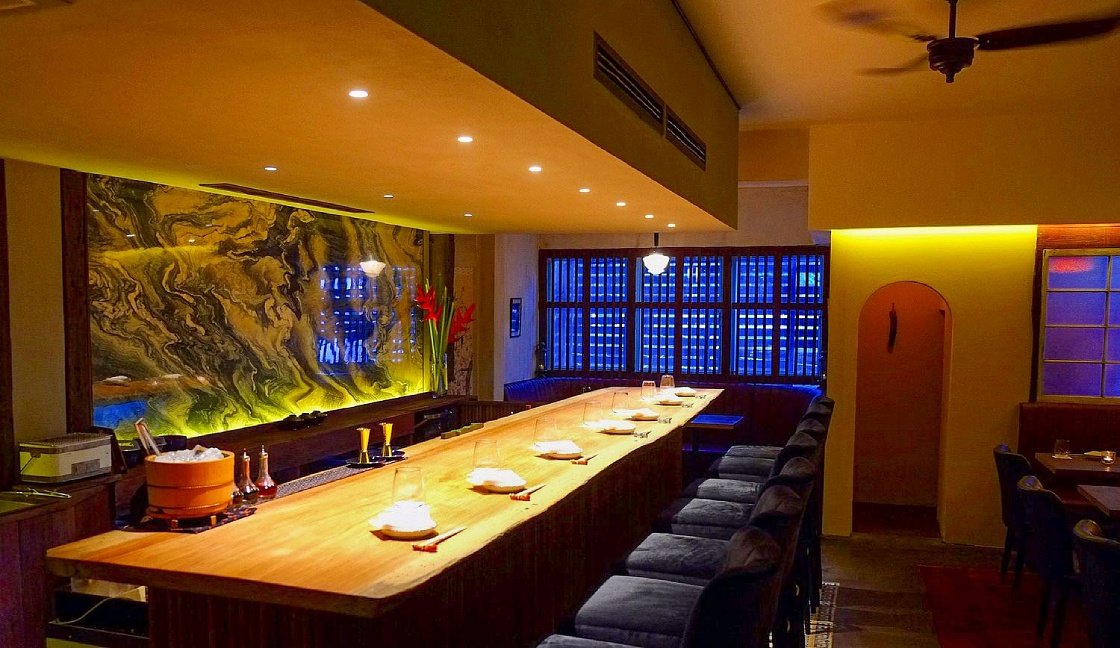
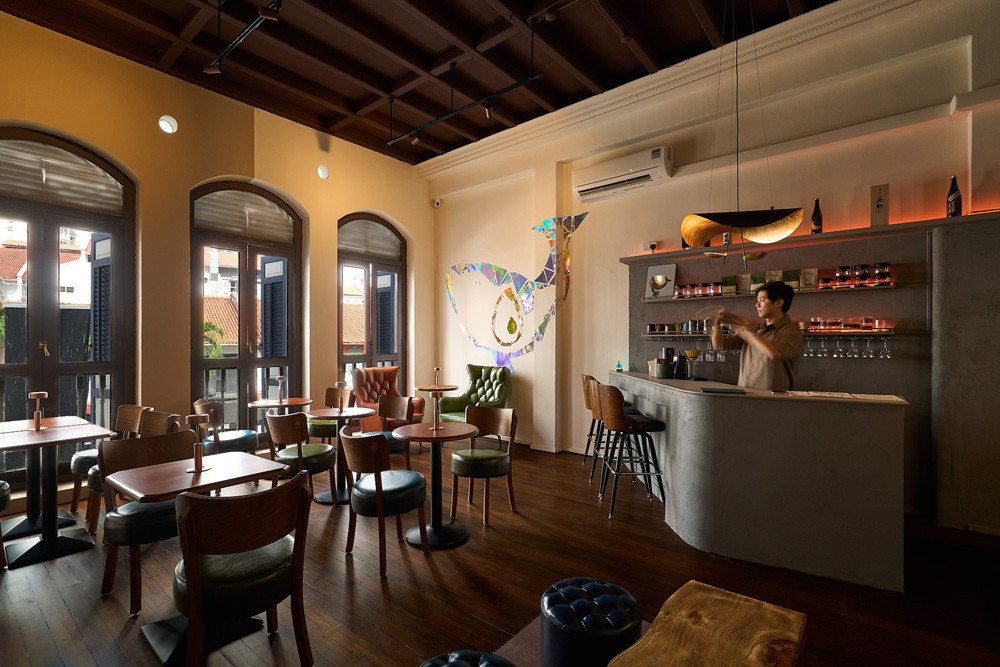
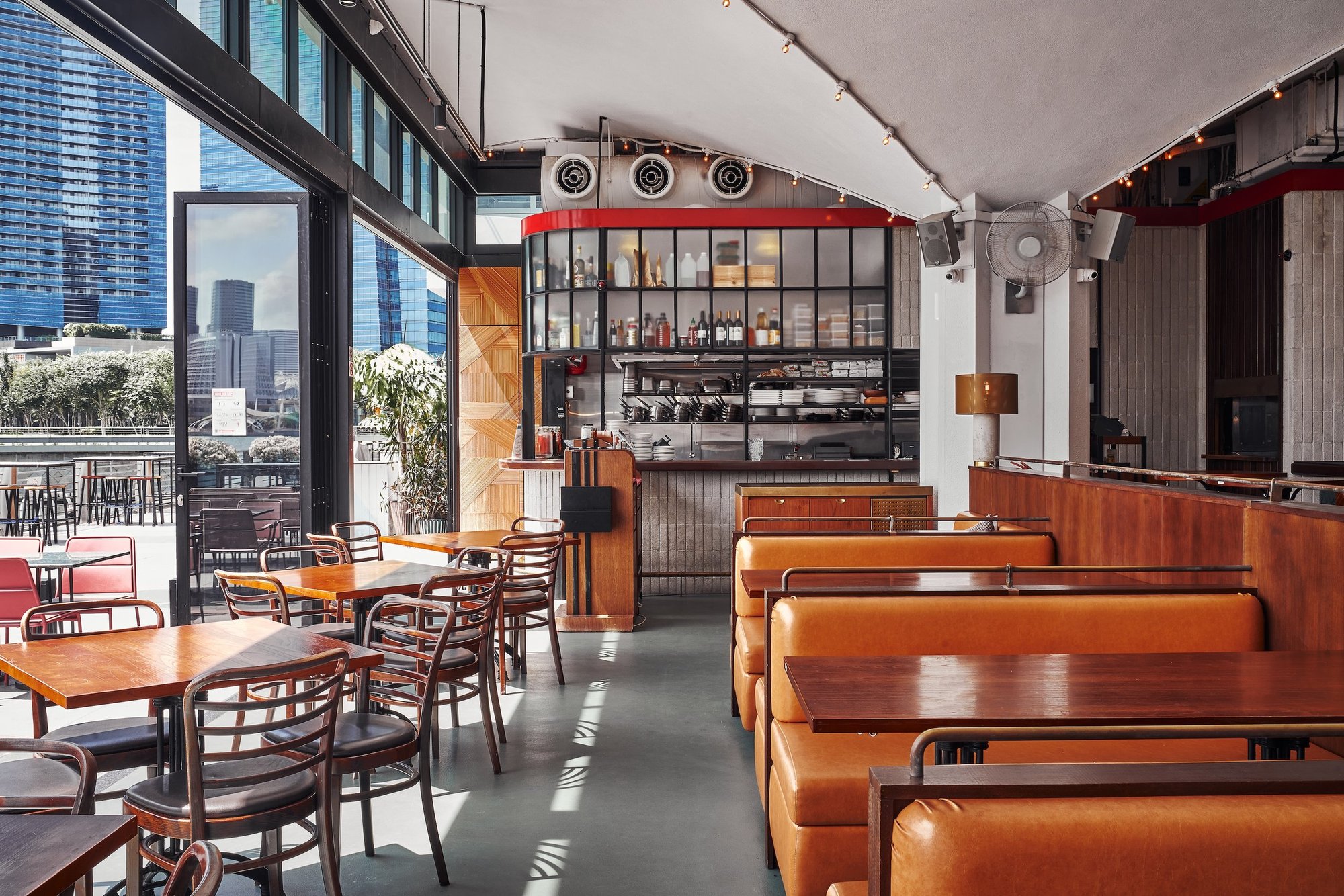
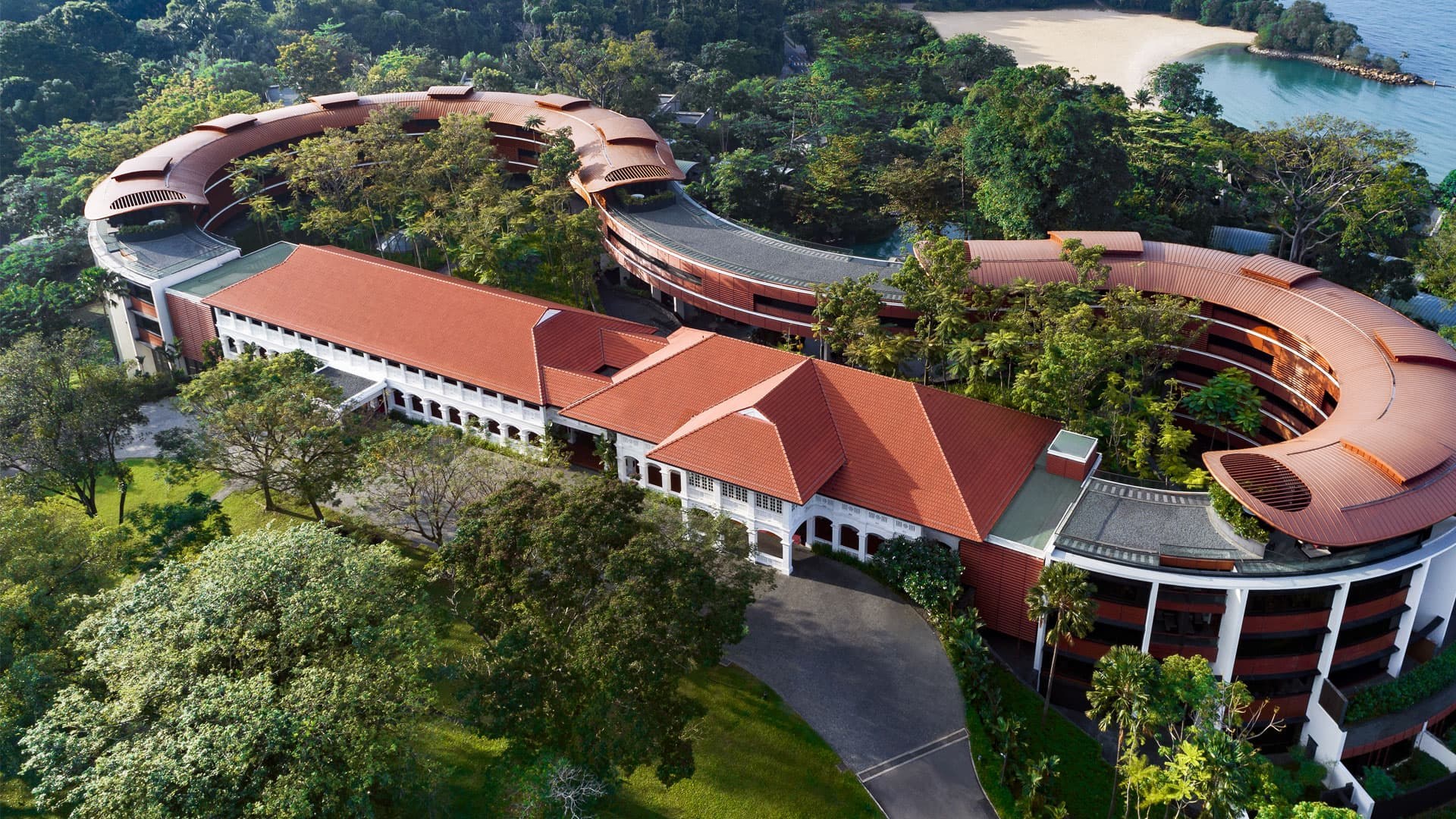
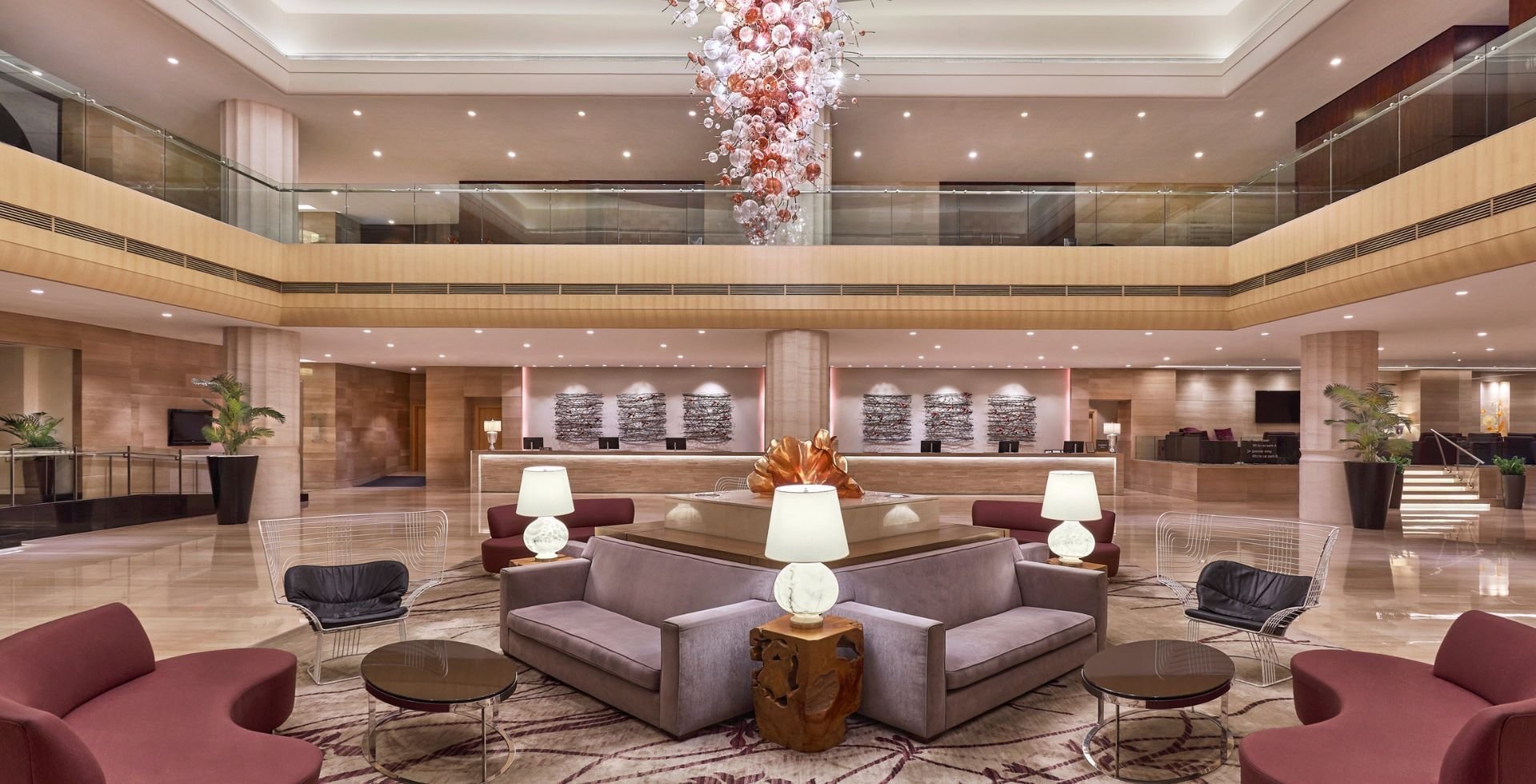
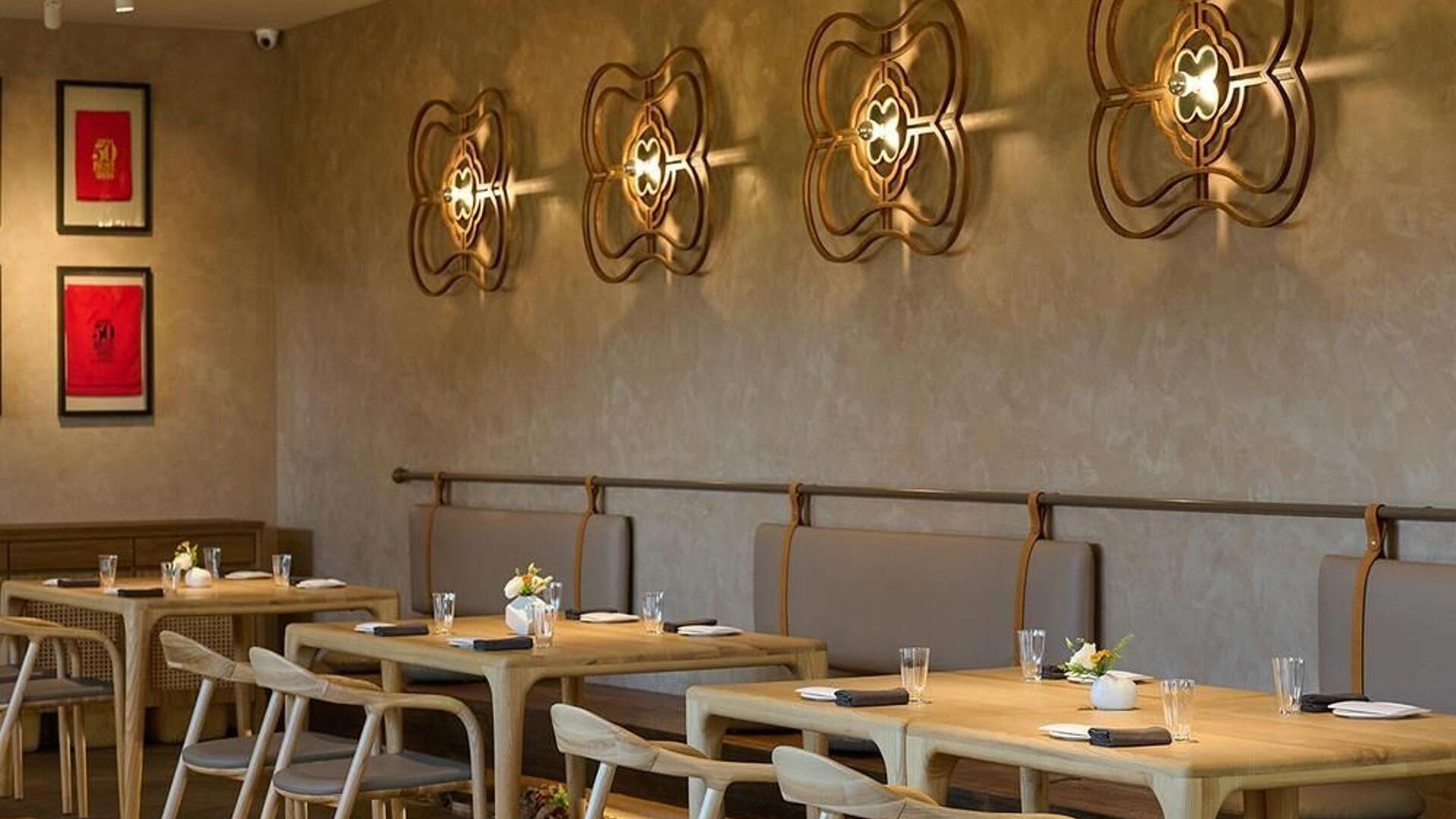
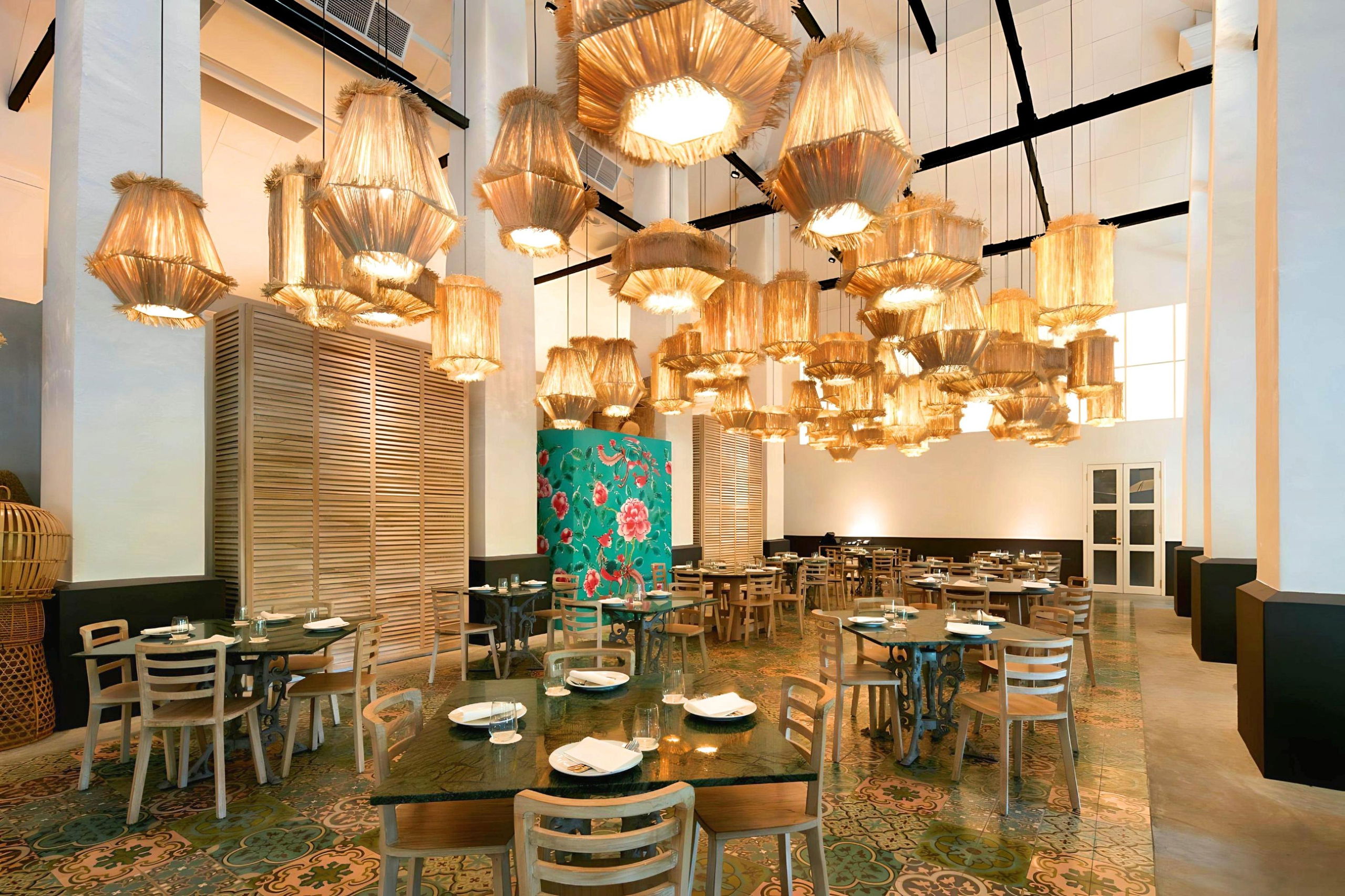
Candlenut sits on Dempsey Road, the leafy former military barracks precinct that now houses some of Singapore's most relaxed serious dining. The room is airy: bamboo and rattan details keep the energy calm rather than formal, which matters if you are planning a long tasting menu lunch. The atmosphere skews convivial over hushed: this is not a whisper-quiet fine-dining room, but the noise level stays manageable enough for conversation throughout both services. For a room with Michelin credentials, it is notably unstuffy, which makes it work equally well for celebration dinners and long, exploratory weekend lunches.
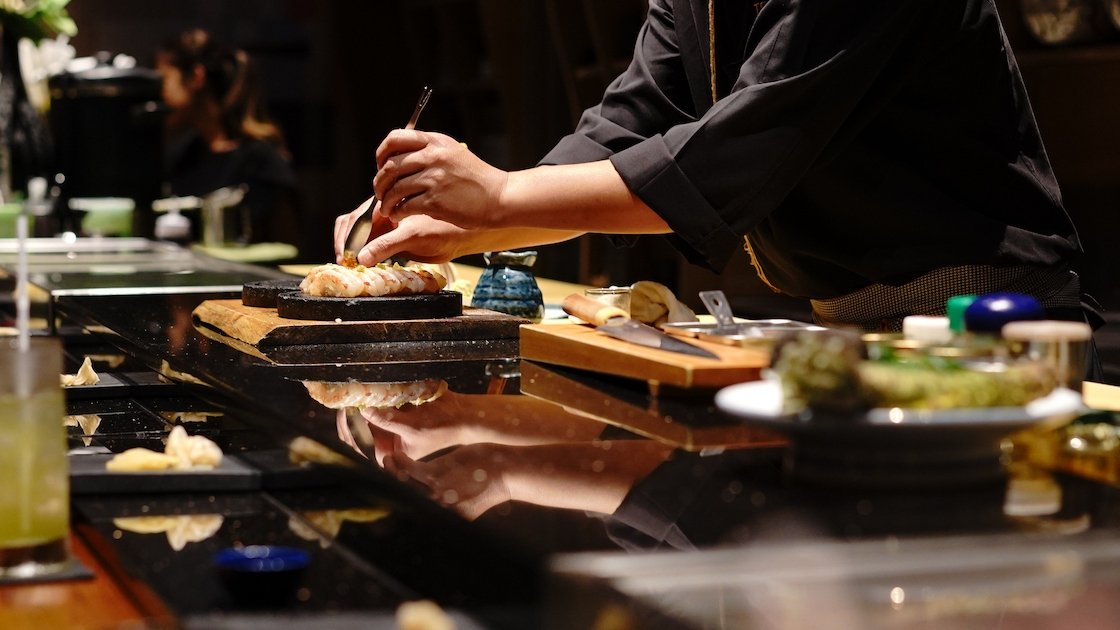
Chef Malcolm Lee shapes the menu around Peranakan traditions he inherited from his mother and grandmother, with an Indonesian influence that distinguishes his cooking from the more Straits-Chinese-focused Peranakan restaurants you will find elsewhere in Singapore. The tasting menu runs to ten-plus courses and changes every two months, with a strong emphasis on one-bite dishes designed to highlight individual flavours and textures. À la carte dishes are served communal style, which makes Candlenut genuinely better with three or four people than with two.
How to Approach Candlenut Across Multiple Visits
If you are visiting Singapore more than once and want to get the full measure of what Candlenut offers, a two-visit strategy makes sense. On your first visit, book the tasting menu. The ten-plus course format is the clearest expression of what Malcolm Lee is doing with the cuisine: the bimonthly menu rotation means you are eating dishes that reflect where the kitchen is right now, not a static greatest-hits selection. The one-bite courses in particular reward attention, and the Indonesian inflections become more legible course by course. This visit establishes your baseline.
On a second visit, shift to à la carte and go communal. Order across the menu with three or four people and treat it as a comparison exercise: the tasting menu disciplines how dishes are sequenced, while à la carte reveals how the kitchen handles the traditional Peranakan canon on its own terms. The two experiences are meaningfully different rather than redundant. Given the two-month menu rotation, a return visit six months later will also yield a substantially different tasting menu, which makes Candlenut worth revisiting in a way that more static menus do not.
If you are comparing Peranakan dining more broadly across a Singapore trip, Candlenut sits at one end of the spectrum: award-level, tasting-menu-anchored, with à la carte as a secondary option. For a different angle on the cuisine, Pangium, Chilli Padi (Joo Chiat), and Indocafé offer less formal takes on the same culinary tradition, while Straits Chinese (Cecil Street) and 328 Katong Laksa round out the Singapore Peranakan picture at the hawker end. For Peranakan dining in George Town, Penang, the landscape is distinct: Auntie Gaik Lean's Old School Eatery, Bibik's Kitchen, Ceki, Flower Mulan, Ivy's Nyonya Cuisine, Jawi House, Kebaya Dining Room, and Richard Rivalee each offer a different Nyonya register. Candlenut is not trying to replicate what any of them do.
Booking and Practical Details
Candlenut is open seven days a week for both lunch (12 PM–3 PM) and dinner (6 PM–10 PM). The dual-service format gives you more flexibility than many Michelin restaurants in Singapore, but demand is high enough that you should book as far in advance as your plans allow: treat this as a hard booking rather than a casual restaurant you can revisit if you miss it. Lunch at Dempsey Road works particularly well: the outdoor-adjacent setting and airy room make the midday light an asset, and a long tasting lunch on a Saturday fits the neighbourhood's unhurried tempo. Dinner is the more conventional choice for special occasions. Given the Dempsey Road location, you will need a taxi or ride-hail to get there from most central Singapore hotels; it is not walkable from Orchard or the CBD.
For the full Singapore dining picture, see our full Singapore restaurants guide. If you are building an entire trip around the city, our Singapore hotels guide, bars guide, wineries guide, and experiences guide cover the rest.
Ratings at a Glance
- Michelin: 1 Star (2024)
- Opinionated About Dining: #69 Leading Restaurants in Asia (2025); #64 (2024); #74 (2023)
- Black Pearl: 1 Diamond (2025)
- Price range: $$
Planning details
- Hours
- Monday: 12 PM-3 PM 6 PM-10 PM · Tuesday: 12 PM-3 PM 6 PM-10 PM
- Location
- 17a Dempsey Rd, Singapore 249676
- Reservations
- Book on SevenRooms
- Website
- comodempsey.sg/restaurant/candlenut
- Phone
- +65 1800 304 2288
The take
The Take
The Vibe
Candlenut occupies a colonial bungalow on Dempsey Hill, and its interiors, bamboo screens and rattan furniture, create a settled, quietly charming atmosphere. The dining rooms feel removed from the vertical intensity of central Singapore, lending a relaxed, slightly scenic quality thanks to the low-rise greenery that surrounds the site. At the same time the restaurant reads as serious and elevated: its Michelin star and regional ranking position it as a refined ambassador for Peranakan cooking, so the overall impression is calm, historic and quietly distinctive rather than flashy.
Best For
This is a restaurant for purposeful, celebratory meals away from the mall-driven pulse of the city centre. Candlenut’s awards and polished Peranakan approach make it well suited to special occasions and intimate date nights, and its bungalow setting on Dempsey Hill accommodates small group bookings that want a more considered dining tempo. Because lunch and dinner offer different experiences, the venue also works for diners who plan around the kitchen’s rhythms rather than casual walk-ins: expect a composed, intentional meal.
Ordering Tips
Pay attention to time of day: lunch and dinner at Candlenut are meaningfully different, and your choice determines how much of the kitchen’s range you encounter. When ordering, try the kitchen’s signature items, Buah Keluak Ice Cream and Wagyu Beef Rendang are flagged as standout dishes, and leave room for a mix of Peranakan flavors that reflect the restaurant’s Michelin-starred approach. The overall experience favors paced, considered courses rather than quick bites.
Venue details
Ambiance
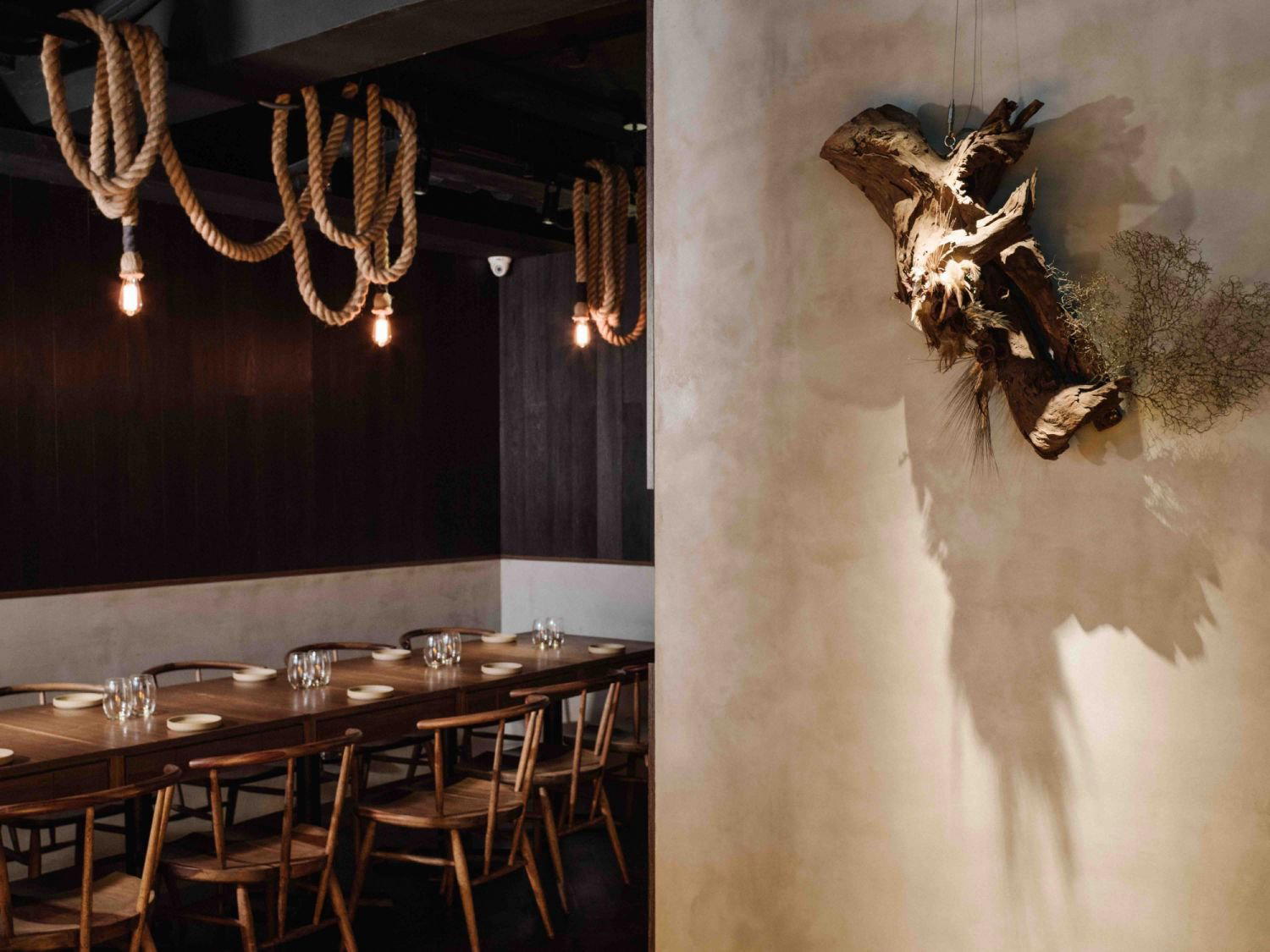
Contemporary elegance with dark wood, intricate tile work, subtle lighting, and a warm, inviting atmosphere in a former British army barracks.
Tags
Vibe
Best For
Experience
Accessibility
At the Table
- Dress Code
- Business Casual
- Noise Level
- Conversational
- Service Style
- Upscale Casual
- Meal Pacing
- Leisurely
- Capacity
- Medium
- Kitchen
- Modern
- Menu Format
- Tasting menu, A la carte
- Dietary
- Vegetarian friendly, Vegan options
- Private Dining
- Available
- Outdoor Seating
- Yes
Signature Dishes
- Buah Keluak Ice Cream
- Wagyu Beef Rendang
Know before you go
Know Before You Go
- Getting there
- 17a Dempsey Rd, Singapore 249676
Planning details
Hours
- Monday
- 12 PM-3 PM 6 PM-10 PM
- Tuesday
- 12 PM-3 PM 6 PM-10 PM
- Wednesday
- 12 PM-3 PM 6 PM-10 PM
- Thursday
- 12 PM-3 PM 6 PM-10 PM
- Friday
- 12 PM-3 PM 6 PM-10 PM
- Saturday
- 12 PM-3 PM 6 PM-10 PM
- Sunday
- 12 PM-3 PM 6 PM-10 PM
Location
17a Dempsey Rd, Singapore 249676 · Directions
Recognition and awards

Also consider
Also Consider
- Zén: European Contemporary, $$$$
- Jaan by Kirk Westaway: British Contemporary, $$$
- Iggy's: Modern European, European Contemporary, $$$
- Summer Pavilion: Cantonese, $$
- Waku Ghin: Creative Japanese, Japanese Contemporary, $$$$
Restaurant context
Candlenut is the only Michelin-starred Peranakan restaurant in Singapore and sits at $$, which makes it a different category from the city's $$$ and $$$$ options. Zén ($$$$) and Waku Ghin ($$$$) are the ceiling-level choices for ceremony and spend; both deliver more formal service and higher production values, but neither is a substitute if Peranakan cuisine is the goal. If you are weighing where to spend your one special-occasion dinner in Singapore, Candlenut gives you more culinary specificity for less money than either.
Jaan by Kirk Westaway ($$$) and Iggy's ($$$) occupy the middle tier and offer European contemporary formats: technically strong rooms that will appeal if your priority is international fine dining rather than local cuisine. Summer Pavilion ($$) is the closest price-tier peer, but it operates in an entirely different culinary register: Cantonese rather than Peranakan, and hotel-based rather than standalone. For diners building a Singapore itinerary across multiple cuisines, Candlenut and Summer Pavilion together cover both ends of Singapore's Chinese-heritage dining spectrum at comparable prices.
The practical booking comparison is also relevant. All five peer restaurants require advance booking, but Candlenut's dual lunch-and-dinner service across seven days gives more scheduling flexibility than some. If you are choosing between Candlenut and Zén purely on booking difficulty, Candlenut is the more accessible seat. The decision rule is straightforward: if Peranakan cuisine is on your list, Candlenut is the booking; if you want European contemporary or Japanese contemporary fine dining, look to the $$$ and $$$$ options above.
Explore Singapore
Around this place
Discover more on Pearl
Unlock the full Candlenut guide in Pearl, including awards, comparisons, FAQs, planning details, and nearby places.
Compare Candlenut
| Venue | Cuisine | Price | Booking Difficulty | Awards |
|---|---|---|---|---|
| Candlenut | Peranakan | $$ | Hard | 2026 OAD Top Restaurants in Asia Ranked · #75Michelin 1 Star 20262026 Black Pearl 1 Diamond2025 OAD Top Restaurants in Asia Ranked · #692025 Michelin 1 Star2025 Black Diamond 1 Diamond2024 OAD Top Restaurants in Asia Ranked · #642024 Michelin 1 Star2023 OAD Top Restaurants in Asia Ranked · #74 |
| Zén | European Contemporary | $$$$ | Unknown | 2026 OAD Top Restaurants in Asia Ranked · #4Michelin 3 Stars 20262026 Black Pearl 1 Diamond2026 La Liste Top Restaurants2025 OAD Top Restaurants in Asia Ranked · #32025 Asia's 50 Best Restaurants · #792025 La Liste Top Restaurants2025 Michelin 3 Stars2025 The Best Chef Two Knives |
| Jaan by Kirk Westaway | British Contemporary | $$$ | Unknown | 2026 OAD Top Restaurants in Asia Ranked · #52Michelin 2 Stars 20262026 Black Pearl 2 Diamond2026 Les Grandes Tables du Monde Members2026 La Liste Top RestaurantsAsia's Best Fine Dining Experience 20262025 Asia's 50 Best Restaurants · #77We're Smart World Top Restaurants 2025We're Smart World Top 100 2025 |
| Iggy's | Modern European, European Contemporary | $$$ | Unknown | 2026 Forbes 4-StarMichelin 1 Star 20262026 OAD Top Restaurants in Asia Highly Recommended2026 La Liste Top Restaurants2025 Forbes 4-Star2025 La Liste Top Restaurants2025 Michelin 1 Star2024 OAD Top Restaurants in Asia Ranked · #1492024 Michelin 1 Star |
| Summer Pavilion | Cantonese | $$ | Unknown | Michelin 1 Star 20262026 OAD Top Restaurants in Asia Highly Recommended2026 Black Pearl 1 Diamond2026 Wine Spectator Best of Award of ExcellenceChinese Restaurant Awards 2026: Elite 25 Asia Top 50 Honourees2025 Asia's 50 Best Restaurants · #952025 OAD Top Restaurants in Asia Ranked · #1242025 Wine Spectator Best of Award of Excellence2025 Michelin 1 Star |
| Waku Ghin | Creative Japanese, Japanese Contemporary | $$$$ | Unknown | 2026 OAD Top Restaurants in Asia Ranked · #612026 Forbes 5-StarMichelin 1 Star 20262026 Black Pearl 1 Diamond2026 Wine Spectator Best of Award of Excellence2026 La Liste Top RestaurantsAsia's Best Restaurant 2026Singapore's Best Restaurant 20262025 OAD Top Restaurants in Asia Ranked · #50 |












What to weigh when choosing between Candlenut and alternatives.
FAQ
Frequently Asked Questions
What should a first-timer know about Candlenut?
Walk-ins are unlikely to work: book in advance. Candlenut holds a Michelin star (2024) and ranks #69 in OAD's Top Restaurants in Asia (2025), so demand is real. Chef Malcolm Lee cooks traditional Peranakan dishes with an Indonesian influence, served communal-style à la carte or as a 10-plus course tasting menu. The Dempsey Road setting is relaxed rather than formal, which makes the food the main event without the stiff atmosphere that sometimes accompanies starred dining.
Is the tasting menu worth it at Candlenut?
Yes, if you want to cover the full range of Malcolm Lee's cooking in one sitting. The menu runs 10-plus courses, changes every two months, and includes single-bite dishes designed around contrasting flavours and textures: that format rewards attention in a way the à la carte does not. At $$, it is priced accessibly for a Michelin-starred tasting menu by Singapore standards. If you are time-limited or prefer sharing plates at your own pace, the à la carte communal format is a reasonable alternative.
Is Candlenut good for a special occasion?
Yes, and the price point makes it an easier call than most Michelin occasions. At $$ and with a tasting menu option that changes bimonthly, it has the credentials and the considered cooking to mark a celebration without the $$$-plus outlay of a Zén or Waku Ghin. The airy room with bamboo and rattan details is composed without being stiff, which suits occasions where you want the meal to feel significant but the evening to stay comfortable.
Is Candlenut good for solo dining?
Manageable, but the communal à la carte format is designed for sharing, which means solo diners either commit to the tasting menu, the more natural solo format, or accept that à la carte coverage will be narrower. The tasting menu at $$ is a reasonable solo spend for a Michelin-starred meal. The relaxed Dempsey Road setting means solo dining does not feel awkward the way it might at a more ceremonial room.
Is lunch or dinner better at Candlenut?
Lunch at Candlenut is worth prioritising if your schedule allows: the hours mirror dinner (12 PM–3 PM versus 6 PM–10 PM), the menu access is the same, and the Dempsey Road setting reads well in daylight. Dinner suits a longer, more deliberate pace if you are doing the tasting menu. Neither service is a lesser version of the other, so the decision is mostly about your day's rhythm rather than a meaningful quality difference.
What are alternatives to Candlenut in Singapore?
For Peranakan specifically, there is no direct Michelin-starred alternative in Singapore: Candlenut is in its own category. If what you want is serious tasting-menu dining at a higher price tier, Zén (three Michelin stars) and Waku Ghin are the relevant comparisons. For something closer in register and price but in French-influenced territory, Jaan by Kirk Westaway offers a Michelin-starred experience without the premium of the city's top tables. Summer Pavilion is the comparison for those drawn to precision cooking in a hotel setting, though the cuisine and atmosphere differ significantly.