.png?width=1200&quality=80)
Béni
French Contemporary · SOMERSET, Singapore
Restaurant in Singapore, Singapore
 Book with Pearl
The Read
Franco-Japanese Set Menu Precision
Price
$200–300per person
Dress
Smart Casual
Why go
Béni is worth booking if you want French Contemporary cooking in Singapore at $$$ rather than the heavier $$$$ spend of Odette or Saint Pierre. The Michelin Plate signal supports it as a serious meal, while the North Canal Road address keeps it practical for a central dinner. Cross-shop Jag, Whitegrass, and Roia if value is the main filter.
About Béni
Béni is a French Contemporary restaurant in Singapore with Michelin Plate recognition in 2024. At $$$, it sits in a premium dining bracket. The cuisine is French Contemporary, the chef/owner is Kenji Yamanaka, and the dress code is smart casual. For diners considering a French Contemporary meal in Singapore, those facts are the clearest basis for deciding whether it belongs on the shortlist.
Chef Kenji Yamanaka's name gives the restaurant a clear authorship signal, but the practical question is simpler: is it the right booking for the occasion? For many diners, the appeal is a French Contemporary restaurant at $$$, especially when compared with other Singapore names such as Odette or Saint Pierre.
Singapore makes this a useful dining pick
The Singapore setting makes Béni easy to consider as part of a broader dining plan in the city. For visitors mapping a food itinerary, it fits naturally alongside our full Singapore restaurants guide, while travelers building a wider stay can pair the meal with our full Singapore hotels guide, our full Singapore bars guide, our full Singapore wineries guide, or our full Singapore experiences guide.
$$$ is the key decision point. Singapore has many dining rooms, and French Contemporary at this level can be a useful choice for diners who want a premium meal without assuming the most expensive end of the market. If the occasion calls for comparing other Singapore restaurants, Odette and Saint Pierre are natural references. Béni can also be weighed against Jag, Whitegrass, and Roia.
Book for French Contemporary cooking; cross-shop for occasion level
Béni is best understood as a French Contemporary restaurant in Singapore with Michelin Plate recognition and a $$$ price level. That recognition is a useful reference point, while the price category helps frame expectations before booking. Diners comparing Singapore restaurants may look at Odette or Saint Pierre. Diners who want to compare other options in the city can also look at Jag, Whitegrass, and Roia.
First-timers should treat Béni as a French Contemporary booking with Michelin Plate recognition and smart casual dress. Béni does not specify a menu format, signature dish, service style, seating arrangement, or meal period, so the safest approach is to confirm current details directly when booking. Choose it for the category, chef/owner Kenji Yamanaka's association with the restaurant, and the $$$ positioning.
If the brief changes from a premium French Contemporary meal to something more casual, other Singapore dining rooms may make more sense. They are not direct substitutes for Béni; they simply answer a different dining need. For a fair local comparison, keep the decision anchored to Singapore names such as Odette, Saint Pierre, Jag, Whitegrass, and Roia.
Planning details
- Location
- 18 N Canal Rd, Singapore 048830
- Website
- restaurantibid.com
- Phone
- +65 9151 8698
The take
The Take
The Vibe
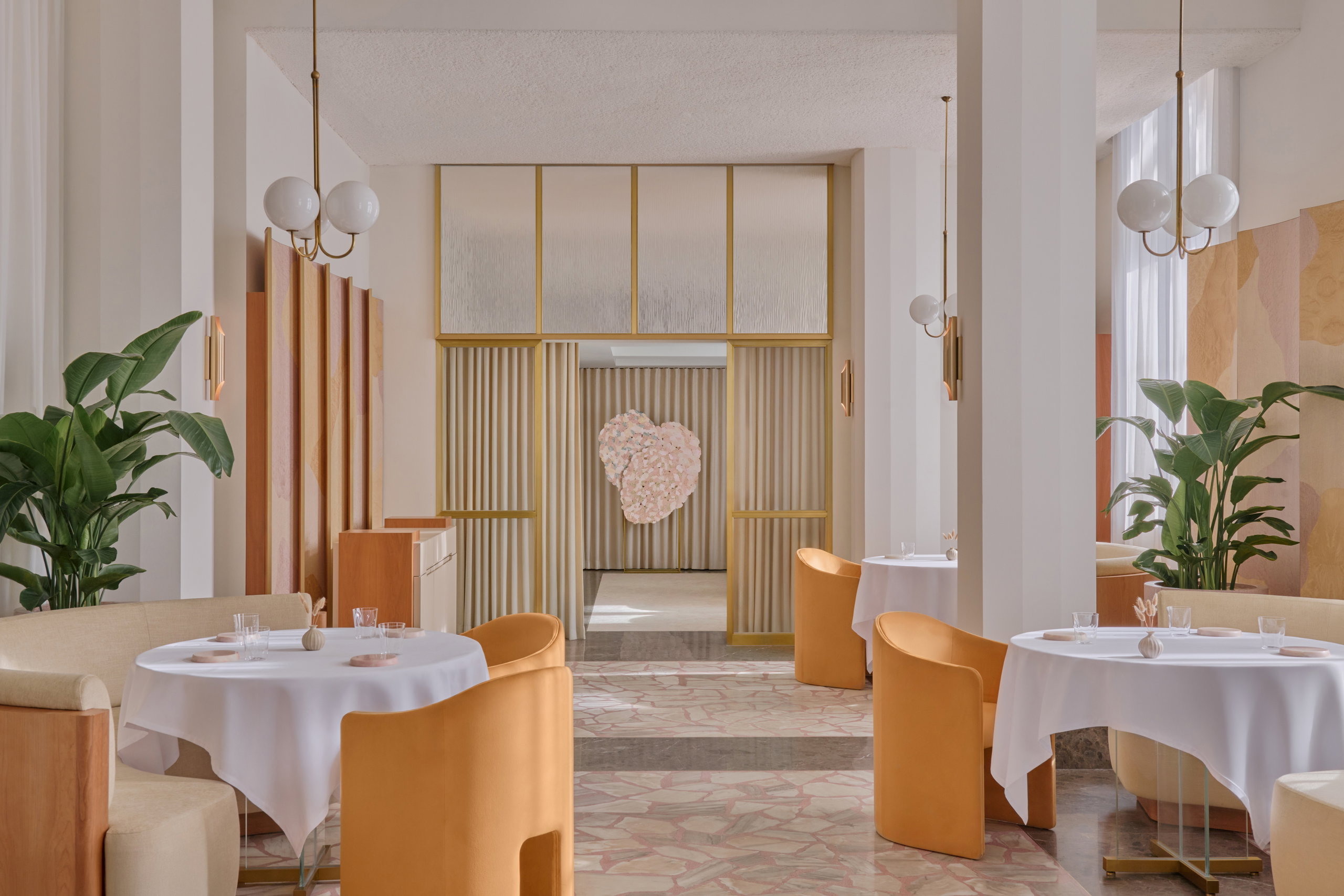
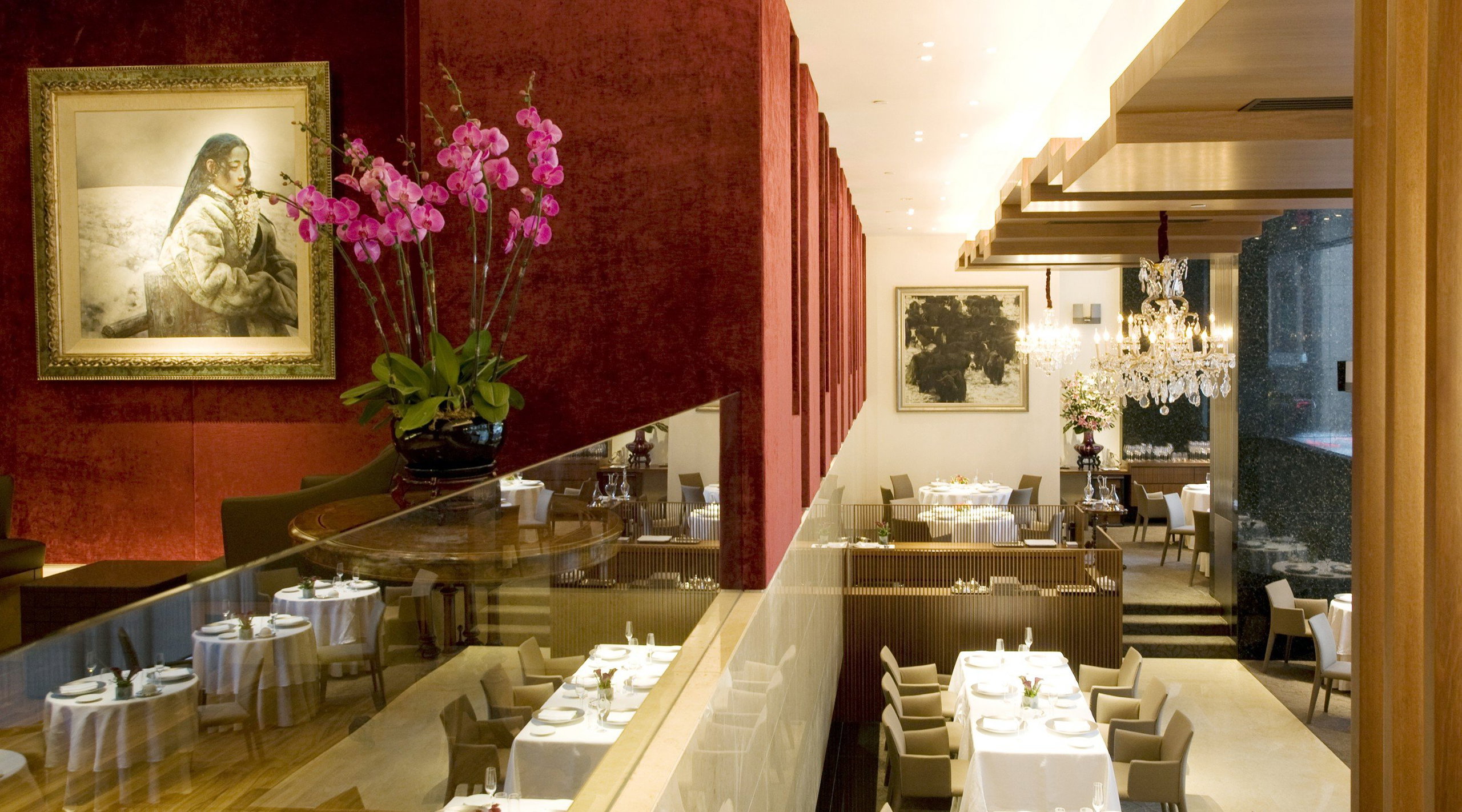
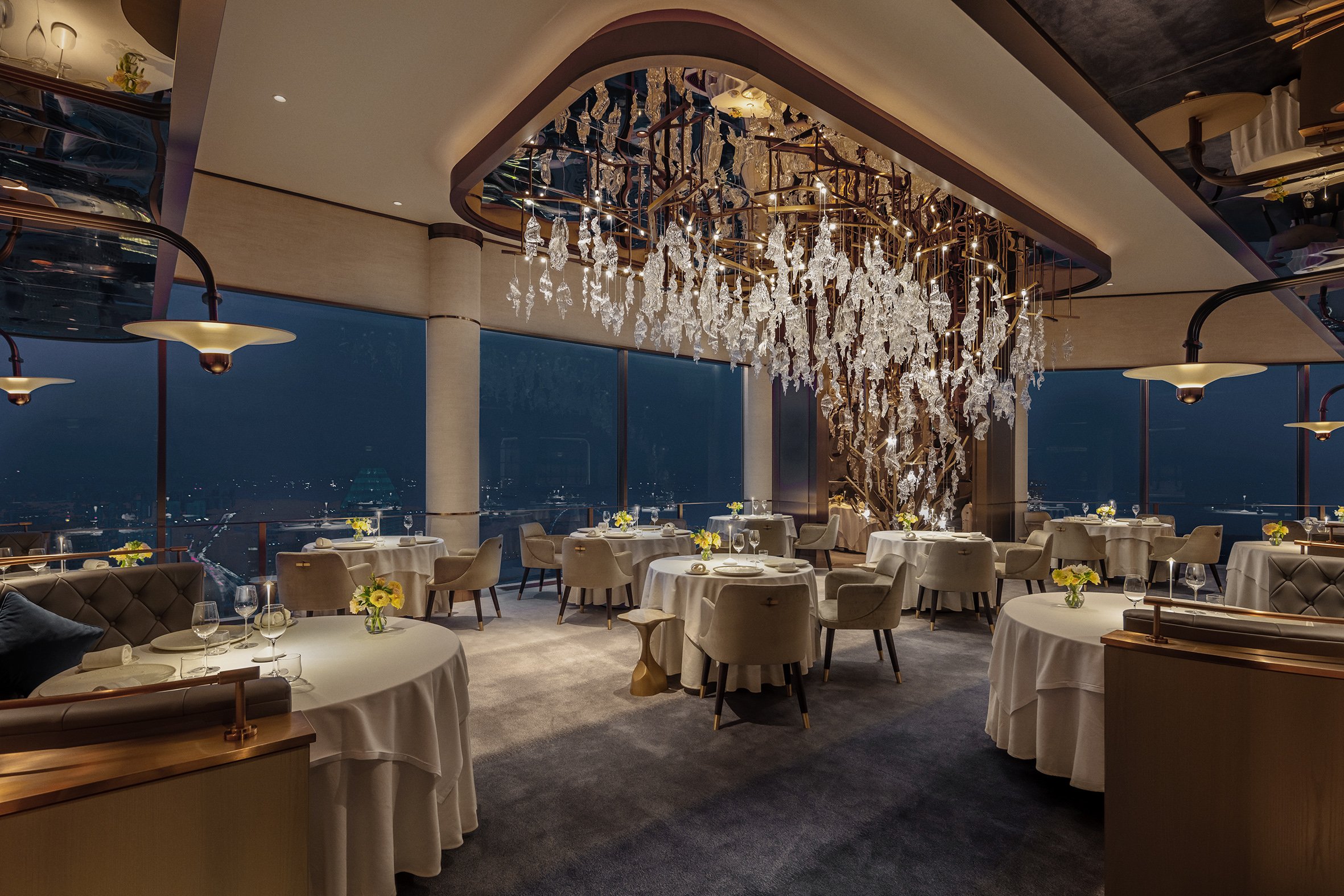
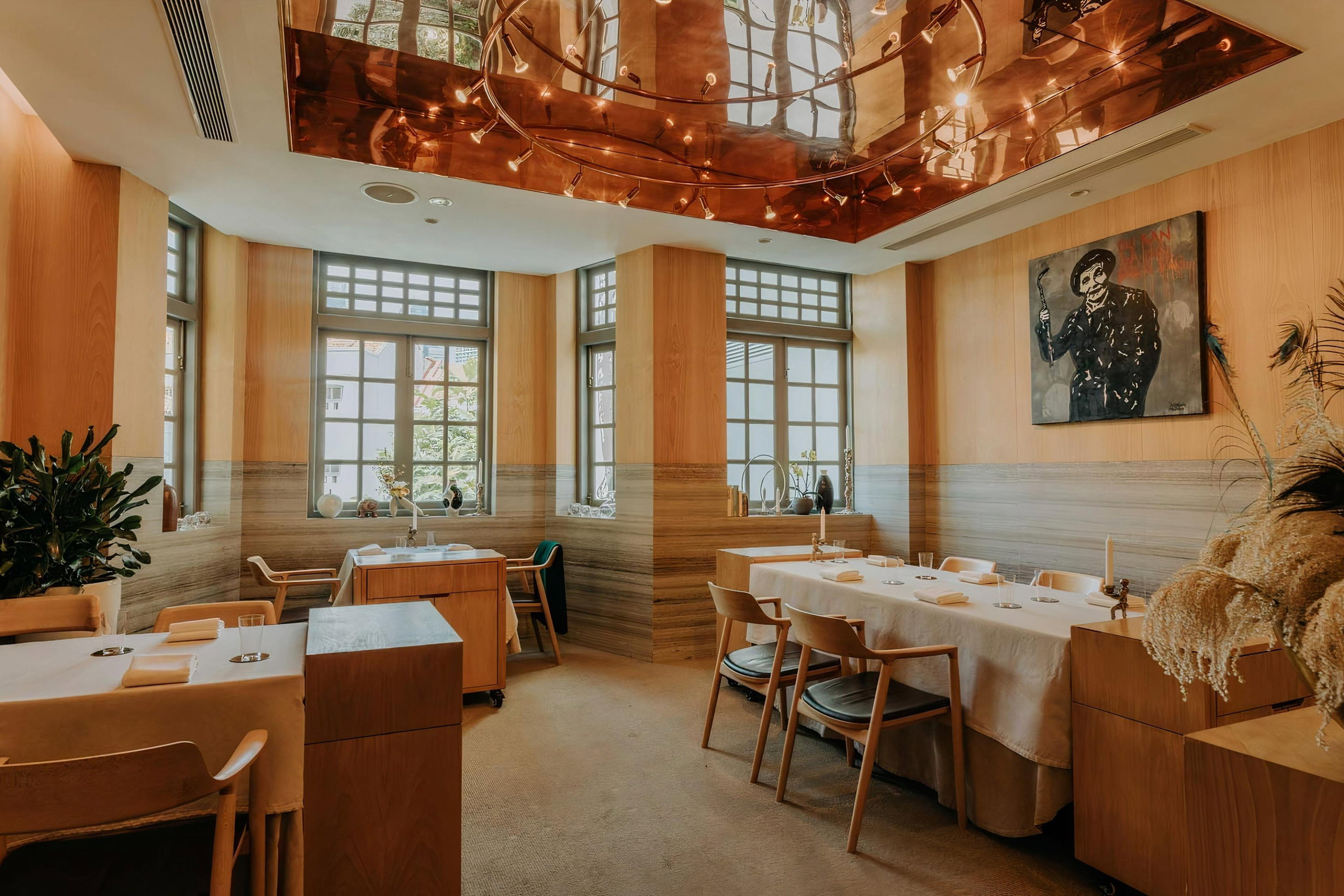
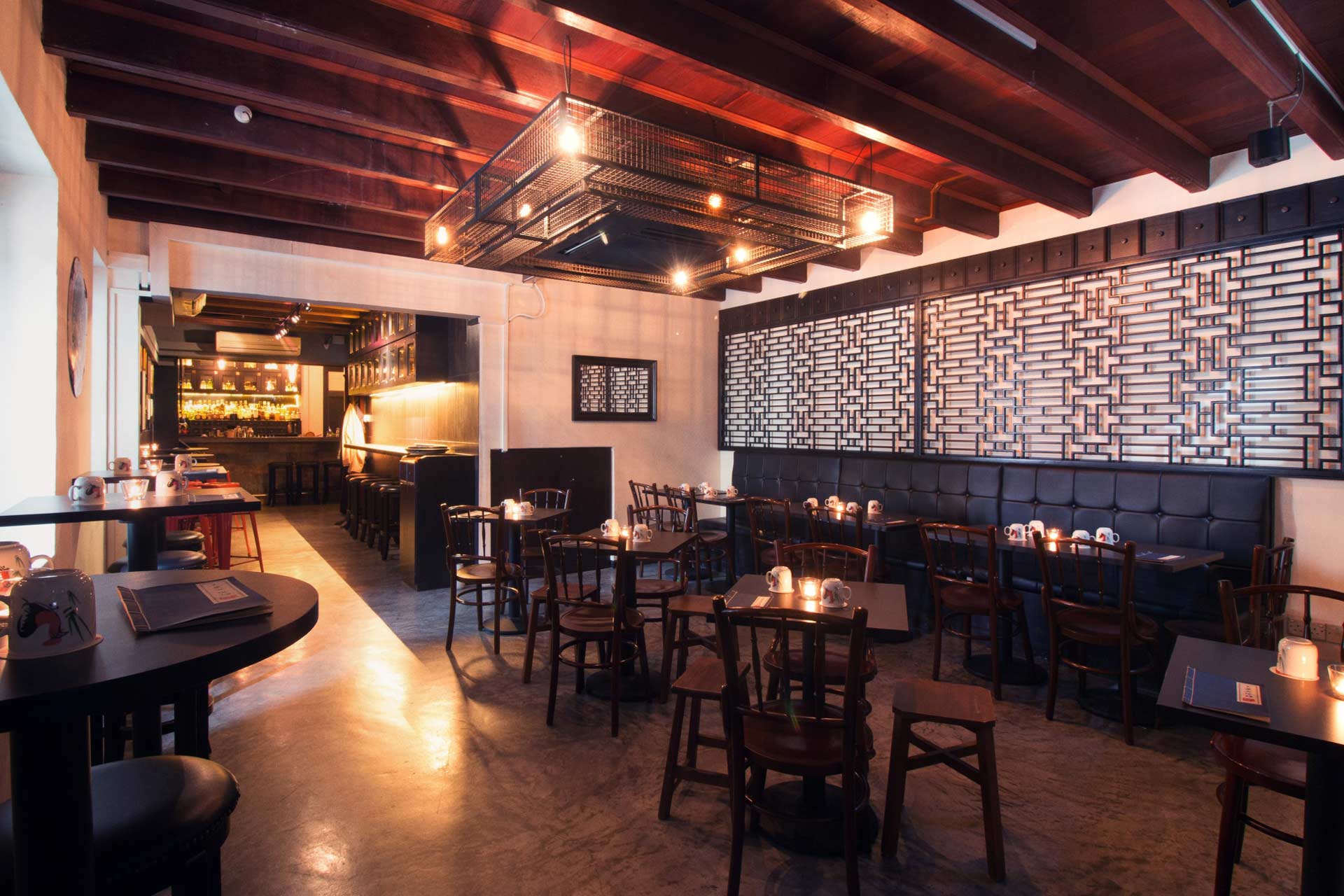
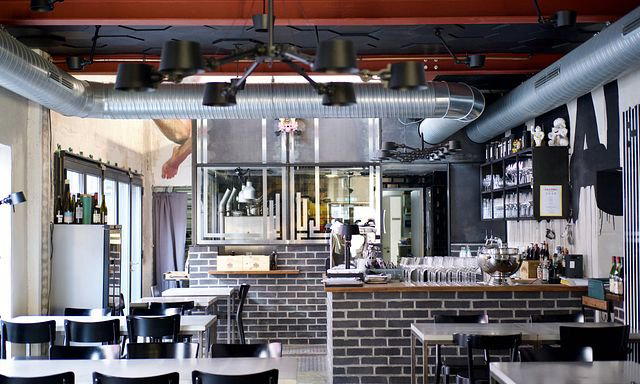
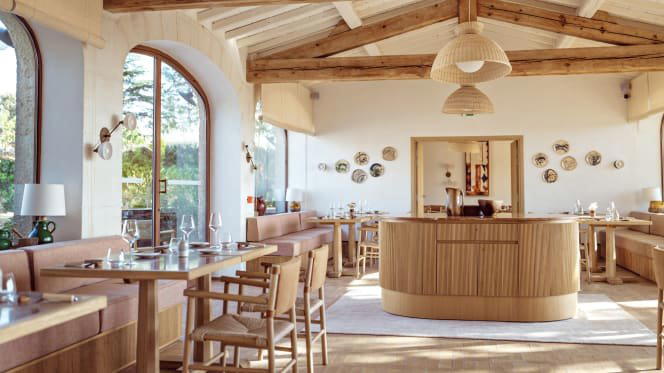
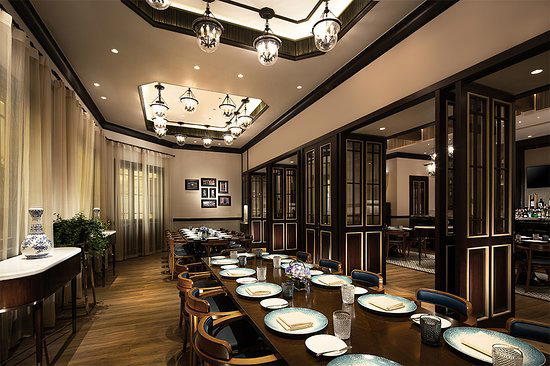
Béni presents itself as a study in restraint: the room is deliberately quiet and minimalist so that the plates occupy the stage. The approach channels a Japanese-influenced strand of fine dining where architecture functions as negative space, producing an intimate, almost monastic atmosphere. Situated on the shophouse stretch of North Canal Road in the Boat Quay corridor, the restaurant feels discreet rather than ostentatious, attracting diners who are actively seeking a focused, refined meal. The writing highlights a disciplined aesthetic and a tidy silence that keeps attention on technique and ingredients.
Best For
This is a dinner-focused destination for diners seeking refined, formal French technique interpreted with Japanese precision. The restrained room and careful presentation make it well suited to date nights and special occasions where attention to craft matters more than spectacle. Because it sits slightly off the city’s primary fine-dining axis and draws a deliberate audience, visitors who want a calm, concentrated meal (rather than a loud, touristy experience) will find Béni rewarding. It’s a place for small parties or couples who value subtlety and precision.
Ordering Tips
The menu rewards focused choices: highlight dishes listed for Béni include the mushroom_quartet and the foie_gras_bao, and these signatures are reliable touchpoints of the kitchen’s technique. Given the restaurant’s framing alongside tasting-menu rooms and formal French–Japanese approaches, opt for the kitchen’s sequence or chef’s suggestions when available to experience the progression of technique and seasoning. Expect restrained presentation and precise flavors; let the staff guide plating order and pacing so the minimalist room and the food’s details align.
Venue details
Ambiance
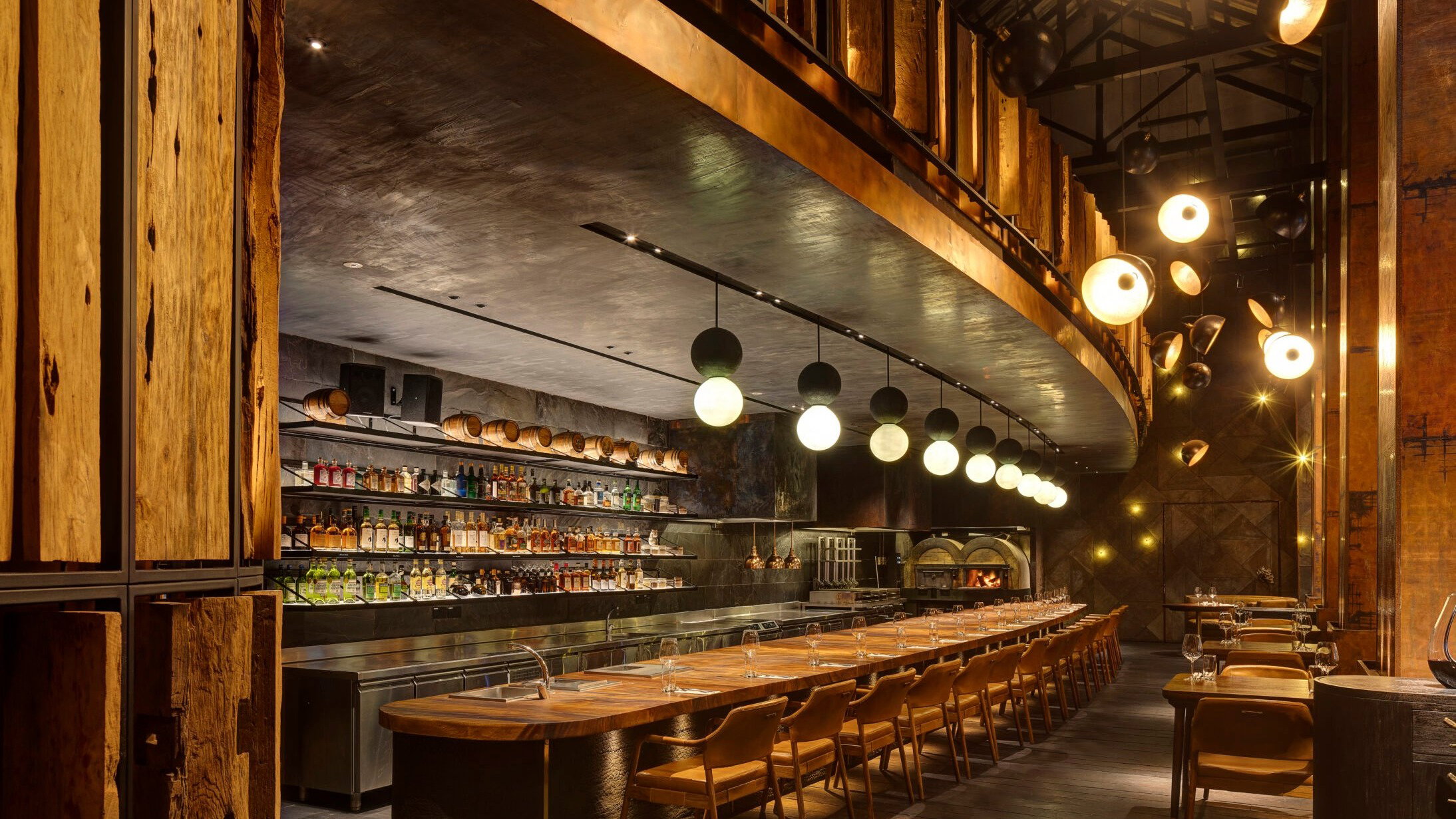
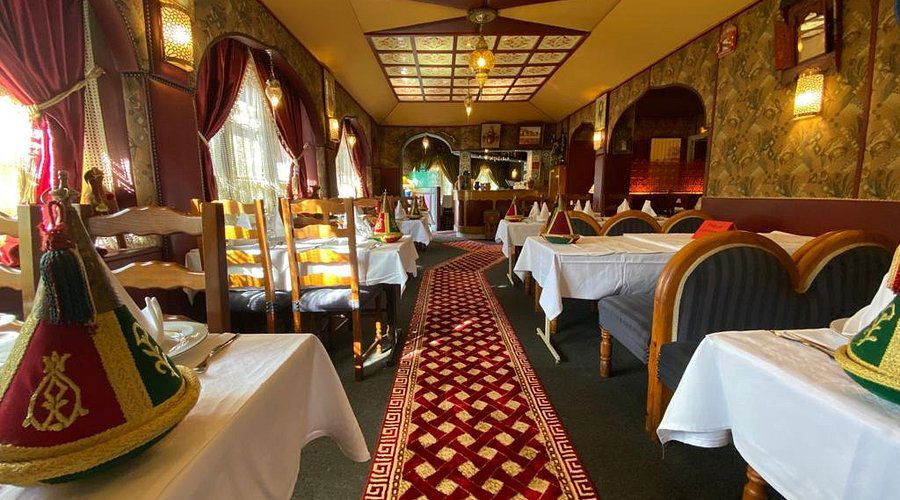
Warm, homely, and rustic classic European feel with soft lighting, white tablecloths, and an intimate atmosphere focused on the open kitchen.
Tags
Vibe
Best For
Experience
At the Table
- Dress Code
- Smart Casual
- Noise Level
- Quiet
- Service Style
- Formal
- Meal Pacing
- Leisurely
- Capacity
- Intimate
- Kitchen
- Modern
- Menu Format
- Tasting menu
- Drinks Focus
- Wine, Sake
- Dietary
- Vegetarian friendly
- Private Dining
- Available
Signature Dishes
- mushroom_quartet
- foie_gras_bao
Know before you go
Know Before You Go
- Getting there
- 18 N Canal Rd, Singapore 048830
Planning details
Location
Recognition and awards
Also consider
Where to book if this is not available
Try Whitegrass or Jag first if the goal is another $$$ French Contemporary meal in Singapore. If the occasion can absorb a higher bill, move up to Odette or Saint Pierre.
Restaurant context
How Béni compares in Singapore's French Contemporary set
Béni sits in the same $$$ band as Jag, Whitegrass, and Roia, so the value question is sharper than it is against pricier rooms. Choose Béni if a central address and Michelin Plate recognition matter more than chasing the grandest room in the category.
Odette and Saint Pierre are the higher-spend cross-shops at $$$$. They make more sense for a major occasion, client dinner, or traveler who wants Singapore's luxury French dining register. Béni is the more controlled choice when the diner wants French Contemporary seriousness without automatically moving to the highest price tier.
For diners comparing within $$$, Jag, Whitegrass, and Roia are the practical alternatives. Pick among them based on location, availability, and preferred room feel; keep Béni on the list when the plan calls for a polished central dinner with moderate booking difficulty rather than a hard-to-secure splurge.
Explore Singapore
Around this place
Discover more on Pearl
Unlock the full Béni guide in Pearl, including awards, comparisons, FAQs, planning details, and nearby places.
Compare Béni
| Venue | Location | Cuisine | Awards | Price |
|---|---|---|---|---|
| Béni | Singapore | French Contemporary | 2024 Michelin Plate | $$$ |
| Jag | Singapore | French Contemporary | Michelin 1 Star 20262025 Michelin 1 Star2024 Michelin 1 Star | $$$ |
| Odette | Singapore | French Contemporary | 2026 Asia's 50 Best Restaurants · #19Michelin 3 Stars 20262026 Black Pearl 3 Diamond2026 Wine Spectator Best of Award of Excellence2026 Les Grandes Tables du Monde Members2026 La Liste Top Restaurants2025 Asia's 50 Best Restaurants · #7We're Smart World Top Restaurants 2025Tatler Best Restaurants Asia-Pacific 2025 | $$$$ |
| Whitegrass | Singapore | French Contemporary | Michelin 1 Star 20262025 Michelin 1 Star2024 Michelin 1 Star | $$$ |
| Saint Pierre | Singapore | French Contemporary | Michelin 2 Stars 20262026 OAD Top Restaurants in Asia Recommended2026 Les Grandes Tables du Monde Members2026 La Liste Top Restaurants2025 OAD Top Restaurants in Asia Ranked · #1772025 La Liste Top Restaurants2025 Michelin 2 Stars2025 The Best Chef Two Knives2024 OAD Top Restaurants in Asia Ranked · #189 | $$$$ |
| Roia | Singapore | French Contemporary | No published awards | $$$ |











How Béni Singapore compares with similar nearby venues.
FAQ
Frequently Asked Questions
What are alternatives to Béni in Singapore?
Odette and Saint Pierre are natural comparisons for diners considering other Singapore restaurants. Jag, Whitegrass, and Roia are also useful names to consider when cross-shopping in Singapore.
Is Béni good for solo dining?
Béni may suit solo diners who are comfortable with a $$$ French Contemporary restaurant in Singapore. Béni does not specify a specific seating format or solo-dining setup, so confirm current arrangements directly when booking.
Can Béni accommodate groups?
Béni does not specify private rooms, seat counts, or group policies. If you are planning for a group, check availability and current booking requirements directly with Béni; Odette, Saint Pierre, Jag, Whitegrass, and Roia can also be considered for comparison.
What should a first-timer know about Béni?
Expect French Contemporary cooking in Singapore at $$$, with chef/owner Kenji Yamanaka associated with the restaurant and Michelin Plate recognition in 2024. The dress code is smart casual.
What should I order at Béni?
Béni does not identify a signature dish or menu format. First-timers should review the current menu when booking or on arrival and choose based on what Béni is offering at the time.