
.png?width=1200&quality=80)
Yè Shanghai
Shanghainese · Lao Ximen, Shanghai
Restaurant in Shanghai, China
 Book with Pearl
The Read
Shanghainese Technique, Xintiandi Address
Chef
Sze Man Sui
Dress
Smart Casual
Why go
Yè Shanghai earns a Michelin Plate, making it one of the most credentialled mid-range Shanghainese options in Huangpu. At ¥¥, it delivers classical technique, braised preparations, cold dishes, traditional flavour profiles, at a price point well below the city's starred competition. Easy to book and open daily; the stronger choice for a return visit with a focused order.
About Yè Shanghai
Should You Book Yè Shanghai?
If you're comparing Yè Shanghai against the city's newer Shanghainese restaurants, the minimalist concept spaces that charge ¥¥¥¥ for a four-course take on hong shao rou, Yè Shanghai is the more practical choice for a second visit. It earns a Michelin Plate in 2024 and 2025 and sits at #209 on the Opinionated About Dining Asia ranking for 2025, which puts it in documented territory for solid classical Shanghainese cooking at a mid-range price point (¥¥).
The Portrait
Yè Shanghai sits on Huangpi South Road in Huangpu, the district that contains much of the city's older dining heritage. The address puts it close to the concentration of legacy Shanghainese restaurants that define this part of the city's eating culture, including Lao Zheng Xing, one of the most referenced names for traditional Shanghainese cooking in Shanghai. Where Lao Zheng Xing leans into its historical identity, Yè Shanghai operates in a middle register: classical technique, recognisable dishes, a room that reads as polished without being formal.
The kitchen is led by Chef Sze Man Sui. Shanghainese cuisine at this level is built around precise execution of dishes that are deceptively simple, braised pork belly, steamed fish, drunken chicken, where the margin between a competent version and a well-executed one comes down to timing, seasoning, and sourcing. The OAD ranking is a meaningful signal here: that list is driven by industry votes and tends to reward technical consistency over atmosphere or novelty. Two consecutive Michelin Plate recognitions reinforce that the kitchen is performing at a stable level, even if it hasn't crossed into star territory.
On the beverage side, Shanghainese restaurants in this price tier (¥¥) typically carry a Chinese liquor and beer list as their backbone, with wine as a secondary offering. For a restaurant at the ¥¥ price point with OAD recognition, the wine list is unlikely to be the primary reason to visit, but if you're returning and want to drink well, asking about the by-the-glass options upfront is worth doing. Pairing strategy here should follow the food: lighter whites or a Shaoxing rice wine alongside drunken chicken and steamed dishes; something with structure for braised preparations. Don't arrive expecting the wine depth of a ¥¥¥¥ room, but the food-beverage pairing logic is sound if you approach it practically. For wine-focused dining in Shanghai, see our full Shanghai wineries guide.
If you've been once and ordered conservatively, the case for returning is direct: go deeper into the braised and cold preparation sections of the menu, which are where classical Shanghainese kitchens show their range. The drunken chicken and soy-cured dishes are typically where restaurants like this demonstrate quality most clearly, the proteins are marinated over time, and you can taste the difference between a kitchen that takes that process seriously and one that doesn't. The OAD and Michelin recognition suggests Yè Shanghai is in the former camp.
The hours are consistent and accessible, 11:30 am to 10 pm every day of the week, no closure days listed. That's a practical advantage over some of the older legacy restaurants in Huangpu that keep more restricted schedules. Booking difficulty is rated Easy, which means you're unlikely to face the weeks-out lead time that characterises Shanghai's more tightly held reservations. For comparison, restaurants like Fu 1088 and Fu 1015 operate at higher price tiers with more competitive booking windows. Yè Shanghai is the more accessible entry point into documented Shanghainese quality.
For broader context on where Yè Shanghai fits within the city's classical Chinese dining scene, it's useful to look at comparable venues across the region. Liu Yuan Pavilion in Hong Kong is the most direct stylistic comparison for Shanghainese cooking outside the mainland. Shanghai Cuisine in Beijing serves the same regional tradition for diners in the north. Further afield, Xin Rong Ji in Beijing and Xin Rong Ji in Chengdu operate in the premium Chinese dining tier if you want a point of comparison for what the category looks like at higher spend. For Shanghainese cooking with a heritage positioning closer to Yè Shanghai's register, Cheng Long Hang in Huangpu and Fu 1039 are worth putting on the shortlist for the same visit window.
For planning around this restaurant, the rest of the neighbourhood and city are well-covered: see our full Shanghai restaurants guide, full Shanghai hotels guide, full Shanghai bars guide, and full Shanghai experiences guide. If you're building a broader regional itinerary, Ru Yuan in Hangzhou and Dai Yuet Heen in Nanjing are both documented options in the same region. For high-end Chinese dining references elsewhere in Asia, Chef Tam's Seasons in Macau and Imperial Treasure Fine Chinese Cuisine in Guangzhou provide useful calibration points.
Awards and Recognition
- Opinionated About Dining, Leading Restaurants in Asia, #209 (2025)
- Michelin Plate (2025)
- Opinionated About Dining, Leading Restaurants in Asia, #216 (2024)
- Michelin Plate (2024)
- Opinionated About Dining, Leading Restaurants in Asia, Highly Recommended (2023)
Booking and Practical Details
Yè Shanghai is open daily, 11:30 am to 10 pm. Booking difficulty is Easy, walk-ins may be possible, but reserving ahead remains the sensible approach for weekend lunch, when Huangpu's central restaurants tend to fill. The price range is ¥¥, making this one of the more accessible OAD-listed Shanghainese options in the city. No dress code data is available, but at a ¥¥ Michelin Plate venue in Huangpu, smart casual is a reliable default. Address: 338 Huangpi Rd (S), Huangpu, Shanghai.
FAQ
Is Yè Shanghai worth the price?
Yes, at ¥¥ with two consecutive Michelin Plate recognitions and an OAD Asia top-250 ranking, the value equation is favourable. You're getting documented culinary quality at a price tier that sits well below Shanghai's Michelin-starred Shanghainese options.
Is the tasting menu worth it at Yè Shanghai?
No specific tasting menu details are available from current data. At ¥¥ Shanghainese restaurants with OAD recognition, the strongest value is typically found ordering à la carte and targeting the cold preparations and braised dishes that define the regional tradition. If a tasting menu is offered, confirm the format and price on booking, the à la carte route is likely to give you more control over the dishes that matter most.
What should I wear to Yè Shanghai?
At a ¥¥ restaurant in Huangpu with Michelin Plate recognition, smart casual is appropriate and unlikely to feel out of place. Shanghai dining at this tier generally doesn't enforce formal dress, but the Huangpu location and the award credentials mean a step above streetwear is the right call.
Does Yè Shanghai handle dietary restrictions?
No specific dietary accommodation data is available. Classical Shanghainese menus are typically built around pork, freshwater fish, and poultry, with limited vegetarian-friendly dishes in the traditional preparation. If dietary restrictions are a priority, contact the restaurant directly before booking, or consider Fu He Hui, which specialises in vegetarian Chinese cooking at ¥¥¥¥.
Can I eat at the bar at Yè Shanghai?
No bar seating data is available for Yè Shanghai. Traditional Shanghainese restaurants of this type are typically configured around table dining rather than counter or bar seating. For bar-forward dining in Shanghai, see our full Shanghai bars guide.
What are alternatives to Yè Shanghai in Shanghai?
For classical Shanghainese at a similar price tier, Cheng Long Hang in Huangpu and Lao Zheng Xing are the most direct comparisons. For a step up in spend and formality, Fu 1088 and Fu 1039 operate at ¥¥¥ and above. If you want to compare Yè Shanghai against non-Shanghainese options at the same price point, Polux covers French cooking at ¥¥ in Shanghai.
Planning details
- Hours
- Monday: 11:30 am–10 pm · Tuesday: 11:30 am–10 pm
- Location
- 338 Huangpi Rd (S), Huangpu, Shanghai, China, 200021
- Website
- elite-concepts.com
- Phone
- +86 21 6311 2323
The take
The Take
The Vibe
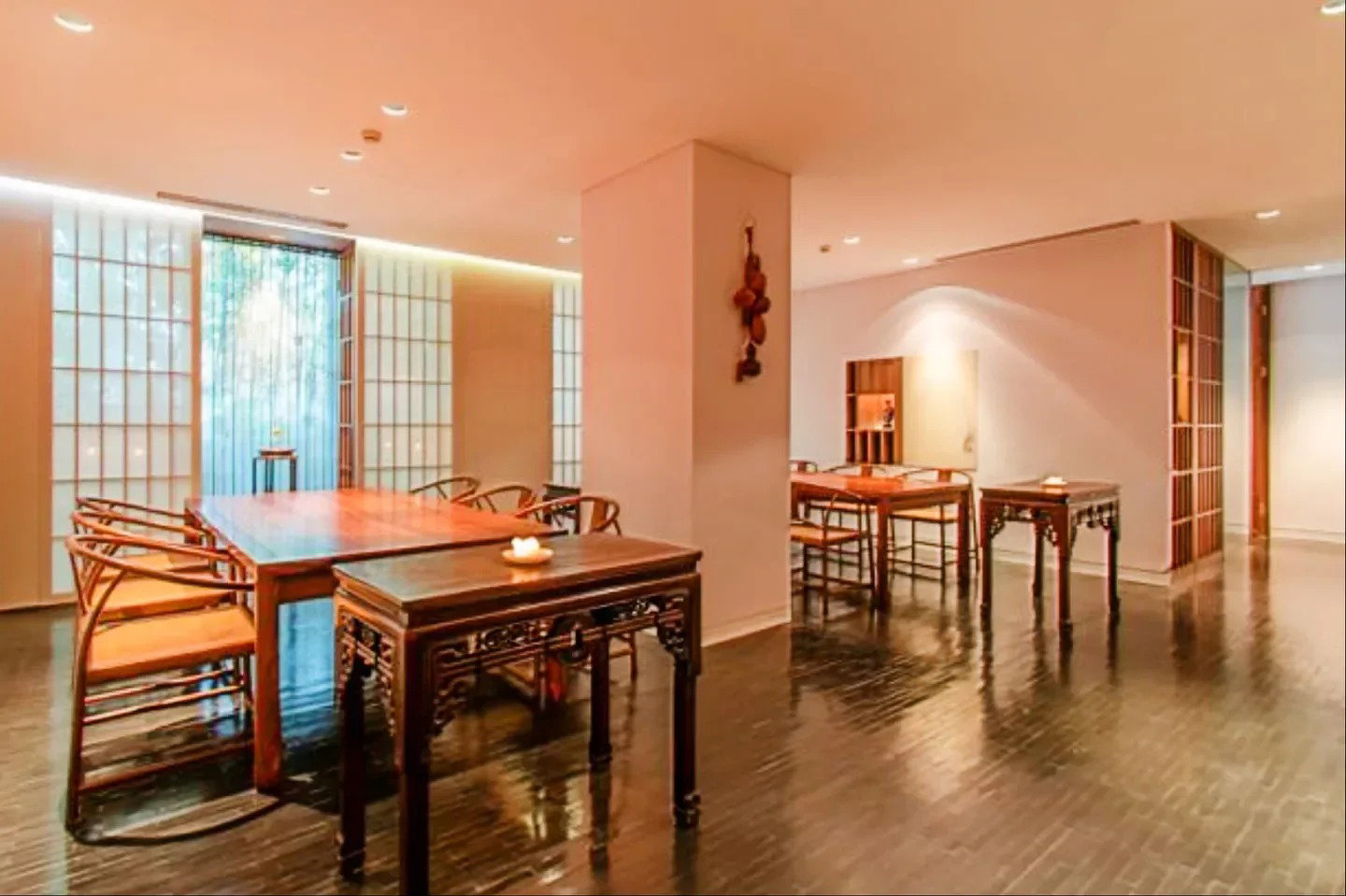
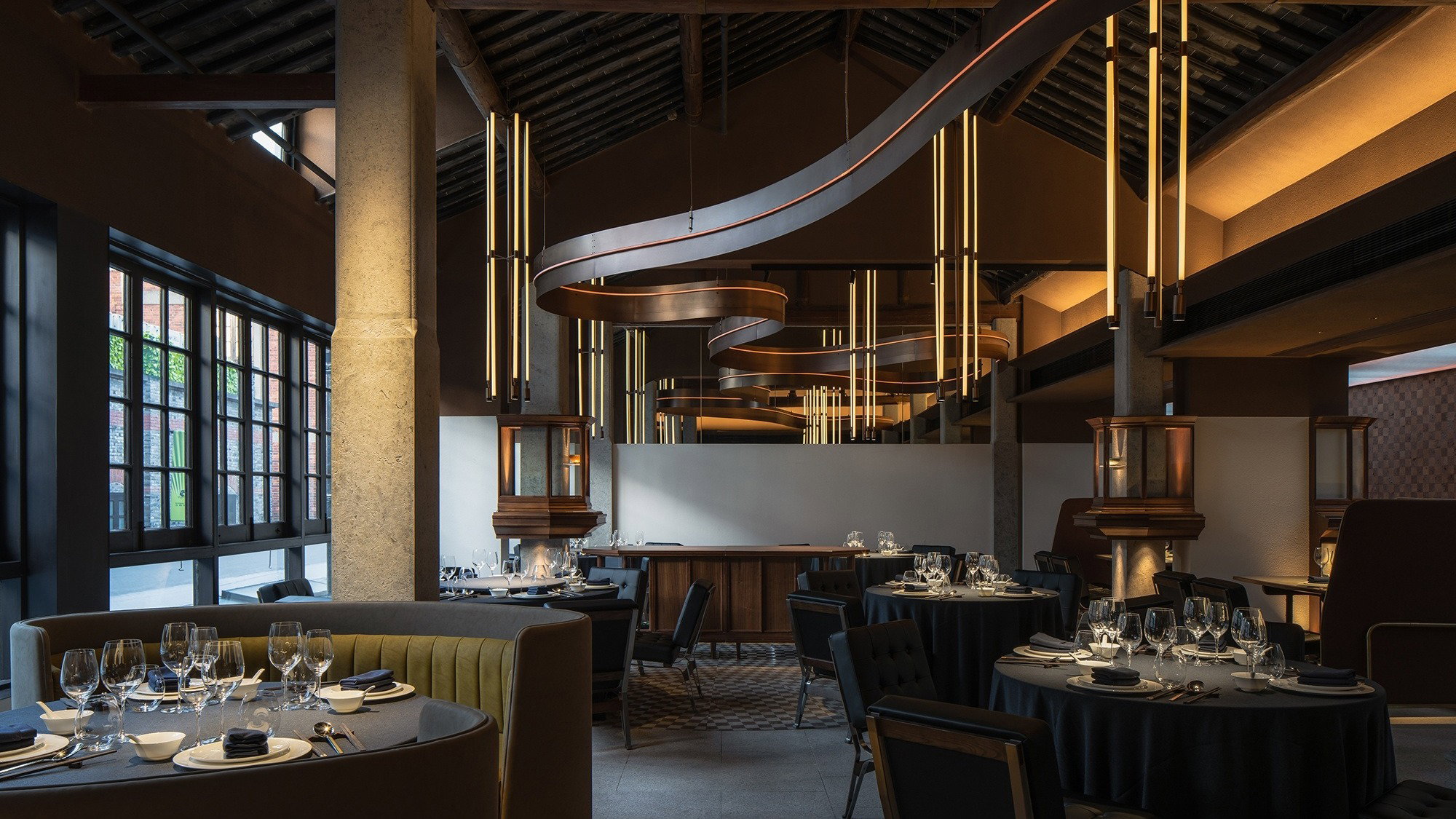
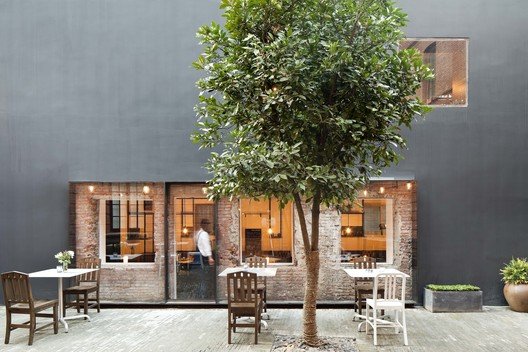
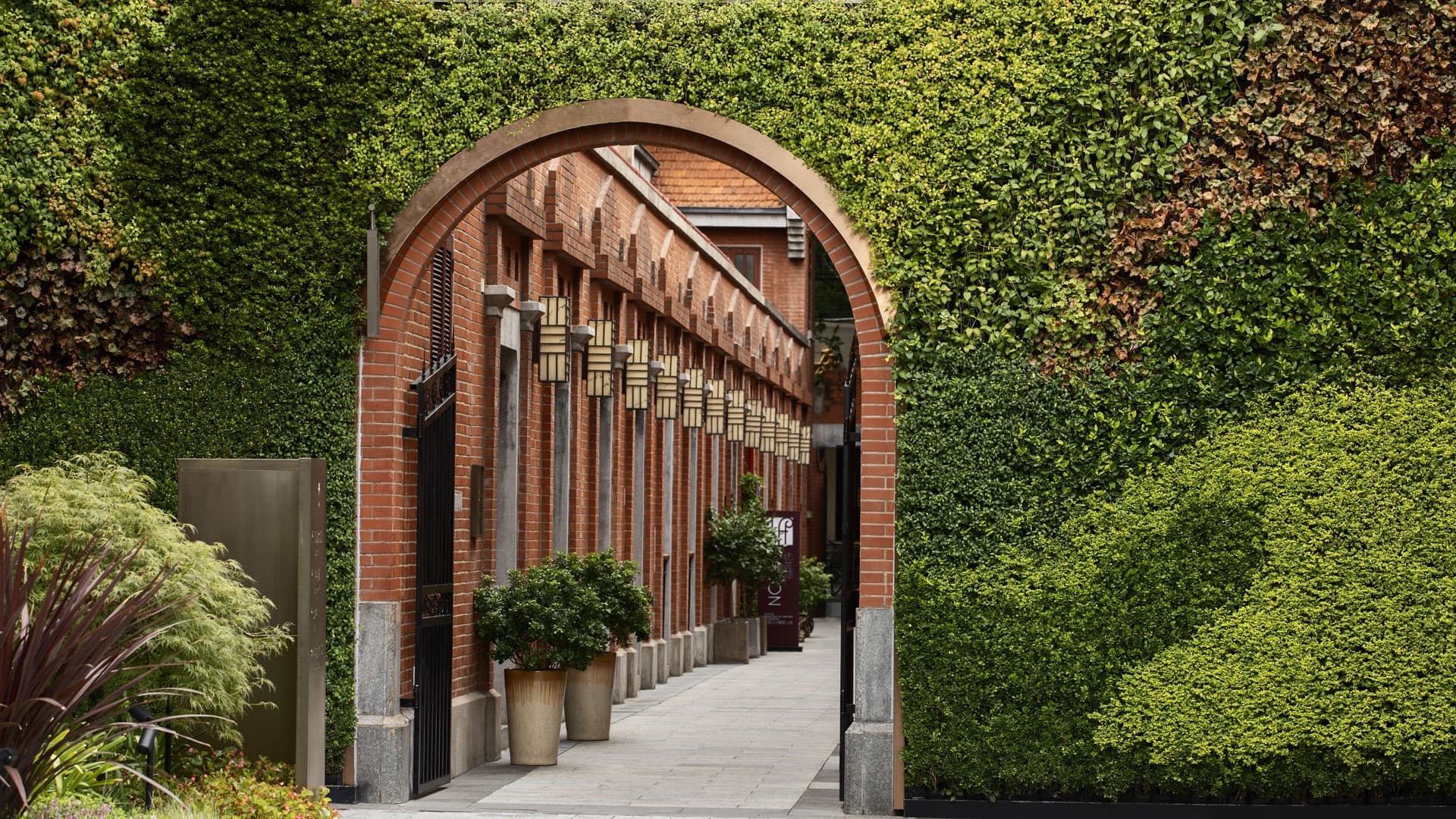
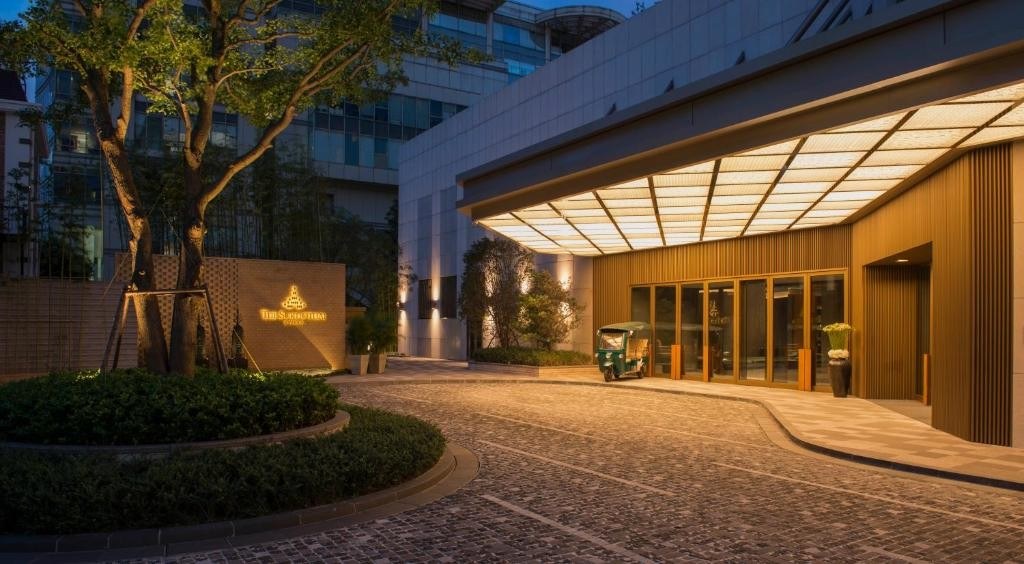
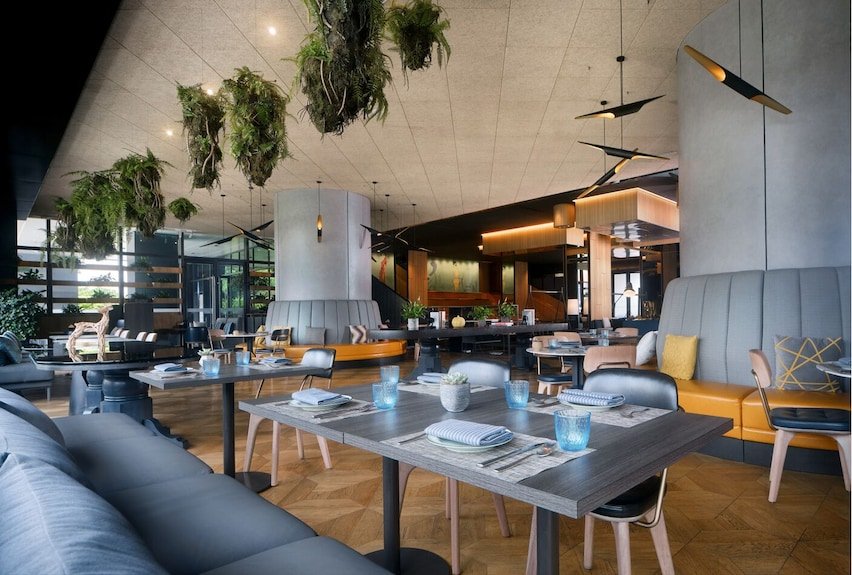
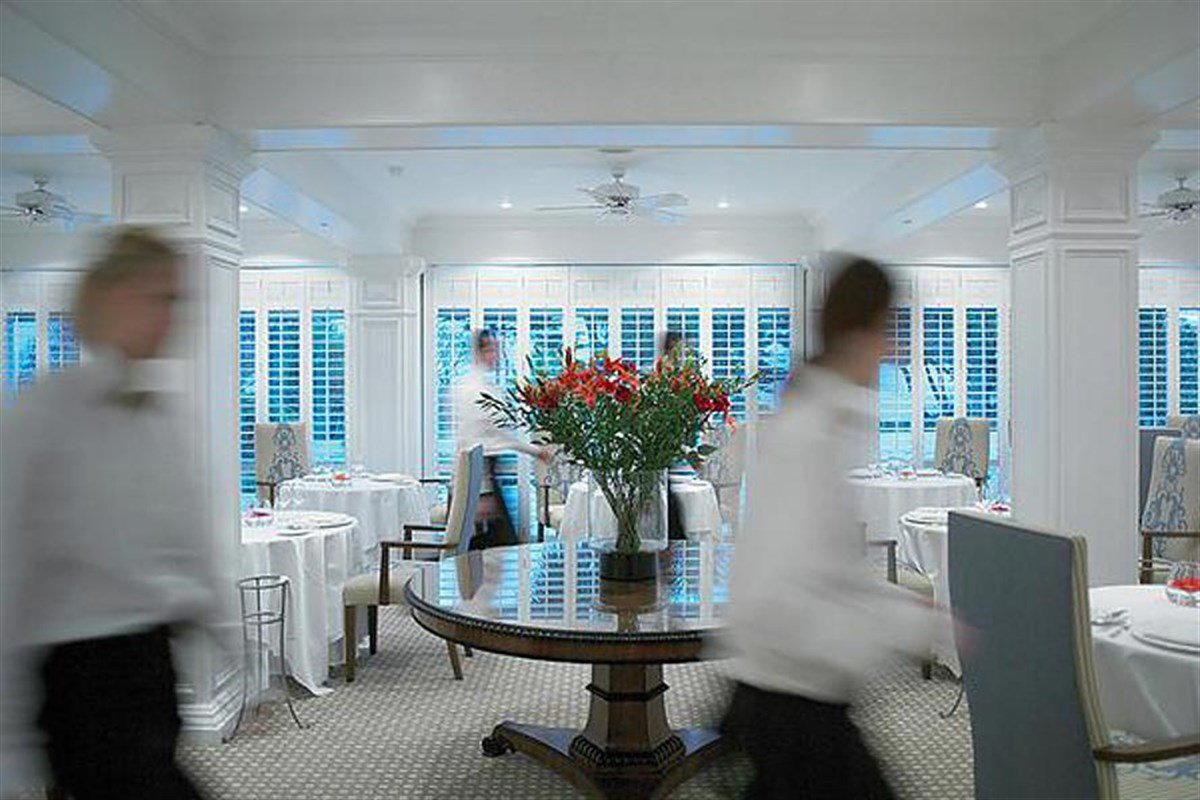
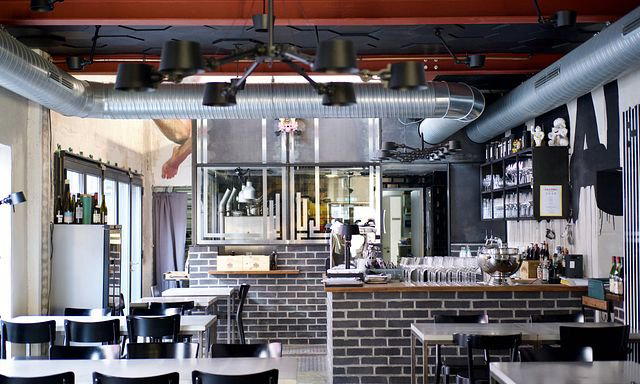
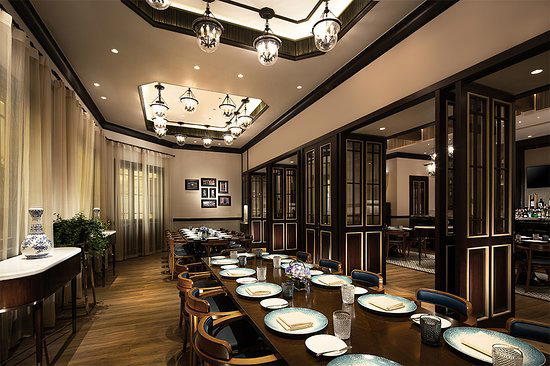
Yè Shanghai sits squarely in the middle register of the city’s Shanghainese scene: neither a heritage-mansion spectacle nor a fast-casual outpost. It offers a restrained, cooking-forward, quietly confident, classic dining experience. The neighbourhood transition from tree-lined Xintiandi lanes into denser Huangpu streets reinforces the sense of an unpretentious local address where culinary substance takes precedence over elaborate décor. Expect a measured, refined atmosphere that favors the food rather than theatrical presentation.
Best For
The restaurant runs a steady 11:30 am to 10:00 pm service and is explicitly noted for anchoring both lunch and dinner seven days a week, making it a reliable choice for daytime and evening meals. Its ¥¥ price point and placement alongside other formally recognised mid-range Shanghainese kitchens suggest it suits diners seeking well-executed regional cooking without the formality or markup of mansion-style destinations. It’s a practical pick for those wanting consistent Shanghainese cooking at lunchtime or for a relaxed dinner in Huangpu.
Venue details
Ambiance
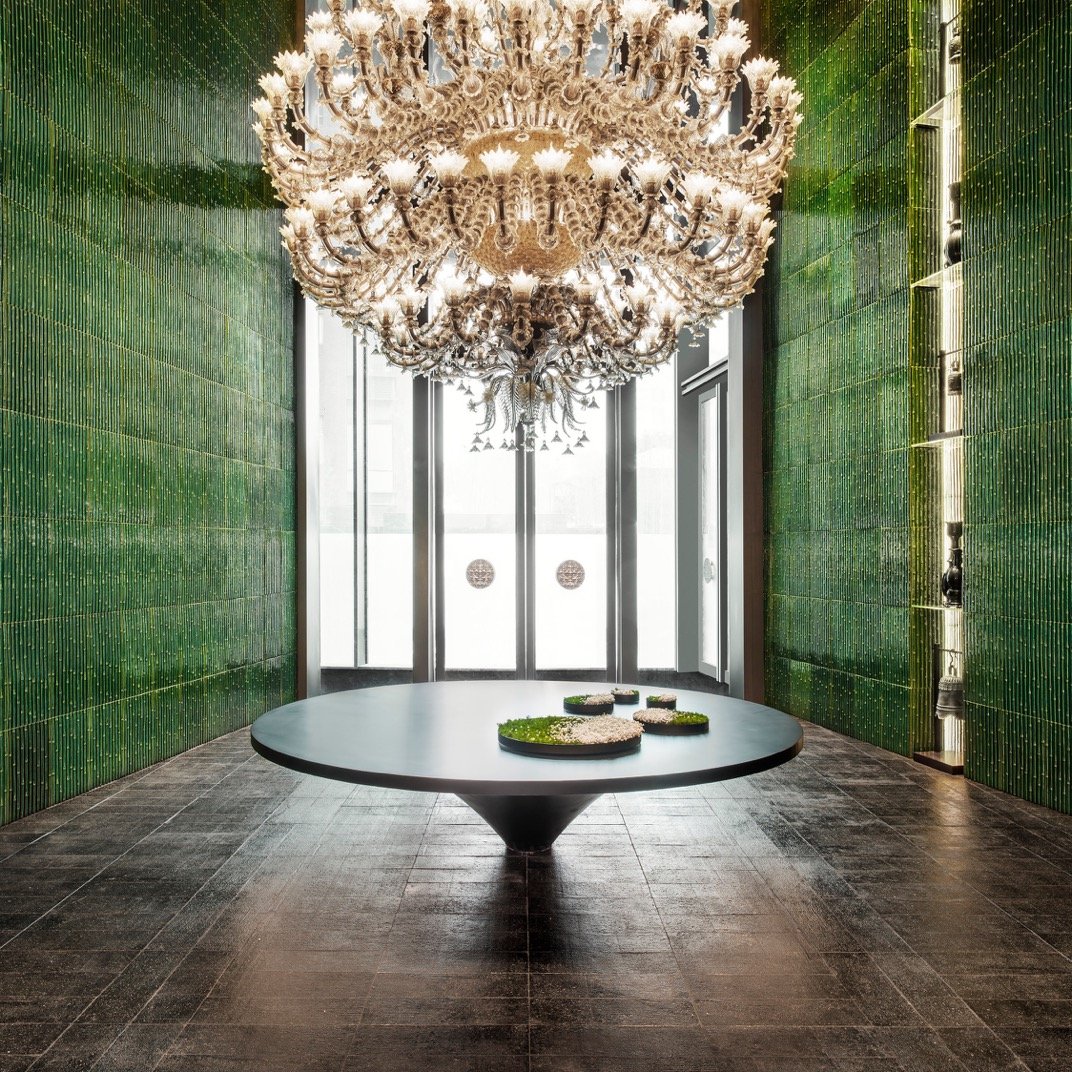
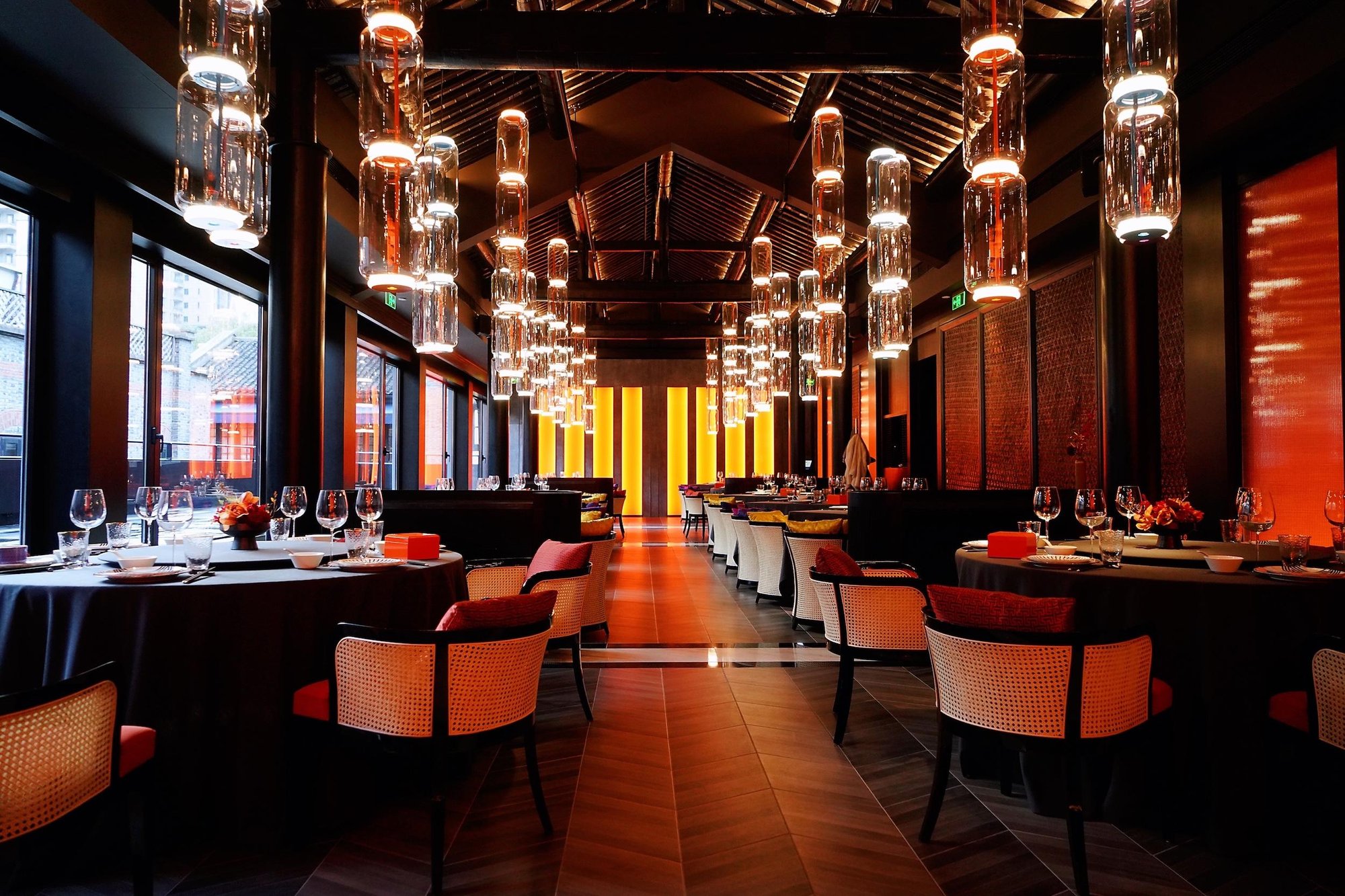
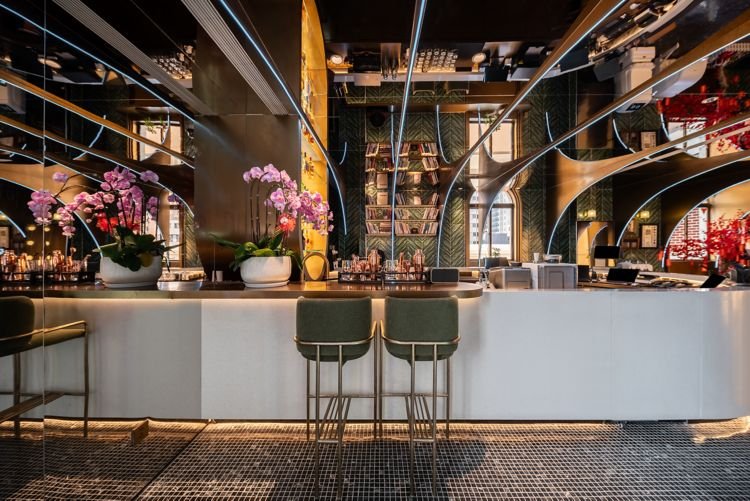
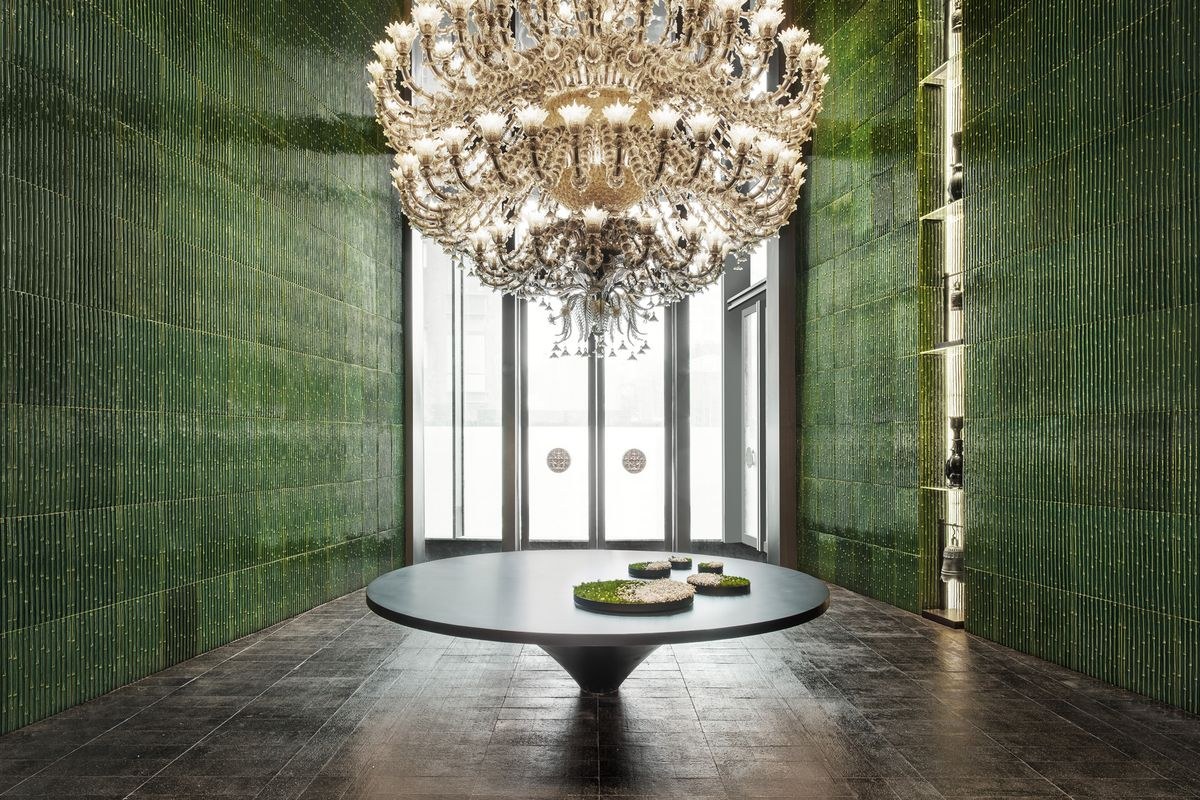
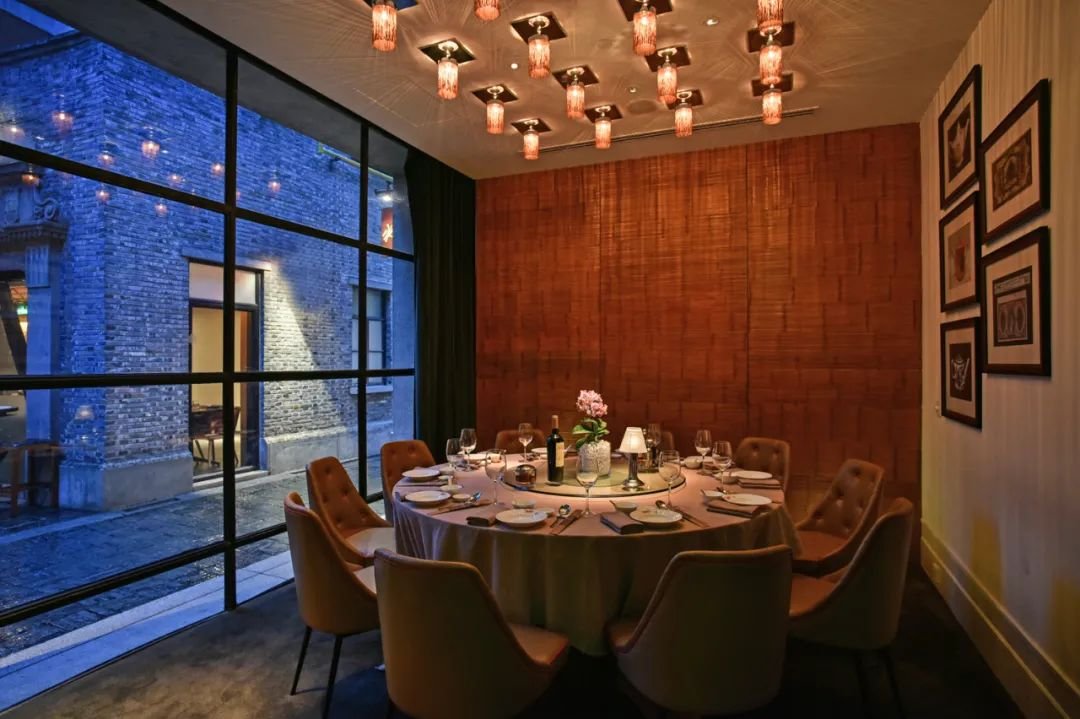
Stylish, sensuous, and alluring, with a heritage-inspired atmosphere that emphasizes artwork, music, and a celebration of Shanghai's old-world character.
Tags
Vibe
Best For
Experience
At the Table
- Dress Code
- Smart Casual
- Noise Level
- Conversational
- Service Style
- Upscale Casual
- Meal Pacing
- Leisurely
- Capacity
- Medium
- Kitchen
- Modern
- Menu Format
- A la carte
- Private Dining
- Available
Know before you go
Know Before You Go
- Getting there
- 338 Huangpi Rd (S), Huangpu, Shanghai, China, 200021
Planning details
Hours
Hours as of September 2026
- Monday
- 11:30 am–10 pm
- Tuesday
- 11:30 am–10 pm
- Wednesday
- 11:30 am–10 pm
- Thursday
- 11:30 am–10 pm
- Friday
- 11:30 am–10 pm
- Saturday
- 11:30 am–10 pm
- Sunday
- 11:30 am–10 pm
Location

Also consider
Also Consider
- Fu He Hui: Vegetarian, ¥¥¥¥
- Ming Court: Cantonese, ¥¥¥
- Polux: French, ¥¥
- Royal China Club: Chinese, Cantonese, ¥¥¥
- Scarpetta: Italian, ¥¥¥
Restaurant context
At the ¥¥ price tier, Yè Shanghai's closest direct competitor is Polux, a French option at the same spend level. For Shanghainese cooking with documented award credentials, Yè Shanghai has the stronger case: two Michelin Plates and consecutive OAD Asia rankings give it a verifiable quality signal that Polux, in a different cuisine entirely, doesn't compete on. If your priority is classical Chinese cooking at an accessible price, Yè Shanghai is the more purposeful choice between the two.
Step up a tier and the comparison shifts. Ming Court and Royal China Club both operate at ¥¥¥ in the Cantonese register: a related but distinct tradition. If Cantonese technique and a more formal room matter to you, either of those is worth the additional spend. Scarpetta at ¥¥¥ covers Italian, so it's not a direct substitute. For the diner who wants Chinese cooking with real award backing but doesn't want to spend ¥¥¥¥, Yè Shanghai delivers better value than moving up to the Cantonese ¥¥¥ options.
At the top of the comparison set, Fu He Hui at ¥¥¥¥ is a different category altogether: vegetarian Chinese with a distinctly high-concept positioning. It's not a substitute for Yè Shanghai's classical Shanghainese menu, but for groups with dietary restrictions or diners who want the premium vegetarian Chinese experience, it's the clear choice. For everyone else: Yè Shanghai at ¥¥ with its OAD and Michelin credentials is the most efficient combination of documented quality and accessible pricing among this peer set.
Explore Shanghai
Around this place
Discover more on Pearl
Unlock the full Yè Shanghai guide in Pearl, including awards, comparisons, FAQs, planning details, and nearby places.
Compare Yè Shanghai
| Venue | Price | Booking Difficulty | Awards |
|---|---|---|---|
| Yè Shanghai | ¥¥ | Easy | 2025 OAD Top Restaurants in Asia Ranked · #2092025 Michelin Plate2024 OAD Top Restaurants in Asia Ranked · #2162024 Michelin Plate2023 OAD Top Restaurants in Asia Highly Recommended |
| Fu He Hui | ¥¥¥¥ | Unknown | 2026 Asia's 50 Best Restaurants · #112026 OAD Top Restaurants in Asia Ranked · #562026 Black Pearl 2 DiamondMichelin Guide Shanghai Jiangsu Zhejiang 20262026 La Liste Top Restaurants2025 Asia's 50 Best Restaurants · #152025 OAD Top Restaurants in Asia Ranked · #592025 World's 50 Best Restaurants · #64We're Smart World Top Restaurants 2025 |
| Ming Court | ¥¥¥ | Unknown | 2025 OAD Top Restaurants in Asia Ranked · #1692025 Black Diamond 1 Diamond2025 Michelin 1 Star2024 OAD Top Restaurants in Asia Ranked · #1602024 Michelin 1 Star2023 OAD Top Restaurants in Asia Highly Recommended |
| Polux | ¥¥ | Unknown | 2026 OAD Casual in Asia Ranked · #101Michelin Guide Shanghai Jiangsu Zhejiang 20262025 OAD Casual in Asia Ranked · #782025 Michelin Bib Gourmand2024 OAD Casual in Asia Ranked · #652024 OAD Top Restaurants in Asia Ranked · #2632024 Michelin Bib Gourmand2023 OAD Top Restaurants in Asia Recommended |
| Royal China Club | ¥¥¥ | Unknown | 2026 Michelin Plate2025 OAD Casual in Europe Ranked · #216The Good Food Guide 20252025 Michelin Plate2024 OAD Casual in Europe Ranked · #2142024 Michelin Plate2023 OAD Casual in Europe Highly Recommended |
| Scarpetta | ¥¥¥ | Unknown | Michelin Guide Shanghai Jiangsu Zhejiang 20262025 Wine Spectator Best of Award of Excellence2025 Michelin Plate2024 Michelin Plate |









Key differences to consider before you reserve.
FAQ
Frequently Asked Questions
Does Yè Shanghai handle dietary restrictions?
No specific dietary accommodation data is available. Classical Shanghainese cooking is built heavily around pork, freshwater fish, and poultry, so vegetarians and those avoiding pork face real menu constraints. Contact the restaurant ahead of time: at a ¥¥ level with full lunch and dinner service daily, they likely have some flexibility, but it's worth confirming before you go.
What are alternatives to Yè Shanghai in Shanghai?
For classical Shanghainese at a comparable price, Cheng Long Hang and Lao Zheng Xing in Huangpu are the closest direct comparisons. If you want to spend more for a modern interpretation of the cuisine, options in Jing'an and the French Concession push into ¥¥¥ territory and above. Yè Shanghai's OAD top-250 ranking gives it a verifiable edge over most unlisted alternatives in the same tier.
What should I wear to Yè Shanghai?
No dress code is listed for Yè Shanghai. A ¥¥ restaurant in Huangpu with Michelin Plate recognition generally calls for smart casual: nothing formal, but not beach clothes either. If you're coming from business meetings in the Huangpu district, you'll be appropriately dressed without changing.
Can I eat at the bar at Yè Shanghai?
No bar seating is confirmed for Yè Shanghai. Classical Shanghainese restaurants at this format and price tier are typically organised around table dining. If solo counter access matters to you, confirm directly with the restaurant before booking.
Is Yè Shanghai worth the price?
Yes. At ¥¥, two consecutive Michelin Plate recognitions and an OAD Asia top-250 ranking in 2024 and 2025 make the value case straightforward. You're paying mid-range prices for a restaurant that has earned documented external recognition two years running: that combination is not common in Shanghai's Huangpu dining corridor. For most visitors, this is the right call over unmarked alternatives at the same price point.
Is the tasting menu worth it at Yè Shanghai?
At ¥¥ Shanghainese restaurants with OAD recognition, the strongest value typically sits in the à la carte format, where you can order around the kitchen's core strengths rather than working through a fixed sequence. If a set menu is available, ask about it on arrival rather than assuming it's the default approach.