

Tou Zao
Cantonese · Huangpu, Shanghai
Restaurant in Shanghai, China
 Book with Pearl
The Read
Sushiya-Paced Cantonese
Chef
Jiǎng Qiáomù
Dress
Smart Casual
Why go
Chef Jiǎng Qiáomù's Michelin-starred Cantonese kitchen borrows the sushi-counter format: sequential courses, tableside finishing, and a single prix-fixe menu at ¥¥¥¥. The sautéed lobster with scallion trio and spring rolls baked à la minute show deft wok control, but the lack of à la carte flexibility and mall-tower setting narrow the audience to diners who value technique over choice.
About Tou Zao
At ¥¥¥¥, Tou Zao is a premium Cantonese restaurant in Shanghai associated with chef Jiǎng Qiáomù. The safest way to approach Tou Zao is as a high-end Cantonese booking, with smart-casual dress.
The Room and the Ritual
Tou Zao serves Cantonese cuisine in Shanghai, with Jiǎng Qiáomù named as chef. If you are comparing it with other Cantonese options, keep the comparison broad: some diners may prefer the atmosphere or flexibility of Canton Disco, while others may look to other premium Cantonese dining rooms in the city.
The Trade-Offs at ¥¥¥¥
Tou Zao sits in the ¥¥¥¥ price tier, so expectations should be calibrated accordingly. It belongs in the same premium-price conversation as 102 House, Yi Long Court, and Bao Li Xuan. If private rooms, wine service, tasting menus, counter seating, or other amenities matter to your visit, ask the restaurant directly. Tou Zao is a Cantonese restaurant in Shanghai led by Jiǎng Qiáomù and priced at the upper end.
The dress code is smart casual, which fits the restaurant’s premium positioning without requiring more specific assumptions about the room or occasion. For a broader view of Cantonese and other dining in Shanghai, compare Tou Zao with other city options before deciding where it best fits your plans.
Planning details
- Location
- China, CN 上海市 黄浦区 南京西路 2 2~68号7层 New World City 邮政编码: 200003
- Phone
- +86 191 2133 7327
The take
The Take
The Vibe
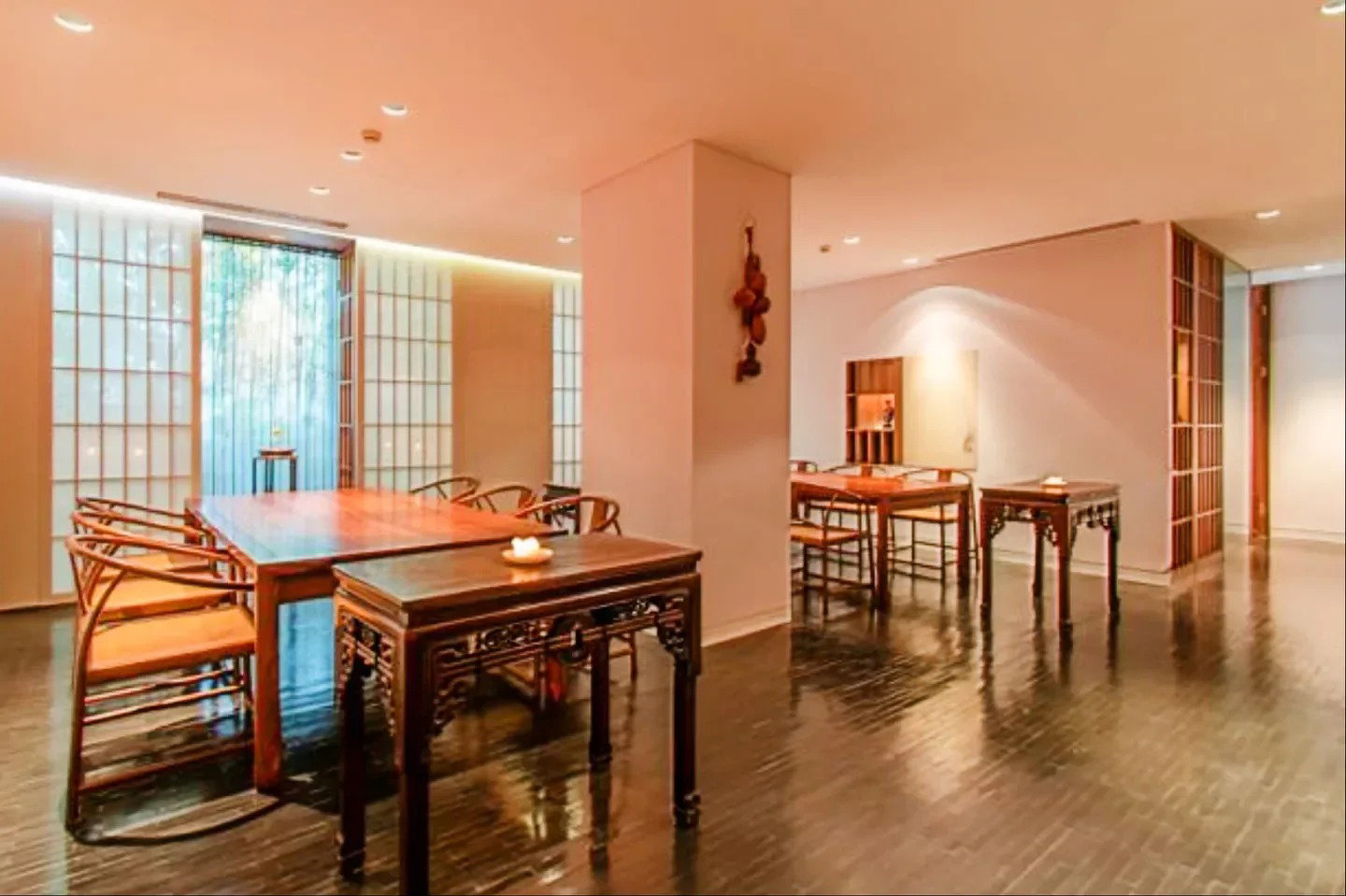
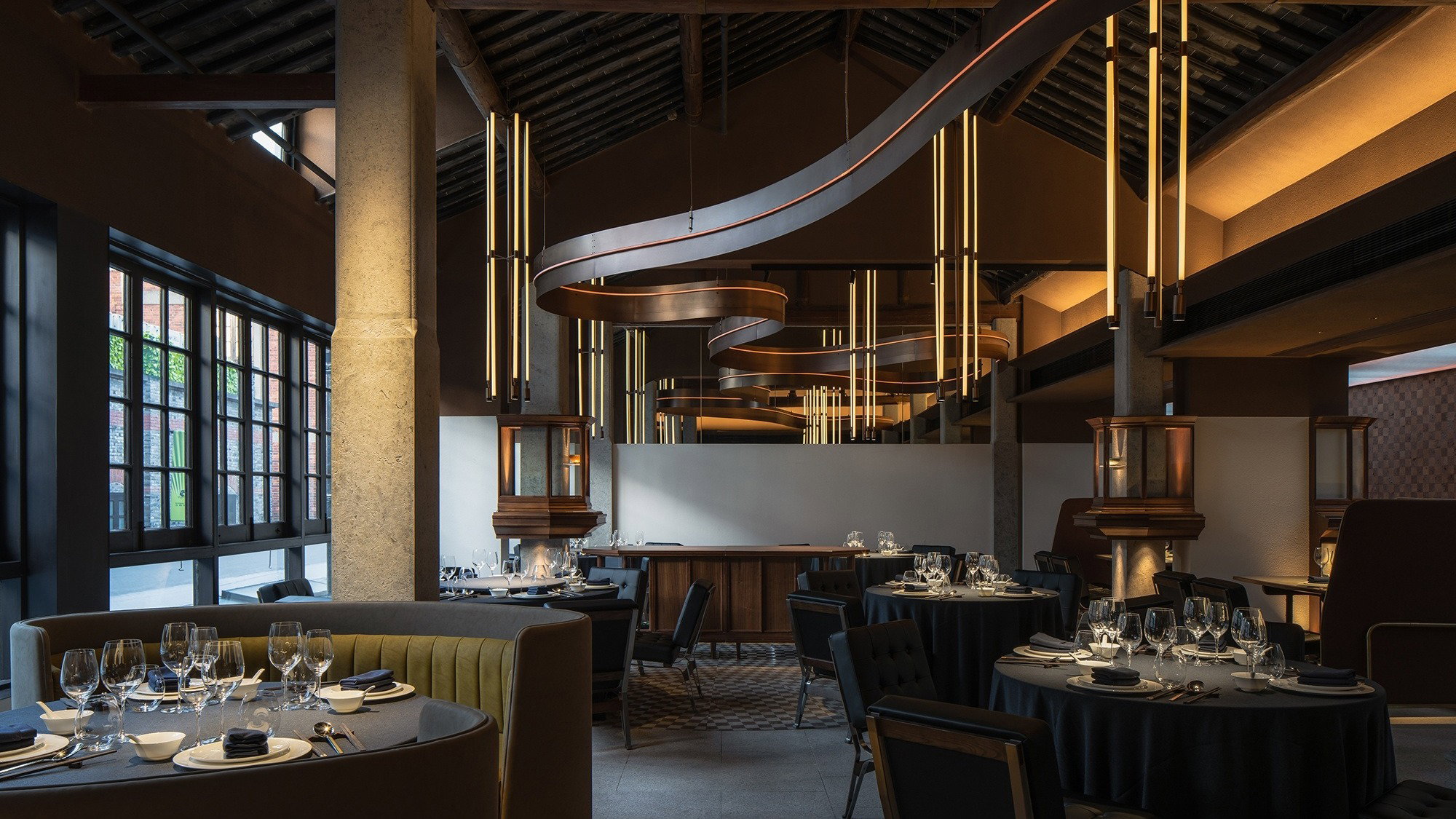
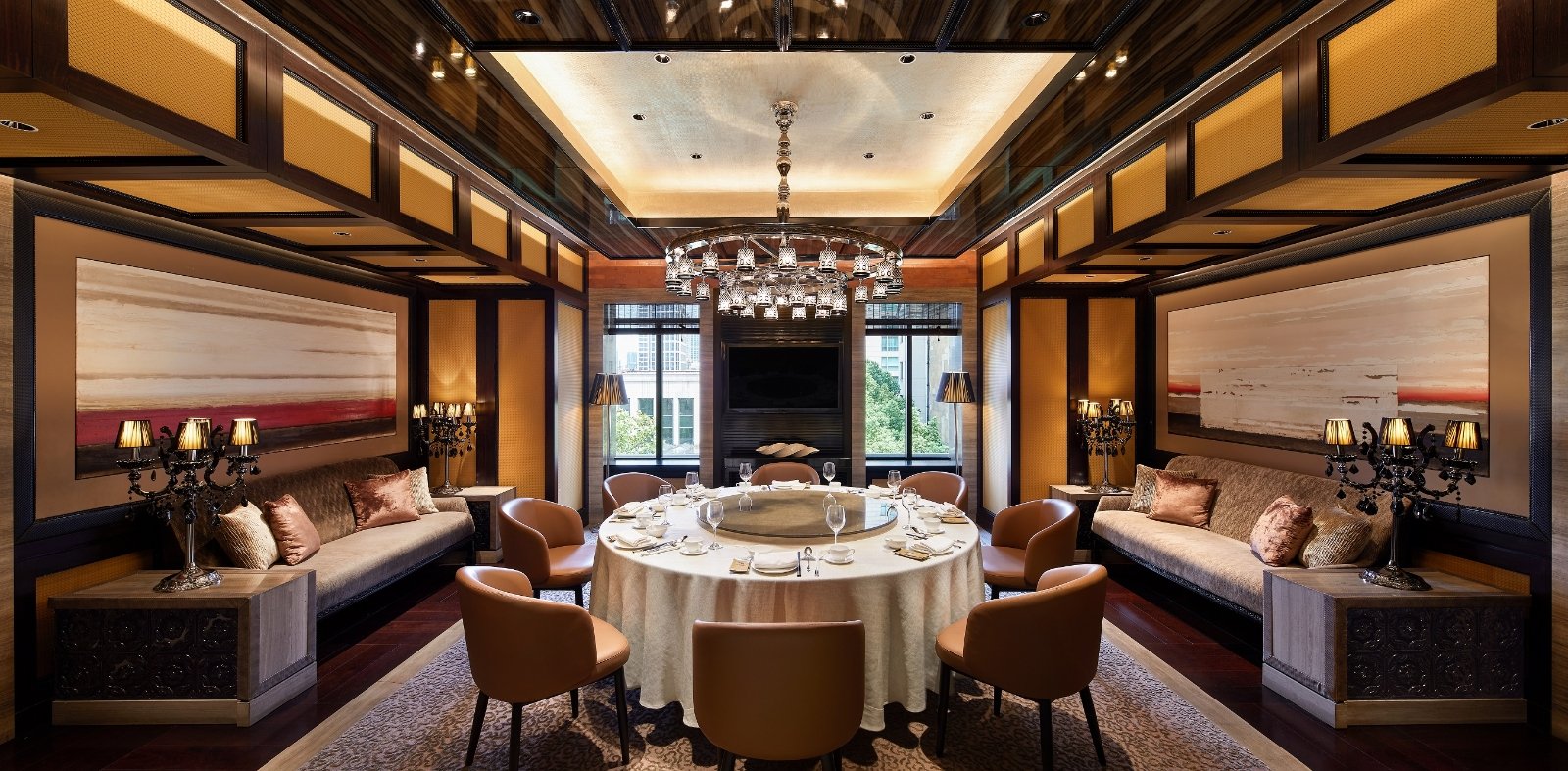
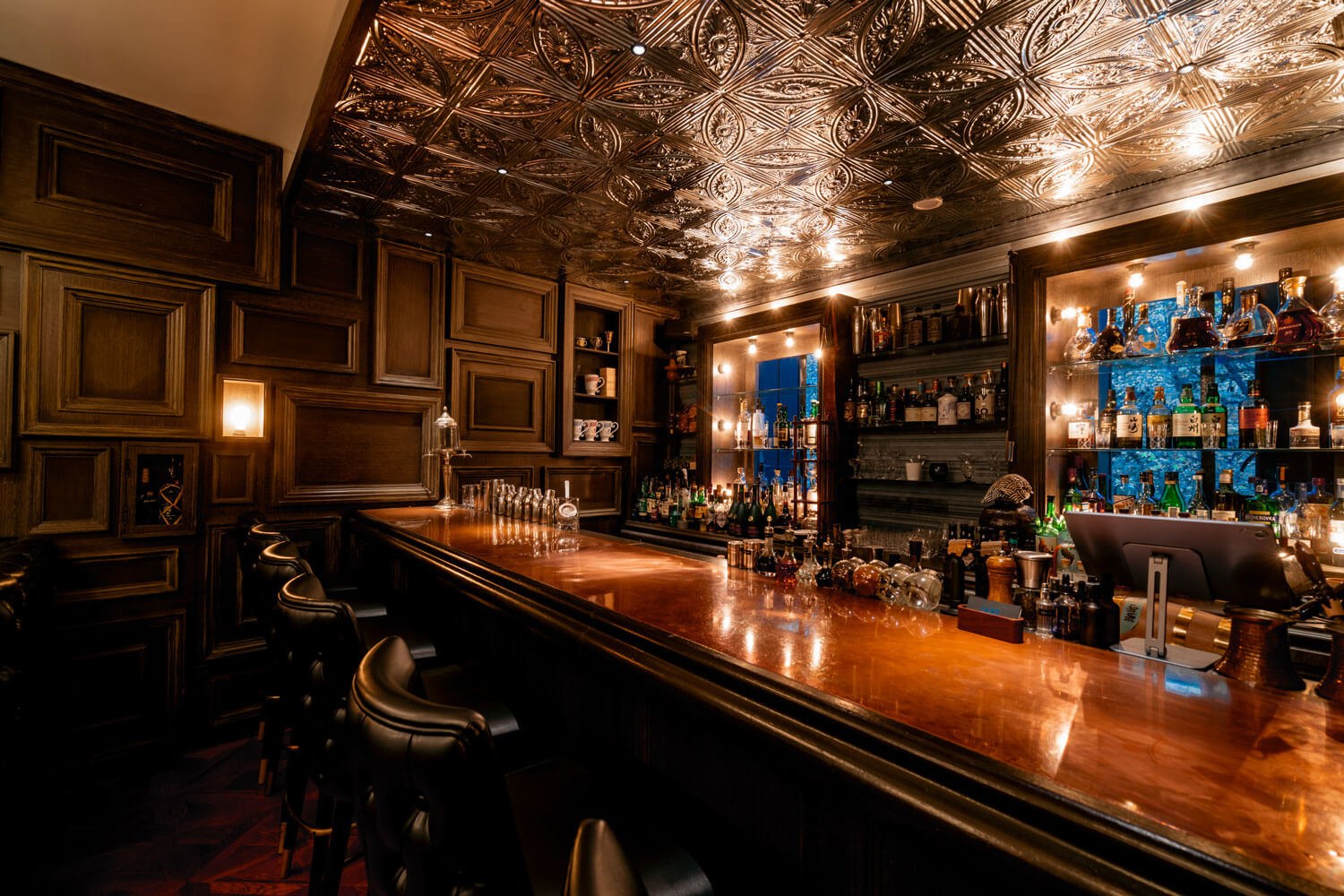
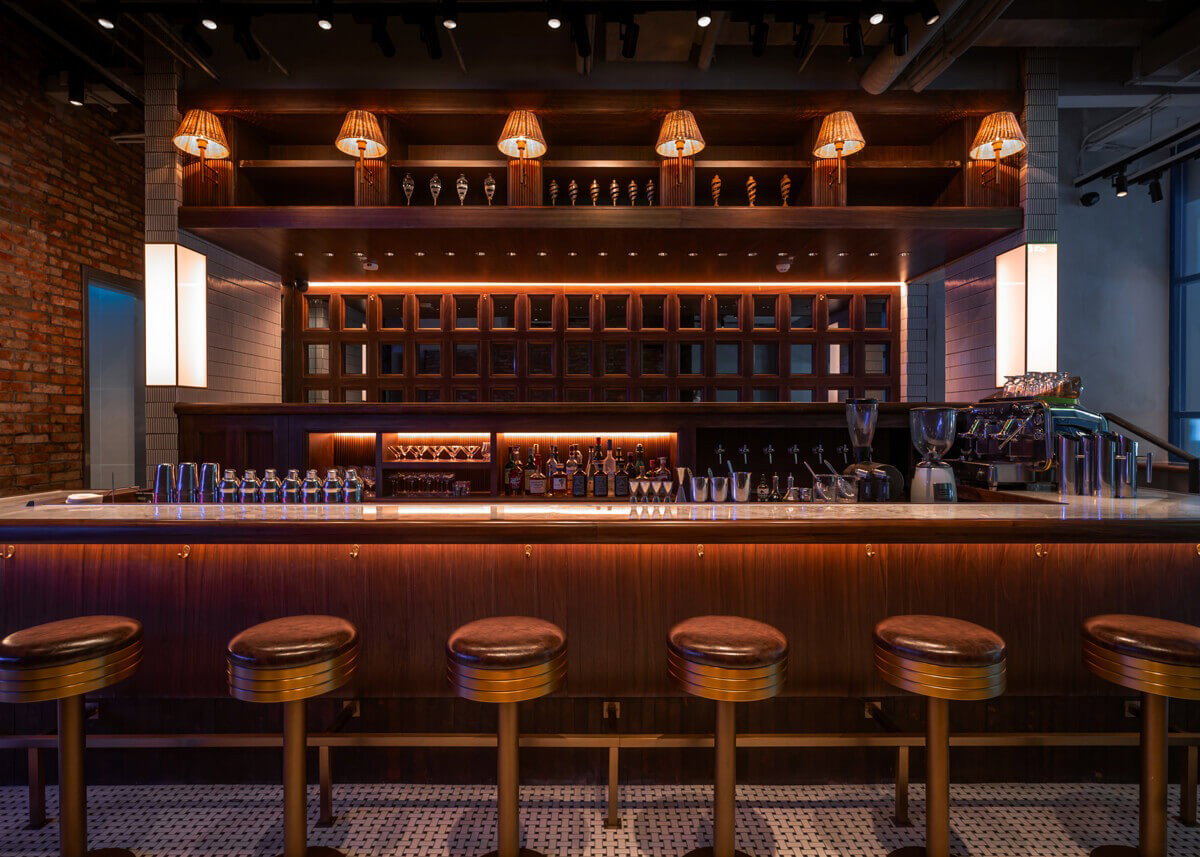
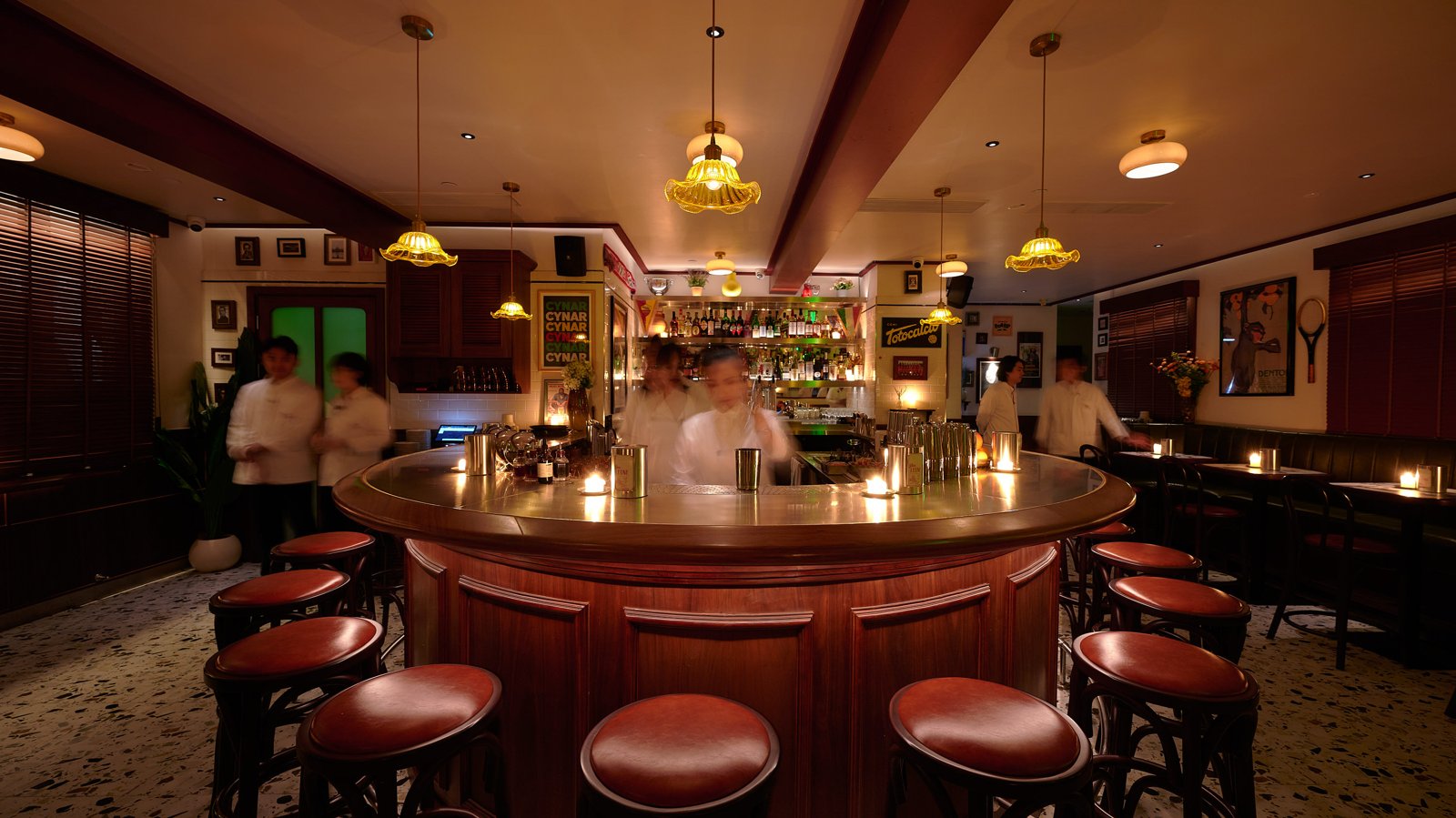
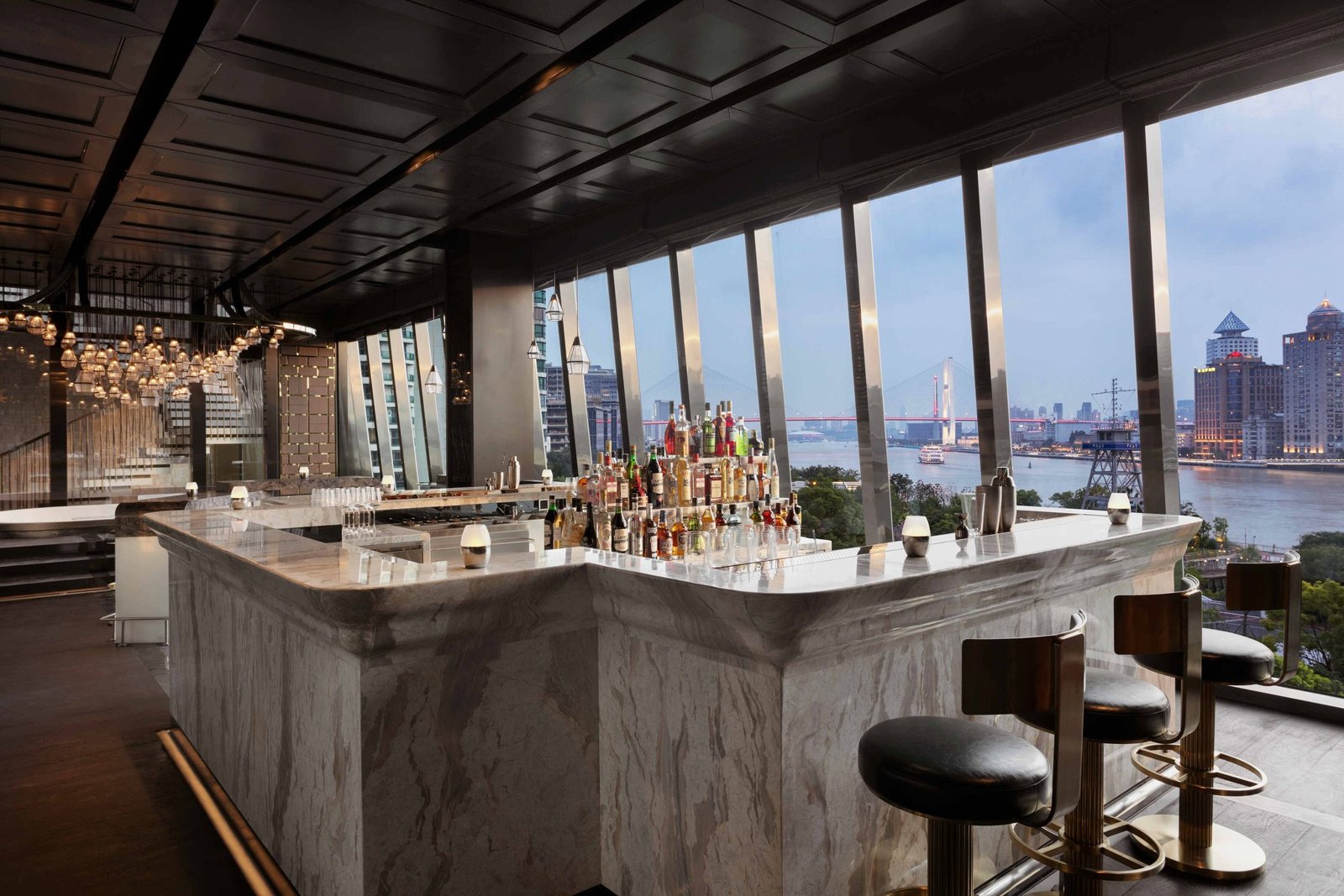
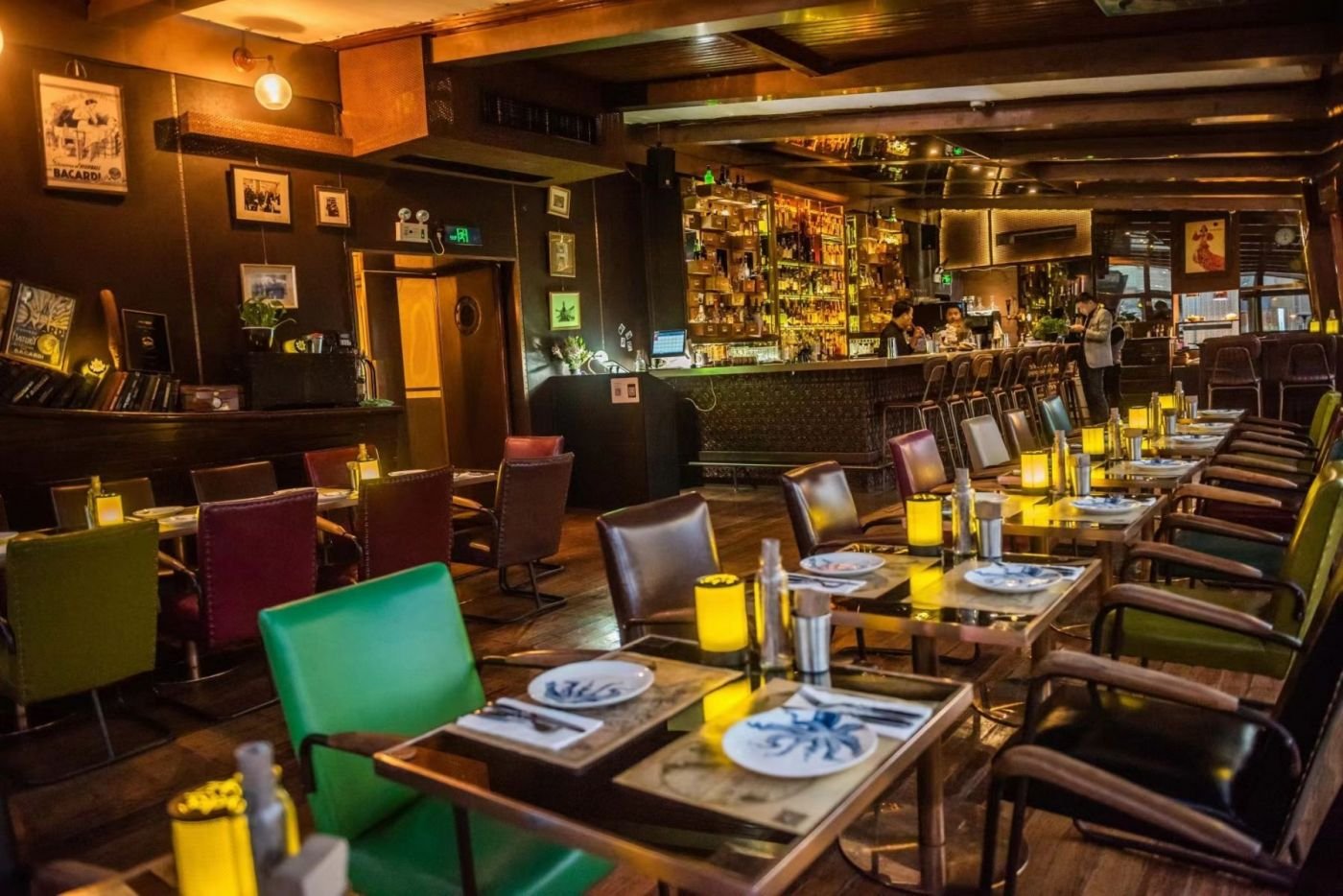
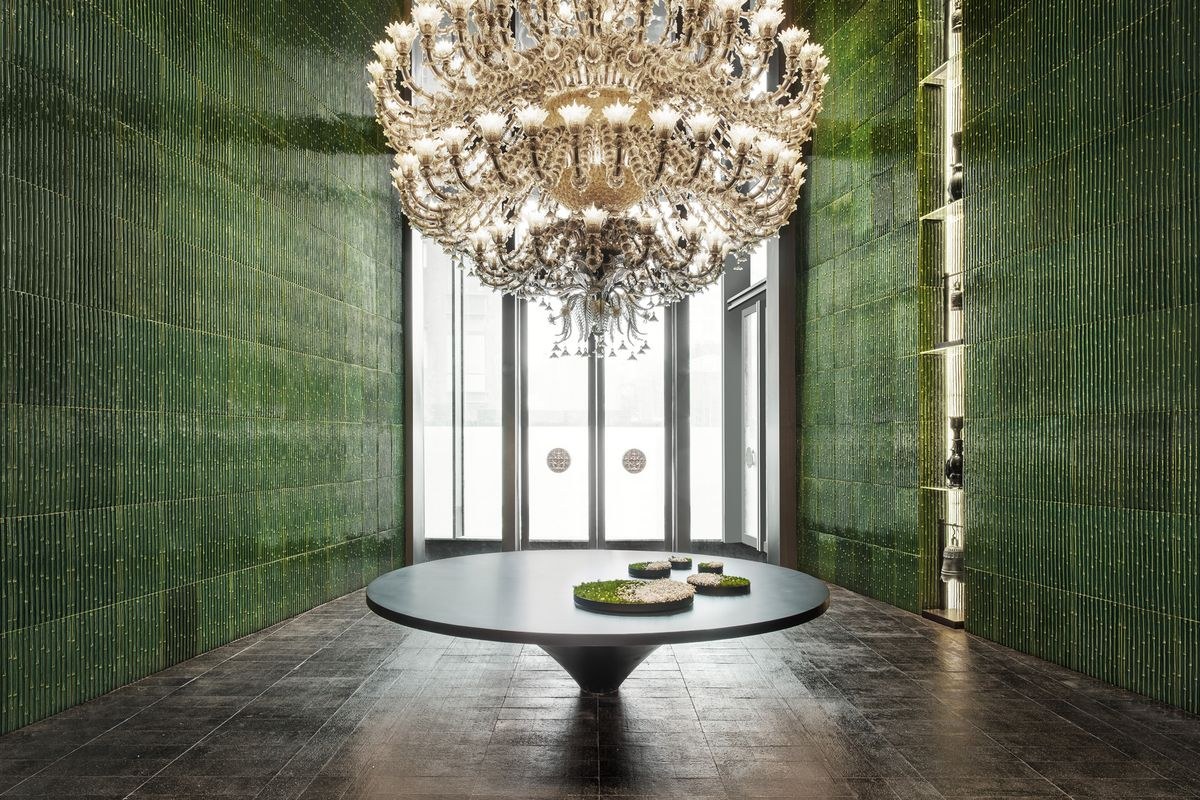
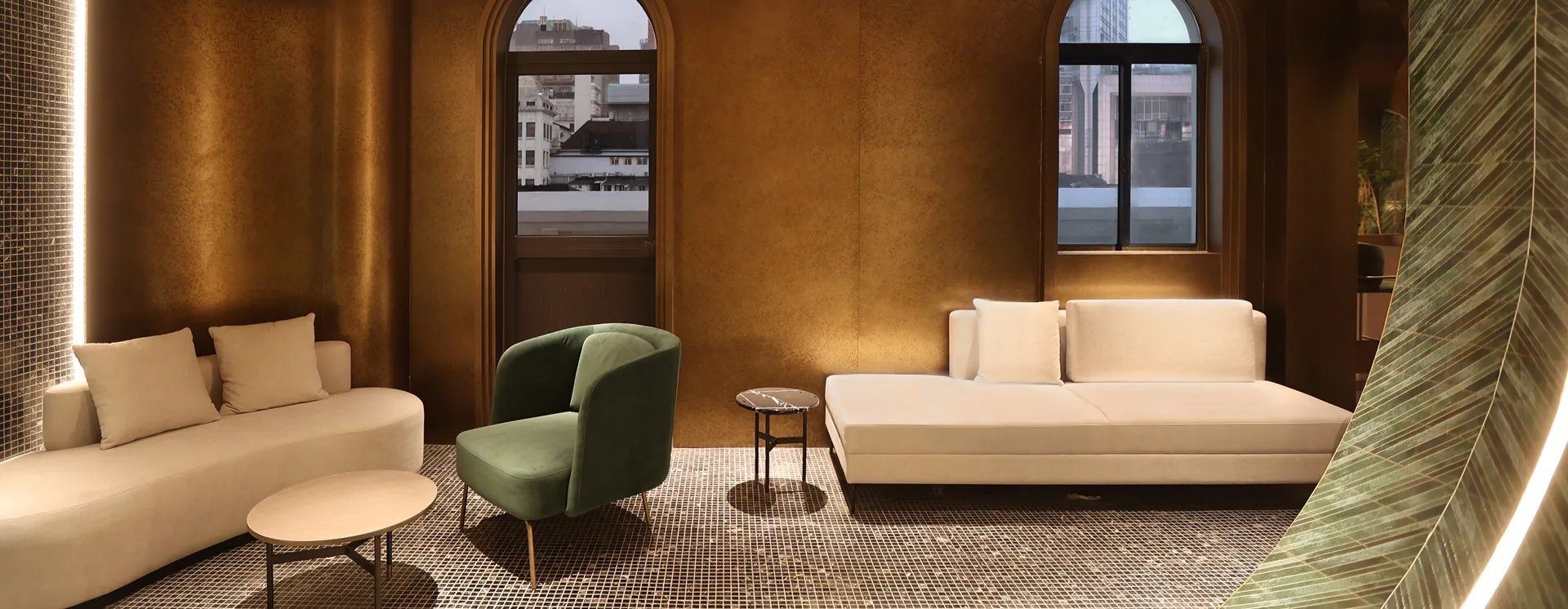
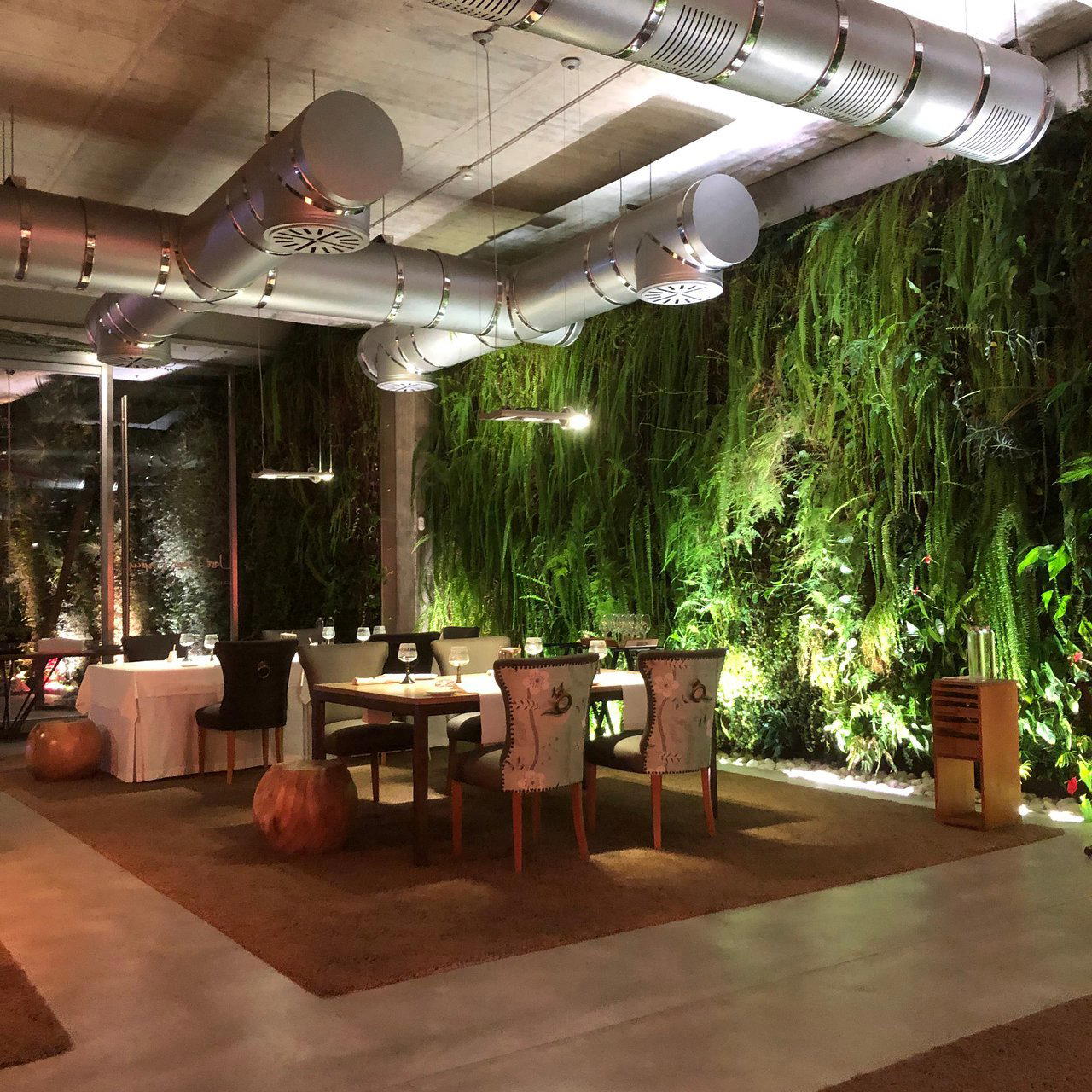
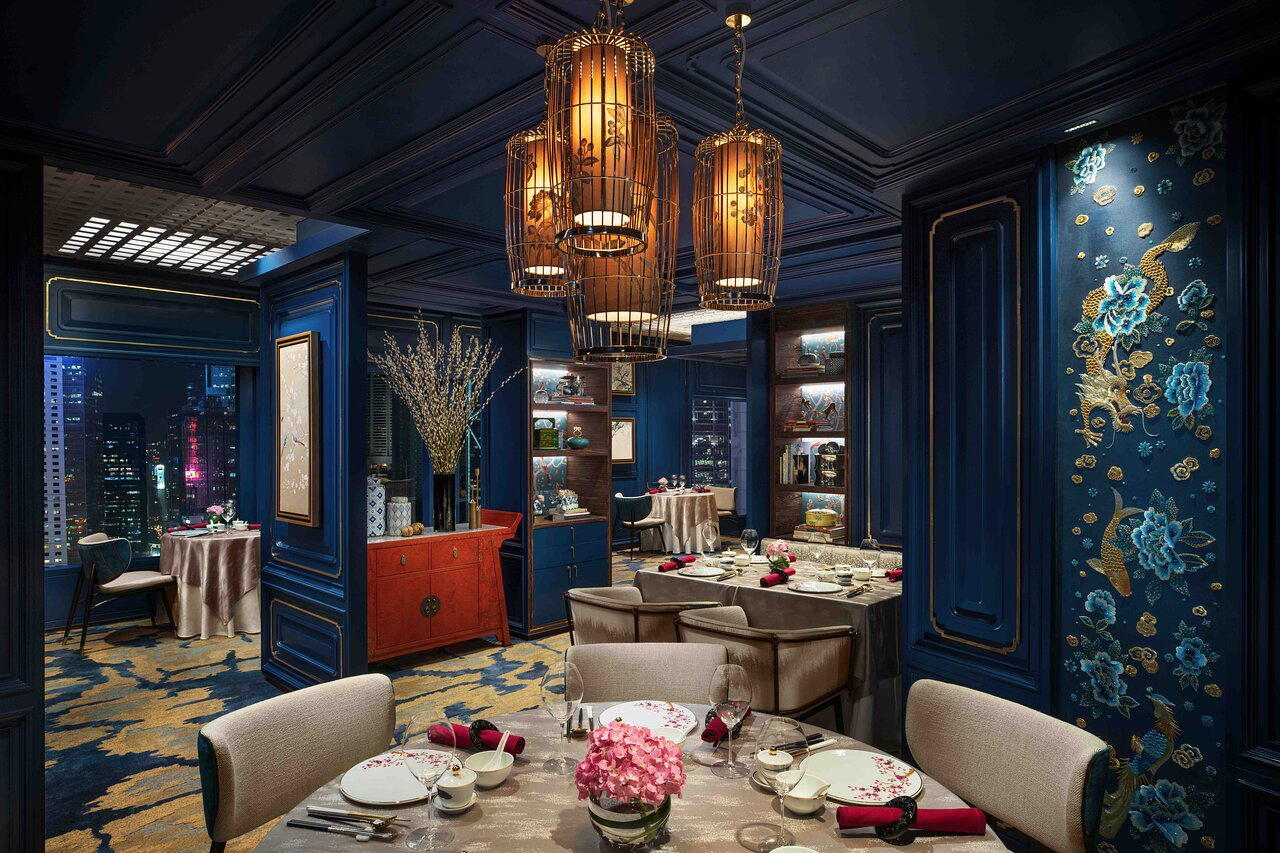
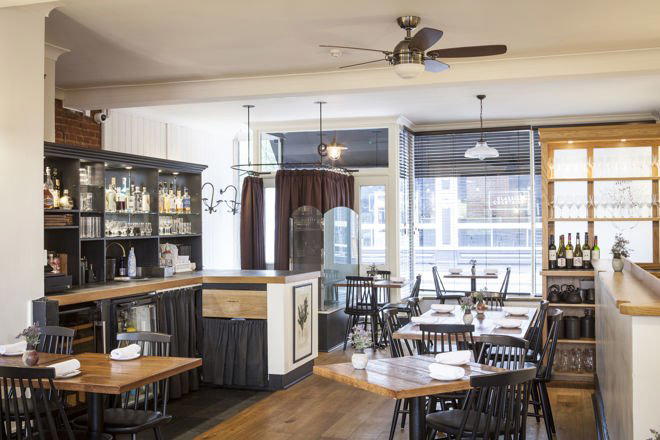
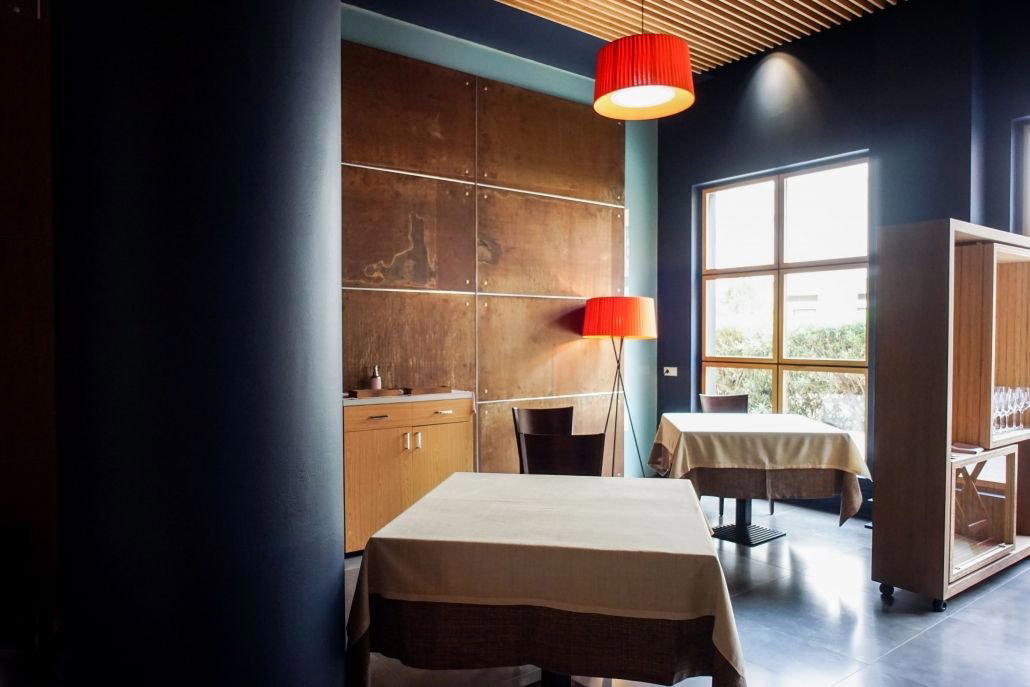
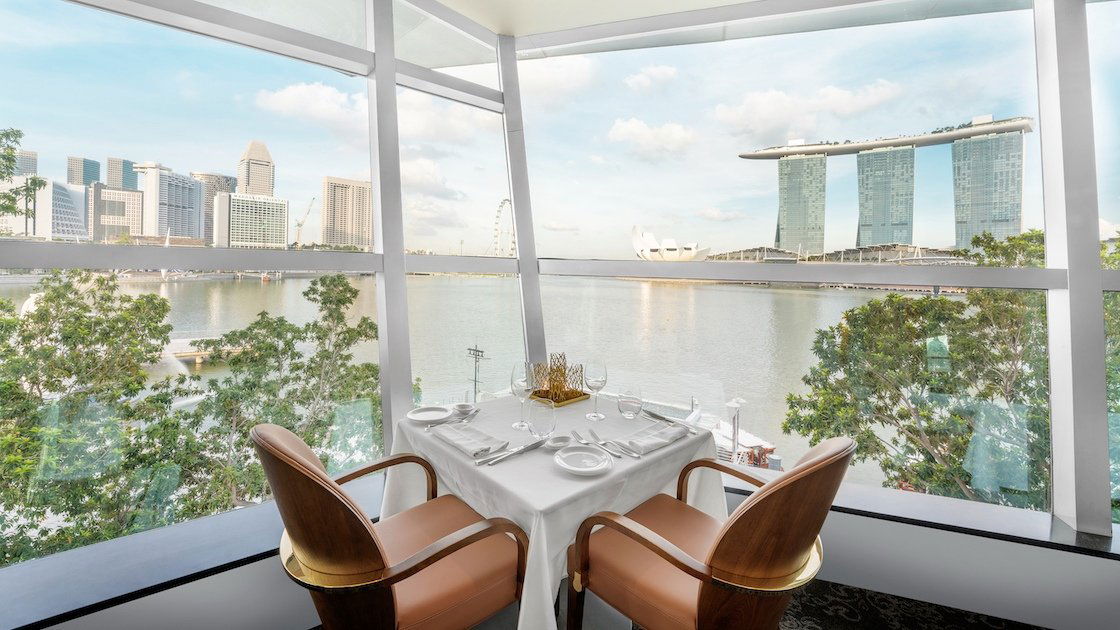
Tou Zao presents a disciplined, quietly refined Cantonese tasting room that deliberately rejects the clatter of traditional banquet service. Housed on the seventh floor of a Huangpu shopping mall, the restaurant cultivates a calm, focused atmosphere through a single-seating, prix-fixe structure that privileges pacing and attention. The design and service strip away background noise, no trolleys or circular tables, so the food takes center stage. The overall effect is a modern, minimalist dining experience where composure and precision underpin each course; it feels more like an elevated tasting counter translated into a small, composed dining room.
Best For
Tou Zao is best for diners seeking a concentrated, Michelin-starred Cantonese tasting: an evening activity that rewards focus and patience. The single-seating, prix-fixe format and deliberate pacing make it ideal for date nights and special celebrations where the meal itself is the centerpiece. It offers a structured multi-course progression and a quiet experience of Cantonese technique and seasonal ingredients.
Ordering Tips
Expect a set tasting menu served in a single-seating format: reservations are essential and punctuality matters because service is paced for the entire room. The kitchen emphasizes a strict prix-fixe progression: ask about the evening’s sequence on booking if you have timing constraints. The restaurant is Michelin-recognized, so allow time for multiple courses and savor signature preparations such as sautéed lobster with scallion trio, crab meat shark-fin spring roll, and Guifei crispy chicken. Because the format is set, plan to take the menu as presented and avoid extensive substitutions.
Venue details
Ambiance
Subdued lighting with serene, intimate atmosphere reminiscent of a sushiya, low hum allowing conversation, focused on kitchen sounds and elegant service.
Tags
Vibe
Best For
Experience
At the Table
- Dress Code
- Smart Casual
- Noise Level
- Quiet
- Service Style
- Upscale Casual
- Meal Pacing
- Leisurely
- Capacity
- Intimate
- Kitchen
- Traditional
- Menu Format
- Prix fixe
Signature Dishes
- sautéed_lobster_with_scallion_trio
- crab_meat_shark_fin_spring_roll
- guifei_crispy_chicken
Know before you go
Know Before You Go
- Getting there
- China, CN 上海市 黄浦区 南京西路 2 2~68号7层 New World City 邮政编码: 200003
Planning details
Location
China, CN 上海市 黄浦区 南京西路 2 2~68号7层 New World City 邮政编码: 200003 · Directions
Recognition and awards

Also consider
Also Consider
- Canton Disco, Cantonese, ¥¥¥
- Bao Li Xuan, Cantonese, ¥¥¥¥
- Canton Table, Cantonese, ¥¥¥
- 102 House, Cantonese, ¥¥¥¥
- Yi Long Court, Cantonese, ¥¥¥¥
Restaurant context
Tou Zao sits at the top of Shanghai's Cantonese price ladder alongside Bao Li Xuan, 102 House, and Yi Long Court, all charging ¥¥¥¥. The difference: Tou Zao offers a fixed menu with counter seating and no private rooms, while Bao Li Xuan and Yi Long Court give you à la carte flexibility and luxury-hotel polish. If you want the tableside theatre and sequential pacing, Tou Zao is the only Cantonese address in the city built around that format. If you want to order freely and share family-style, the others offer better utility at the same price.
One tier down, Canton Disco and Canton Table charge ¥¥¥ and deliver solid wok work with easier booking and more casual settings. Canton Disco is louder, busier, and better for groups who want variety; Canton Table skews quieter and more date-friendly. Neither matches Tou Zao's technical precision or Michelin validation, but both offer stronger value if you're not convinced the counter format justifies the premium.
The verdict: book Tou Zao if you're an explorer who values ritual and heat control over choice and context. If you want Cantonese flexibility or a room that feels less like a mall, book Bao Li Xuan or Yi Long Court instead. If you want Cantonese quality without the ¥¥¥¥ commitment, Canton Disco or Canton Table are the better hedge.
Explore Shanghai
Around this place
Discover more on Pearl
Unlock the full Tou Zao guide in Pearl, including awards, comparisons, FAQs, planning details, and nearby places.
Compare Tou Zao
| Venue | Location | Cuisine | Awards | Price |
|---|---|---|---|---|
| Tou Zao | Shanghai | Cantonese | 2025 Michelin 1 Star2025 The Best Chef One Knife2024 Michelin 1 Star | ¥¥¥¥ |
| Canton Disco | Shanghai | Cantonese | 2024 Michelin Plate | ¥¥¥ |
| Bao Li Xuan | Shanghai | Cantonese | No published awards | ¥¥¥¥ |
| Canton Table | Shanghai | Cantonese | 2025 Michelin 1 Star2024 Michelin 1 Star | ¥¥¥ |
| 102 House | Shanghai | Cantonese | 2026 OAD Top Restaurants in Asia Ranked · #122025 Chinese Restaurant Awards — Elite 15 Asia · #62025 OAD Top Restaurants in Asia Ranked · #162025 Asia's 50 Best Restaurants · #292025 The Best Chef One Knife2025 La Liste Top Restaurants2025 Michelin 2 Stars2024 OAD Top Restaurants in Asia Ranked · #342024 Michelin 2 Stars | ¥¥¥¥ |
| Yi Long Court | Shanghai | Cantonese | 2026 Forbes Recommended2026 OAD Top Restaurants in Asia RecommendedMichelin Guide Shanghai Jiangsu Zhejiang 20262025 OAD Top Restaurants in Asia Ranked · #2962025 Michelin 1 Star2025 Forbes Recommended2024 OAD Top Restaurants in Asia Ranked · #2802024 Michelin 1 Star2023 OAD Top Restaurants in Asia Highly Recommended | ¥¥¥¥ |
.png?width=1200&quality=80)







How Tou Zao Shanghai compares with similar nearby venues.
FAQ
Frequently Asked Questions
Is Tou Zao worth the price?
Tou Zao is priced at ¥¥¥¥, so it is best suited to diners looking for a premium Cantonese restaurant in Shanghai. With chef Jiǎng Qiáomù associated with the restaurant and a smart-casual dress code, it is worth confirming the current menu and service format before deciding whether it matches your expectations.
Can I eat at the bar at Tou Zao?
For bar or counter seating, contact Tou Zao directly to confirm the current seating arrangement, reservation process, and whether any specific seating preference can be requested.
What should I wear to Tou Zao?
The dress code is smart casual. A polished but comfortable outfit is the safest choice for a premium Cantonese restaurant at the ¥¥¥¥ price tier.