



Obscura
Innovative · Hongkou, Shanghai
Restaurant in Shanghai, China
 Book with Pearl
The Read
Memory-Driven Prix-Fixe
Price
$200–300per person
Chef
Jian Zhang
Dress
Smart Casual
Why go
Obscura holds a Michelin star, a Black Pearl Diamond, and an OAD Top 400 Asia ranking, and it earns them by reframing Chinese culinary memory through Western technique and genuine seasonal rotation. The prix-fixe menu is conceptually demanding and rewards repeat visits as the kitchen's travel-sourced ingredients shift across seasons. Book well ahead: this is one of Shanghai's harder tables to secure.
About Obscura
Obscura Is Not the Restaurant You Think It Is
Most diners arrive at Obscura expecting a refined Chinese fine-dining experience in the conventional mould: formal, reverential, flavour profiles kept within familiar territory. That is not what happens here. Chef Jian Zhang and the team run a prix-fixe seasonal menu that draws on Western technique to reframe Chinese culinary memory, producing dishes that read as playful or even irreverent on the surface but carry genuine intellectual weight underneath. The Cantonese roast pork disguised as ice cream is the shorthand that gets quoted, but the deeper point is this: every course is built to displace your assumptions about what Chinese ingredients can do. If you are looking for a comfortable survey of regional Chinese cooking, book elsewhere. If you want a tasting menu that operates at the intersection of memory, technique, and wit, Obscura is the right call.
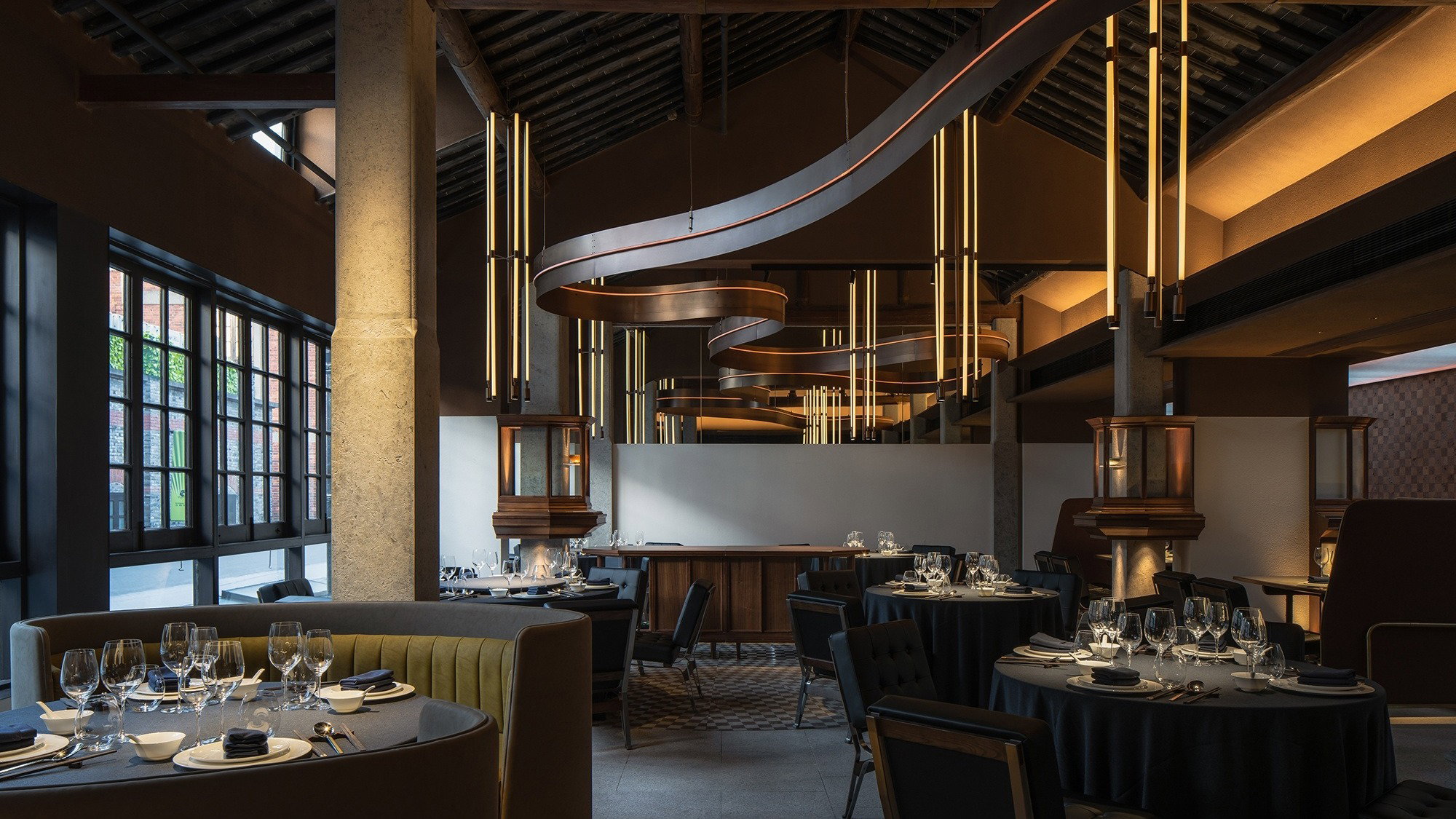
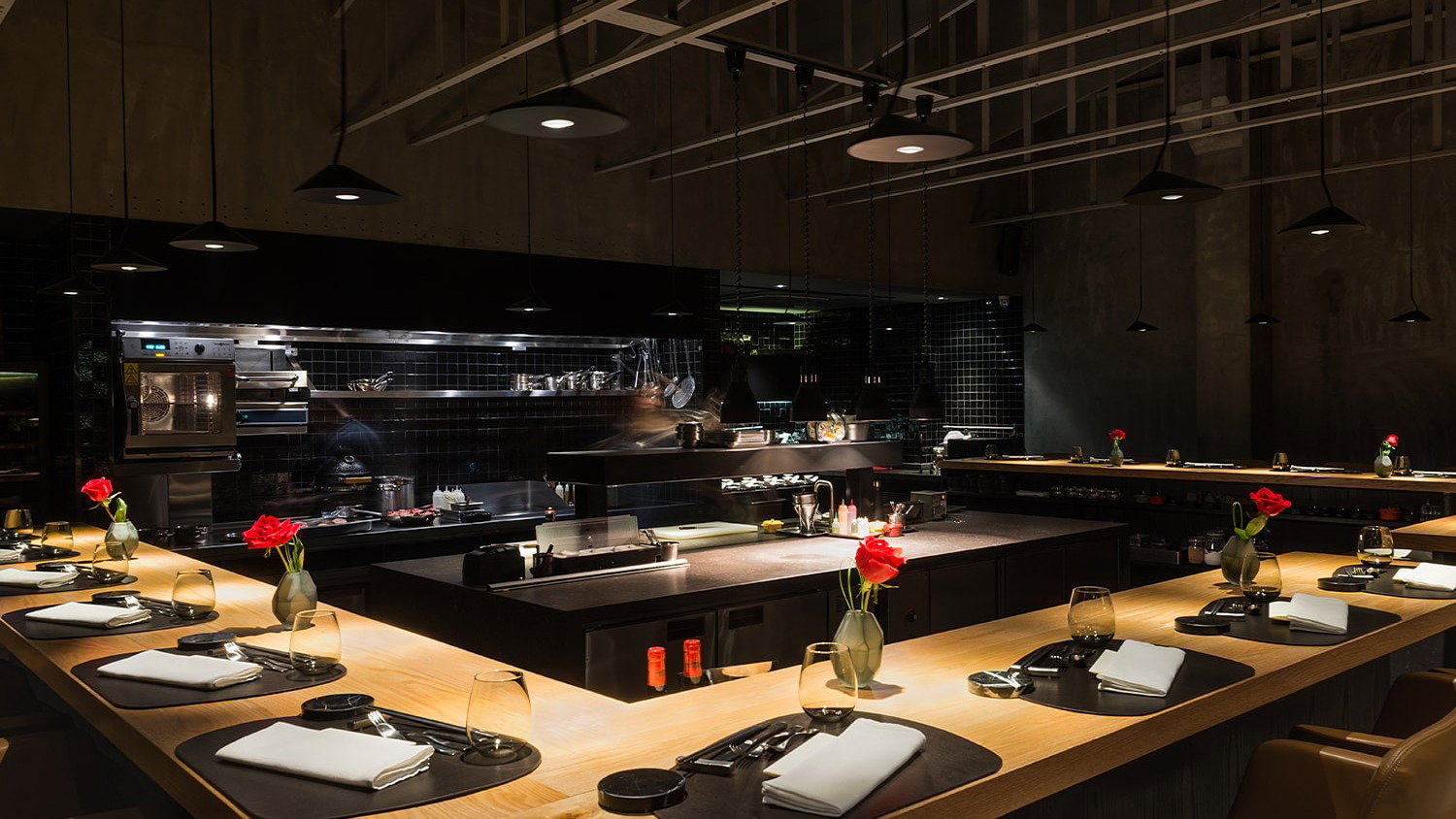
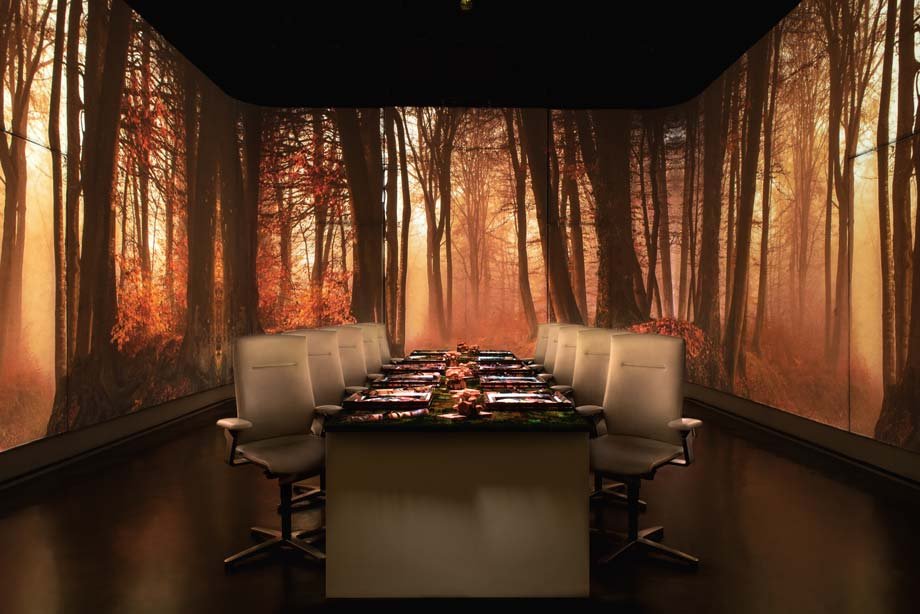
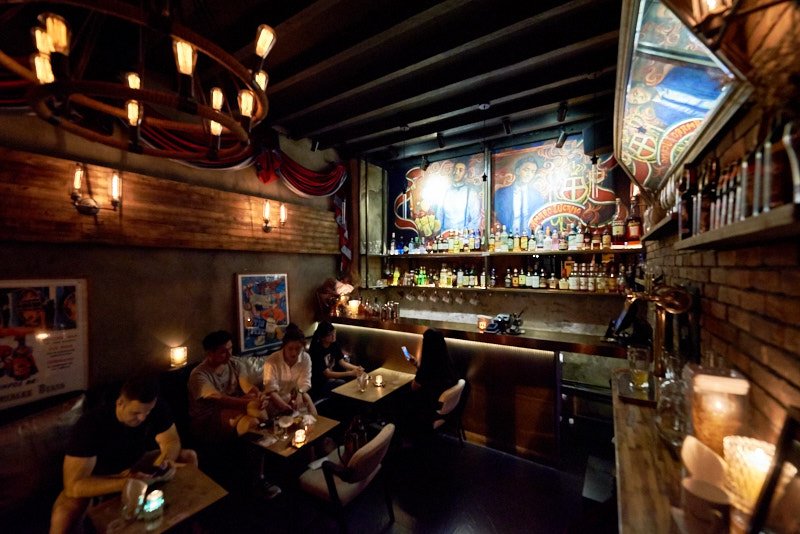
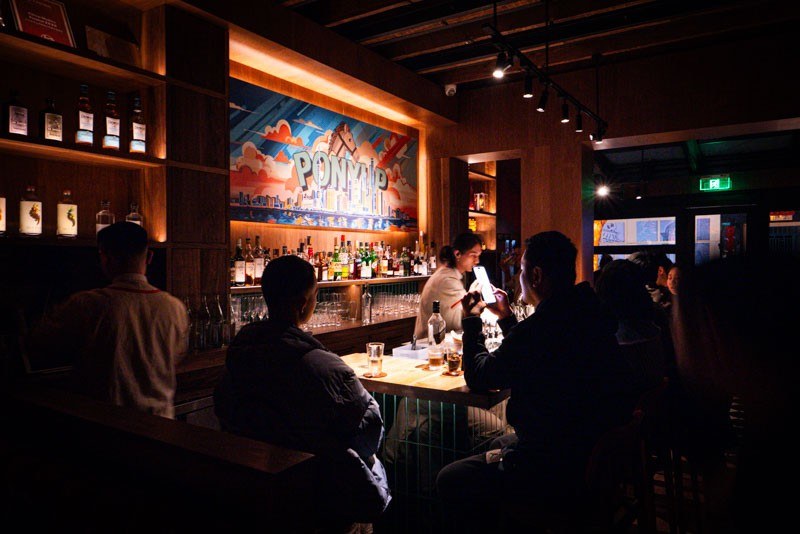
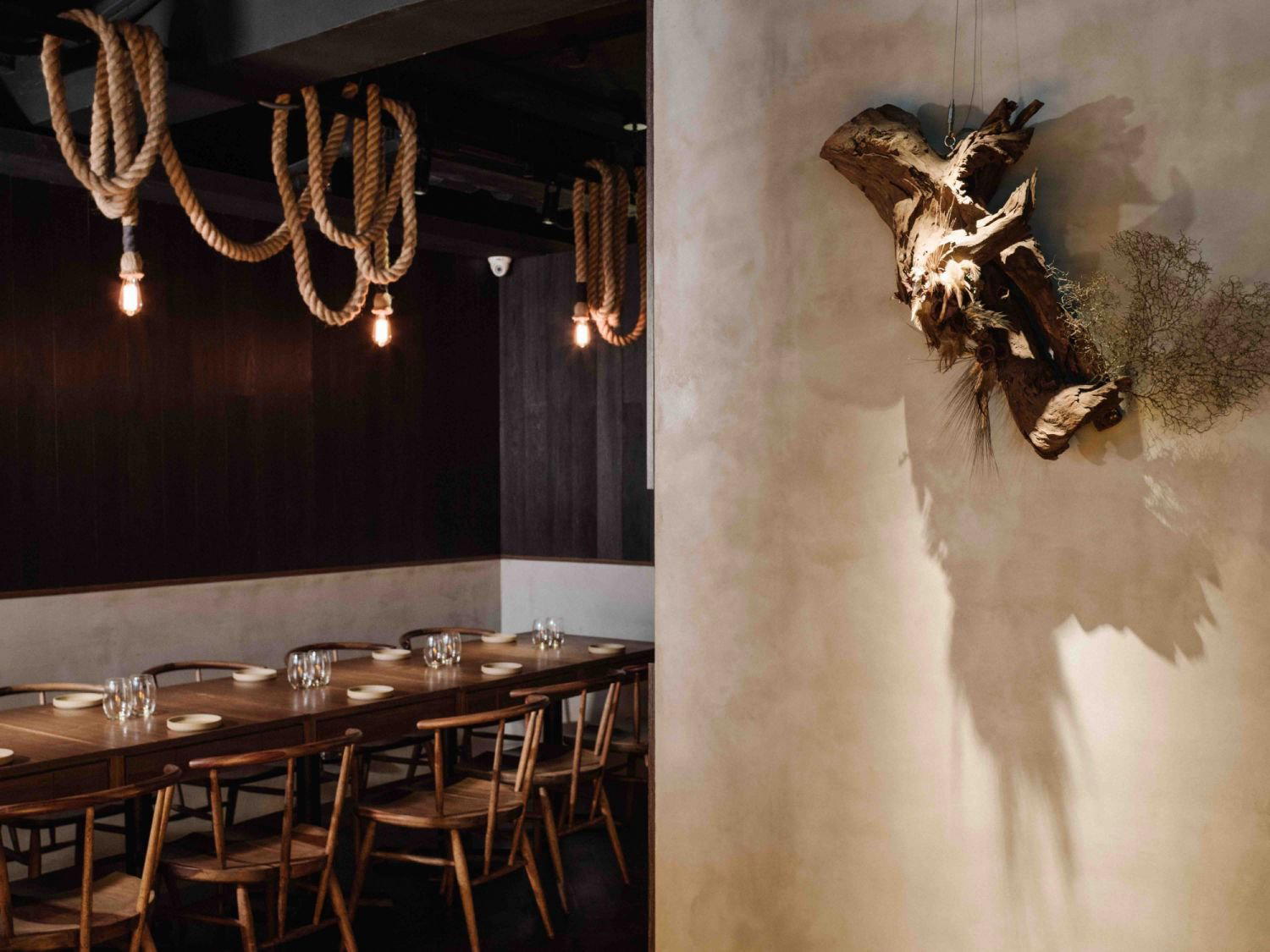
The room itself sets the tone before the food arrives. Obscura occupies a space in the Waitan area of Huangpu, and the atmosphere is deliberately considered rather than convivial. The energy is quiet, focused, and slightly theatrical without tipping into ceremony. Noise levels stay low enough for conversation throughout the meal, which matters for a menu this conceptual: you will want to talk through what you have just eaten. The mood is closer to a kitchen that has been turned into a dining room than a restaurant performing refinement at you. That distinction shapes the whole experience.
A Multi-Visit Strategy Worth Planning
Obscura's prix-fixe format and rotating seasonal menu make it an unusually strong candidate for repeat visits, and the editorial angle here is worth taking seriously. On a first visit, the priority is orientation: letting the progression of the menu land without trying to decode everything. The chefs travel across China regularly to source ingredients and anchor the menu in regional specificity, so the references shift meaningfully across seasons. A menu built around winter ingredients from one province will feel structurally different from a summer iteration drawing on coastal produce from another.
A second visit rewards closer attention to the beverage pairing. The kitchen explicitly flags non-alcoholic pairings as worth consideration, and at this price tier that is a signal worth heeding: the pairing programme has been developed with enough care to stand alongside the food rather than acting as an afterthought. Diners who take the alcoholic pairing on a first visit and switch to non-alcoholic on a second, or vice versa, will encounter what amounts to two different versions of the same meal. For explorers in the Taian Table or La Scene Ronde category who want to see how creative Chinese cooking handles the pairing question differently from European formats, this is one of the more instructive comparisons available in Shanghai right now.
A third visit, if the menu has rotated significantly, is the point at which the kitchen's travel-sourcing philosophy becomes fully legible. By then you have enough reference points to track how regional ingredients shift the flavour architecture of the menu, and the whimsy that surprised you on visit one reads instead as a consistent design language. That is a rare quality in the city's tasting menu circuit. For comparison, Fu He Hui offers a different kind of depth through its vegetarian lens, and Les Nuages covers different conceptual ground. Obscura's specific contribution is the reinterpretation of Chinese memory through a technically rigorous, seasonal, chef-led format that changes substantively enough to reward coming back.
Awards and Recognition
The credentials are meaningful rather than ceremonial. Obscura holds a Michelin 1 Star (2024) and a Black Pearl 1 Diamond (2025), and ranks at #390 in the Opinionated About Dining Leading Restaurants in Asia (2024), improving to #394 in 2025 (the list renumbers across a larger field). The OAD recognition is particularly useful context: OAD rankings are driven by frequent-diner votes from a well-travelled panel, which means Obscura is being recognised by people who eat across the category, not just by local enthusiasm. That matters when you are deciding whether a ¥¥¥¥ tasting menu price warrants the spend. It does, with the caveat that the experience requires active engagement rather than passive reception. Diners who prefer a more direct luxury format will find 102 House or Imperial Treasure Fine Chinese Cuisine more immediately comfortable. For those calibrated to the format, the recognition is well-earned.
In the broader Asian innovative tasting menu context, Obscura sits alongside venues like alla prima and Soigné in Seoul, or Chef Tam's Seasons in Macau, in terms of the ambition of its conceptual framing. What distinguishes it is the specifically Chinese memory architecture at its core: this is not a kitchen applying Western fine-dining structure to Chinese ingredients as an exercise. The Chinese reference is the point, not the material.
Practical Details
Reservations: Hard to book. Secure a table as far in advance as possible; same-week availability is unlikely given the Michelin and Black Pearl recognition. Address: 670 Sichuan Rd (M), Waitan, Huangpu, Shanghai. Price tier: ¥¥¥¥. Budget accordingly for a full tasting menu with optional beverage pairing. Dress: No dress code is listed, but the room's atmosphere warrants smart casual at minimum. Dietary notes: The menu is prix-fixe and seasonal; contact the restaurant directly in advance regarding dietary requirements rather than assuming flexibility on the night. Non-alcoholic pairing: Explicitly recommended by the kitchen and worth taking seriously as a considered alternative to wine.
Worth Booking Alongside
If you are building a Shanghai dining itinerary around Obscura, the natural complements for different meals and price points are: Taian Table for modern European comparison at a similar level; Fu He Hui for a vegetarian tasting menu with its own conceptual seriousness; and 102 House for a Cantonese format at a slightly different register. For wider context on Chinese tasting menu cooking across the region, Ru Yuan in Hangzhou, Xin Rong Ji in Beijing, and Dai Yuet Heen in Nanjing offer useful points of comparison. Our full guides to Shanghai restaurants, Shanghai bars, Shanghai hotels, Shanghai wineries, and Shanghai experiences cover the rest of the city's offering.
Planning details
- Location
- 670 Sichuan Rd (M), Waitan, Huangpu, Shanghai, China, 200080
- Phone
- +86 21 6321 3986
The take
The Take
The Vibe
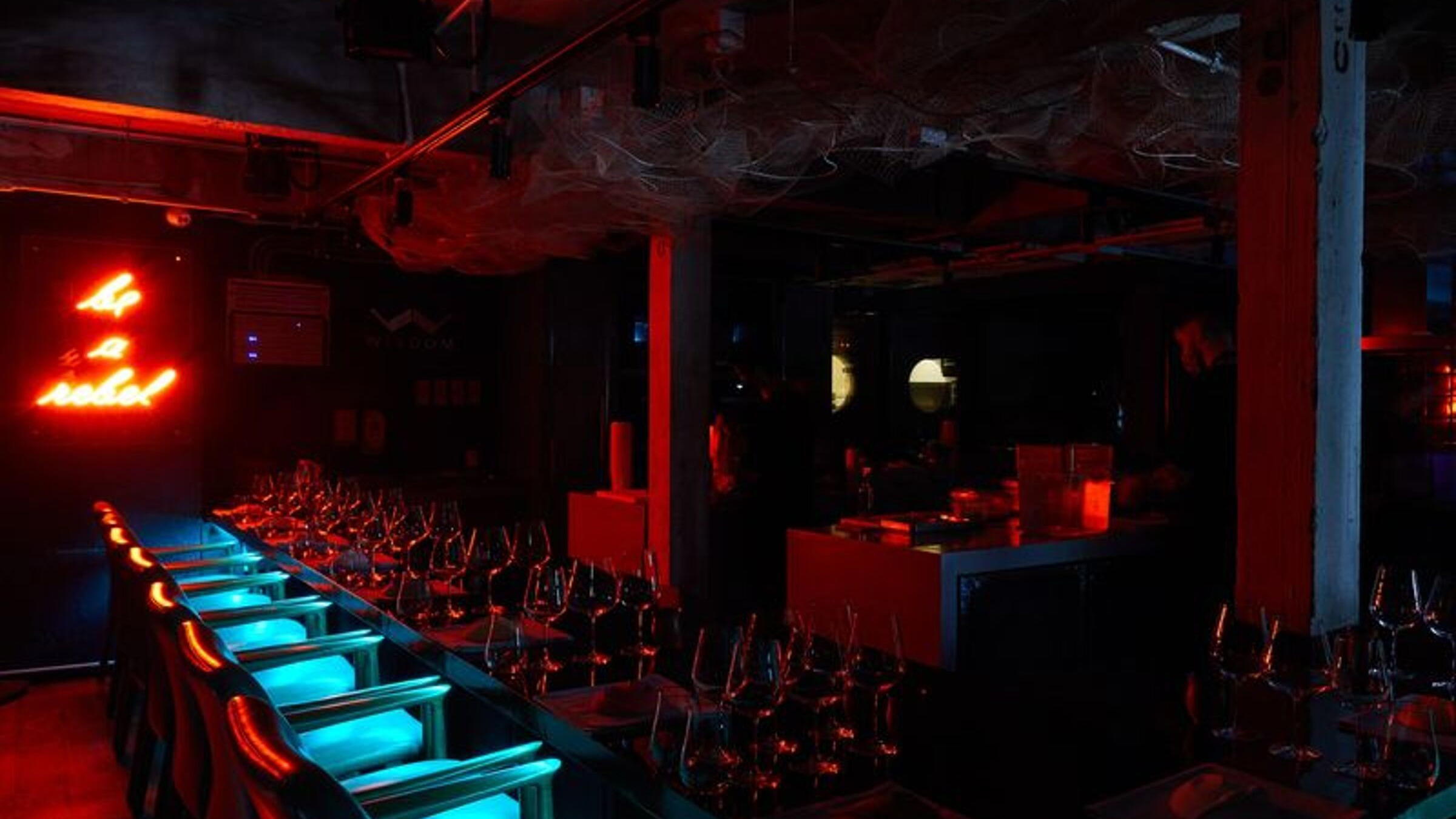
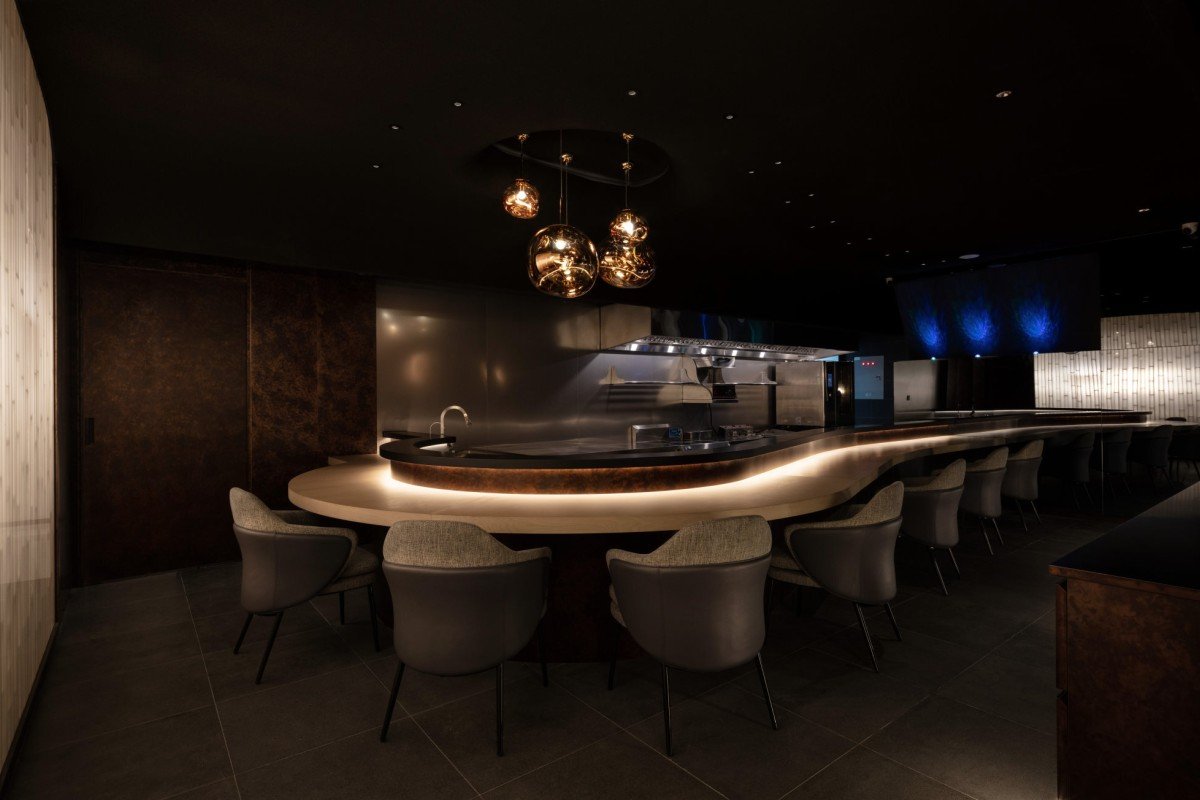
Obscura presents a carefully calibrated dining personality that unsettles and then rewards. The restaurant leans into a chiaroscuro aesthetic—a play of light and dark—that mirrors its culinary intent: familiar Chinese memory refracted through Western technique. The writing positions it among Shanghai’s most inventive tables; the tone is confident and deliberately artful rather than flashy. Service and presentation are those of a high-end kitchen that values precision and conceptual rigor, while the food retains an element of surprise and whimsy. The result is an intimate, artful experience that feels contemporary and intellectually engaged.
Best For
This is a destination for considered evening dining: a Michelin-one-star address that suits business dinners, date nights, special occasions and focused solo meals alike. The kitchen’s technical ambitions and layered takes on Cantonese and regional Chinese classics create a setting where conversation is purposeful and the pacing favors multiple courses and thoughtful tasting. Guests who appreciate technique-driven cuisine and conceptual menus will find the environment rewarding; the tone is refined and composed, with an emphasis on culinary craft rather than casual or loud dining.
Ordering Tips
Look to the kitchen’s signature pieces to understand its method: the Cantonese roast pork ice cream, Hunan spicy beef and Hangzhou dragonwell shrimp encapsulate the restaurant’s inversion of expectation. Choose several of these standout dishes to trace how classical Chinese flavors are manipulated with Western techniques. Because the menu’s premise is to reframe familiar tastes, pick items that contrast texture and temperature so the conceptual intent becomes clear across courses. Save room to sample a couple of the more surprising preparations—the restaurant frames itself around deliberate culinary reversals, so expect inventive pairings and finishes.
Venue details
Ambiance
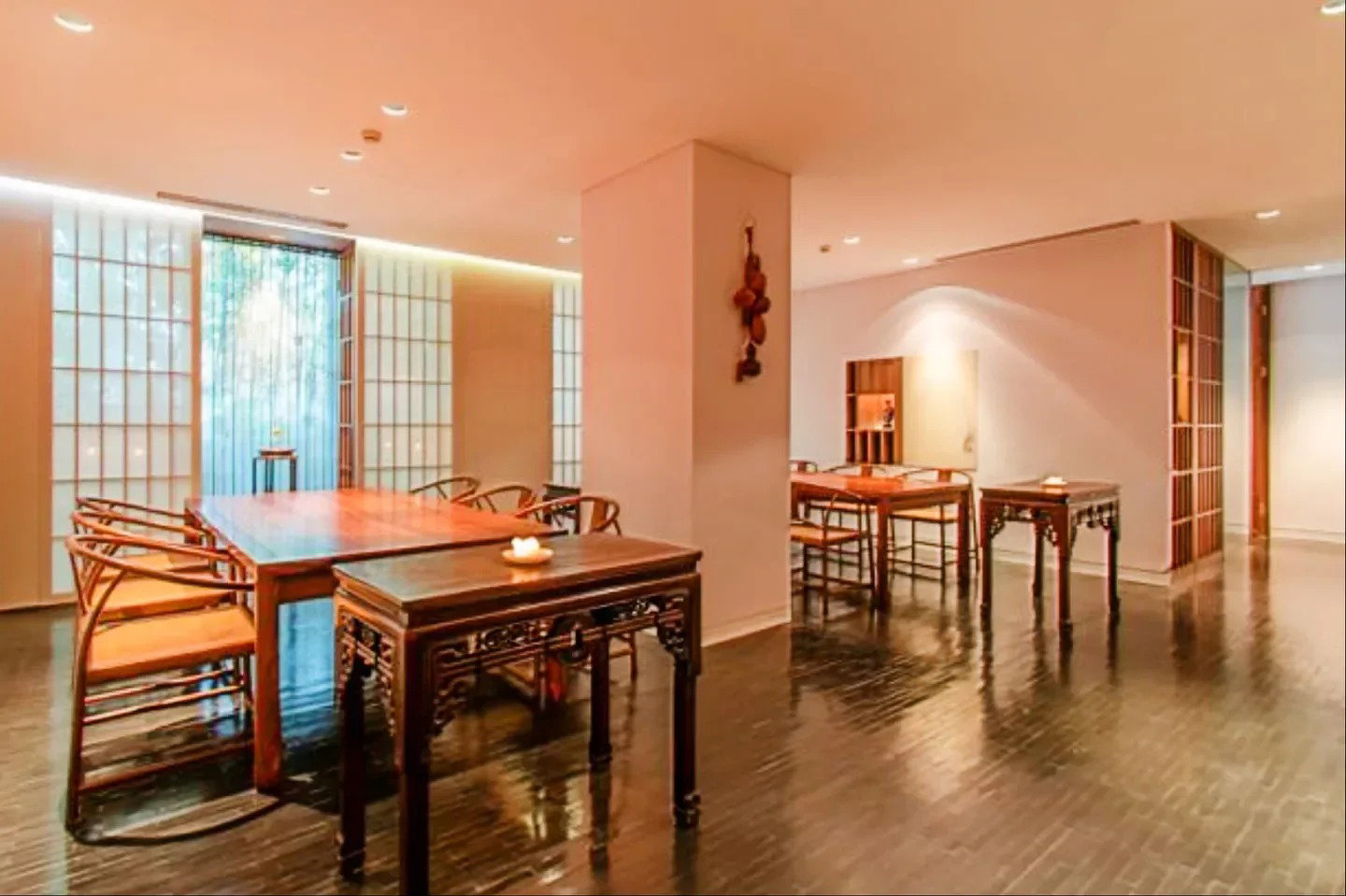
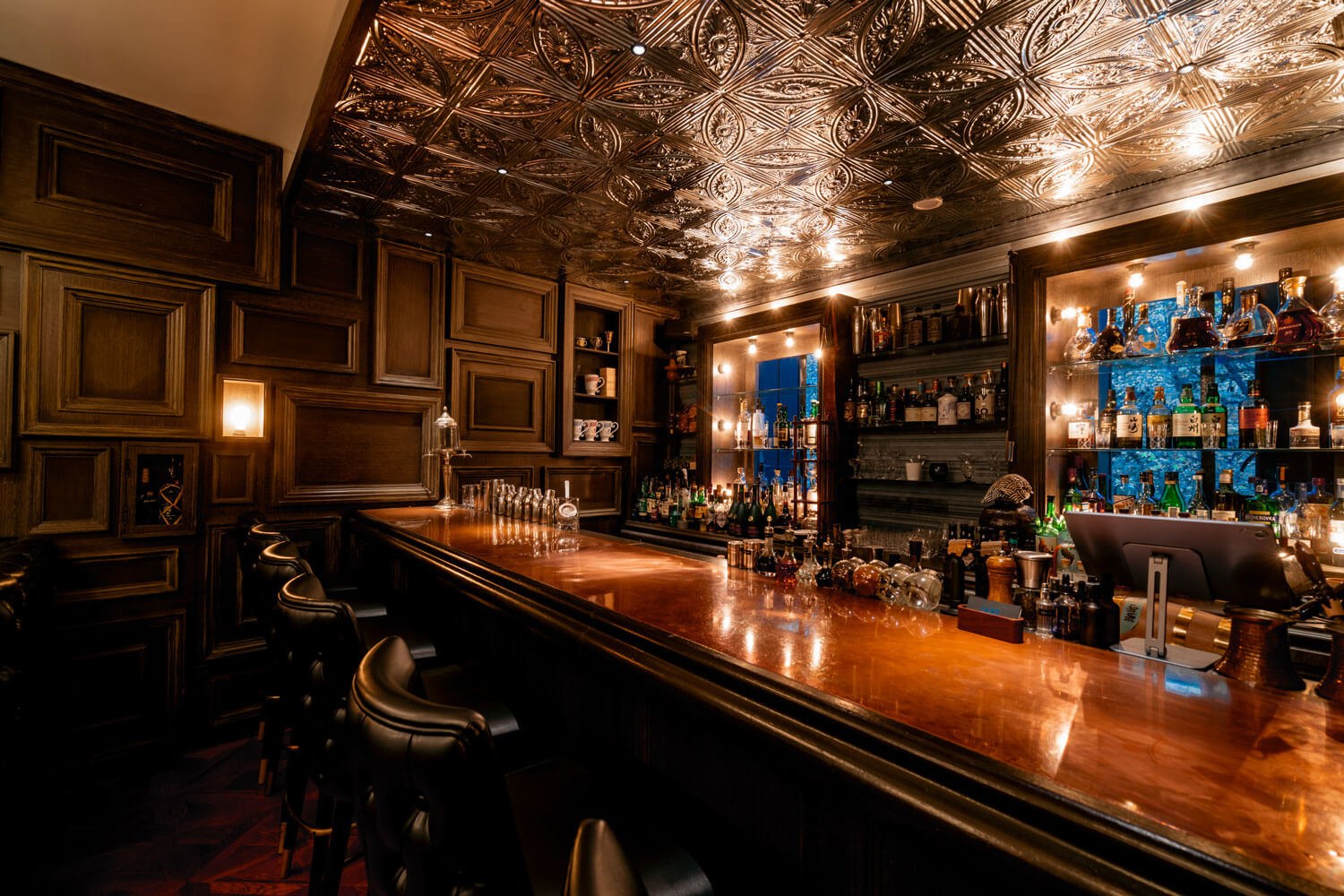
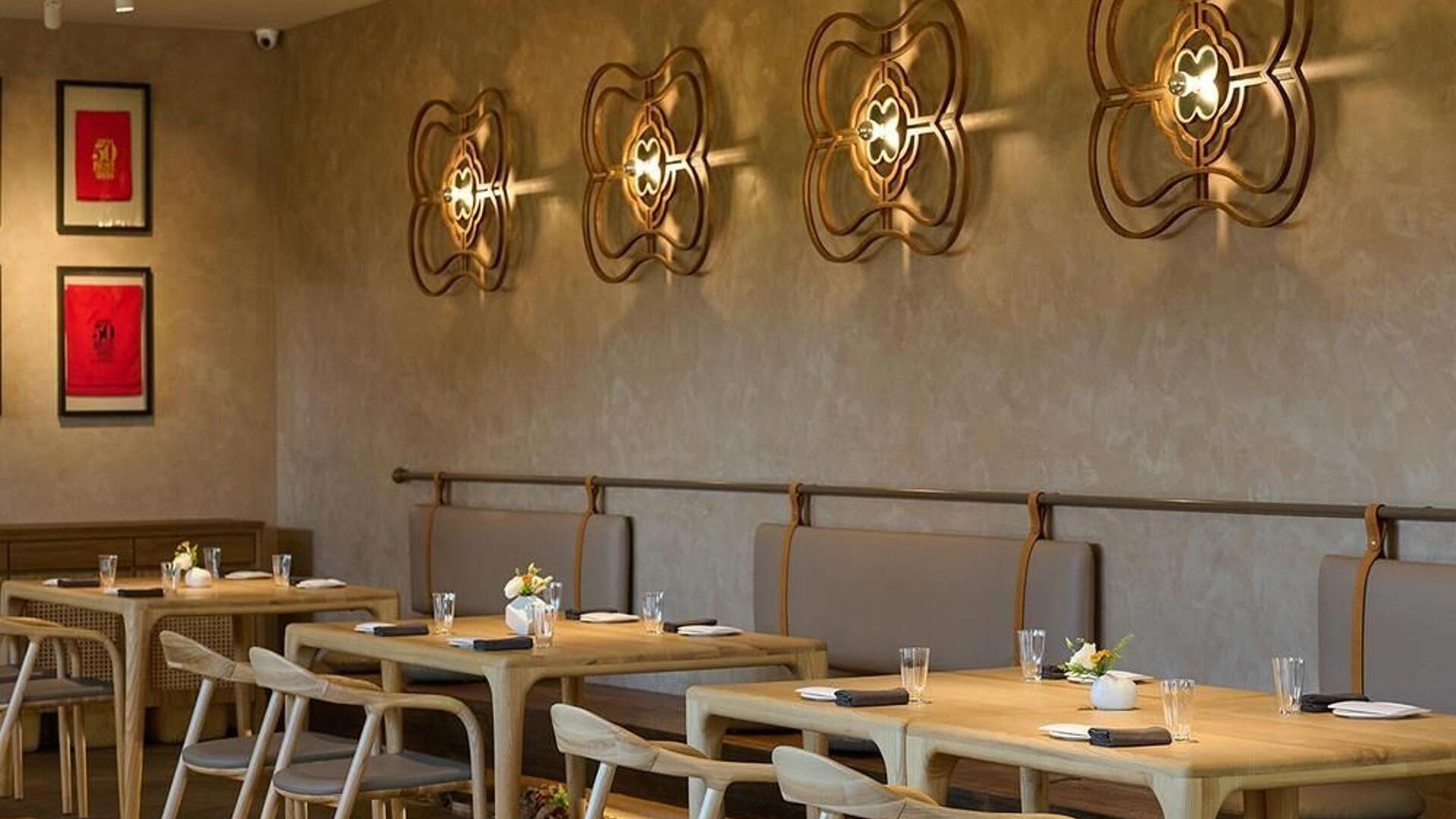
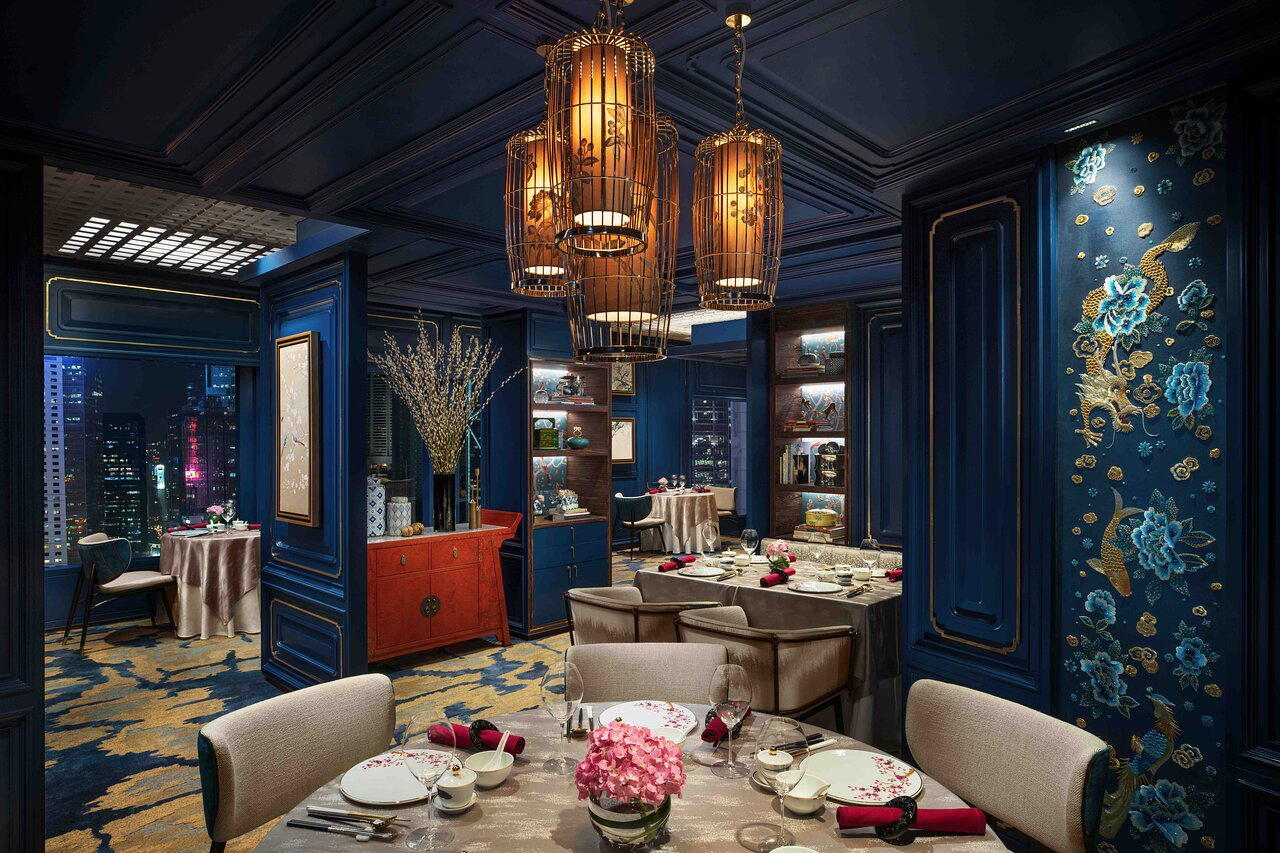
Low-lit, polished wood dining room with chiaroscuro lighting creating a mysterious and sophisticated atmosphere.
Tags
Vibe
Best For
Experience
At the Table
- Dress Code
- Smart Casual
- Noise Level
- Quiet
- Service Style
- Formal
- Meal Pacing
- Extended Experience
- Capacity
- Intimate
- Kitchen
- Modern
- Menu Format
- Tasting menu, Prix fixe
Signature Dishes
- Cantonese roast pork ice cream
- Hunan spicy beef
- Hangzhou dragonwell shrimp
Know before you go
Know Before You Go
- Getting there
- 670 Sichuan Rd (M), Waitan, Huangpu, Shanghai, China, 200080
Planning details
Location
670 Sichuan Rd (M), Waitan, Huangpu, Shanghai, China, 200080 · Directions
Recognition and awards


Also consider
Also Consider
- Fu He Hui, Vegetarian, ¥¥¥¥
- Ming Court, Cantonese, ¥¥¥
- Polux, French, ¥¥
- Royal China Club, Chinese, Cantonese, ¥¥¥
- Scarpetta, Italian, ¥¥¥
Restaurant context
At ¥¥¥¥, Obscura sits at the same price tier as Fu He Hui, which is the clearest direct comparison for a diner choosing between two serious, concept-led tasting menus in Shanghai. Fu He Hui runs a vegetarian format with its own philosophical depth; Obscura's kitchen works with a broader ingredient palette but applies a similarly rigorous conceptual framework. If vegetarian cooking is not a constraint for you, Obscura's Chinese memory reinterpretation is the more technically surprising of the two. If you want to eat across both on a multi-day visit to Shanghai, they sit far enough apart in format that the comparison is complementary rather than redundant.
The ¥¥¥ options in the peer set serve different purposes. Ming Court and Royal China Club both offer Cantonese cooking at a step down in price, with more format flexibility: à la carte is available, groups are easier to accommodate, and the experience is less demanding of active engagement. If you are travelling with diners who are uncertain about a fully committed tasting menu format, either is a more practical choice and the gap in quality is not as wide as the price difference implies. Scarpetta at ¥¥¥ is the Italian option in the set and operates in an entirely different register; it is not a substitute for Obscura but is worth knowing about for a multi-meal itinerary.
Polux at ¥¥ is the accessible end of the comparison group and the right answer if budget is the primary variable. The quality ceiling is lower but the booking difficulty is considerably less, and for a casual meal rather than a destination experience it holds its own. For the specific brief that Obscura addresses, a Michelin-recognised, conceptually ambitious Chinese tasting menu in Shanghai, there is no direct like-for-like substitute in this peer set at a lower price point. You either book Obscura or you change the brief.
Explore Shanghai
Around this place
Discover more on Pearl
Unlock the full Obscura guide in Pearl, including awards, comparisons, FAQs, planning details, and nearby places.
Compare Obscura
| Venue | Location | Cuisine | Awards | Price |
|---|---|---|---|---|
| Obscura | Shanghai | Innovative | 2026 OAD Top Restaurants in Asia Recommended2025 OAD Top Restaurants in Asia Ranked · #3942025 Michelin 1 Star2025 The Best Chef One Knife2025 Black Diamond 1 Diamond2024 OAD Top Restaurants in Asia Ranked · #3902024 Michelin 1 Star2023 OAD Top Restaurants in Asia Recommended | ¥¥¥¥ |
| Fu He Hui | Shanghai | Vegetarian | 2026 Asia's 50 Best Restaurants · #112026 OAD Top Restaurants in Asia Ranked · #562026 Black Pearl 2 DiamondMichelin Guide Shanghai Jiangsu Zhejiang 20262026 La Liste Top Restaurants2025 Asia's 50 Best Restaurants · #152025 OAD Top Restaurants in Asia Ranked · #592025 World's 50 Best Restaurants · #64We're Smart World Top Restaurants 2025 | ¥¥¥¥ |
| Ming Court | Shanghai | Cantonese | 2025 OAD Top Restaurants in Asia Ranked · #1692025 Black Diamond 1 Diamond2025 Michelin 1 Star2024 OAD Top Restaurants in Asia Ranked · #1602024 Michelin 1 Star2023 OAD Top Restaurants in Asia Highly Recommended | ¥¥¥ |
| Polux | Shanghai | French | 2026 OAD Casual in Asia Ranked · #101Michelin Guide Shanghai Jiangsu Zhejiang 20262025 OAD Casual in Asia Ranked · #782025 Michelin Bib Gourmand2024 OAD Casual in Asia Ranked · #652024 OAD Top Restaurants in Asia Ranked · #2632024 Michelin Bib Gourmand2023 OAD Top Restaurants in Asia Recommended | ¥¥ |
| Royal China Club | Shanghai | Chinese, Cantonese | 2026 Michelin Plate2025 OAD Casual in Europe Ranked · #216The Good Food Guide 20252025 Michelin Plate2024 OAD Casual in Europe Ranked · #2142024 Michelin Plate2023 OAD Casual in Europe Highly Recommended | ¥¥¥ |
| Scarpetta | Shanghai | Italian | Michelin Guide Shanghai Jiangsu Zhejiang 20262025 Wine Spectator Best of Award of Excellence2025 Michelin Plate2024 Michelin Plate | ¥¥¥ |





.png?width=1200&quality=80)


How Obscura Shanghai compares with similar nearby venues.
FAQ
Frequently Asked Questions
What should I order at Obscura?
There is no à la carte at Obscura, the format is prix-fixe only, with a rotating seasonal menu built around Chinese flavour memory and Western technique. The kitchen and front-of-house consistently recommend pairing the food with non-alcoholic drinks rather than wine, which is worth taking seriously given how the menu is constructed. Arrive without fixed expectations: dishes like Cantonese roast pork presented as ice cream are representative of the kitchen's approach.
Is the tasting menu worth it at Obscura?
For diners who engage with the concept, yes. Obscura holds a Michelin 1 Star and a Black Pearl 1 Diamond (2025), and ranks #394 in Opinionated About Dining's Top Restaurants in Asia, credentials that reflect consistent kitchen performance rather than novelty. The prix-fixe format does mean you are committing to the chef's vision entirely, so if you prefer to control your order, this is not the right room. If you're open to seasonal Chinese-inflected tasting menus at ¥¥¥¥ pricing, it delivers.
What should a first-timer know about Obscura?
Book as far in advance as possible, same-week availability is rare for a Michelin-starred venue in Shanghai at this price point. The address is 670 Sichuan Road (M), Huangpu, near the Bund. Expect a prix-fixe-only format with no flexibility to order off-menu. The kitchen's approach is deliberately playful and conceptual, so diners expecting a conventional Chinese fine-dining register will be caught off-guard.
Is Obscura worth the price?
At ¥¥¥¥, Obscura sits at the top of Shanghai's fine-dining price band, and the Michelin 1 Star plus Black Pearl 1 Diamond (2025) confirm it has earned that positioning. The value case is strongest for diners who return: the seasonal rotating menu means a second visit is a materially different meal. For a single visit at this price, it competes directly with Taian Table for creative Chinese fine dining, and the choice between them comes down to format preference rather than quality gap.
How far ahead should I book Obscura?
Book at least three to four weeks out, and further if you have fixed travel dates. Obscura's Michelin recognition and Black Pearl 1 Diamond status mean demand consistently outpaces availability, and the small-format prix-fixe structure limits covers per service. There is no walk-in culture here. Check availability early and treat your booking date as a hard constraint around which to plan the rest of your Shanghai itinerary.