

Ming Court
Cantonese · Minhang, Shanghai
Restaurant in Shanghai, China
 Book with Pearl
The Read
Cross-Regional Dim Sum Precision
Price
$30–50per person
Dress
Smart Casual
Why go
Ming Court holds a Michelin star (2024), a Black Pearl 1 Diamond (2025), and three consecutive OAD Top Restaurants in Asia rankings. At ¥¥¥, it delivers Cantonese cooking with Shanghainese dim sum inflections near Hongqiao airport. Booking is hard — plan two to three weeks ahead and target the weekend 11 am opening for the best availability.
About Ming Court
Book the weekend dim sum sitting if you can get it — weekday lunch is your fallback
Ming Court's Saturday and Sunday service starts at 11 am, a full half-hour before the weekday lunch doors open at 11:30 am. That earlier window matters: this is a Michelin-starred room in Minhang District that draws a consistent crowd, and the first sitting fills before most travellers have cleared Hongqiao airport. If you're arriving into Hongqiao on a weekend morning, block the reservation before your flight. If you're visiting on a weekday, aim for the 11:30 am opening rather than risking a walk-in later in the afternoon.
The verdict
Ming Court earns its Michelin star and its 2025 Black Pearl 1 Diamond. At ¥¥¥ pricing, it delivers Cantonese cooking with a Shanghainese inflection that is hard to find at this quality level anywhere in the city. The result is a more interesting restaurant than a straight Hong Kong Cantonese import would be. For travellers transiting Hongqiao or staying in Minhang, it is the clearest high-value booking in the district. For those based in central Shanghai, it requires a deliberate trip — worth making, but plan accordingly.
The room and the experience
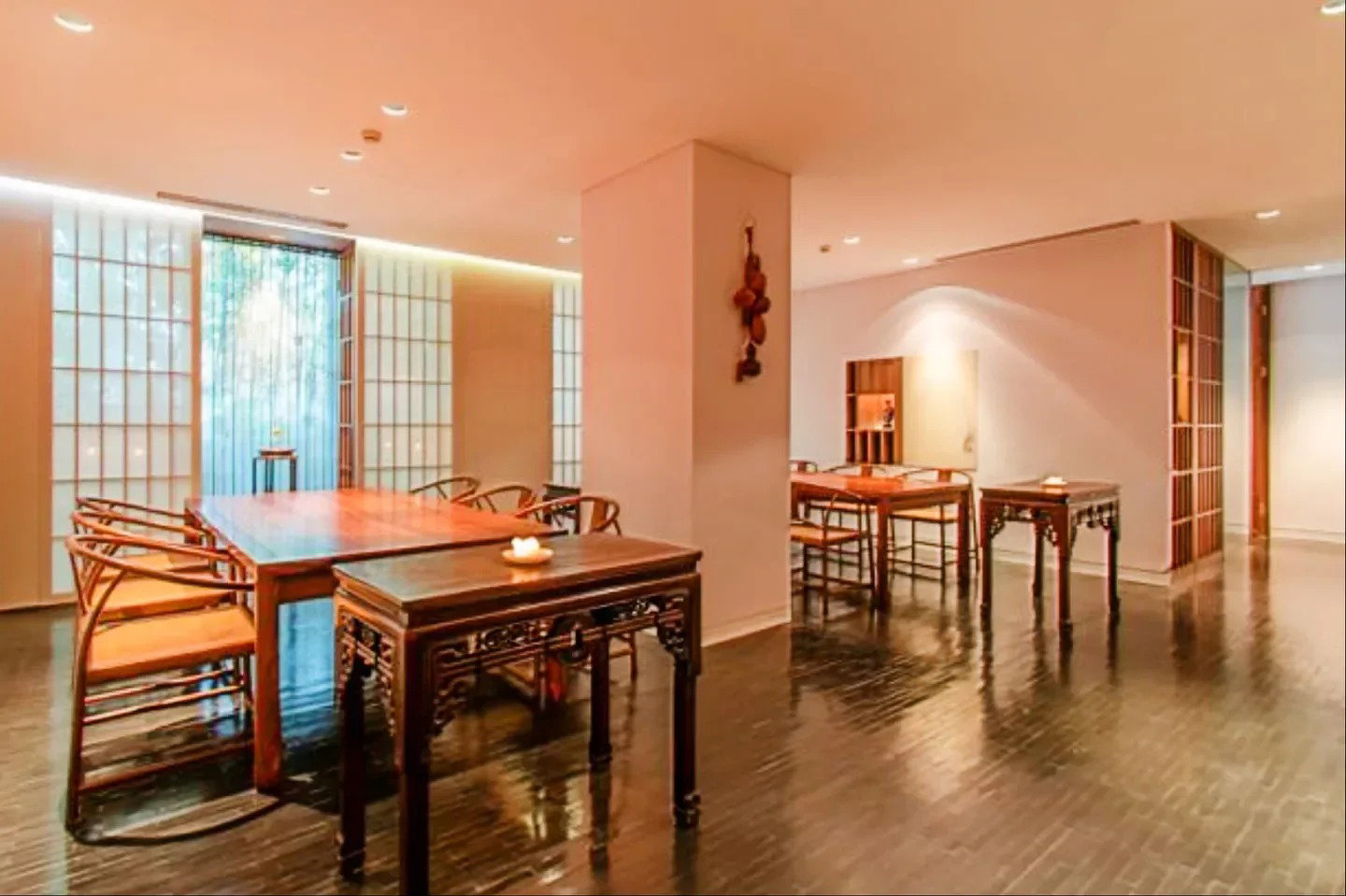
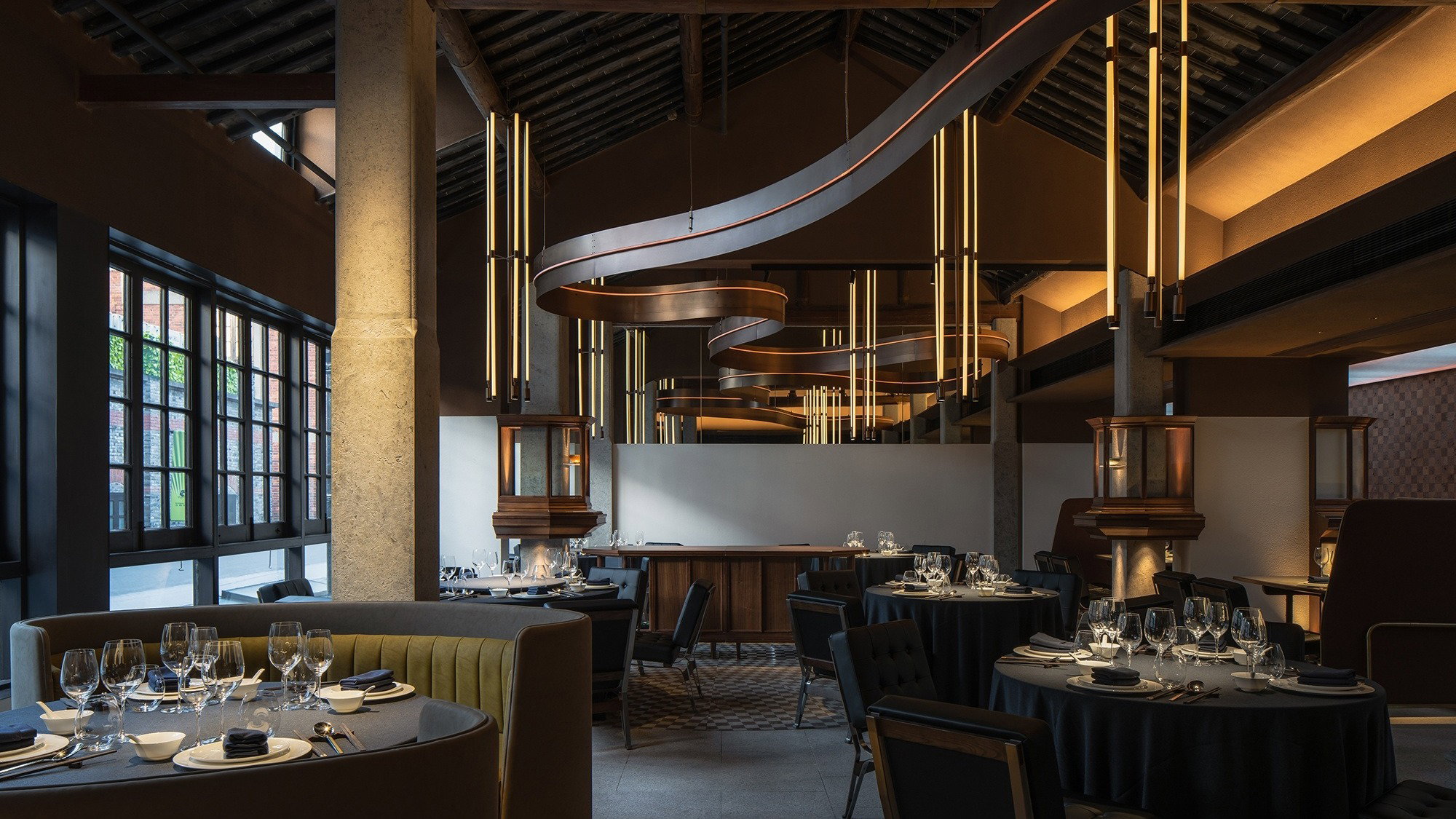
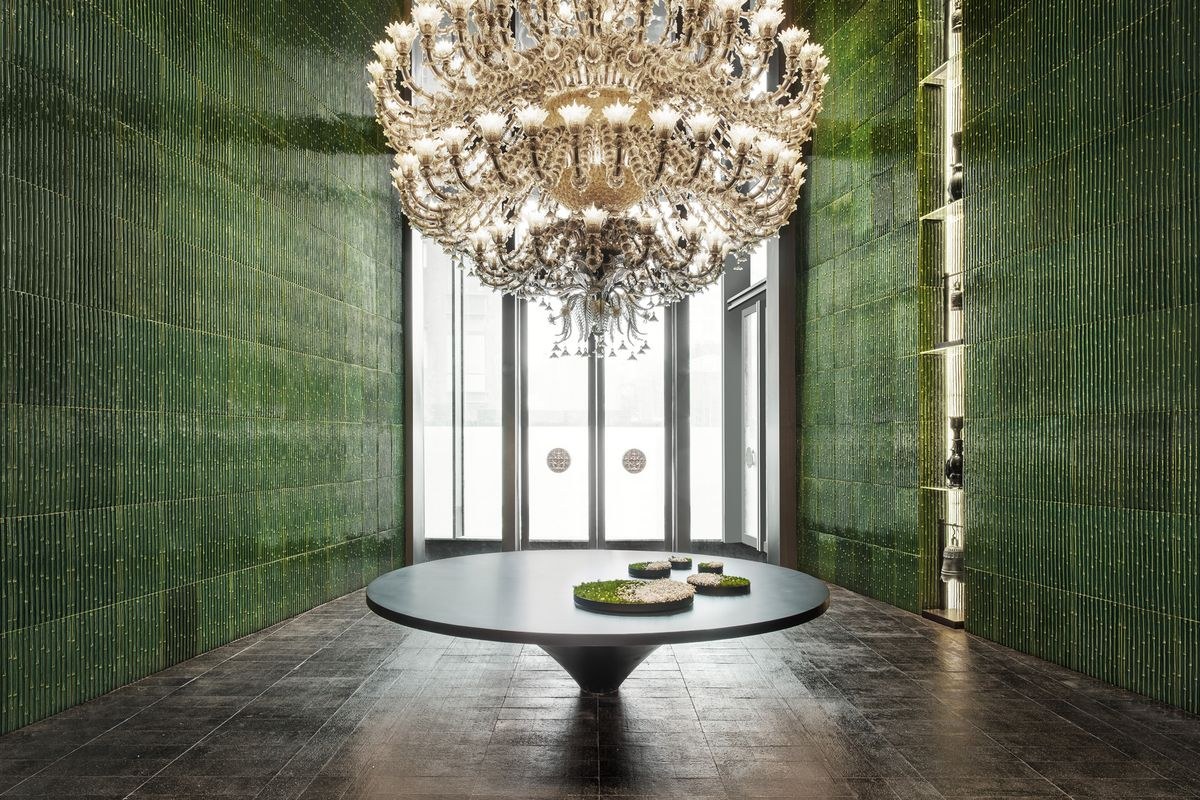
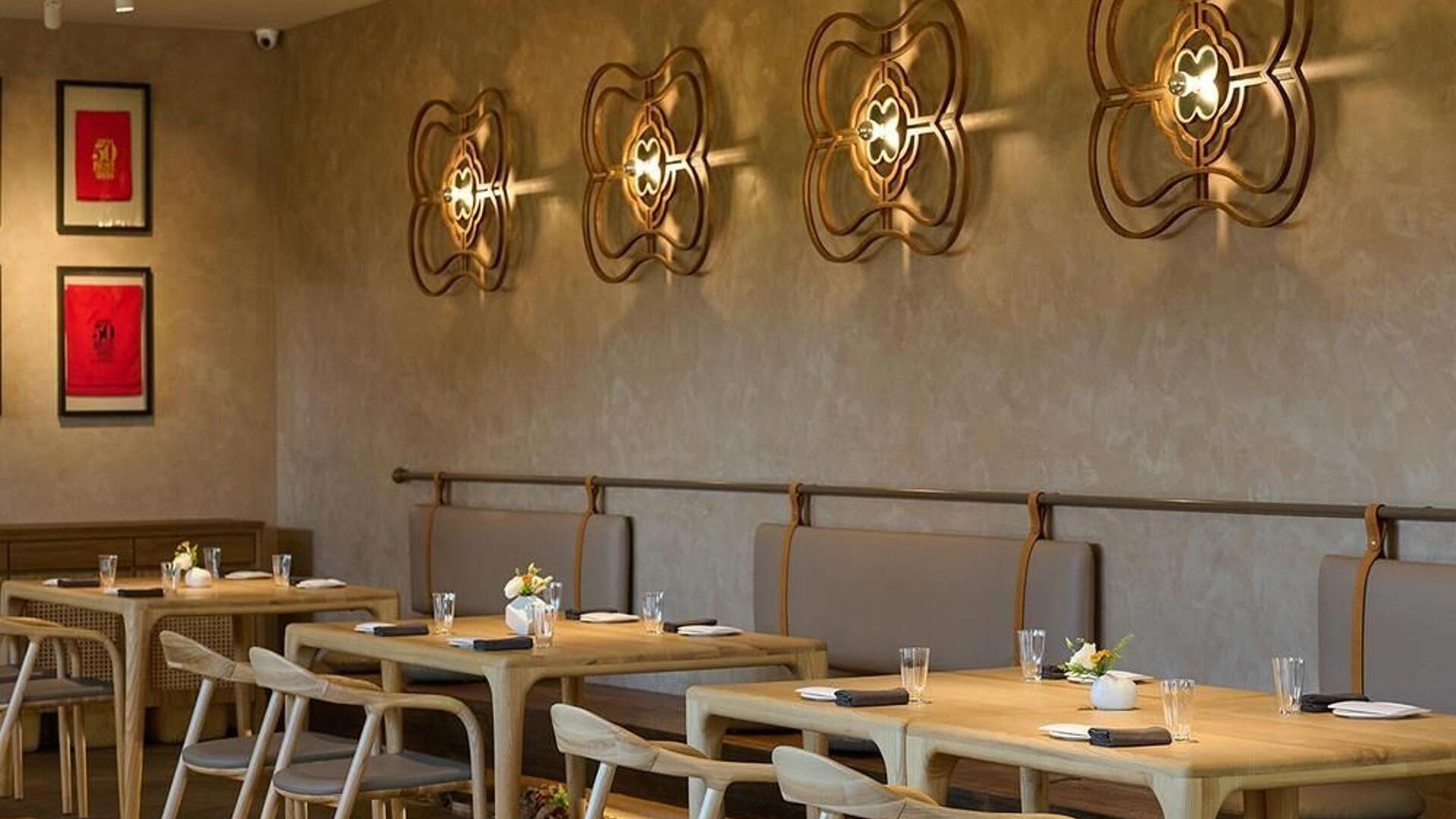
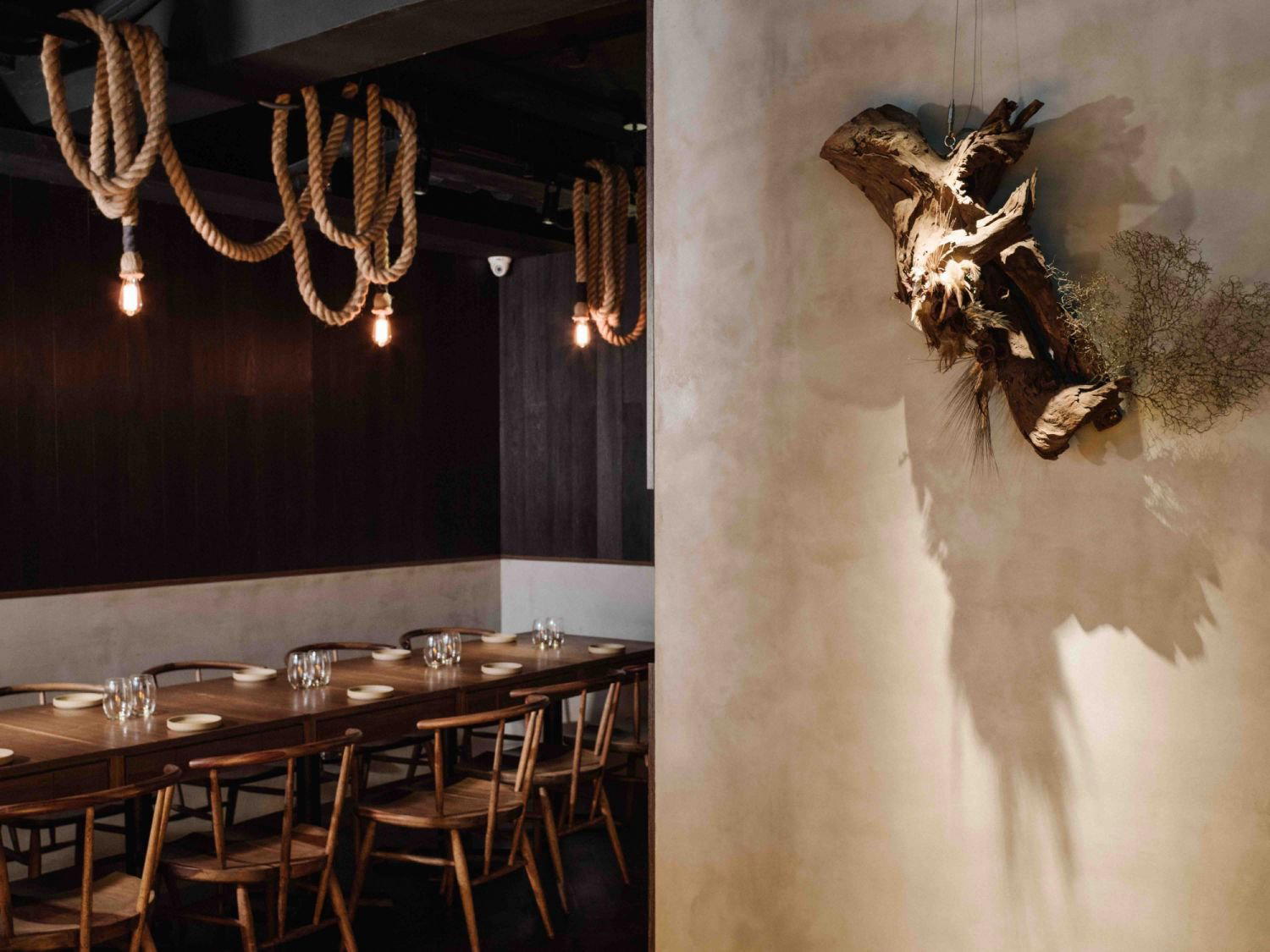
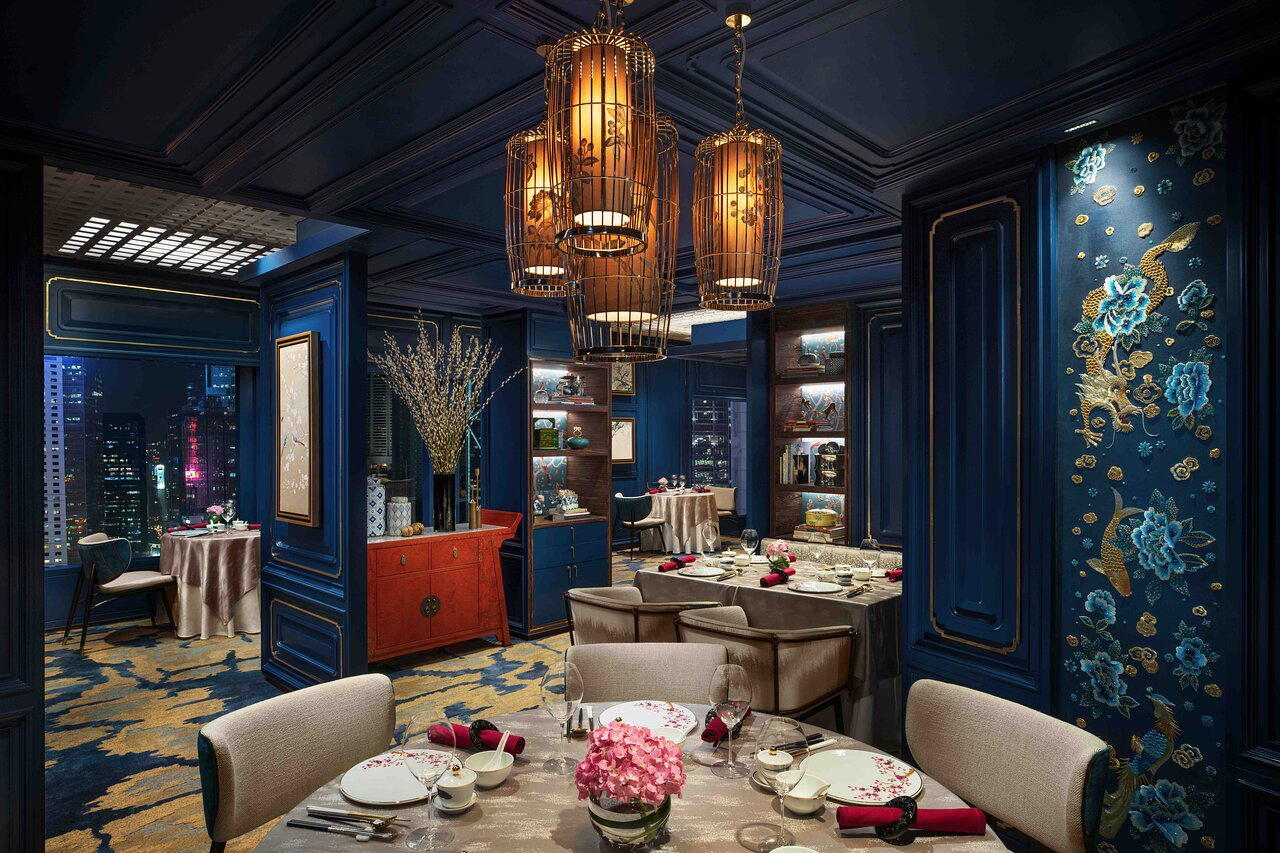
The dining room is described in award circuit notes as airy, which is accurate shorthand for a space that avoids the heavy formality of older Cantonese banquet halls. The layout reads as a considered dining room rather than a converted hotel ballroom, proportions that work for business lunches, celebratory family meals, and couples who want to eat seriously without a theatrical production around them. The spatial register is formal enough to signal that the kitchen takes the food seriously, but not so rigid that the room becomes a deterrent to returning frequently.
Service here is the factor that earns rather than undermines the ¥¥¥ price point. The experienced team handles a menu that crosses classic Cantonese technique with Shanghai-inflected dim sum, which requires genuine knowledge to explain and guide. At this price tier, service needs to do more than deliver plates correctly, it needs to help you order well. Based on the restaurant's award consistency across 2023, 2024, and 2025 (OAD Leading Restaurants in Asia across all three years, Michelin in 2024, Black Pearl in 2025), the kitchen and floor operation together maintain a standard that justifies the cost per head. That kind of multi-year, multi-body recognition does not happen at restaurants where service degrades after the first star.
What to order if you've been before
If this is a return visit, the award citations give specific direction: honey-glazed char siu pork and tofu skin beggar's purses are the standout dim sum pieces, and the baked-to-order puff pastry egg tarts are explicitly called out as a close. The Shanghainese touches on the dim sum are the reason to return rather than booking a more central Cantonese option. Classic Cantonese execution you can find at several addresses in Shanghai, the Shanghai-inflected dim sum variants here are a sharper differentiator. On a second or third visit, focus your ordering on the dim sum categories rather than defaulting to the broader Cantonese menu.
Practical details
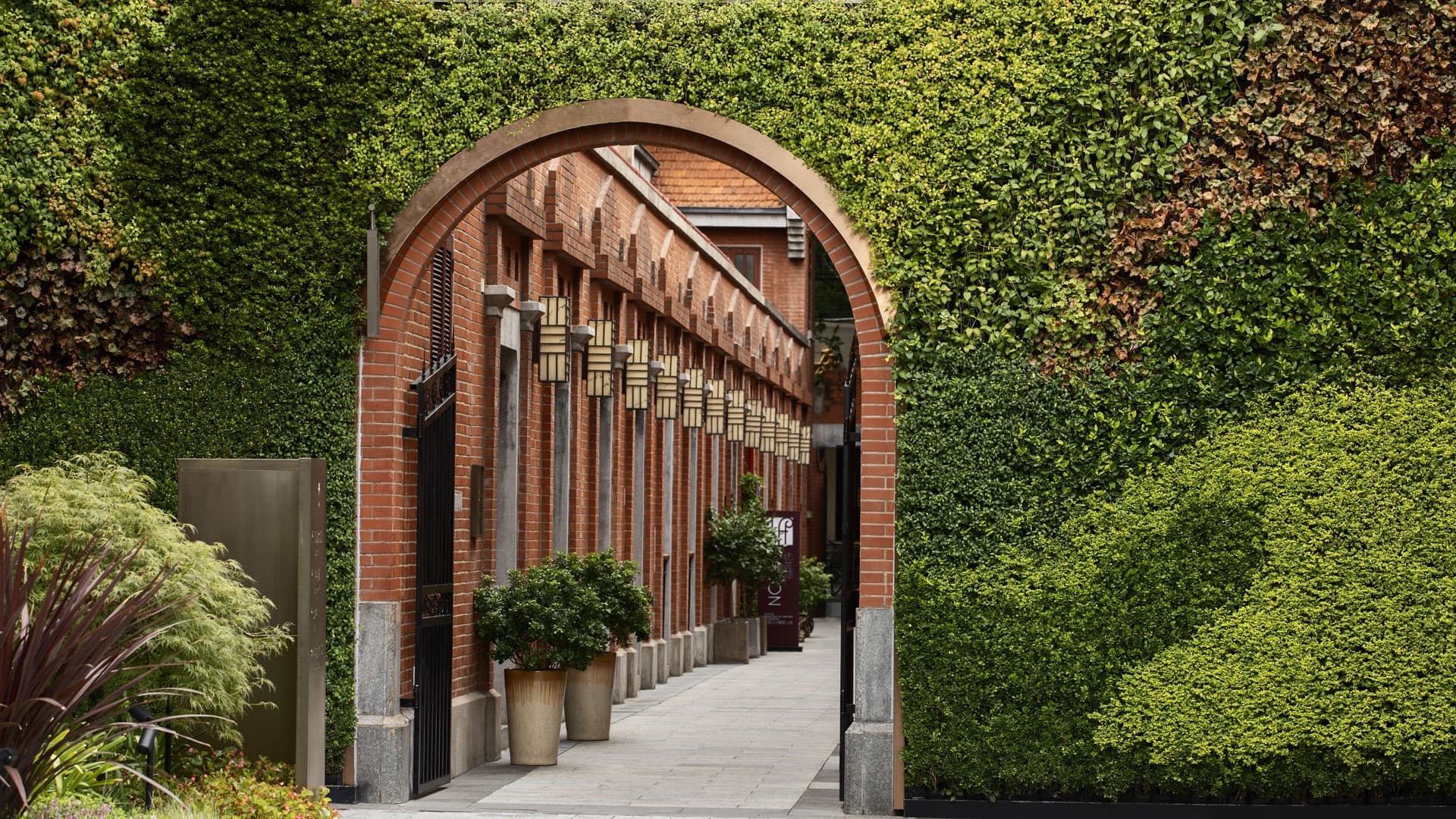
Ming Court is at 333 Shenhong Road, Minhang District, which puts it in the Hongqiao transport corridor, convenient for arrivals and departures via Hongqiao airport or Hongqiao Railway Station, and within reach of the Minhang business hotels. For visitors staying in Jing'an, the Bund area, or Lujiazui, build in travel time: Minhang is not a quick cross-city journey. The kitchen runs two sittings daily: lunch from 11:30 am (11 am weekends) to 2:30 pm, and dinner from 6 pm to 10 pm, seven days a week. Booking is hard, treat this like a Michelin booking anywhere in Asia and pursue it at least two to three weeks ahead.
How It Compares
Among Shanghai's serious Cantonese options, Ming Court competes directly with Royal China Club on price tier (both ¥¥¥) and cuisine category. Royal China Club sits in a more central location, which makes it an easier booking logistically for visitors based downtown, but Ming Court's Shanghainese dim sum inflection and its stronger award record across multiple bodies give it an edge on culinary interest. For Cantonese in Shanghai, Ming Court is the more rewarding room if you're willing to travel to Minhang.
If budget is a constraint, Yè Shanghai at ¥¥ covers Shanghai-style Chinese cooking at a lower price point and with easier availability. It is not a Cantonese comparison, but for travellers whose priority is local flavour over technique-focused dim sum, Yè Shanghai is the practical alternative. At the other end of the price scale, Fu He Hui at ¥¥¥¥ is the booking for vegetarian fine dining, a completely different category, but worth mentioning if you're travelling with mixed dietary requirements. For non-Chinese options at similar price points, both Scarpetta (Italian, ¥¥¥) and Polux (French, ¥¥) serve different purposes: Scarpetta if the group prefers Italian, Polux if you want the price to come down without sacrificing a credible kitchen.
Within the broader Cantonese circuit across China, Ming Court sits in good company. Forum in Hong Kong and Le Palais in Taipei represent the high end of the regional category; Ming Court's Michelin and Black Pearl credentials put it in a comparable tier for its city. If you are eating Cantonese seriously across a China trip, Ming Court is a worthwhile stop alongside Imperial Treasure Fine Chinese Cuisine in Guangzhou or Chef Tam's Seasons in Macau.
Other Shanghai restaurants worth knowing
For broader context on the Shanghai dining scene, see our full Shanghai restaurants guide. Other strong Cantonese and fine Chinese options in the city include Ji Pin Court, Imperial Treasure Fine Chinese Cuisine Shanghai, Bao Li Xuan, Canton 8 Huangpu, and 102 House. If you're planning a wider stay, our Shanghai hotels guide, bars guide, and experiences guide cover the rest of the city's key decisions. For Cantonese benchmarks beyond Shanghai, Xin Rong Ji in Beijing, Ru Yuan in Hangzhou, and Dai Yuet Heen in Nanjing are worth adding to a wider China itinerary alongside Xin Rong Ji in Chengdu. The Shanghai wineries guide is also available if wine is part of your planning.
Planning details
- Hours
- Monday: 11:30 am–2:30 pm, 6–10 pm · Tuesday: 11:30 am–2:30 pm, 6–10 pm
- Location
- 333 Shenhong Rd, Minhang District, Shanghai, China, 201106
- Reservations
- Book on the venue's website
- Website
- cordishotels.com/en/shanghai-hongqiao/restaurants-and-bars/ming-court
- Phone
- +86 21 5263 9999
The take
The Take
The Vibe
Ming Court presents itself in a quieter, more composed register than the bustling central Shanghai rooms. The dining space feels airy and deliberately restrained, a calm foil to the city’s denser hospitality corridors. The restaurant’s identity centers on technique and ingredient integrity rather than on a flashy address, and that focus shapes the room’s temperament: serious local diners set a steady tempo, and the atmosphere privileges clarity and refinement over theatricality. The result is a polished, classic Cantonese setting that reads as measured and considered rather than trendy or loud.
Best For
The restaurant is tailored to diners who value refined Cantonese technique and a steady, low-key atmosphere. It is especially well suited for business dinners and special occasions where calm service and a composed dining room matter, and its robust dim sum program makes it a natural pick for weekend or weekday brunch and lunch visits. Because the kitchen emphasizes classical repertoire delivered with institutional grounding, groups that want dependable, high-quality Cantonese cooking—rather than a tourist-oriented spectacle—will find Ming Court a reassuring choice.
Ordering Tips
Look to the kitchen’s classical Cantonese repertoire while remaining open to the local Shanghainese inflections the chef applies. The dim sum program is a highlight, so plan to sample small plates alongside signature items. Recommended dishes from the venue’s list include the honey-glazed chai siu pork, tofu-skin beggars’ purses, and puff-pastry egg tarts; these showcase the restaurant’s balance of technique and sweetness. Opt for a mix of steamed and pan-fried selections to experience the kitchen’s textural range, and pace the meal to appreciate the subtlety of the flavors.
Venue details
Ambiance
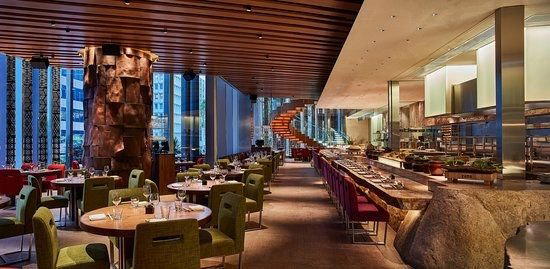
Airy dining room with large floor-to-ceiling windows creating a bright, luxurious, and sophisticated atmosphere.
Tags
Vibe
Best For
Experience
At the Table
- Dress Code
- Smart Casual
- Noise Level
- Conversational
- Service Style
- Formal
- Meal Pacing
- Leisurely
- Capacity
- Medium
- Kitchen
- Modern
- Menu Format
- A la carte
- Wine Program
- Curated
- Private Dining
- Available
Signature Dishes
- honey_glazed_chai_siu_pork
- tofu_skin_beggars_purses
- puff_pastry_egg_tarts
Know before you go
Know Before You Go
- Getting there
- 333 Shenhong Rd, Minhang District, Shanghai, China, 201106
Planning details
Hours
- Monday
- 11:30 am–2:30 pm, 6–10 pm
- Tuesday
- 11:30 am–2:30 pm, 6–10 pm
- Wednesday
- 11:30 am–2:30 pm, 6–10 pm
- Thursday
- 11:30 am–2:30 pm, 6–10 pm
- Friday
- 11:30 am–2:30 pm, 6–10 pm
- Saturday
- 11 am–3 pm, 6–10 pm
- Sunday
- 11 am–3 pm, 6–10 pm
Location
333 Shenhong Rd, Minhang District, Shanghai, China, 201106 · Directions
cordishotels.com/en/shanghai-hongqiao/restaurants-and-bars/ming-court

Also consider
Also Consider
- Fu He Hui, Vegetarian, ¥¥¥¥
- Polux, French, ¥¥
- Royal China Club, Chinese, Cantonese, ¥¥¥
- Scarpetta, Italian, ¥¥¥
- Yè Shanghai, Shanghainese, ¥¥
Restaurant context
Among Shanghai's serious Cantonese options, Ming Court competes directly with Royal China Club on both price tier (both ¥¥¥) and cuisine category. Royal China Club has the location advantage for guests staying downtown, and is the easier booking to justify logistically. But Ming Court's award consistency across Michelin, Black Pearl, and three OAD cycles gives it a stronger culinary case, particularly for its Shanghainese-inflected dim sum, which Royal China Club does not replicate. If you are choosing between the two on quality grounds, Ming Court wins; if you need a central location and a shorter commute, Royal China Club is the practical call.
At a lower price point, Yè Shanghai (¥¥) offers a very different proposition, Shanghainese cooking rather than Cantonese, with lighter commitment on price and availability. It is not a direct substitute for what Ming Court does, but for budget-conscious travellers who want local Shanghai flavour without the Minhang trip, Yè Shanghai is the sensible redirect. For groups with a non-Chinese preference at ¥¥¥, Scarpetta (Italian) is the alternative at the same price tier, and Polux (French, ¥¥) offers a step down in cost without a significant drop in kitchen credibility.
Fu He Hui (¥¥¥¥) sits in a separate category entirely, vegetarian fine dining at a higher price, but is worth noting for mixed groups where dietary requirements split the table. In that scenario, Fu He Hui is the safer group booking; Ming Court is the stronger choice when everyone at the table will eat Cantonese and wants to eat it seriously.
Explore Shanghai
Around this place
Discover more on Pearl
Unlock the full Ming Court guide in Pearl, including awards, comparisons, FAQs, planning details, and nearby places.
Compare Ming Court
| Venue | Cuisine | Price | Booking Difficulty | Awards |
|---|---|---|---|---|
| Ming Court | Cantonese | ¥¥¥ | Hard | 2025 OAD Top Restaurants in Asia Ranked · #1692025 Black Diamond 1 Diamond2025 Michelin 1 Star2024 OAD Top Restaurants in Asia Ranked · #1602024 Michelin 1 Star2023 OAD Top Restaurants in Asia Highly Recommended |
| Fu He Hui | Vegetarian | ¥¥¥¥ | Unknown | 2026 Asia's 50 Best Restaurants · #112026 OAD Top Restaurants in Asia Ranked · #562026 Black Pearl 2 DiamondMichelin Guide Shanghai Jiangsu Zhejiang 20262026 La Liste Top Restaurants2025 Asia's 50 Best Restaurants · #152025 OAD Top Restaurants in Asia Ranked · #592025 World's 50 Best Restaurants · #64We're Smart World Top Restaurants 2025 |
| Polux | French | ¥¥ | Unknown | 2026 OAD Casual in Asia Ranked · #101Michelin Guide Shanghai Jiangsu Zhejiang 20262025 OAD Casual in Asia Ranked · #782025 Michelin Bib Gourmand2024 OAD Casual in Asia Ranked · #652024 OAD Top Restaurants in Asia Ranked · #2632024 Michelin Bib Gourmand2023 OAD Top Restaurants in Asia Recommended |
| Royal China Club | Chinese, Cantonese | ¥¥¥ | Unknown | 2026 Michelin Plate2025 OAD Casual in Europe Ranked · #216The Good Food Guide 20252025 Michelin Plate2024 OAD Casual in Europe Ranked · #2142024 Michelin Plate2023 OAD Casual in Europe Highly Recommended |
| Scarpetta | Italian | ¥¥¥ | Unknown | Michelin Guide Shanghai Jiangsu Zhejiang 20262025 Wine Spectator Best of Award of Excellence2025 Michelin Plate2024 Michelin Plate |
| Yè Shanghai | Shanghainese | ¥¥ | Unknown | 2025 OAD Top Restaurants in Asia Ranked · #2092025 Michelin Plate2024 OAD Top Restaurants in Asia Ranked · #2162024 Michelin Plate2023 OAD Top Restaurants in Asia Highly Recommended |





.png?width=1200&quality=80)


A quick look at how Ming Court measures up.
FAQ
Frequently Asked Questions
What are alternatives to Ming Court in Shanghai?
Royal China Club is the closest like-for-like: same ¥¥¥ price tier, same Cantonese focus. Yè Shanghai is a strong alternative if you want Shanghai-Cantonese crossover in a more central location. For something outside the Cantonese category entirely, Fu He Hui offers vegetarian fine dining at a comparable price point and holds its own on the Shanghai award circuit.
Is Ming Court worth the price?
At ¥¥¥, Ming Court delivers Michelin 1 Star Cantonese cooking with a Shanghainese inflection — a combination that's harder to find than it sounds. The Black Pearl 1 Diamond (2025) and OAD Top 169 in Asia (2025) both back the quality claim. If you're near Hongqiao for a departure or arrival, the value case is straightforward: you're getting award-recognised dim sum without a detour into the city centre.
Is the tasting menu worth it at Ming Court?
The venue data doesn't confirm a tasting menu format — Ming Court's identity is built around Cantonese dim sum and à la carte, not a fixed tasting sequence. The cited standouts from award circuit notes are the honey-glazed char siu pork, tofu skin beggar's purses, and baked-to-order puff pastry egg tarts. If a set menu format is a requirement, confirm directly with the restaurant before booking.
Can I eat at the bar at Ming Court?
No bar seating is documented for Ming Court. The dining room is described in award notes as airy and spacious, which suggests a conventional table-service setup rather than a counter or bar option. If walk-in bar dining is what you're after, this isn't the format.
Is Ming Court good for solo dining?
Ming Court works for solo diners — dim sum is one of the more practical formats for eating alone, since dishes are ordered individually rather than built around sharing plates for two or more. The Minhang location and its proximity to Hongqiao airport also makes it a logical solo stop for travellers. Weekday lunch (11:30 am–2:30 pm) is likely the lower-pressure sitting for a solo table.