

Woo Lae Oak
Naengmyeon · Jongno-dong, Seoul
Restaurant in Seoul, South Korea
 Book with Pearl
The Read
Cold Noodle Tradition
Price
$30–50per person
Dress
Casual
Why go
Woo Lae Oak is Seoul's most credentialled entry point into pyeongyang-style naengmyeon, holding a Michelin Bib Gourmand (2025) and back-to-back Opinionated About Dining recognition in Asia. At ₩ pricing in Jung-gu, it delivers formally validated quality at a low per-head cost, making it an easy call for first-timers wanting a specialist cold noodle lunch without budget stress.
About Woo Lae Oak
Verdict
If you are visiting Seoul for the first time and want to understand why naengmyeon commands a devoted following in this city, Woo Lae Oak in Jung-gu is where to go. It holds a Michelin Bib Gourmand (2025) and back-to-back recognition on the Opinionated About Dining Leading Restaurants in Asia list (#394 in 2024, #418 in 2025), which tells you something useful: this is a specialist house with a consistent track record, not a tourist-facing generalist. At ₩ pricing, the value case is direct. Book it.
What to Expect
Woo Lae Oak has operated long enough to become a reference point for pyeongyang-style naengmyeon in Seoul. For a first-timer, the format is simpler than it looks. Naengmyeon is a cold buckwheat noodle dish, served either in a chilled broth (mul naengmyeon) or with a spicy sauce (bibim naengmyeon). The visual impression when the bowl arrives is distinctive: pale, slightly translucent noodles sitting low in a clear amber broth, topped with thin-sliced meat, half a boiled egg, and julienned cucumber and pear. The broth is the thing to pay attention to, and at Woo Lae Oak, the version served reflects the pyeongyang tradition, which tends toward a lighter, cleaner profile than Hamheung-style alternatives.
The address is 62-29 Changgyeonggung-ro, Jung-gu, placing it close to Changgyeonggung Palace. The neighbourhood carries some foot-traffic context: it is not a nightlife district, and the crowd skews toward locals who know exactly why they are here. That is useful calibration for a first-timer. Do not expect a buzzy room with cocktail service. Expect a direct dining hall where the product is the point.
Morning and Lunchtime Service
Naengmyeon restaurants in Seoul often do their most interesting business at lunch and, in some cases, from the morning hours. The dish is not restricted to dinner, and Woo Lae Oak's profile fits the kind of venue where the midday visit is the correct one. If you are planning a day around Changgyeonggung Palace or the surrounding area, a lunch stop here makes both geographical and culinary sense. The dish is cooling by design, which makes it particularly practical during Seoul's humid summer months. Arriving early in the service window tends to mean shorter waits and a quieter room, both advantages for a first-timer trying to read the menu without pressure.
Booking and Logistics
Know Before You Go
- Price tier: ₩ (budget-friendly, low per-head spend)
- Cuisine: Naengmyeon (specialist cold noodle house)
- Location: 62-29 Changgyeonggung-ro, Jung-gu, Seoul
- Awards: Michelin Bib Gourmand 2025; Opinionated About Dining Leading Restaurants in Asia #418 (2025), #394 (2024)
- Booking difficulty: Easy
- Ideal time to visit: Lunch or early afternoon; especially well-suited to Seoul's summer season
- First-timer tip: If you are unfamiliar with naengmyeon, mul (broth) is the lower-risk starting point before trying bibim (spicy sauce)
How Woo Lae Oak Fits the Seoul Naengmyeon Category
Seoul has a serious naengmyeon circuit. Jinmi Pyeongyang Naengmyeon and Jungin Myeonok are among the names that come up in the same conversations. Nampo Myeonok and Okdol Heyonok occupy similar specialist territory. What differentiates Woo Lae Oak is that its awards profile is more formally documented than most of its direct peers, which is useful external validation when you are making a first-time decision. Bongmilga offers a different register of Korean dining if you want to compare. For naengmyeon outside Seoul, 100.1.Pyeongnaeng in Busan and Buda Myeonoak in Busan are worth knowing if your itinerary extends south.
If your Seoul trip covers multiple meal types, the city's dining depth extends well beyond noodles. Our full Seoul restaurants guide covers the broader picture, and our Seoul hotels guide, bars guide, wineries guide, and experiences guide are available if you are building a full itinerary. For Korean dining beyond the capital, Mori in Busan, Double T Dining in Gangneung, and Doosoogobang in Suwon are worth considering depending on where you are travelling.
Who Should Book
Woo Lae Oak is the right call if you want a formally validated, low-cost introduction to one of Korea's most important noodle traditions. It is well-suited to solo diners, pairs, and small groups. The ₩ price tier means it works as a standalone lunch without distorting a travel budget. If you are on a longer Korea trip and also spending time in Inje County or Cheoin, Injegol and 에버리움펜션 offer regional comparisons. If you are passing through Incheon, Pool House is worth noting for a different meal type entirely. But for a first-timer in Seoul who wants to eat well at ₩ pricing with the confidence of documented awards, Woo Lae Oak is the cleaner decision over venues without equivalent external recognition in the same category.
How It Compares
Woo Lae Oak operates at a completely different price point and format than Seoul's ₩₩₩₩ contemporary Korean restaurants, so direct comparison requires some context. Against 7th Door, Solbam, Onjium, and Zero Complex, Woo Lae Oak is not competing on tasting-menu ambition or service formality. It is competing on category depth, value, and credential within a specialist format. If your Seoul dining budget is limited and you want at least one Michelin-recognised meal, Woo Lae Oak delivers that at ₩ pricing, which none of the ₩₩₩₩ venues can match on cost.
If you are deciding between Woo Lae Oak and L'Amitié (French, ₩₩₩), the question is whether you want a Korean specialist experience or a French-inflected one. L'Amitié sits at a higher price tier and serves a different genre entirely. Woo Lae Oak wins on value and on the specificity of what it does. For a multi-meal Seoul trip, the practical move is to use Woo Lae Oak for lunch on a day when you have a higher-spend dinner at one of the contemporary Korean addresses, rather than treating them as substitutes.
Planning details
- Hours
- Friday: 11:30 am–9 pm · Monday: Closed
- Location
- 62-29 Changgyeonggung-ro, Jung-gu, Seoul, 04546, South Korea
- Phone
- +82 2-2265-0151
The take
The Take
The Vibe
Woo Lae Oak reads like a neighborhood institution: an unflashy façade gives way to a kitchen and counter where ritual matters more than novelty. Regulars treat visits as standing appointments, and the room hums with the calm focus of diners who come for a reliably executed bowl. The restaurant foregrounds consistency, especially in its Pyongyang-style mul naengmyeon, so the mood is understated and workmanlike rather than theatrical. That quiet confidence, together with its long history and steady crowds, creates a historic, casual environment where the food and its familiar rhythms are the main attraction.
Best For
This is a dedicated weekday lunch destination for office workers and repeat customers who prize consistency. Woo Lae Oak is best for a purposeful midday meal when you want a classic mul naengmyeon experience. Michelin Bib Gourmand recognition and a large body of positive reviews also make it a dependable choice for visitors seeking a time-tested local specialty served with minimal fuss.
Ordering Tips
Start with the Pyongyang-style mul naengmyeon: the house is rooted in that tradition, with broth restraint and noodle tension as measures of success. Bibim naengmyeon is also listed among signature dishes if you prefer a spicier take. Consider bulgogi or yukhoe as companion items, both cited as signatures. Trust the kitchen’s consistency: regulars return to confirm the standard hasn’t slipped, so use the mul naengmyeon as your benchmark for balance rather than chasing novelty. The Bib Gourmand nod reinforces that simple preparations here are done well.
Venue details
Ambiance
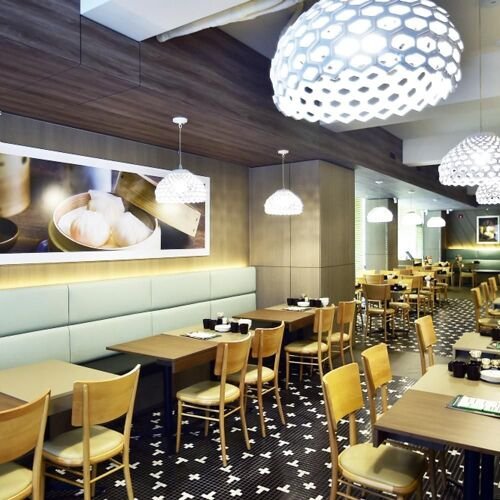
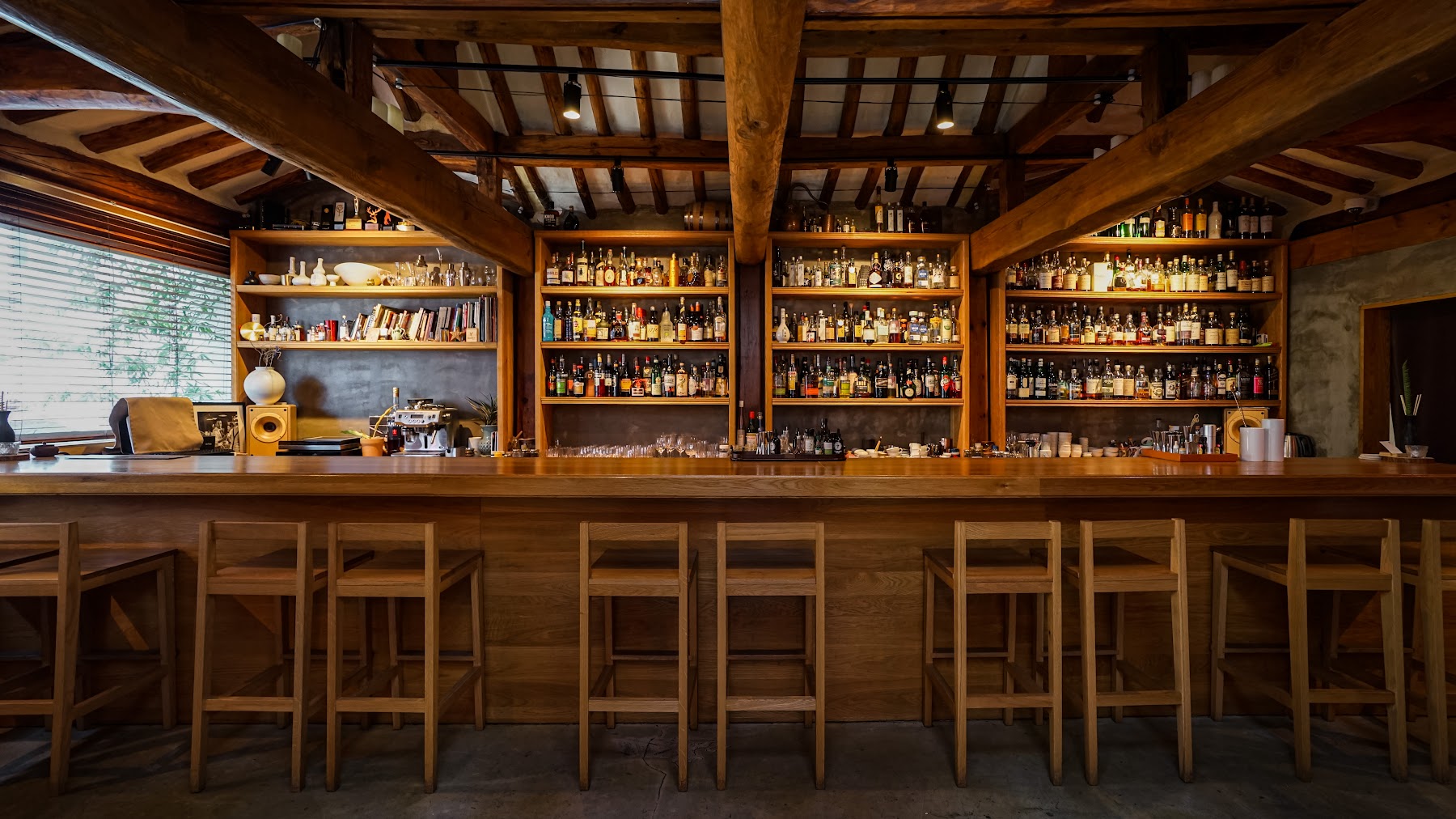
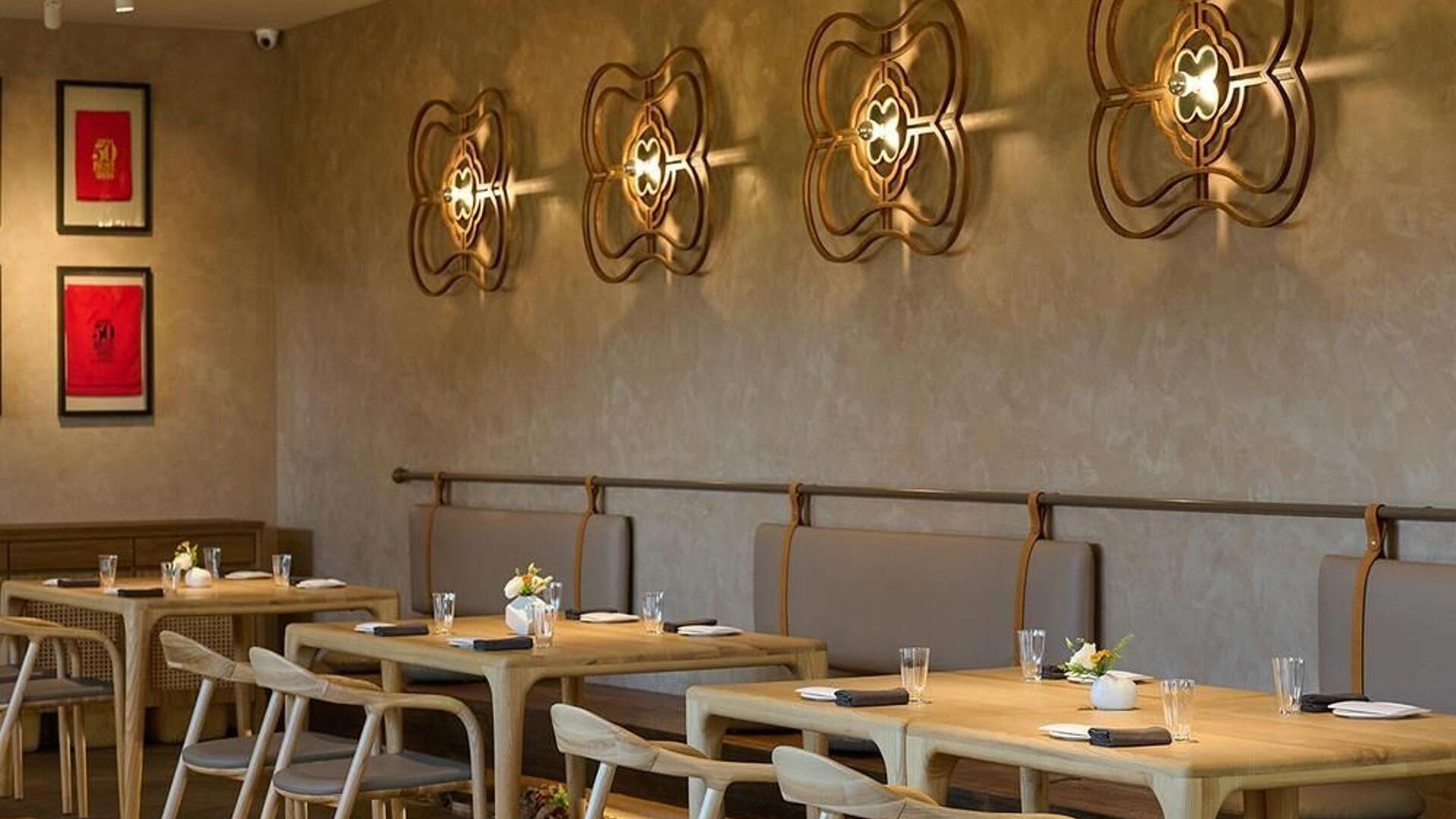
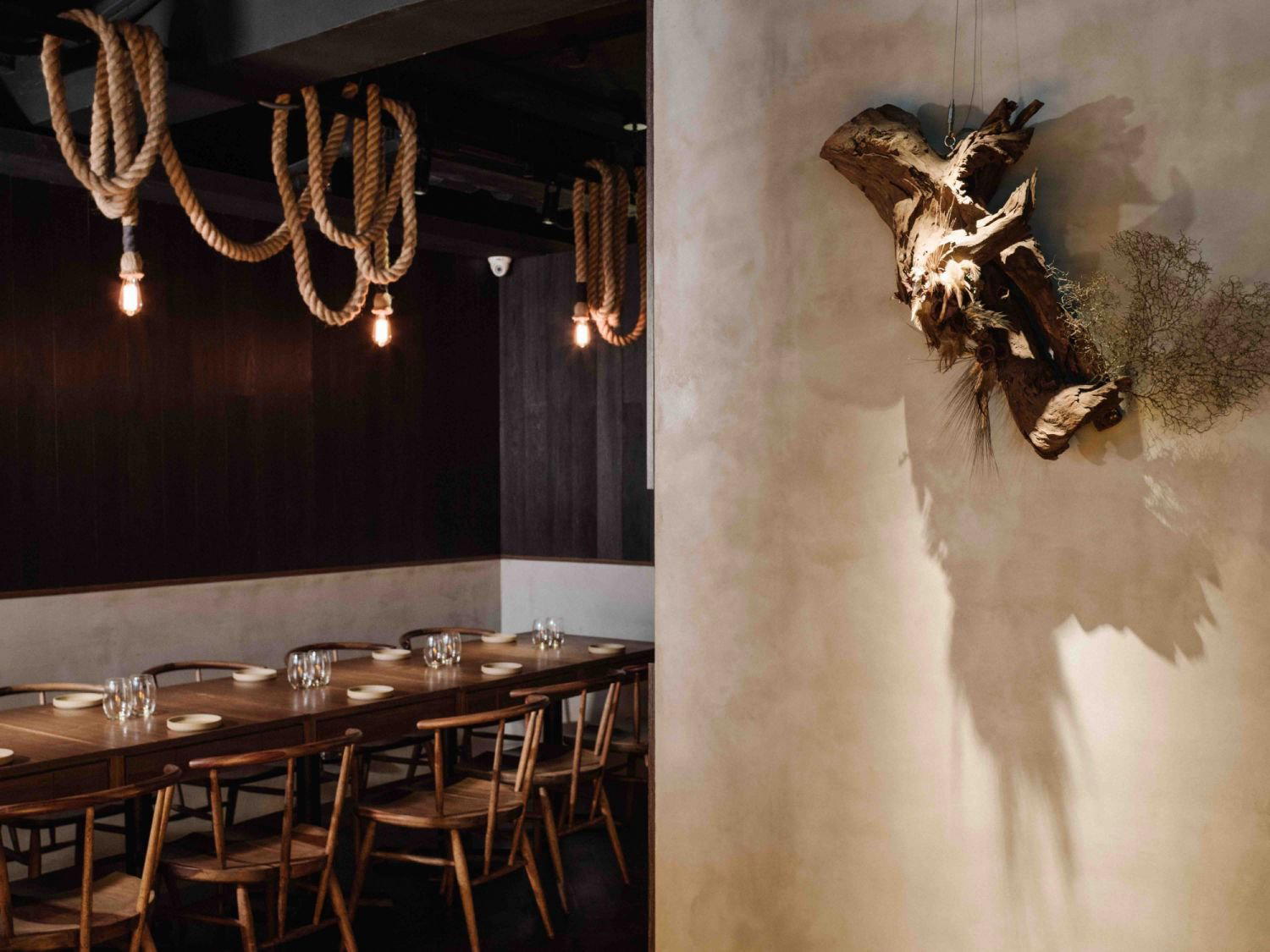
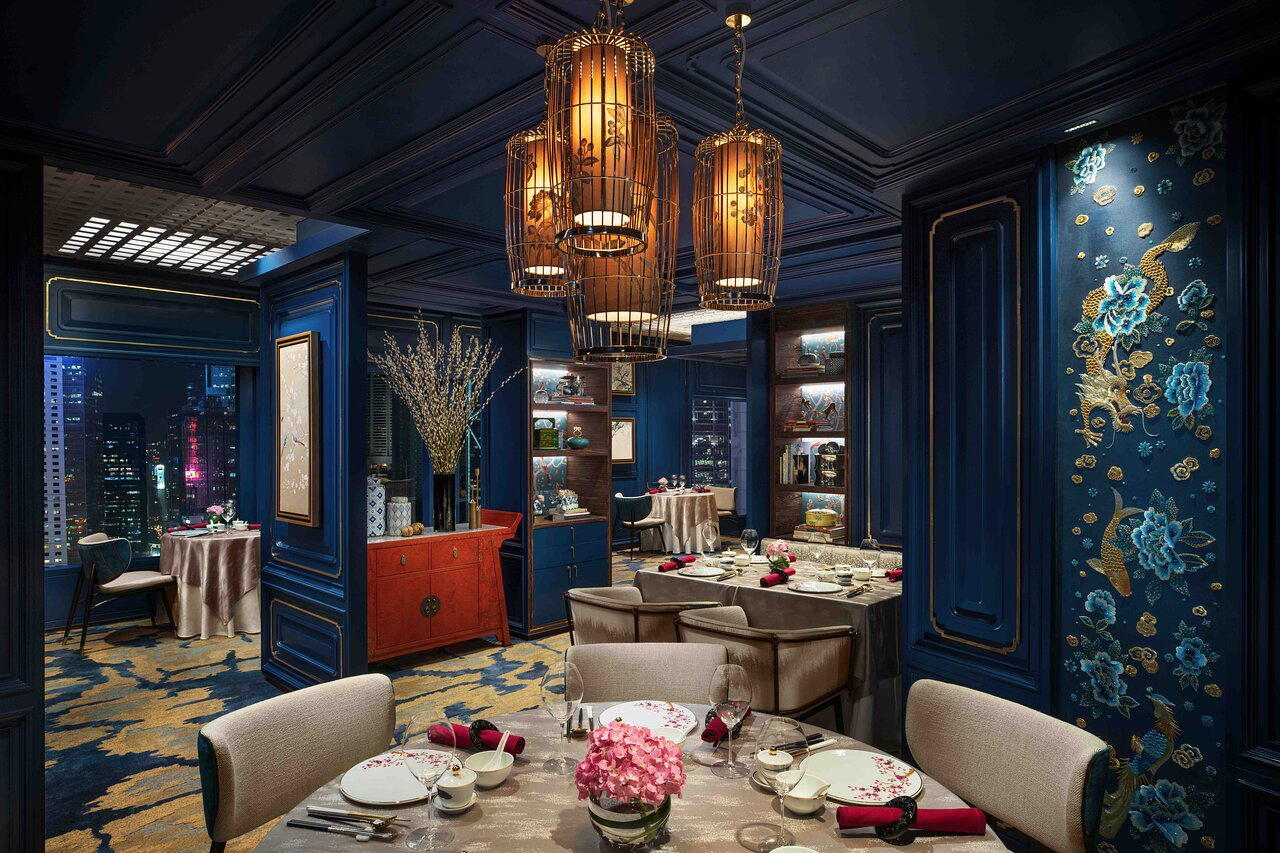
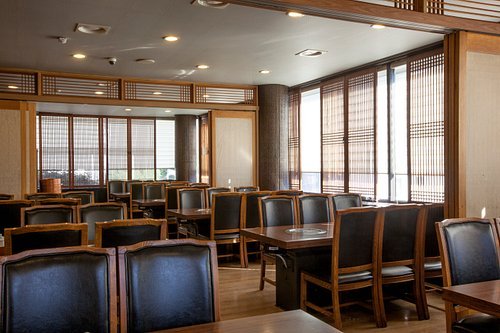
Old-school dining room with sunny-hued wooden tables and chairs, traditional Korean decor, two-story layout with private dining rooms, walls decorated with awards and commendations, bustling and packed with regulars.
Tags
Vibe
Best For
Experience
Sourcing
At the Table
- Dress Code
- Casual
- Noise Level
- Lively
- Service Style
- Upscale Casual
- Meal Pacing
- Standard
- Capacity
- Large
- Kitchen
- Traditional
- Menu Format
- A la carte, Family style
- Private Dining
- Available
Signature Dishes
- Pyongyang Naengmyeon (mul naengmyeon)
- Bibim Naengmyeon
- Bulgogi
- Yukhoe (beef tartare)
Know before you go
Know Before You Go
- Getting there
- 62-29 Changgyeonggung-ro, Jung-gu, Seoul, 04546, South Korea
Planning details
Hours
- Friday
- 11:30 am–9 pm
- Monday
- Closed
- Sunday
- 11:30 am–9 pm
- Tuesday
- 11:30 am–9 pm
- Saturday
- 11:30 am–9 pm
- Thursday
- 11:30 am–9 pm
- Wednesday
- 11:30 am–9 pm
Location
62-29 Changgyeonggung-ro, Jung-gu, Seoul, 04546, South Korea · Directions

Also consider
Also Consider
- 7th Door: Korean, Contemporary, ₩₩₩₩
- Solbam: Contemporary, ₩₩₩₩
- Onjium: Korean, ₩₩₩₩
- L'Amitié: French, ₩₩₩
- Zero Complex: Korean-French, Innovative, ₩₩₩₩
Restaurant context
Woo Lae Oak sits in a different tier entirely from Seoul's ₩₩₩₩ contemporary Korean restaurants. 7th Door, Solbam, Onjium, and Zero Complex all operate as higher-spend, multi-course experiences with more elaborate service formats. If you are comparing purely on value, Woo Lae Oak wins by design: Michelin Bib Gourmand recognition at ₩ pricing is a strong signal, and no ₩₩₩₩ venue in this peer set can match it on cost per validated meal. Book Woo Lae Oak if you want a credentialled lunch without a significant spend. Book the ₩₩₩₩ venues if your priority is a full tasting-menu evening.
L'Amitié (French, ₩₩₩) sits closer to the midpoint on price but serves a completely different genre. The choice between Woo Lae Oak and L'Amitié is not a close one for most Seoul first-timers: if you want to eat something specifically Korean, the naengmyeon specialist is the more direct answer. L'Amitié makes more sense if your Seoul agenda already includes several Korean meals and you want variety.
Within the naengmyeon category specifically, Woo Lae Oak's formal awards trail gives it an edge over peers that lack equivalent external recognition. For a first-timer making a single decision in the category, that documented track record is the practical reason to choose Woo Lae Oak over an unrecognised alternative at a similar price point. Booking is easy, the price is low, and the credential is real.
Explore Seoul
Around this place
Discover more on Pearl
Unlock the full Woo Lae Oak guide in Pearl, including awards, comparisons, FAQs, planning details, and nearby places.
Compare Woo Lae Oak
| Venue | Cuisine | Price | Awards | Booking Difficulty |
|---|---|---|---|---|
| Woo Lae Oak | Naengmyeon | ₩ | 2026 OAD Top Restaurants in Asia RecommendedMichelin Guide Seoul & Busan 20262025 OAD Top Restaurants in Asia Ranked · #4182025 Michelin Bib Gourmand2024 OAD Top Restaurants in Asia Ranked · #394 | Easy |
| 7th Door | Korean, Contemporary | ₩₩₩₩ | 2026 Asia's 50 Best Restaurants · #492026 OAD Top Restaurants in Asia Ranked · #842026 Black Pearl 1 DiamondMichelin Guide Seoul & Busan 20262026 La Liste Top Restaurants2025 Asia's 50 Best Restaurants · #232025 Michelin 1 Star2025 La Liste Top Restaurants2024 OAD Top Restaurants in Asia Ranked · #192 | Unknown |
| Solbam | Contemporary | ₩₩₩₩ | 2026 Asia's 50 Best Restaurants · #552026 Wine Spectator Best of Award of Excellence2026 OAD Top Restaurants in Asia RecommendedMichelin Guide Seoul & Busan 20262026 La Liste Top Restaurants2025 Asia's 50 Best Restaurants · #552025 OAD Top Restaurants in Asia Ranked · #277Tatler Best Restaurants Asia-Pacific 20252025 Wine Spectator Best of Award of Excellence | Unknown |
| Onjium | Korean | ₩₩₩₩ | 2026 Asia's 50 Best Restaurants · #142026 OAD Top Restaurants in Asia Ranked · #852026 La Liste Top RestaurantsMichelin Guide Seoul & Busan 20262026 Wine Spectator Best of Award of Excellence2025 Asia's 50 Best Restaurants · #102025 World's 50 Best Restaurants · #572025 OAD Top Restaurants in Asia Ranked · #1342025 La Liste Top Restaurants | Unknown |
| L'Amitié | French | ₩₩₩ | 2026 La Liste Top Restaurants2025 La Liste Top Restaurants2025 Michelin 1 Star2024 Michelin 1 Star | Unknown |
| Zero Complex | Korean-French, Innovative | ₩₩₩₩ | Star Wine Lists 20262026 OAD Top Restaurants in Asia Recommended2026 La Liste Top Restaurants2025 OAD Top Restaurants in Asia Ranked · #1992025 La Liste Top Restaurants2025 Michelin 1 Star2025 The Best Chef One Knife2024 OAD Top Restaurants in Asia Ranked · #2792024 Michelin 1 Star | Unknown |









Comparing your options in Seoul for this tier.
FAQ
Frequently Asked Questions
Is Woo Lae Oak worth the price?
Yes, straightforwardly. Woo Lae Oak carries a Michelin Bib Gourmand (2025) and an OAD Top Restaurants in Asia ranking, and it operates at the ₩ price tier: meaning you are getting formally validated quality at a price most Seoul lunch spots match. For naengmyeon specifically, there is no comparable value argument to make against it at this price point.
Can Woo Lae Oak accommodate groups?
Naengmyeon restaurants in Seoul generally work well for groups because the format is straightforward and ordering is fast. Woo Lae Oak's Jung-gu location has been a long-standing reference point in the category, which suggests a dining room sized for regular volume. Larger groups should arrive early or during off-peak hours to avoid a wait, as there is no reservations data in the public record to confirm advance booking.
Is Woo Lae Oak good for solo dining?
Yes. Solo dining fits naengmyeon venues well: the dish arrives as a self-contained bowl, the pace is quick, and there is no multi-course format requiring you to build a table order. At ₩ pricing, there is no financial penalty for coming alone, and a Bib Gourmand-rated bowl is worth the solo trip.
Does Woo Lae Oak handle dietary restrictions?
Naengmyeon as a category has a limited ingredient list, buckwheat or starch noodles, broth, and garnishes, but the broths are typically meat-based, which rules the dish out for vegetarians without modification.
What should I order at Woo Lae Oak?
Pyeongyang-style naengmyeon is the core reason to visit: mul naengmyeon (cold broth) is the reference dish in this style, and it is what Woo Lae Oak's OAD and Michelin recognition is built around. Bibim naengmyeon (spicy mixed) is the standard alternative if you prefer heat over the subtle broth version. Both arrive at ₩ pricing, so ordering one of each at the table costs less than a single dish at most Seoul ₩₩₩ restaurants.