
Muni
Japanese · 압구정동, Seoul
Restaurant in Seoul, South Korea
 Book with Pearl
The Read
Tradition-Grounded Counter Kaiseki
Dress
Smart Casual
Why go
Muni holds a Michelin star (2024) for its kaiseki-adjacent Japanese tasting menu in Cheongdam-dong. Chef Kim Dong-wook's seasonal cooking is backed by a serious sake program, he is a certified Kikisake-shi, making it one of the stronger choices for structured Japanese fine dining in Seoul at the ₩₩₩₩ tier. Book three to four weeks out minimum.
About Muni
A Michelin-starred kaiseki counter in Cheongdam-dong worth the difficulty of booking
Muni holds a single Michelin star (2024) and sits inside a back alley off Cheongdam-dong's main strip: one of Seoul's most polished dining neighbourhoods, where high prices do not always translate to memorable cooking. At the ₩₩₩₩ price tier, it earns its place on the shortlist for serious Japanese cuisine in Seoul, and for first-timers considering whether to commit: yes, book it, especially if a structured tasting format anchored by seasonal ingredients and sake is what you are after.
The Room
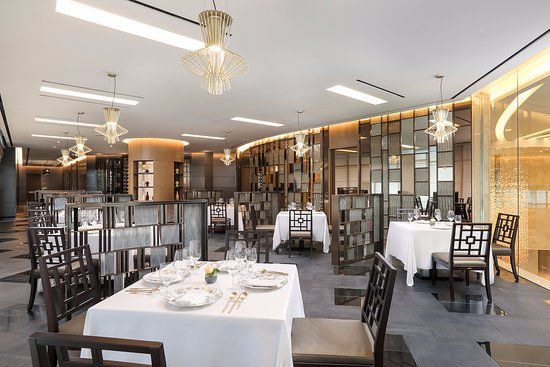
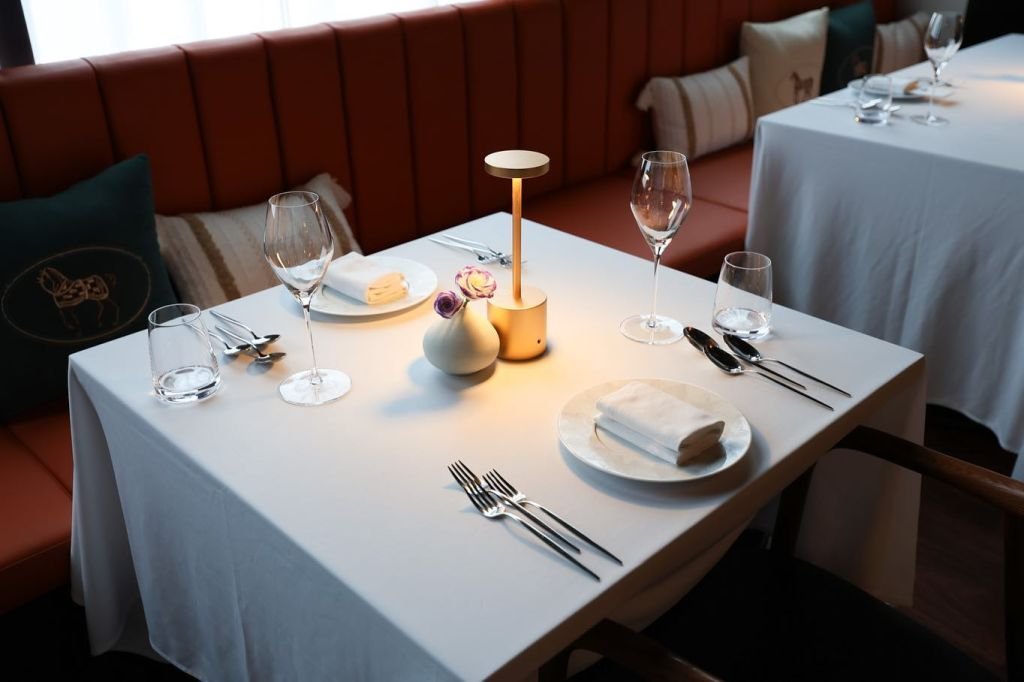
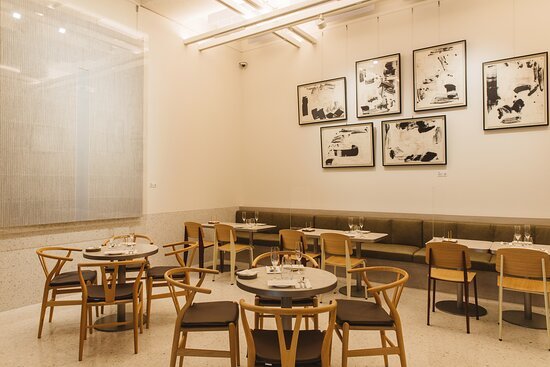
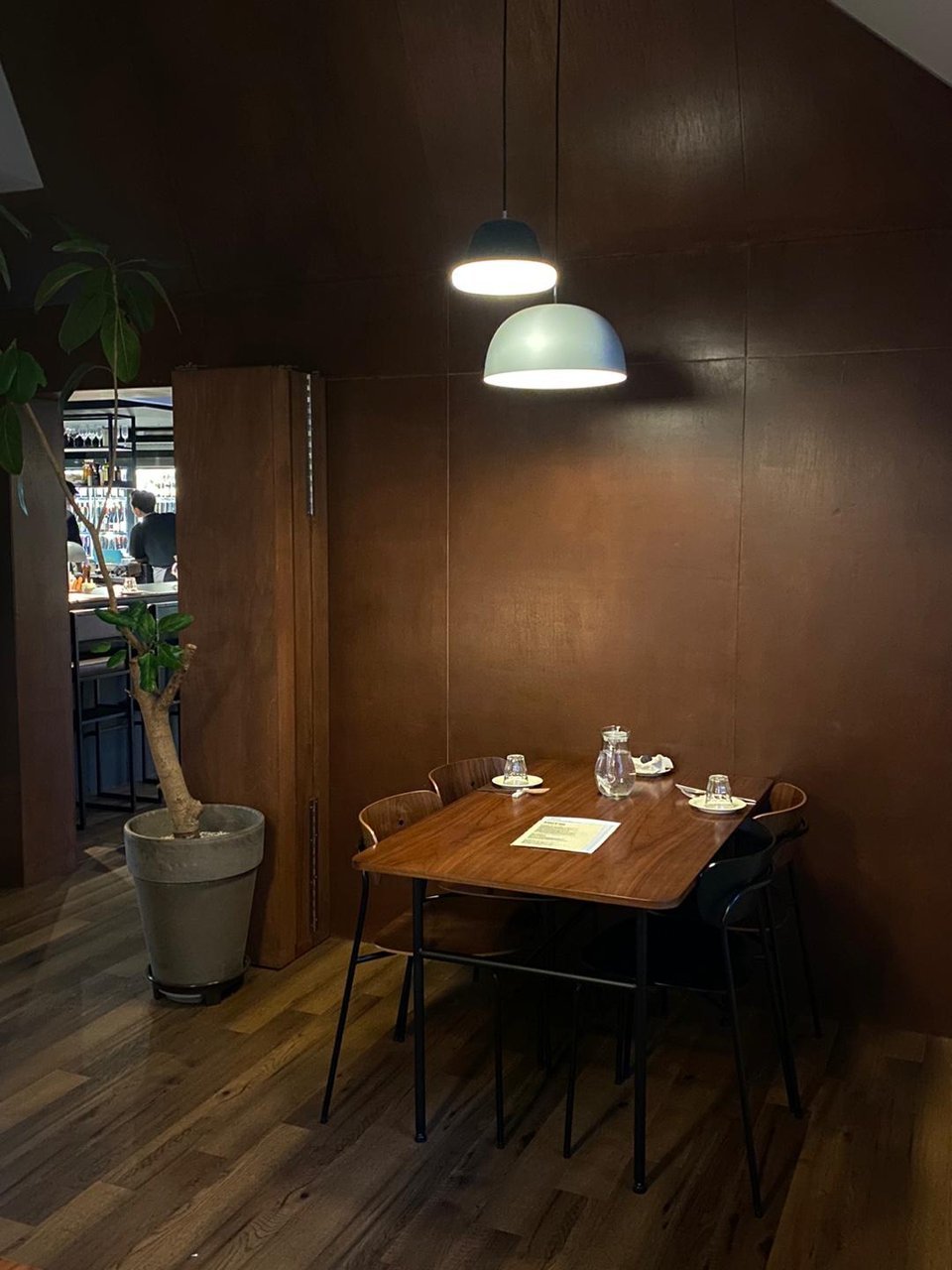
Muni is a small, counter-oriented space: the kind of intimate setup where the kitchen is the room. The layout puts you close to the preparation, which is part of the point: a kaiseki-adjacent experience at this level depends on proximity, on watching each course materialise before it arrives. There are no large tables competing for the chef's attention. First-timers should understand this is not a room for groups looking to spread out; it is calibrated for focused dining, quiet conversation, and sequential courses that reward attention. The physical restraint of the space reinforces the format.
The Tasting Experience
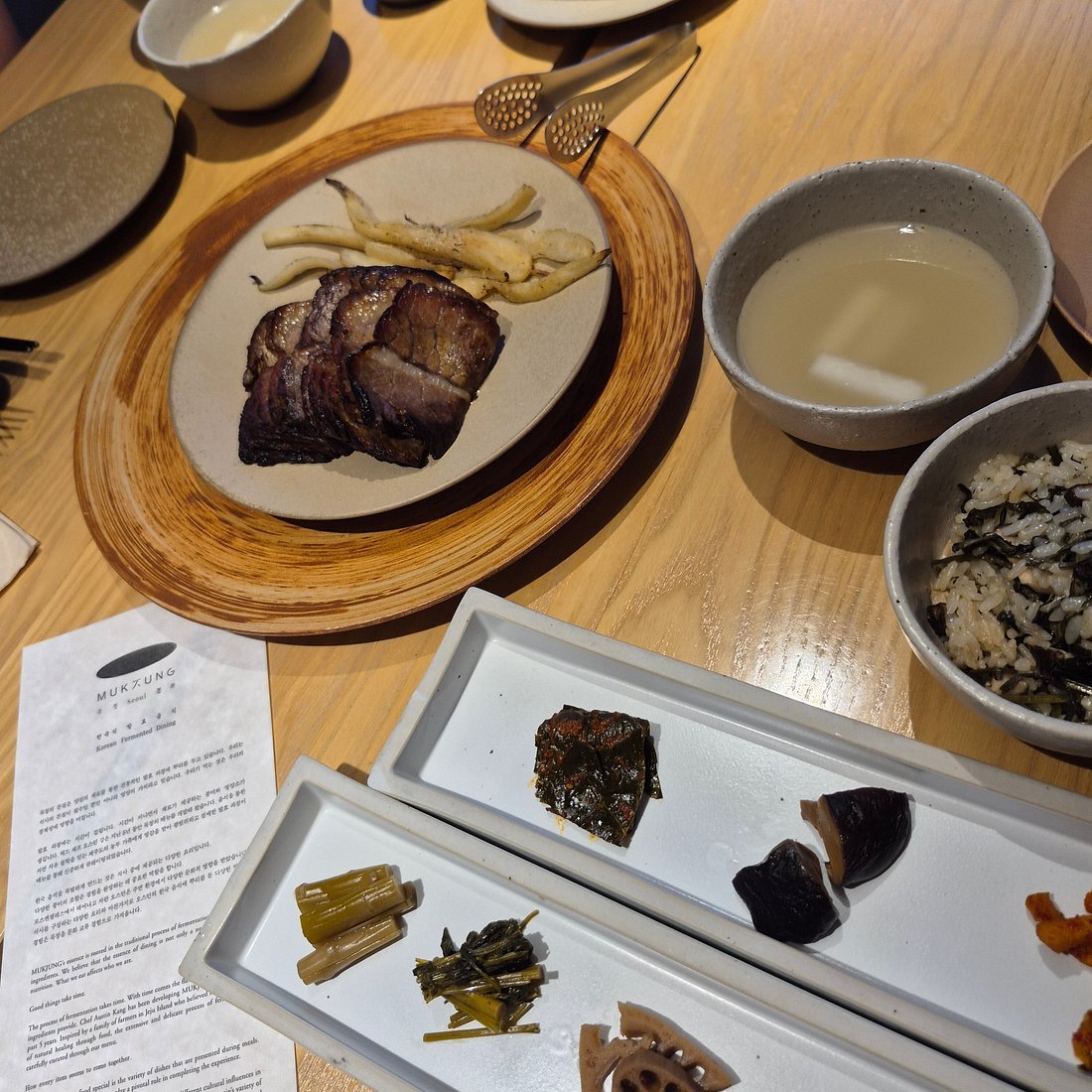
Chef Kim Dong-wook does not operate a textbook kaiseki menu, but his approach is grounded in the kaiseki framework: seasonal ingredients, careful presentation, and a course structure with a clear arc. The meal moves from lighter, more delicate preparations through to richer ones, following the logic that kaiseki menus use to build and then resolve tension across a sitting. For a first-timer, this means you should arrive unhurried and willing to follow the progression rather than picking at individual courses in isolation.
The sake program is a genuine differentiator here. Kim holds a Kikisake-shi certification, a formal qualification in sake evaluation and pairing, which is not common among Korean chefs working in the Japanese cuisine space. Ask for sake recommendations directly; this is one of the few Seoul restaurants where the pairing conversation at the table is substantively worth having rather than a formality. If sake is not your preference, the pairing still warrants a question: even knowing which courses a given sake was chosen for tells you something about how the menu is structured.
Seasonal ingredients anchor the menu, which means the experience in spring differs meaningfully from autumn. If you have the flexibility to time your visit, late autumn tends to be a strong period for Japanese-inflected seasonal cooking, when root vegetables, mushrooms, and richer preparations come into focus.
Booking and Timing
Muni is open Tuesday through Saturday from 6 PM to 10 PM, and is closed Sunday and Monday. There is no lunch service, which makes the dinner-or-nothing decision direct. Given the single Michelin star and the small capacity, reservations are hard to secure, plan at minimum three to four weeks ahead, and further if you have a fixed travel window. Walk-in availability at this level of Cheongdam-dong dining is not something to count on.
Reservations: Essential, book 3–4 weeks in advance minimum. Hours: Tuesday–Saturday, 6 PM–10 PM; closed Sunday and Monday. Budget: ₩₩₩₩, expect a high-end tasting menu price point comparable to other Michelin-starred counters in Gangnam. Address: 16 Dosan-daero 72-gil, Cheongdam-dong, Gangnam District, Seoul. Dress: Smart casual at minimum, the room's tone and price tier warrant it.
How It Compares
For Japanese-influenced fine dining in Seoul, Mitou, Kirameki, and Sanro are the closest comparators in format and price. Sobajuu offers a different Japanese register, soba-centred rather than kaiseki-adjacent. For a broader read on the Seoul dining scene, see our full Seoul restaurants guide, and if you are planning around a hotel base in Gangnam, our Seoul hotels guide covers the neighbourhood's leading options.
If you are comparing Muni against other Michelin-level experiences in South Korea more broadly, Mori in Busan and Double T Dining in Gangneung are worth knowing about for itinerary planning outside Seoul. For reference points in Tokyo, where similar kaiseki-adjacent Japanese counters operate, Myojaku and Azabu Kadowaki give useful context on what the format looks like at its most refined. For Seoul bars and experiences to build around a dinner at Muni, see our Seoul bars guide and our Seoul experiences guide.
Planning details
- Hours
- Monday: 6 PM-10 PM · Tuesday: 6 PM-10 PM
- Location
- 16 Dosan-daero 72-gil, Cheongdam-dong, Gangnam District, Seoul, South Korea
- Phone
- +82 2-511-1303
The take
The Take
The Vibe
Muni sits discreetly in a Cheongdam back alley and cultivates a quietly serious, classic counter atmosphere. The counter is a stage where the sequence of a meal unfolds course by course. The dining room runs a deliberate dinner-only rhythm, and the tone is formal and restrained rather than flashy. That focused choreography (knife work, plating and live engagement) creates a calm, exacting presence that rewards attentive diners seeking a refined, traditional Japanese counter experience in Gangnam.
Best For
This is a dinner-only counter best for intimate evening plans: date nights, special occasions and solo visits all fit the format. The restaurant operates six evenings a week with Sunday closed, and its Michelin recognition and ₩₩₩₩ positioning place it at the upper end of Cheongdam's counter scene. Guests come for the live, course-by-course engagement at the counter, where the kitchen’s discipline and repetition are part of the appeal. It’s less about spectacle and more about precision, making it suited to focused, reservation-led dinners.
Ordering Tips
Expect a multi-course, counter-led sequence: watching preparation and the meal take shape course by course is part of the experience. Because the format is the experience, plan for a formal, kaiseki-influenced progression and allow the kitchen to set the pace. The room is dinner-only (six evenings a week, Sunday closed), and Muni is in a neighborhood where counters are reservation-driven: book ahead and come prepared to engage with the chefs’ live service.
Venue details
Ambiance
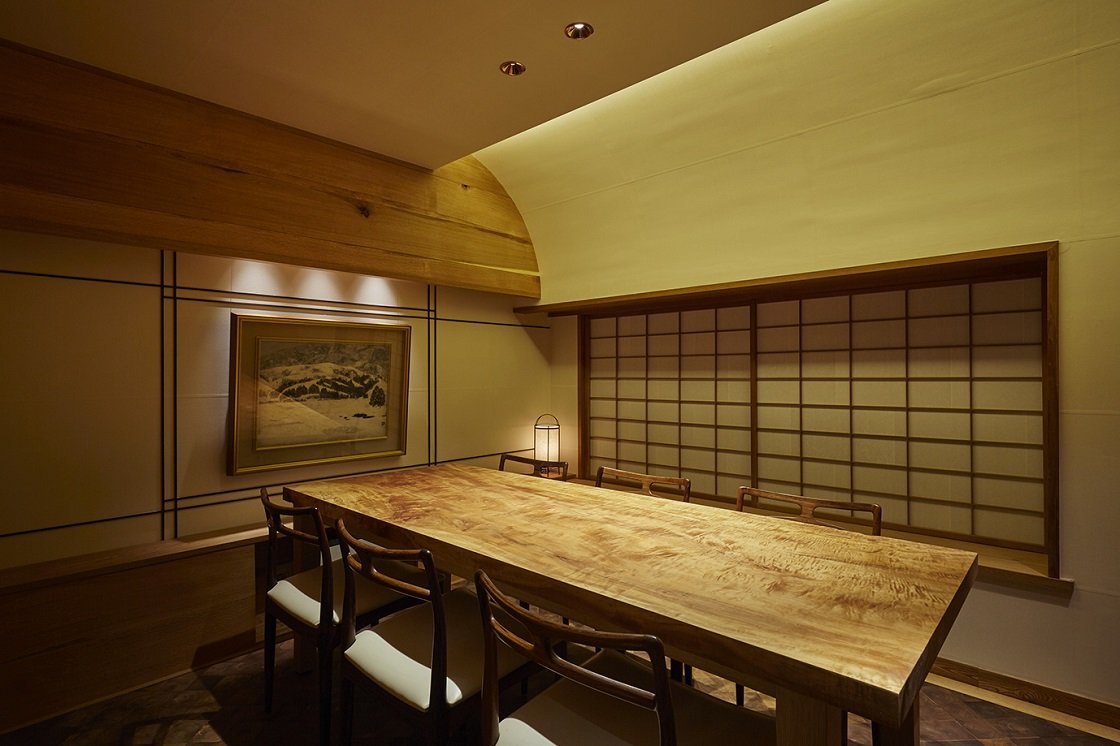
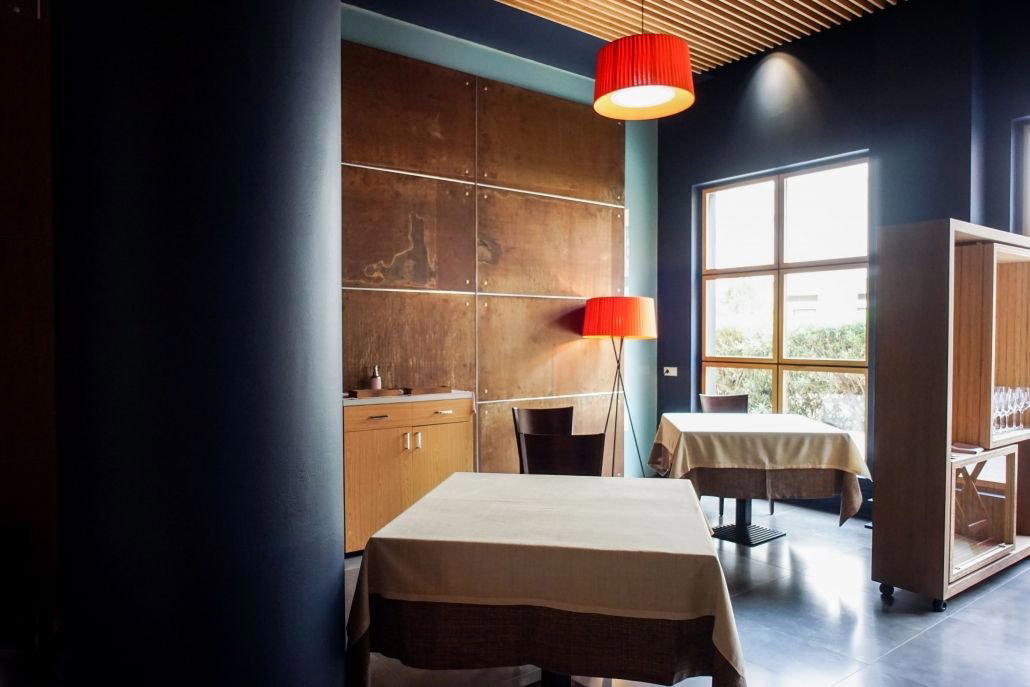
Minimalist design with understated entrance, long counter, open kitchen, and ceramics shelves creating a refined, hushed retreat.
Tags
Vibe
Best For
Experience
At the Table
- Dress Code
- Smart Casual
- Noise Level
- Quiet
- Service Style
- Upscale Casual
- Meal Pacing
- Leisurely
- Capacity
- Intimate
- Kitchen
- Seasonal
- Menu Format
- Omakase
Know before you go
Know Before You Go
- Getting there
- 16 Dosan-daero 72-gil, Cheongdam-dong, Gangnam District, Seoul, South Korea
Planning details
Hours
- Monday
- 6 PM-10 PM
- Tuesday
- 6 PM-10 PM
- Wednesday
- 6 PM-10 PM
- Thursday
- 6 PM-10 PM
- Friday
- 6 PM-10 PM
- Saturday
- 6 PM-10 PM
- Sunday
- closed
Location
16 Dosan-daero 72-gil, Cheongdam-dong, Gangnam District, Seoul, South Korea · Directions
Recognition and awards
Also consider
Also Consider
- 7th Door: Korean, Contemporary, ₩₩₩₩
- Solbam: Contemporary, ₩₩₩₩
- Onjium: Korean, ₩₩₩₩
- L'Amitié: French, ₩₩₩
- Zero Complex: Korean-French, Innovative, ₩₩₩₩
Restaurant context
At the ₩₩₩₩ tier in Seoul, Muni is the strongest choice if Japanese cuisine and a sake-focused tasting format are your priorities. It is the only venue in its immediate competitive set where the chef holds a formal sake qualification, which makes the pairing program substantively better than what you will find at most Korean fine-dining counters. If you want Korean cuisine instead, Onjium at the same price tier delivers a more historically grounded Korean tasting experience, while 7th Door takes a more contemporary approach to Korean ingredients and plating. Both are easier to compare directly against Muni on atmosphere than on cuisine, since the formats are broadly similar even if the cooking traditions differ.
For innovation at the ₩₩₩₩ level, Zero Complex (Korean-French) and Solbam (contemporary) offer more experimental menus for diners who find kaiseki-adjacent structure too restrained. Muni's 2024 Michelin star puts it on equal footing with these venues on formal recognition, so the decision comes down to cuisine preference rather than quality differential. If you are undecided between two of these options, book Muni for the sake program and Japanese precision; book Zero Complex if fusion and creative risk matter more to you.
The one step-down worth knowing: L'Amitié at ₩₩₩ offers a well-executed French tasting menu at a lower price point for diners who want the multi-course format without the ₩₩₩₩ commitment. It does not compete with Muni on Japanese cuisine or sake, but it is a practical alternative if budget is a factor and you still want a considered, progressive dinner in Seoul.
Explore Seoul
Around this place
Discover more on Pearl
Unlock the full Muni guide in Pearl, including awards, comparisons, FAQs, planning details, and nearby places.
Compare Muni
| Venue | Price | Awards |
|---|---|---|
| Muni | ₩₩₩₩ | Michelin Guide Seoul & Busan 20262025 Michelin 1 Star2024 Michelin 1 Star |
| 7th Door | ₩₩₩₩ | 2026 Asia's 50 Best Restaurants · #492026 OAD Top Restaurants in Asia Ranked · #842026 Black Pearl 1 DiamondMichelin Guide Seoul & Busan 20262026 La Liste Top Restaurants2025 Asia's 50 Best Restaurants · #232025 Michelin 1 Star2025 La Liste Top Restaurants2024 OAD Top Restaurants in Asia Ranked · #192 |
| Solbam | ₩₩₩₩ | 2026 Asia's 50 Best Restaurants · #552026 Wine Spectator Best of Award of Excellence2026 OAD Top Restaurants in Asia RecommendedMichelin Guide Seoul & Busan 20262026 La Liste Top Restaurants2025 Asia's 50 Best Restaurants · #552025 OAD Top Restaurants in Asia Ranked · #277Tatler Best Restaurants Asia-Pacific 20252025 Wine Spectator Best of Award of Excellence |
| Onjium | ₩₩₩₩ | 2026 Asia's 50 Best Restaurants · #142026 OAD Top Restaurants in Asia Ranked · #852026 La Liste Top RestaurantsMichelin Guide Seoul & Busan 20262026 Wine Spectator Best of Award of Excellence2025 Asia's 50 Best Restaurants · #102025 World's 50 Best Restaurants · #572025 OAD Top Restaurants in Asia Ranked · #1342025 La Liste Top Restaurants |
| L'Amitié | ₩₩₩ | 2026 La Liste Top Restaurants2025 La Liste Top Restaurants2025 Michelin 1 Star2024 Michelin 1 Star |
| Zero Complex | ₩₩₩₩ | Star Wine Lists 20262026 OAD Top Restaurants in Asia Recommended2026 La Liste Top Restaurants2025 OAD Top Restaurants in Asia Ranked · #1992025 La Liste Top Restaurants2025 Michelin 1 Star2025 The Best Chef One Knife2024 OAD Top Restaurants in Asia Ranked · #2792024 Michelin 1 Star |








How Muni stacks up against the competition.
FAQ
Frequently Asked Questions
Is Muni good for a special occasion?
Yes: a Michelin-starred counter in Cheongdam-dong with a kaiseki-influenced format is exactly the kind of setting that justifies a special occasion. The intimate, counter-oriented room puts you close to the chef's work, which makes the meal feel deliberate rather than performative. At ₩₩₩₩ pricing, this is a significant spend, so come with expectations calibrated to a seasonal, Japanese-influenced tasting format rather than à la carte flexibility.
Can Muni accommodate groups?
Muni is a small counter-oriented space, so large group bookings are unlikely to work. Parties of two are the natural fit here; anything beyond four should look elsewhere. For group dining with comparable polish in Seoul, Onjium or L'Amitié offer formats better suited to shared-table dynamics.
What should I order at Muni?
Muni operates on a set seasonal menu grounded in kaiseki principles, so ordering decisions are limited: the kitchen drives the progression. The one active choice worth making: ask Chef Kim Dong-wook for a sake pairing recommendation. He holds a Kikisake-shi (certified sake sommelier) qualification, and that credential is rare enough in Seoul that skipping the sake guidance would be a missed opportunity.
What should a first-timer know about Muni?
Muni is dinner-only, closed Sundays, and sits in a back alley off Cheongdam-dong's main strip: build in navigation time. The format is set-menu kaiseki-influenced, not à la carte, so come prepared to follow the chef's sequence rather than customise. Booking difficulty is real given the counter's size and Michelin star status; plan well in advance. Chef Kim trained extensively in Japan before opening Muni, so the Japanese culinary framework is intentional, not decorative.
What are alternatives to Muni in Seoul?
For Japanese-influenced fine dining in a similar price range, Mitou and Kirameki are the closest format comparators in Seoul. If you want Korean haute cuisine at a comparable tier, Onjium is the stronger call. Zero Complex offers a different register entirely: more contemporary and less traditionally structured. L'Amitié shifts to French fine dining but sits in the same Cheongdam-dong neighbourhood and price bracket.
Is lunch or dinner better at Muni?
There is no lunch at Muni: service runs Tuesday through Saturday, 6 PM to 10 PM only. Dinner is the only option, which also means Sunday and Monday are out. If your schedule doesn't fit those evening windows, Muni isn't a viable booking regardless of how appealing it looks on paper.