


Gigas
Mediterranean Cuisine · 소공동, Seoul
Restaurant in Seoul, South Korea
 Book with Pearl
The Read
Farm-Rooted Mediterranean
Price
$100–150per person
Dress
Smart Casual
Why go
Gigas holds a Michelin star and a 3-Radish We're Smart award for genuinely vegetable-forward Mediterranean cuisine: a rare combination in Seoul. Priced at ₩₩₩, it sits below most comparable tasting-menu restaurants in the city while delivering a more conceptually distinct experience. Book four to six weeks out and come with serious food interest.
About Gigas
Who Should Book Gigas, and When
Gigas is the right call for food and wine enthusiasts who want something genuinely different from Seoul's dominant tasting-menu playbook. If your group has already worked through the Korean fine-dining circuit Mingles, Jungsik, Kwonsooksoo, and you want a meal built around organic vegetables and Mediterranean technique rather than Korean tradition, Gigas earns serious consideration. It holds a Michelin star (2024) and a 3-Radish award from the We're Smart Green Guide, which is the most credible international credential for vegetable-forward fine dining. That combination is rare in Seoul and makes Gigas a specific, evidence-backed recommendation rather than a novelty pick.
Timing matters here. Because Gigas draws from a family-run organic farm to supply its kitchen, the menu will track seasonal availability more closely than at restaurants relying on commercial suppliers. Spring and early autumn are the periods when Korean farm produce is at its most varied, and that is when the menu is likely to carry the most range. If you are visiting Seoul between March and May or September and October, Gigas should be higher on your list than at other times of year. Midweek evenings tend to give you the quietest room and the most attentive service at Michelin-level restaurants across Seoul; that general pattern applies here.
What Gigas Is Doing
The concept at Gigas is specific: Mediterranean cuisine executed in Seoul using organic produce grown on Chef Jung Hawan's family farm. That framing matters because it explains why the restaurant's identity is coherent rather than eclectic. Mediterranean cooking, with its emphasis on olive oil, grains, legumes, and vegetables as primary rather than supporting ingredients, maps well onto a kitchen that is genuinely trying to make vegetables the focal point of the plate. The We're Smart recognition confirms that this is not a marketing claim. The 3-Radish rating places Gigas in a small international group of restaurants where plant-based ingredients drive the menu at a fine-dining level.
What makes this harder to execute than it sounds is the ingredient sourcing challenge. Authentic Mediterranean ingredients are not widely available in Korea, and the chef works around this by leaning on the organic farm supply and applying Mediterranean technique to what is actually grown and available. The result, according to the We're Smart citation, is cuisine with authenticity and directional clarity, not a fusion exercise or a loosely themed menu, but a genuine commitment to a culinary tradition applied to a Korean sourcing reality. For the explorer-type diner, that tension between place, technique, and ingredient origin is part of what makes a meal here worth the trip.
The Wine Angle
Specific bottle recommendations are not possible. However, if the wine program reflects the same sourcing philosophy as the kitchen, and at a Michelin-starred restaurant with a clear conceptual identity, that is a reasonable expectation, then the wine pairing option is worth taking rather than ordering by the glass. For visitors with serious wine interest, it is worth asking about the pairing menu when booking, because the Mediterranean-organic intersection is an interesting cellar brief that not many Seoul kitchens share. Compare this to a venue like Soigné, where the wine program is known for natural wine depth; Gigas occupies a different lane, where Mediterranean provenance and organic farming credentials are the through-line.
Practical Details
Gigas is priced at ₩₩₩, which puts it below the ₩₩₩₩ tier occupied by many of Seoul's other Michelin-starred tasting-menu restaurants. For a Michelin 1-star with a distinctive concept and a farm-to-table supply chain, that price point represents reasonable value relative to the category. The restaurant is located in Jung District, on Toegye-ro 6ga-gil, a central Seoul address that is accessible by subway. The dining room is on the third floor of the building at number 30.
The most reliable booking route for international visitors is through a third-party reservation platform such as Naver or Catch Table, both of which handle a significant share of Seoul fine-dining bookings. More on booking lead time in the FAQ below.
For broader Seoul planning, see our full Seoul restaurants guide, our full Seoul hotels guide, our full Seoul bars guide, our full Seoul wineries guide, and our full Seoul experiences guide. If you are extending your trip beyond the capital, Mori in Busan and Double T Dining in Gangneung are worth considering for regional dining with serious credentials. For Mediterranean fine dining in other contexts, La Brezza in Ascona and Arnaud Donckele & Maxime Frédéric at Louis Vuitton in Saint-Tropez represent the category at its European peak.
Additional Korean regional context: Baegyangsa Temple in Jangseong-gun is a reference point for vegetable-led Korean temple cuisine if the organic-vegetable angle interests you beyond the fine-dining format. Kwon Sook Soo in Gangnam-gu, The Flying Hog in Seogwipo, Market Café in Incheon, and alla prima in Seoul round out the broader regional picture for visitors covering multiple destinations.
Quick reference:
How far ahead should I book Gigas?
Book at least four to six weeks out for a weekend evening; midweek bookings may open closer to the date but should not be left to less than two weeks. The Michelin 1-star designation and the relative scarcity of the concept in Seoul means demand is consistent rather than seasonal. International visitors should prioritise this booking early in their trip-planning process. Use Naver or Catch Table as your primary booking routes; if neither shows availability, contact the restaurant directly, some Michelin-starred Seoul kitchens hold back a portion of tables for direct bookings.
Planning details
- Hours
- Monday: Closed · Tuesday: Closed
- Location
- South Korea, Seoul, Jung District, Toegye-ro 6ga-gil, 30 3층
- Website
- guide.michelin.com/kr/en/seoul-capital-area/kr-seoul/restaurant/gigas
- Phone
- +82 2-3448-9929
The take
The Take
The Vibe
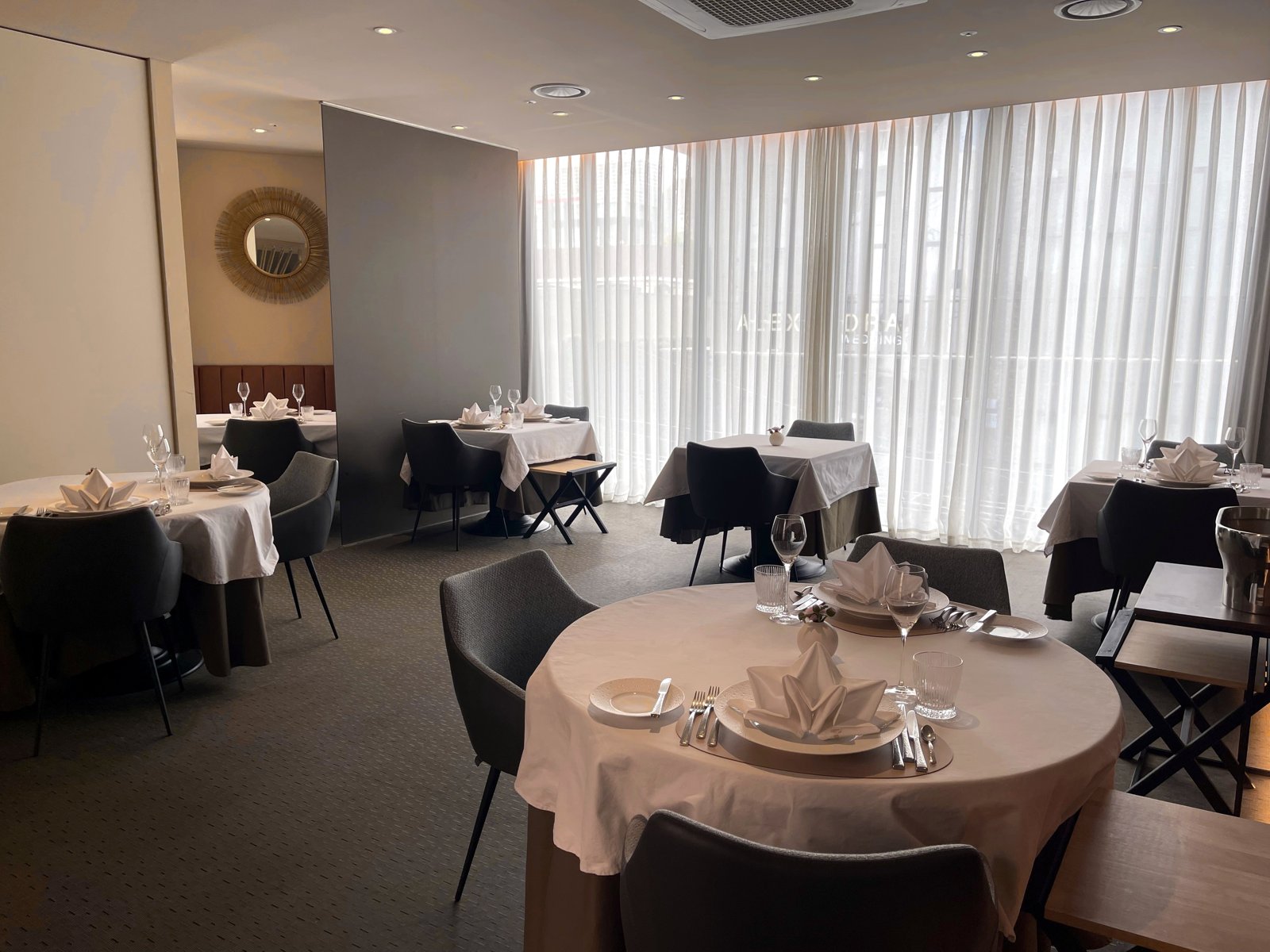
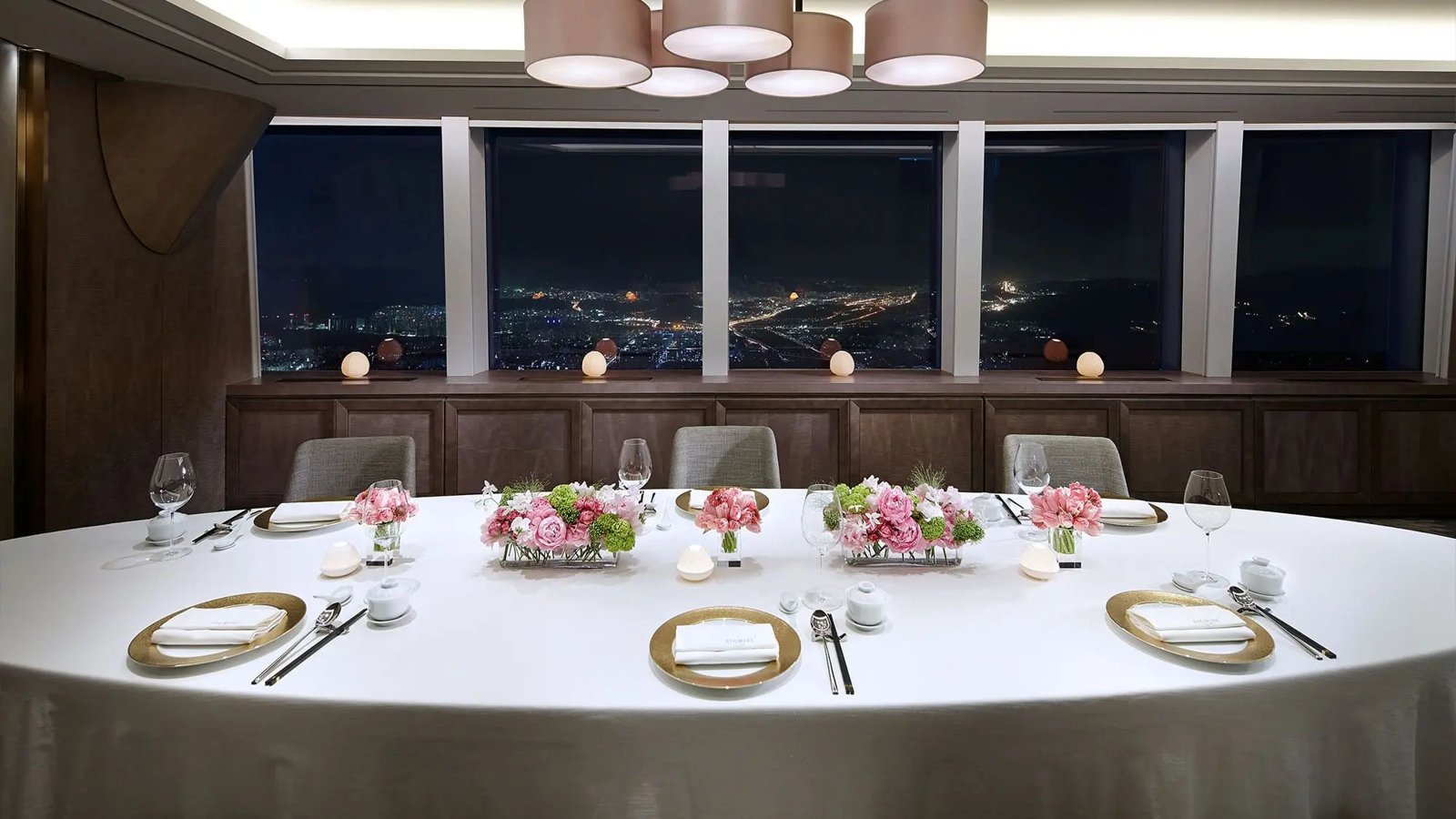
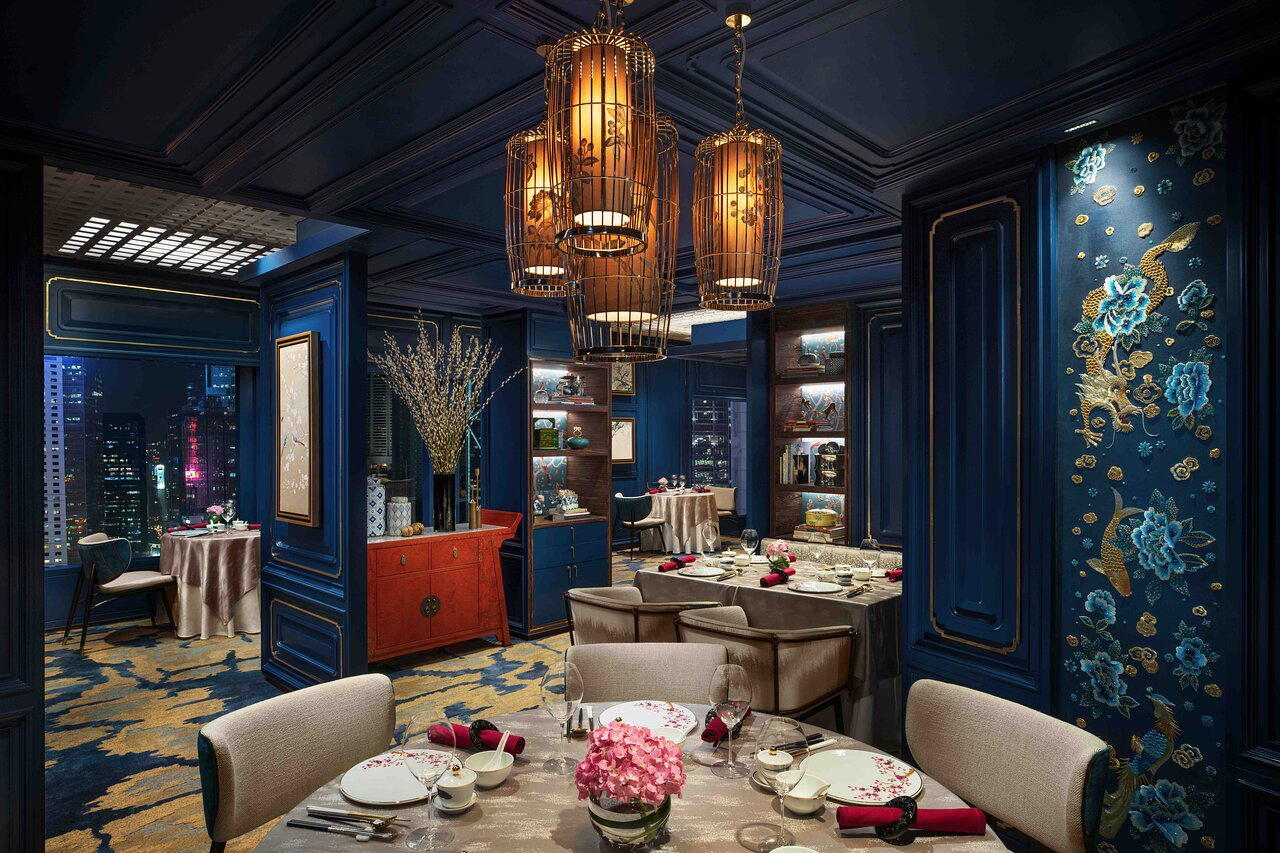
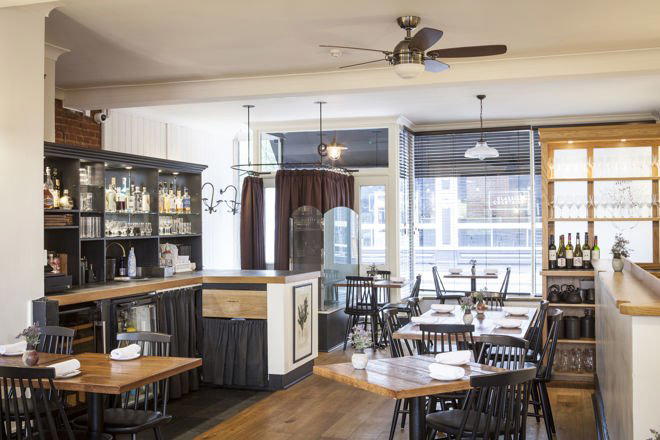
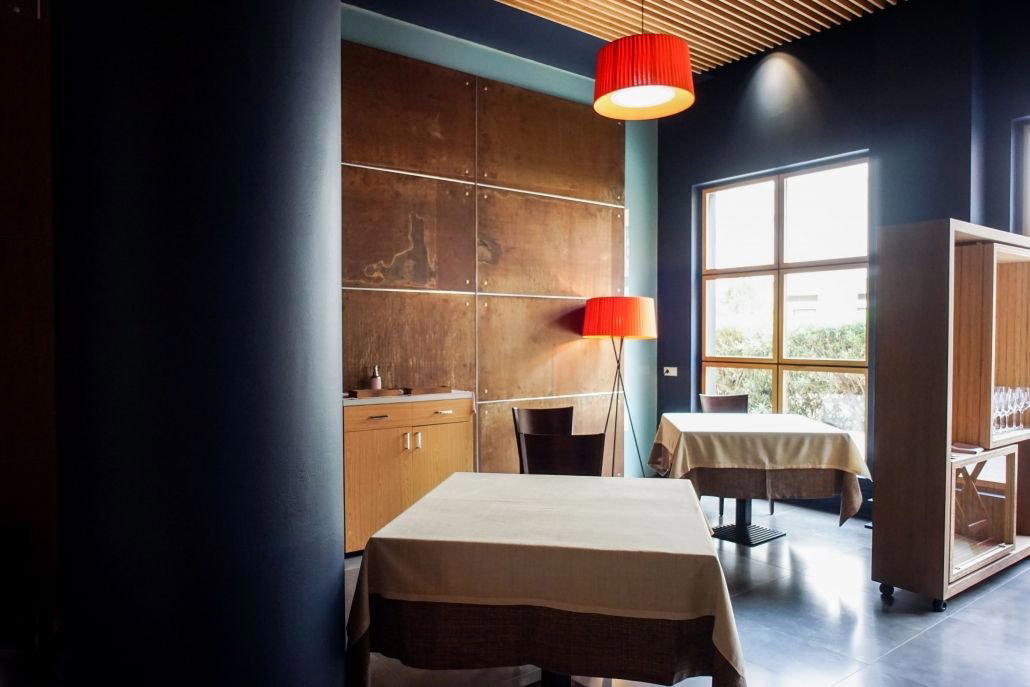
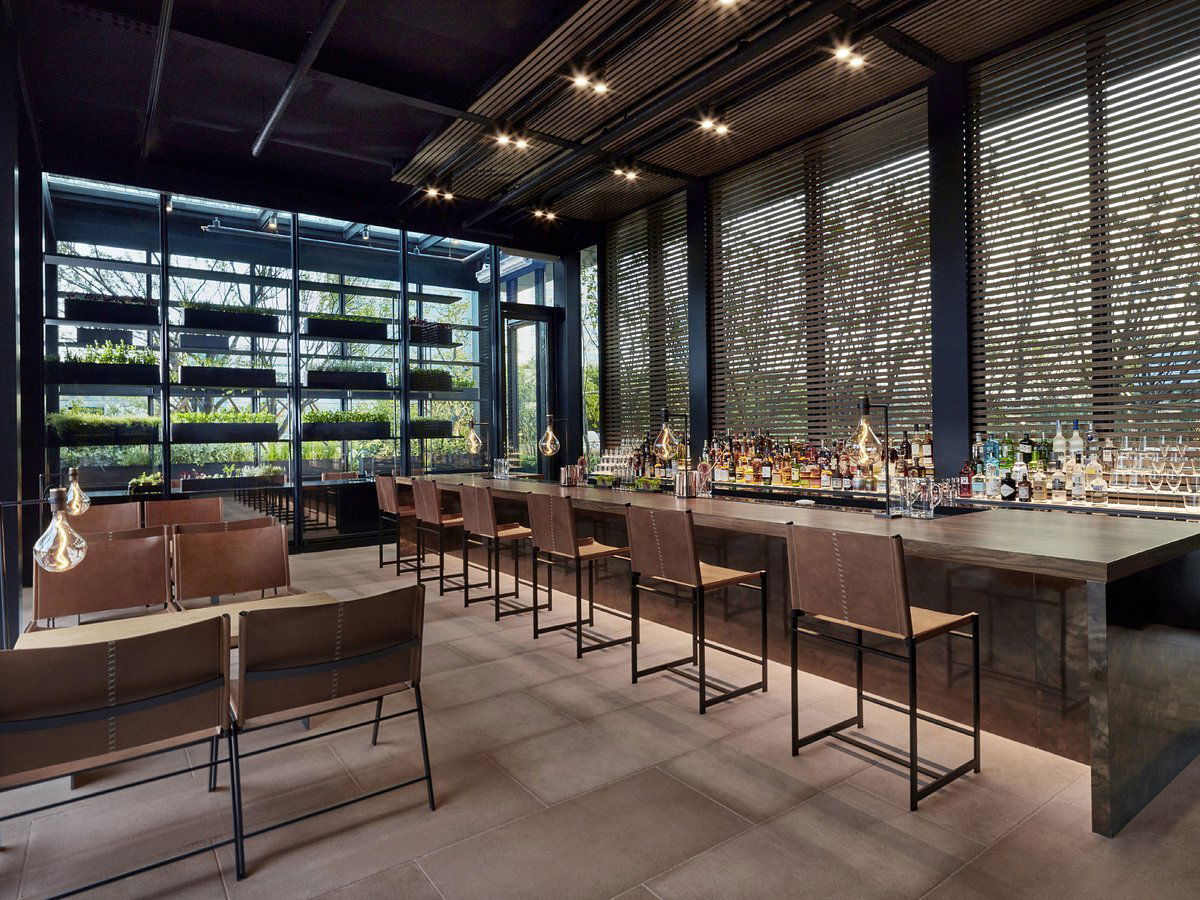
Gigas presents a restrained, focused dining atmosphere that favors attention to ingredients over theatrics. Tucked on a third-floor room, the restaurant’s physical remove from street level produces a calm, inward-facing setting where conversation and the food take center stage. Its identity is quietly idiosyncratic: operating outside Seoul’s dominant fine-dining clusters, it attracts return guests who prize consistency and provenance. The kitchen’s direct relationship with a family farm lends plates an earthy, ingredient-forward sensibility that complements the room’s low-key intimacy. Overall, the experience feels measured and confident, a deliberate counterpoint to flashier city dining.
Best For
Gigas is well suited to diners who prioritize ingredient provenance and steady culinary execution, particularly for evening meals. The restaurant’s Michelin recognition and emphasis on farm-supplied produce make it a natural choice for business dinners and date nights where food quality and a quiet table matter. Regulars favor the predictable excellence of its vegetable-driven approach, so it also fits special occasions when reliability matters more than trendiness. The upper-floor dining room supports focused conversation, making it appealing for parties that want to center the meal and the company without street-level distractions.
Ordering Tips
Because the kitchen sources most of its vegetables from a family farm, the menu rewards attention to seasonal, vegetable-forward preparations; ask your server what produce arrived from the farm that day and which dishes showcase those items. The restaurant’s strength is consistency rather than gimmicks, so prioritize plates that highlight provenance and cooking technique. Expect a calm, inward-facing dining room on the third floor rather than street views: this setting complements courses that reveal themselves over focused tasting and conversation.
Venue details
Ambiance
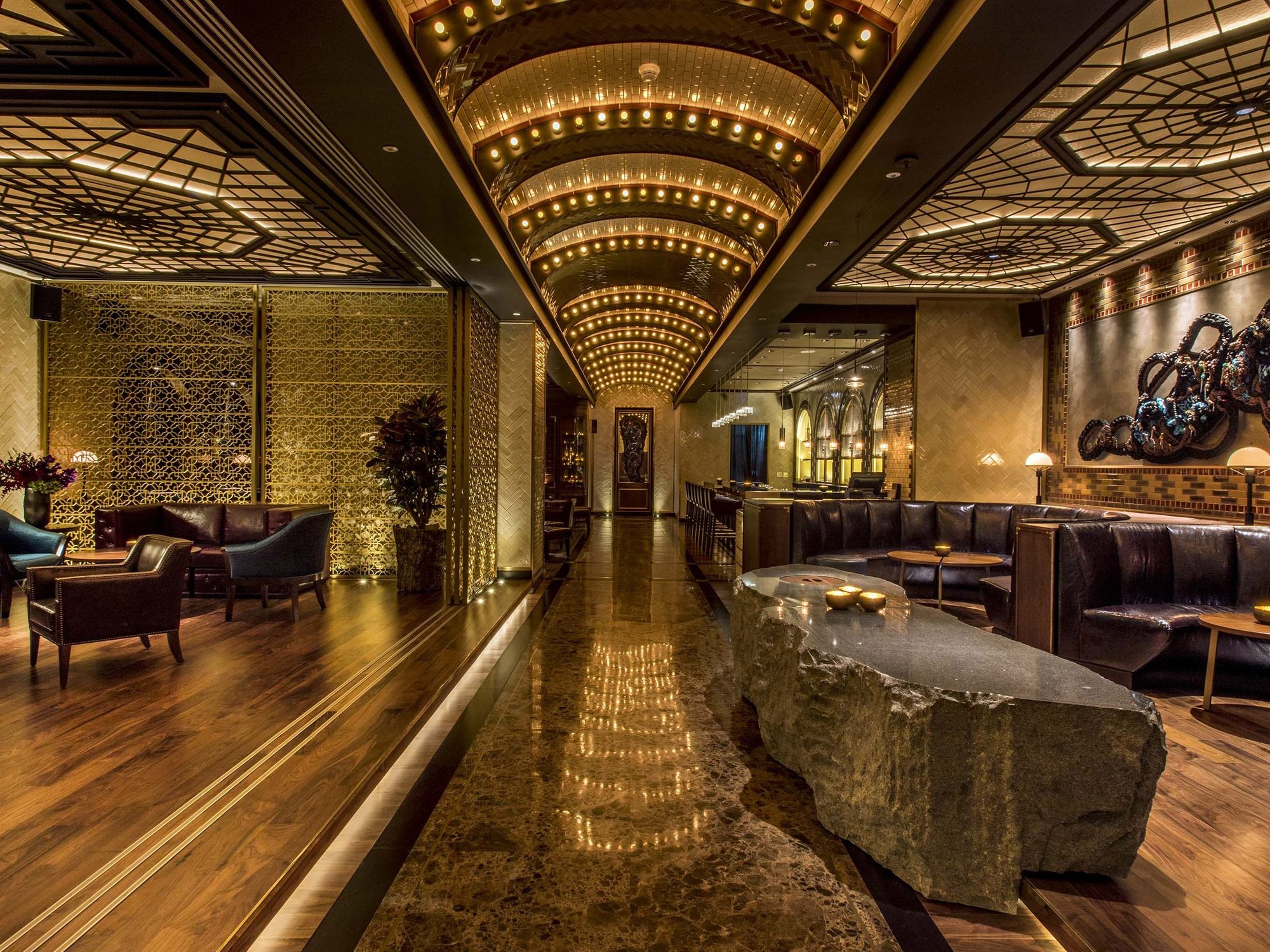
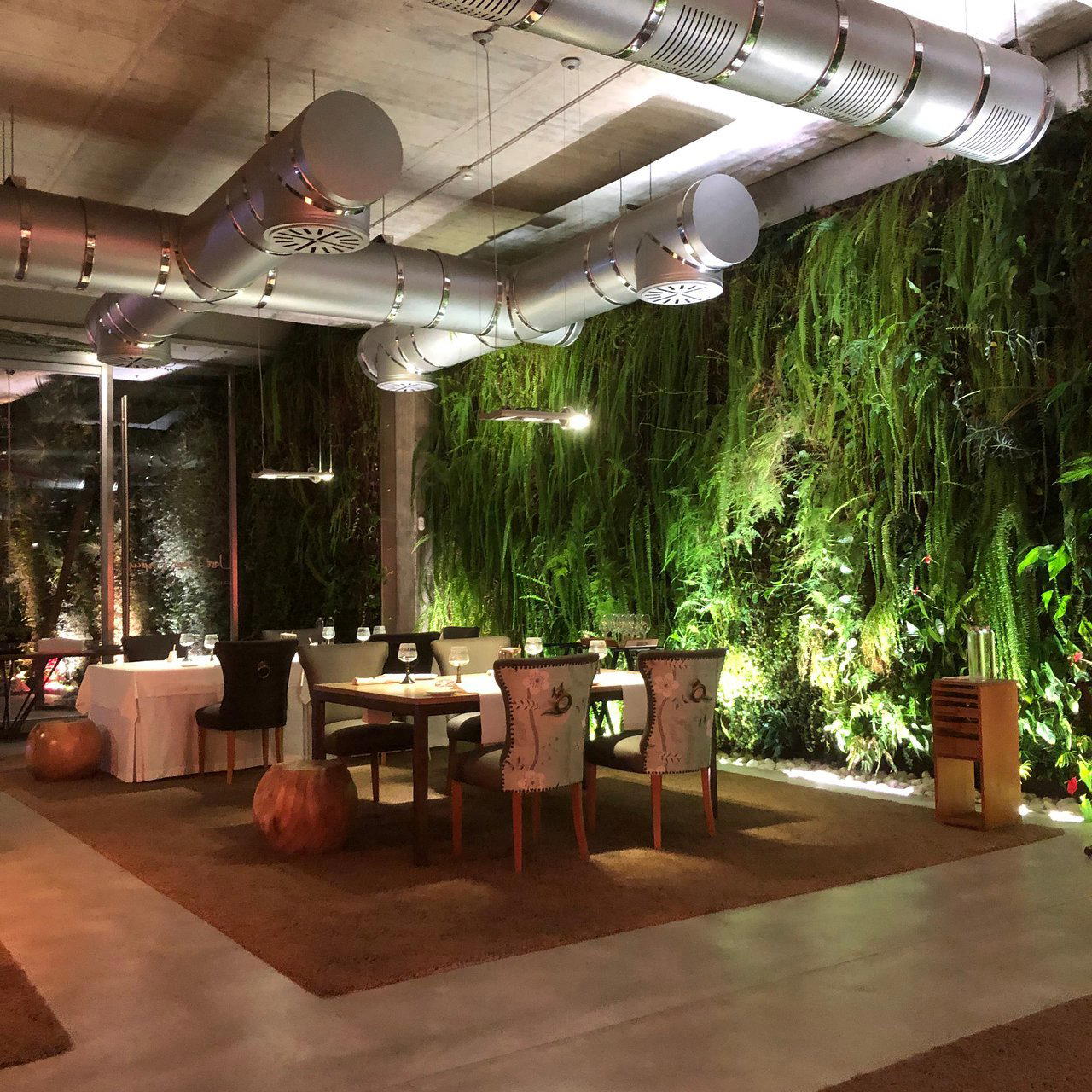
Nature-evoking dining space decorated with rocks and trees, reflecting a pleasant and sustainable atmosphere.
Tags
Vibe
Best For
Experience
Sourcing
At the Table
- Dress Code
- Smart Casual
- Noise Level
- Quiet
- Service Style
- Upscale Casual
- Meal Pacing
- Leisurely
- Capacity
- Intimate
- Kitchen
- Farm-to-table
- Menu Format
- A la carte
- Dietary
- Organic focus
- Private Dining
- Available
Know before you go
Know Before You Go
- Getting there
- South Korea, Seoul, Jung District, Toegye-ro 6ga-gil, 30 3층
Planning details
Hours
- Monday
- Closed
- Tuesday
- Closed
- Wednesday
- 6–10:30 PM
- Thursday
- 12–3 PM, 6–10:30 PM
- Friday
- 12–3 PM, 6–10:30 PM
- Saturday
- 12–3 PM, 6–10:30 PM
- Sunday
- 12–3 PM
Location
South Korea, Seoul, Jung District, Toegye-ro 6ga-gil, 30 3층 · Directions
guide.michelin.com/kr/en/seoul-capital-area/kr-seoul/restaurant/gigas

Also consider
Also Consider
- Solbam: Contemporary, ₩₩₩₩
- Onjium: Korean, ₩₩₩₩
- 7th Door: Korean, Contemporary, ₩₩₩₩
- L'Amitié: French, ₩₩₩
- Zero Complex: Korean-French, Innovative, ₩₩₩₩
Restaurant context
Gigas at ₩₩₩ is the most affordable Michelin-starred option in this comparison set, and the only one built around Mediterranean cuisine and organic farm supply. If the draw is a distinctive concept at a price point below Seoul's ₩₩₩₩ circuit, Gigas is the clearest recommendation. L'Amitié is the other ₩₩₩ entry here and offers French fine dining for a comparable spend; choose L'Amitié if European classical technique matters more to you than a farm-to-table vegetable-forward approach, and Gigas if the organic provenance and Mediterranean angle are the specific draw.
At the ₩₩₩₩ tier, Solbam and Zero Complex both deliver higher price-point contemporary experiences: Zero Complex in particular for diners who want the Korean-French hybrid format that has become one of Seoul's most developed fine-dining signatures. Onjium and 7th Door are the better calls if your priority is deep Korean culinary tradition rather than an imported cuisine framework; both operate at ₩₩₩₩ and sit at the serious end of the Korean fine-dining spectrum.
On booking difficulty, all five comparison venues are competitive, but Gigas's relative lower profile among international visitors, it is less frequently cited in English-language travel media than Onjium or Jungsik, may make it marginally easier to secure a table on shorter notice than its Michelin credential would suggest. That is a practical advantage worth factoring in if your Seoul itinerary is already partially set. For the food and wine traveller who has already covered the Korean tasting-menu circuit and wants something structurally different, Gigas is the strongest argument in this comparison group.
Explore Seoul
Around this place
Discover more on Pearl
Unlock the full Gigas guide in Pearl, including awards, comparisons, FAQs, planning details, and nearby places.
Compare Gigas
| Venue | Cuisine | Awards | Booking Difficulty |
|---|---|---|---|
| Gigas | Mediterranean Cuisine | 2026 OAD Top Restaurants in Asia RecommendedMichelin Guide Seoul & Busan 2026We're Smart World Top Restaurants 20252025 Michelin 1 Star2024 Michelin 1 Star | Hard |
| Solbam | Contemporary | 2026 Asia's 50 Best Restaurants · #552026 Wine Spectator Best of Award of Excellence2026 OAD Top Restaurants in Asia RecommendedMichelin Guide Seoul & Busan 20262026 La Liste Top Restaurants2025 Asia's 50 Best Restaurants · #552025 OAD Top Restaurants in Asia Ranked · #277Tatler Best Restaurants Asia-Pacific 20252025 Wine Spectator Best of Award of Excellence | Unknown |
| Onjium | Korean | 2026 Asia's 50 Best Restaurants · #142026 OAD Top Restaurants in Asia Ranked · #852026 La Liste Top RestaurantsMichelin Guide Seoul & Busan 20262026 Wine Spectator Best of Award of Excellence2025 Asia's 50 Best Restaurants · #102025 World's 50 Best Restaurants · #572025 OAD Top Restaurants in Asia Ranked · #1342025 La Liste Top Restaurants | Unknown |
| 7th Door | Korean, Contemporary | 2026 Asia's 50 Best Restaurants · #492026 OAD Top Restaurants in Asia Ranked · #842026 Black Pearl 1 DiamondMichelin Guide Seoul & Busan 20262026 La Liste Top Restaurants2025 Asia's 50 Best Restaurants · #232025 Michelin 1 Star2025 La Liste Top Restaurants2024 OAD Top Restaurants in Asia Ranked · #192 | Unknown |
| L'Amitié | French | 2026 La Liste Top Restaurants2025 La Liste Top Restaurants2025 Michelin 1 Star2024 Michelin 1 Star | Unknown |
| Zero Complex | Korean-French, Innovative | Star Wine Lists 20262026 OAD Top Restaurants in Asia Recommended2026 La Liste Top Restaurants2025 OAD Top Restaurants in Asia Ranked · #1992025 La Liste Top Restaurants2025 Michelin 1 Star2025 The Best Chef One Knife2024 OAD Top Restaurants in Asia Ranked · #2792024 Michelin 1 Star | Unknown |







Key differences to consider before you reserve.
FAQ
Frequently Asked Questions
What should I order at Gigas?
Gigas operates as a chef-driven tasting menu built around organic vegetables from Chef Jung Hawan's family farm, so ordering is not à la carte: you eat what the kitchen is sending. The vegetable-forward dishes are the point here, awarded 3 Radishes by We're Smart Green Guide, which recognises restaurants treating produce as the centrepiece rather than a side note. Come expecting vegetables as the main event, not as garnish.
Is lunch or dinner better at Gigas?
It is worth checking directly when booking whether both lunch and dinner sittings are offered. For Michelin-starred tasting menus at the ₩₩₩ price point in Seoul, lunch sittings often run shorter and at a slight price reduction: if that applies here, lunch is the better value entry point for first-timers.
Can Gigas accommodate groups?
Gigas is located on the third floor of a building in Seoul's Jung District, which typically signals a compact, intimate dining room rather than a large-group venue. For groups of four or more, confirm table configuration when booking: Michelin-starred tasting-menu restaurants in Seoul at this scale rarely seat parties above six without advance arrangement.
What should a first-timer know about Gigas?
Gigas is one of very few Mediterranean restaurants in Seoul holding a Michelin star, and its menu is built around organic produce from the chef's family farm: so the experience will feel different from the Japanese-influenced or Korean fine-dining menus that dominate the city's tasting-menu circuit. First-timers who want conventional French or Korean tasting formats should recalibrate expectations. The We're Smart 3 Radish award signals a kitchen that genuinely centres vegetables rather than treats them decoratively.
Is Gigas good for a special occasion?
Yes, with one caveat: Gigas suits a special occasion best when the other person at the table is open to vegetable-forward, Mediterranean-driven cooking. At ₩₩₩ pricing with a 2024 Michelin star, the setting and quality level are there for a milestone dinner: it just has a specific culinary point of view that not every guest will connect. If your occasion calls for something more conventional, Onjium or 7th Door would be safer choices.
Is Gigas worth the price?
At ₩₩₩, Gigas sits a tier below Seoul's most expensive Michelin-starred restaurants, which makes the value case straightforward if Mediterranean and vegetable-forward cooking is what you're after. A Michelin 1 Star and a We're Smart Green Guide 3 Radish award at this price point is a strong combination. If you want Korean-rooted fine dining instead, the value comparison shifts toward Onjium or 7th Door: but for what Gigas specifically does, the price is fair.
What are alternatives to Gigas in Seoul?
For Korean fine dining, Onjium is the more traditional counterpart: focused on hansik heritage and harder to book. 7th Door offers a contemporary Korean tasting menu at a comparable price tier. L'Amitié covers the European fine-dining angle with a more classic French orientation. Zero Complex and Solbam both operate in the modern Seoul tasting-menu space. None of them replicate Gigas's specific Mediterranean-meets-organic-farm format, which remains unusual in the city.