

Kazuo
Asian Influences · Pinheiros, São Paulo
Restaurant in São Paulo, Brazil
 Book with Pearl
The Read
Japanese-Brazilian Precision
Chef
Kazuo Harada
Dress
Smart Casual
Why go
Kazuo holds a Michelin star for 2024 and 2025, making it one of São Paulo's most credentialled Asian-influences tables at the $$$ price tier. The seasonal menu rotates meaningfully, so timing your visit matters. Booking is hard: reserve 4 to 6 weeks out minimum. At this price-to-star ratio, it outpoints most comparable options in the city.
About Kazuo
Verdict: A Michelin-starred Asian-influenced table in Jardim Europa worth booking well in advance
At the $$$ price point, Kazuo delivers two consecutive Michelin stars (2024 and 2025) in a residential pocket of Jardim Europa: a neighbourhood more associated with quiet money than dining destinations. For food-focused travellers building a São Paulo itinerary, that combination of price tier and sustained Michelin recognition makes Kazuo one of the more compelling bookings in the city's upper-mid range. It sits below the $$$$ ceiling of D.O.M. and Evvai, yet clears the ambition bar considerably. If Asian-influenced fine dining is what you are after in São Paulo, this is the table to target.
The Space and the Setting
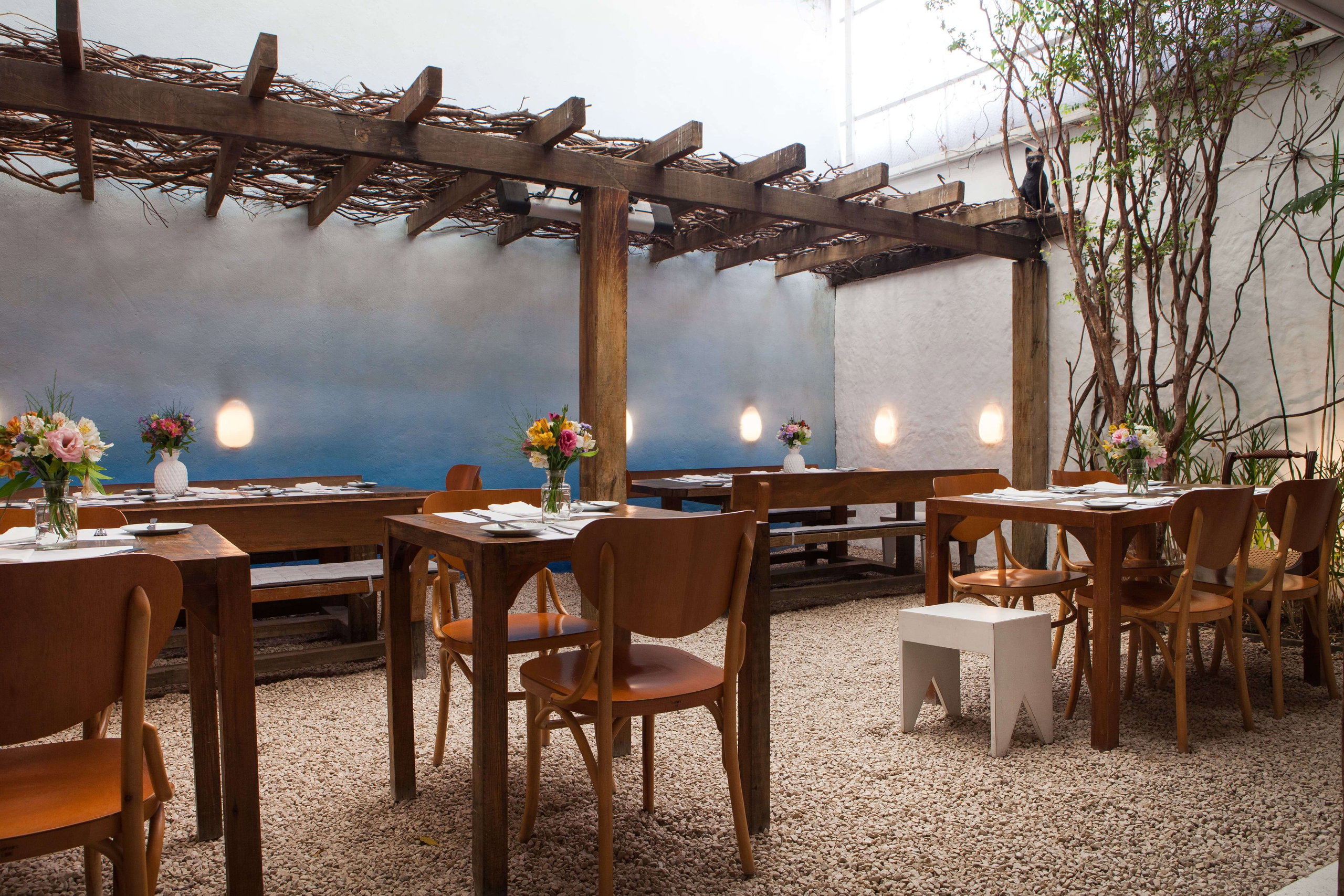
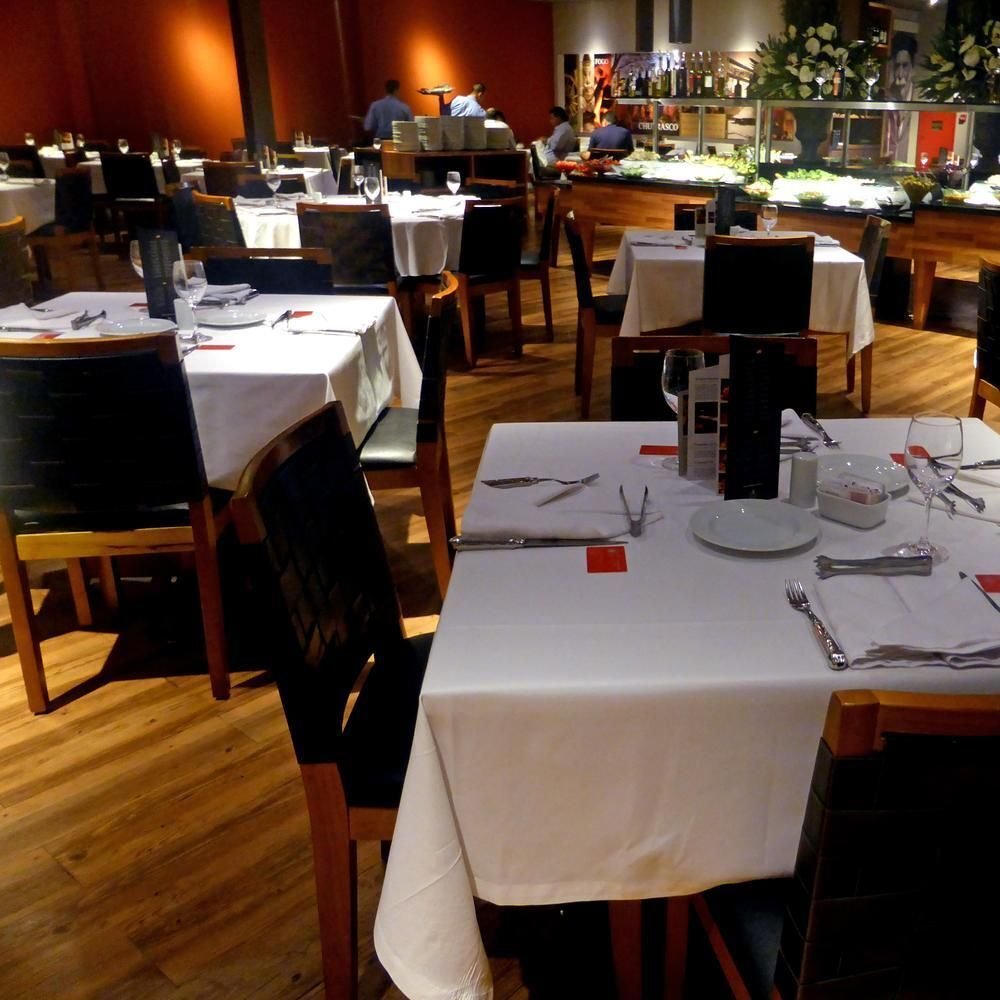
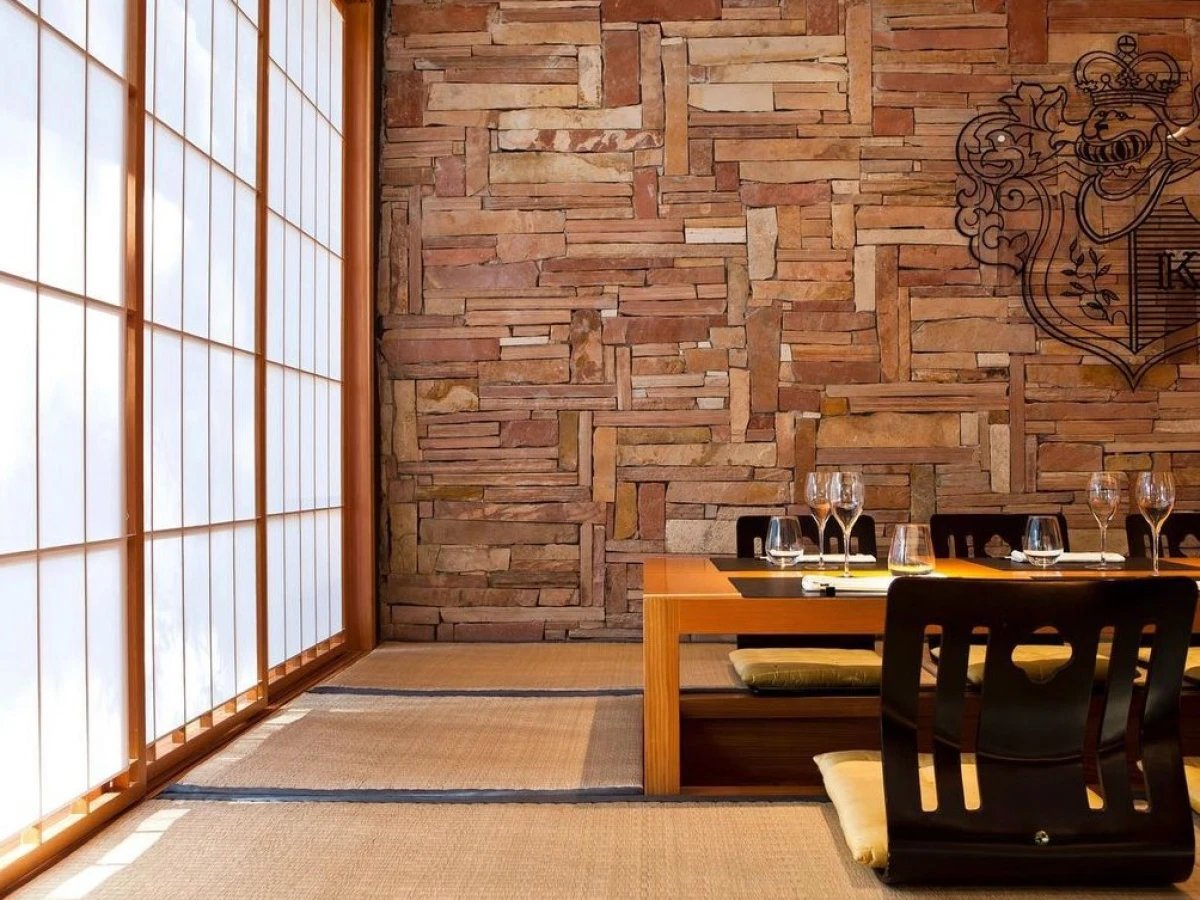
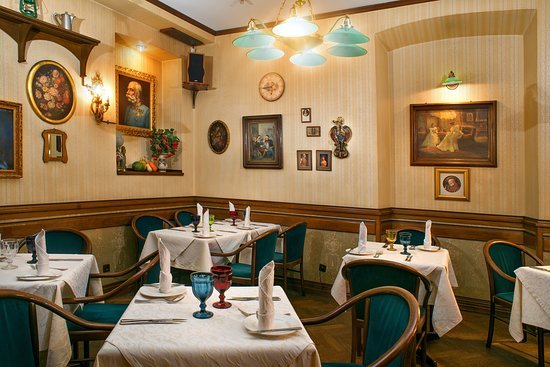
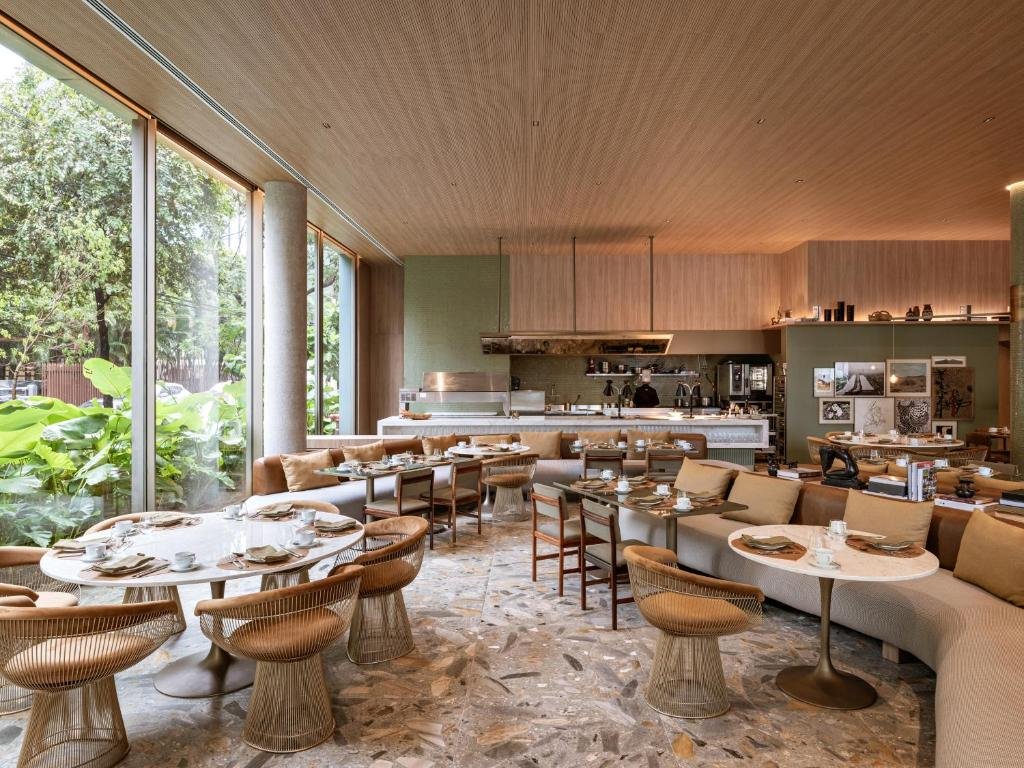
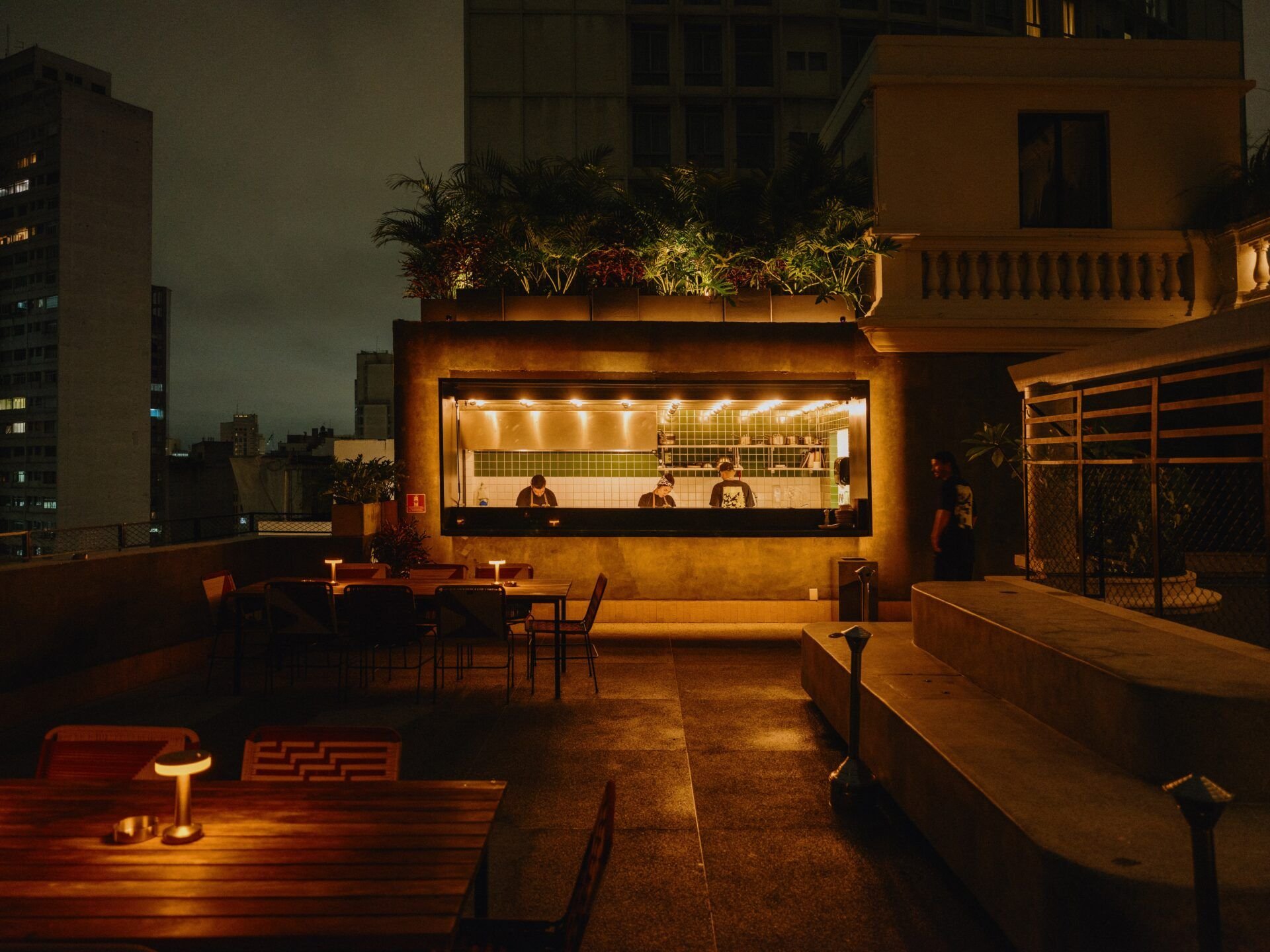
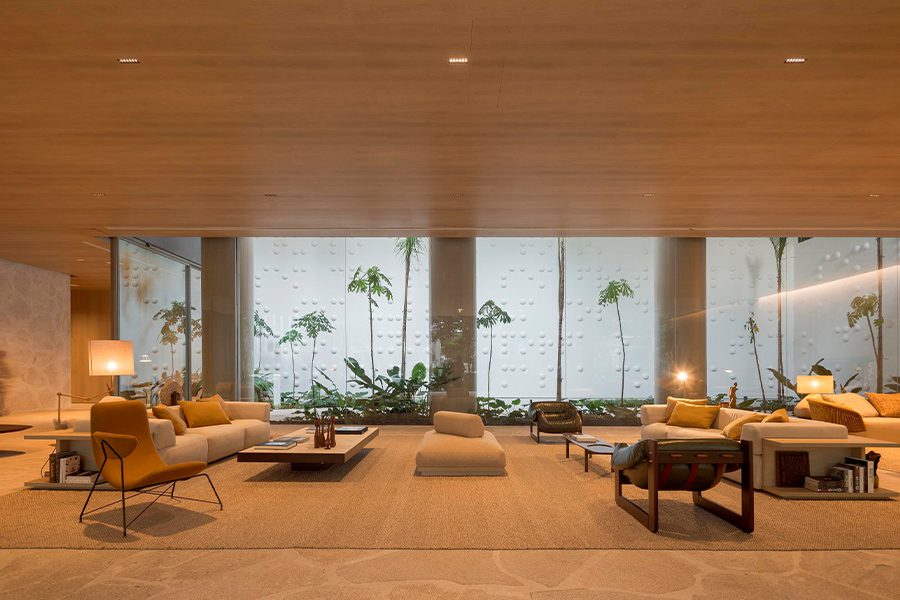
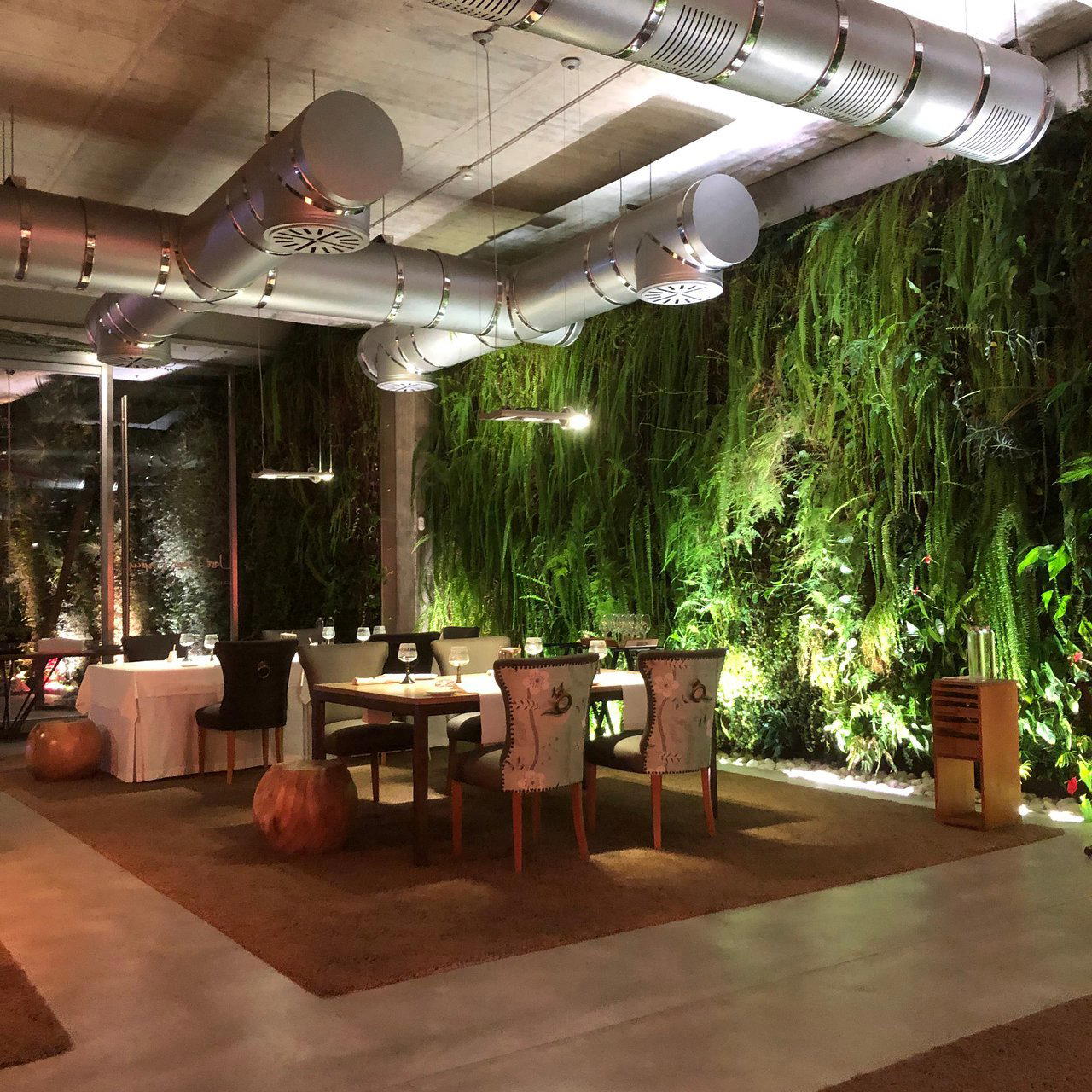
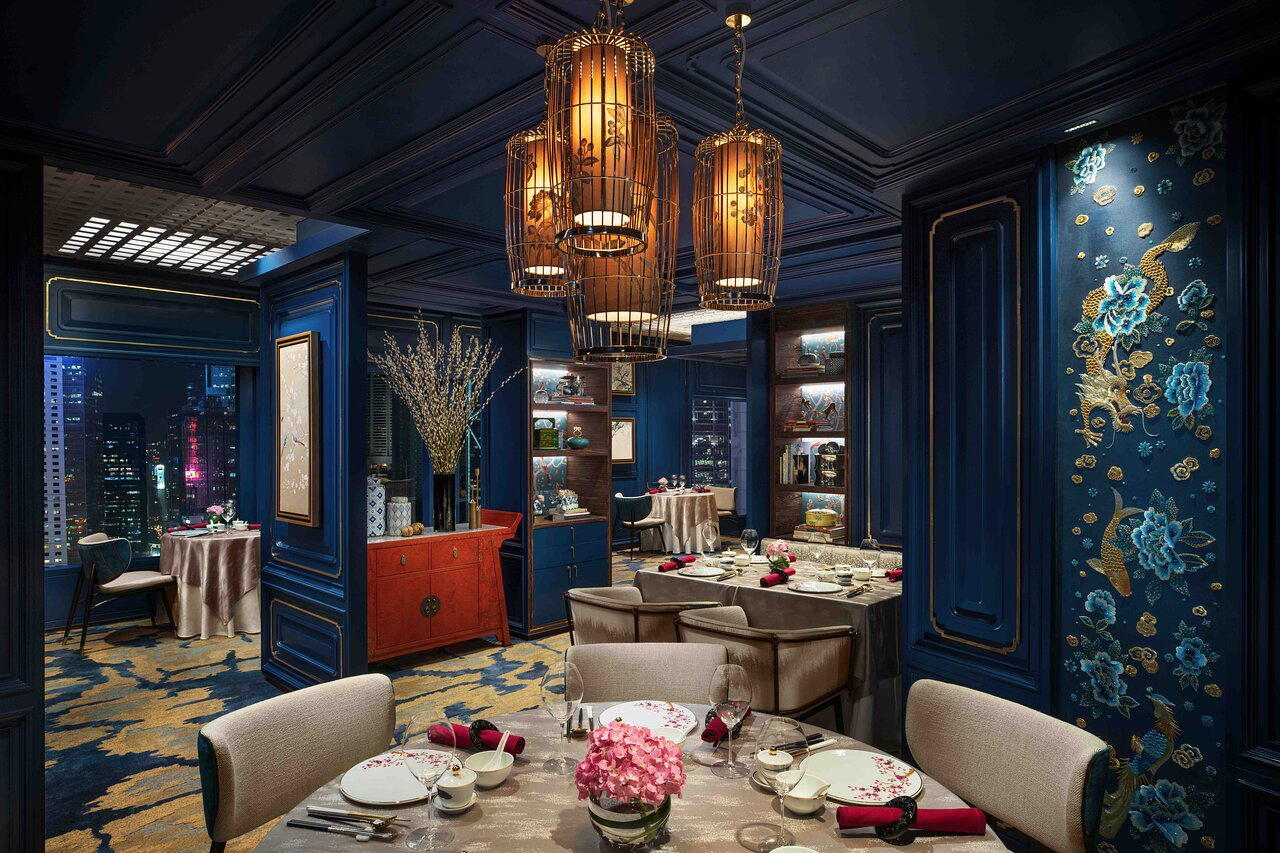
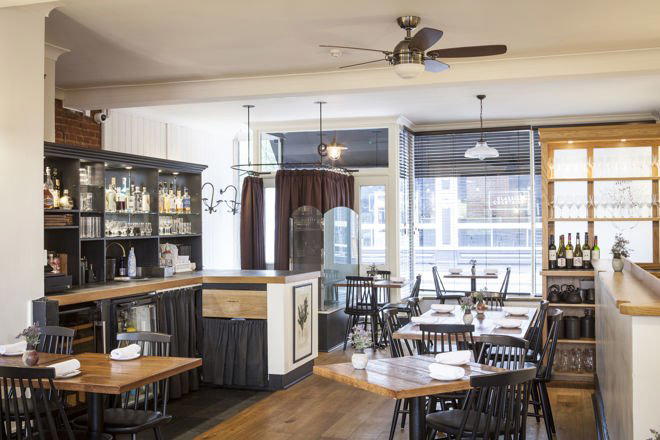
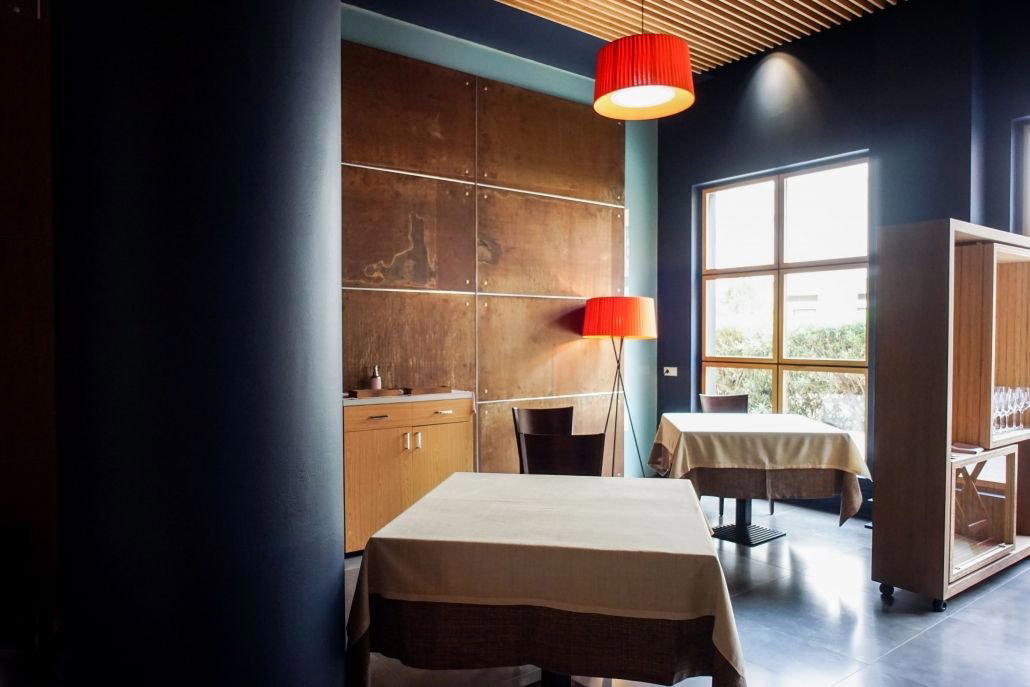
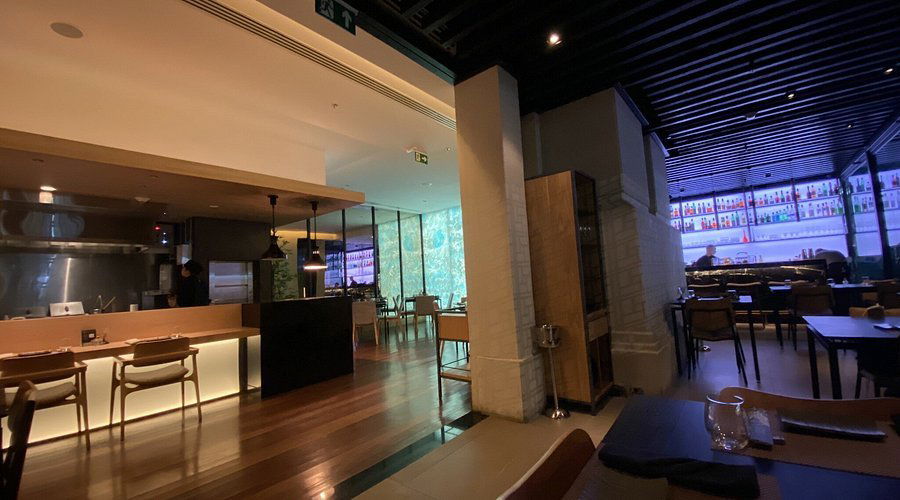
Rua Prudente Correia is a quiet residential street, and Kazuo uses that calm to its advantage. The room reads as intimate rather than grand: the scale is contained, the seating arrangement prioritises proximity to the kitchen experience rather than maximising covers. For a chef-driven restaurant where the menu rotates with the seasons, a smaller room is a deliberate choice: it allows Kazuo Harada tighter control over what arrives at each table and when. Expect a setting that feels considered rather than decorated, where the physical space supports the food rather than competing with it. Solo diners and couples will find the spatial dynamic works well here; larger groups may feel the room's dimensions more acutely.
Seasonal Rotation: When to Visit and Why It Matters
Kazuo's Asian-influenced menu operates on a seasonal rotation model, which is the single most important factor in planning your visit. The kitchen sources according to what is available and at its peak, which means the menu you eat in São Paulo's cooler June-to-August months will differ meaningfully from what is on offer during the warmer, produce-heavy November-to-March period. Brazil's subtropical growing calendar gives Harada a wide palette to draw from: tropical and temperate ingredients intersect in ways that a purely European or purely Asian kitchen would not encounter. The implication for the explorer-minded diner is clear, a return visit is not redundant. Each season produces a materially different menu, and the Michelin committee has awarded the star twice in a row, signalling the kitchen maintains its standard across those changes rather than peaking at a single moment.
For first-time visitors, the practical question is which season rewards the most. Without confirmed menu specifics from the venue, the safer framing is this: visit when you can secure a reservation, because availability is the binding constraint at Kazuo. But if you have flexibility, the late-spring window of October through November sits at the transition between São Paulo's drier and wetter seasons, typically when local produce variety is broadening and kitchen teams are refreshing their menus for the summer run, a period that rewards diners who want to catch a menu in its newest iteration.
Chef and Culinary Direction
Chef Kazuo Harada's framework is Asian influences applied with fine-dining precision, not fusion in the loose sense. The cuisine type signals a kitchen that works with Japanese, and broader Asian culinary logic, technique, balance, restraint, while operating within a Brazilian ingredient context. That positioning is more specific than it sounds. São Paulo has a large and well-established Japanese-Brazilian community, and the city's Japanese food culture runs from casual to highly technical. Harada operates at the technical end, with the Michelin recognition confirming that the kitchen's output meets international fine-dining standards. For the explorer diner, that combination, genuine Asian culinary intelligence applied to Brazilian seasonal produce, is harder to replicate elsewhere in the country. Mee in Rio de Janeiro occupies adjacent territory, but the ingredient context and chef philosophy differ. Kazuo is the more focused proposition.
Booking Kazuo
Booking difficulty is rated Hard. With one Michelin star confirmed and a small room, reservation windows fill quickly. Book as far in advance as the reservation system permits, for high-demand periods (long weekends, December through February when São Paulo draws more visitors), assume 4 to 6 weeks minimum lead time. Do not arrive expecting a walk-in option to work at this level.
The back-to-back Michelin stars for 2024 and 2025 are the more meaningful credential here, confirming that the kitchen's consistency has held under formal evaluation across at least two full menu cycles.
Practical Logistics
| Detail | Kazuo | D.O.M. | Maní | Jun Sakamoto |
|---|---|---|---|---|
| Price tier | $$$ | $$$$ | $$$ | $$$ |
| Michelin stars | 1 (2024, 2025) | 2 | 1 | 1 |
| Cuisine | Asian Influences | Modern Brazilian | Brazilian-Intl | Japanese Sushi |
| Booking difficulty | Hard | Hard | Medium | Hard |
| Neighbourhood | Jardim Europa | Jardins | Jardins | Jardins |
For broader São Paulo planning, see our full São Paulo restaurants guide, São Paulo hotels guide, São Paulo bars guide, São Paulo experiences guide, and São Paulo wineries guide. If your trip extends beyond São Paulo, comparable fine-dining ambition can be found at Lasai in Rio de Janeiro and Manu in Curitiba. For regional exploration further afield, Manga in Salvador, Mina in Campos do Jordão, and Orixás | North Restaurant in Itacaré represent different expressions of Brazilian fine dining worth knowing about.
Pearl Picks: Related Venues
- Tuju, Creative fine dining in São Paulo, worth comparing at the same price tier
- Maní, Brazilian-International, easier to book and strong on seasonal Brazilian produce
- Fame Osteria, Italian Contemporary in São Paulo for a lower-intensity fine-dining evening
- Castelo Saint Andrews in Gramado, For a contrast in setting while staying within Brazil's fine-dining circuit
- MAIN TOWER Restaurant and Lounge, Frankfurt, Asian Influences format in a European context, useful as a reference point for the cuisine category
FAQ
Is Kazuo good for solo dining?
- Yes, and arguably better for solo or two-leading diners than for larger groups. The room is small and intimate, which means a table for one or two gives you full access to the kitchen's focus without the logistical friction of coordinating a larger party. Solo diners at this price point in São Paulo get good value relative to the $$$$ alternatives.
What should I order at Kazuo?
- The menu rotates seasonally, so there is no fixed dish to recommend, and any specific dish names in circulation may no longer be current. The practical advice: trust the tasting menu format rather than trying to build a custom order. With a Michelin-starred Asian-influences kitchen operating on seasonal produce, the chef's sequence will reflect what is actually at its finest on the day. Ask the team on arrival what is new to the current menu rotation.
Does Kazuo handle dietary restrictions?
- At a Michelin-starred restaurant of this scale, advance communication of dietary needs is standard practice and generally handled well, but confirm directly with the venue when booking. Do not leave it to the day of the reservation, particularly for serious allergies.
Is the tasting menu worth it at Kazuo?
- At the $$$ price tier with back-to-back Michelin recognition, yes, the value equation is cleaner here than at the $$$$ tables in São Paulo. You are paying less than D.O.M. or Evvai for a kitchen that has passed the same international quality threshold. The tasting menu is the format that makes sense for a first visit: it gives the kitchen room to show the seasonal rotation at its full depth rather than a partial picture from a la carte choices.
What are alternatives to Kazuo in São Paulo?
- For Japanese precision at the same price tier: Jun Sakamoto is the sushi specialist to consider, with its own Michelin recognition and a purely Japanese format. For creative fine dining with more Brazilian-rooted ingredients: Maní is slightly easier to book and works the seasonal Brazilian produce angle hard. For a step up in budget and formality: D.O.M. is the two-star benchmark in the city. And for a creative alternative at similar ambition: Tuju is worth considering.
Planning details
- Hours
- Monday: 12–3 PM, 7–11 PM · Tuesday: 12–3 PM, 7–11 PM
- Location
- Rua Prudente Correia, 432 - Jardim Europa, São Paulo - SP, 01450-030, Brazil
- Reservations
- Book on the venue's website
- Website
- kazuorestaurante.com.br/menu-2
- Phone
- +55 11 96640-7596
The take
The Take
The Vibe
Kazuo reads as a quietly confident, classical fine-dining room that prefers understatement to spectacle. Set on a residential stretch of Rua Prudente Correia, the restaurant’s arrival is deliberately low-key: the sort of place where the neighbourhood and a discreet façade set the tone. The kitchen’s work is described as practiced and rooted in a long local tradition of Japanese influence, and the twice-consecutive Michelin nods reinforce a restrained, exacting approach. The overall impression is of a cool, composed venue where technical polish and cultural fluency are on full, but unflashy, display.
Best For
This is primarily a dinner destination: a Michelin-starred, Asian-influenced fine-dining restaurant that suits occasions where focus and formality matter. The setting and service align with date nights, business dinners and other special evenings that benefit from a quieter, more controlled atmosphere. The address’s residential context and the idea that it "rewards knowing where you are going" also make it a choice for diners who seek a considered meal rather than a casual night out. Expect a measured pace and an experience built around precision and culinary lineage.
Ordering Tips
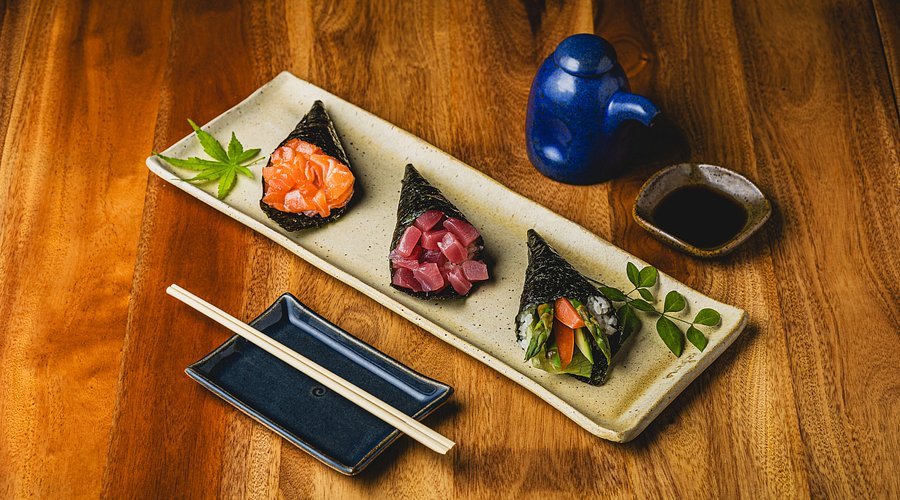
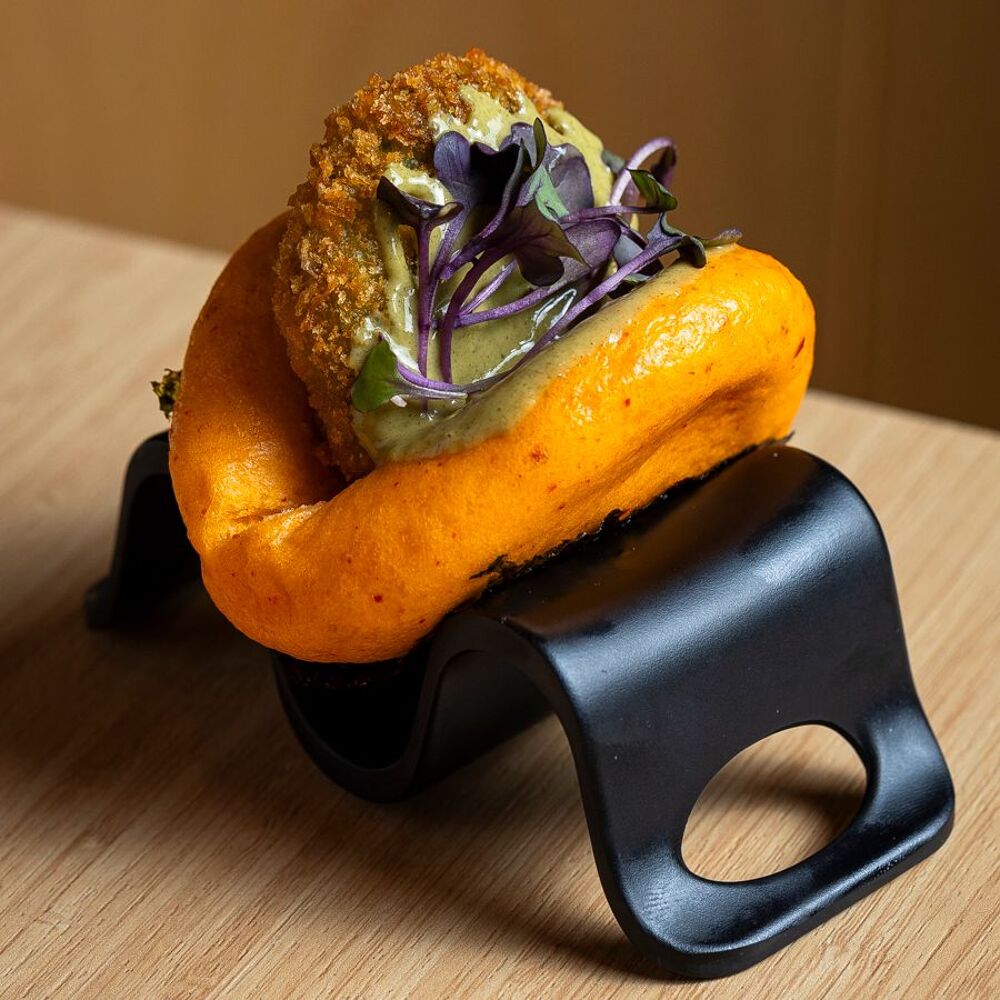
Let the kitchen’s reputation guide choices: the menu reflects Asian influences anchored in local Japanese-Brazilian fluency, and the house signatures, notably Peking Duck and Wagyu Ribs, are highlighted as standout dishes. Given the restaurant’s fine-dining, Michelin-backed credentials, expect meticulous execution and flavors that reference technique and tradition. If you’re visiting for a landmark dinner, prioritize the signature items and allow time for a paced, attentive service; the room’s quiet discipline suggests a meal meant to be savored rather than rushed.
Venue details
Ambiance
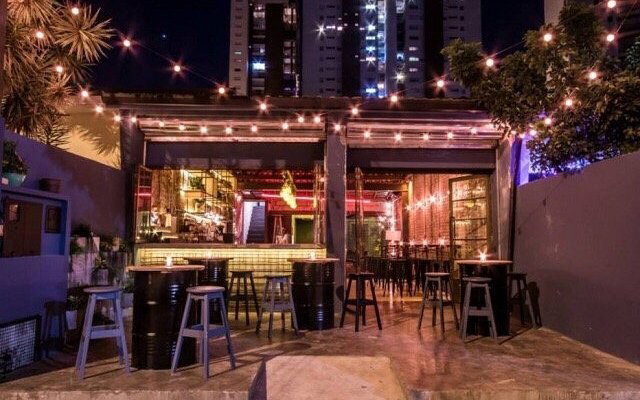
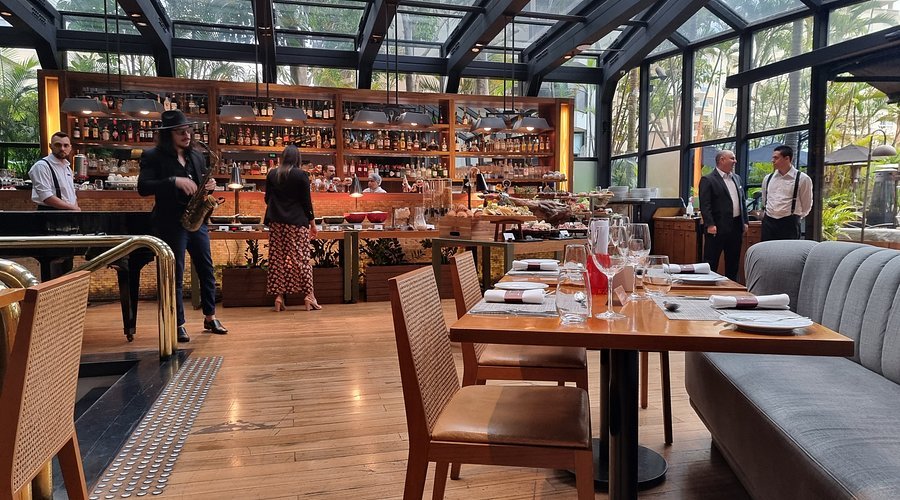
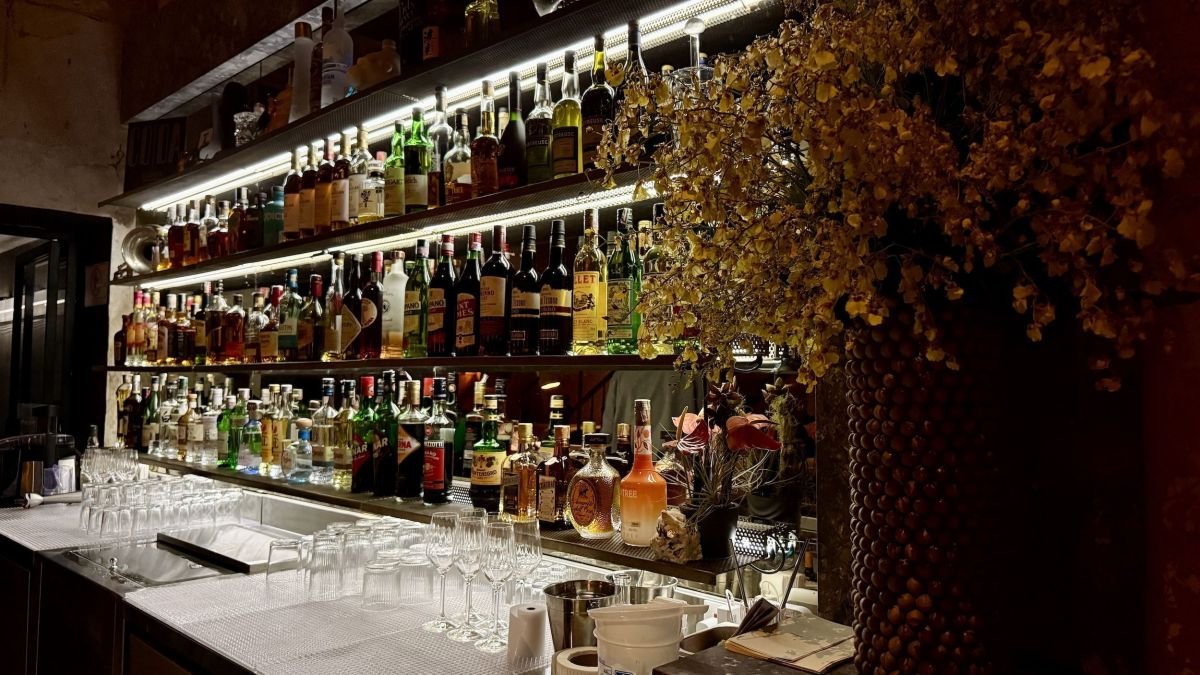
Sophisticated and immersive atmosphere with modern design, intimate sushi bar, open dining room, and private terrace, ideal for special occasions.
Tags
Vibe
Best For
Experience
Sourcing
Accessibility
At the Table
- Dress Code
- Smart Casual
- Noise Level
- Conversational
- Service Style
- Formal
- Meal Pacing
- Leisurely
- Capacity
- Medium
- Kitchen
- Modern
- Menu Format
- Tasting menu, A la carte, Omakase
- Drinks Focus
- Sake, Wine
- Dietary
- Vegetarian friendly
- Private Dining
- Available
- Outdoor Seating
- Yes
Signature Dishes
- Peking_Duck
- Wagyu_Ribs
Know before you go
Know Before You Go
- Getting there
- Rua Prudente Correia, 432 - Jardim Europa, São Paulo - SP, 01450-030, Brazil
Planning details
Hours
- Monday
- 12–3 PM, 7–11 PM
- Tuesday
- 12–3 PM, 7–11 PM
- Wednesday
- 12–3 PM, 7–11 PM
- Thursday
- 12–3 PM, 7–11 PM
- Friday
- 12–3 PM, 7 PM–12 AM
- Saturday
- 12–4 PM, 7 PM–12 AM
- Sunday
- 12–5 PM
Location
Rua Prudente Correia, 432 - Jardim Europa, São Paulo - SP, 01450-030, Brazil · Directions
Recognition and awards

Also consider
Also Consider
- D.O.M.: Modern Brazilian, Creative, $$$$
- Evvai: Contemporary Italian, Modern Cuisine, $$$$
- Maní: Brazilian - International, Creative, $$$
- Jun Sakamoto: Sushi, Japanese, $$$
- A Casa do Porco: Regional Brazilian, Brazilian, $$
Restaurant context
Kazuo sits at the $$$price tier with a single Michelin star confirmed in both 2024 and 2025, which puts it in a strong position relative to São Paulo's broader fine-dining field. D.O.M. and Evvai both operate at $$$$, and while D.O.M.'s two-star status represents a higher formal ceiling, you pay meaningfully more for it. If your priority is Michelin-level cooking without crossing into the $$$$ bracket, Kazuo has the better value argument of the two. Evvai's Contemporary Italian angle is a different proposition entirely: it is not a like-for-like comparison with Kazuo's Asian-influences format.
Against same-tier peers, the picture is more competitive. Maní is also $$$ and Michelin-recognised, with a Brazilian-International creative approach that some diners will find more rooted in local identity. Maní is also moderately easier to book. Jun Sakamoto occupies the Japanese fine-dining lane at $$$, but with a sushi-specialist focus rather than Kazuo's broader Asian-influences framework: if pure Japanese technique is what you are after, Jun Sakamoto is the cleaner choice. Kazuo makes more sense for diners who want Asian culinary logic applied across a seasonal tasting format rather than a single cuisine discipline.
A Casa do Porco at $$ is the easiest booking in this comparison set and the strongest value play for regional Brazilian cooking, but it competes in a different category entirely. The decision tree for most São Paulo visitors runs like this: $$ regional Brazilian goes to A Casa do Porco; $$$ Asian-influenced Michelin tasting goes to Kazuo; $$$ seasonal Brazilian creative goes to Maní; $$$$ flagship modern Brazilian goes to D.O.M.
Explore São Paulo
Around this place
Discover more on Pearl
Unlock the full Kazuo guide in Pearl, including awards, comparisons, FAQs, planning details, and nearby places.
Compare Kazuo
| Venue | Awards | Price |
|---|---|---|
| Kazuo | Michelin Guide Rio de Janeiro & Sao Paulo 20262025 The Best Chef One Knife2025 Michelin 1 Star2024 Michelin 1 Star | $$$ |
| D.O.M. | 2026 OAD Top Restaurants in South America Ranked · #11Michelin Guide Rio de Janeiro & Sao Paulo 20262026 La Liste Top Restaurants2025 Latin America's 50 Best Restaurants · #74We're Smart World Top Restaurants 20252025 The Best Chef Three KnivesChef's Table Featured Restaurants · 20252025 La Liste Top Restaurants2025 Michelin 2 Stars | $$$$ |
| Evvai | 2026 OAD Top Restaurants in South America Ranked · #36Michelin Guide Rio de Janeiro & Sao Paulo 20262026 La Liste Top Restaurants2025 Latin America's 50 Best Restaurants · #202025 OAD Top Restaurants in South America Ranked · #432025 World's 50 Best Restaurants · #952025 Michelin 2 Stars2025 La Liste Top Restaurants2025 Michelin Plate | $$$$ |
| Maní | 2026 OAD Top Restaurants in South America Ranked · #21Michelin Guide Rio de Janeiro & Sao Paulo 20262026 La Liste Top Restaurants2025 OAD Top Restaurants in South America Ranked · #202025 Latin America's 50 Best Restaurants · #67We're Smart World Top Restaurants 20252025 La Liste Top Restaurants2025 The Best Chef One Knife2025 Michelin 1 Star | $$$ |
| Jun Sakamoto | 2026 OAD Top Restaurants in South America Ranked · #69Michelin Guide Rio de Janeiro & Sao Paulo 20262026 La Liste Top Restaurants2025 OAD Top Restaurants in South America Ranked · #592025 Michelin 1 Star2025 La Liste Top Restaurants2024 OAD Top Restaurants in South America Ranked · #522024 Michelin 1 Star | $$$ |
| A Casa do Porco | 2026 OAD Top Restaurants in South America Ranked · #17Michelin Guide Rio de Janeiro & Sao Paulo 20262026 La Liste Top Restaurants2025 OAD Top Restaurants in South America Ranked · #142025 Latin America's 50 Best Restaurants · #252025 World's 50 Best Restaurants · #832025 La Liste Top Restaurants2025 The Best Chef Two Knives2025 Michelin Bib Gourmand | $$ |








.png?width=1200&quality=80)


How Kazuo stacks up against the competition.
FAQ
Frequently Asked Questions
Is Kazuo good for solo dining?
Yes, Kazuo works well for solo diners at the tasting menu format, which is common at Michelin-starred restaurants in this tier. The intimate room on Rua Prudente Correia suits focused, single-diner experiences. At $$$, it is a considered spend for one person, but the back-to-back 2024 and 2025 Michelin stars suggest the kitchen delivers enough to justify it solo.
What should I order at Kazuo?
Kazuo runs a seasonal rotation menu under Chef Kazuo Harada's Asian-influenced framework, so specific dishes change. The practical move is to trust the tasting menu format rather than trying to engineer an à la carte order: that is the format the two Michelin stars were awarded against. Check the current menu before booking if a particular season's direction matters to you.
Is the tasting menu worth it at Kazuo?
At $$$ with two consecutive Michelin stars (2024 and 2025), Kazuo clears the bar for the price in São Paulo's fine-dining tier. Chef Kazuo Harada's Asian-influenced approach is precise enough to be a reason to visit. If you are comparing against similarly priced São Paulo options like Jun Sakamoto or D.O.M. Kazuo's back-to-back star retention is the clearest signal of consistent kitchen performance.
What are alternatives to Kazuo in São Paulo?
Jun Sakamoto is the closest like-for-like if Japanese precision is the draw. D.O.M. and A Casa do Porco sit in a different culinary register, Brazilian-focused, but operate at comparable or higher prestige levels. Evvai and Maní offer strong fine-dining alternatives at the $$$ tier for diners who want a different flavor direction than Kazuo's Asian-influenced menu.