

Kan Suke
Japanese · Liberdade, São Paulo
Restaurant in São Paulo, Brazil
 Book with Pearl
The Read
São Paulo Kaiseki Lineage
Price
$50–100per person
Dress
Smart Casual
Why go
Kan Suke is São Paulo's clearest case for Japanese fine dining: two consecutive Michelin stars (2024–2025), chef Kunio Tokuoka, and a counter experience that justifies the $$$ price. Book four to six weeks out minimum: demand is consistent and seats are limited. For a milestone dinner or a first serious encounter with Japanese cuisine in Brazil, this is the right address.
About Kan Suke
Who Should Book Kan Suke, and When
If you are planning a meaningful dinner in São Paulo: a milestone birthday, an anniversary, a first visit to the city's serious end of Japanese dining, Kan Suke is where that occasion belongs. This is not a casual sushi stop. At the $$$ price tier with two consecutive Michelin stars (2024 and 2025) under chef Kunio Tokuoka, Kan Suke is the benchmark for Japanese fine dining in Brazil. First-timers to the Paraíso neighbourhood should know they are not walking into a trendy fusion concept: this is a kitchen that earns its recognition through technical discipline and precision, not novelty.
The Counter Is the Point
For a first visit, request counter seating if it is available. At a restaurant where the cuisine is Japanese and the chef's craft is the draw, the counter transforms the meal from a dinner into a demonstration. You will be close enough to observe the preparation sequence, the knife work, the plating decisions, details that explain why Kan Suke holds the attention of Michelin inspectors two years running. Counter dining at this level is not a gimmick; it is the format that makes the price justifiable. If you are seated at a table, you still eat the same food, but you lose the context that makes each course land harder.
Chef Kunio Tokuoka brings a formal Japanese culinary background to a São Paulo address on Rua Manuel da Nóbrega, a street that does not announce itself as a dining destination. That gap between the quiet exterior and the seriousness of what happens inside is part of what makes a first visit to Kan Suke feel like a discovery worth repeating. The kitchen does not advertise itself loudly. The Michelin stars do that work instead.
What to Expect on Your First Visit
That consistency points to a kitchen that executes at a reliable level, not just on nights when critics are watching. For a first-timer, that is reassuring: you are unlikely to hit the restaurant on an off night.
The price range sits at $$$, which in São Paulo's fine dining context is meaningful but not at the ceiling. Compared to $$$$-tier restaurants like D.O.M. or Evvai, Kan Suke offers Michelin-starred Japanese precision at a relative value point. If this is your first encounter with serious Japanese cuisine in Brazil, expect a structured progression, likely a tasting format, rather than an à la carte pick-and-choose experience. Come with time and intention, not a hard exit time.
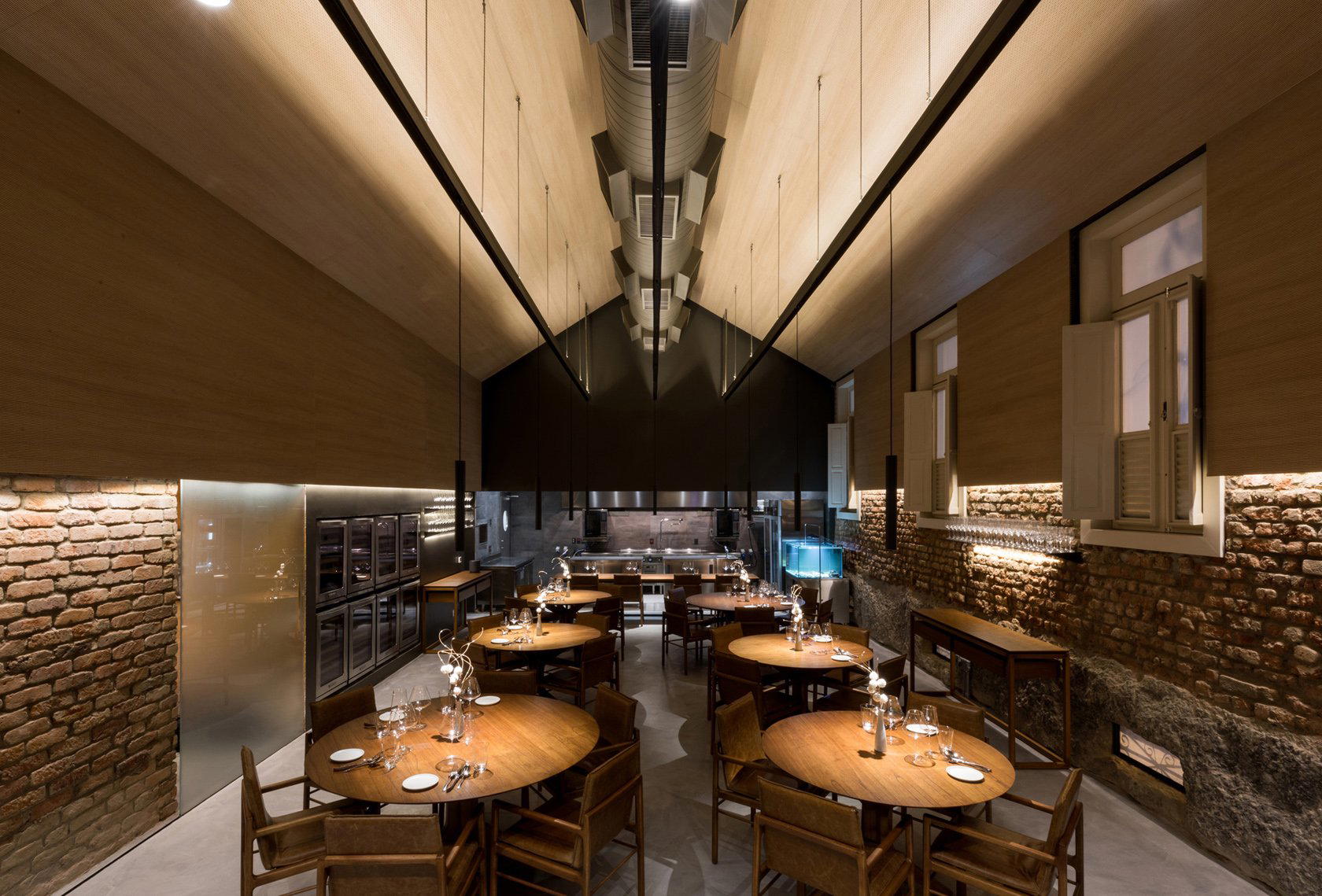
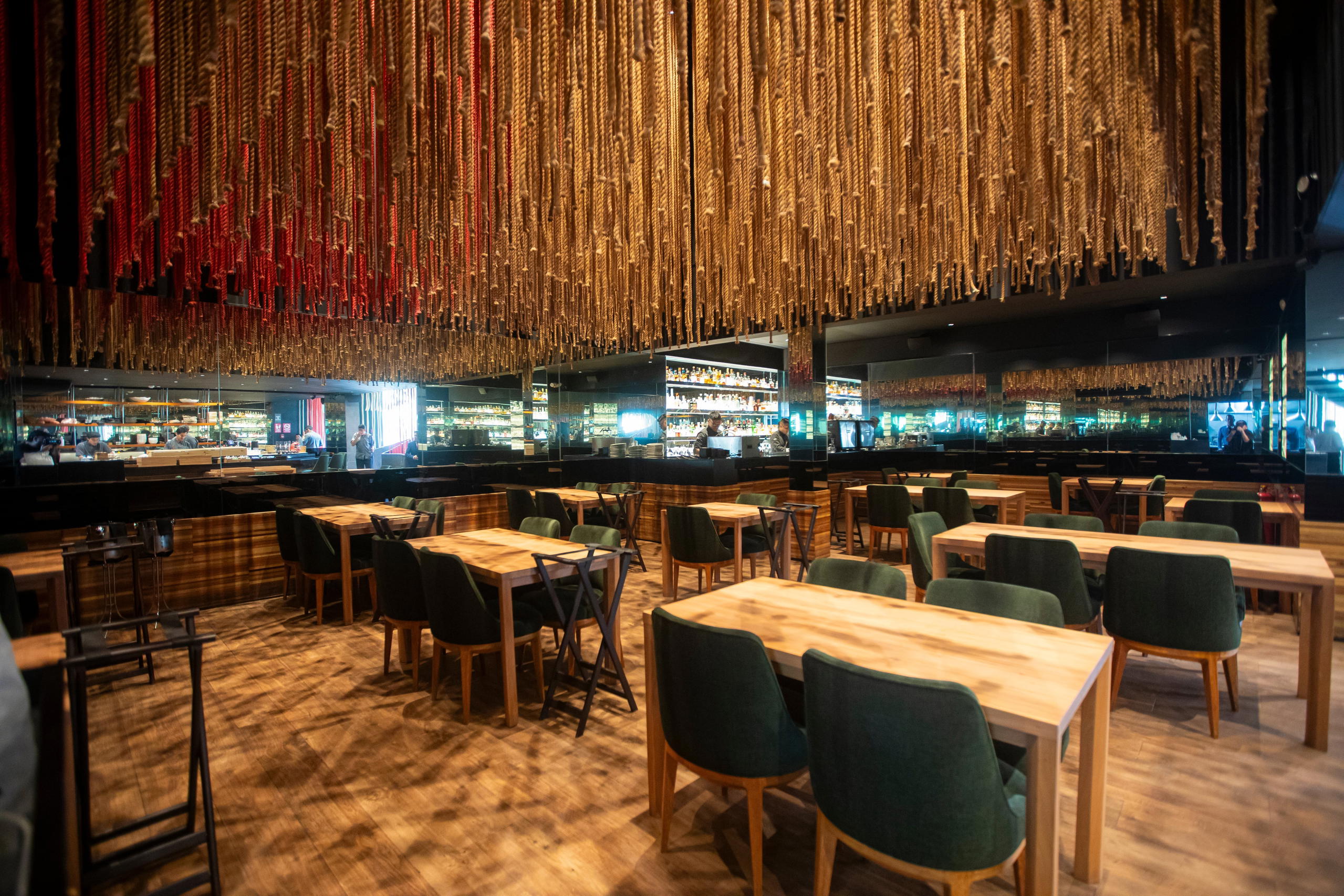
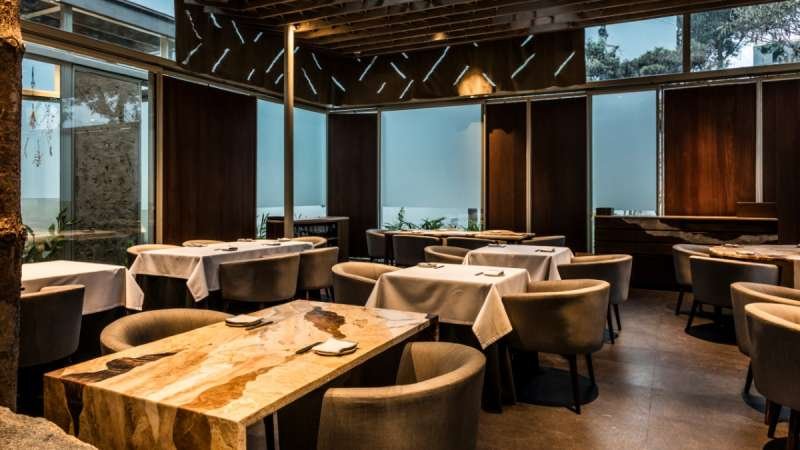
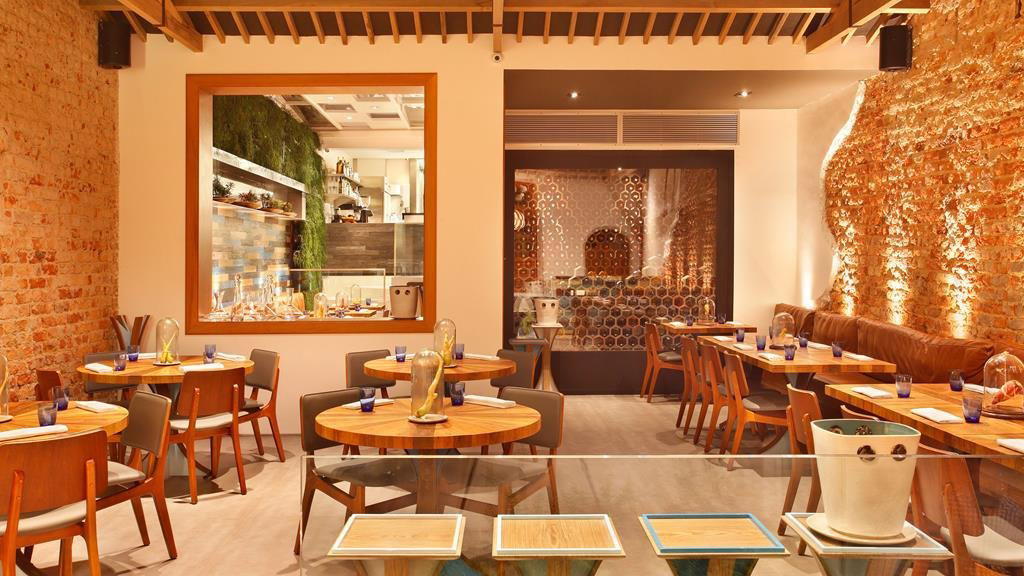
The aroma profile of a kitchen like this is clean and restrained: dashi, yuzu, the faint char of grilled proteins, none of the heavy oil that trails you out of a braseria. That restraint carries through to the room. This is not a place that competes on spectacle or noise. If you want a loud, celebratory atmosphere, look elsewhere. If the meal itself is the event, Kan Suke delivers.
Booking Kan Suke
Booking difficulty is rated Hard. Two consecutive Michelin stars and a limited seat count mean demand consistently outpaces availability. Book as far ahead as possible, four to six weeks is a reasonable floor, and more is better for weekend evenings. Turning up without a reservation is not a viable strategy. If you are visiting São Paulo specifically and this dinner matters to your trip, lock in the booking before you confirm your flights. The restaurant is at R. Manuel da Nóbrega, 76, Paraíso, accessible by São Paulo's metro system (Ana Rosa station is close) or by rideshare.
For broader context on where Kan Suke sits within the city's dining scene, see our full São Paulo restaurants guide. If you are building a full trip, our São Paulo hotels guide, bars guide, and experiences guide will help you plan around the meal.
São Paulo's Japanese Dining Tier
Kan Suke does not operate in isolation. São Paulo has a large and serious Japanese-Brazilian food culture, and the competition in this category is real. Jun Sakamoto is the most direct peer, also $$$ and Japanese, and a reasonable alternative if Kan Suke is unavailable. Other Japanese restaurants worth knowing in the city include Kinoshita, Kuro, Huto, KANOE, and Oizumi Sushi, each occupying a different register of the category. Kan Suke's Michelin recognition sets it apart from most of this group, but the depth of the city's Japanese dining scene means you will not go without options if your first choice is booked.
For comparison beyond Brazil, the closest reference points for the style and formality of Japanese fine dining at this level are Myojaku and Azabu Kadowaki in Tokyo. Kan Suke operates in that tradition, translated for a São Paulo address.
If you are exploring Brazil's wider dining scene beyond São Paulo, Oteque in Rio de Janeiro, Origem in Salvador, Mina in Campos do Jordão, Birosca S2 in Belo Horizonte, Orixás | North Restaurant in Itacaré, and State of Espírito Santo in Rio Bananal give useful breadth to the country's fine dining picture. Our São Paulo wineries guide is worth consulting if you want to extend your trip into the wine side of the city's food culture.
Quick reference:
Planning details
- Hours
- Monday: Closed · Tuesday: 11:30 AM–2 PM, 6–10 PM
- Location
- R. Manuel da Nóbrega, 76 - Paraíso, São Paulo - SP, 04001-080, Brazil
- Phone
- +55 11 3266-3819
The take
The Take
The Vibe
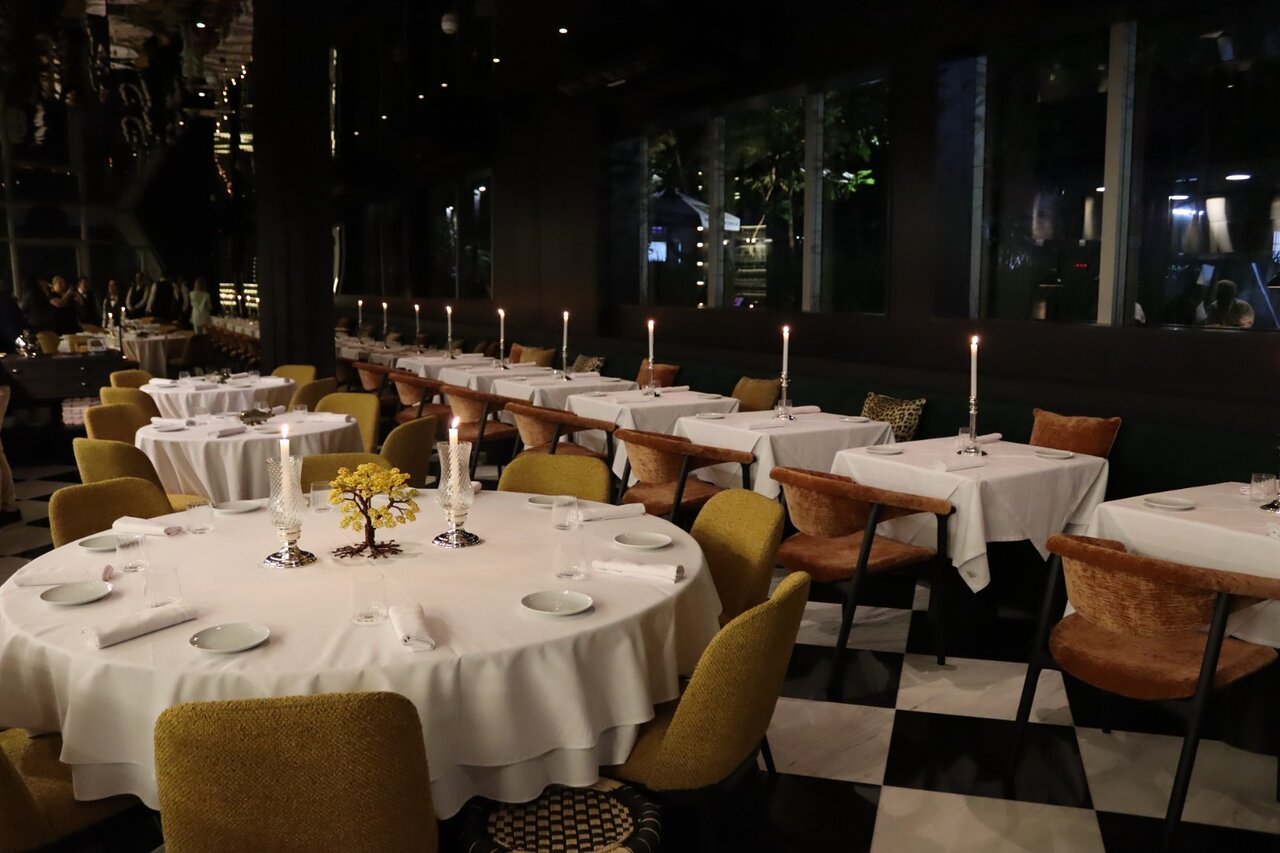
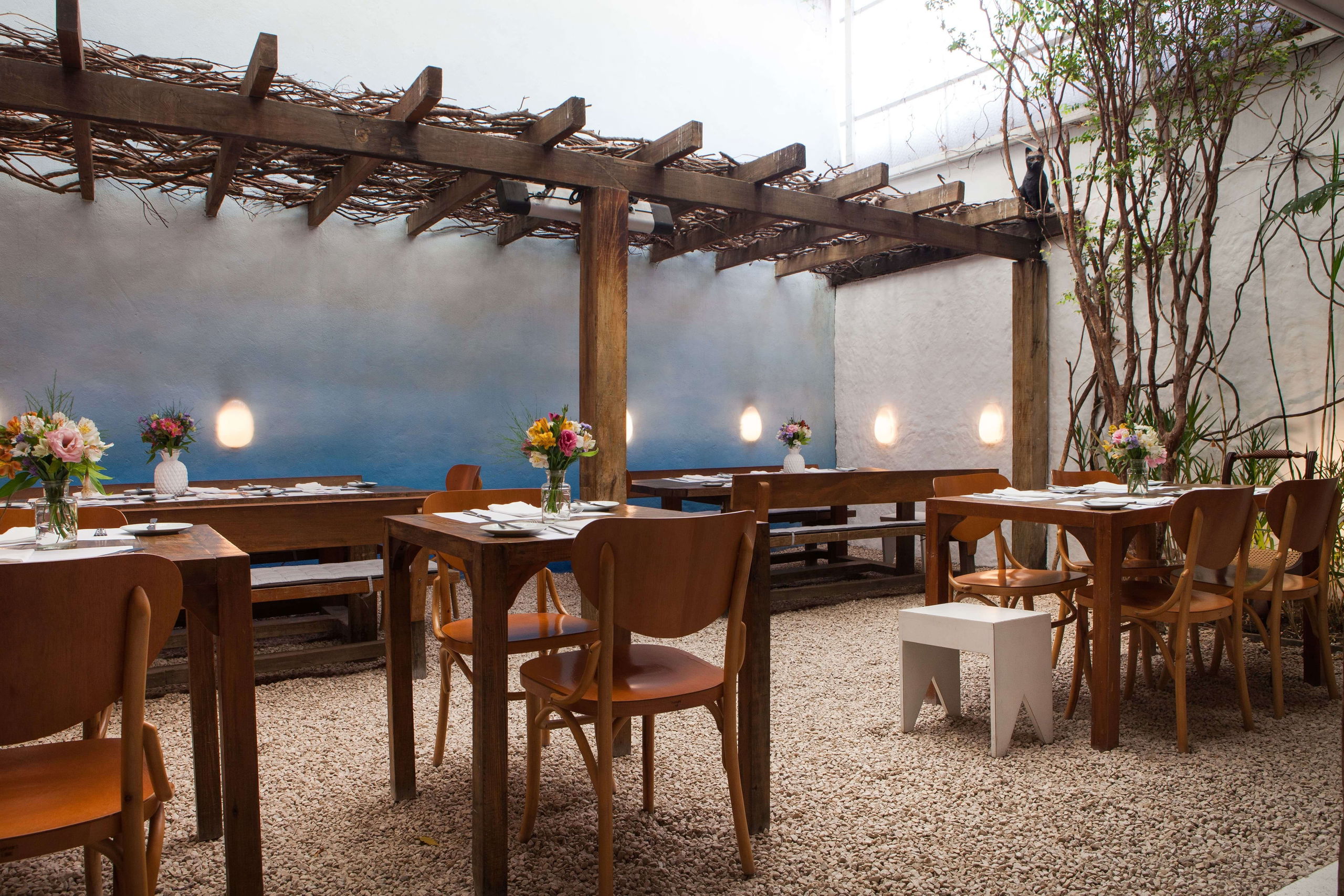
Kan Suke presents kaiseki in a São Paulo context with a restrained, classical temperament. Seasonality, technical precision and an editorial approach to ingredient order and vessel choice create a measured, quietly refined atmosphere. Housed on a residential stretch of Rua Manuel da Nóbrega, the restaurant sits away from the city's noisier dining corridors, which supports a serene, contemplative dining rhythm. The focus is on thoughtful sequences and small-tier, room-based service rather than theatrical spectacle, making the room feel composed and deliberately paced.
Best For
This is a restaurant best experienced as a focused evening affair: the kaiseki structure and its multi-course sequencing reward dinner service and occasions that demand attention. Kan Suke is at the upper end of the price band and suits special evenings and date nights when guests want a meticulous, course-by-course tasting. The format also accommodates solo diners who appreciate close attention to technique and seasonal details. It’s less about casual drop-ins and more about committing to a complete, considered meal.
Ordering Tips
Expect a structured multi-course kaiseki progression that foregrounds seasonality and ingredient sequencing rather than à la carte experimentation. Prioritize the full kaiseki menu to see the kitchen's editorial intelligence: courses are designed to read against one another, with seafood like toro, ebi, tuna belly, grouper, red snapper and Japanese amberjack featured among signature elements. Because the meal’s interest lies in its pacing and vessel-specific presentations, allow the service to guide timing and sequence rather than asking to radically reorder courses.
Venue details
Ambiance
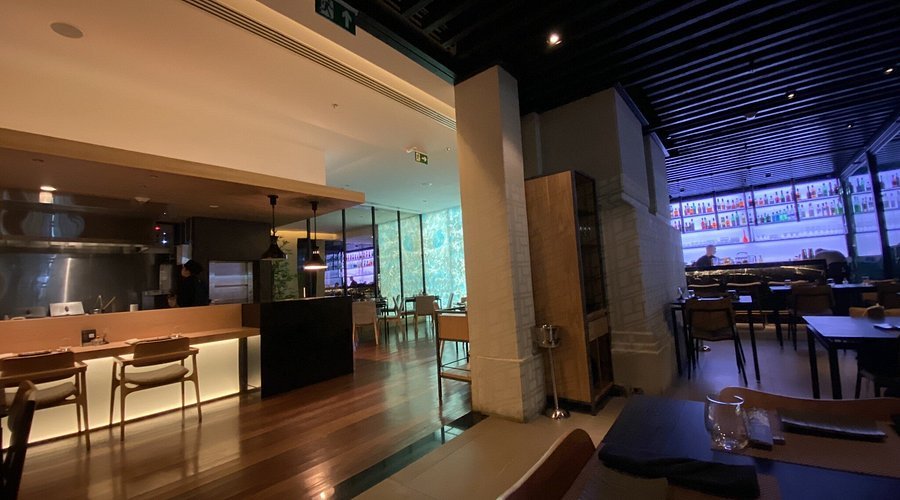
Serene and minimalist with gentle Japanese music, resembling an authentic Tokyo sushi bar with just a counter, rice cooker, and chopping board; intimate seating for 8 at the counter with additional tatami seating upstairs.
Tags
Vibe
Best For
Experience
Sourcing
At the Table
- Dress Code
- Smart Casual
- Noise Level
- Quiet
- Service Style
- Omakase Bar
- Meal Pacing
- Extended Experience
- Capacity
- Intimate
- Kitchen
- Traditional
- Menu Format
- Omakase, Counter dining, Tasting menu
- Drinks Focus
- Sake
- Dietary
- Pescatarian friendly, Allergy accommodating
Signature Dishes
7 itemsKnow before you go
Know Before You Go
- Getting there
- R. Manuel da Nóbrega, 76 - Paraíso, São Paulo - SP, 04001-080, Brazil
Planning details
Hours
- Monday
- Closed
- Tuesday
- 11:30 AM–2 PM, 6–10 PM
- Wednesday
- 11:30 AM–2 PM, 6–10 PM
- Thursday
- 11:30 AM–2 PM, 6–10 PM
- Friday
- 11:30 AM–2 PM, 6–10 PM
- Saturday
- 11:30 AM–2 PM, 6–10 PM
- Sunday
- Closed
Location
R. Manuel da Nóbrega, 76 - Paraíso, São Paulo - SP, 04001-080, Brazil · Directions

Also consider
Also Consider
- D.O.M.: Modern Brazilian, Creative, $$$$
- Evvai: Contemporary Italian, Modern Cuisine, $$$$
- Maní: Brazilian - International, Creative, $$$
- Jun Sakamoto: Sushi, Japanese, $$$
- A Casa do Porco: Regional Brazilian, Brazilian, $$
Restaurant context
How Kan Suke Compares in São Paulo
Within São Paulo's Michelin-recognised tier, Kan Suke sits alongside but distinct from the $$$$-priced options. D.O.M. and Evvai both operate at a higher price point and offer modern Brazilian and contemporary Italian respectively: if cuisine is your deciding factor, neither competes directly with Kan Suke's Japanese precision. What Kan Suke offers at $$$ is Michelin-starred quality without the $$$$ outlay, which makes it the stronger value play for diners whose priority is technical cooking over celebrity-chef spectacle.
Jun Sakamoto is the most direct alternative: same price tier, same cuisine category, serious local reputation. If Kan Suke is unavailable, Jun Sakamoto is the natural fallback for Japanese dining at this level in the city. Maní competes on price (also $$$) but sits in creative Brazilian-international territory: a better pick if you want something more flexible and less structured than a Japanese tasting format. For diners on a tighter budget, A Casa do Porco at $$ is outstanding value in the Brazilian category, though it is a completely different kind of meal.
The booking difficulty question matters here. Kan Suke is rated Hard: two Michelin stars and limited seats mean you plan ahead or you miss it. Maní and A Casa do Porco are generally more accessible. If you are visiting São Paulo with a fixed itinerary and Japanese fine dining is your priority, Kan Suke is the booking to make first. If flexibility matters more than cuisine type, Maní gives you creative cooking at the same price with more room to manoeuvre on timing.
Explore São Paulo
Around this place
Discover more on Pearl
Unlock the full Kan Suke guide in Pearl, including awards, comparisons, FAQs, planning details, and nearby places.
Compare Kan Suke
| Venue | Cuisine | Price | Awards | Booking Difficulty |
|---|---|---|---|---|
| Kan Suke | Japanese | $$$ | 2026 OAD Top Restaurants in South America Ranked · #91Michelin Guide Rio de Janeiro & Sao Paulo 20262025 Michelin 1 Star2024 Michelin 1 Star | Hard |
| D.O.M. | Modern Brazilian, Creative | $$$$ | 2026 OAD Top Restaurants in South America Ranked · #11Michelin Guide Rio de Janeiro & Sao Paulo 20262026 La Liste Top Restaurants2025 Latin America's 50 Best Restaurants · #74We're Smart World Top Restaurants 20252025 The Best Chef Three KnivesChef's Table Featured Restaurants · 20252025 La Liste Top Restaurants2025 Michelin 2 Stars | Unknown |
| Evvai | Contemporary Italian, Modern Cuisine | $$$$ | 2026 OAD Top Restaurants in South America Ranked · #36Michelin Guide Rio de Janeiro & Sao Paulo 20262026 La Liste Top Restaurants2025 Latin America's 50 Best Restaurants · #202025 OAD Top Restaurants in South America Ranked · #432025 World's 50 Best Restaurants · #952025 Michelin 2 Stars2025 La Liste Top Restaurants2025 Michelin Plate | Unknown |
| Maní | Brazilian - International, Creative | $$$ | 2026 OAD Top Restaurants in South America Ranked · #21Michelin Guide Rio de Janeiro & Sao Paulo 20262026 La Liste Top Restaurants2025 OAD Top Restaurants in South America Ranked · #202025 Latin America's 50 Best Restaurants · #67We're Smart World Top Restaurants 20252025 La Liste Top Restaurants2025 The Best Chef One Knife2025 Michelin 1 Star | Unknown |
| Jun Sakamoto | Sushi, Japanese | $$$ | 2026 OAD Top Restaurants in South America Ranked · #69Michelin Guide Rio de Janeiro & Sao Paulo 20262026 La Liste Top Restaurants2025 OAD Top Restaurants in South America Ranked · #592025 Michelin 1 Star2025 La Liste Top Restaurants2024 OAD Top Restaurants in South America Ranked · #522024 Michelin 1 Star | Unknown |
| A Casa do Porco | Regional Brazilian, Brazilian | $$ | 2026 OAD Top Restaurants in South America Ranked · #17Michelin Guide Rio de Janeiro & Sao Paulo 20262026 La Liste Top Restaurants2025 OAD Top Restaurants in South America Ranked · #142025 Latin America's 50 Best Restaurants · #252025 World's 50 Best Restaurants · #832025 La Liste Top Restaurants2025 The Best Chef Two Knives2025 Michelin Bib Gourmand | Unknown |






.png?width=1200&quality=80)



A quick look at how Kan Suke measures up.
FAQ
Frequently Asked Questions
Is Kan Suke good for solo dining?
Yes: counter seating at a Michelin-starred Japanese restaurant is one of the better solo dining formats in the city. At $$$, you are paying for craft and proximity to the kitchen, and solo diners typically get the best seats for that. Request the counter when booking.
What are alternatives to Kan Suke in São Paulo?
Jun Sakamoto is the closest direct comparison in the Japanese category and is worth considering if Kan Suke is fully booked. For high-end dining in a different register, Evvai and Maní operate at a similar price tier with strong critical recognition. D.O.M. and A Casa do Porco are both compelling at $$$, but in entirely different cuisines.
How far ahead should I book Kan Suke?
Book at least four to six weeks out. Kan Suke has held a Michelin star in both 2024 and 2025, and with a limited seat count, demand runs ahead of availability. Booking difficulty is rated Hard: last-minute tables are rare.
What should I order at Kan Suke?
Kan Suke is at R. Manuel da Nóbrega, 76. Given the Japanese cuisine category and Michelin recognition under chef Kunio Tokuoka, a tasting or set menu format is the likely main offering.
Is Kan Suke worth the price?
At $$$, Kan Suke sits in the same price tier as São Paulo's most decorated restaurants, and two consecutive Michelin stars give it a credibility floor that most competitors in the city cannot match. Whether it justifies the spend depends on your appetite for Japanese fine dining: if that is your format, yes. If you want more flexible ordering, Jun Sakamoto may suit you better.
Is the tasting menu worth it at Kan Suke?
For a Michelin-starred Japanese restaurant under chef Kunio Tokuoka, a structured menu format is where the kitchen's precision reads most clearly. If you are paying $$$ for a single dinner in São Paulo, a set format gives you the full picture of what Kan Suke is doing. Confirm the current menu structure when you book.
Is Kan Suke good for a special occasion?
Yes, and it is one of the stronger cases for a milestone dinner in São Paulo's Japanese category. Two consecutive Michelin stars (2024 and 2025) give it the kind of credibility that holds up as a meaningful choice. Book early, request counter seating for two, and confirm any dietary requirements when you reserve.