.png?width=1200&quality=80)
Gaio
Fusion · Santiago de Compostela City Centre, Santiago de Compostela
Restaurant in Santiago de Compostela, Spain
 Book with Pearl
The Read
Galician-Rooted Sharing Counter
Price
€€
Chef
Andres Medina Risco
Dress
Smart Casual
Why go
Gaio is the most convincing case for fusion cooking in Santiago de Compostela: a Michelin Plate-recognised kitchen (2024 and 2025) working Peruvian and Asian technique into seasonal Galician produce, at the €€ price tier. The open-kitchen counter format suits solo diners and pairs well, and the sharing-plate structure rewards multiple visits. Book a few days out in peak season.
About Gaio
Verdict
Gaio earns a confident recommendation for food-focused visitors to Santiago de Compostela who want something sharper than the city's many pilgrim-trail standbys. At the €€ price tier, it delivers a Michelin Plate-recognised menu — awarded in both 2024 and 2025 — built around sharing dishes that pull Peruvian and Asian technique into a frame of seasonal Galician produce. Book it for your first evening in the city, then consider coming back before you leave.
The Case for Multiple Visits
Gaio's sharing format is the main reason to plan a return. The menu is structured so that two or three dishes give you a satisfying meal, but four or five give you a much clearer read on what chef Andrés Medina Risco is actually doing, which is a more considered project than the informal room suggests. On a first visit, anchor around the fusion-forward dishes: the charcoal-grilled chicken with Chinese cabbage and Genoveva dressing is documented in the venue's Michelin notes, as is the mackerel with grapes and gazpachuelo. These are the dishes that signal the kitchen's range, Galician coastal produce pushed through a Peruvian acid-and-umami lens.
A second visit rewards you with the quieter, more personal strand of the menu: the dishes that pay tribute to the chef's grandmother and aunt. The millet and bull's beef tosta sits in this register, less showpiece, more considered. It reads differently once you've already mapped the bolder end of the menu. This is not a restaurant where every dish performs the same trick, and that unevenness is a feature worth exploring across two meals rather than a single long one.
If you're planning three visits, unlikely for most travellers, but not unusual for those spending a week in the city on a longer Camino-adjacent trip, use the third to eat at the counter during a quieter service. The open kitchen is a genuine advantage here: you can watch the prep and get a more granular sense of the technique underpinning dishes that might read as casual on the plate. Compared to the counter experience at Abastos 2.0 - Barra, which leans into raw Galician product and simplicity, Gaio's counter is more technically layered, a different kind of education.
What the Room Is Like
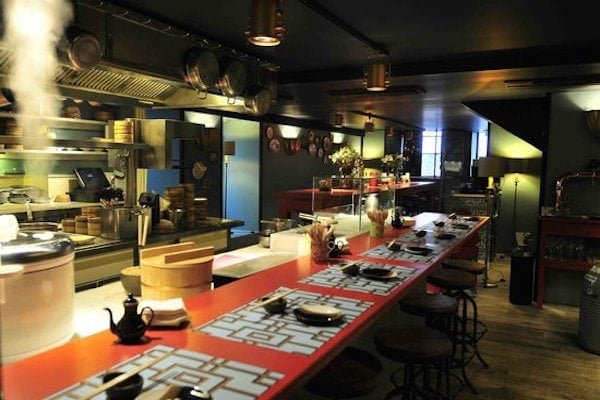
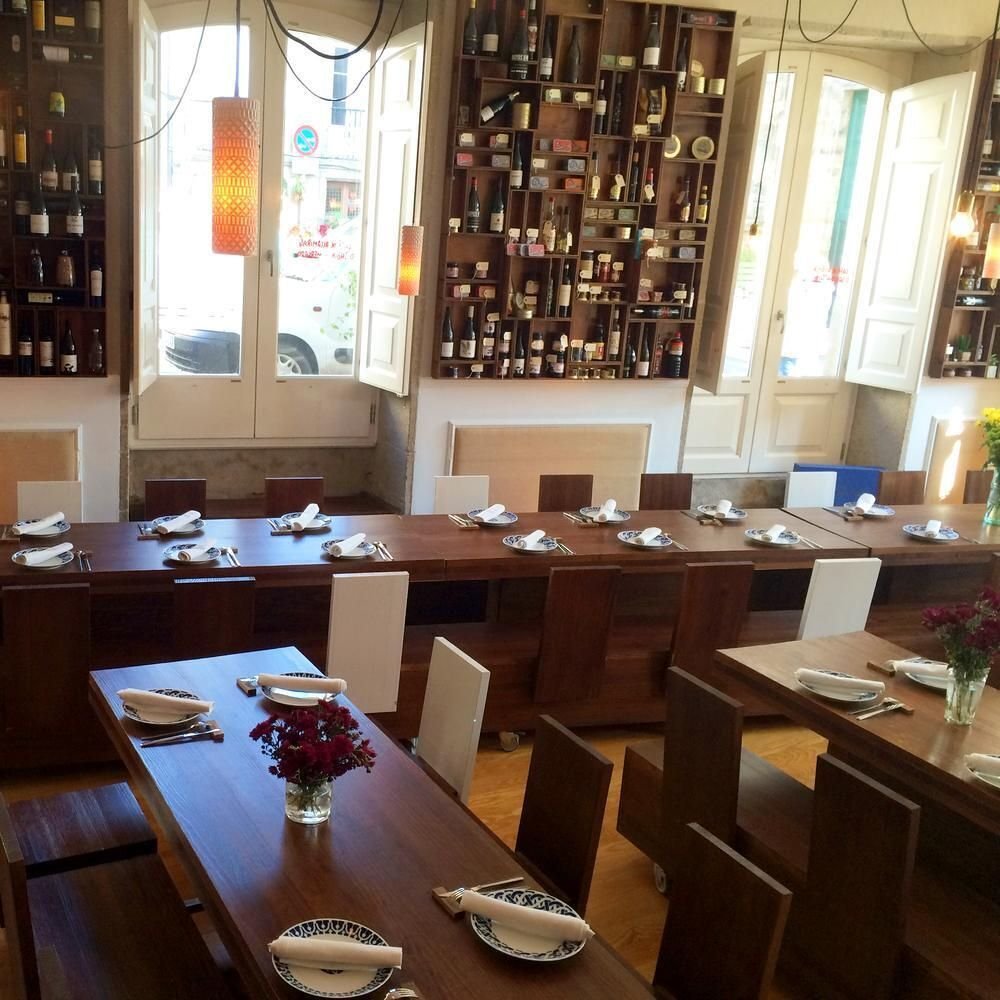
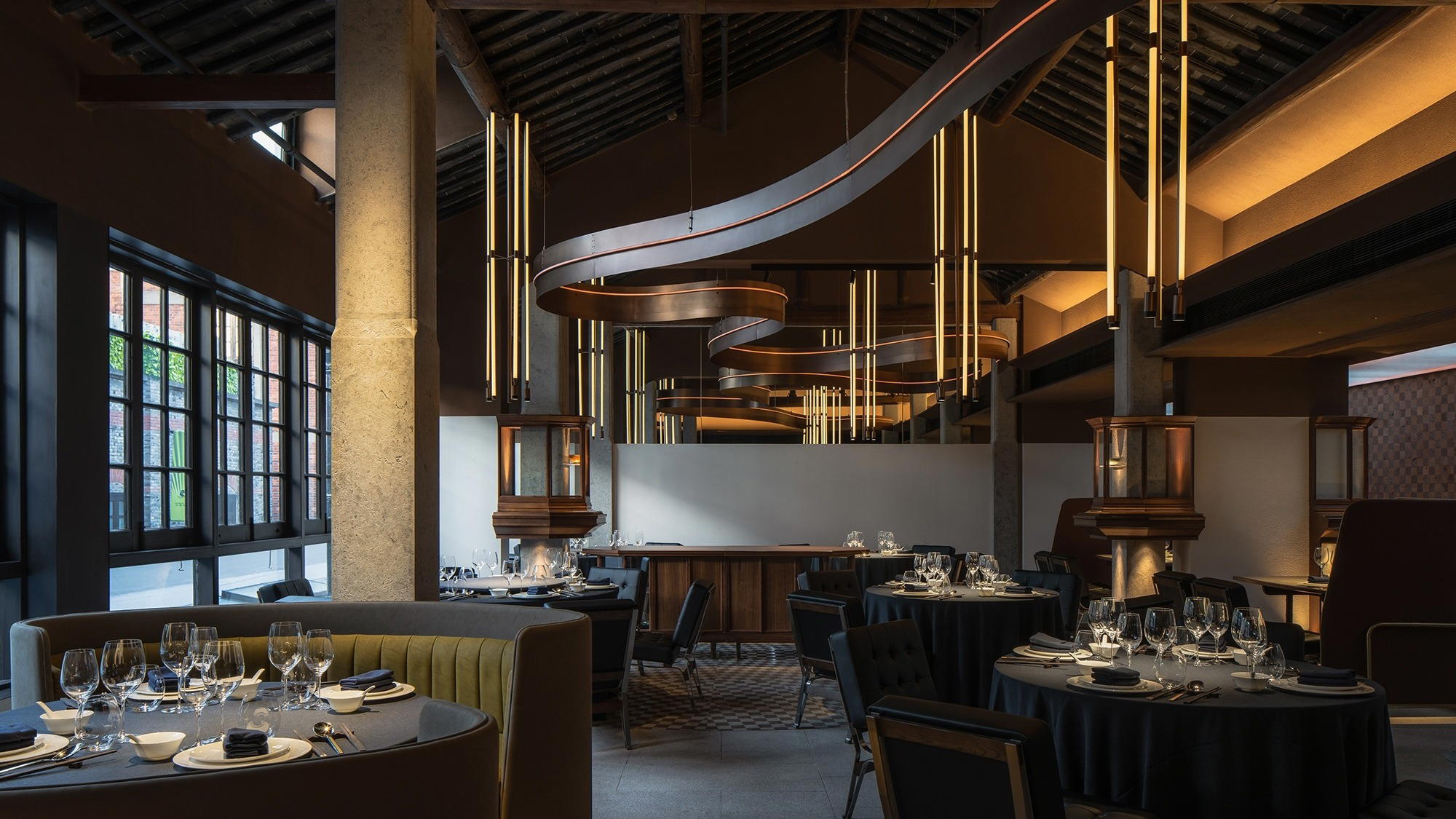
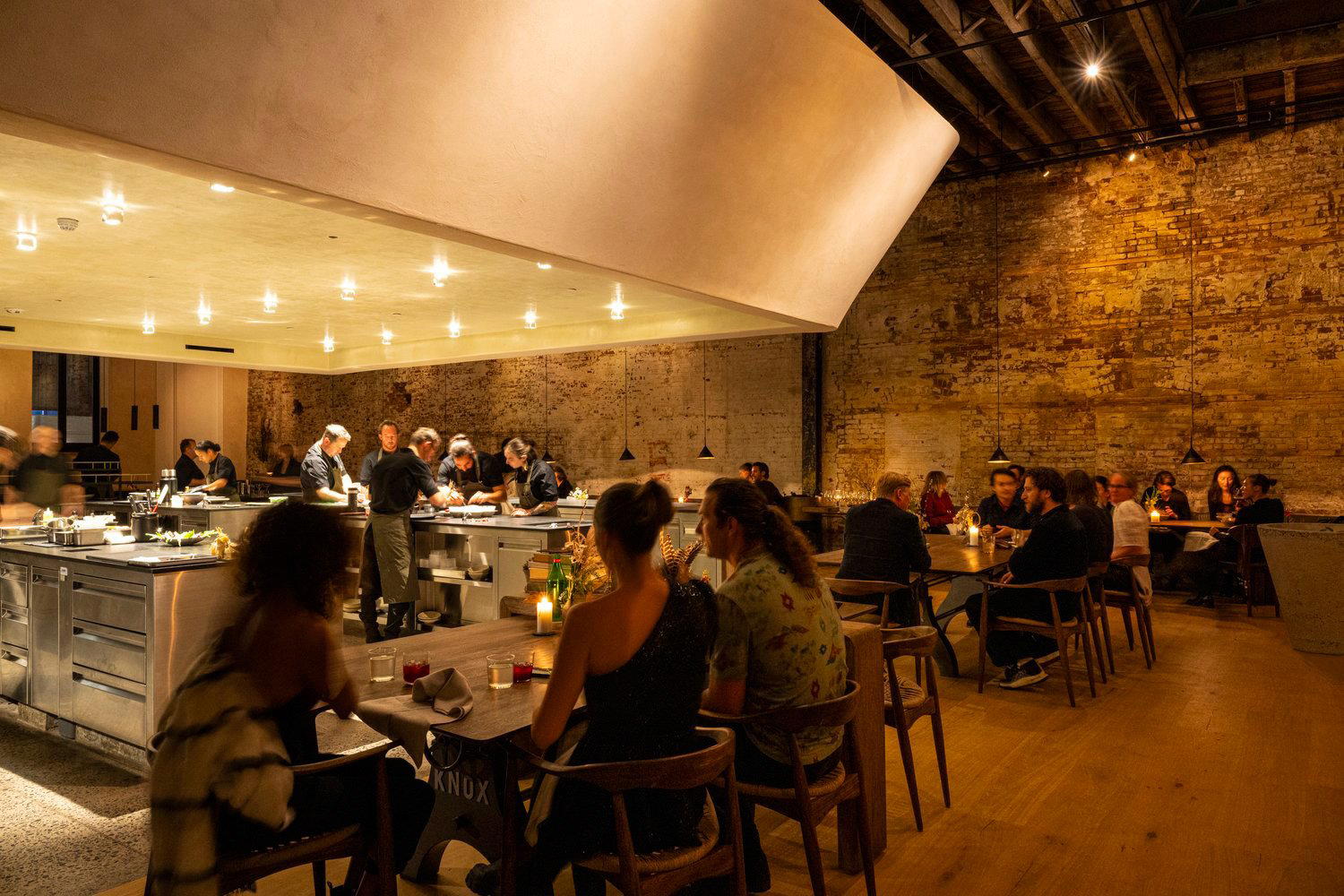
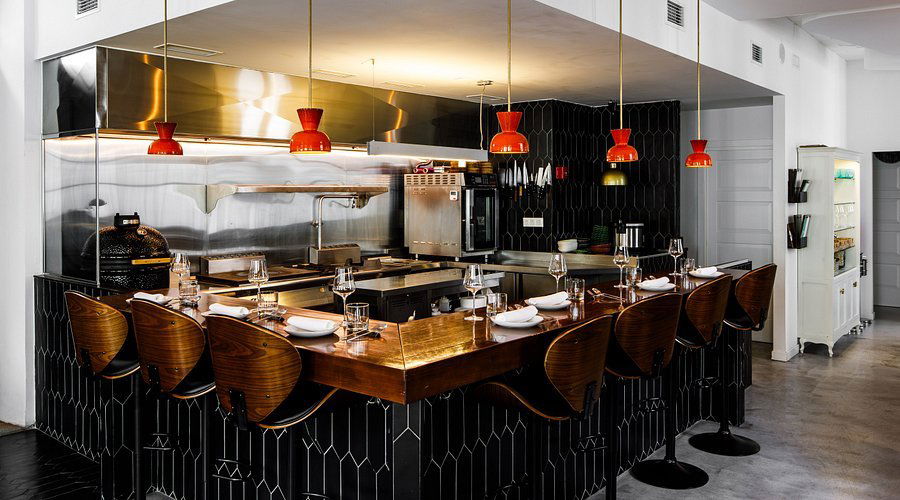
The space occupies a former shop on Rúa da Poza de Bar, and the conversion has been kept deliberately low-key. The contemporary feel is real but not overdone, no performance architecture, no studied minimalism. The open kitchen is the visual anchor, with the dining counter wrapping around it. The ambience Michelin describes as "decidedly informal" is accurate: this is not a restaurant where you'll feel underdressed in a good jacket or overdressed in smart-casual. The format suits pairs and solo diners more naturally than large groups, given the counter orientation and sharing-plate cadence.
Flavour Profile and Culinary Direction
The kitchen's core logic is Galician produce filtered through Peruvian and Asian cooking languages. Acid, char, and umami show up across the menu, the charcoal grill is a recurring tool, and the mackerel preparation with grapes and gazpachuelo uses the classic Andalusian cold soup as a finishing element, which is an unusual and effective move. The sharing structure means you can build a meal that tilts either toward the more globally inflected dishes or toward the family-recipe-adjacent ones, depending on what you're after. For visitors who have already eaten through the city's more traditional Galician dining rooms, this is a useful counterpoint. For those who want to understand what contemporary Galician cooking looks like beyond the fish-and-wine formula, Gaio is a more instructive stop than its price tier would suggest.
For context, Spain's broader fusion landscape includes destinations like Quique Dacosta in Dénia, El Celler de Can Roca in Girona, and Arzak in San Sebastián, all operating at different price points and ambition levels. Gaio doesn't compete with those in scale or formality, but the Michelin Plate recognition places it in credible company for what it's attempting at the €€ tier. Internationally, if you're interested in the Peruvian-Asian fusion direction more broadly, venues like Jae in Düsseldorf and Soseki in Winter Park offer useful comparisons in how different kitchens handle similar cross-cultural cooking.
Booking and Practical Details
Gaio's booking difficulty is rated Easy, which is a genuine advantage in a city where the better-known spots fill quickly around peak pilgrimage season (spring and summer). That said, easy doesn't mean walk-in reliable, the counter seats and the Michelin recognition mean demand is real. Book a few days out minimum if you're visiting in summer; in the shoulder months, 48 hours is likely sufficient. Reservations: Book in advance, a few days minimum in peak season, 48 hours in quieter periods. Dress: Smart-casual is fine; the room is informal and no dress code is in force. Budget: €€ tier, expect a mid-range spend, with sharing dishes keeping the per-head cost manageable if you're ordering selectively. Format: Sharing plates at a counter around an open kitchen; works well for two, well-suited for solo diners, less ideal for groups of five or more.
How It Compares
See the comparison section below for how Gaio sits against A Maceta, A Tafona, and others in the Santiago de Compostela dining set.
Pearl's Santiago de Compostela Guides
- Our full Santiago de Compostela restaurants guide
- Our full Santiago de Compostela hotels guide
- Our full Santiago de Compostela bars guide
- Our full Santiago de Compostela wineries guide
- Our full Santiago de Compostela experiences guide
Planning details
- Location
- Rúa da Poza de Bar, 2, 15705 Santiago de Compostela, A Coruña, Spain
- Website
- restaurantegaio.com
- Phone
- +34 981 58 64 21
The take
The Take
The Vibe
Gaio feels intentionally minimal and focused: a former retail unit is stripped back to clean lines and a compact footprint, and a single counter wraps an open kitchen so guests sit close to the cooking. That spatial honesty produces a modern, cozy and intimate atmosphere that leans trendy without being showy. The service and room are deliberately informal — the Michelin Plate even flags the "decidedly informal ambience" — so the experience is about exchange and immediacy rather than ceremony. The result is a quietly sophisticated neighborhood counter that prioritises conversation with the cooks.
Best For
Gaio suits intimate evenings and small celebrations where interaction with the kitchen matters. The counter format makes it a natural pick for date nights and special occasions that favour direct contact with the chefs, while the sharing-focused menu also works well for small group dining. Because the space is modest and oriented around a single counter, it reads as a neighbourhood spot that cooks for residents rather than pilgrimage crowds — good for diners who want engaged, ingredient-led plates in a close, conversational setting.
Ordering Tips
The menu is organised around sharing, and plates arrive as they’re ready rather than in a fixed tasting sequence, so embrace the rhythm and order a spread rather than strict courses. Ask the staff for guidance and bring the signature items — Xuret, Tosta de millo y Toro and Corbina — into your rotation, since those dishes highlight the kitchen’s fusion of Peruvian and Asian references with Galician ingredients. If you want the full exchange with the cooks, request counter seating to watch preparations and trade notes as dishes land.
Venue details
Ambiance
Warm, contemporary atmosphere with informal elegance and visibility into the bustling open kitchen.
Tags
Vibe
Best For
Experience
Sourcing
At the Table
- Dress Code
- Smart Casual
- Noise Level
- Conversational
- Service Style
- Upscale Casual
- Meal Pacing
- Leisurely
- Capacity
- Intimate
Signature Dishes
- Xuret
- Tosta de millo y Toro
- Corbina
Know before you go
Know Before You Go
- Getting there
- Rúa da Poza de Bar, 2, 15705 Santiago de Compostela, A Coruña, Spain
Planning details
Location
Rúa da Poza de Bar, 2, 15705 Santiago de Compostela, A Coruña, Spain · Directions
Recognition and awards
Also consider
Also Consider
- Abastos 2.0 - Mesas, Farm to Table-Tapas, Galician, €€
- Casa Marcelo, Asian Small Plates, Fusion, €€€
- A Tafona, Contemporary, €€€€
- Abastos 2.0 - Barra, Farm to Table-Tapas, €
- A Maceta, Fusion, €€
Restaurant context
At the €€ tier, Gaio's closest direct competitor is A Maceta, which operates in a similar fusion register at the same price point. Gaio has the edge in credentialled recognition, two consecutive Michelin Plate awards versus A Maceta's lower public profile, and the open-kitchen counter gives it a more engaging physical format for food-focused diners. If Gaio is full, A Maceta is the right fallback, but Gaio should be your first call.
For those considering Casa Marcelo at €€€, the question is whether the step up in price delivers proportionate value. Unless budget is genuinely flexible and you want the slightly more formal register that €€€ typically brings, Gaio is the smarter spend. At the lower end, Abastos 2.0 - Barra at € and Abastos 2.0 - Mesas at €€ both deliver excellent Galician produce-led eating, but they operate in a different culinary register entirely, no fusion, no counter theatre, more traditional. Choose those if you want to eat closer to the region's agricultural identity; choose Gaio if you want to see what a contemporary Galician kitchen does when it looks outward.
A Tafona at €€€€ is the only venue in the comparison set that clearly outranks Gaio on ambition and formality. It's the right choice for a milestone dinner or when the occasion demands a more composed, service-led experience. For everyday food-focused eating in Santiago, especially across multiple visits, Gaio delivers more per euro than anything else in this set.
Explore Santiago de Compostela
Around this place
Discover more on Pearl
Unlock the full Gaio guide in Pearl, including awards, comparisons, FAQs, planning details, and nearby places.
Compare Gaio
| Venue | Location | Cuisine | Awards | Price |
|---|---|---|---|---|
| Gaio | Santiago de Compostela | Fusion | 2026 Michelin Plate2025 Michelin Plate2024 Michelin Plate | €€ |
| Abastos 2.0 - Mesas | Santiago de Compostela | Farm to Table-Tapas, Galician | 2026 Bib Gourmand2025 Michelin Bib Gourmand2024 Michelin Bib Gourmand | €€ |
| Casa Marcelo | Santiago de Compostela | Asian Small Plates, Fusion | 2026 OAD Casual in Europe Ranked · #102Guía Repsol Soles 20262026 Michelin 1 Star2025 OAD Casual in Europe Ranked · #1852025 Michelin 1 Star2024 OAD Casual in Europe Ranked · #1992024 Michelin 1 Star2023 OAD Casual in Europe Ranked · #129 | €€€ |
| A Tafona | Santiago de Compostela | Contemporary | Guía Repsol Soles 20262026 Michelin 1 StarWe're Smart World Top Restaurants 20252025 Michelin 1 Star2024 Michelin 1 Star | €€€€ |
| Abastos 2.0 - Barra | Santiago de Compostela | Farm to Table-Tapas | 2026 OAD Casual in Europe Recommended2026 Michelin Plate2025 OAD Casual in Europe Ranked · #8732025 Michelin Plate | € |
| A Maceta | Santiago de Compostela | Fusion | 2026 Michelin Plate2025 Michelin Plate2024 Michelin Plate | €€ |
.png?width=1200&quality=80)





How Gaio Santiago compares with similar nearby venues.
FAQ
Frequently Asked Questions
What should I wear to Gaio?
Dress casually. The venue occupies a converted shop with a deliberately low-key fit-out and an open kitchen counter — the atmosphere is informal by design, not by accident. Jeans and a clean top are entirely appropriate. Overdressing would feel out of place.
Is the tasting menu worth it at Gaio?
Gaio operates on a sharing format rather than a set tasting menu, so the question is really about how many dishes you order. Two or three dishes make a satisfying meal; pushing to four or more gives you a fuller picture of the kitchen's Peruvian-Asian-Galician range. At a €€ price point with a Michelin Plate (2025), the value for a sharing spread is strong.
What should a first-timer know about Gaio?
The menu is built for sharing, so solo diners or couples get the most from ordering across three or four dishes rather than sticking to one each. The cooking centres on Galician seasonal produce filtered through Peruvian and Asian techniques — expect acid, char, and umami rather than traditional Galician comfort food. Booking is rated Easy, so you don't need to plan weeks ahead.
Is Gaio good for solo dining?
Yes. The open kitchen counter is the seat to request — it puts you close to the action and suits single diners well. The informal atmosphere means solo visits don't feel awkward, and the sharing-plate format scales down to a two- or three-dish solo meal without waste.
Is Gaio good for a special occasion?
It works for a low-key celebration rather than a formal milestone dinner. The space is contemporary and considered, and the Michelin Plate recognition gives it credibility, but the vibe is deliberately casual and the format is convivial rather than ceremonial. For a significant anniversary requiring a set-menu occasion, A Tafona is a more fitting option.
What are alternatives to Gaio in Santiago de Compostela?
For a more traditional Galician experience with a market-driven menu, A Tafona is the clearest alternative. Abastos 2.0 Barra offers a similar casual counter format at a comparable price. Casa Marcelo is the choice if you want a more structured tasting experience. A Maceta suits those who want something neighbourhood-focused and lower key.
Is Gaio worth the price?
At €€ with a Michelin Plate (2025), Gaio sits at the sweet spot where you get genuine creative cooking without paying premium-restaurant prices. The sharing format means you control the spend, and the Galician-Peruvian-Asian direction is a genuine point of difference in a city dominated by traditional seafood and pilgrim-trail restaurants. For food-focused visitors, yes — it's worth it.