

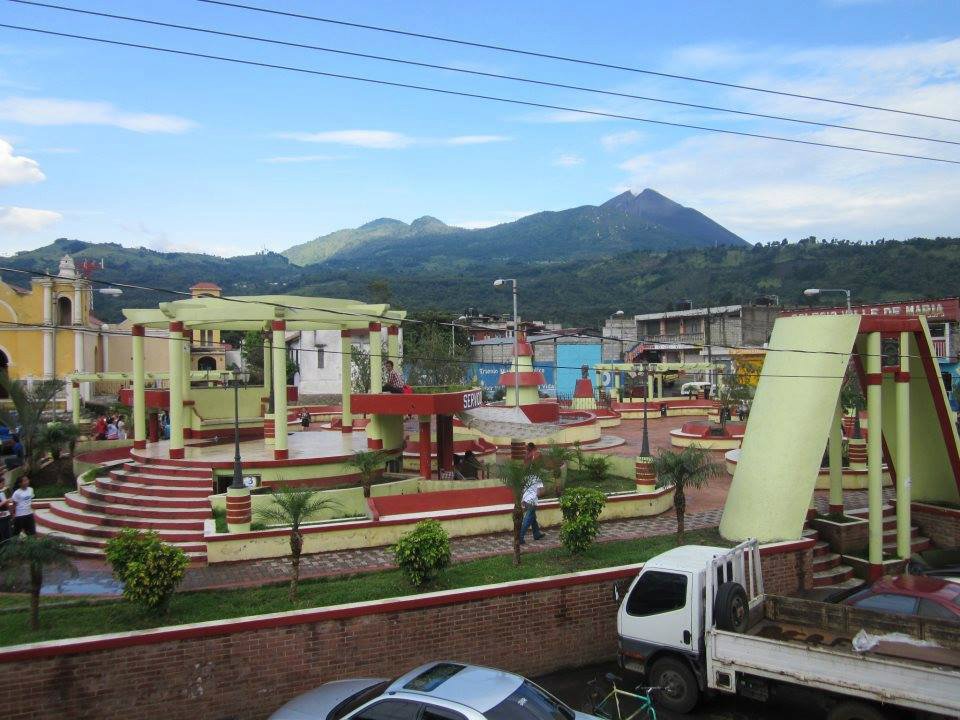
Pacaya
San Vicente Pacaya
Restaurant in San Vicente Pacaya, Guatemala
 Book with Pearl
The Read
Price
$10–20per person
Why go
Pacaya is a location-led choice in San Vicente Pacaya, better for a simple occasion than for diners prioritizing a documented cuisine, chef, price point, or drinks program. Book it when the setting matters most; compare with Antigua peers if the meal needs a clearer culinary or bar identity.
About Pacaya
For Pacaya in San Vicente Pacaya, details are limited. Treat it as a place to consider when the city and the venue name fit your plan, but do not build the decision around specifics such as cuisine, chef, price, menu format, drinks program, room style, or signature dishes.
The clearest practical note is the dress code: casual. For anything beyond that, including reservations, hours, menu details, and service format, check the venue's official channels before making firm plans.
Choose it with simple expectations
Pacaya is best approached as a direct San Vicente Pacaya option with limited detail available. If your meal depends on a clearly documented food or drink brief, compare it with other listed venues before committing. Villa Bokéh is one comparison to review, while Kombu Ramen may also be useful if you are weighing a more clearly defined casual plan.
Quick reference: choose Pacaya when San Vicente Pacaya is central to the plan; compare other venues when you need more detail before booking.
Planning details
- Location
- Guatemala
The take
The Take
The Vibe
Pacaya reads like a place defined by place. Sitting at the foot of Volcán Pacaya, the restaurant foregrounds the link between volcanic terroir and what arrives on the plate: mineral-rich soils, intensely flavored chiles, corn and root vegetables that taste of their slopes. The writing frames the address as less a showpiece than a working connection between land and kitchen, so the mood is quietly focused — a dining room where provenance matters and where dishes are anchored in local agriculture. Visitors should expect a sense of groundedness and landscape in every course rather than flashy culinary theater.
Best For
Pacaya is best for diners who come seeking the story behind their meal. It suits travelers and locals who prioritize ingredient provenance and want to taste produce that grows on Volcán Pacaya’s slopes rather than urban interpretations of Guatemalan staples. This is not a city tasting-room spectacle but a destination for people curious about terroir, regional agriculture and how volcanic soils shape flavors. If you plan a visit as part of a day trip to the area or as a focused food stop on a route through Escuintla, you’ll get the most out of the experience.
Ordering Tips
Order with the landscape in mind: ask which plates highlight produce sourced from Pacaya’s slopes. The description flags chiles, corn, squash, root vegetables and tropical fruits as local strengths, so favor vegetable- and market-driven preparations that showcase those items. When staff are available, inquire about seasonal specials or what was harvested recently — those dishes will most clearly express the volcanic terroir the restaurant emphasizes. Keep expectations practical: the value here is in freshness and locality rather than elaborate technique.
Venue details
Ambiance
Outdoor, rugged, and scenic natural setting centered on volcanic landscapes.
Tags
Vibe
Best For
Experience
Sourcing
View
At the Table
- Menu Format
- A la carte
Know before you go
Know Before You Go
- Getting there
- Guatemala
Planning details
Location
Guatemala · Directions
Also consider
Where to look if Pacaya is not the right fit
For a more occasion-ready meal, try Villa Bokéh, especially if a defined Caribbean Fusion direction helps the group commit. For a lower-pressure fallback, Kombu Ramen is the cleaner choice when the priority is a focused casual meal rather than a location-led outing.
Restaurant context
How Pacaya compares with nearby options
Pacaya is the simplest fit when San Vicente Pacaya itself is the reason for the meal. Against Casa Cristal Bistro and Welten Restaurant Antigua Guatemala, it is less useful for diners who want a clearly framed restaurant choice because the cuisine, price, and service format are not specified. Choose those Antigua peers when the meal needs more structure around ambiance and dining intent.
Villa Bokéh is the stronger cross-shop for a special occasion, especially if Caribbean Fusion sounds closer to the brief and the group wants a more defined experience. Kombu Ramen is the more practical fallback for a casual, focused meal, while Quiltro belongs on the list when flexibility matters more than a destination setting.
Explore San Vicente Pacaya
Around this place
Discover more on Pearl
Unlock the full Pacaya guide in Pearl, including awards, comparisons, FAQs, planning details, and nearby places.
Compare Pacaya
Pacaya vs. Antigua-area peers
Pacaya is the location-led option: pick it when staying in or near San Vicente Pacaya matters more than a defined cuisine or beverage program. Villa Bokéh is better for a polished occasion with a clearer Caribbean Fusion identity, while Kombu Ramen is better for a casual meal with a narrower brief.
For diners comparing ambiance and value, Casa Cristal Bistro, Welten Restaurant Antigua Guatemala, and Quiltro are more useful cross-shops because they give the decision more restaurant-specific context. Pacaya makes more sense when proximity and setting outweigh menu certainty.
FAQ
Frequently Asked Questions
What are alternatives to Pacaya?
For comparison, consider Casa Cristal Bistro, Villa Bokéh, Kombu Ramen, Welten Restaurant Antigua Guatemala, and Quiltro. Pacaya is the San Vicente Pacaya venue in this set, so review location details for the others before planning around them.
Is Pacaya good for a special occasion?
Pacaya may work for a simple occasion in San Vicente Pacaya, especially if casual dress fits the plan. Because awards, price range, cuisine, and menu details are not listed here, confirm practical details directly before treating it as a special-occasion booking.