
Restaurant in Pineto, Italy
Resilienza
100ptsCoastal-Inland Dual Tradition

About Resilienza
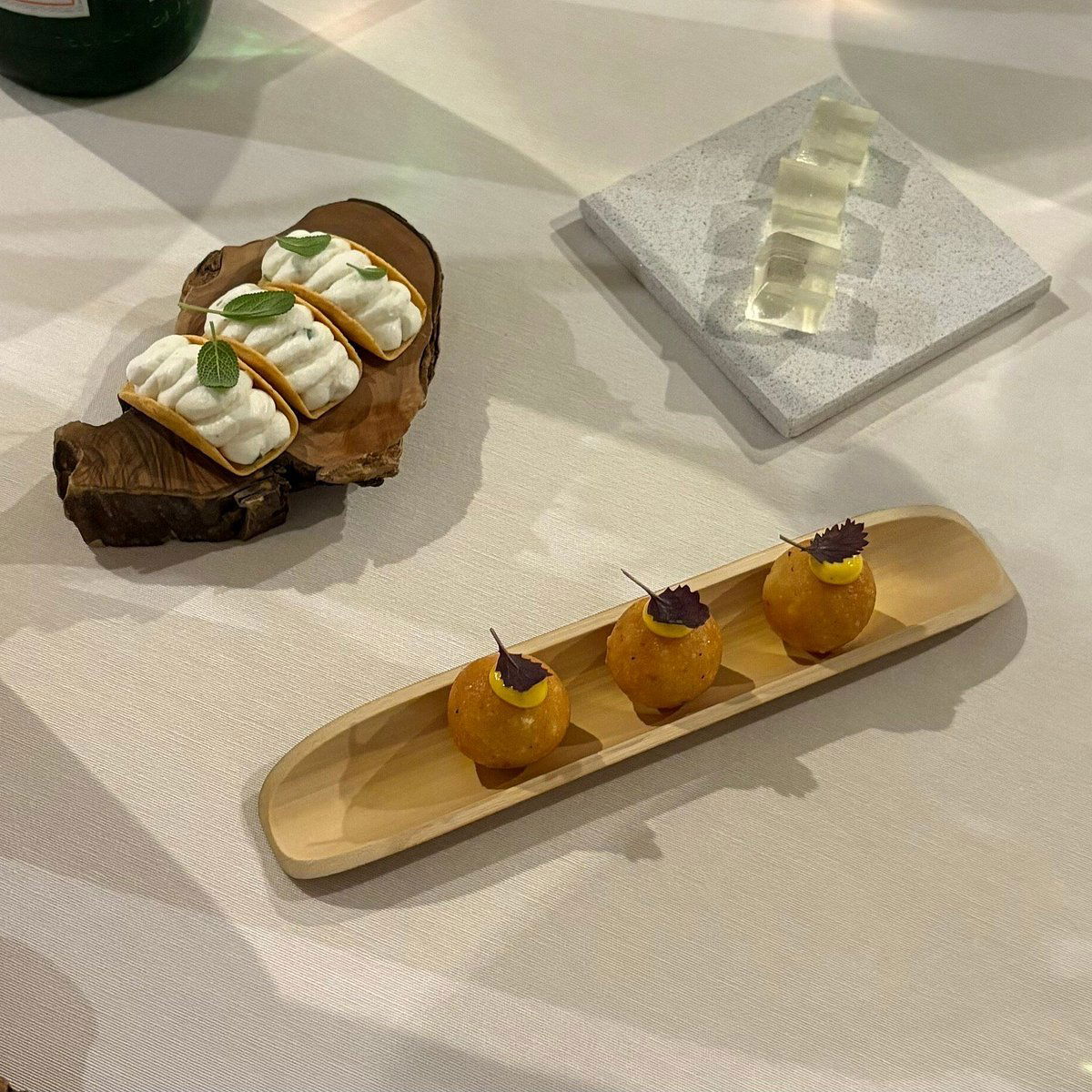
A family-run restaurant steps from the Adriatic in Pineto, Resilienza pairs seafood and land-based dishes rooted in Abruzzo's regional traditions. The son cooks, the mother runs the room, and the all-white dining space opens onto outdoor seating for the warmer months. Honest cooking, a relaxed pace, and proximity to the water define the experience.
Where the Train Tracks End and the Adriatic Begins
Arrive at Resilienza on Via Milano and the geography tells you something before you step inside. The sea is close enough that you can hear it on a still evening, separated from the restaurant only by the coastal rail line that threads along this stretch of the Adriatic. It is the kind of address that defines a particular register of Italian coastal dining: not a resort restaurant, not a destination tasting-menu room, but a local institution with a clear relationship to its immediate surroundings. The all-white interior keeps the space spare and uncluttered, and when temperatures allow, the outdoor tables extend that simplicity into the open air.
Abruzzo's coastline has produced a distinct culinary tradition that sits apart from the better-publicised food regions further north. While the starred rooms at Uliassi in Senigallia or Quattro Passi in Marina del Cantone attract attention for their reinterpretation of Adriatic and Tyrrhenian seafood at the highest technical level, the backbone of coastal eating in this part of Italy has always been something more grounded: family operations with direct access to the day's catch, cooking that draws on the land as readily as the sea, and a dining room run with the kind of informal authority that only comes from genuine ownership.
The Abruzzo Cooking Tradition at the Table
What distinguishes Abruzzo's food culture from Emilia-Romagna or Lombardy is the insistence on dual identity. This is a region with significant mountain territory running parallel to its coastline, and the cooking has always moved between the two. The cucina di mare tradition here does not exclude lamb, cured meats, or the dense pulse-based dishes that characterise the interior. At Resilienza, the kitchen draws on both sides of that equation, balancing seafood preparations with land-based dishes in a way that reflects how Abruzzesi households have always eaten rather than how a contemporary tasting menu might frame regional identity.
That approach places Resilienza in a specific category of Italian restaurant that the country's dining culture produces at its most reliable: the family-run trattoria or ristorante where the cook is a family member, the dining room is managed by another, and the menu is an expression of what the family knows rather than what a consultant might recommend. The son's work in the kitchen involves reinterpreting regional traditions rather than departing from them, which matters here. Reinterpretation in this context means understanding what a dish originally did and finding ways to serve that function more clearly, not grafting international technique onto local ingredients for its own sake.
Italy's most celebrated restaurants operate at a considerable remove from this format. The progressive kitchens at Osteria Francescana in Modena, Reale in Castel di Sangro, or Piazza Duomo in Alba work at a level of abstraction and conceptual investment that is entirely different in kind. Even the more classically anchored rooms, such as Dal Pescatore in Runate or Enoteca Pinchiorri in Florence, operate with a formality and price architecture that puts them in a separate conversation. Resilienza belongs to a different and arguably more widely practised Italian tradition: the neighbourhood or coastal restaurant where the cooking is honest and the room is run by people with a personal stake in every table.
The Dining Room and What Runs It
The front-of-house here is managed by the mother, and that is worth noting not as biographical detail but as a structural point about how this kind of restaurant functions. Italian family restaurants where a senior family member oversees the room tend to operate with a different rhythm than those staffed by trained service professionals. The hospitality is less rehearsed and more responsive, and the warmth is not a service protocol but a consequence of genuine investment in the experience of each guest. That informality is not the same as inattention. The combination of warmth and professionalism in a room like this is harder to sustain than a polished tasting-menu sequence, and when it works, it produces a dining atmosphere that the larger destination restaurants at places like Enrico Bartolini in Milan or Le Calandre in Rubano cannot replicate by design.
The outdoor space, available during the warmer months, extends the character of the dining room rather than changing it. A terrace on the Adriatic coast in summer functions as a specific kind of dining proposition: the air, the proximity to the water, and the light in the late afternoon shift the context of what you are eating without the kitchen having to change anything. For visitors to Pineto between June and September, the outdoor tables are the primary argument for timing a visit accordingly.
Pineto's Place in Abruzzo's Coastal Eating
Pineto is a small town on the Teramano coast, the northern stretch of Abruzzo's Adriatic shoreline. It is not a dining destination in the way that Senigallia has become associated with Mauro Uliassi's influence, nor does it have the density of restaurant culture found in Pescara further south. What it has is a working coastal character and a genuine local eating tradition. For visitors exploring this part of the Adriatic, Resilienza sits within a broader context of low-key coastal dining that rewards those willing to look beyond the better-signposted towns. You can find additional options in our full Pineto restaurants guide, including La Conchiglia d'Oro, which represents a different point on Pineto's seafood spectrum.
For those building a broader stay around this stretch of coastline, Pineto also has options worth exploring across accommodation and leisure. Our full Pineto hotels guide, bars guide, wineries guide, and experiences guide cover the wider picture. Those interested in how Italian regional cooking translates at the international fine-dining level can find reference points at Atelier Moessmer Norbert Niederkofler in Brunico, and for Adriatic-influenced seafood at a global standard, Le Bernardin in New York City and Atomix in New York City represent the distance that same culinary tradition can travel when it enters the highest tier of international dining.
Planning a Visit
Resilienza is at Via Milano 1 in Pineto, close enough to the Adriatic that the sea is a short walk beyond the railway line. Given the family-run format and the coastal location, the restaurant operates with the seasonal rhythms typical of this part of Italy: the experience is meaningfully different in the warmer months when the outdoor space is in use. No phone or booking platform is listed in available records, so arriving directly or enquiring locally on arrival is the practical approach. The relaxed atmosphere and family-managed dining room suggest this is a restaurant that accommodates different table configurations without difficulty, including families with children.
Frequently Asked Questions
Is Resilienza okay with children?
Given the relaxed atmosphere and informal, family-run format typical of this category of Italian coastal restaurant, and at a price point that keeps this accessible rather than formal, Resilienza is likely to suit families. The outdoor seating in warmer months adds practical space. That said, confirmation of specific provisions should be sought directly before visiting with very young children.
Is Resilienza formal or casual?
Casual. The all-white decor and outdoor terrace, combined with the family-run dining room and relaxed atmosphere noted in available records, place this firmly in the informal register. Pineto is a working coastal town rather than a haute-cuisine destination, and this restaurant reflects that character. The standards at rooms like Osteria Francescana or Enoteca Pinchiorri exist in a separate register entirely.
What should I order at Resilienza?
The kitchen draws on both seafood and land-based Abruzzo traditions, which is the defining characteristic of the cooking here. That dual identity, rooted in the region's geography between coast and mountain, is what distinguishes the menu from a purely maritime restaurant. On Abruzzo's coast, dishes that bridge the two traditions tend to show the kitchen's range most clearly. Specific current dishes are not listed in available records, so on-the-day guidance from the dining room is the most reliable approach.
Do they take walk-ins at Resilienza?
No booking platform or phone number is available in current records. For a family-run coastal restaurant in a small Adriatic town, walk-in dining is often the default mode, particularly outside peak summer weekends. Arriving early, especially for weekend lunch or dinner during the summer months, is a reasonable precaution.
What's the defining dish or idea at Resilienza?
The defining idea is the kitchen's balance between Abruzzo's coastal and inland cooking traditions. Rather than operating as a purely seafood restaurant, the menu moves between the sea and the land in a way that reflects how the region has always eaten. That editorial commitment to regional authenticity, rather than a single signature dish, is what the available record most clearly points to as the kitchen's central identity.
Recognized By

Similar venues by awards
Related editorial
- Best Fine Dining Restaurants in ParisFrom three-Michelin-star icons to the next generation of Parisian chefs pushing boundaries, these are the restaurants that define fine dining in the world's culinary capital.
- Best Luxury Hotels in RomeFrom rooftop terraces overlooking ancient ruins to Michelin-starred hotel dining, these are the luxury hotels that make Rome unforgettable.
- Best Cocktail Bars in KyotoFrom sleek lounges to hidden speakeasies, Kyoto's cocktail scene blends Japanese precision with global influence in ways you won't find anywhere else.
Save or rate Resilienza on Pearl
Keep this venue in your Pearl passport, rate it after you visit, and track it alongside every other place you collect.