
.png?width=1200&quality=80)
Padi
€€€ · Contemporary · Rátka
Restaurant in Rátka, Hungary
 Book with Pearl
The Read
Vineyard-Estate Tasting Format
Dress
Smart Casual
Why go
Book Padi when you want the polished contemporary option around Rátka rather than a casual winery-adjacent meal. The €€€ positioning and 2025 Michelin Plate make it better for a planned lunch or dinner than a quick stop, with nearby €€ alternatives offering easier value for simpler outings.
About Padi
Padi is a contemporary €€€ restaurant in Rátka with a smart-casual dress code and Michelin Plate recognition in 2025. It is best treated as a planned meal rather than an improvised stop, especially because its opening days are limited to Thursday through Sunday.
The clearest signals are direct: contemporary cooking, a €€€ price category, smart casual dress, and Michelin Plate recognition from 2025. Those facts make Padi a useful choice for diners who want a more considered meal in Rátka without relying on claims about the menu format, service style, or specific dishes.
Choose it when you want a contemporary €€€ meal in Rátka
At €€€ for contemporary cooking, Padi carries a higher price signal than a simple everyday meal. That does not automatically make it the default choice for every plan, but it does make it a natural option when the restaurant itself is the focus of the outing.
If you are comparing options, keep the shortlist grounded: Andrassy Restaurant, Dereszla Bisztró, Első Mádi by BG, Talu, and Bilanx are the relevant names to consider alongside Padi. Use the comparison to decide whether you want Padi's contemporary €€€ positioning or a different dining option.
Book for the days Padi is open, with Sunday requiring the shortest window
Padi is closed Monday, Tuesday, and Wednesday. It is open Thursday through Saturday from 12–10 PM, and Sunday from 12–4 PM. Sunday has the shortest service window, while Thursday through Saturday provide the broadest timing options.
Because Padi has Michelin Plate recognition and limited weekly opening days, it is sensible to plan rather than assume availability. Keep the expectations grounded: the information supports a contemporary €€€ meal in Rátka with smart casual dress, but it does not confirm specific dishes, seating style, tasting menus, beverage focus, group capacity, or dietary-accommodation policies.
Planning details
- Location
- Rátka 2722 hrsz, 3908 Hungary
- Reservations
- Book on SevenRooms
- Website
- sauska.hu/en/restaurants/padi
- Phone
- +36 20 535 3000
The take
The Take
The Vibe
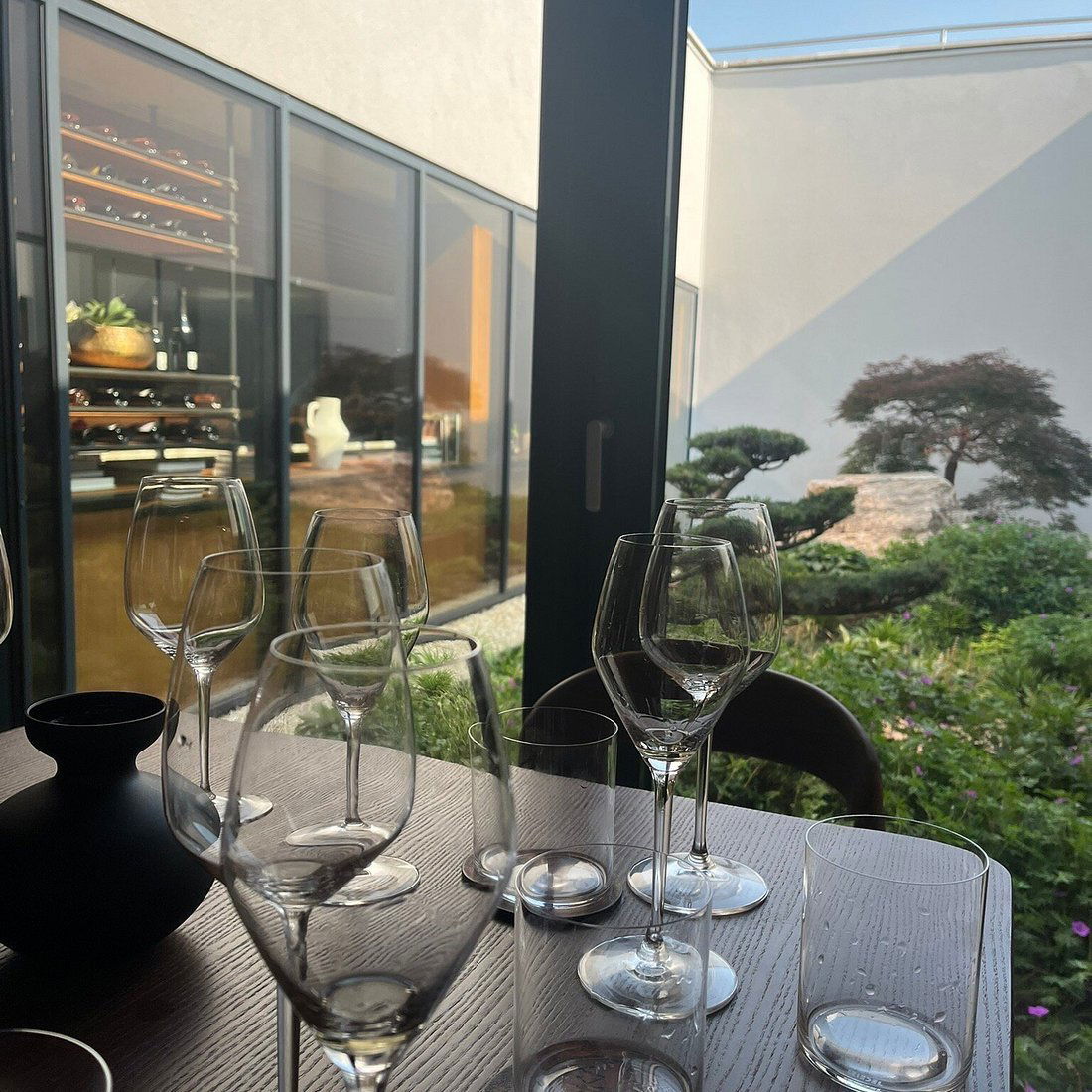
Padi feels like a terroir-first table set into the hillside. The dining room looks straight onto the vineyards, and the restaurant’s identity is built as much from the surrounding landscape as from its kitchen. The writing emphasizes regional provenance and a connection to the Sauska estate, so the atmosphere reads as quietly refined and historically rooted rather than flashy — a considered destination where the view, the wine and the plate are part of a single argument. Arrivals expect a measured, contemplative meal that foregrounds place and season.
Best For
Padi is a destination for people following the Tokaj wine trail and for visitors who make the drive out of Miskolc or detour from Eger. Its tasting-menu focus and estate connection make it particularly well suited to wine-minded dinners, date nights and special-occasion meals where the provenance of food and wine matters. Travelers exploring Rátka and the Tokaj appellation find Padi an obvious anchor: it rewards a deliberate visit rather than a quick stop, and it anchors regional itineraries for weekend escapes centered on wine and landscape.
Ordering Tips
The menu is explicitly framed around Tokaj, so consider ordering the tasting menu to experience the chef’s curation of local terroir. The restaurant is directly connected to the Sauska estate, so look for that house’s wines when choosing by the glass or bottle; the relationship between kitchen and vineyard is a central theme. Given Padi’s role as a destination dining anchor in Rátka, guests should allow time to work through multiple courses and to enjoy the wine-focused narrative that ties dishes to the surrounding vineyards.
Venue details
Ambiance
Sleek, modern interior with high curved ceilings and a terrace offering stunning vineyard vistas, creating a refined and immersive atmosphere.
Tags
Vibe
Best For
Experience
Sourcing
View
At the Table
- Dress Code
- Smart Casual
- Noise Level
- Conversational
- Service Style
- Upscale Casual
- Meal Pacing
- Leisurely
- Capacity
- Small
- Kitchen
- Modern
- Menu Format
- Tasting menu, A la carte
- Wine Program
- Exceptional
- Drinks Focus
- Sauska wines
- Outdoor Seating
- Yes
Know before you go
Know Before You Go
- Getting there
- Rátka 2722 hrsz, 3908 Hungary
Planning details
Location
Rátka 2722 hrsz, 3908 Hungary · Directions
Recognition and awards

Also consider
Also Consider
- Első Mádi by BG, Notable alternative
- Andrassy Restaurant, Contemporary, €€
- Dereszla Bisztró, €€ · Modern Cuisine, €€ · Modern Cuisine
- Talu, €€ · Contemporary, €€ · Contemporary
- Bilanx, €€€ · Contemporary, €€
Restaurant context
How it compares in and around Rátka
Padi is the higher-commitment choice in this set: €€€ contemporary cooking with Michelin Plate recognition, better suited to a planned meal than a flexible stop. Andrassy Restaurant and Dereszla Bisztró make more sense when value and a lower-key room matter more than polish.
Talu is the cleaner comparison for diners who want contemporary cooking at a softer price signal. Choose Padi when the meal needs to feel more occasion-worthy; choose Talu when the group wants contemporary food without pushing into the same spend bracket.
Bilanx is the closest peer on ambition and price signal, so the decision comes down to itinerary. Padi is the better fit for a Rátka-centered wine-country day, while Bilanx is easier to justify if the trip is already oriented toward Budapest. If Padi is unavailable, cross-shop Andrassy Restaurant for value or Talu for contemporary cooking with a lighter commitment.
Explore Rátka
Around this place
Discover more on Pearl
Unlock the full Padi guide in Pearl, including awards, comparisons, FAQs, planning details, and nearby places.
Compare Padi
| Venue | Location | Cuisine | Awards | Price |
|---|---|---|---|---|
| Padi | Rátka | €€€ · Contemporary | Wine Enthusiast 57 Best Winery Restaurants 20262025 Michelin Plate | , |
| Első Mádi by BG | Mád | No published awards | , | , |
| Andrassy Restaurant | Tarcal | Contemporary | No published awards | €€ |
| Dereszla Bisztró | Bodrogkeresztúr | €€ · Modern Cuisine | 2025 Michelin Plate | , |
| Talu | Tarcal | €€ · Contemporary | 2025 Michelin Plate | , |
| Bilanx | Budapest | €€€ · Contemporary | 2025 Michelin Plate2024 Michelin Plate | €€ |
How Padi Rátka compares with similar nearby venues.
FAQ
Frequently Asked Questions
What are alternatives to compare with Padi?
If you want to compare Padi with other options, start with Andrassy Restaurant, Dereszla Bisztró, Első Mádi by BG, Talu, and Bilanx. Padi's positioning is €€€ contemporary dining with Michelin Plate recognition.
Which opening time is best at Padi?
Padi is open Thursday through Saturday from 12–10 PM and Sunday from 12–4 PM. Choose based on the time that fits your plan; Sunday offers only the shorter 12–4 PM window.
Can I eat at the bar at Padi?
Plan around the confirmed basics instead: Padi is a contemporary €€€ restaurant in Rátka with smart casual dress and limited Thursday–Sunday opening hours.
Is Padi good for a special occasion?
It can be a strong candidate if you want a planned contemporary meal in Rátka. The Michelin Plate recognition, €€€ price category, and smart casual dress code all point to a more considered outing.
How far ahead should I book Padi?
Since Padi is closed Monday through Wednesday and has a shorter Sunday window from 12–4 PM, planning ahead is the safer approach.