La Briza
Marina Port Premià, Premia De Mar
Restaurant in Premia De Mar, Spain
 Book with Pearl
The Read
Price
$10–20per person
Dress
Casual
Why go
La Briza is a practical marina pick in Premia De Mar: worth booking when the setting and easy logistics matter more than a clearly defined chef-led format. Go for a relaxed lunch or casual evening, not a high-stakes special occasion. Cross-shop Tresmacarrons if you want a more ambitious modern-cuisine meal.
About La Briza
Is La Briza worth considering in Premia De Mar? It can be, if the point is an easy, casual meal in Premia De Mar rather than a plan built around a specific cuisine, chef, menu format, or price point. Practical details are limited, so the safest way to plan is around the published opening hours and the casual dress code.
Use La Briza when the schedule works for your day: it opens from 11 AM to 6 PM Monday through Thursday, stays open until 11:30 PM on Friday and Saturday, and closes at 10:30 PM on Sunday. If you want to compare it with another dining option, consider Tresmacarrons.
Use the schedule for an easy repeat visit, not a high-stakes dinner
For someone who has been once, the next move is to treat La Briza as a timing choice. Earlier visits fit the Monday-to-Thursday hours, while Friday, Saturday, and Sunday offer later opening times. Build it around convenience, timing, and the kind of meal where flexibility matters.
That makes it a better fit for diners who want a casual Premia De Mar option than for people comparing chef-led menus. If the brief is “somewhere easy in Premia De Mar,” it may work. If the brief is “the meal is the occasion,” cross-shop more carefully before committing.
Where it fits in a Premia De Mar plan
La Briza is best treated as a simple Premia De Mar option with casual dress and clearly published hours. For a fuller scan of the area, use Our full Premia De Mar restaurants guide; if the meal is part of a longer stay, compare other dining in Premia De Mar generically rather than assuming La Briza has a specific cuisine, format, or price level.
Quick reference: consider La Briza for a casual meal in Premia De Mar; choose a more defined alternative when the food program itself needs to carry the night.
Planning details
- Location
- Marina port Premia, local 9/10, 08330 Premia de Mar, Barcelona, Spain
- Reservations
- Book on TheFork
- Website
- widget.thefork.com/c69c838d-11db-4113-bfa8-f2af52625537
- Phone
- +34936277573
The take
The Take
The Vibe
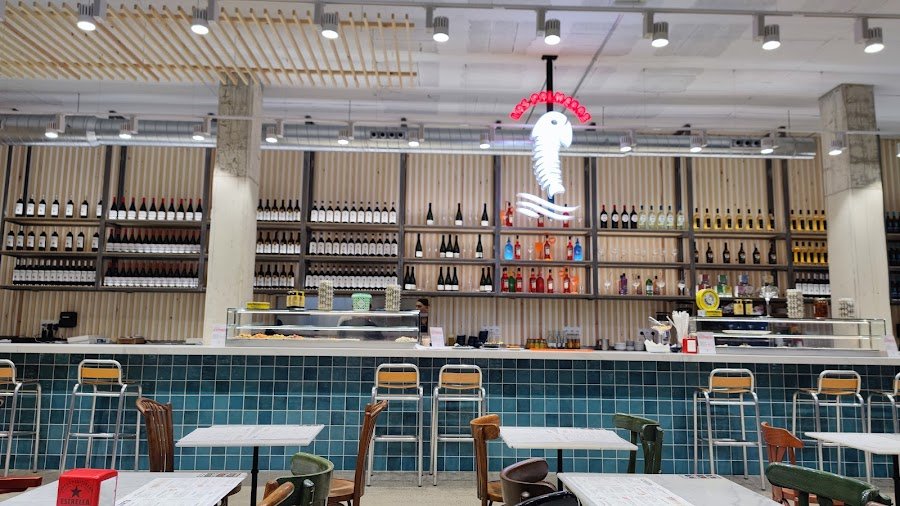
La Briza presents as a plainly confident waterfront spot that foregrounds its working-harbour setting. The approach is unvarnished (salt air, moored boats and the steady, low hum of a coast that supplies Barcelona’s fish markets) so the dining room leans into that reality rather than polishing it away. It feels scenic in the literal sense: oriented toward the marina and the sea. Regulars and visiting sailors blend with residents who know the ropes, and the overall mood is relaxed and purposeful rather than decorative. This is a place where the surroundings are a central part of the experience.
Best For
La Briza is best for diners who prioritize provenance and the immediacy of seafood straight from the boat. Because the restaurant anchors itself in a working marina, it attracts locals, recreational sailors and anyone who appreciates fish landed that morning. It suits casual gatherings where the view and the source-driven menu matter more than formalities: meals that favor seasonal, catch-led choices and an unpretentious pace. If you want a straightforward, coastal seafood experience that reflects the Maresme’s relationship to Barcelona’s markets, this is the sort of spot to seek out.
Ordering Tips
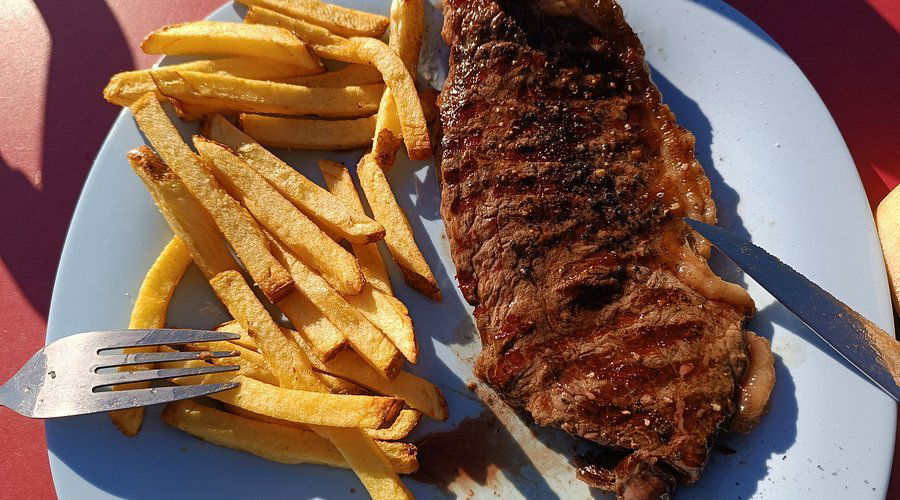
Menus at La Briza pivot around what comes off the local boats, so treat the daily offerings as a primary guide: ask staff what arrived that morning and follow their recommendations. Expect the selection to change with catch availability rather than to offer a static list of signature dishes. Because sourcing is the organising principle, lean into whatever is freshest: whole fish, simple preparations and seafood that highlights the day’s haul. Preparation and presentation are likely to reflect the harbour’s pragmatic, ingredient-first approach.
Venue details
Ambiance
Casual marina-side atmosphere suitable for lunch and dinner.
Tags
Best For
Experience
View
At the Table
- Dress Code
- Casual
- Noise Level
- Conversational
- Service Style
- Casual
- Meal Pacing
- Standard
- Capacity
- Medium
- Kitchen
- Traditional
- Menu Format
- A la carte, Small plates
Know before you go
Know Before You Go
- Getting there
- Marina port Premia, local 9/10, 08330 Premia de Mar, Barcelona, Spain
Planning details
Location
Marina port Premia, local 9/10, 08330 Premia de Mar, Barcelona, Spain · Directions
Also consider
Also Consider
- Bocamar, Notable alternative
- Casanita, Notable alternative
- RESTAURANTE SANT JAUME, Notable alternative
- Tresmacarrons, Modern Cuisine, €€€€
- Threads Restaurant, Notable alternative
Restaurant context
How La Briza compares in Premia De Mar
Choose La Briza when convenience and marina atmosphere are the priority. Compared with Bocamar, it reads as the easier low-pressure choice for a casual port-side meal, while Bocamar is the closer cross-shop if you want to stay within Premia De Mar and compare another local option before deciding.
Tresmacarrons is the clear upgrade for diners who want a more ambitious meal: Modern Cuisine at €€€€ puts it in a different category from La Briza. Pick Tresmacarrons for a planned splurge or occasion meal; pick La Briza when value comes from location, timing, and ease rather than a premium culinary format.
Casanita, RESTAURANTE SANT JAUME, and Threads Restaurant are better used as backup comparisons when the local marina setting is not essential. If the group needs the simplest Premia De Mar plan, La Briza is the practical hold; if the meal needs a more defined destination feel, start with Tresmacarrons.
Explore Premia De Mar
Around this place
Discover more on Pearl
Unlock the full La Briza guide in Pearl, including awards, comparisons, FAQs, planning details, and nearby places.
Compare La Briza
| Venue | Location | Cuisine | Price | Awards |
|---|---|---|---|---|
| La Briza | Premia De Mar | , | , | No published awards |
| Bocamar | Premia De Mar | , | , | No published awards |
| Casanita | Vilassar De Mar | , | , | 2026 Michelin Plate2025 Michelin Plate2024 Michelin Plate |
| RESTAURANTE SANT JAUME | Premia De Dalt | , | , | No published awards |
| Tresmacarrons | El Masnou | Modern Cuisine | €€€€ | 2026 Michelin 1 Star2025 Michelin 1 Star2024 Michelin 1 Star |
| Threads Restaurant | Vilassar De Dalt | , | , | No published awards |
.png?width=1200&quality=80)

How La Briza Premia De Mar compares with similar nearby venues.
FAQ
Frequently Asked Questions
Is lunch or dinner better at La Briza?
Base the choice on the published hours rather than on a specific lunch or dinner format. La Briza is open 11 AM to 6 PM Monday through Thursday, 11 AM to 11:30 PM on Friday and Saturday, and 11 AM to 10:30 PM on Sunday.
Is La Briza good for a special occasion?
It may suit a relaxed occasion if casual dress and the published hours fit your plan. If you want another venue to compare before deciding, Tresmacarrons is one option to consider.
What should a first-timer know about La Briza?
Treat it as a casual option in Premia De Mar. Key practical details include the opening hours: 11 AM to 6 PM Monday through Thursday, 11 AM to 11:30 PM Friday and Saturday, and 11 AM to 10:30 PM Sunday.
What are alternatives to compare with La Briza?
Bocamar and Casanita are other options to compare. Tresmacarrons is another useful comparison; RESTAURANTE SANT JAUME and Threads Restaurant can also be considered if you want to widen the search.