
.png?width=1200&quality=80)
365
Creative · Pollença foothills, Pollença
Restaurant in Pollença, Spain
 Book with Pearl
The Read
Estate-Sourced Creative Cuisine
Price
€€€
Dress
Smart Casual
Why go
365 at Son Brull Hotel earns its Michelin Plate (2024 and 2025) with creative menus built around the estate's own farm production: oils, citrus, vegetables, and wine grown on-site. Chef John Sinclair's seasonal rotation makes this the strongest farm-to-table choice in the Pollença area at the €€€ tier, with booking generally easy even in high season.
About 365
Verdict: A farm-to-table creative restaurant in Mallorca worth booking for the terroir story alone
At the €€€ price point, 365 at Son Brull Hotel delivers a specific and well-executed proposition: creative cuisine built almost entirely around what the estate grows, presses, and produces. Chef John Sinclair works with the farm's own oils, citrus, vegetables, and wine, which means what lands on your table is shaped as much by season and soil as by kitchen technique. Michelin has awarded the restaurant a Plate in both 2024 and 2025, a consistent signal that the cooking meets a credible technical standard without the theatre or price escalation of a star-chasing kitchen. For a Mallorcan holiday meal that rewards genuine curiosity about local food systems, this is a strong choice. If you want showmanship or an international fine-dining experience comparable to DiverXO in Madrid or Arzak in San Sebastián, look elsewhere.
The Restaurant
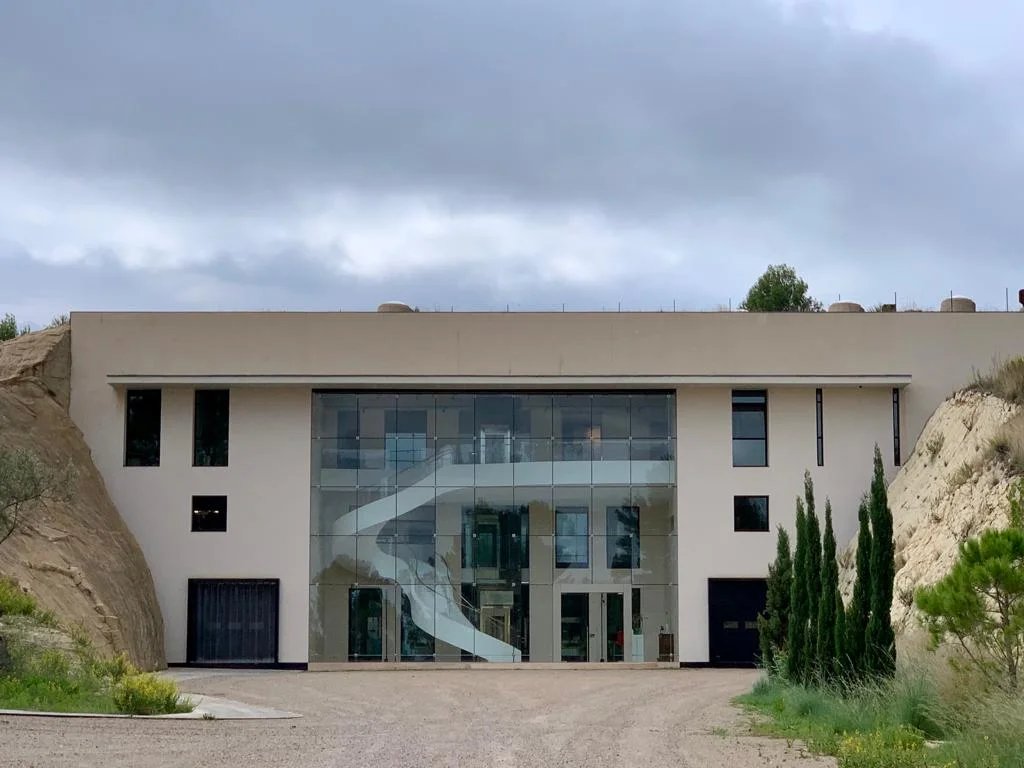
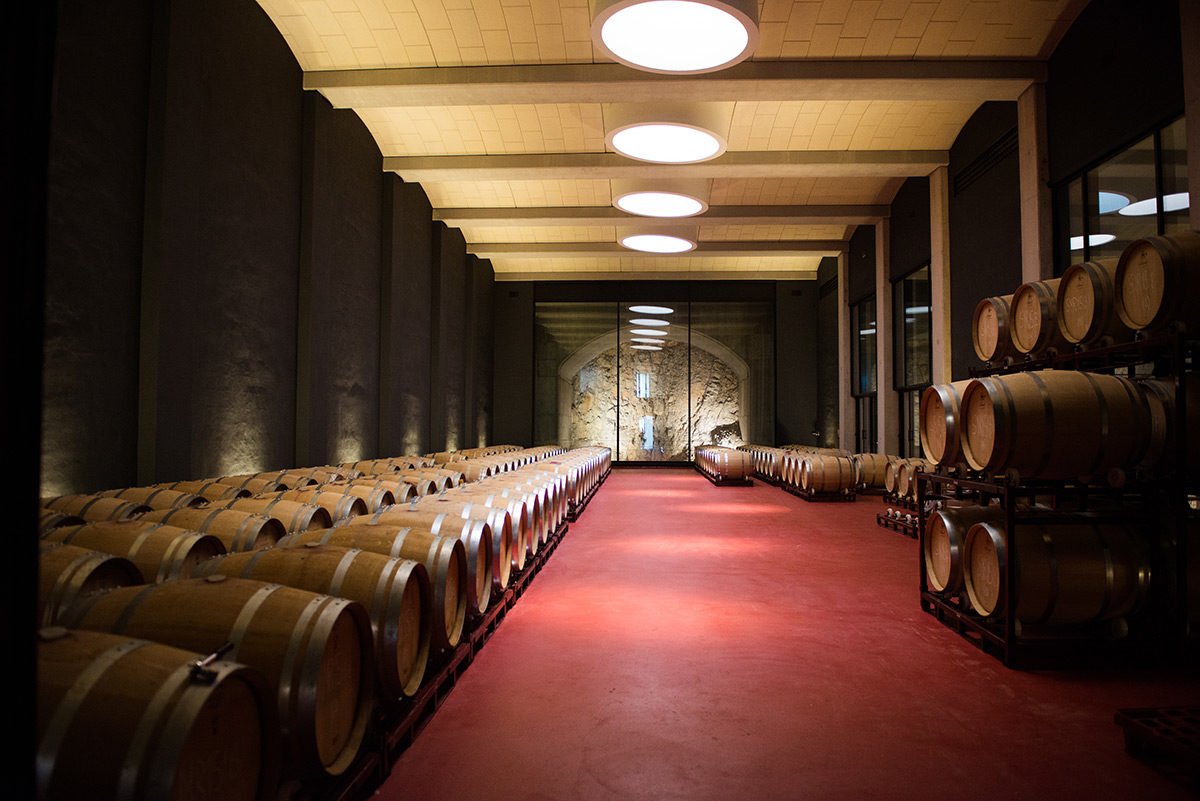
365 sits within Son Brull, a converted 18th-century monastery on the Palma-Pollença road at kilometre 50. The setting carries a particular ambient quality: stone walls, controlled lighting, and a quiet remove from Pollença town that makes the room feel like an intentional retreat rather than a destination restaurant chasing footfall. The mood is calm and considered, with a noise level that allows conversation without effort. This is not a buzzy, high-energy room; it is a place designed for people who want to pay attention to what they are eating.
The name itself is the clearest statement of intent: 365 references year-round, daily engagement with the land. The estate produces across seasons, and the kitchen's menus rotate accordingly. This is not seasonal cooking as marketing language. The farm supplies the restaurant with what it has, and the menus are built around that supply. In practical terms, what you eat in April will differ from what you eat in September. Visitors planning a return trip, or those choosing between a spring and autumn visit to Mallorca, should factor this in. The summer months bring peak tomato and stone-fruit production on the island; late autumn shifts toward citrus, root vegetables, and the estate's olive harvest, which feeds directly into the oils used in cooking and dressing.
The menu format includes multiple options, among them a vegetarian menu, which is less common at this price tier in rural Mallorca and worth noting if plant-forward eating is a priority. The Michelin annotation specifically calls out the vegetarian option as part of what makes the restaurant's approach distinctive. For a €€€ restaurant in a hotel context, the range of menu formats reduces the risk that one diner in your group will feel underserved.
Michelin's Plate designation, held across two consecutive years, reinforces that assessment.
For the food and travel enthusiast who wants depth and context, 365 offers something that destination restaurants further afield on the Spanish mainland cannot easily replicate: direct proximity to the production source. The same estate supplies the kitchen with wine, oil, and produce, which means a conversation with staff about what you are eating is likely to be genuinely informative rather than scripted. That is a meaningful distinction at this price point. Compare this to the more performance-driven creative restaurants on the mainland, such as Azurmendi in Larrabetzu or Cocina Hermanos Torres in Barcelona, where the terroir narrative is present but the farm is not literally outside the door.
Booking is rated as easy, which is a practical advantage during Mallorca's high season when popular restaurants in Palma or the southwest of the island can require weeks of lead time. Being on the Palma-Pollença corridor rather than in a tourist-saturated centre works in your favour here. Explore more of what the region offers via our full Pollença restaurants guide, and if you are planning a wider stay, our full Pollença hotels guide covers accommodation options beyond Son Brull itself.
If your Mallorca trip is focused on wine, the estate production is worth factoring into your planning. For broader context on the island's drink scene, see our full Pollença wineries guide and our full Pollença bars guide. For activities and context around the visit, our full Pollença experiences guide is a useful starting point.
Know Before You Go
- Price tier: €€€
- Location: Son Brull Hotel, Carretera Palma a Pollença, Km 50, Pollença, Balearic Islands
- Chef: John Sinclair
- Cuisine: Creative, estate-sourced
- Booking difficulty: Easy
- Menu formats: Multiple menus including a vegetarian option
- Awards: Michelin Plate 2024 and 2025
- Hotel context: Restaurant within Son Brull Hotel — non-residents can book
- Ideal time to visit: Menus rotate seasonally; autumn visits align with olive harvest and citrus season on the estate
How It Compares
See the comparison section below for how 365 sits against Spain's wider creative dining options.
Located inside
 HotelSon Brull Hotel & SpaFull hotel guide
Planning details
- Location
- Son Brull Hotel Carretera Palma a Pollença, Km 50, Ctra. Palma -Puerto Pollença, Km. 50, 07460 Pollença, Balearic Islands, Spain
- Website
- sonbrull.com/es/restaurante-gastronomico-365-son-brull-mallorca
- Phone
- +34 971 53 53 53
The take
The Take
The Vibe
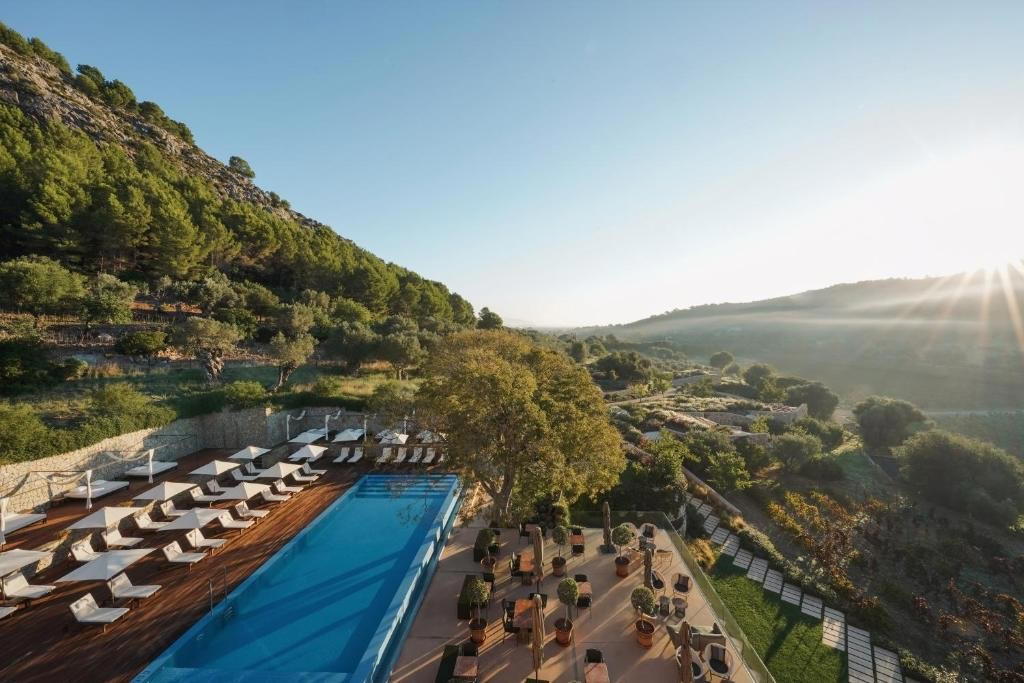
365 sits within the Son Brull estate and foregrounds the working landscape — old stone walls, almond groves and a kitchen garden — as the defining elements of its personality. The dining room reads more like an extension of the farm: the menu is built backwards from what the land produces and the kitchen leans into seasonal rhythm rather than artifice. Chef John Sinclair leads a program that balances creative technique with restraint, and Michelin’s Plate designation acknowledges the restaurant’s disciplined expression of place. The overall feel is quietly refined, rustic and deeply rooted in estate life.
Best For
This is a destination restaurant for diners who prize terroir-driven cooking and the direct provenance of ingredients. The kitchen’s year-round relationship with its own garden, grove and vineyard makes 365 particularly well suited to special evenings and celebrations that center on food — and to hotel guests seeking an integrated culinary experience. Michelin recognition and a chef-led program signal a focused, high-quality meal, so it’s an appealing pick for anyone wanting a thoughtful, ingredient-forward dinner in a tranquil estate setting.
Ordering Tips
Let the estate guide your choices: the menu changes with what the kitchen garden and vineyard produce, so look for dishes that explicitly reference the estate’s harvest. Signature plates such as Mallorcan Lamb, Roasted Suckling Pig and the Dry Nuts Coulant are useful anchors for an order that showcases the kitchen’s strengths. Ask servers about the estate’s own oils, citrus and wines to understand how the restaurant is translating its land into the plate and the glass; seasonal vegetable preparations are also likely to be highlights.
Venue details
Ambiance
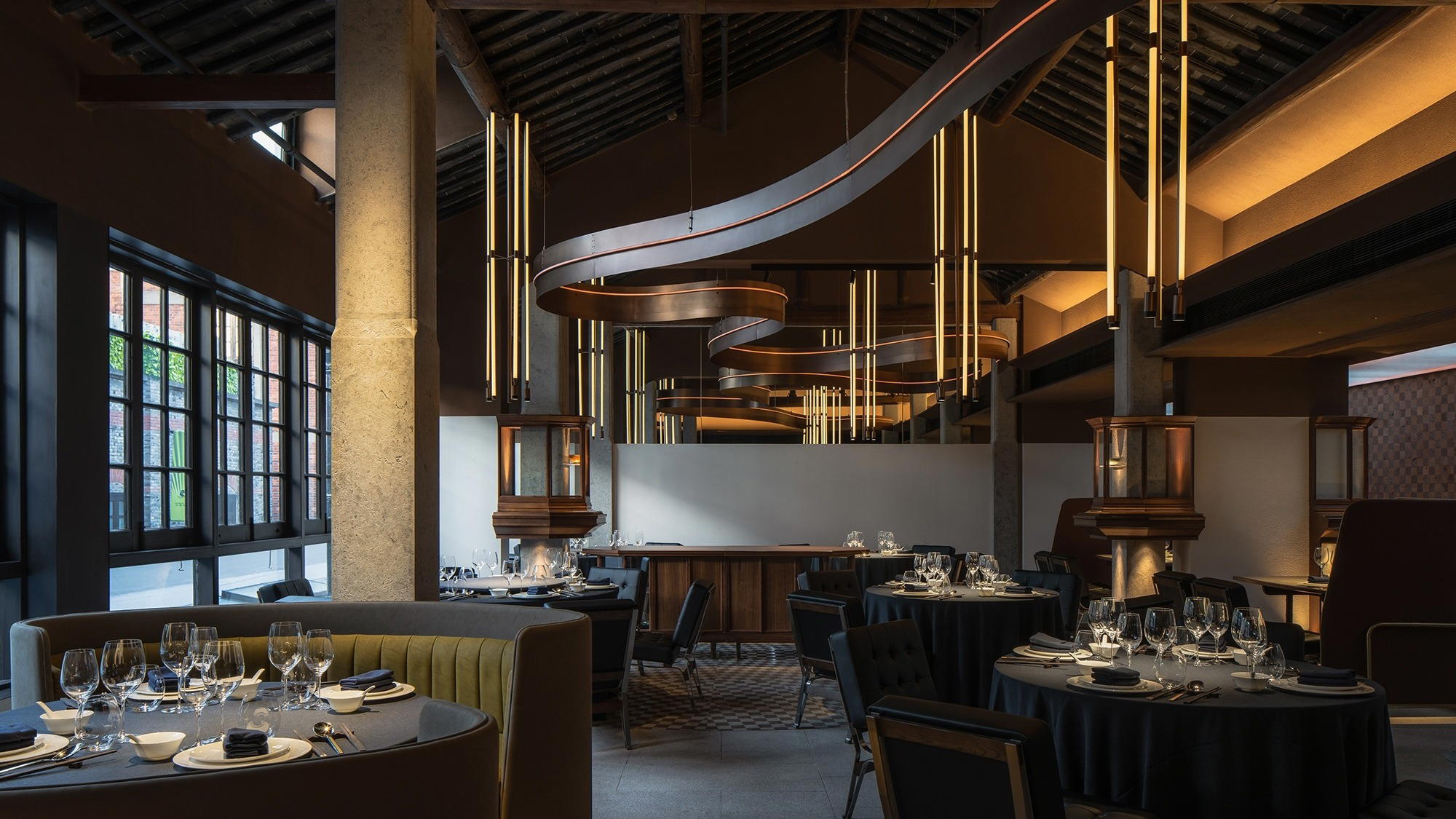
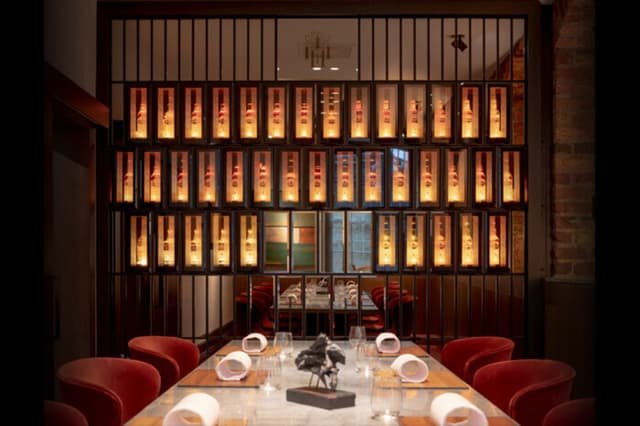
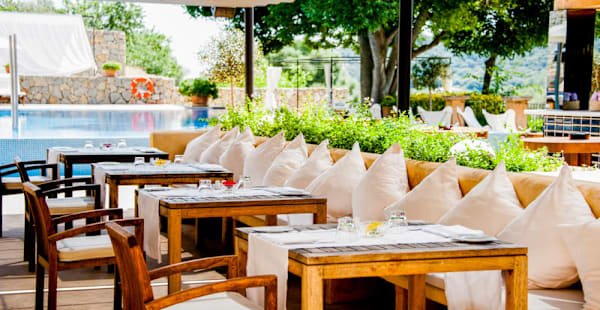
Sleek and dark intimate dining room with romantic terrace setting; large white glowing orbs illuminate flowerbeds as light fades; theatrical atmospheric lighting creates an enchanting garden atmosphere.
Tags
Vibe
Best For
Experience
Sourcing
View
At the Table
- Dress Code
- Smart Casual
- Noise Level
- Conversational
- Service Style
- Formal
- Meal Pacing
- Leisurely
- Capacity
- Medium
Signature Dishes
- Mallorcan Lamb
- Roasted Suckling Pig
- Dry Nuts Coulant
Know before you go
Know Before You Go
- Getting there
- Son Brull Hotel Carretera Palma a Pollença, Km 50, Ctra. Palma -Puerto Pollença, Km. 50, 07460 Pollença, Balearic Islands, Spain
Planning details
Location
Son Brull Hotel Carretera Palma a Pollença, Km 50, Ctra. Palma -Puerto Pollença, Km. 50, 07460 Pollença, Balearic Islands, Spain · Directions
sonbrull.com/es/restaurante-gastronomico-365-son-brull-mallorca
Recognition and awards

Also consider
Also Consider
- Aponiente, Progressive - Seafood, Creative, €€€€
- Arzak, Modern Basque, Creative, €€€€
- Azurmendi, Progressive, Creative, €€€€
- Cocina Hermanos Torres, Creative, €€€€
- DiverXO, Progressive - Asian, Creative, €€€€
Restaurant context
At €€€, 365 occupies a different tier from most of Spain's celebrated creative restaurants, nearly all of which operate at €€€€ and require significantly more advance planning. Aponiente in El Puerto de Santa María and Azurmendi in Larrabetzu are three-Michelin-star operations where the price, the difficulty of booking, and the theatrical ambition are all considerably higher. If you are travelling specifically for a landmark tasting-menu experience and budget is secondary, neither 365 nor Pollença is the destination. But if you are already in northern Mallorca and want a dinner that goes beyond the island's tourist-facing restaurant circuit, 365 is the practical answer.
Cocina Hermanos Torres in Barcelona and DiverXO in Madrid both operate at the top end of Spain's creative cooking scene with significantly more acclaim and price to match. For pure technical ambition and course-by-course showmanship, those kitchens outperform 365. What 365 offers that neither of them can is direct estate provenance: the farm, the oil press, the vineyard, and the kitchen are on the same property, which creates a coherence in the food that is genuinely different from urban creative restaurants sourcing from multiple suppliers. That distinction matters if terroir and transparency of sourcing are what you are paying for.
Arzak in San Sebastián is the most instructive comparison for guests weighing a Basque Country trip against a Mallorca stay: Arzak delivers more culinary prestige and a deeper archive of creative Basque cooking at a higher price, but requires travel to the north coast. For a visitor whose trip is centred on Mallorca, 365 at the €€€ tier with easy availability is the more sensible booking. The two restaurants are not in direct competition, but understanding that gap helps calibrate expectations.
Explore Pollença
Around this place
Discover more on Pearl
Unlock the full 365 guide in Pearl, including awards, comparisons, FAQs, planning details, and nearby places.
Compare 365
| Venue | Price | Awards |
|---|---|---|
| 365 | €€€ | 2026 Relais Chateaux Restaurants2026 Michelin Plate2025 Relais Chateaux Award2025 Michelin Plate2024 Michelin Plate |
| Aponiente | €€€€ | 2026 OAD Top Restaurants in Europe Ranked · #62Guía Repsol Soles 20262026 Michelin 3 Stars2026 La Liste Top Restaurants2025 OAD Top Restaurants in Europe Ranked · #632025 World's 50 Best Restaurants · #84Chef's Table Featured Restaurants · 20252025 Michelin 3 Stars2025 The Best Chef Three Knives |
| Arzak | €€€€ | 2026 OAD Top Restaurants in Europe Ranked · #102Star Wine Lists 2026Guía Repsol Soles 20262026 La Liste Top Restaurants2026 Michelin 3 Stars2025 OAD Top Restaurants in Europe Ranked · #1252025 The Best Chef Two Knives2025 Michelin 3 Stars2025 La Liste Top Restaurants |
| Azurmendi | €€€€ | 2026 OAD Top Restaurants in Europe Ranked · #25Star Wine Lists 2026Guía Repsol Soles 20262026 La Liste Top Restaurants2026 Michelin 3 Stars2026 Falstaff Restaurant Guide2025 OAD Top Restaurants in Europe Ranked · #19We're Smart World Top Restaurants 20252025 La Liste Top Restaurants |
| Cocina Hermanos Torres | €€€€ | Star Wine Lists 2026 · #12026 OAD Top Restaurants in Europe Ranked · #40Guía Repsol Soles 20262026 La Liste Top Restaurants2026 Michelin 3 Stars2026 Falstaff Restaurant Guide2025 OAD Top Restaurants in Europe Ranked · #352025 World's 50 Best Restaurants · #78We're Smart World Top Restaurants 2025 |
| DiverXO | €€€€ | 2026 OAD Top Restaurants in Europe Ranked · #7Guía Repsol Soles 20262026 La Liste Top Restaurants2026 Michelin 3 Stars2025 World's 50 Best Restaurants · #42025 OAD Top Restaurants in Europe Ranked · #62025 La Liste Top Restaurants2025 The Best Chef Three Knives2025 Michelin 3 Stars |












Side-by-side comparison to help you decide where to book.
FAQ
Frequently Asked Questions
Is 365 good for solo dining?
The tasting menu format at 365 works reasonably well for solo diners, since structured menus remove the social pressure of ordering and let the kitchen's farm-estate story carry the experience. The €€€ price point is a real consideration solo, but the Michelin Plate recognition (2024 and 2025) suggests the kitchen is delivering at a level that justifies the spend even for one.
Is 365 worth the price?
At €€€, 365 earns its place if you want creative cuisine grounded in a genuine farm estate: the kitchen draws on its own oils, citrus, vegetables, and wine, which gives the menu a coherence that generic fine dining in Mallorca often lacks. Two consecutive Michelin Plates (2024, 2025) back the quality claim. If you want a looser, à la carte experience, it may not be the right fit.
What should a first-timer know about 365?
365 is a structured, creative tasting menu restaurant inside Son Brull Hotel, a converted 18th-century monastery at kilometre 50 on the Palma-Pollença road. Chef John Sinclair's kitchen uses produce grown on the hotel's own farm estate, so the menu reflects what is actually in season rather than a fixed year-round card. A vegetarian menu is available, which is worth requesting at booking.
Is 365 good for a special occasion?
Yes, with the right expectations. The monastery setting and farm-driven creative menu give a special occasion dinner a clear narrative, which is more satisfying than generic luxury. The €€€ price point and Michelin Plate status (2025) position it as a credible celebration venue in northern Mallorca, though it is not a Michelin-starred room, so manage expectations accordingly.
What are alternatives to 365 in Pollença?
365 is the standout creative dining option in the immediate Pollença area, and the farm-estate concept gives it a specific identity that most local competitors do not match. For more formal fine dining with starred credentials, you would need to head to Palma or further afield in Mallorca. If the tasting menu format does not suit your group, the town of Pollença itself has more casual options.
Is the tasting menu worth it at 365?
It is, specifically because the ingredients come from the restaurant's own farm estate, which means the tasting menu is doing something the price is genuinely meant to support: showcasing seasonal, estate-grown produce including oils, citrus, vegetables, and wine. Two Michelin Plates confirm the kitchen is executing at a consistent level. If you want a shorter, more flexible meal, the format may feel too committed.