Masala Art
Podgorica center, Podgorica
Restaurant in Podgorica, Montenegro
 Book with Pearl
The Read
Price
$20–30per person
Dress
Smart Casual
Why go
Masala Art is a practical Podgorica choice for an easy lunch, casual dinner, or solo meal when flexibility matters more than ceremony. It is not the obvious pick for a major celebration, but it works well as a low-friction repeat option in the city.
About Masala Art
Masala Art in Podgorica is open daily from 10:30 AM to 10:30 PM, and the dress code is smart casual. Details about menu style, prices, awards, chef, service format, or signature dishes are not available, so consider this a practical listing.
With the same opening hours every day, Masala Art can fit into a Podgorica plan. If you are choosing on convenience, the daily 10:30 AM to 10:30 PM schedule is a key consideration.
Go when you want straightforward options
Masala Art is easiest to assess as a smart-casual Podgorica option with broad daily hours. Awards, a named chef, or a tasting-menu structure are not features highlighted here, so the decision should stay simple. If you want to compare it with another named option, consider Porto or Restobar Štrudla before committing.
For a return visit, the venue is open every day from 10:30 AM to 10:30 PM, which makes timing the clearest reason to choose it. For more citywide options, a broader Podgorica restaurants guide can help with planning.
Where it fits in a Podgorica day
Masala Art belongs in a Podgorica itinerary when you want a venue with consistent daily hours and a smart-casual dress code. Further details about the room, menu, service style, prices, or special-occasion positioning are not available.
Bottom line: consider Masala Art when the schedule matters and the smart-casual dress code suits the plan.
Planning details
- Location
- 13a Vasa Raičkovića, Podgorica 81000, Montenegro
- Website
- masalaart.me
- Phone
- +38220242665
The take
The Take
The Vibe
Masala Art reads like a focused, small-scale restaurant that brings a distinct subcontinental voice to Podgorica. The write-up frames it as a single address doing work that larger cities take for granted, so the room feels purposeful and quietly intense: the kitchen’s resourcefulness and attention to spice and dairy quality infuse the dining experience. It isn’t flashy; the appeal comes from the craft on the plate, toasty whole-spice masalas, fresh paneer and well-tempered yoghurts, which gives the place an intimate, quietly charming presence in the city’s Mediterranean-leaning dining scene.
Best For
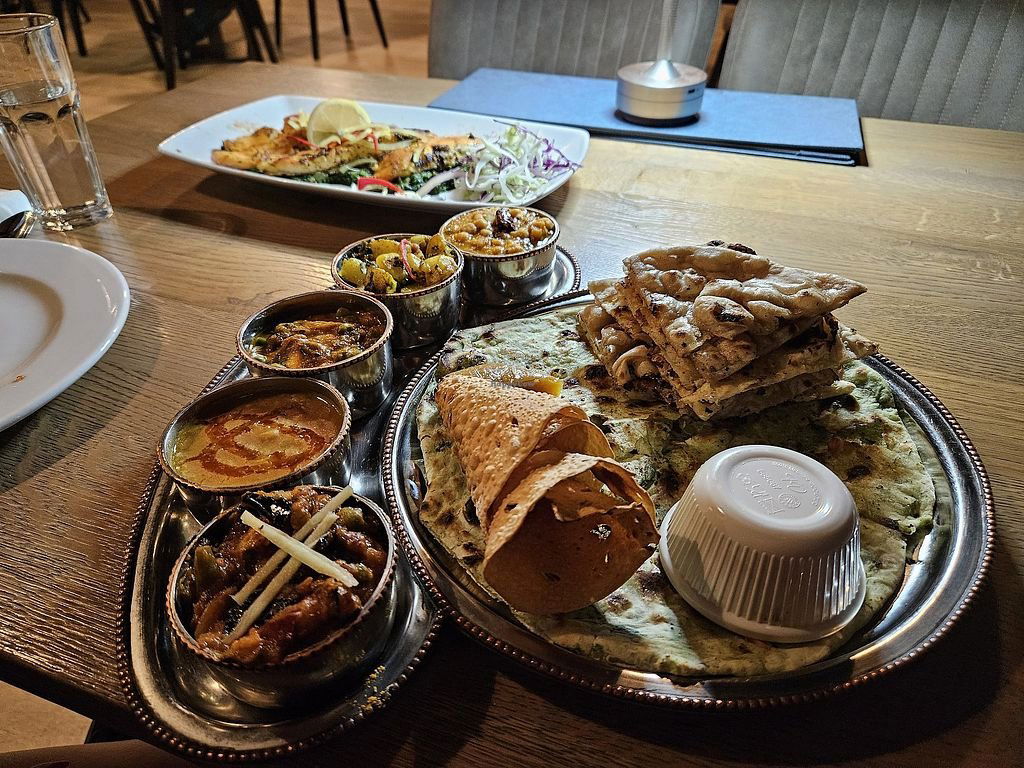
Masala Art is best approached as an evening destination for diners who want to savor carefully assembled Indian dishes rather than chase a trend. The menu’s signature plates, butter chicken, paneer tikka, biryani and tikka masala, read as shareable, richly flavored mains that suit a relaxed dinner or a low-key date. Because the kitchen places weight on sourcing and masala technique, meals here reward slower pacing: order a few dishes to share and let the layering of spices and dairy-driven textures reveal themselves across the table.
Ordering Tips
Order toward the kitchen’s strengths: the classic, saucy mains and grilled preparations that showcase masala and dairy quality. Pick dishes that feature pre-ground blends and masalas toasted from whole spices, plus paneer freshness, ghee and yoghurt acidity. Butter chicken and tikka masala will reveal the sauce work; paneer tikka lets you assess the cheese and char; biryani demonstrates rice and spice assembly. If you’re curious about spice technique, ask how they build their masala: aroma is often the first sign of the kitchen’s approach.
Venue details
Ambiance
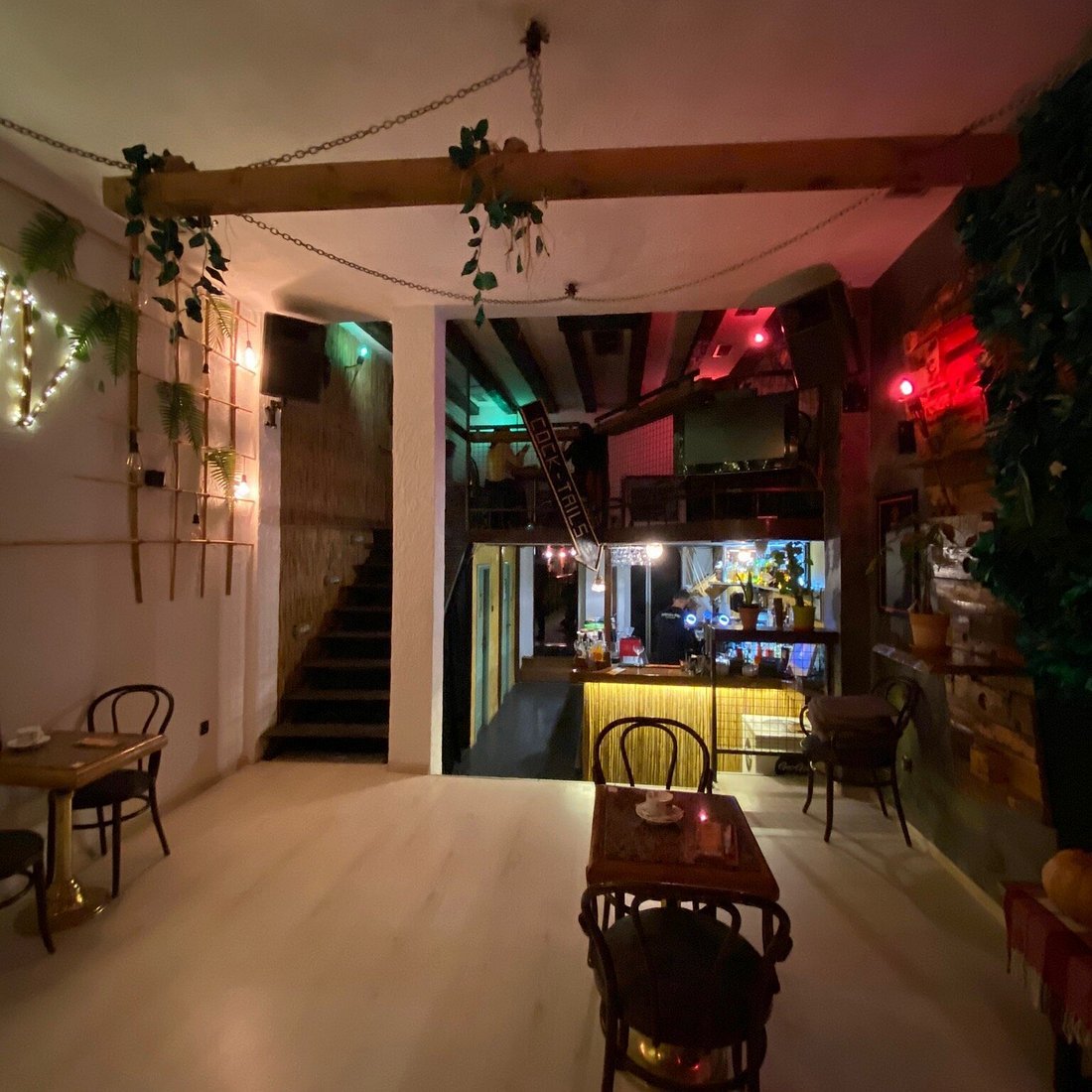
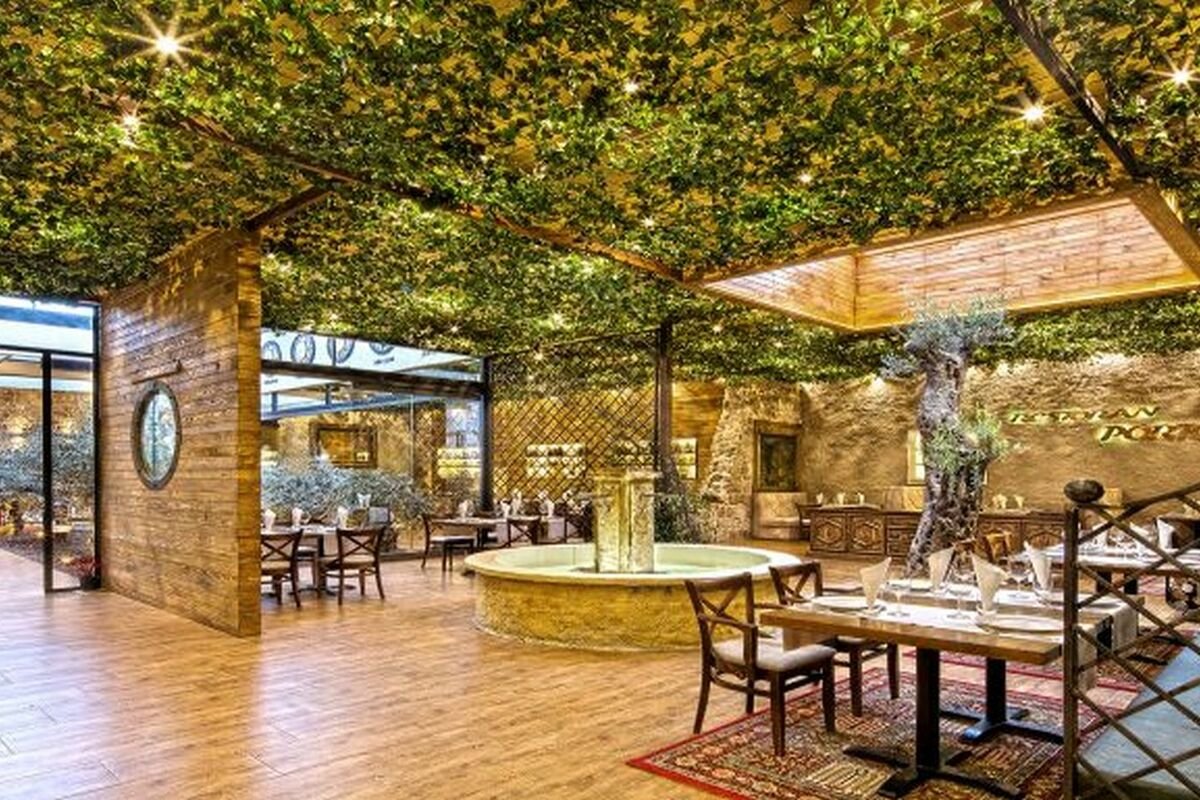
Cozy and quiet spot tucked between buildings, away from traffic noise, providing an intimate dining atmosphere.
Tags
Vibe
Best For
Accessibility
At the Table
- Dress Code
- Smart Casual
- Noise Level
- Quiet
- Service Style
- Upscale Casual
- Meal Pacing
- Standard
- Capacity
- Small
- Kitchen
- Traditional
- Menu Format
- A la carte
- Dietary
- Vegetarian friendly, Vegan options
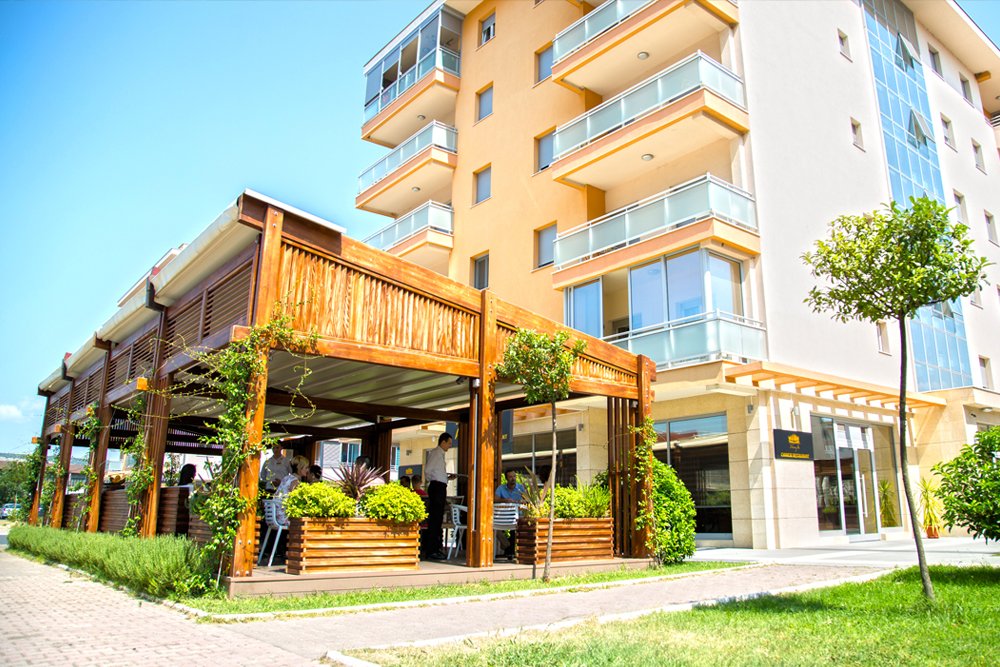
- Outdoor Seating
- Yes
Signature Dishes
- butter chicken
- paneer tikka
- biryani
- tikka masala
Know before you go
Know Before You Go
- Getting there
- 13a Vasa Raičkovića, Podgorica 81000, Montenegro
Planning details
Location
Also consider
Also Consider
- Kokotov rep, Notable alternative
- Porto, Notable alternative
- Restobar Štrudla, Notable alternative
- Zheng He Centar, Notable alternative
- Duomo Crna Gora, Notable alternative
Restaurant context
How Masala Art compares in Podgorica
Masala Art is the practical, easy-to-fit option in this Podgorica set. Choose it when the meal needs to work around the day rather than define it. Kokotov rep, Porto, and Restobar Štrudla are better cross-shops when the room, pacing, or occasion matters more than convenience.
For value and booking ease, Masala Art is the safer casual bet because it asks less planning from the diner. For a more social dinner, start with Restobar Štrudla. For a more classic restaurant choice in Podgorica, compare Porto. If the group wants a different cuisine direction, Zheng He Centar is the clearer alternative.
Duomo Crna Gora sits outside the immediate Podgorica decision set, so use it only if the meal is part of a wider Montenegro itinerary. For staying in the city, Masala Art is the low-planning choice; the others make more sense when the restaurant itself is the point of the outing.
Explore Podgorica
Around this place
Discover more on Pearl
Unlock the full Masala Art guide in Pearl, including awards, comparisons, FAQs, planning details, and nearby places.
Compare Masala Art
| Venue | Location | Awards |
|---|---|---|
| Masala Art | Podgorica | No published awards |
| Kokotov rep | Podgorica | No published awards |
| Porto | Podgorica | 2025 OAD Top Restaurants in North America Ranked · #3062024 OAD Top Restaurants in North America Ranked · #320 |
| Restobar Štrudla | Podgorica | No published awards |
| Zheng He Centar | Podgorica | No published awards |
| Duomo Crna Gora | Becici | No published awards |

How Masala Art Podgorica compares with similar nearby venues.
FAQ
Frequently Asked Questions
What are alternatives to compare with Masala Art?
Other named options to compare include Porto, Restobar Štrudla, Zheng He Centar, Duomo Crna Gora, and Kokotov rep, depending on what kind of meal you want.
What should a first-timer know about Masala Art?
Masala Art is in Podgorica and is open every day from 10:30 AM to 10:30 PM. The dress code is smart casual.
Is Masala Art good for a special occasion?
Masala Art is not a formal special-occasion venue. If that matters, compare current details with other dining options before deciding.
Is Masala Art good for solo dining?
Solo-dining suitability is not specifically detailed. The basic details are that Masala Art is in Podgorica, open daily from 10:30 AM to 10:30 PM, and has a smart-casual dress code.