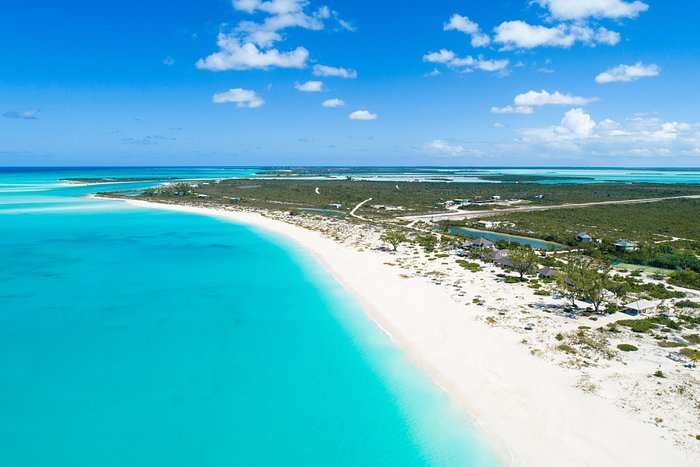
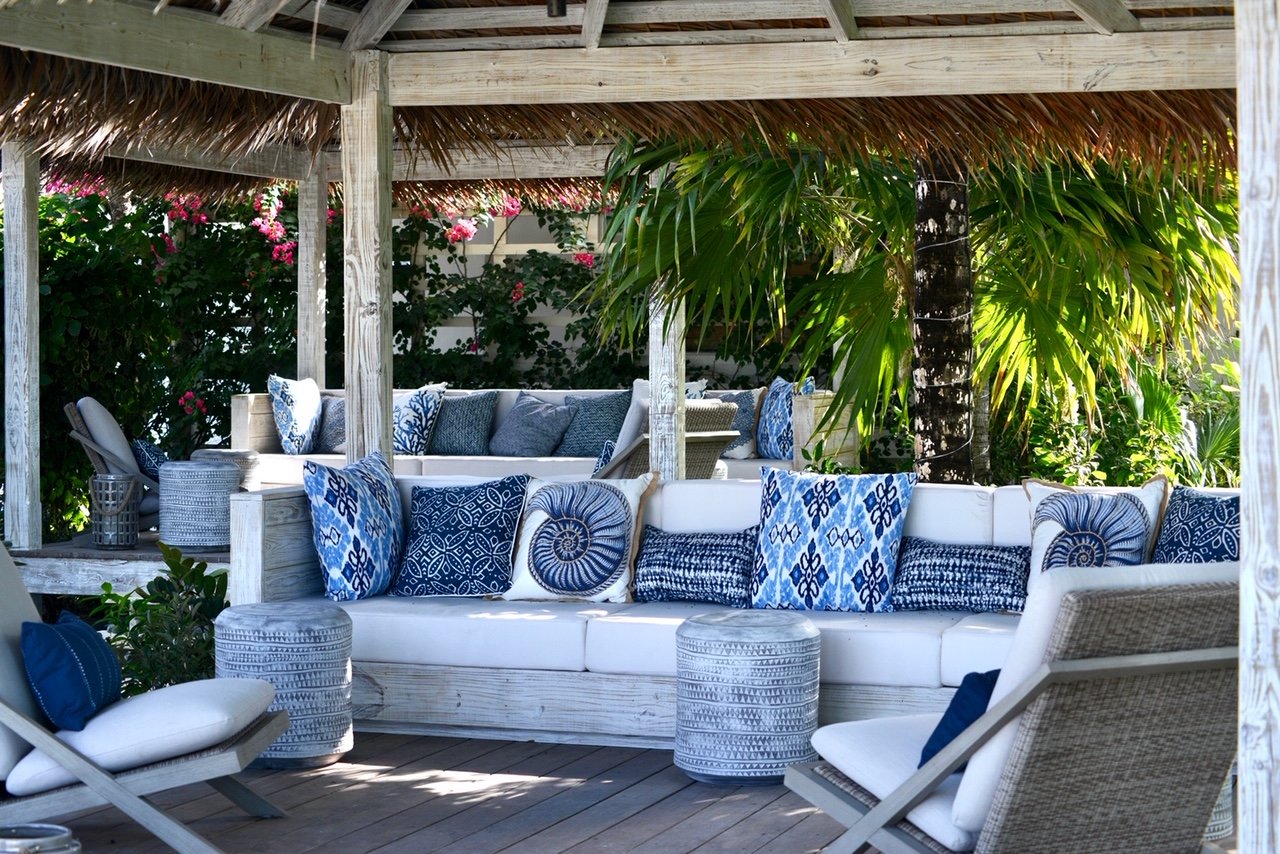
Restaurant in Pine Cay, Turks & Caicos
Pine Cay
125ptsPrivate-Island Seclusion

About Pine Cay
Pine Cay sits within a rare category of Caribbean retreats: a privately held island affiliated with Relais & Châteaux, where Bahamian cuisine meets near-total seclusion. Chef Philipe Aubron leads the kitchen on an island with a Google rating of 4.7 from verified guests. Access is by private charter only, and the dining experience is inseparable from the place itself.
An Island Where the Setting Is the Argument
The Caribbean has a well-documented split between high-volume resort destinations and a smaller, harder-to-reach tier of privately held islands where the absence of infrastructure is itself the draw. Pine Cay belongs firmly to the latter. Situated in the Turks and Caicos Islands, it operates as a private island property affiliated with Relais & Châteaux, one of the few hospitality collections that still applies meaningful curatorial standards to its member properties. That affiliation carries weight: Relais & Châteaux membership requires properties to meet criteria around character, cuisine quality, and guest experience, placing Pine Cay in a peer set that includes some of the most credential-heavy small hotels and dining rooms in the world. For context on what that culinary standard looks like at the upper end of that collection globally, consider properties like Alain Ducasse at Louis XV in Monte Carlo or El Celler de Can Roca in Girona, both of which share the same umbrella affiliation.
Access to Pine Cay is by private charter only. There is no bridge, no commercial ferry, and no casual walk-in. That logistical reality shapes the dining experience before anyone sits down: the guests sharing a dining room on any given evening are, almost without exception, staying on the island. The result is a dining room that functions less like a restaurant open to the public and more like a private clubhouse, which is precisely what the property's guest clubhouse format suggests.
Bahamian Cuisine on Private Ground
The cuisine category listed for Pine Cay is Bahamian, which in a Caribbean context represents a specific regional tradition rather than a catch-all island-food label. Bahamian cooking draws heavily on fresh seafood, particularly conch, grouper, and snapper, prepared with techniques that blend African, British colonial, and West Indian influences. The flavour profile tends toward clean, citrus-forward marinades, coconut-based sauces, and preparations that let the quality of the catch carry the dish rather than masking it with complexity.
That tradition aligns logically with a private island setting in the Turks and Caicos, where proximity to some of the clearest, most biologically productive waters in the Atlantic means sourcing quality is a geographic advantage. The culinary program at Pine Cay operates within that regional framework, with Chef Philipe Aubron leading the kitchen.
Chef Philipe Aubron and the Kitchen's Position
The editorial angle on Pine Cay's food requires placing Aubron's role within a broader point about how private island dining programs typically work. At this tier of Caribbean hospitality, the chef is rarely a media-facing figure in the way a Michelin-starred urban counterpart might be. The operating model is different: the kitchen serves a small, contained guest list, menus adapt to what the island and surrounding waters can supply on a given day, and the chef's craft is measured against intimacy and consistency rather than the kind of scalable performance expected at destination restaurants like Le Bernardin in New York City or Aponiente in El Puerto de Santa María.
Aubron's position at a Relais & Châteaux property carries an implicit credential: the collection's standards include cuisine quality as a membership criterion, and properties that underperform on that dimension tend not to retain membership. His work within a Bahamian tradition on a private island also places him in a niche that relatively few Caribbean chefs occupy at this level of property. The broader Turks and Caicos dining scene, concentrated mainly on Providenciales, trends toward international cuisine formats aimed at resort tourists. Pine Cay's Bahamian focus represents a narrower, more regionally specific approach.
The Physical Experience
Pine Cay's own descriptors point to three defining physical characteristics: the beaches, the privacy, and the clubhouse format. The beaches in the Turks and Caicos are among the most frequently cited in the Atlantic Caribbean for their quality, with Grace Bay on Providenciales holding sustained international recognition. Pine Cay's beach access operates outside the mass-tourism context of Grace Bay, with the private island format limiting the number of people sharing any stretch of sand at a given time.
The guest clubhouse framing matters for understanding how dining fits into the overall stay. On properties of this kind, meals are not typically an add-on to the main experience; they are structurally integrated into it. Guests eat together in a shared space, evenings tend to be unhurried, and the rhythm of service follows the island's pace rather than a city restaurant's turn-times. That format has clear implications for solo travellers, couples, and small groups looking for something substantially different from a resort dinner service, though it also means the experience is inseparable from the accommodation.
Planning a Stay
Pine Cay can be reached via Providenciales International Airport, which receives direct flights from several North American cities, including Miami, New York, and Toronto, with connection options from a wider range of origins. From Providenciales, access to Pine Cay is by private charter, which the property coordinates for guests. Enquiries and bookings go through the Relais & Châteaux contact channel at pinecay@relaischateaux.com, or by telephone at +1 649 232 6785. The property's own website is pinecay.com.
Verified guest ratings sit at 4.7 out of 5 based on Google reviews, with the Relais & Châteaux member score recorded at 4.9 out of 5, which places it among the higher-rated properties within that collection. Given the contained nature of the island and its limited guest capacity, availability during peak Caribbean season (December through April) is likely to be constrained. Planning three to six months ahead for high-season stays is consistent with how comparable private island properties in the region are booked.
For those building a broader Caribbean itinerary or exploring the full range of what Pine Cay and the surrounding area offers, EP Club maintains guides across categories: see our full Pine Cay restaurants guide, our full Pine Cay hotels guide, our full Pine Cay bars guide, our full Pine Cay wineries guide, and our full Pine Cay experiences guide. For reference points on what kitchen ambition looks like at comparable Relais & Châteaux-affiliated or otherwise formally recognised dining rooms globally, the EP Club covers properties including Atomix in New York City, Lazy Bear in San Francisco, Arzak in San Sebastián, Alléno Paris au Pavillon Ledoyen, 8½ Otto e Mezzo Bombana in Hong Kong, Atelier Moessmer Norbert Niederkofler in Brunico, Dal Pescatore in Runate, DiverXO in Madrid, and Emeril's in New Orleans.
Frequently Asked Questions
- Does Pine Cay work for a family meal?
- Pine Cay's private island format and guest clubhouse structure make it a coherent choice for families staying on the property, since dining is integrated into the accommodation experience rather than operated as a standalone restaurant open to the public. Families not staying on the island cannot simply book a table; access is contingent on the stay itself. The unhurried, communal pace of island dining at this type of property tends to suit multi-generational groups better than a formal tasting-menu format would.
- Is Pine Cay better for a quiet night or a lively one?
- Pine Cay is structurally oriented toward quiet. The private island format, limited guest capacity, and Relais & Châteaux positioning all point toward an experience defined by stillness rather than energy. Guests seeking an evening with the atmosphere of a city dining room, including the noise level and social density of venues like those in Providenciales's main resort corridor, will not find that here. What the property offers instead is the kind of evening that becomes the point of the trip rather than a component of it.
- What should I eat at Pine Cay?
- The kitchen operates within a Bahamian cuisine framework under Chef Philipe Aubron, which in practice means the menu follows what the surrounding waters supply. Conch, grouper, and local snapper prepared with Caribbean technique represent the regional tradition. The Relais & Châteaux membership standard implies a level of kitchen seriousness that goes beyond resort catering. Without published menus, specific dish recommendations are not possible, but the regional cuisine tradition and the property's formal affiliation are reliable indicators of what the kitchen values.
Recognized By
Related editorial
- Best Fine Dining Restaurants in ParisFrom three-Michelin-star icons to the next generation of Parisian chefs pushing boundaries, these are the restaurants that define fine dining in the world's culinary capital.
- Best Luxury Hotels in RomeFrom rooftop terraces overlooking ancient ruins to Michelin-starred hotel dining, these are the luxury hotels that make Rome unforgettable.
- Best Cocktail Bars in KyotoFrom sleek lounges to hidden speakeasies, Kyoto's cocktail scene blends Japanese precision with global influence in ways you won't find anywhere else.
Save or rate Pine Cay on Pearl
Keep this venue in your Pearl passport, rate it after you visit, and track it alongside every other place you collect.