
Le Trabe
Campanian · Capaccio Paestum, Paestum
Restaurant in Paestum, Italy
 Book with Pearl
The Read
Estate-Sourced Campanian Tasting
Price
$150–200per person
Chef
Marco Rispo
Dress
Formal
Why go
Le Trabe holds a Michelin star inside the Capodifiume estate near Paestum, offering two Campanian tasting menus preceded by a guided estate tour and wine cellar aperitif. It is the most complete fine-dining experience in the area, but the format is fixed and booking is hard: secure your table six to eight weeks ahead, especially for summer visits.
About Le Trabe
Le Trabe, Paestum: Should You Book?
Two tasting menus. One Michelin star. A dining room inside a working estate where the river that powers the property shares its name with the restaurant. Seats at Le Trabe are finite and the format is fixed: if you are not committed to a full tasting menu experience on the Capodifiume estate, book elsewhere. If you are, this is one of the most coherent fine-dining propositions in Campania, and the booking window is tighter than most visitors expect.
The Capodifiume Estate Setting
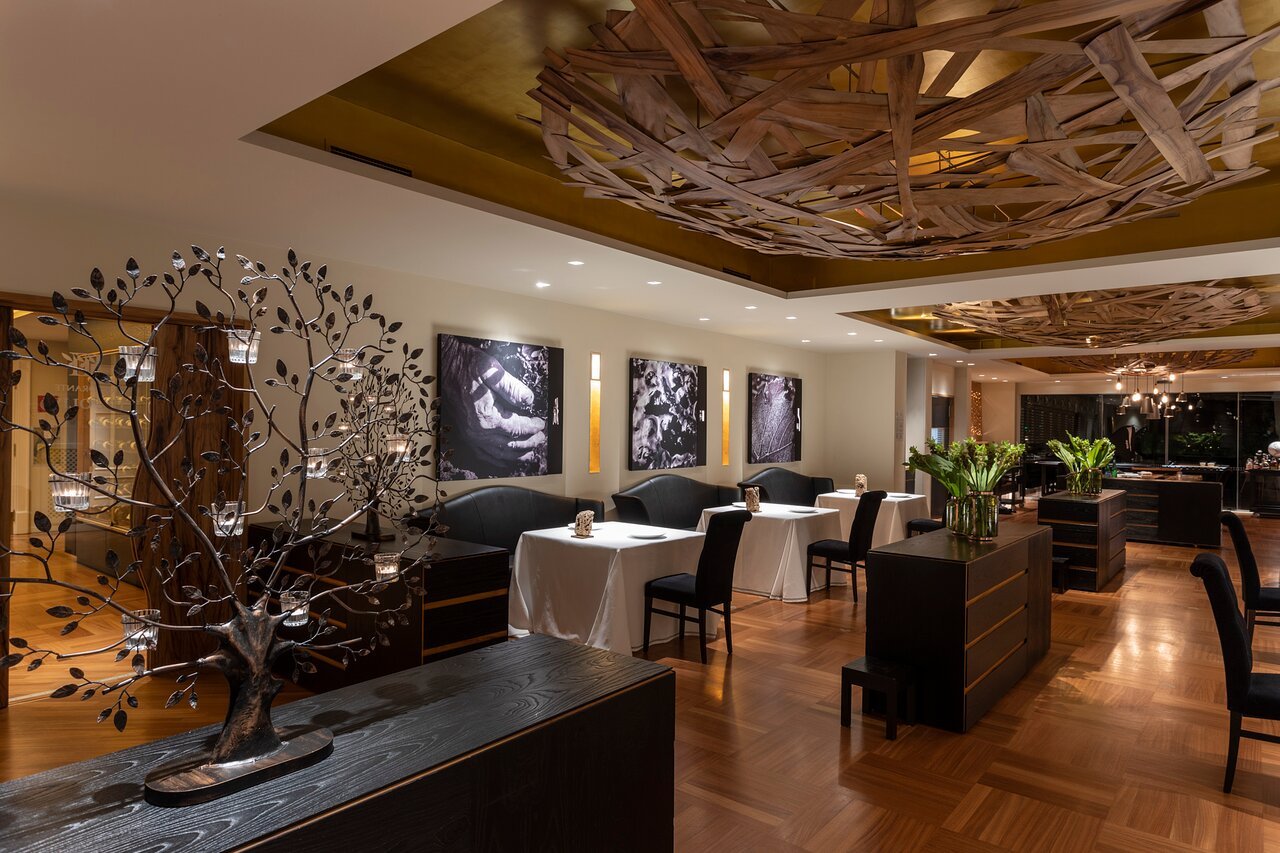
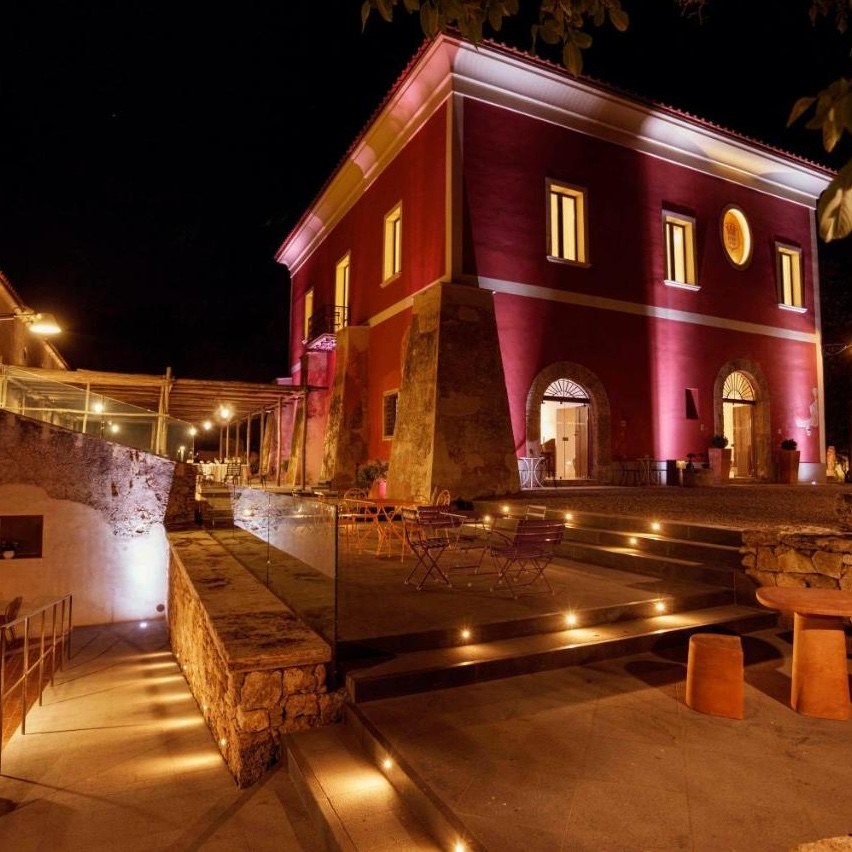
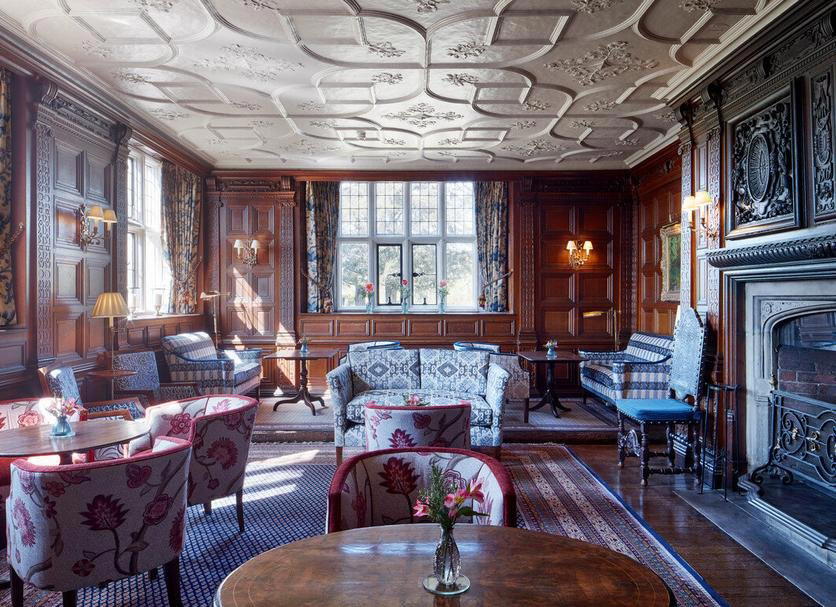
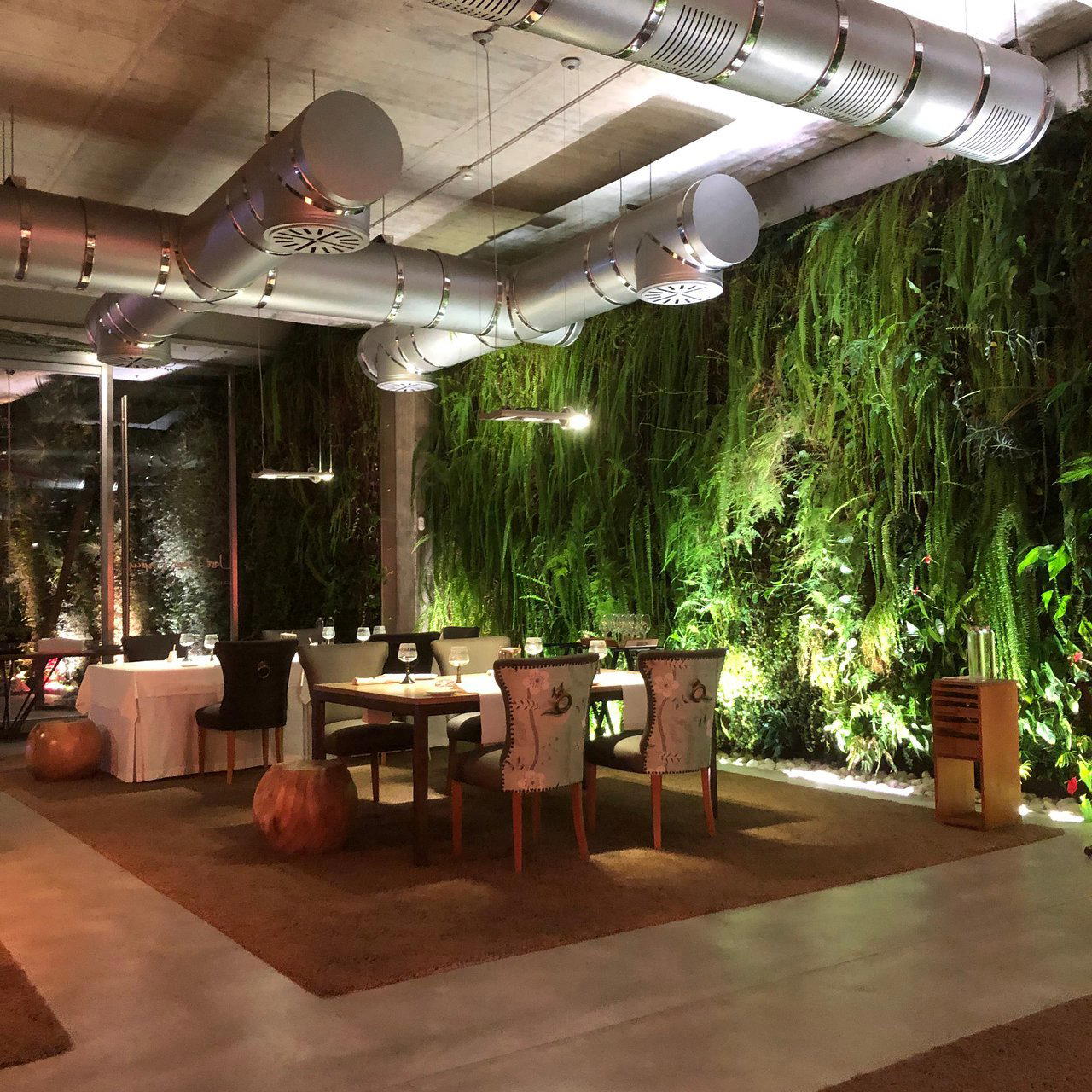
Le Trabe sits within the Capodifiume estate on the outskirts of Paestum, a working property fed by the source of the Trabe river. Before dinner, guests are invited on a short guided tour of the estate's hydroelectric power station: the same infrastructure that supplies the restaurant and its buildings with electricity. This is not a theatrical flourish; it frames the meal that follows. By the time you reach the wine cellar for the welcome aperitif and canapés, you have already been given the context for why sustainability is woven into the restaurant's operating logic rather than deployed as a marketing claim. The dining room itself is formal without being cold, a space that reads as considered rather than decorated. For food and wine enthusiasts travelling the Cilento coast, the estate setting alone distinguishes Le Trabe from the more conventional restaurant formats in the region. There is no comparable estate dining experience at this level in Paestum, Tre Olivi and Osteria Arbustico both offer serious cooking, but neither delivers this kind of pre-dinner immersion in a working property.
The Tasting Menu Architecture
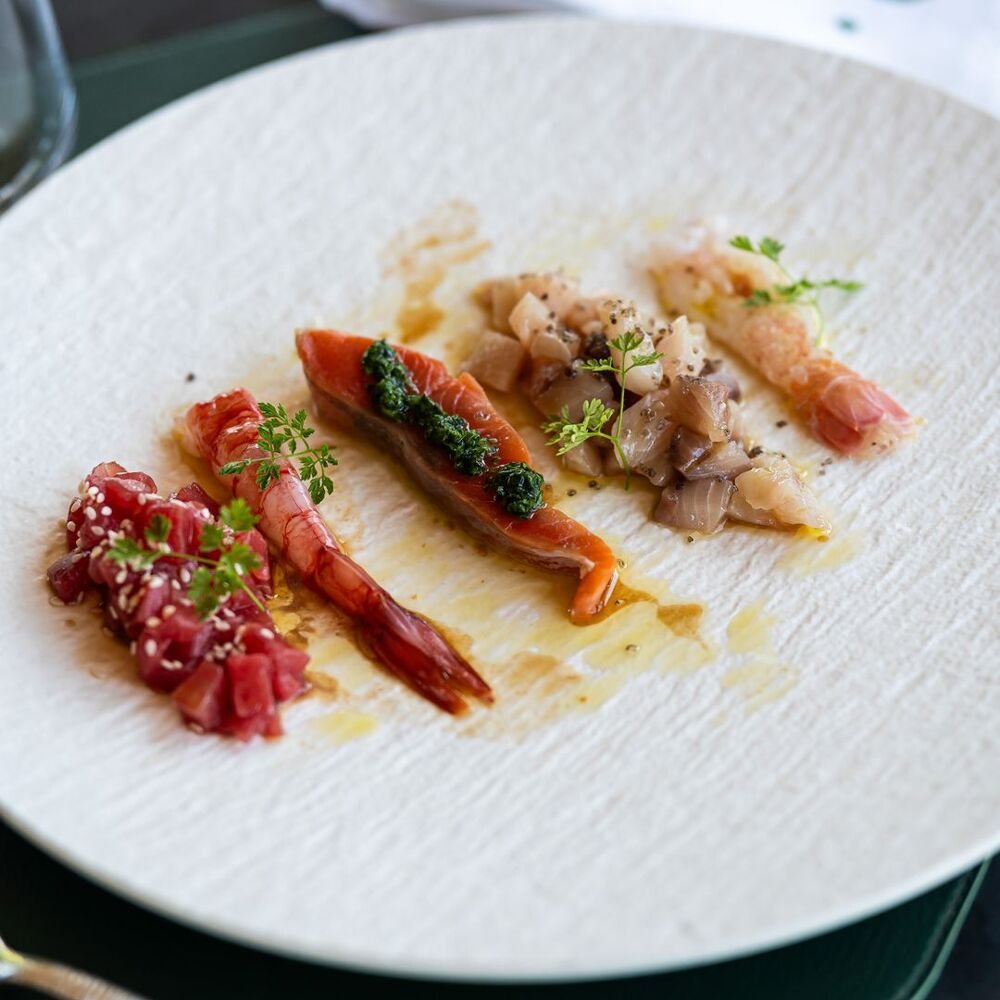
Chef Marci Rispo presents two tasting menus anchored in the culinary traditions of Campania and structured around seasonal ingredients. The menus are not static, Campanian seasonality drives what appears on the plate, which means the experience in spring will differ meaningfully from what you encounter in autumn. The progression is built on local produce, with buffalo mozzarella serving as one anchor dish: the "Bufala, bufala, bufala" course treats a single Campanian ingredient across multiple preparations, a technique that signals the kitchen's commitment to regional depth over novelty. This kind of dish, one product, several expressions, is a reliable marker of a kitchen that understands its own terroir rather than assembling ingredients for visual impact alone. For guests who have eaten at estates like Reale in Castel di Sangro or followed Campanian fine dining through venues like Veritas in Naples, the approach at Le Trabe will read as coherent and regionally grounded. It is less pyrotechnic than some of its Italian peers, Osteria Francescana in Modena or Piazza Duomo in Alba operate at a different register of ambition, but that is not the point. Le Trabe is making a different argument: that Campanian cooking, executed with discipline and served in its own landscape, does not need to import reference points from elsewhere.
Sommelier and maître-d' Simone Munzillo leads the front of house, and the service model here is attentive without being intrusive. Wine pairings are available alongside the tasting menus; given the Campanian focus of the kitchen, the cellar likely leans into southern Italian producers. For guests who have eaten through the broader Italian fine-dining circuit, places like Uliassi in Senigallia, Dal Pescatore in Runate, or Quattro Passi in Marina del Cantone, Le Trabe reads as a restaurant with a clear point of view rather than one chasing a generically global fine-dining grammar. That specificity is its greatest strength.
Booking Le Trabe
Booking difficulty is rated hard. A Michelin star in a location as geographically specific as Paestum concentrates demand, this is not a city restaurant with rolling availability. The estate format, fixed tasting menus, and guided pre-dinner tour mean the restaurant runs on a set rhythm, and last-minute availability is unlikely, particularly in the peak Cilento season from late spring through early autumn. Book as far in advance as you can, ideally six to eight weeks out for summer dates. If you are pairing Le Trabe with a broader Cilento or Amalfi itinerary, build your dining reservation before you confirm hotels. For context on what else is available in the area, see our full Paestum restaurants guide.
Practical Details
Reservations: Book well in advance, six to eight weeks minimum for peak season; contact the venue directly as online booking availability may be limited. Format: Tasting menus only; two options available. Budget: €€€€, expect a full fine-dining price point inclusive of the estate experience; confirm current menu prices directly with the restaurant. Dress: Smart; the dining room is formal and the estate setting calls for it. Getting there: The Capodifiume estate is outside central Paestum, a car or pre-arranged transfer is the practical option; do not count on a taxi appearing at the end of the evening. Pre-dinner: Allow time for the hydroelectric tour and wine cellar aperitif, these are part of the experience, not optional extras. Paestum context: If you are planning a broader visit, see our Paestum hotels guide, bars guide, wineries guide, and experiences guide.
Ratings
- Michelin: 1 Star (2024)
Planning details
- Hours
- Monday: Closed · Tuesday: 7:30–10:30 PM
- Location
- Via Capo di fiume, 4, 84047 Capaccio Paestum SA, Italy
- Reservations
- Book on the venue's website
- Website
- letrabe.it
- Phone
- +39 0828 724165
The take
The Take
The Vibe
Le Trabe presents a measured, place-driven dining experience anchored to its working estate. Guests move from a brief tour of the on-site hydroelectric station to a wine-cellar aperitif before settling into a tasting-menu dinner, so the restaurant feels deliberately composed rather than flashy. The cooking is regionally focused and methodical, drawing on Campania’s long agricultural and fishing traditions; that lineage gives the room a quietly reverent character. Service and plating align with a classical tasting-menu rhythm, and the whole visit reads as an intimate encounter with terroir and technique rather than a casual meal.
Best For
This is a dinner-first destination for diners who want a structured, provenance-forward meal. The two tasting-menu format makes it ideal for people seeking a multi-course exploration of Campanian ingredients and seasonal change. The pre-dinner estate tour and wine-cellar aperitif also make it well suited to guests curious about sourcing and wine context, so it works for focused food-and-wine evenings and meaningful celebrations. Because the restaurant stages a sequence from tour to cellar to dining room, it rewards diners who set aside an evening for the full experience and arrive with time to spare.
Ordering Tips
Book the tasting menu that matches your appetite and time: Le Trabe runs two set tasting options so you can choose price and length without losing the kitchen’s identity. Plan to arrive early enough for the brief estate and hydroelectric-station tour, then enjoy the wine-cellar aperitif that precedes the dining room service. Expect strictly seasonal plates driven by local ingredients listed in the menu narrative (buffalo mozzarella, Cilento fish, regional vegetables); ask servers how the current menu reflects recent harvests or catches. Reservations are recommended given the structured progression and tasting-menu format.
Venue details
Ambiance
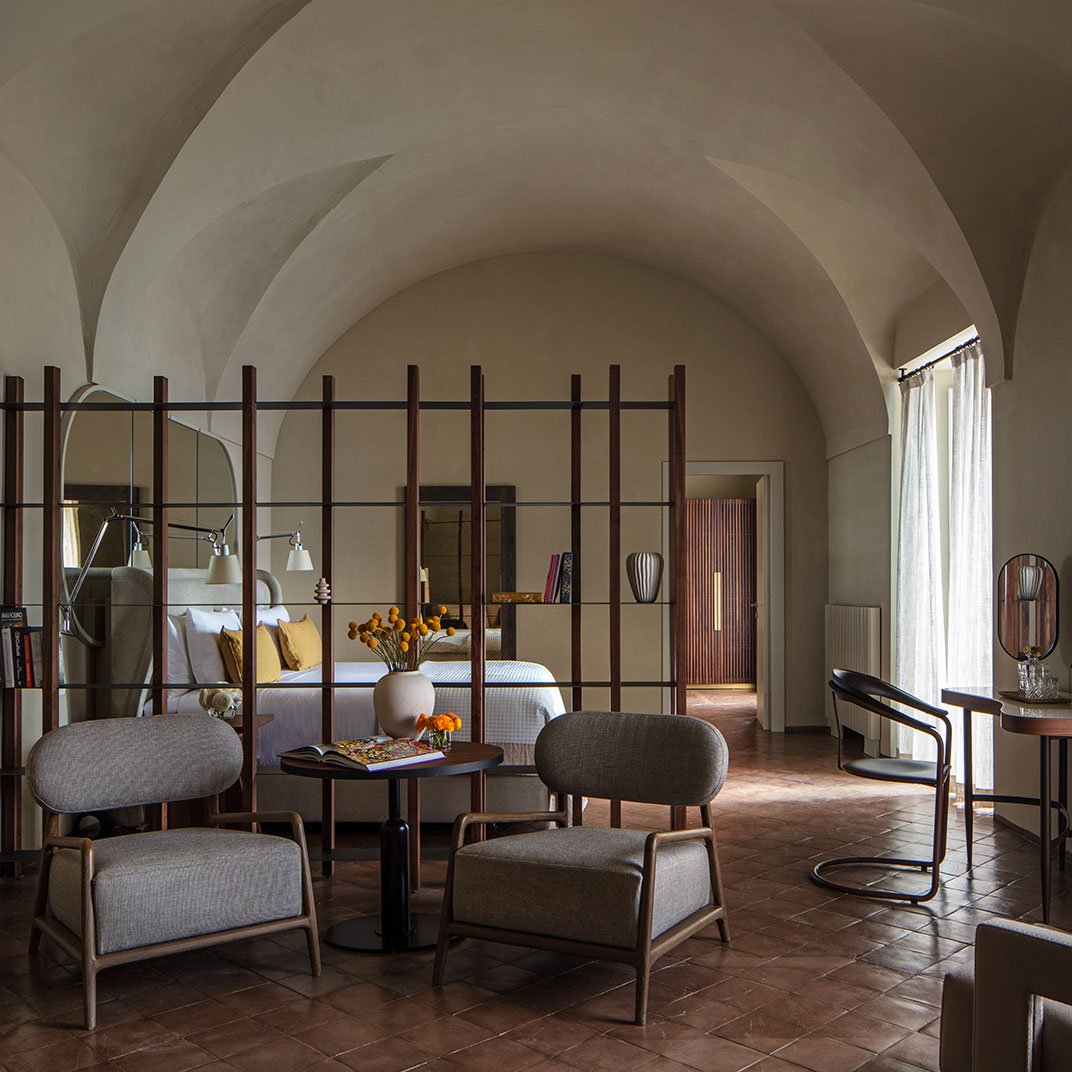
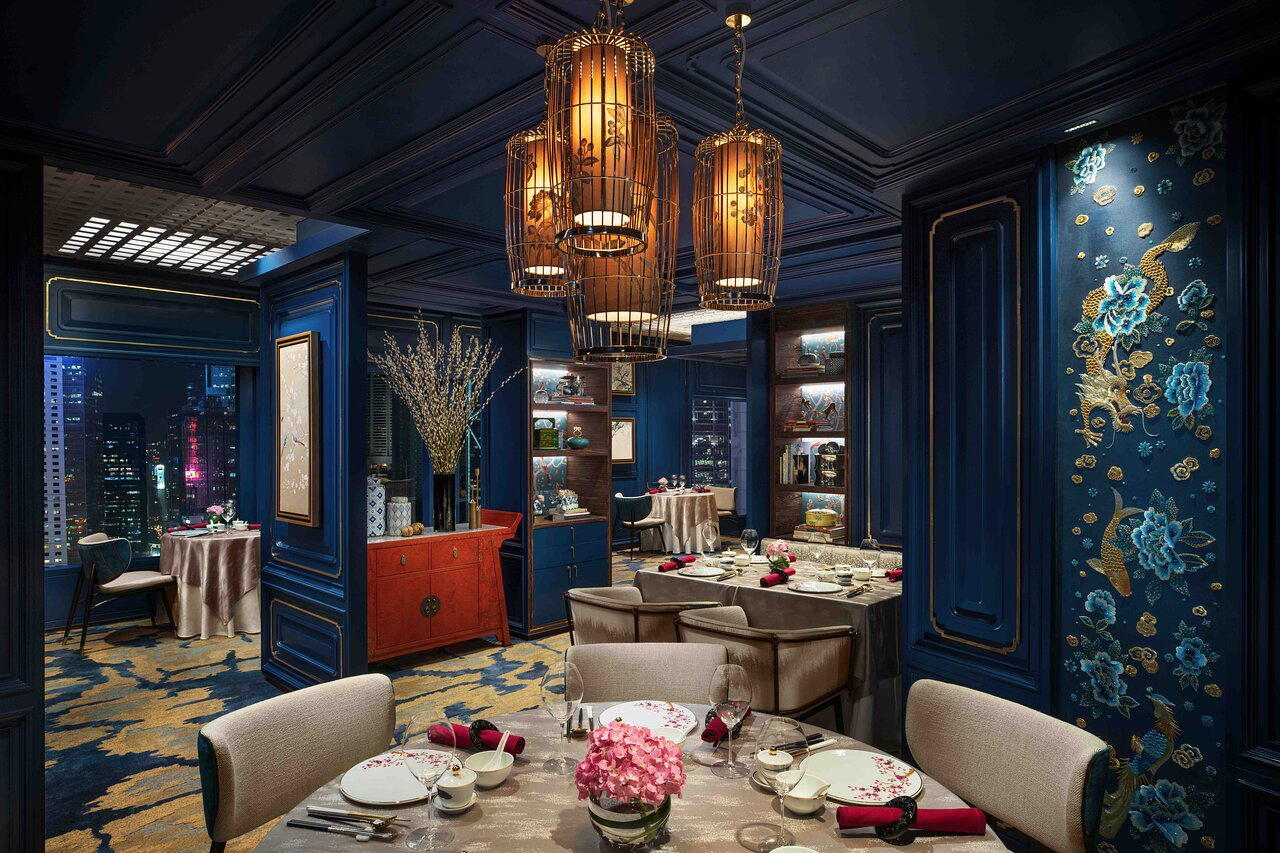
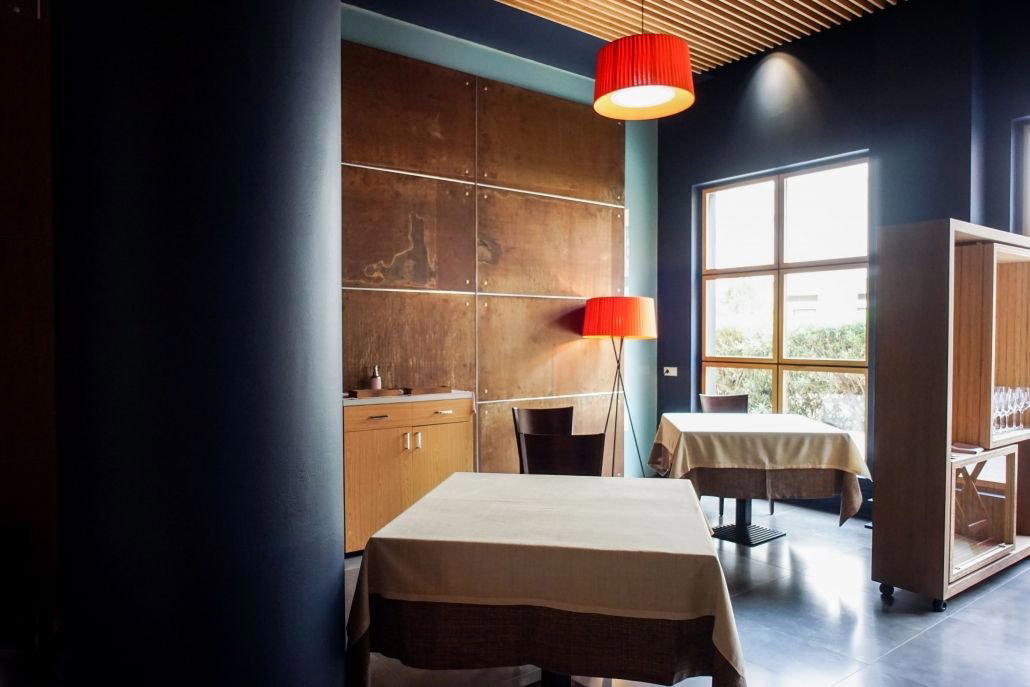
Elegant dining room surrounded by windows overlooking natural grounds; aperitif service in a stunning wine cellar creates an immersive, refined atmosphere with attention to environmental sustainability.
Tags
Vibe
Best For
Experience
Sourcing
View
At the Table
- Dress Code
- Formal
- Noise Level
- Conversational
- Service Style
- Formal
- Meal Pacing
- Extended Experience
- Capacity
- Medium
- Kitchen
- Seasonal
- Menu Format
- Tasting menu, A la carte
- Wine Program
- Deep wine list
- Drinks Focus
- Wine
- Dietary
- Vegetarian friendly, Vegan options, Gluten-free options, Allergy accommodating
- Private Dining
- Available
- Outdoor Seating
- Yes
Signature Dishes
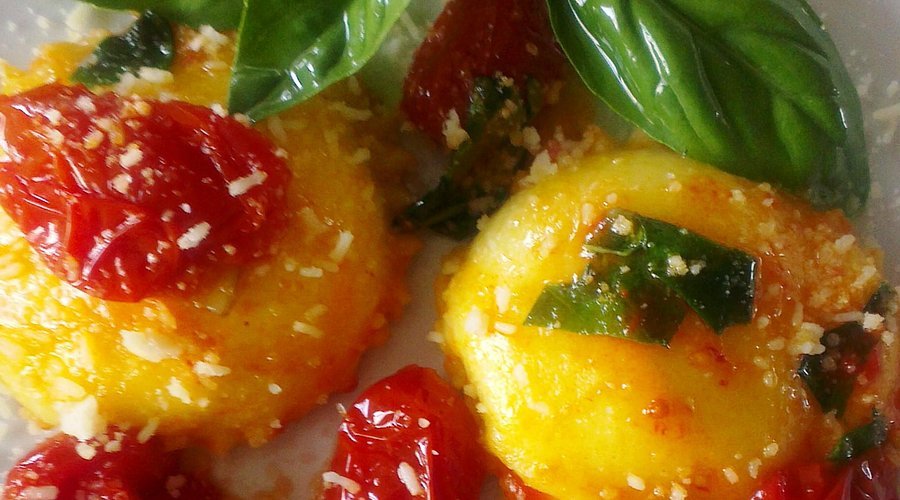
- Bufala Bufala Bufala
- Plin Ravioli
- Braciola
- Squid Stuffed with Meat
Know before you go
Know Before You Go
- Getting there
- Via Capo di fiume, 4, 84047 Capaccio Paestum SA, Italy
Planning details
Hours
- Monday
- Closed
- Tuesday
- 7:30–10:30 PM
- Wednesday
- 7:30–10:30 PM
- Thursday
- 7:30–10:30 PM
- Friday
- 7:30–10:30 PM
- Saturday
- 12:30–2:30 PM, 7:30–10:30 PM
- Sunday
- 12:30–2:30 PM
Location
Via Capo di fiume, 4, 84047 Capaccio Paestum SA, Italy · Directions
Recognition and awards
Also consider
Also Consider
- Tre Olivi: Creative, €€€€
- Osteria Arbustico: Modern Cuisine, €€€
- Da Nonna Sceppa: Campanian, €€
Restaurant context
Le Trabe and Tre Olivi are the two most ambitious restaurants in Paestum at the €€€€ price point, but they make different arguments. Le Trabe is rooted in Campanian tradition: the menu reads as a study in regional cooking, and the estate setting reinforces that specificity at every stage of the evening. Tre Olivi leans creative, which suits guests who want more formal experimentation and are less focused on Campanian particularity. If regional depth matters to you, Le Trabe is the call; if you want a more contemporary tasting menu with less fixed ceremony, Tre Olivi is the alternative at the same price tier.
Osteria Arbustico at €€€ is the practical middle option: serious modern cooking, easier to book than Le Trabe, and meaningfully cheaper. It does not offer the estate experience or the Michelin-starred kitchen, but for a guest who wants a high-quality meal without committing to a full tasting menu format and a structured evening, Osteria Arbustico is the sensible choice. It is also the right fallback if Le Trabe is fully booked when you check.
Da Nonna Sceppa at €€ operates in a different category entirely: traditional Campanian food at a fraction of the price, no tasting menu, no formality. If your group includes people who would find the Le Trabe format constraining, or if one special-occasion dinner is enough and you want the rest of your Paestum meals to be relaxed and local, Da Nonna Sceppa is the right balance to Le Trabe. Do not treat it as a consolation option: it is a genuinely good restaurant at its price point, just a different proposition. For a broader view of what Paestum offers across all price tiers, see our full Paestum restaurants guide.
Explore Paestum
Around this place
Discover more on Pearl
Unlock the full Le Trabe guide in Pearl, including awards, comparisons, FAQs, planning details, and nearby places.
Compare Le Trabe
| Venue | Price | Booking Difficulty | Awards |
|---|---|---|---|
| Le Trabe | €€€€ | Hard | 2026 Michelin 1 Star2025 Michelin 1 Star2024 Michelin 1 Star |
| Tre Olivi | €€€€ | Unknown | 2026 OAD Top Restaurants in Europe Recommended2026 La Liste Top Restaurants2026 Michelin 1 Star2025 OAD Top Restaurants in Europe Ranked · #6432025 La Liste Top Restaurants2025 Michelin 1 Star2024 Michelin 1 Star |
| Osteria Arbustico | €€€ | Unknown | 2025 Michelin 1 Star2024 Michelin 1 Star |
| Da Nonna Sceppa | €€ | Unknown | 2026 Michelin Plate2025 Michelin Plate2024 Michelin Plate |


.png?width=1200&quality=80)
How Le Trabe stacks up against the competition.
FAQ
Frequently Asked Questions
What should I order at Le Trabe?
Le Trabe operates on two tasting menus only, so there is no à la carte ordering. The menus are built around Campanian seasonal ingredients, and the 'Bufala, bufala, bufala' dish, showcasing the region's famous mozzarella, is the most documented signature. Commit to the tasting menu format before you book; this is not a venue suited to partial dining.
What are alternatives to Le Trabe in Paestum?
Tre Olivi is the closest comparable in the Paestum area in terms of fine dining ambition. Osteria Arbustico offers a more rustic Campanian approach at a lower price point. Da Nonna Sceppa is the right call if you want straightforward regional cooking without the tasting menu structure or the €€€€ spend.
Is Le Trabe good for a special occasion?
Yes, and the setting does most of the work. An aperitif in the wine cellar, a pre-dinner tour of the estate's hydroelectric station, and a Michelin-starred dining room inside a working river estate give the evening a genuine arc that most city restaurants cannot replicate. At €€€€ pricing, it is priced like a special occasion, so come with that expectation.
Is the tasting menu worth it at Le Trabe?
For Campanian cuisine at this level, yes. Chef Marci Rispo's two menus are grounded in regional tradition and seasonal ingredients rather than international fine-dining abstraction, which gives them a sense of place that the Michelin recognition (one star, 2024) backs up. If you want maximum choice or prefer à la carte, consider Osteria Arbustico instead.
Is Le Trabe worth the price?
At €€€€, Le Trabe is positioned at the top of the Paestum dining market, and the Michelin star (2024) confirms it is not overreaching. The estate experience, attentive service from sommelier Simone Munzillo's team, and a kitchen focused on Campanian identity rather than generic fine-dining tropes justify the spend for diners who want food with a strong regional argument. Those after a shorter, cheaper evening should look at Da Nonna Sceppa.