ALTES GASTHAUS NAGEL
Oerlinghausen City center, Oerlinghausen
Restaurant in Oerlinghausen, Germany
 Book with Pearl
The Read
Price
$20–30per person
Dress
Smart Casual
Why go
A practical Oerlinghausen choice for a relaxed local meal rather than a planned destination dinner. Book it when convenience and a traditional-feeling town-center setting matter more than a confirmed chef, published menu format, or awards profile; compare nearby options if cuisine style is the main decision point.
About ALTES GASTHAUS NAGEL
ALTES GASTHAUS NAGEL in Oerlinghausen is best approached as a practical restaurant choice rather than a place to build plans around specific cuisine, prices, menu format, service style, awards, or booking difficulty. The dress code is smart casual.
That makes the safest planning approach direct. Choose ALTES GASTHAUS NAGEL when you want a smart-casual meal in Oerlinghausen and are comfortable checking current details directly before you go.
Current details should guide the order
Avoid arriving with a fixed order in mind if your choice depends on a signature dish, cuisine category, chef, or menu format. Use the visit itself to ask what is currently available and what the kitchen recommends that day. This keeps expectations grounded without inventing specialties.
Choose it for a smart-casual local meal, not a status dinner
ALTES GASTHAUS NAGEL is a smart-casual Oerlinghausen option. If you are comparing before deciding, consider Jannis Restaurant or Altdeutsche Bierstuben, or review our full Oerlinghausen restaurants guide.
Planning details
- Location
- Hauptstraße 43, 33813 Oerlinghausen, Germany
- Website
- altes-gasthaus-nagel.de
- Phone
- +49 1577 9057350
The take
The Take
The Vibe
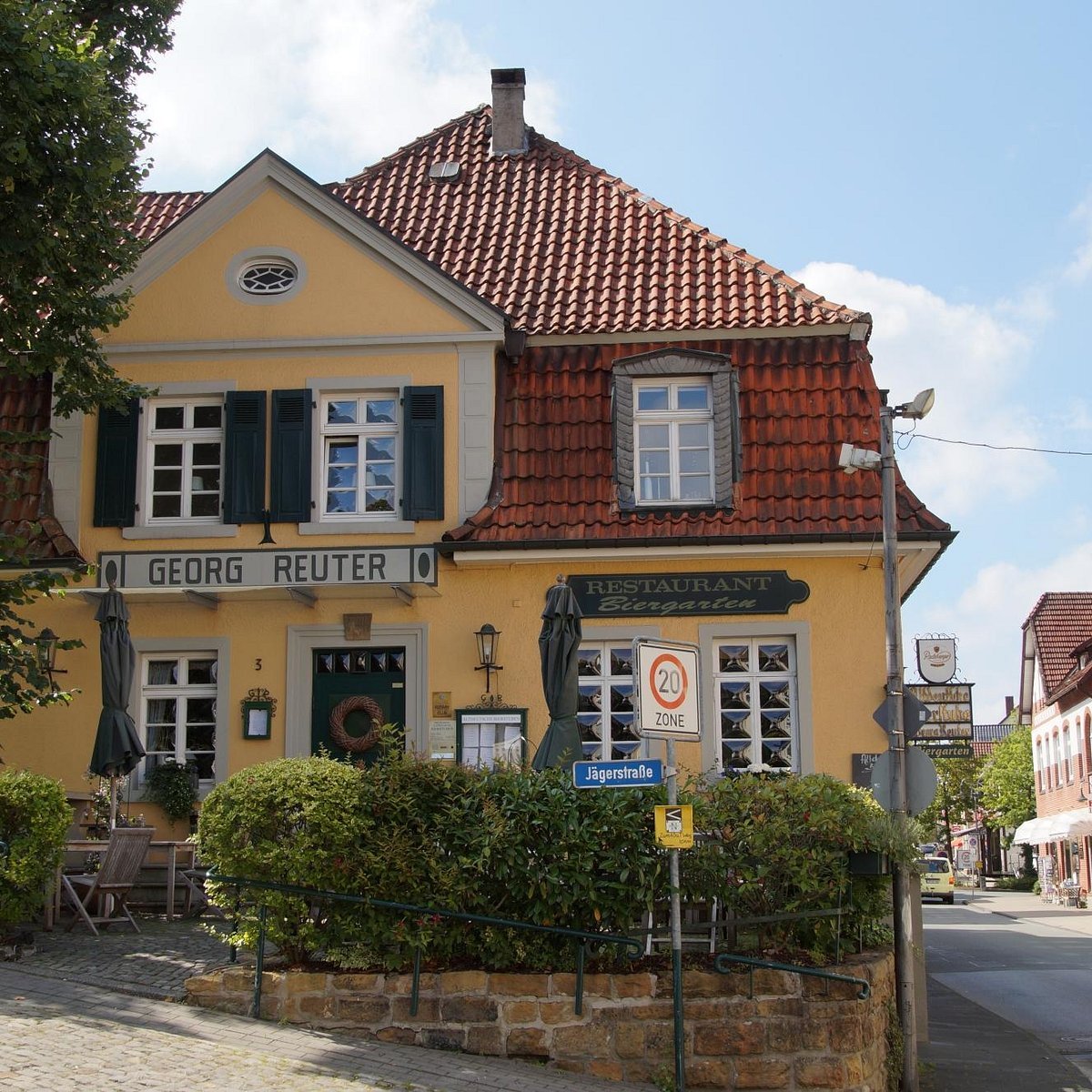
Altes Gasthaus Nagel reads like a classic provincial German gathering room: rooted in local tradition and intentionally unassuming. The editorial voice presents it as the kind of place where neighbors meet, families dine after church, and local affairs are discussed over food and drink. Rather than chasing discovery, it revels in its civic role: warm, intimate and quietly historic. The atmosphere feels community‑first, with an approachable charm that puts conviviality ahead of formality. For diners seeking an authentic small‑town experience, the Gasthaus format is the venue’s defining virtue.
Best For
This Gasthaus suits low‑key social evenings, family meals and casual group dinners more than formal tasting pilgrimages. Its strength is serving the local community: families, regulars and small groups who value conversation and familiarity. Given its Italian cuisine in a provincial German setting, it also makes for a relaxed date night where food and company matter more than spectacle. Visitors should expect an unpretentious environment geared toward communal dining and neighborhood rhythms rather than high‑gloss fine dining rituals.
Venue details
Ambiance
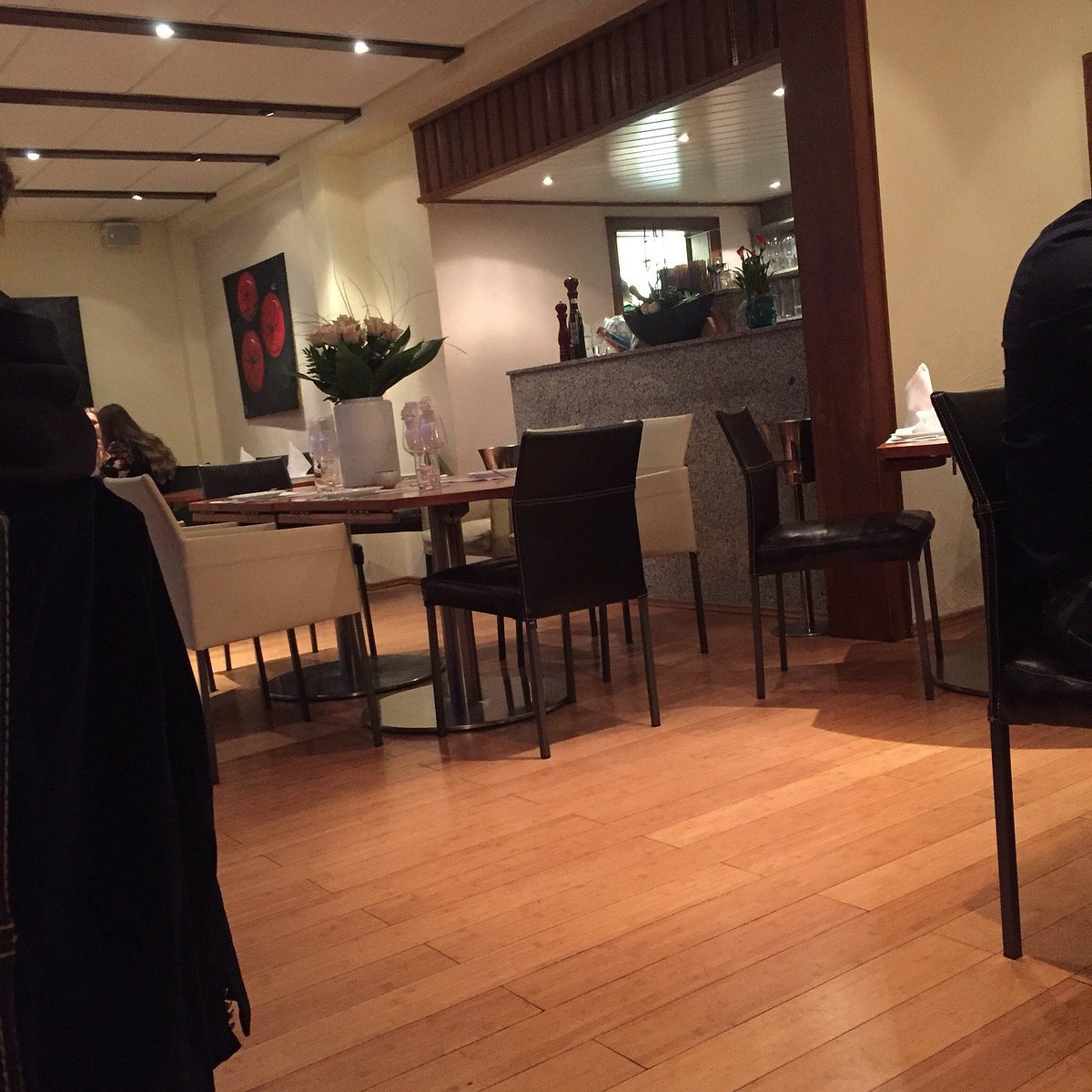
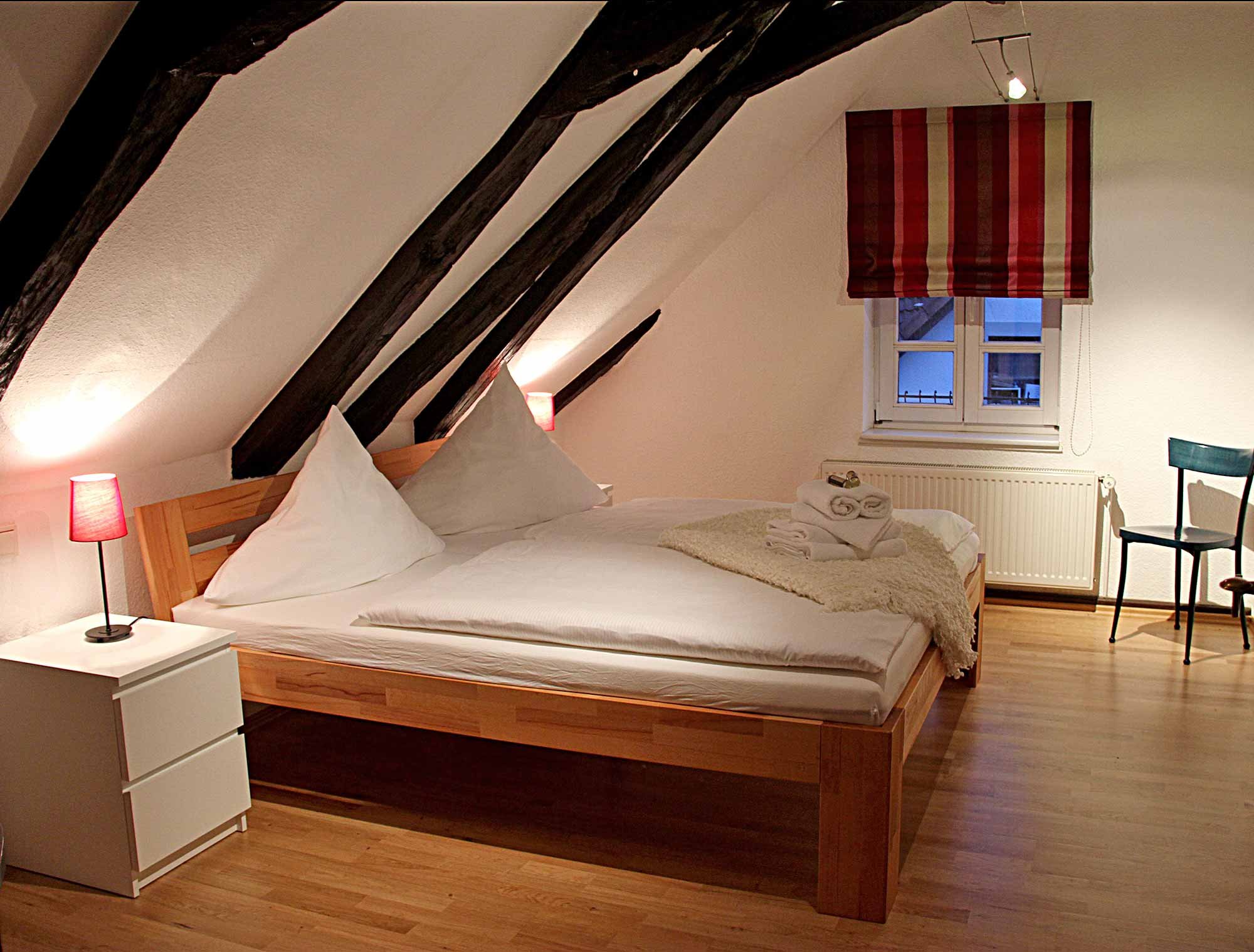
Charming historic Fachwerkhaus with cozy rooms, vaulted cellars, and comfortable classy atmosphere.
Tags
Vibe
Best For
Experience
At the Table
- Dress Code
- Smart Casual
- Noise Level
- Quiet
- Service Style
- Upscale Casual
- Meal Pacing
- Leisurely
- Capacity
- Small
- Kitchen
- Traditional
- Menu Format
- A la carte
- Dietary
- Vegetarian friendly
Know before you go
Know Before You Go
- Getting there
- Hauptstraße 43, 33813 Oerlinghausen, Germany
Planning details
Location
Also consider
Also Consider
- Altdeutsche Bierstuben, Notable alternative
- Jannis Restaurant, Notable alternative
- Kostas Restaurant greek mediterran cuisine, Notable alternative
- Christos Restaurant, Notable alternative
- Razki's Snack, Notable alternative
Restaurant context
How it compares in Oerlinghausen
ALTES GASTHAUS NAGEL is the sensible choice when the priority is a relaxed local meal in Oerlinghausen with easy booking. Altdeutsche Bierstuben is the closest comparison for diners who want a similarly traditional-feeling option, while Jannis Restaurant is the better cross-shop if the group wants a clearer restaurant alternative in town.
For diners prioritising cuisine identity, Kostas Restaurant greek mediterran cuisine and Christos Restaurant are more targeted picks, especially for Greek or Mediterranean-leaning plans. Choose those when the brief is specific; choose ALTES GASTHAUS NAGEL when the brief is a flexible local dinner.
Razki's Snack sits in a different lane: better for speed and casual value, less suited to a slower sit-down meal. If the group is deciding between convenience and atmosphere, Razki's Snack is the quick option; ALTES GASTHAUS NAGEL is the more meal-shaped choice.
Explore Oerlinghausen
Around this place
Discover more on Pearl
Unlock the full ALTES GASTHAUS NAGEL guide in Pearl, including awards, comparisons, FAQs, planning details, and nearby places.
Compare ALTES GASTHAUS NAGEL
| Venue | Location | Awards |
|---|---|---|
| ALTES GASTHAUS NAGEL | Oerlinghausen | No published awards |
| Altdeutsche Bierstuben | Oerlinghausen | No published awards |
| Jannis Restaurant | Oerlinghausen | No published awards |
| Kostas Restaurant greek mediterran cuisine | Bielefeld | No published awards |
| Christos Restaurant | Bielefeld | No published awards |
| Razki's Snack | Bielefeld | No published awards |
How ALTES GASTHAUS NAGEL Oerlinghausen: Smart-Casual Guide compares with similar nearby venues.
FAQ
Frequently Asked Questions
What should I order at ALTES GASTHAUS NAGEL?
The safest approach is to ask what is currently available when you visit, especially if you are looking for a signature dish, a particular cuisine style, or a specific menu format. If you are comparing options, Kostas Restaurant greek mediterran cuisine and Christos Restaurant are also worth checking directly for their current offerings.
Is ALTES GASTHAUS NAGEL good for a special occasion?
ALTES GASTHAUS NAGEL has a smart-casual dress code and may suit a smart-casual meal in Oerlinghausen. Jannis Restaurant and Altdeutsche Bierstuben are also useful comparison points.
What are alternatives to ALTES GASTHAUS NAGEL in Oerlinghausen?
Other names to compare include Jannis Restaurant, Altdeutsche Bierstuben, Kostas Restaurant greek mediterran cuisine, Christos Restaurant, and Razki's Snack. Choose ALTES GASTHAUS NAGEL when a smart-casual option in Oerlinghausen fits your plans.