Allora Fresh Pasta
Fraňa Mojtu, Nitra
Restaurant in Nitra, Slovakia
 Book with Pearl
The Read
Dress
Casual
Why go
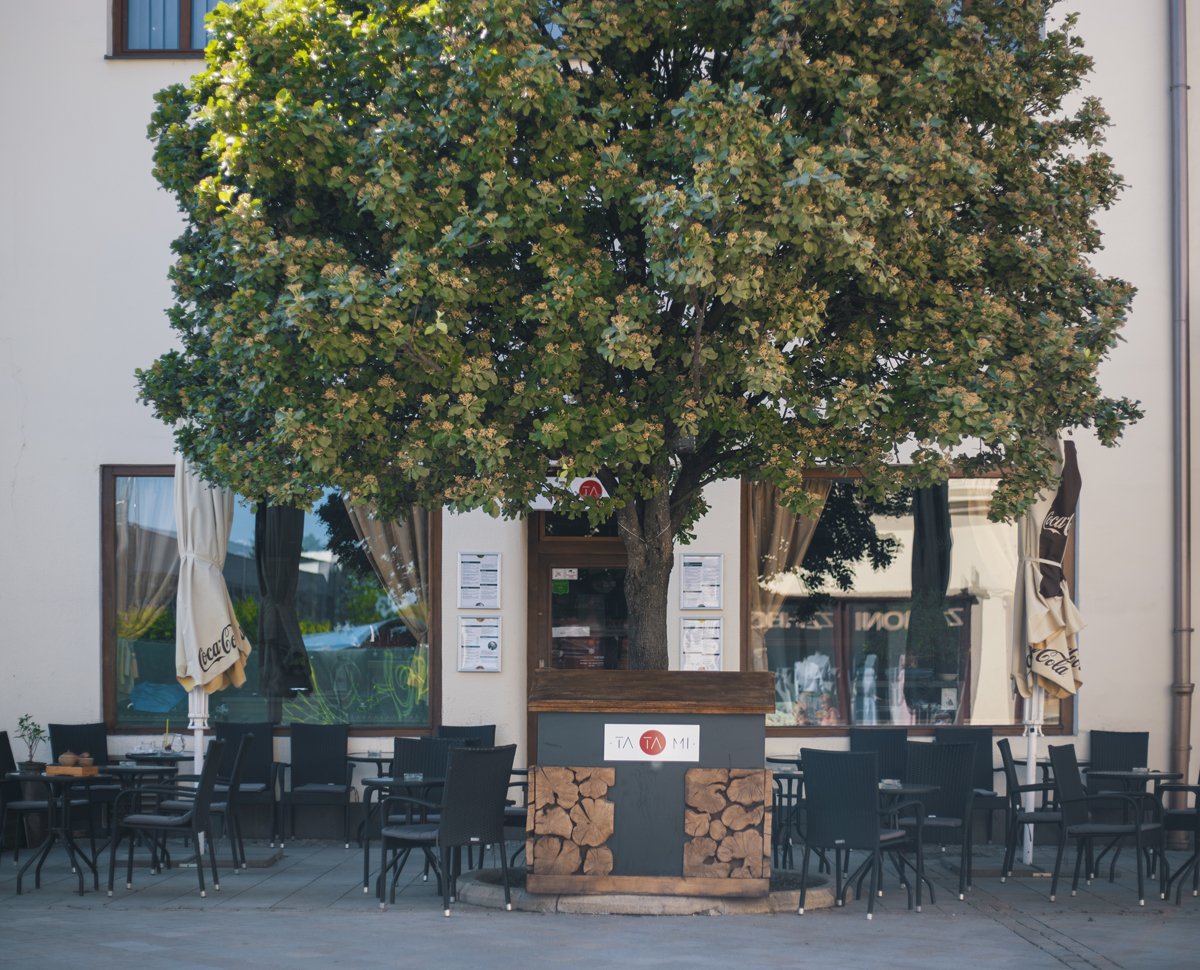
Allora Fresh Pasta is worth considering for a casual, low-friction meal in Nitra when the brief is pasta rather than occasion dining. It makes more sense for a quick first-timer dinner than for a formal celebration; compare Tatami, Nitriansky Furmanský Dvor, and Tri Kvety if the group wants a more defined atmosphere or broader format.
About Allora Fresh Pasta
Allora Fresh Pasta is a Nitra venue with a casual dress code. It is best suited to a simple, low-formality visit rather than a more formal outing.
For planning, use the venue name and the casual dress code as the reliable anchors, then confirm current details directly with the restaurant before making firm plans. If the group needs a different kind of meal or more certainty about format, compare it with other dining options before deciding.
Book it for a casual brief, not for extras
The clearest guidance is practical: dress casually. Details such as dishes, seating format, takeaway, delivery, allergies, prices, and opening times should be confirmed before you go.
For broader planning, compare it with Tatami, Nitriansky Furmanský Dvor, or Tri Kvety. Use Pearl's Nitra restaurant guide if the decision is still open.
Planning details
- Location
- Fraňa Mojtu 280/16, 949 01 Nitra, Slovakia
- Phone
- +421948190019
The take
The Take
The Vibe
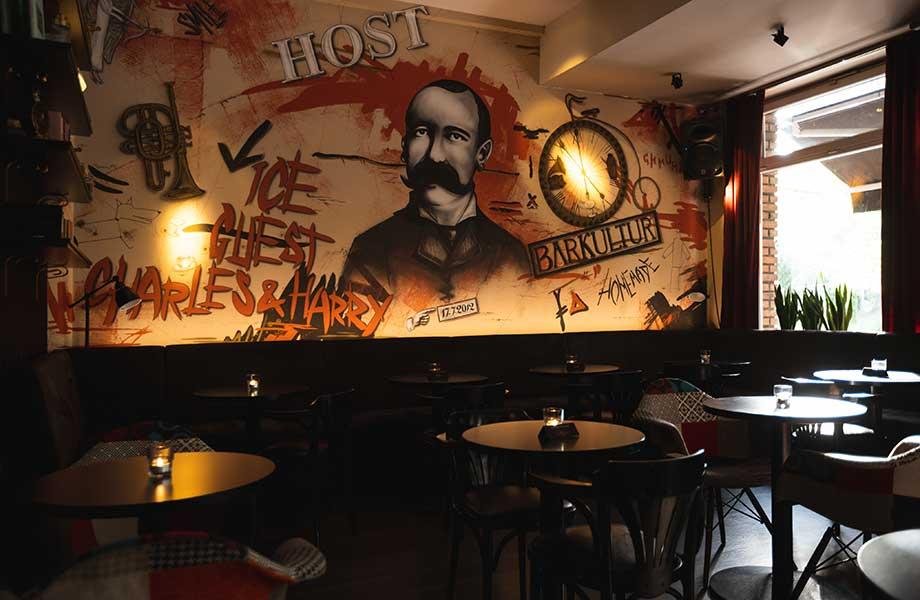
Allora Fresh Pasta positions itself as a deliberately narrow, craft-focused counterpoint to Nitra’s more traditional, hearty dining options. The space reads cozy and intimate, with a rustic sensibility that suits handmade pasta and ingredient-led Italian cooking. Located on Fraňa Mojtu in a workaday part of the city, it feels like a sought-out spot rather than a tourist stop — the kind of small restaurant that builds steady local loyalty precisely because it prioritizes technique and specificity over broad appeal. The overall impression is quietly confident and quietly charming, a low-key destination for pasta enthusiasts.
Best For
This is a place to go when you want focused, handmade pasta rather than a sprawling menu. It works well for solo meals and casual hangouts where the food is the main draw, and it suits diners who make an effort to seek out a neighborhood spot. Because the restaurant emphasizes fresh pasta and a tight concept, it’s best for people who value craft and clarity in a meal — regulars and locals who appreciate consistency over spectacle.
Ordering Tips
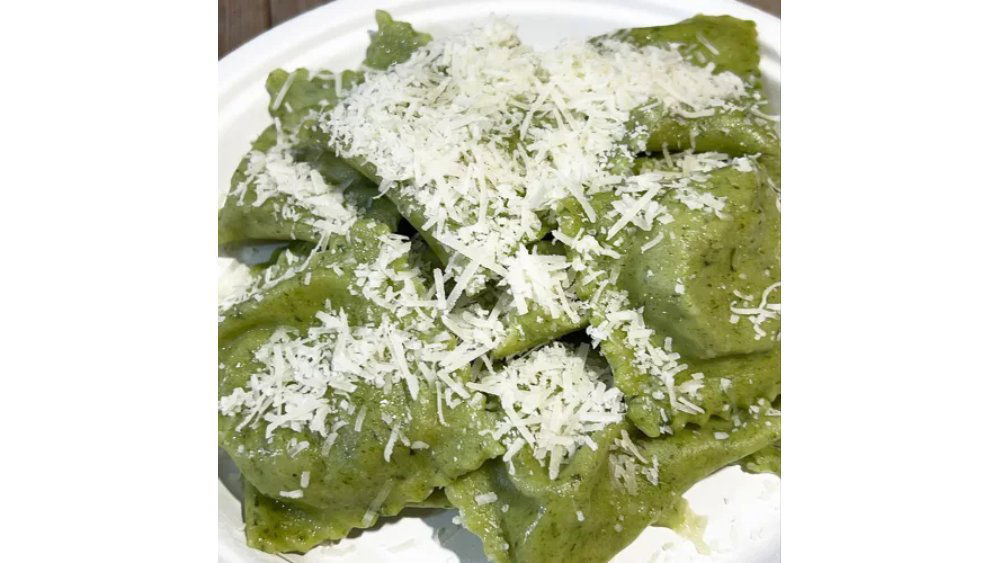
Stick to the pasta: the kitchen makes fresh, handmade pasta its primary subject. The menu highlights classics such as tagliatelle, gnocchi and tortelli, and those dishes are a reliable way to experience the kitchen’s strengths. Given the focused format, avoid treating Allora like a general‑purpose Italian restaurant — order a pasta or two and let the quality of the dough and sauces carry the meal.
Venue details
Ambiance
Casual workaday atmosphere focused on pasta craftsmanship.
Tags
Vibe
Best For
Experience
Sourcing
At the Table
- Dress Code
- Casual
- Noise Level
- Conversational
- Service Style
- Casual
- Meal Pacing
- Standard
- Capacity
- Small
Signature Dishes
- Tagliatelle
- Gnocchi
- Tortelli
Know before you go
Know Before You Go
- Getting there
- Fraňa Mojtu 280/16, 949 01 Nitra, Slovakia
Planning details
Location
Fraňa Mojtu 280/16, 949 01 Nitra, Slovakia · Directions
Also consider
Also Consider
- Tatami, Notable alternative
- Nitriansky Furmanský Dvor, Notable alternative
- Tri Kvety, Notable alternative
- Starý Biskupský Hostinec, Notable alternative
- Sýpka u Ludvíka, Notable alternative
Restaurant context
How Allora Fresh Pasta compares in Nitra
Allora Fresh Pasta is the pick when the group wants a focused, casual pasta meal with minimal ceremony. Tatami is the stronger cross-shop for diners who want a more specific format outside the pasta lane, while Nitriansky Furmanský Dvor makes more sense when atmosphere and a traditional Nitra feel matter more than speed or simplicity.
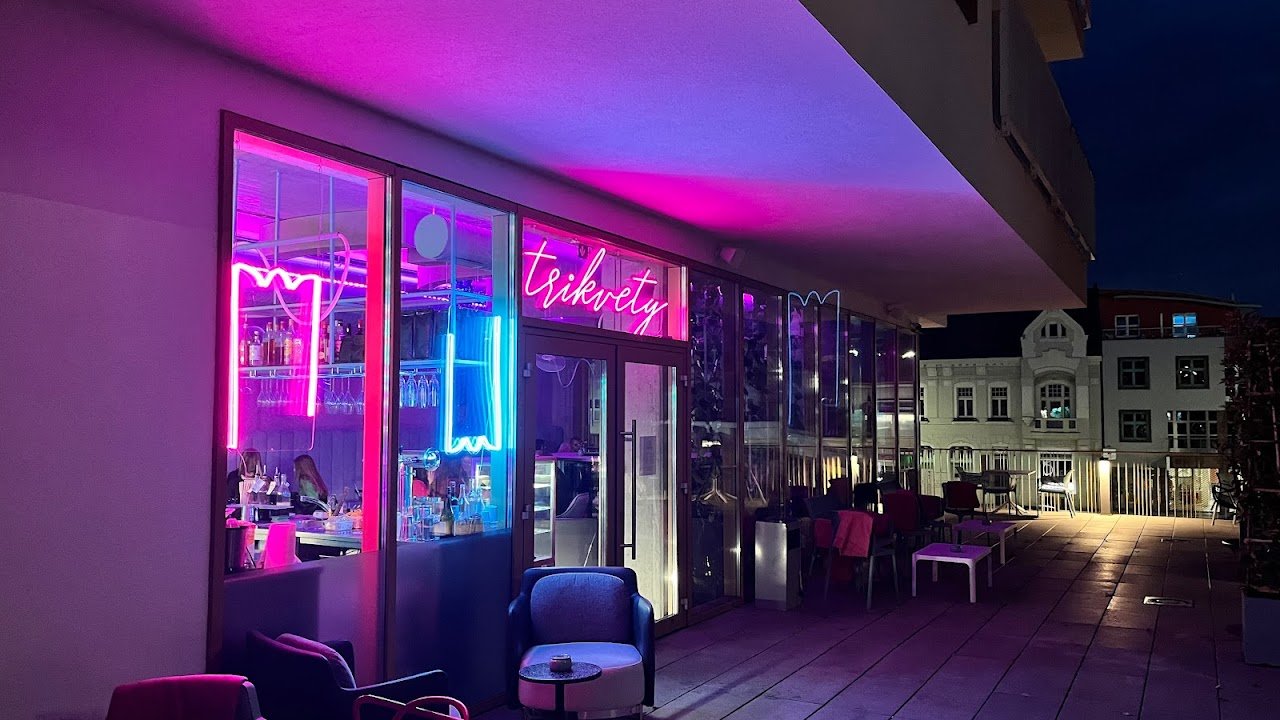
For a flexible group dinner, Tri Kvety is the safer comparison because it reads as a broader restaurant choice. Starý Biskupský Hostinec should be on the list if the room and local character are part of the decision, while Sýpka u Ludvíka is a better fit only if leaving Nitra works for the plan.
In practical terms, choose Allora Fresh Pasta for ease and a narrow pasta brief. Choose Tatami for a sharper format, Nitriansky Furmanský Dvor or Starý Biskupský Hostinec for a stronger sense of place, and Tri Kvety when mixed preferences make a broader menu more useful.
Explore Nitra
Around this place
Discover more on Pearl
Unlock the full Allora Fresh Pasta guide in Pearl, including awards, comparisons, FAQs, planning details, and nearby places.
Compare Allora Fresh Pasta
| Venue | Location | Awards |
|---|---|---|
| Allora Fresh Pasta | Nitra | No published awards |
| Tatami | Nitra | No published awards |
| Nitriansky Furmanský Dvor | Nitra | No published awards |
| Tri Kvety | Nitra | No published awards |
| Starý Biskupský Hostinec | Nitra | No published awards |
| Sýpka u Ludvíka | Bab | No published awards |
How Allora Fresh Pasta Nitra compares with similar nearby venues.
FAQ
Frequently Asked Questions
Does Allora Fresh Pasta handle dietary restrictions?
Is Allora Fresh Pasta good for solo dining?
What should I order at Allora Fresh Pasta?
Is Allora Fresh Pasta good for a special occasion?
That depends on the occasion. The dress code is casual, so it may not match plans that require a more formal setting; confirm the current format directly if the meal is important.
What are alternatives to Allora Fresh Pasta?
Other options to compare include Tatami, Nitriansky Furmanský Dvor, Starý Biskupský Hostinec, Tri Kvety, and Sýpka u Ludvíka.