
Sushi Kawashima
Sushi · Kashihara, Nara
Restaurant in Nara, Japan
 Book with Pearl
The Read
Ancient Capital Counter Precision
Price
¥¥¥
Dress
Smart Casual
Why go
Sushi Kawashima holds back-to-back Michelin stars (2024, 2025) and in Kashihara, making it the strongest sushi option in Nara Prefecture by award record. The omakase counter format suits serious food travellers over casual diners. Booking difficulty is high; secure a seat four to six weeks out minimum.
About Sushi Kawashima
The Verdict
If you are deciding between Sushi Kawashima and making the trip into Osaka or Kyoto for high-end sushi, stop second-guessing: Kawashima holds a Michelin star for the second consecutive year (2024 and 2025) and sits in Kashihara, the southern reaches of Nara Prefecture, which means you get serious omakase credentials without competing for a seat against the full weight of Kyoto tourism. For food-focused travellers already in the Kansai region, this is worth a detour. For anyone based in Nara itself, it is the strongest sushi option in the prefecture by award record.
About Sushi Kawashima
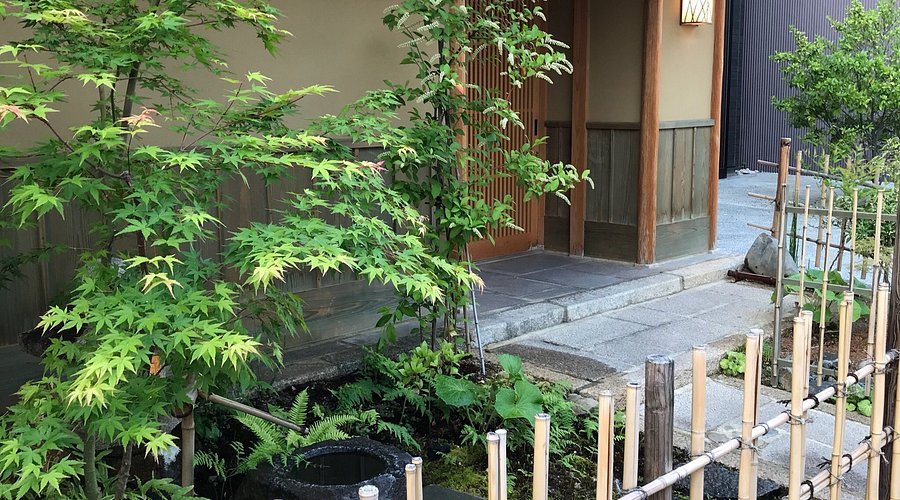
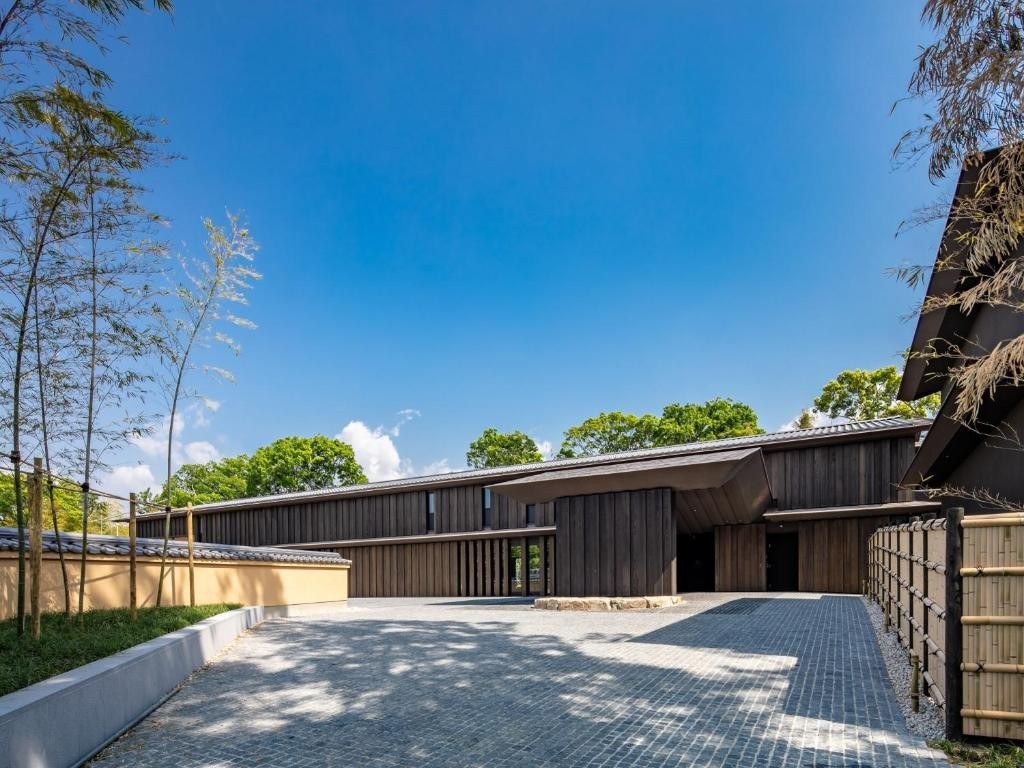
Sushi Kawashima operates from a quietly residential address in Kashihara, a city that sits just south of Nara's deer-park centre. The surrounding area is low-key, historically layered, not especially restaurant-dense at the leading end, which makes the restaurant's back-to-back Michelin recognition more pointed: Kawashima is not riding a neighbourhood wave, it is the reason serious diners have a reason to come to this part of Nara Prefecture at all.
A 4.9 at this sample size at a Michelin-starred sushi counter in provincial Japan is not the product of algorithmic luck. Sushi at this level is a narrow format: a small counter, a structured progression, no safety net of crowd-pleasing menu padding. If diners are leaving near-perfect scores, the execution is consistently landing. That consistency, confirmed across two Michelin cycles, is the core reason to book.
The atmosphere at a counter like this tends toward focused quiet: the energy comes from watching precise, unhurried preparation up close rather than from ambient noise or a buzzing dining room. If you are hoping for late-night energy or a venue that stretches into the small hours, Sushi Kawashima is not configured for that. The format is structured, the sittings are finite, the experience ends when the meal ends. That is a feature for the right diner, not a limitation. Come for the counter dynamic and the close attention to detail in each piece; leave the late-night continuation for one of Nara's bars.
For travellers mapping a broader Kansai itinerary, the positioning is worth thinking through. Harutaka in Tokyo and Sushi Shikon in Hong Kong represent the apex of the format in their respective cities, with corresponding booking difficulty and price pressure. Kawashima sits in a different tier of accessibility; geographically and competitively; which is a genuine advantage. You are not queuing against the full force of international omakase tourism. Within Kansai, if you have already secured a seat at Gion Sasaki in Kyoto for kaiseki, Kawashima offers a clean counterpoint in format and register. They are not redundant choices.
The ¥¥¥ price tier positions this in line with what you would expect from a starred sushi counter in Japan outside the very leading Ginza bracket. Specific per-head pricing is not confirmed in available data, but at ¥¥¥ in a Nara Prefecture context you should expect a meaningful spend, likely in the range consistent with other single-star omakase counters in the wider Kansai region, though exact figures should be confirmed directly before booking. Do not treat this as a casual drop-in: come with the right expectations for the format and the investment will make sense.
One structural note for explorers building a multi-day Nara itinerary: Kashihara is accessible by Kintetsu rail from central Nara, so the logistics are manageable without a car. Pairing a visit to Kawashima with time at Kashihara Jingu or the Asuka archaeological sites nearby makes for a coherent day if you are structuring around the region rather than the city centre. For more context on what else to do around the area, our Nara experiences guide covers the surrounding options. Those staying overnight should cross-reference our Nara hotels guide for where to base yourself.
For sushi specifically in Nara, the relevant comparison points are limited. Naramachi Sushi Hanako, Shikinosushi KROUTO, and Sushidokoro WASABI round out the sushi options in the prefecture, but none carry the same award recognition. If Michelin-quality is your benchmark, Kawashima is the clear answer in this market. For those who want to explore further in Japan's starred sushi circuit, Shoukouwa in Singapore and Goh in Fukuoka offer useful regional reference points across different formats.
Know Before You Go
How It Compares
See the comparison section below for how Kawashima stacks up against Nara's other top-end options.
Planning details
- Location
- 291-1 Ishikawacho, Kashihara, Nara 634-0045, Japan
- Website
- tablecheck.com/shops/sushi-kawashima/reserve
- Phone
- +81 744-35-1665
The take
The Take
The Vibe
Sushi Kawashima presents a restrained, serious take on Edo-style sushi tucked into Kashihara at the edge of Nara’s ancient capital. The tone is calm and focused rather than theatrical: the copy stresses quieter dining culture and a deliberate audience of travellers willing to move beyond the deer-park circuit. Consecutive Michelin recognition underscores a disciplined kitchen and a refined, intimate service experience. For diners seeking concentrated craft—seasonal fish, exacting technique and a near-silent attention to detail—the room reads as an understated, dignified counter that privileges the sequence of the meal over spectacle.
Best For
This is a venue that rewards intention: guests travel to Kashihara rather than stumble in, and the omakase format paired with consecutive Michelin stars frames the meal as a curated experience. It is particularly well suited to a focused evening—date night or a special occasion—when the priority is the chef’s sequence and the precision of technique. The setting is more contemplative than social, drawing visitors who want a single, high‑attention dining event rather than a casual stop between sights.
Ordering Tips
The restaurant is presented and discussed primarily as an omakase sushi destination, so expect a chef-driven sequence served at the counter. Practically, the address in Kashihara places it off the main Nara tourist loop; the copy notes access via the Kintetsu Kashihara line and frames a visit as a deliberate half‑day excursion. Plan logistics around travel to Kashihara if you are coming from central Nara, and anticipate a concentrated, sequential dining rhythm characteristic of omakase service.
Venue details
Ambiance
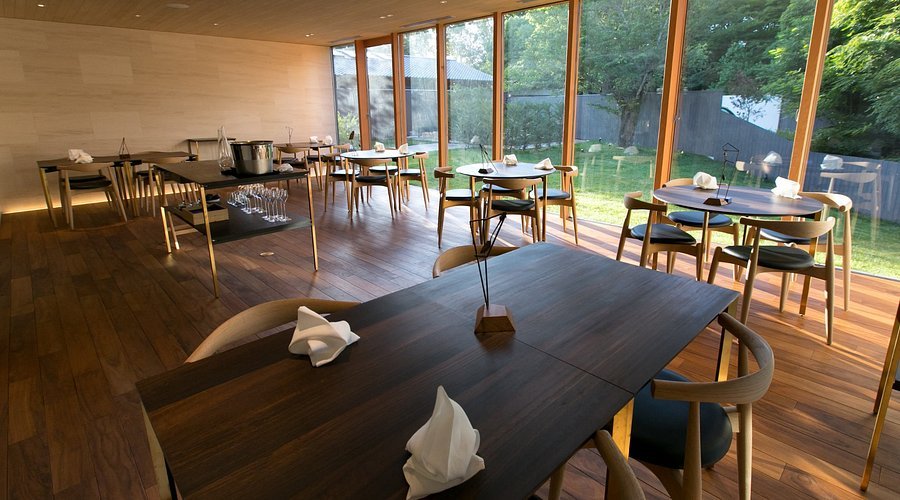
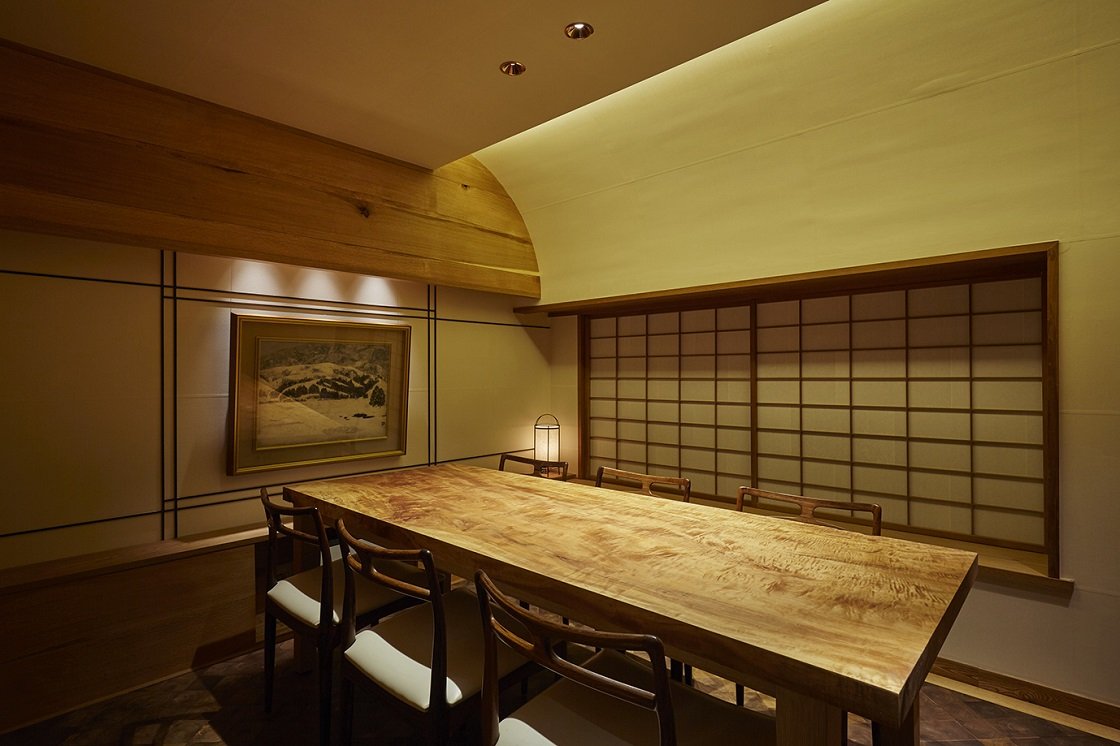
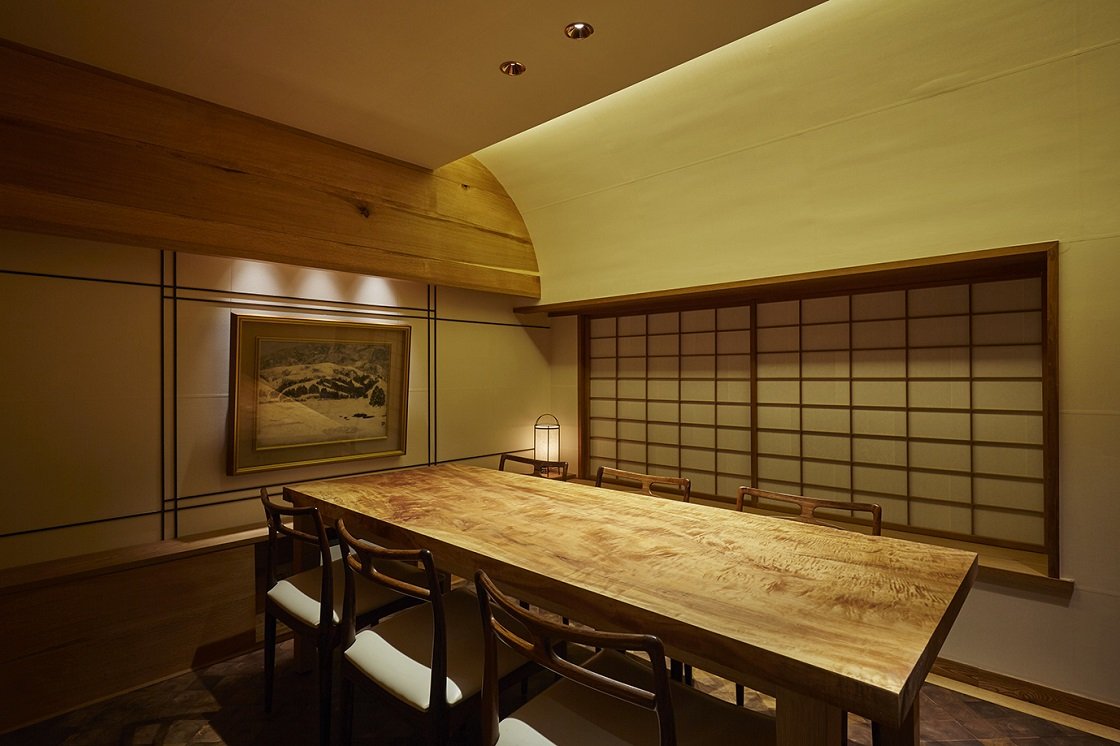
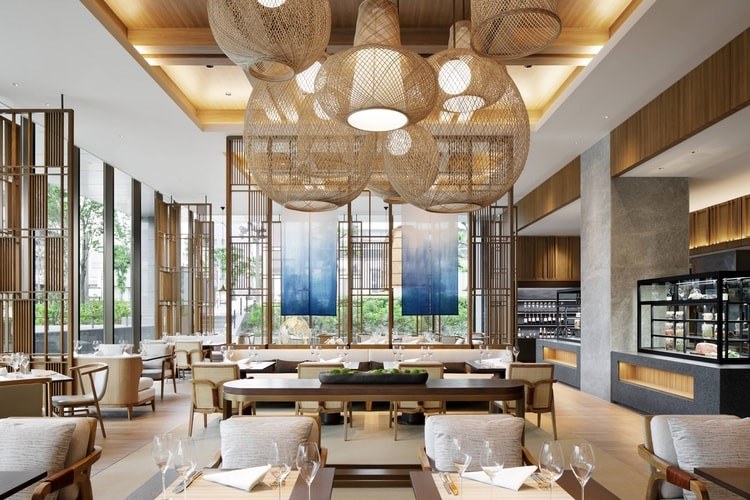
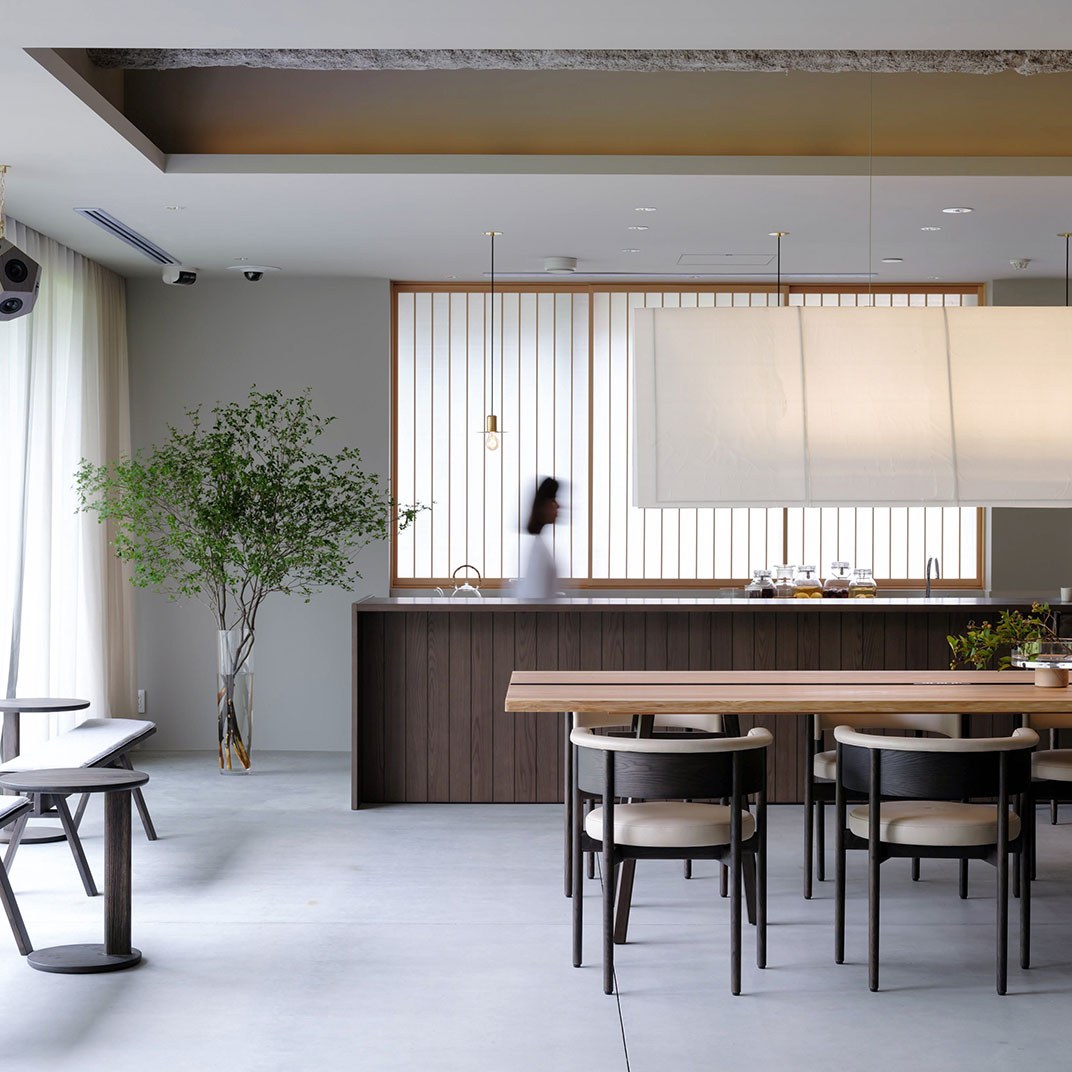
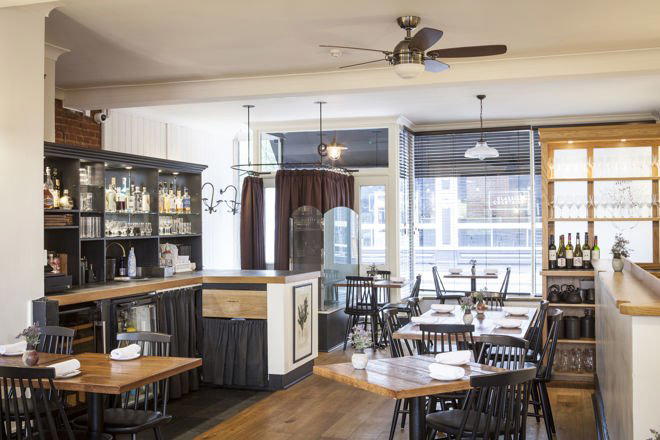
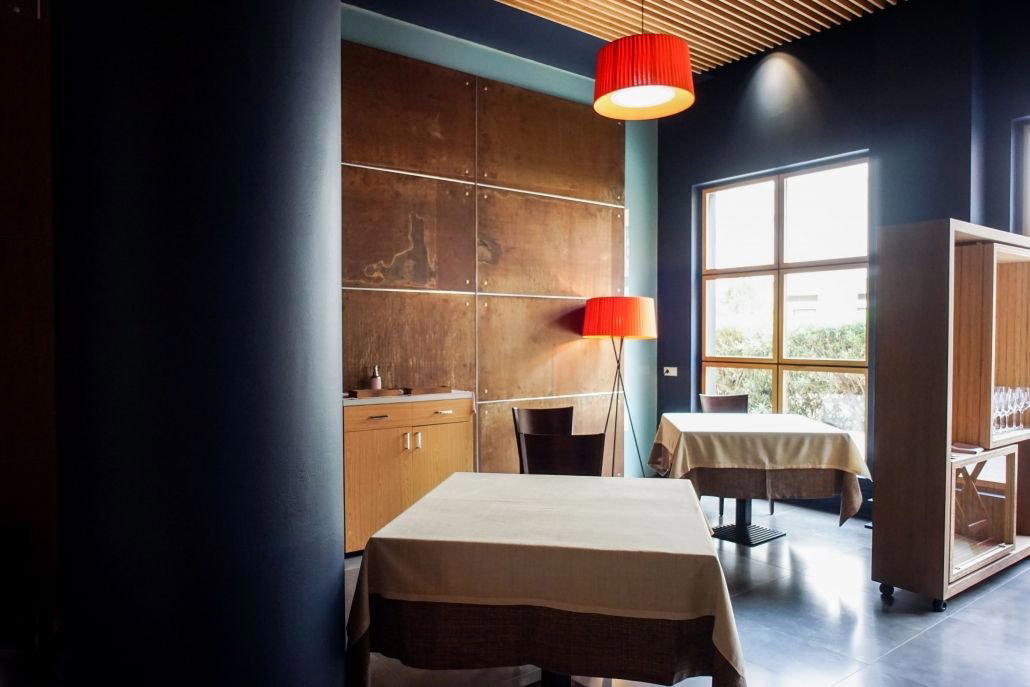
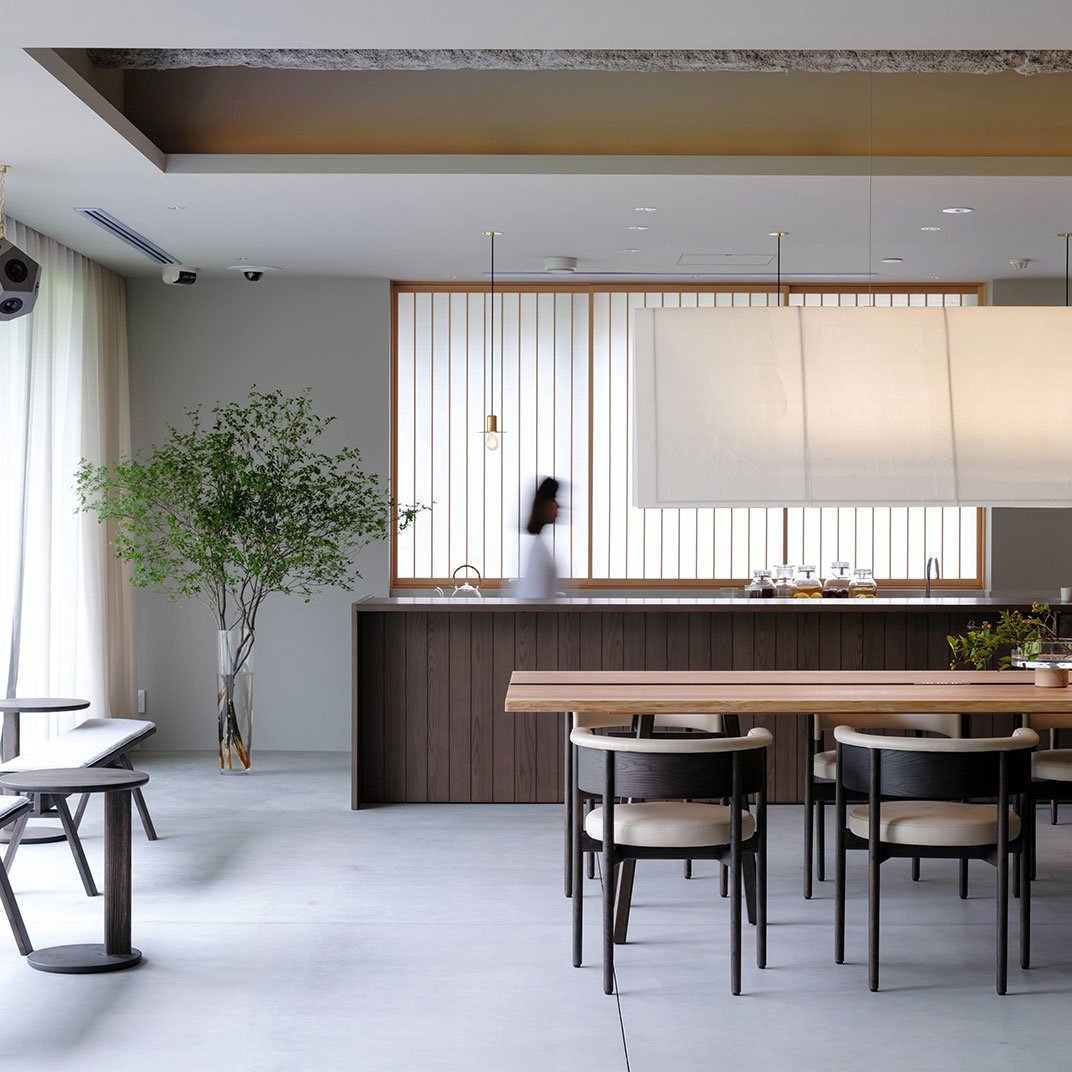
Welcoming, elegant, and quiet atmosphere with a refined, calm interior praised for its comfortable and sophisticated setting.
Tags
Vibe
Best For
Experience
Sourcing
At the Table
- Dress Code
- Smart Casual
- Noise Level
- Quiet
- Service Style
- Formal
- Meal Pacing
- Leisurely
- Capacity
- Intimate
Planning details
Location
291-1 Ishikawacho, Kashihara, Nara 634-0045, Japan · Directions
Recognition and awards
Also consider
Also Consider
- akordu; Spanish, Innovative, ¥¥¥
- Wa Yamamura; Kaiseki, Japanese, ¥¥¥
- Araki; Sushi, Japanese, ¥¥¥
- Tama; Okinawan, French, ¥¥¥
- NARA NIKON; Japanese, ¥¥¥
Restaurant context
Within Nara's ¥¥¥ tier, Sushi Kawashima is the clearest choice if sushi and Michelin verification are your criteria. None of the other top-end options in the prefecture match its award record in the same format. Wa Yamamura offers kaiseki rather than sushi, which is a different commitment; longer, more ceremonial, better suited to a diner who wants the full multi-course Japanese tradition rather than the focused counter dynamic of omakase. If kaiseki versus sushi is the question, the formats serve genuinely different intentions rather than competing directly.
akordu is the outlier in this peer set: Spanish and innovative in a Japanese historic city, it is the call for a diner who wants something architecturally different from the Kansai fine dining default. If your Nara itinerary already includes a kaiseki sitting elsewhere, akordu avoids format repetition more effectively than Kawashima would. NARA NIKON and Tama (Okinawan-French) fill out the ¥¥¥ bracket with distinct identities, but neither carries the same tier of award recognition as Kawashima in this cycle. Araki is a sushi peer by format, worth comparing on booking logistics and price if you are flexible on timing.
The practical decision is this: for sushi specifically, Kawashima is the answer in Nara. For diner profiles who want kaiseki, choose Wa Yamamura. For something genuinely different from the Japanese fine dining register, book akordu. All three sit at ¥¥¥ and all three require advance reservations; do not assume any of them have availability on a short lead at this price point in a small-supply market like Nara.
Explore Nara
Around this place
Discover more on Pearl
Unlock the full Sushi Kawashima guide in Pearl, including awards, comparisons, FAQs, planning details, and nearby places.
Compare Sushi Kawashima
| Venue | Location | Cuisine | Awards | Price |
|---|---|---|---|---|
| Sushi Kawashima | Nara | Sushi | Michelin Guide Nara 20262025 Michelin 1 Star2024 Michelin 1 Star | ¥¥¥ |
| akordu | Nara | Spanish, Innovative | 2026 Tabelog Bronze · #142026 OAD Top Restaurants in Japan RecommendedMichelin Guide Nara 20262026 La Liste Top RestaurantsTabelog 100 - Innovative / Creative cuisine - 2025 · #762025 OAD Top Restaurants in Japan Ranked · #5192025 Tabelog Silver2025 Michelin 2 Stars2025 La Liste Top Restaurants | ¥¥¥ |
| Wa Yamamura | Nara | Kaiseki, Japanese | 2026 OAD Top Restaurants in Japan RecommendedMichelin Guide Nara 20262025 OAD Top Restaurants in Japan Ranked · #2052025 Michelin 1 Star2024 OAD Top Restaurants in Japan Ranked · #1952024 Michelin 1 Star2023 OAD Top Restaurants in Japan Highly Recommended | ¥¥¥ |
| Araki | Nara | Sushi, Japanese | 2026 Tabelog Bronze · #23Michelin Guide Nara 2026Tabelog 100 - Tempura - 2025 · #202025 Michelin Plate2025 Tabelog Bronze2024 Michelin Plate2023 OAD Top Restaurants in Asia Ranked · #24 | ¥¥¥ |
| Tama | Nara | Okinawan, French | Michelin Guide Nara 20262025 OAD Casual in Japan Ranked · #902025 Michelin Plate2024 OAD Casual in Japan Ranked · #802024 Michelin Plate2023 OAD Casual in Japan Ranked · #63 | ¥¥¥ |
| NARA NIKON | Nara | Japanese | 2026 Tabelog Bronze · #315Michelin Guide Nara 2026Tabelog 100 - Japanese cuisine - WEST - 2025 · #692025 La Liste Top Restaurants2025 Tabelog Bronze2025 Michelin 2 Stars2024 Michelin 2 Stars | ¥¥¥ |





.png?width=1200&quality=80)
How Sushi Kawashima Nara compares with similar nearby venues.
FAQ
Frequently Asked Questions
What should I wear to Sushi Kawashima?
Dress neatly but there is no formal dress code documented for Kawashima. At the ¥¥¥ price point and Michelin-starred level, business casual is a safe default: clean, understated, nothing with strong fragrance that could interfere with the food. Avoid overly casual streetwear out of respect for the counter format.
How far ahead should I book Sushi Kawashima?
Book at least four to six weeks out. Kashihara sits outside the main Nara tourist circuit, which keeps foot traffic lower than Kyoto or Osaka venues, but a Michelin star two years running means the reservation window is tight. If you are travelling from abroad, lock in the date before booking transport.
Can I eat at the bar at Sushi Kawashima?
Counter seating is the standard format at a venue like Kawashima. At the ¥¥¥ price point with a Michelin star, the counter is where the experience is designed to happen; watching the chef and receiving each piece directly is the point. Table seating, if available, would be secondary.
Can Sushi Kawashima accommodate groups?
Small groups of two to four are the practical ceiling for most omakase counters at this tier. Larger parties risk breaking the pacing of service. If you are planning six or more, contact the venue well in advance; a private room arrangement may or may not be possible, no such offering is confirmed in available data.
Is Sushi Kawashima good for solo dining?
Solo dining is well-suited to the counter format that defines venues like Kawashima. A single seat is easier to reserve than a pair at many high-demand omakase restaurants, the direct interaction with the chef at the counter is arguably better experienced alone than in conversation. At ¥¥¥, solo is a reasonable commitment.
What should a first-timer know about Sushi Kawashima?
Kawashima is located in Kashihara, not central Nara, so plan your travel accordingly; it is a separate trip from the deer park and Todai-ji. The venue holds a Michelin star for 2024 and 2025, which means it is operating at a documented standard, not local hype. Go expecting an omakase format, arrive on time, do not plan anything immediately after.