

LA TRACE
French · Nara
Restaurant in Nara, Japan
 Book with Pearl
The Read
Yamato-Sourced French Technique
Price
¥¥¥
Dress
Smart Casual
Why go
A two-time Michelin-starred French restaurant in Nara's Omiyacho district, LA TRACE pairs European technique with the agricultural depth that surrounds one of Japan's oldest cities. Chef Roberto Torre holds a consecutive star from 2024 and 2025, placing this address among the Kansai region's most closely watched French tables. The ¥¥¥ pricing tier reflects a serious kitchen operating well inside the Michelin conversation.
About LA TRACE
LA TRACE, Nara; Pearl Verdict
French cuisine from a foreign chef in a city better known for deer parks and ancient temples sounds like a gamble. At LA TRACE, it pays off. If you are in the Kansai region and French is your format, book here before you book anywhere else in Nara.
The Restaurant
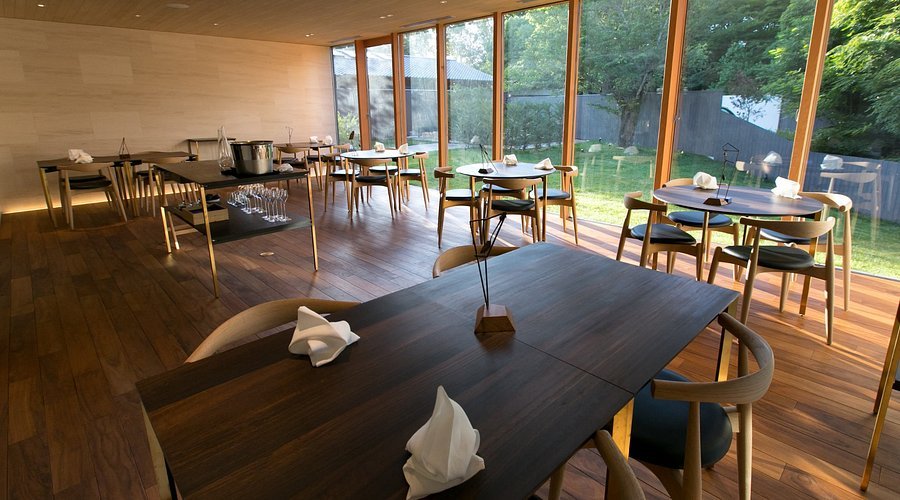
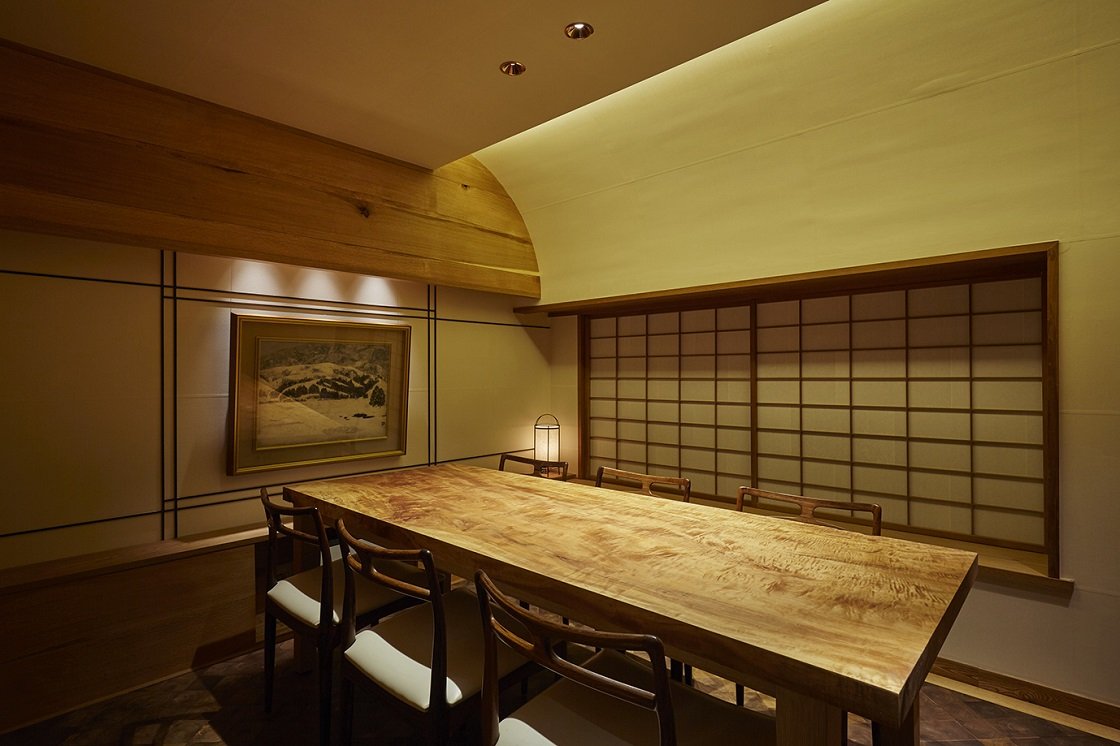
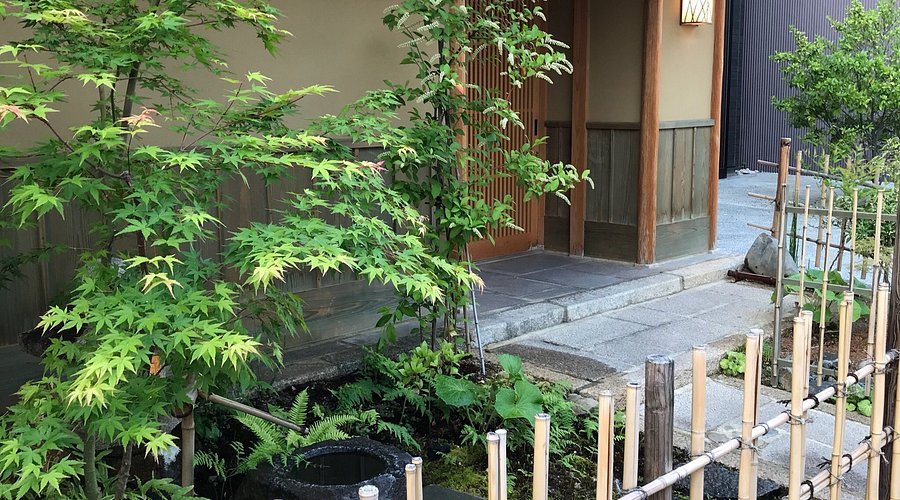
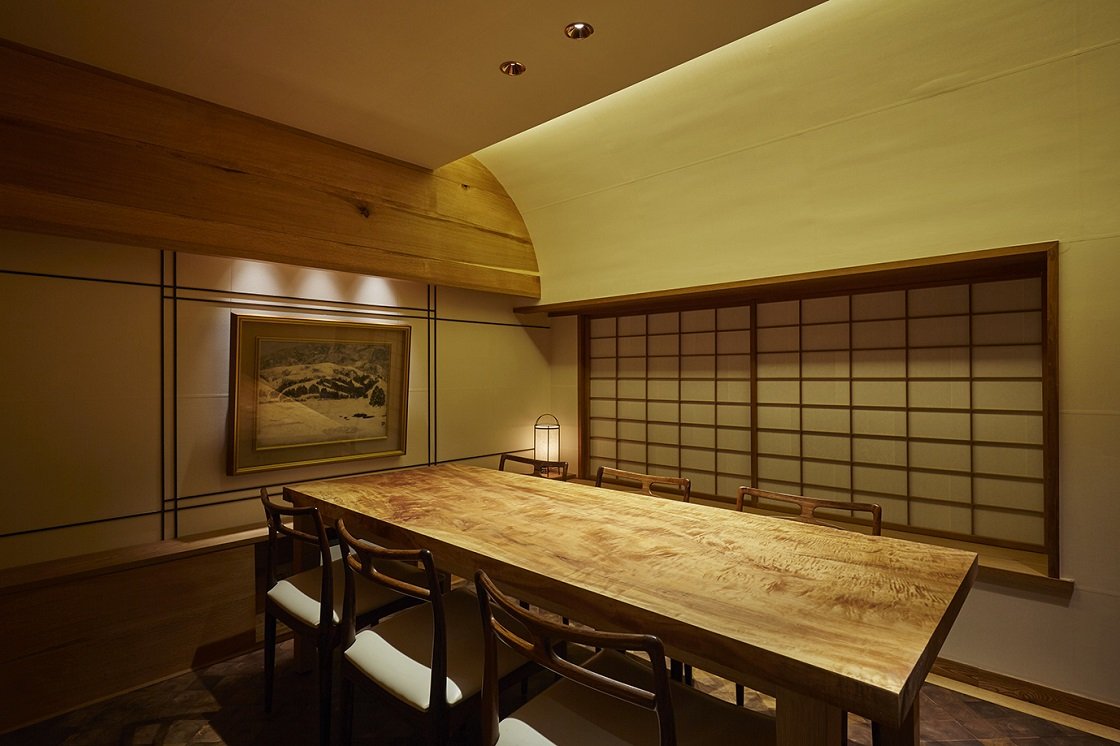
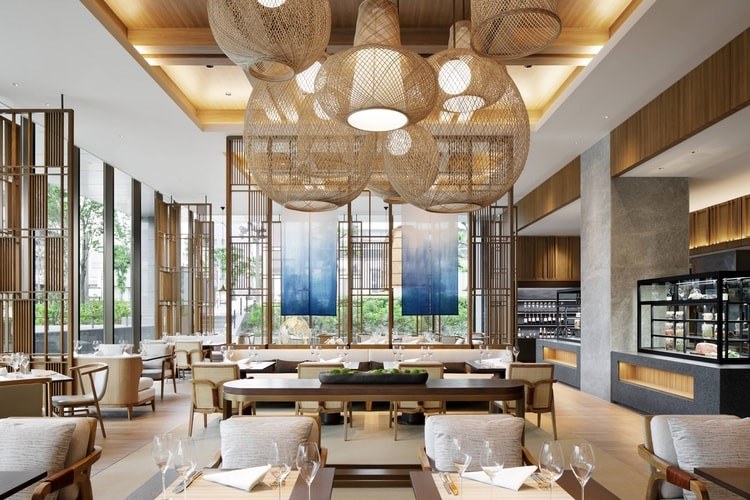
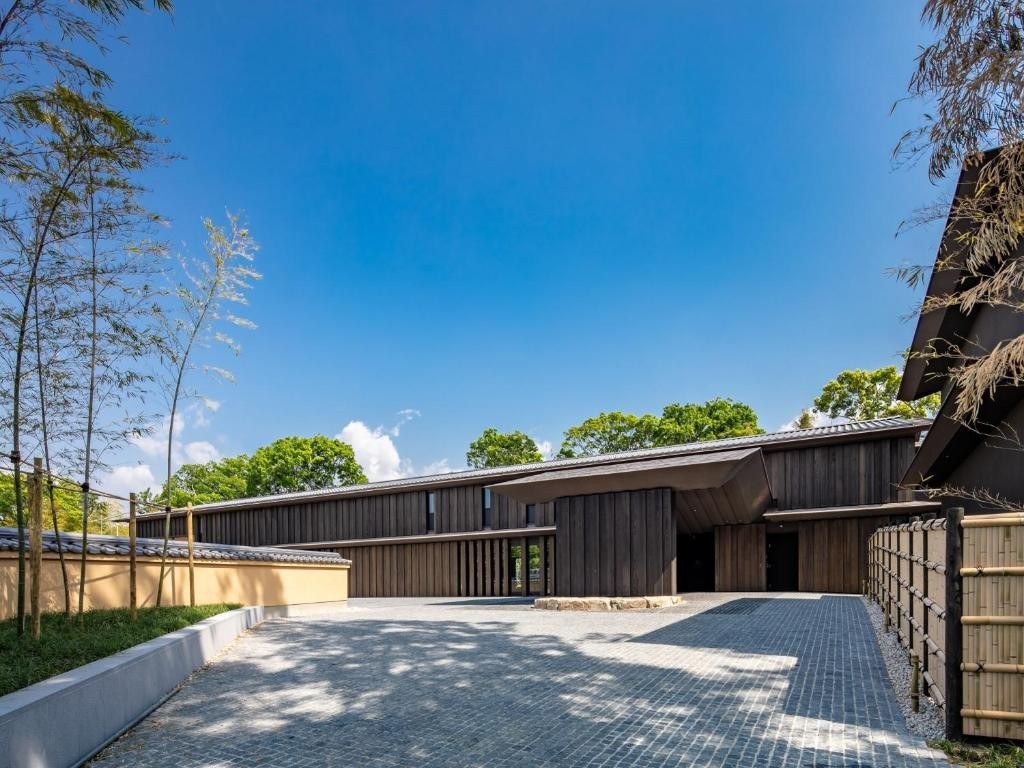
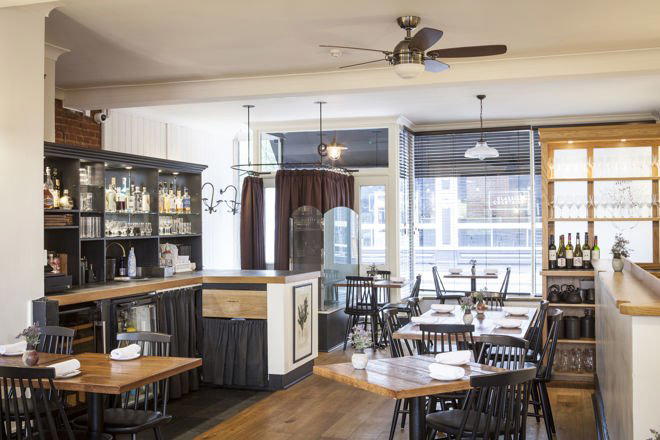
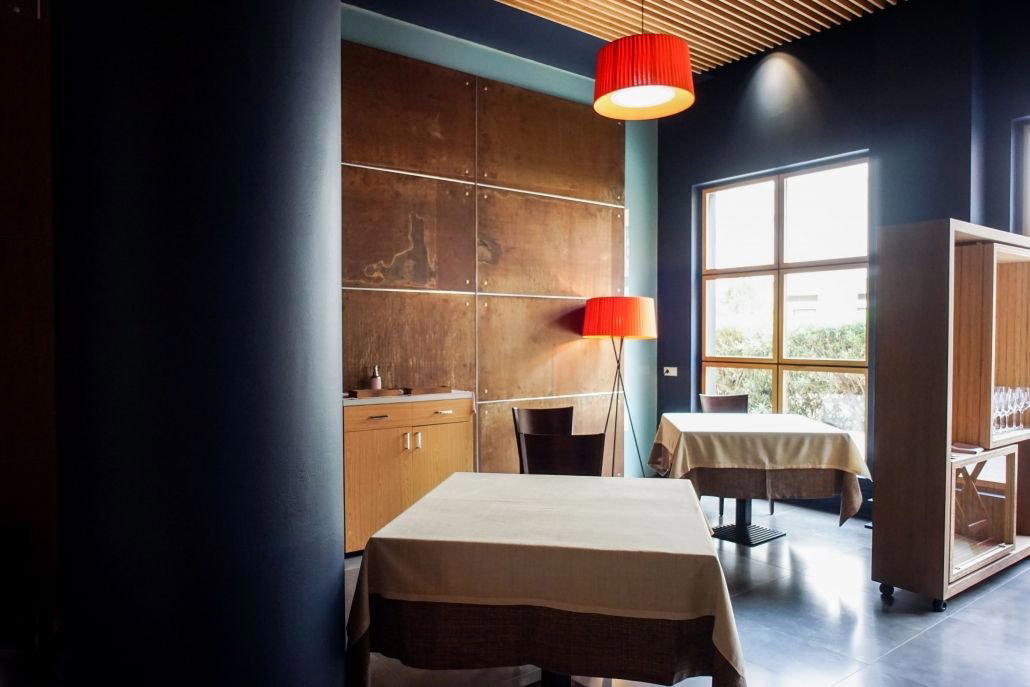
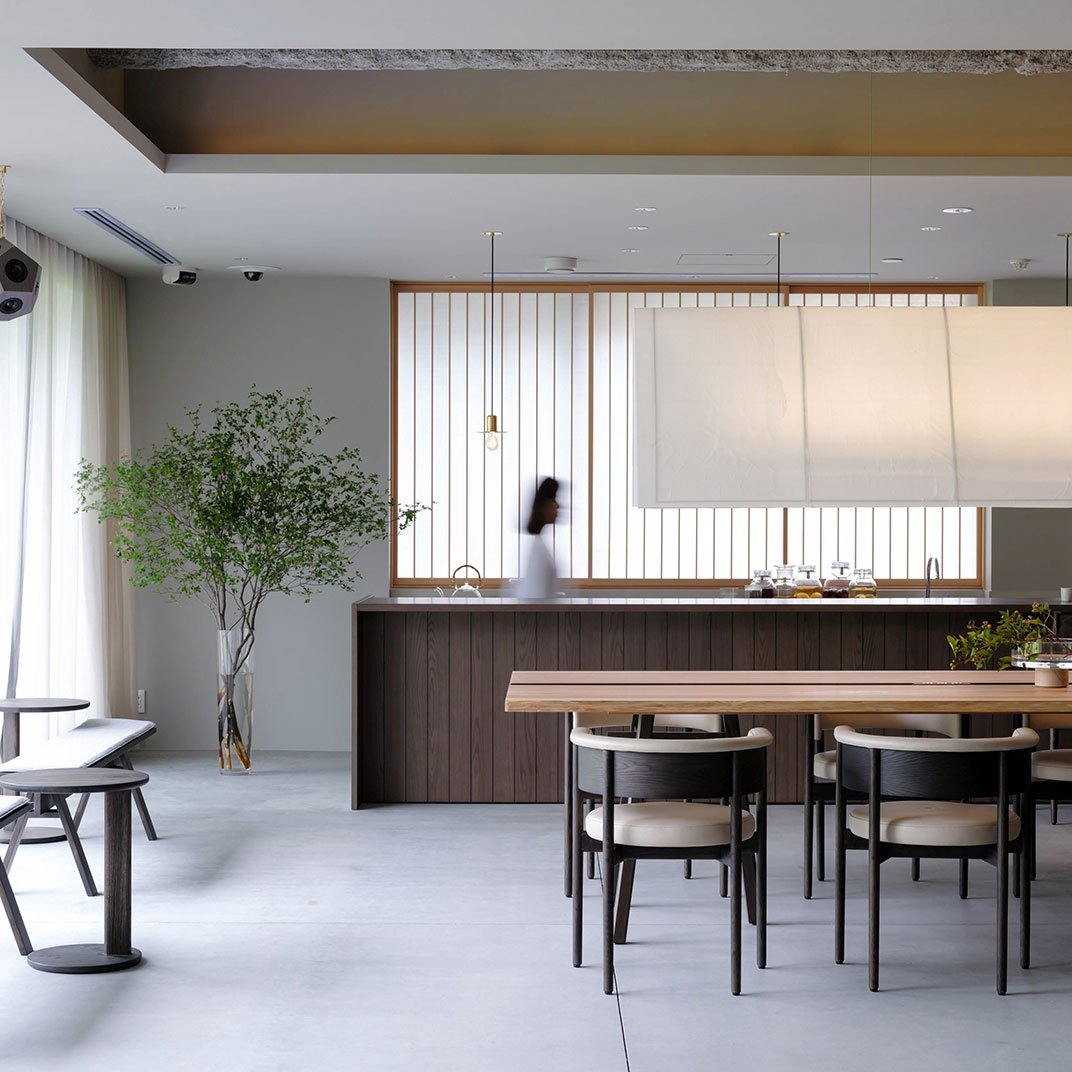
LA TRACE sits in the Omiyacho neighbourhood of central Nara, close enough to the historic core that you can walk the deer parks before dinner. The room's atmosphere runs quiet and composed; this is not a venue where the energy of the crowd carries the experience. The ambient register is low and deliberate: a place designed for conversation and attention, not spectacle. If you want a charged, buzzy room, go elsewhere. If you want to eat carefully and hear your companion speak, this setting rewards you.
France-trained technique applied to Japanese ingredients is a formula that can read as gimmick or as genuine dialogue between two culinary traditions. At its finest, as the back-to-back Michelin recognition implies, LA TRACE is closer to the latter. Nara Prefecture grows some of Japan's most respected vegetables, Yamato yasai, the traditional vegetables of the Yamato region, are cultivated here and largely absent from menus outside the prefecture. When a French kitchen roots itself in that local supply chain, the menu earns a coherence that imported luxury ingredients alone cannot buy. This is the editorial angle worth understanding before you sit down: the price you pay is partly for produce you will not find prepared this way anywhere else in the region.
That sourcing philosophy also anchors what returning guests should look for. If you have eaten here before and want to understand what to prioritise on a second visit, pay attention to how the menu has shifted with the season. A kitchen this committed to local supply will move materially with the calendar. The current season in Japan brings different produce to the table than a summer or autumn visit would, at this price tier, that specificity is the point. Ask the kitchen or front-of-house which ingredients are at peak right now, a kitchen running at Michelin level will have an answer.
The ¥¥¥ pricing puts LA TRACE in the top tier of Nara dining, comparable to Wa Yamamura and akordu. For context on what this price tier delivers regionally, HAJIME in Osaka sits in the same conversation for French-influenced modern cooking, but it operates at a different scale and booking difficulty. Gion Sasaki in Kyoto offers a comparable commitment to seasonal Japanese sourcing in a Japanese format. LA TRACE occupies a specific position: French execution with a Nara provenance, that combination is rare enough to make the trip worth it.
For broader context on the French dining category in Nara, other options worth knowing include La Terrasse irisée, à plus, A VOTRE SANTE, Bon appétit Meshiagare, and FAON, all operating in the French register in the same city. None carries the same back-to-back Michelin recognition as LA TRACE. For comparable French discipline at the leading end internationally, Les Amis in Singapore and Hotel de Ville Crissier in Crissier set the global benchmark.
Booking
Booking difficulty is rated Hard. Two consecutive Michelin stars in a small city with a modest number of covers means seats are competitive. Do not arrive expecting a walk-in to work. Book as far ahead as possible, for high-demand dates, several weeks' lead time is a reasonable baseline. If you are building an itinerary around this meal, confirm the reservation before you book transport or accommodation. Nara is well-connected to Kyoto (roughly 45 minutes by train) and Osaka (under an hour), which makes LA TRACE a viable dinner destination without needing to stay overnight, but only if the booking is locked in first.
Know Before You Go
- Cuisine: French
- Awards: Michelin 1 Star (2024 and 2025)
- Price tier: ¥¥¥
- Address: 2 Chome-1-5 Omiyacho, Nara, 630-8115, Japan
- Booking difficulty: Hard, reserve well in advance
- Leading approach: Day trip from Kyoto or Osaka is feasible; confirm reservation before booking travel
- Atmosphere: Quiet, composed, suited to conversation and focused dining
- Solo dining: Viable at this style of venue; counter or small-format seating likely
How It Compares
Explore More in Nara
- Our full Nara restaurants guide
- Our full Nara hotels guide
- Our full Nara bars guide
- Our full Nara wineries guide
- Our full Nara experiences guide
More Starred Kitchens in Japan
Planning details
- Location
- 2 Chome-1-5 Omiyacho, Nara, 630-8115, Japan
- Website
- latrace.jp
- Phone
- +81 742-33-4000
The take
The Take
The Vibe
LA TRACE presents a quietly refined French table in Nara that balances classical technique with a distinct local sensibility. The kitchen earns consecutive Michelin recognition, positioning the restaurant among the city’s finest while remaining intimately scaled. Service and plating lean toward formal precision, and the neighbourhood — Omiyacho, near shrine precincts and the parkland where sika deer roam — lends the experience a historic, scenic backdrop. The menu foregrounds Yamato vegetables and the morning sourcing networks of Kansai, so the food feels rooted to place even as it adheres to exacting French craft. The overall tone is elegant, intimate and composed.
Best For
This is a dinner destination for people seeking a polished, celebratory evening. Consecutive Michelin stars and a disciplined French technique make LA TRACE appropriate for date nights, special occasions and small celebratory meals where attention to seasonality and technique matters. The restaurant’s scale and service style favor focused, attentive evenings rather than casual group gatherings or late-night hangs. Diners who appreciate ingredient-driven courses — particularly Yamato vegetables and delicate preparations of fish and meat — will find the meal rewarding within the formal rhythms of a Michelin-level table.
Ordering Tips
Prioritize the signature items and the vegetable-led preparations to get a clear sense of the kitchen’s approach: simmered seasonal vegetables, grilled fish with delicate sauce, Bakuku pork, a whole carrot stuffed with Camembert, and lamb fillet with spring onion are highlighted dishes. The menu works in conversation with local producers — Yamato vegetables and same-morning sourcing across Kansai — so lean into seasonal plates and seafood offerings to experience the regional frame the chef applies to French technique. Expect composed, technique-forward courses and plan your visit as a focused dinner.
Venue details
Ambiance
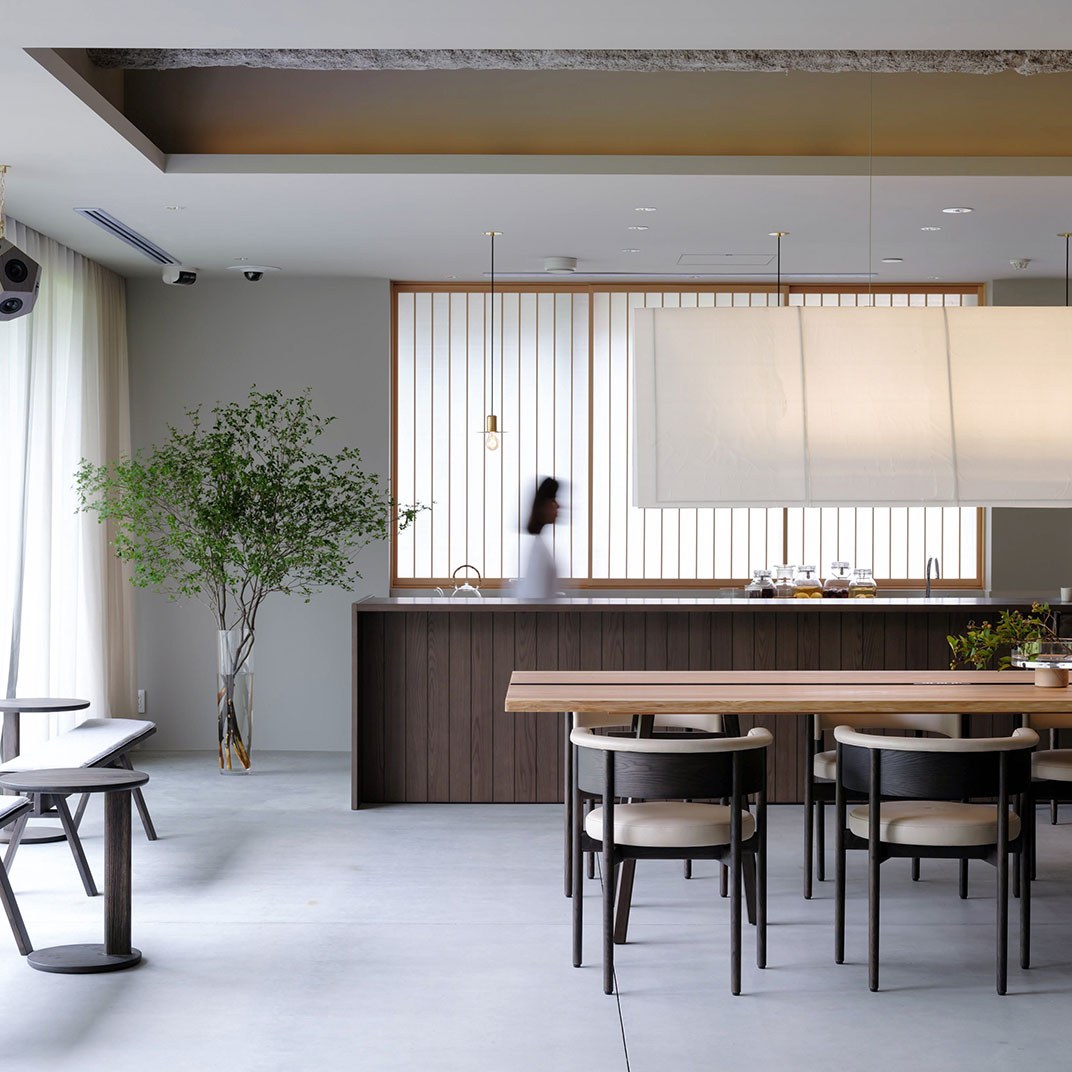
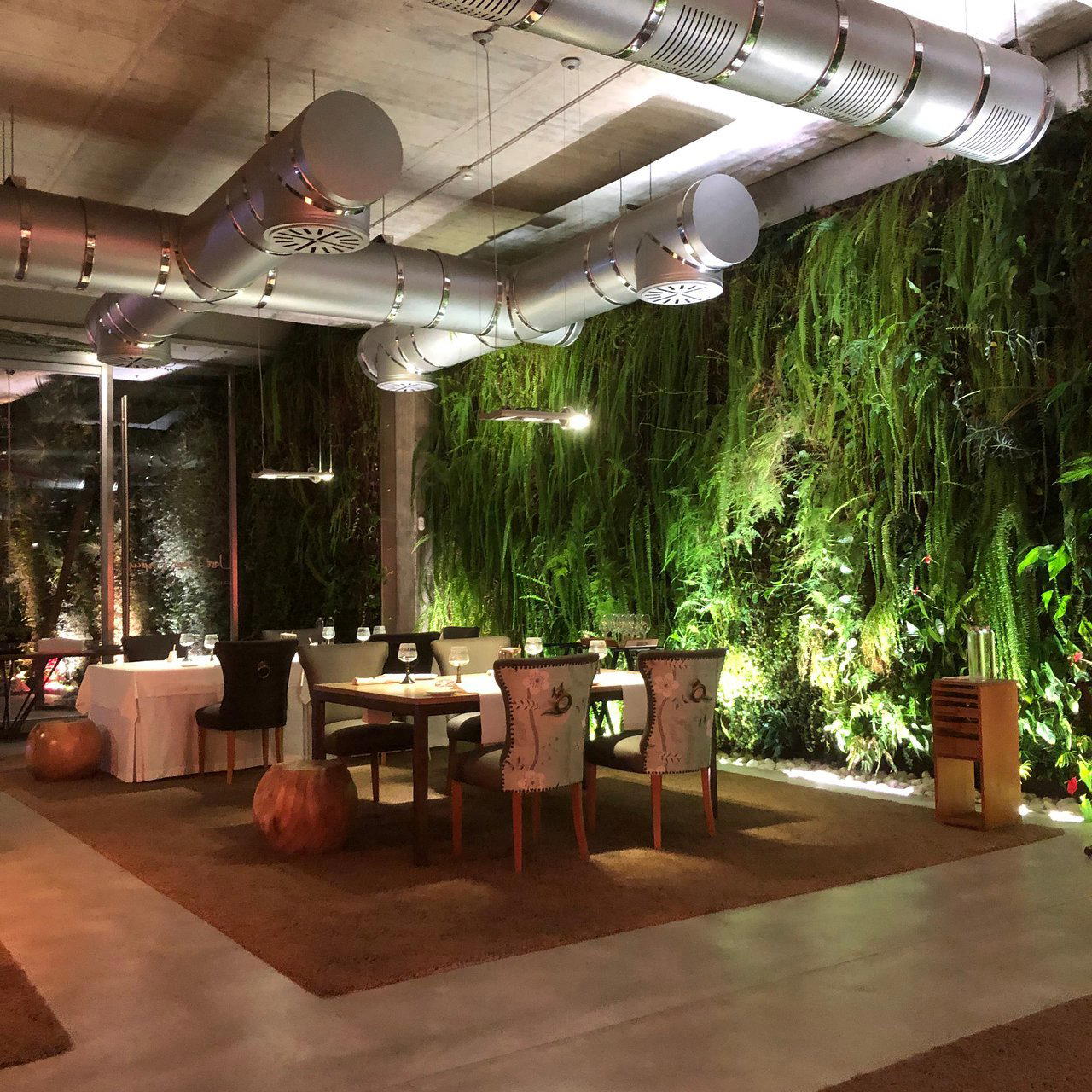
Warm, cozy, and elegant with dim lighting and handcrafted furnishings; intimate counter seating allows diners to observe the chef's culinary artistry in real-time.
Tags
Vibe
Best For
Experience
Sourcing
At the Table
- Dress Code
- Smart Casual
- Noise Level
- Quiet
- Service Style
- Formal
- Meal Pacing
- Extended Experience
- Capacity
- Intimate
Signature Dishes
- Simmered seasonal vegetables
- Grilled fish with delicate sauce
- Bakuku pork
- Whole carrot stuffed with Camembert
- Lamb fillet with spring onion
Planning details
Location
Recognition and awards
Also consider
Also Consider
- akordu; Spanish, Innovative, ¥¥¥
- Wa Yamamura; Kaiseki, Japanese, ¥¥¥
- Araki; Sushi, Japanese, ¥¥¥
- Tama; Okinawan, French, ¥¥¥
- NARA NIKON; Japanese, ¥¥¥
Restaurant context
At the ¥¥¥ tier in Nara, LA TRACE is the only French kitchen carrying consecutive Michelin stars, which already sets the decision frame for serious diners. Its closest competitors on price and ambition are Wa Yamamura for kaiseki and akordu for innovative Spanish. If format is your deciding factor: Wa Yamamura delivers a more culturally rooted Nara experience through Japanese kaiseki, while akordu offers the most creative departure from tradition. LA TRACE is the call when French technique with local sourcing is precisely what you are after.
Araki and Tama fill out the ¥¥¥ field with sushi and Okinawan-French respectively. Tama is the most direct comparison in terms of format overlap; French influence, Japanese setting; but LA TRACE's Michelin credentials give it a clear edge for diners who use awards as a quality filter. NARA NIKON rounds out the Japanese options at this tier and is the easier booking if you want ¥¥¥ dining without the same reservation pressure.
The practical trade-off is booking difficulty. LA TRACE is the hardest reservation in this peer set. If you want ¥¥¥ dining in Nara without weeks of lead time, Wa Yamamura or NARA NIKON are more accessible entry points. But if you are planning ahead and French is your format, LA TRACE is the booking to prioritise. No other venue in this group delivers the same combination of French culinary discipline and Nara provenance at this level of verified recognition.
Explore Nara
Around this place
Discover more on Pearl
Unlock the full LA TRACE guide in Pearl, including awards, comparisons, FAQs, planning details, and nearby places.
Compare LA TRACE
| Venue | Price | Booking Difficulty | Awards |
|---|---|---|---|
| LA TRACE | ¥¥¥ | Hard | Michelin Guide Kyoto Osaka 2026Michelin Guide Nara 2026Tabelog 100 - French - WEST - 2025 · #362025 Michelin 1 Star2024 Michelin 1 Star |
| akordu | ¥¥¥ | Unknown | 2026 Tabelog Bronze · #142026 OAD Top Restaurants in Japan RecommendedMichelin Guide Nara 20262026 La Liste Top RestaurantsTabelog 100 - Innovative / Creative cuisine - 2025 · #762025 OAD Top Restaurants in Japan Ranked · #5192025 Tabelog Silver2025 Michelin 2 Stars2025 La Liste Top Restaurants |
| Wa Yamamura | ¥¥¥ | Unknown | 2026 OAD Top Restaurants in Japan RecommendedMichelin Guide Nara 20262025 OAD Top Restaurants in Japan Ranked · #2052025 Michelin 1 Star2024 OAD Top Restaurants in Japan Ranked · #1952024 Michelin 1 Star2023 OAD Top Restaurants in Japan Highly Recommended |
| Araki | ¥¥¥ | Unknown | 2026 Tabelog Bronze · #23Michelin Guide Nara 2026Tabelog 100 - Tempura - 2025 · #202025 Michelin Plate2025 Tabelog Bronze2024 Michelin Plate2023 OAD Top Restaurants in Asia Ranked · #24 |
| Tama | ¥¥¥ | Unknown | Michelin Guide Nara 20262025 OAD Casual in Japan Ranked · #902025 Michelin Plate2024 OAD Casual in Japan Ranked · #802024 Michelin Plate2023 OAD Casual in Japan Ranked · #63 |
| NARA NIKON | ¥¥¥ | Unknown | 2026 Tabelog Bronze · #315Michelin Guide Nara 2026Tabelog 100 - Japanese cuisine - WEST - 2025 · #692025 La Liste Top Restaurants2025 Tabelog Bronze2025 Michelin 2 Stars2024 Michelin 2 Stars |




.png?width=1200&quality=80)
Key differences to consider before you reserve.
FAQ
Frequently Asked Questions
What should I order at LA TRACE?
LA TRACE runs a French tasting format, so the menu is chosen for you. At the ¥¥¥ price point with back-to-back Michelin stars in 2024 and 2025, the kitchen is building a composed progression rather than an à la carte list. Trust the format, flag preferences at booking rather than at the table.
Is LA TRACE good for solo dining?
Solo diners do well at Michelin-starred French restaurants in Japan; counter seats are common in this format, the service culture is attentive without being intrusive. LA TRACE's small cover count means solo seats are limited, so specify when booking and expect to confirm early.
What are alternatives to LA TRACE in Nara?
Wa Yamamura is the clearest Nara alternative if you want Japanese-rooted fine dining rather than French. For a lower price point in the city, Tama is worth considering. If you are willing to travel slightly, Akordu offers a different European approach to seasonal Japanese produce.
Is LA TRACE worth the price?
At ¥¥¥ with two consecutive Michelin stars, LA TRACE is priced where you would expect it to be; and the back-to-back recognition in 2024 and 2025 suggests the kitchen is consistent, not just lucky. For French tasting-menu dining in Nara specifically, there is no stronger credentialled alternative in the city.
What should a first-timer know about LA TRACE?
Come with time; do not schedule anything immediately after. The Omiyacho address puts you close to Nara's central temples and deer parks, so building the dinner into a full day in the city makes sense.
How far ahead should I book LA TRACE?
Book at least four to six weeks out, further ahead if you are visiting on a weekend or during a peak season such as cherry blossom or autumn foliage. Two Michelin stars in a small city with limited covers is a competitive combination. Do not treat this as a walk-in option.