

Chugokusai Naramachi Kuko
Chinese · Nara
Restaurant in Nara, Japan
 Book with Pearl
The Read
Provincial Chinese Precision
Dress
Smart Casual
Why go
Chugokusai Naramachi Kuko holds a Michelin 1 Star in both 2024 and 2025: consecutive recognition that makes it Nara's most credentialed Chinese dining address. At ¥¥¥, it sits alongside the city's top kaiseki counters in price and seriousness. Book well in advance; this is a hard reservation in a city with limited fine-dining inventory.
About Chugokusai Naramachi Kuko
Is Chugokusai Naramachi Kuko worth booking?
Yes: if you are looking for a Michelin-starred Chinese dining experience in Nara, this is the address. Chugokusai Naramachi Kuko holds a Michelin 1 Star in both 2024 and 2025, a consecutive recognition that signals consistency rather than a one-year fluke. At the ¥¥¥ price point, it sits in the same tier as the city's leading kaiseki and sushi counters, so the question is not whether the quality justifies the spend: it does, but whether Chinese cuisine is the right format for your Nara evening. If it is, book here.
What to expect
Chugokusai Naramachi Kuko is located in Shonamicho, within the Naramachi district, Nara's historic merchant quarter, where low-slung machiya townhouses line narrow lanes close to Kofuku-ji and Kasuga Taisha. The address places you in one of the most atmospheric pockets of the city, and arriving here on foot from the main sightseeing corridor feels deliberate rather than accidental. The neighbourhood sets a tone of quiet seriousness before you even step inside.
The restaurant presents Chinese cuisine through a lens shaped by Nara's broader fine-dining culture, where precision and restraint tend to define the room regardless of culinary origin. The Michelin plate designation alongside the star in both years confirms that the physical presentation and cooking technique meet the guide's technical standard, this is not a casual Chinese restaurant dressed up for tourists.
For anyone returning after a first visit, the focus should be on the progression of the tasting menu rather than ordering à la carte if that option exists. Michelin-starred Chinese restaurants at this price level in Japan typically build their menus around a deliberate arc, from lighter, more delicate preparations toward richer, more technically demanding courses. That structure is where the kitchen's decision-making is most visible, and it is also where the cooking tends to separate itself from what you might find at a less considered Chinese restaurant in a major city. The sequencing of textures and intensities across a full menu tells you more about a kitchen's philosophy than any single dish can.
If you visited previously and ordered selectively, a return visit with a full tasting menu commitment is the right next move. The Michelin recognition for two consecutive years is specifically the kind of signal that rewards that approach, the guide does not star restaurants that are inconsistent or that peak on one or two dishes. The kitchen here appears to be building a coherent progression, and that is worth experiencing end to end.
Booking difficulty is rated hard. Nara is a day-trip destination for most international visitors, which means the city's starred restaurants serve a relatively small pool of overnight guests and serious diners who have planned ahead. Seats at this level do not sit empty for long. Plan to book well in advance, particularly if you are visiting during the spring cherry blossom period (late March to mid-April) or autumn foliage season (November), when Nara's visitor numbers spike sharply. No booking method is confirmed in our data, so approach via the venue directly or through a concierge service if you are staying at one of Nara's better hotels.
The ¥¥¥ pricing puts this in the same bracket as akordu and NARA NIKON, so if you are deciding between fine-dining options for a single night in Nara, the choice comes down to format. Chugokusai Naramachi Kuko is the right pick if Chinese cuisine is what you are after at this level; if you want kaiseki or Japanese-centric cooking, the city has strong alternatives in the same price tier. For Chinese cooking at Michelin level elsewhere in Japan, HAJIME in Osaka and venues like Goh in Fukuoka offer useful comparisons for the broader regional fine-dining context, though neither is Chinese. For international reference points on serious Chinese restaurant cooking, Restaurant Tim Raue in Berlin and Mister Jiu's in San Francisco represent what the format looks like when a kitchen builds Chinese flavour profiles through a fine-dining structure.
The Michelin context and the Naramachi setting suggest smart casual at minimum. Arriving in tourist-day clothing would read as underdressed relative to the room's implied register.
For the broader Nara dining picture, see our full Nara restaurants guide. If you are building a full trip, our guides to Nara bars, Nara wineries, and Nara experiences cover the rest of the city well.
Practical details
Other Michelin-starred Chinese options in the Kansai region and beyond worth knowing: SHUN-GYO and Shunsai Chuka Bar Mitsukan are Nara-based peers worth comparing. Outside Nara, Gion Sasaki in Kyoto and Harutaka in Tokyo illustrate the broader Kansai and Kanto fine-dining benchmarks, though in different cuisines. For a wider Japanese fine-dining frame of reference, 1000 in Yokohama and 6 in Okinawa round out the picture nationally. Also consider Oryori Hanagaki if you want a Japanese alternative within Nara itself.
Planning details
- Hours
- Monday: 11:30 AM–2 PM, 5:30–8:30 PM · Tuesday: Closed
- Location
- 1 Shonamicho, Nara, 630-8363, Japan
- Reservations
- Book on TableCheck
- Website
- kiyosumi.jp/naramachiten
- Phone
- +81 742-24-5699
The take
The Take
The Vibe
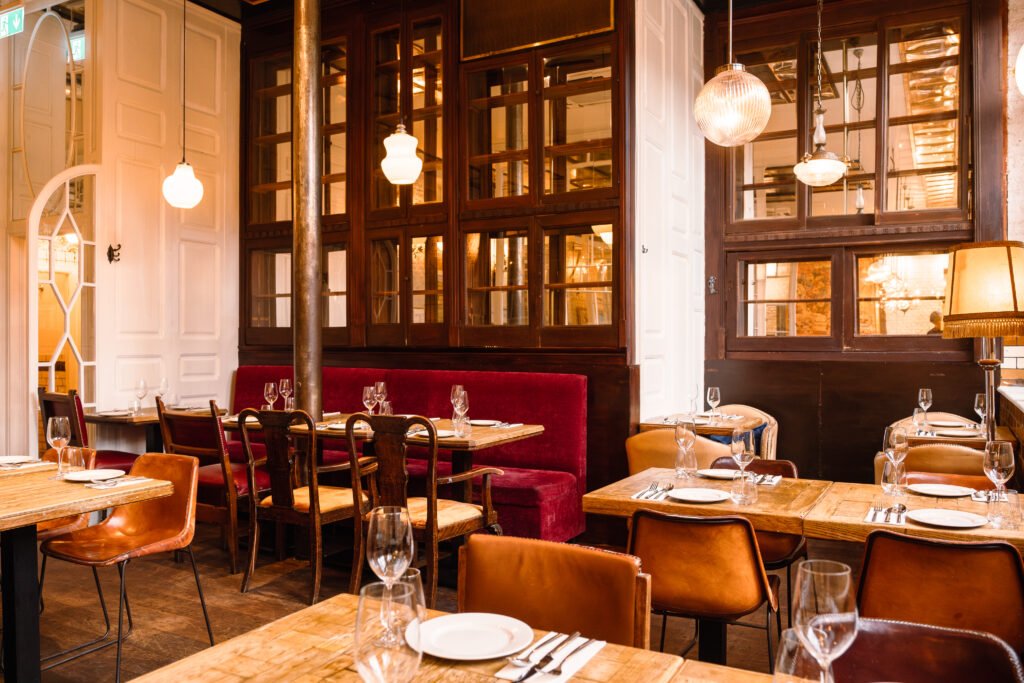
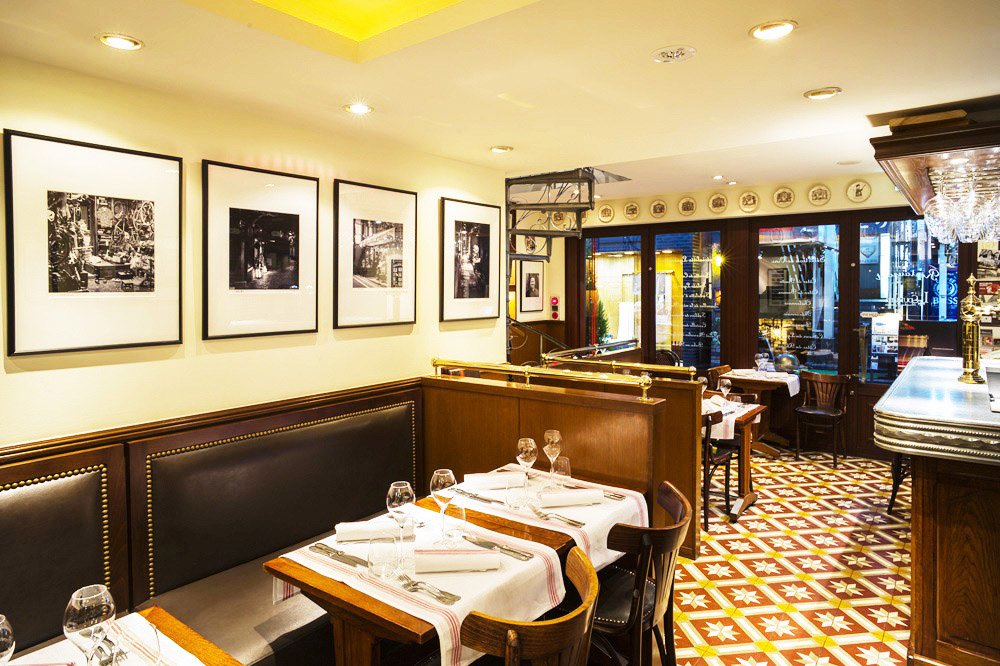
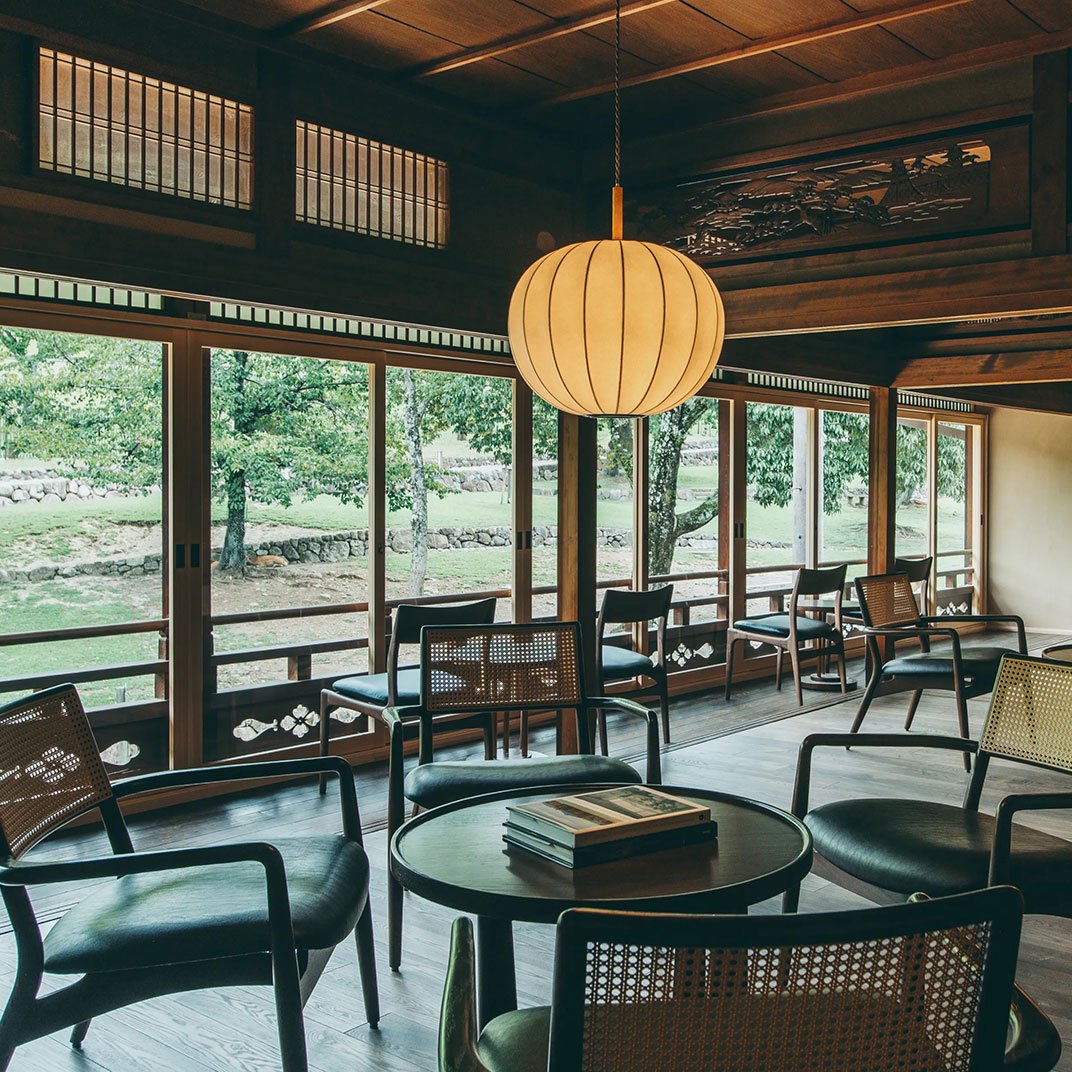
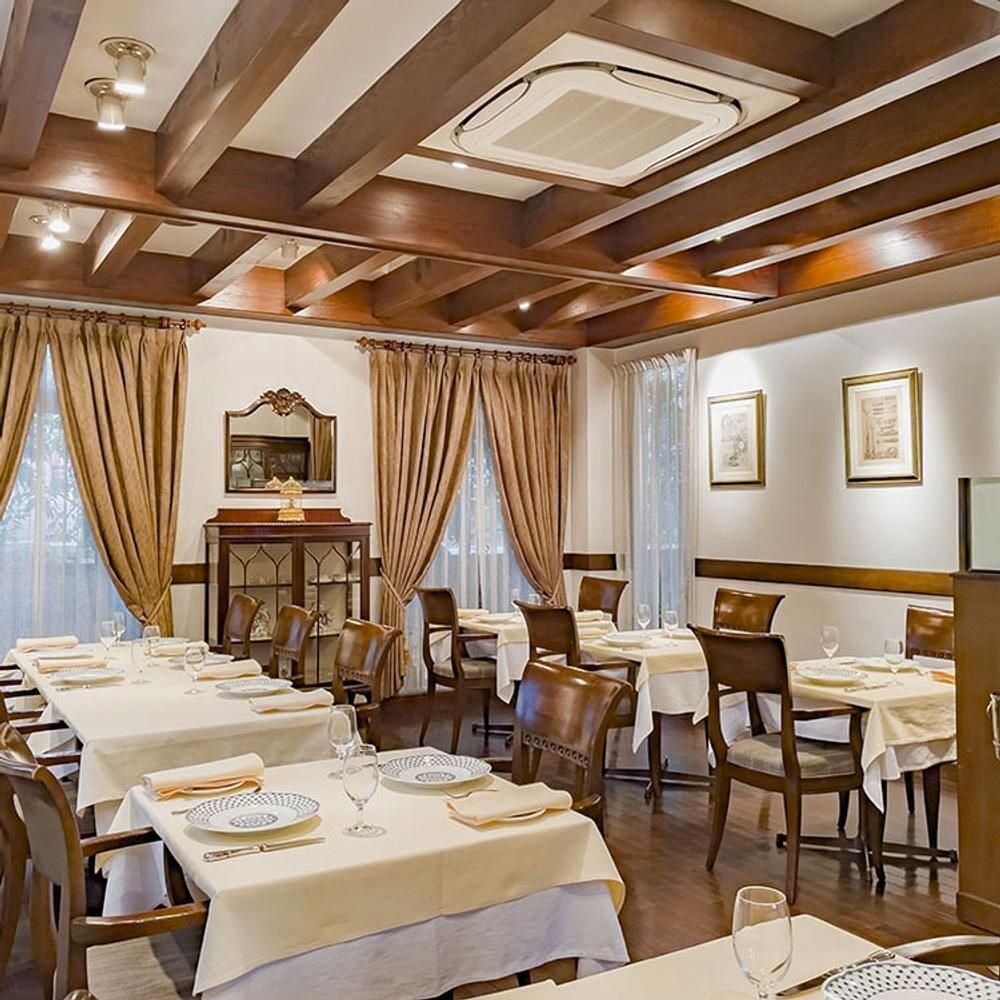
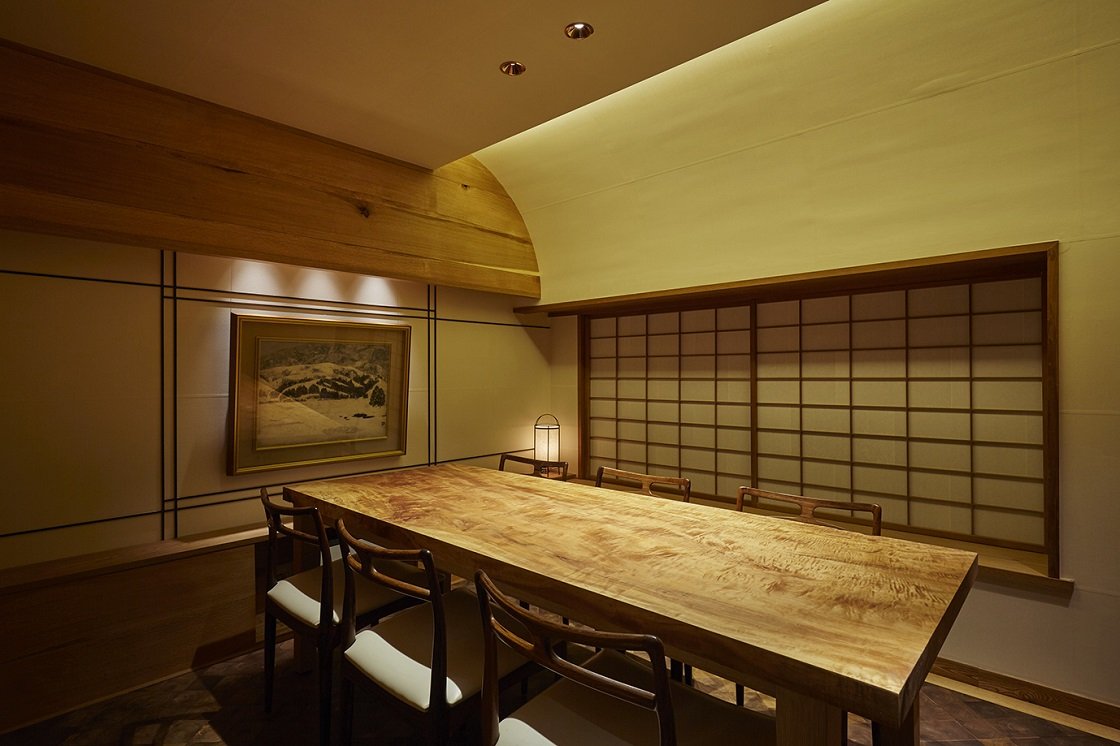
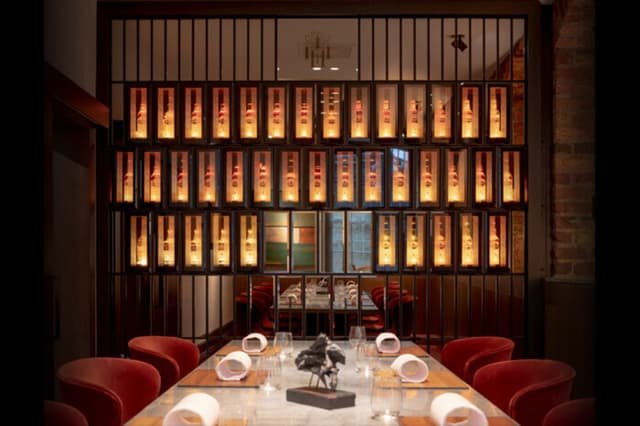
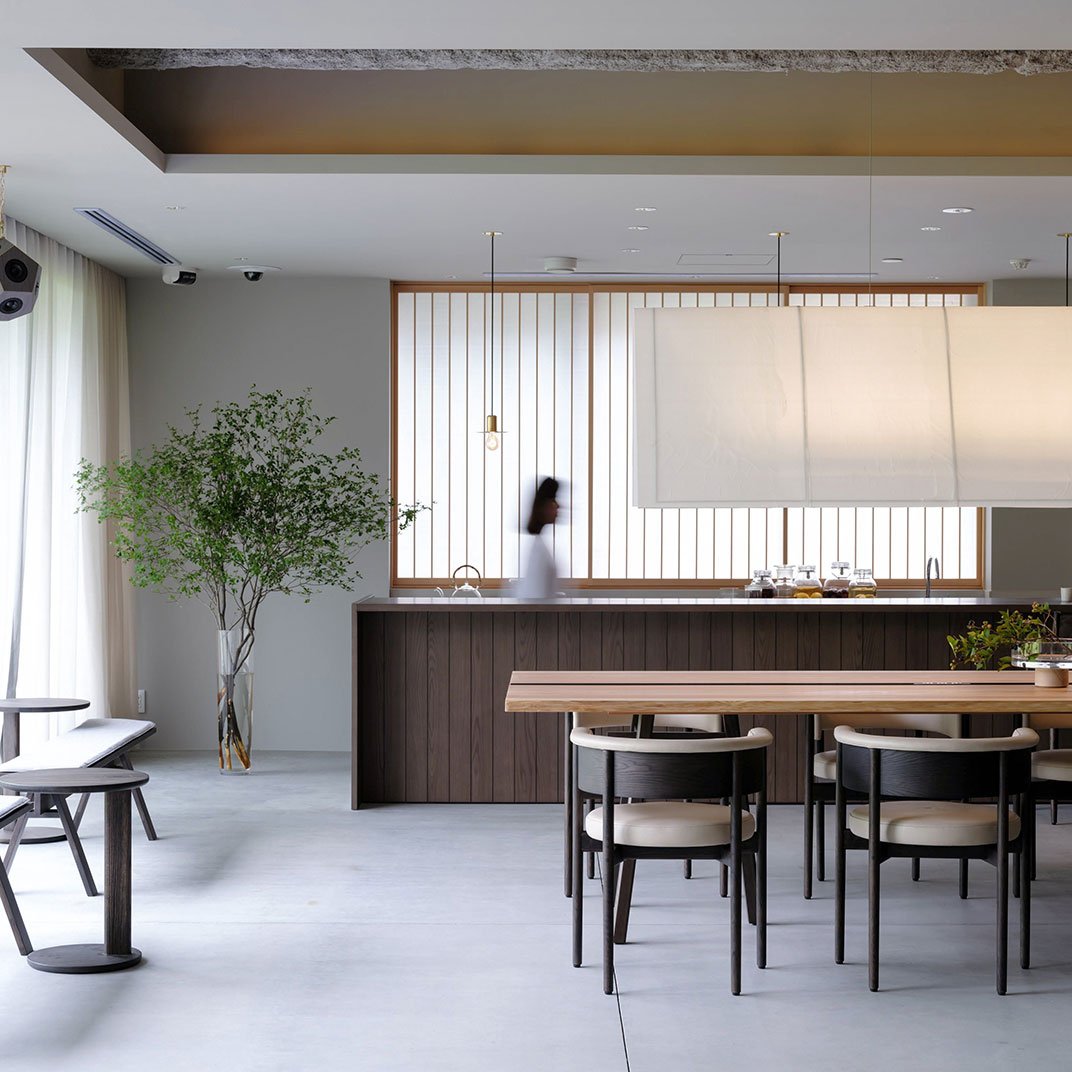
Chugokusai Naramachi Kuko positions Chinese fine dining against the quietly resonant backdrop of Naramachi's machiya-lined streets. The experience hinges on contrast: refined, metropolitan Chinese cooking set within an Edo-period neighbourhood of wooden lattice facades, low rooflines and the scent of cedar and old stone. The restaurant reads as a thoughtful, sophisticated insertion into a provincial city, where the surrounding streetscape and atmospheric alleys shape how the cuisine is perceived. Expect a composed, urbane table experience that leans on the neighbourhood’s historic character to amplify the subtlety of the kitchen’s work.
Best For
This is a destination for evening dining when you want a considered, elevated meal in an atmospheric setting. As Chinese fine dining within Nara’s Michelin-tier conversation, it suits special occasions, date nights and formal business dinners where the surroundings matter as much as the food. Its location on Naramachi’s old streets also makes it appealing to visitors who want a cultured, quiet dinner after exploring the neighbourhood. Parties seeking relaxed, informal late-night or loud, casual outings will find it less fitting.
Ordering Tips
Keep your focus on the kitchen’s signatures: the venue is known for dim sum and the yakuzen soup, both highlighted as representative preparations. Start with a selection of dim sum to sample the kitchen’s technique and textural control, then move to the yakuzen soup to experience its restorative, composed flavors. Because the restaurant situates Chinese fine-dining practices in a provincial, historic context, ordering around a few standout plates allows you to appreciate the precision and restraint that define its menu.
Venue details
Ambiance
Serene and intimate atmosphere reflecting medicinal philosophy, with traditional Japanese hospitality.
Tags
Vibe
Best For
Experience
Sourcing
At the Table
- Dress Code
- Smart Casual
- Noise Level
- Quiet
- Service Style
- Formal
- Meal Pacing
- Leisurely
- Capacity
- Intimate
- Kitchen
- Traditional
- Menu Format
- Prix fixe
Signature Dishes
- dim sum
- yakuzen soup
Know before you go
Know Before You Go
- Getting there
- 1 Shonamicho, Nara, 630-8363, Japan
Planning details
Hours
- Monday
- 11:30 AM–2 PM, 5:30–8:30 PM
- Tuesday
- Closed
- Wednesday
- 11:30 AM–2 PM, 5:30–8:30 PM
- Thursday
- 11:30 AM–2 PM, 5:30–8:30 PM
- Friday
- 11:30 AM–2 PM, 5:30–8:30 PM
- Saturday
- 11:30 AM–2 PM, 5:30–8:30 PM
- Sunday
- 11:30 AM–2 PM, 5:30–8:30 PM
Location
1 Shonamicho, Nara, 630-8363, Japan · Directions
Recognition and awards
Also consider
Also Consider
- akordu: Spanish, Innovative, ¥¥¥
- Wa Yamamura: Kaiseki, Japanese, ¥¥¥
- Araki: Sushi, Japanese, ¥¥¥
- Tama: Okinawan, French, ¥¥¥
- NARA NIKON: Japanese, ¥¥¥
Restaurant context
Among Nara's ¥¥¥ restaurants, Chugokusai Naramachi Kuko occupies a specific and uncontested position: it is the only Michelin-starred Chinese restaurant in the city. That makes direct comparison with peers like akordu and Wa Yamamura a matter of format rather than quality ranking. If Chinese cuisine is your priority for a fine-dining evening in Nara, there is no alternative at this tier. If cuisine type is secondary to the dining format itself, Wa Yamamura's kaiseki menu offers the deepest expression of Japanese seasonal cooking in the city and is the stronger pick for anyone whose primary interest is Nara's culinary identity.
akordu is the more adventurous choice for diners who want something genuinely outside Japan's culinary mainstream: Spanish innovative cooking in a Nara context is an unusual combination, and the restaurant has built a following on that distinctiveness. For straight comparison on booking difficulty, all three are hard to secure, but Chugokusai Naramachi Kuko's Chinese format may have slightly lower competition from international visitors who default to Japanese cuisine when in Nara. Araki is the right call if sushi at a serious counter level is what you are after, and Tama's Okinawan-French crossover is worth considering for something less structurally formal than a tasting menu.
NARA NIKON at the same ¥¥¥ level covers Japanese cuisine and is the most accessible entry point into Nara's fine-dining tier for first-time visitors to the city. For returning visitors who have already worked through the Japanese-cuisine options, Chugokusai Naramachi Kuko is the logical next booking: it brings a different culinary register to the same quality level and is the only venue in the group with consecutive Michelin star recognition specifically in the Chinese category.
Explore Nara
Around this place
Discover more on Pearl
Unlock the full Chugokusai Naramachi Kuko guide in Pearl, including awards, comparisons, FAQs, planning details, and nearby places.
Compare Chugokusai Naramachi Kuko
| Venue | Cuisine | Price | Booking Difficulty | Awards |
|---|---|---|---|---|
| Chugokusai Naramachi Kuko | Chinese | ¥¥¥ | Hard | We're Smart World Top Restaurants 20252025 Michelin Plate2025 Michelin 1 Star2024 Michelin Plate2024 Michelin 1 Star |
| akordu | Spanish, Innovative | ¥¥¥ | Unknown | 2026 Tabelog Bronze · #142026 OAD Top Restaurants in Japan RecommendedMichelin Guide Nara 20262026 La Liste Top RestaurantsTabelog 100 - Innovative / Creative cuisine - 2025 · #762025 OAD Top Restaurants in Japan Ranked · #5192025 Tabelog Silver2025 Michelin 2 Stars2025 La Liste Top Restaurants |
| Wa Yamamura | Kaiseki, Japanese | ¥¥¥ | Unknown | 2026 OAD Top Restaurants in Japan RecommendedMichelin Guide Nara 20262025 OAD Top Restaurants in Japan Ranked · #2052025 Michelin 1 Star2024 OAD Top Restaurants in Japan Ranked · #1952024 Michelin 1 Star2023 OAD Top Restaurants in Japan Highly Recommended |
| Araki | Sushi, Japanese | ¥¥¥ | Unknown | 2026 Tabelog Bronze · #23Michelin Guide Nara 2026Tabelog 100 - Tempura - 2025 · #202025 Michelin Plate2025 Tabelog Bronze2024 Michelin Plate2023 OAD Top Restaurants in Asia Ranked · #24 |
| Tama | Okinawan, French | ¥¥¥ | Unknown | Michelin Guide Nara 20262025 OAD Casual in Japan Ranked · #902025 Michelin Plate2024 OAD Casual in Japan Ranked · #802024 Michelin Plate2023 OAD Casual in Japan Ranked · #63 |
| NARA NIKON | Japanese | ¥¥¥ | Unknown | 2026 Tabelog Bronze · #315Michelin Guide Nara 2026Tabelog 100 - Japanese cuisine - WEST - 2025 · #692025 La Liste Top Restaurants2025 Tabelog Bronze2025 Michelin 2 Stars2024 Michelin 2 Stars |
.png?width=1200&quality=80)





Key differences to consider before you reserve.
FAQ
Frequently Asked Questions
What should a first-timer know about Chugokusai Naramachi Kuko?
This is a Michelin 1-star Chinese restaurant in Nara's Naramachi district, holding the same star rating in both 2024 and 2025: a sign of consistent quality rather than a one-year anomaly. At ¥¥¥ pricing, it sits at a meaningful spend for the category, so first-timers should confirm reservation lead times, the menu format, and any dietary requirements before arrival. Naramachi is walkable from Nara's central sights, making it a practical dinner anchor for a day-trip or overnight visit.
What are alternatives to Chugokusai Naramachi Kuko in Nara?
SHUN-GYO and Shunsai Chuka Bar Mitsukan are the closest Nara-based peers worth considering for comparable Chinese-influenced dining in the city. For a different cuisine register entirely at Michelin level in Nara, Wa Yamamura offers Japanese kaiseki as a clear alternative if the Chinese format is not a firm requirement.