
Omija
Creative · Cité des Congrès, Nantes
Restaurant in Nantes, France
 Book with Pearl
The Read
Korean Five-Flavour Framework
Price
$50–100per person
Dress
Smart Casual
Why go
Omija is the strongest case for creative dining at €€€ in Nantes: a Michelin-starred kitchen running a Korean-inspired surprise menu with serious flavour architecture and painstakingly sourced produce including line-caught pollack and Oléron Island shrimp. Book a week or two ahead: the service windows are tight (closed weekends) but availability is generally easy. Worth it for food-focused diners who want chef-driven intent over à la carte flexibility.
About Omija
Is Omija worth booking in Nantes?
Yes: and if you care about what a kitchen can actually do with flavour, it's one of the more considered options in the city. Omija earns a Michelin Plate (2024) for a creative surprise menu that draws on Korean and broader Asian references, executed with French technique and a serious commitment to sourced produce. At €€€, it sits below L'Atlantide 1874 - Maison Guého on price and above the casual end of the Nantes dining market. For a food enthusiast who wants technical cooking without the formality of a full gastronomic institution, Omija is the right call.
Five years in, the kitchen has a point of view
Romain Bonnet opened Omija in 2019, which means the restaurant is now over five years old: enough time for a kitchen to either lose its edge or sharpen it. The evidence points to the latter. The name itself is a signal: omija is a Korean berry known for expressing all five flavours simultaneously, sweet, sour, salty, bitter, and spicy. That's not a branding exercise; it's a statement of culinary intent, and the cooking backs it up.
The surprise menu format means you hand over control to the kitchen, which is the right move here. Michelin's inspectors noted radish and seaweed gnocchi that play on acidic notes, with shrimp delivering a measured spicy edge. These aren't decorative garnishes, they're the actual architecture of a dish, and the fact that acid and heat are being used structurally rather than as seasoning after-thoughts puts Omija in a different conversation from most creative menus at this price point. The stocks are gutsy and the sauces are big-boned, showing the kitchen's depth and use of reduction. That matters: it's easy to make a dish look interesting; it's harder to make it taste like something you remember.
Produce sourcing is painstakingly done. Common shrimp comes from La Cotinière on Oléron Island; the pollack is line-caught; the Vendée squab is named by origin. Mostly organic. This level of sourcing specificity at €€€ pricing is the kind of thing you typically associate with restaurants a tier higher, places like Arpège in Paris, where ingredient provenance is the story. At Omija, it's supporting detail, but it meaningfully raises the floor on what ends up on the plate.
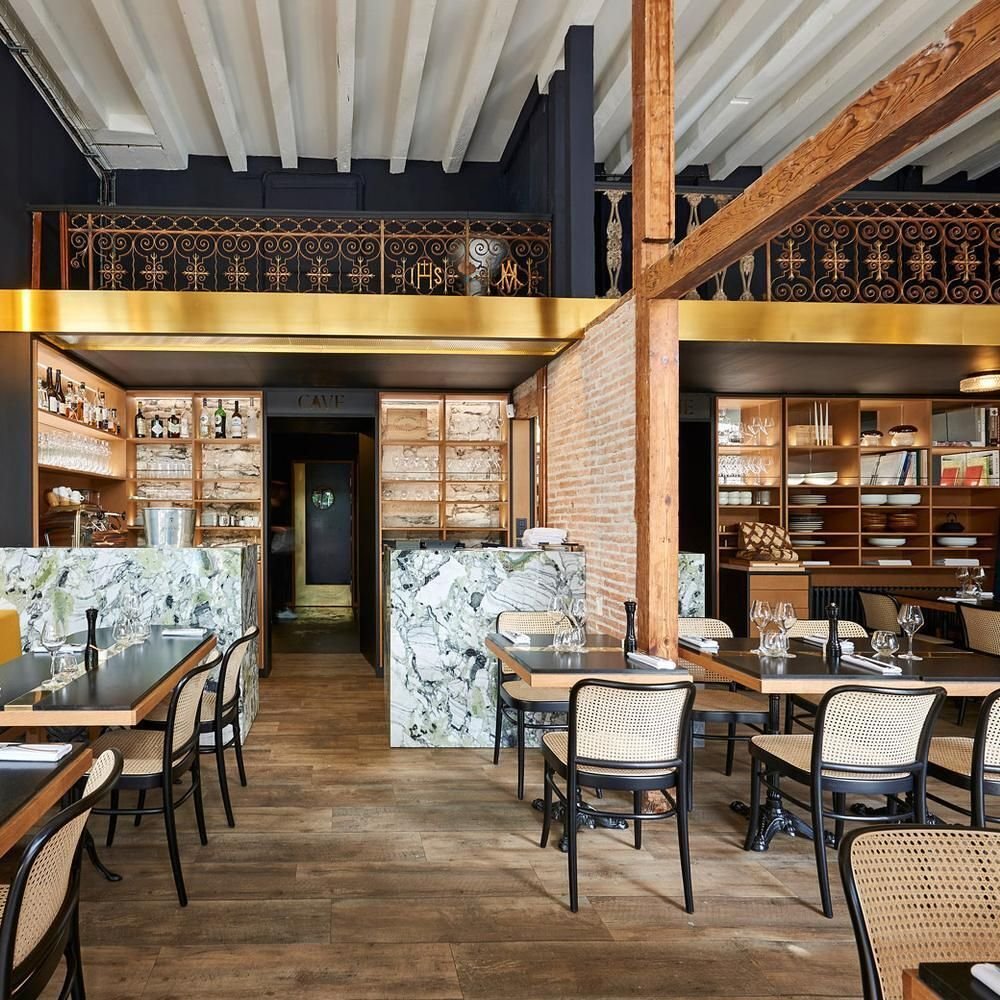
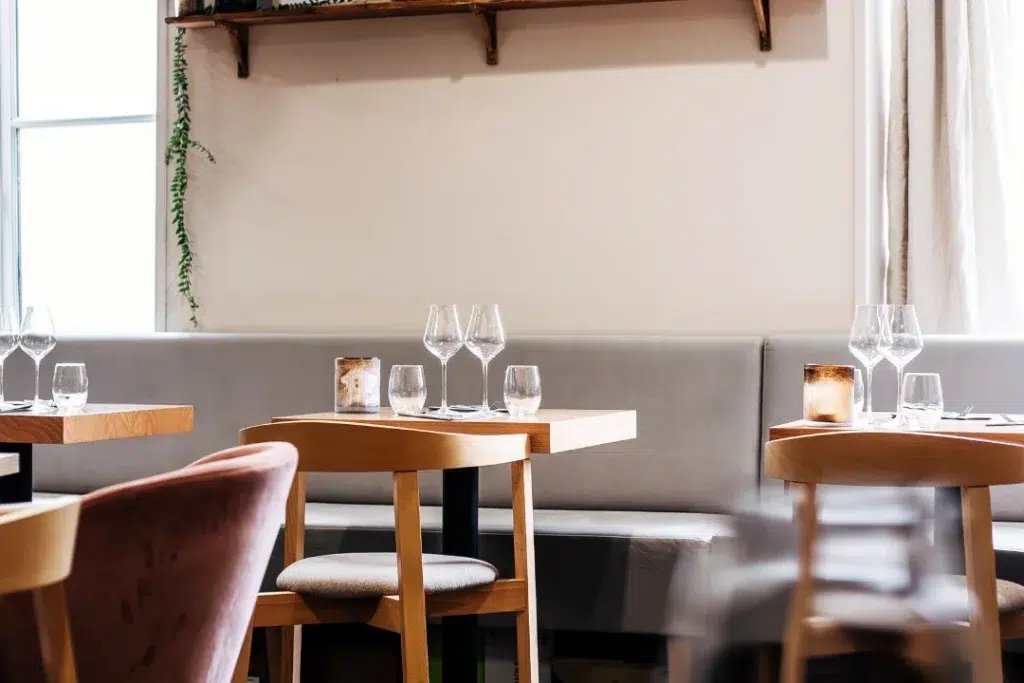
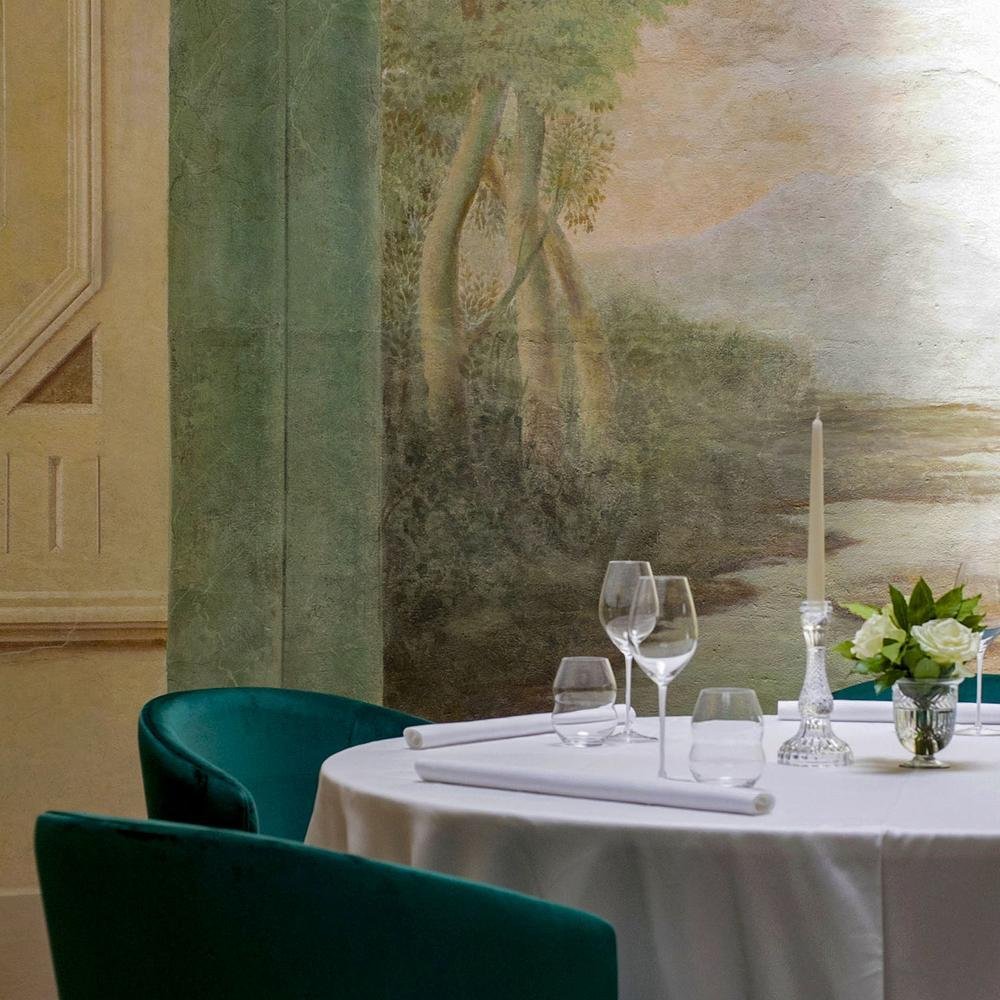
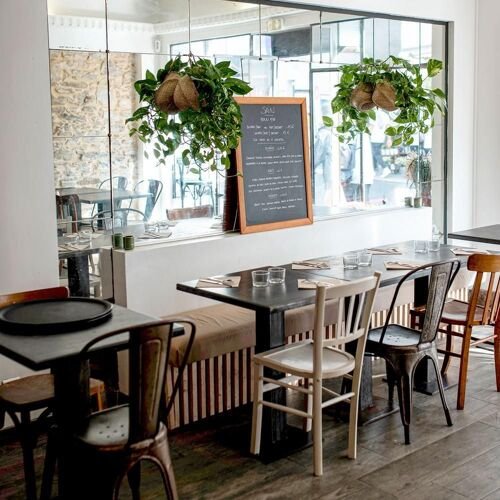
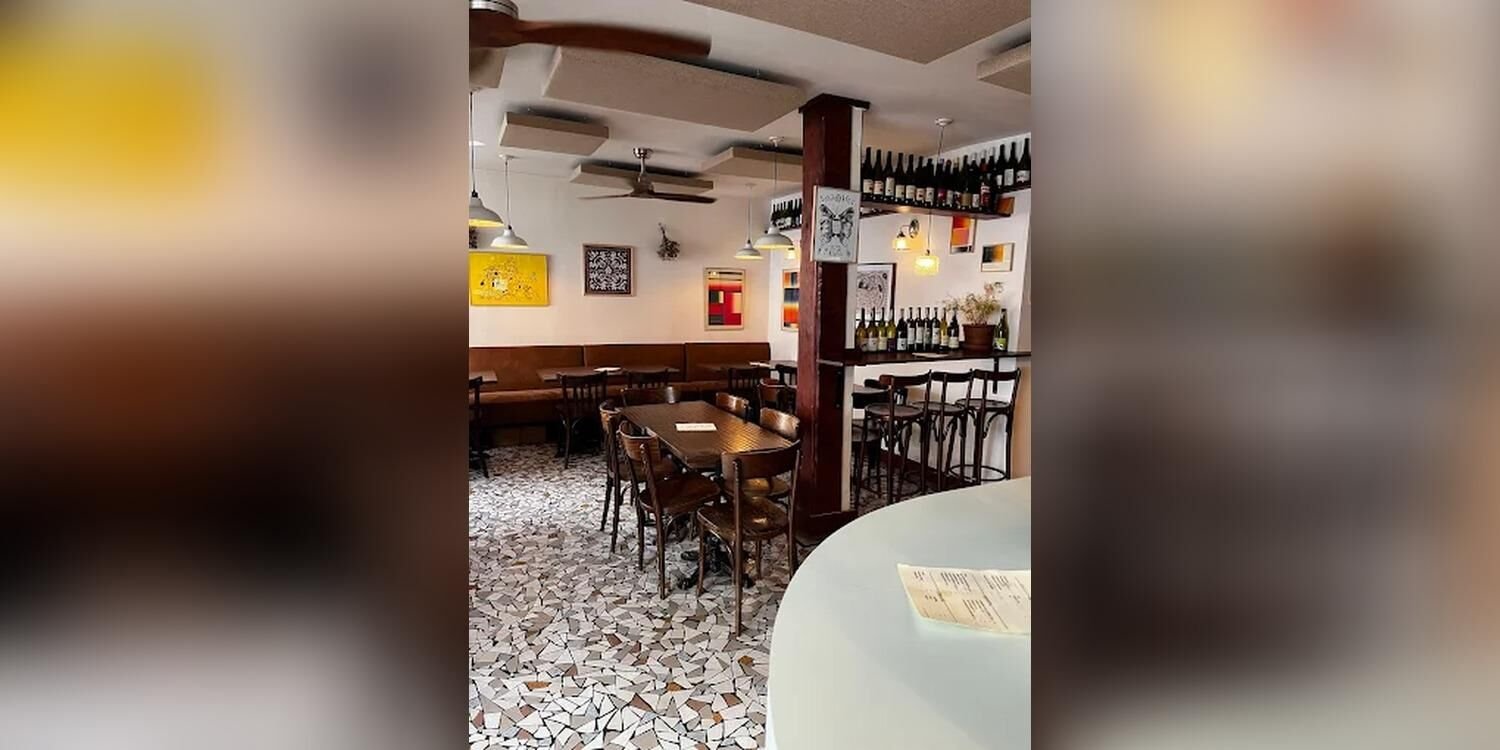
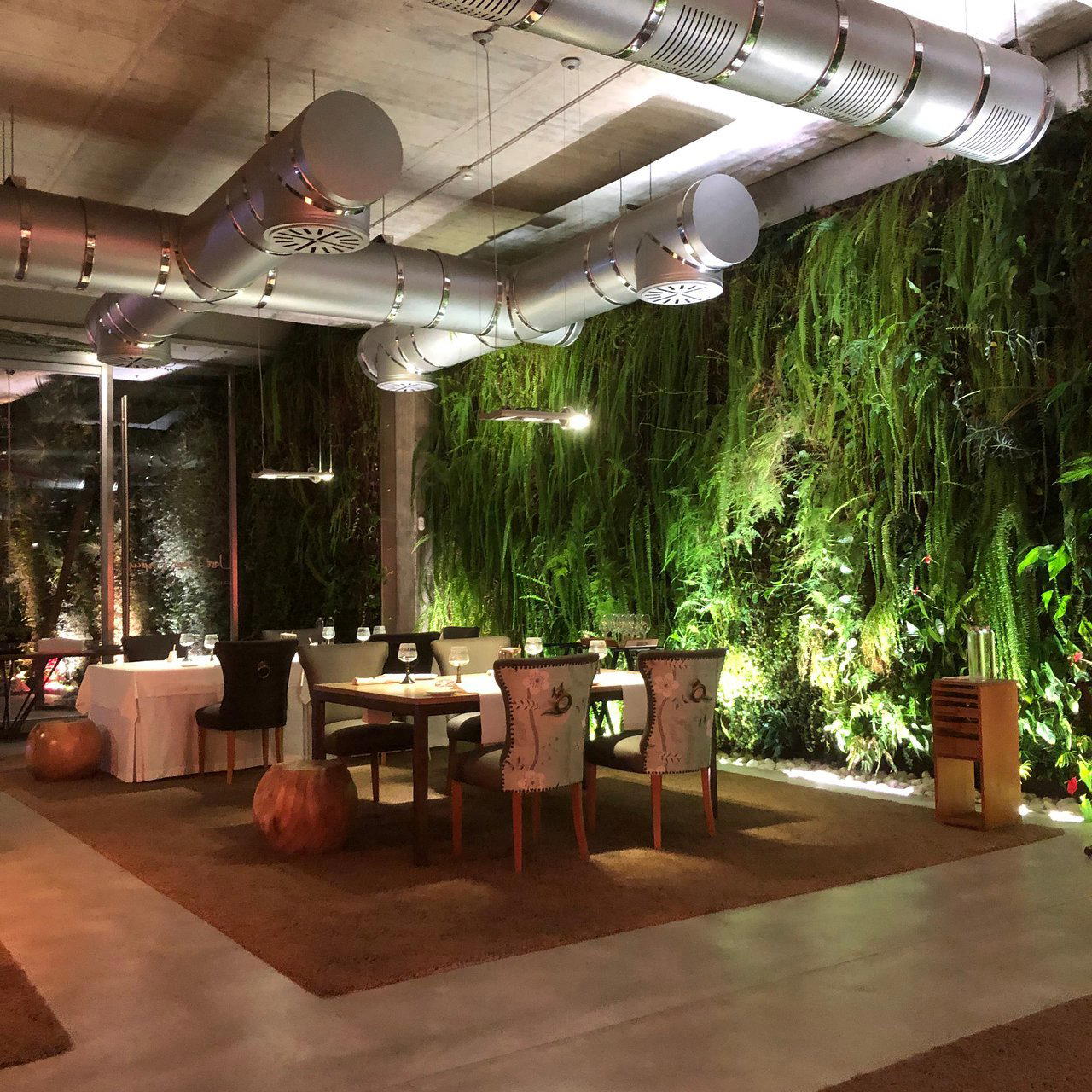
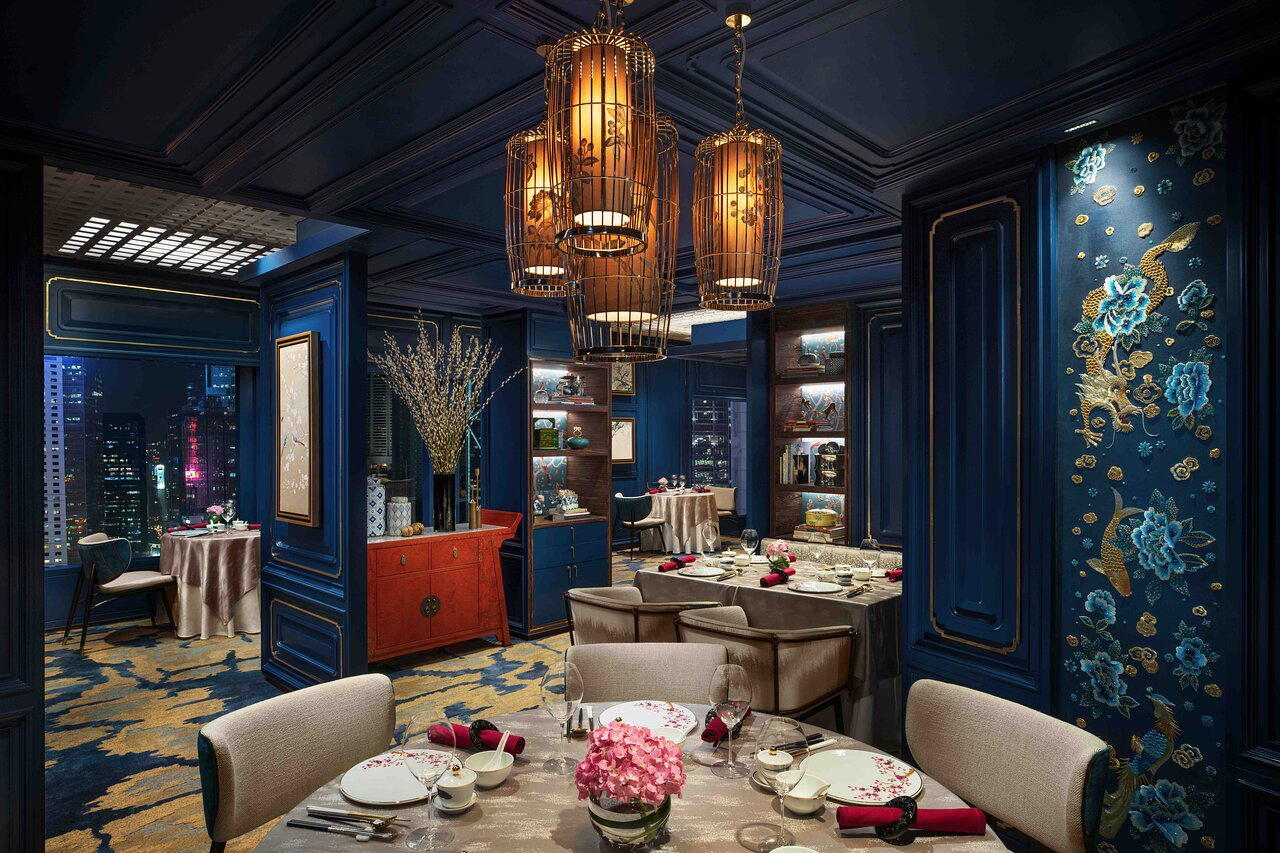
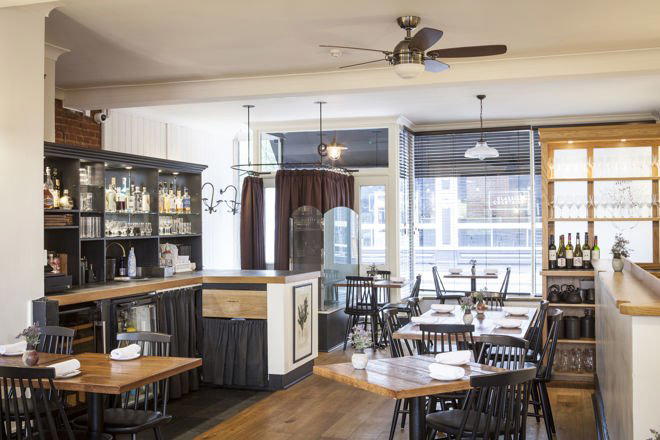
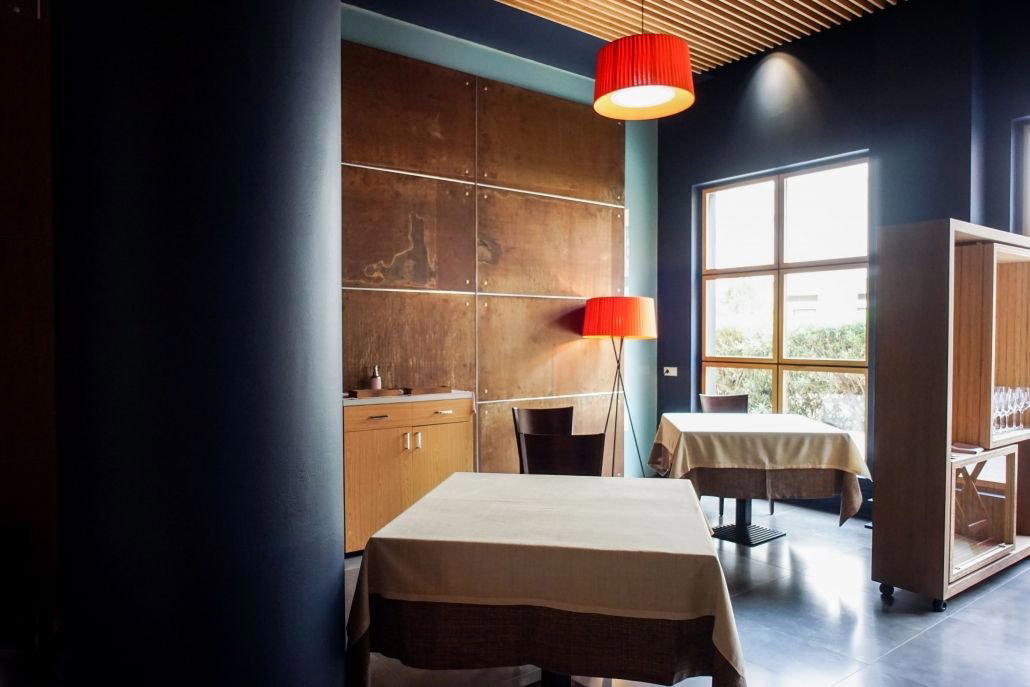
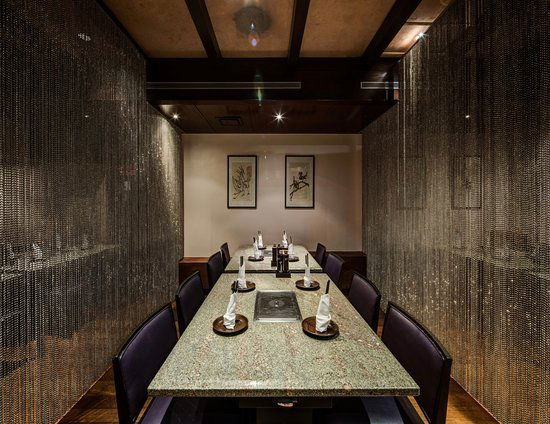
The room is infectiously cosy, and the service is unstarched and seamless. Formal service in a stiff room at this price tier often works against the food; here, the atmosphere lets the cooking lead. If you've eaten at places like Freia in Nantes, you'll recognise the register: technically serious, atmospherically relaxed.
What Omija does technically better than its peers
The specific edge here is flavour architecture. Many creative menus at €€€ in French regional cities are technically competent but flavour-safe, they use Asian or global references as aesthetic rather than as a genuine cooking logic. Omija's approach to balancing acid, spice, and umami simultaneously (not sequentially, course by course) is closer to what you'd expect from kitchens operating at a higher level, such as Mirazur in Menton or Cocina Hermanos Torres in Barcelona, where a single dish holds multiple competing flavour pressures in balance. That's a harder thing to pull off than it looks, and it's the reason the Michelin recognition is credible rather than ceremonial.
Surprise menu format also disciplines the kitchen in a way that à la carte doesn't. When you're cooking one menu for the whole table, the sequencing and the internal logic of the meal matter. Omija's format forces that discipline. Compare that to Les Cadets or Sépia in Nantes, where the format gives more diner autonomy but arguably less kitchen intention. If you want to eat what the chef has decided is the right meal for today, this is the format for it.
Practical details
Address: 54 Rue Fouré, 44000 Nantes, France. Hours: Lunch seatings run 12 PM–1 PM Monday through Friday (no Saturday or Sunday service); dinner seatings run 8 PM–9:15 PM Monday, Tuesday, Thursday, and Friday only, Wednesday dinner is closed. Check current hours before booking as these windows are tight. Price: €€€. Booking difficulty: Easy by Nantes standards, but the short service windows (one sitting per meal period, limited days) mean available slots are genuinely finite. Book ahead rather than assuming walk-in availability. Dress: No formal dress code noted; smart casual is appropriate for the price point and atmosphere. Format: Creative surprise menu; dietary restrictions should be communicated at time of booking.
How It Compares
See the full comparison below for how Omija stacks up against L'Atlantide 1874 - Maison Guého, Freia, and others in Nantes.
Pearl Picks: If you're building a Nantes trip
Omija works well as the centrepiece restaurant of a Nantes visit. For more options across price points and formats, see our full Nantes restaurants guide. For where to stay, our Nantes hotels guide covers the full range. If you want to extend into bars, wine, and experiences, our Nantes bars guide, Nantes wineries guide, and Nantes experiences guide are the right starting points. For context on how Omija fits into the broader French creative dining conversation, the reference points are restaurants like Flocons de Sel in Megève, Bras in Laguiole, Troisgros in Ouches, Auberge de l'Ill in Illhaeusern, and Alléno Paris au Pavillon Ledoyen, all operating at higher price tiers but sharing the same commitment to technical cooking with a defined point of view. Also worth knowing: Le Manoir de la Régate is a useful Nantes alternative if you want modern cuisine in a different setting.
Planning details
- Hours
- Monday: 12 PM-1 PM 8 PM-9:15 PM · Tuesday: 12 PM-1 PM 8 PM-9:15 PM
- Location
- 54 Rue Fouré, 44000 Nantes, France
- Reservations
- Book on the venue's website
- Website
- omija.fr
- Phone
- +33 2 40 74 81 05
The take
The Take
The Vibe
Omija presents a refined, sophisticated approach to contemporary French cooking rooted in precise sourcing and a clear conceptual lens. The kitchen uses the Korean omija berry as an organizing idea, which gives the tasting menu an uncommon interplay of sweet, sour, salty, bitter and spicy notes. Service and mise en place read like fine dining, deliberate, attentive and intimate, and the food pushes acidic and spicy registers more than many French creative kitchens. The result is a considered, elegant dining room that feels modern and quietly ambitious rather than flashy.
Best For
Omija is best experienced as an evening tasting destination: think date nights and special‑occasion dinners where a surprise menu is the point. The compact, chef‑led format and meticulous provenance of seafood and produce reward diners who want a focused, multi‑course exploration rather than casual a la carte dining. Guests who appreciate seasonality, precise technique and a service style that supports a paced tasting will find Omija particularly satisfying. The restaurant’s location in Nantes and its emphasis on Atlantic sourcing also make it a strong choice for visitors seeking a regional, high‑end meal.
Ordering Tips
Opt for the surprise tasting menu: the restaurant’s concept is built around a structured, omija‑inspired progression and the menu is designed to reveal the kitchen’s sourcing choices. Expect seafood from specific local points of origin and shifting seasonal elements; the kitchen deliberately leans into acidic and spicy accents, so be ready for bright, sometimes assertive flavors. Because provenance is integral to the cooking, ask staff about current suppliers and menu highlights if you want context for particular courses. Reservations are advisable for an uninterrupted tasting experience.
Venue details
Ambiance
Infectiously cosy with unstarched yet seamless service, open kitchen visible through a large glass window, and a zen-themed interior.
Tags
Vibe
Best For
Experience
Sourcing
At the Table
- Dress Code
- Smart Casual
- Noise Level
- Quiet
- Service Style
- Upscale Casual
- Meal Pacing
- Leisurely
- Capacity
- Intimate
- Kitchen
- Modern
- Menu Format
- Tasting menu, Prix fixe
- Dietary
- Vegetarian friendly
Know before you go
Know Before You Go
- Getting there
- 54 Rue Fouré, 44000 Nantes, France
Planning details
Hours
- Monday
- 12 PM-1 PM 8 PM-9:15 PM
- Tuesday
- 12 PM-1 PM 8 PM-9:15 PM
- Wednesday
- 12 PM-1 PM
- Thursday
- 12 PM-1 PM 8 PM-9:15 PM
- Friday
- 12 PM-1 PM 8 PM-9:15 PM
- Saturday
- closed
- Sunday
- closed
Location
Recognition and awards
Also consider
Also Consider
- L'Atlantide 1874 - Maison Guého: Modern Cuisine, €€€€
- Freia: Creative, €€€
- La Mandale: Farm to table, €
- Meraki: Modern Cuisine, €€
- Song, Saveurs & Sens: Asian Contemporary, €€
Restaurant context
Within Nantes, Omija sits in the middle of the quality-price range: above the casual end and below the full gastronomic tier. If budget isn't the constraint and you want the most polished room and service in the city, L'Atlantide 1874 - Maison Guého at €€€€ is the answer: it operates at a higher formality level and carries the price to match. But if you're comparing the actual cooking experience, Omija's flavour specificity and sourcing rigour make the gap in experience smaller than the gap in price.
Freia is the most direct peer: also creative, also €€€, and similarly positioned for a food-enthusiast audience. The choice between them comes down to format preference and what's available on your date: both are worth booking, and if you're planning multiple nights in Nantes, they pair well rather than compete. For Asian-influenced cooking at a lower price point, Song, Saveurs & Sens at €€ is the comparison, though the technical ambition and the surprise menu format at Omija represent a materially different proposition.
Meraki (€€) and La Mandale (€) serve different needs: Meraki for a mid-range modern option, La Mandale for farm-to-table at accessible prices. Neither competes directly with Omija on technical cooking. The clearest decision rule: if you want a chef-controlled, flavour-led meal with Korean-Asian reference points and serious produce sourcing, Omija is the booking. If you want more diner autonomy or a grander room, look at Freia or L'Atlantide 1874 respectively.
Explore Nantes
Around this place
Discover more on Pearl
Unlock the full Omija guide in Pearl, including awards, comparisons, FAQs, planning details, and nearby places.
Compare Omija
| Venue | Location | Cuisine | Awards | Price |
|---|---|---|---|---|
| Omija | Nantes | Creative | Michelin Guide France & Monaco 20262025 Michelin 1 Star2024 Michelin Plate | €€€ |
| L'Atlantide 1874 - Maison Guého | Nantes | Modern Cuisine | Michelin Guide France & Monaco 20262025 Michelin 1 Star2025 Gault & Millau Remarkable Restaurant2024 OAD Classical in Europe Ranked · #2532024 Michelin 1 Star | €€€€ |
| Freia | Nantes | Creative | Star Wine Lists 2026 · #1Michelin Guide France & Monaco 20262025 Michelin 1 Star2024 Michelin Plate | €€€ |
| La Mandale | Nantes | Farm to table | Michelin Guide France & Monaco 20262025 Michelin Bib Gourmand2024 Michelin Bib Gourmand | € |
| Meraki | Nantes | Modern Cuisine | Michelin Guide France & Monaco 20262025 Michelin Bib Gourmand2024 Michelin Bib Gourmand | €€ |
| Song, Saveurs & Sens | Nantes | Asian Contemporary | Michelin Guide France & Monaco 20262025 Michelin Plate2024 Michelin Plate | €€ |

.png?width=1200&quality=80)




How Omija Nantes compares with similar nearby venues.
FAQ
Frequently Asked Questions
Does Omija handle dietary restrictions?
Omija runs a surprise tasting menu, which by format requires the kitchen to know your restrictions in advance. Contact them directly before booking to flag dietary needs. Given that the menu is built around Asian-inspired flavour architecture and produce sourced to spec (organic, line-caught, specific suppliers), substitutions are possible but the format is not designed for heavy customisation.
Is Omija good for solo dining?
Yes: the cosy, informal-yet-precise service style noted in the Michelin citation makes solo dining here less awkward than at stiffer €€€ rooms. A surprise tasting menu format suits solo diners well since there are no group ordering decisions to manage. The tight lunch window (12 PM–1 PM seating) is a practical option for a solo weekday visit.
Is Omija worth the price?
At €€€ with a Michelin Plate and a kitchen that has been sharpening the same point of view since 2019, yes. The menu draws on Korean flavour principles and uses painstakingly sourced organic produce, including shrimp from Oléron Island, line-caught pollack, and Vendée squab. If you want a safe, familiar creative menu, look elsewhere: Omija is for eaters who want the kitchen to take a position.
How far ahead should I book Omija?
Book at least two to three weeks out, especially for dinner. The lunch seating is a single one-hour window (12 PM–1 PM, Monday through Friday) and dinner runs to 9:15 PM: these are tight service windows in a small room, which means availability disappears fast. Saturday and Sunday are closed, so a weekday dinner is your best slot for a relaxed experience.
Is Omija good for a special occasion?
Yes, with one caveat: the room is cosy and the service is warm but unstarched, so if your occasion calls for formal grandeur, Omija is not that restaurant. If the occasion is about eating something genuinely considered and memorable, a Michelin-recognised surprise menu built around Korean flavour principles and chef Romain Bonnet's sourcing obsessions makes a stronger case than most Nantes options at €€€.